In This Article
QUICK ANSWER
What Should a Beverage Plant Reserve for Phase Two?
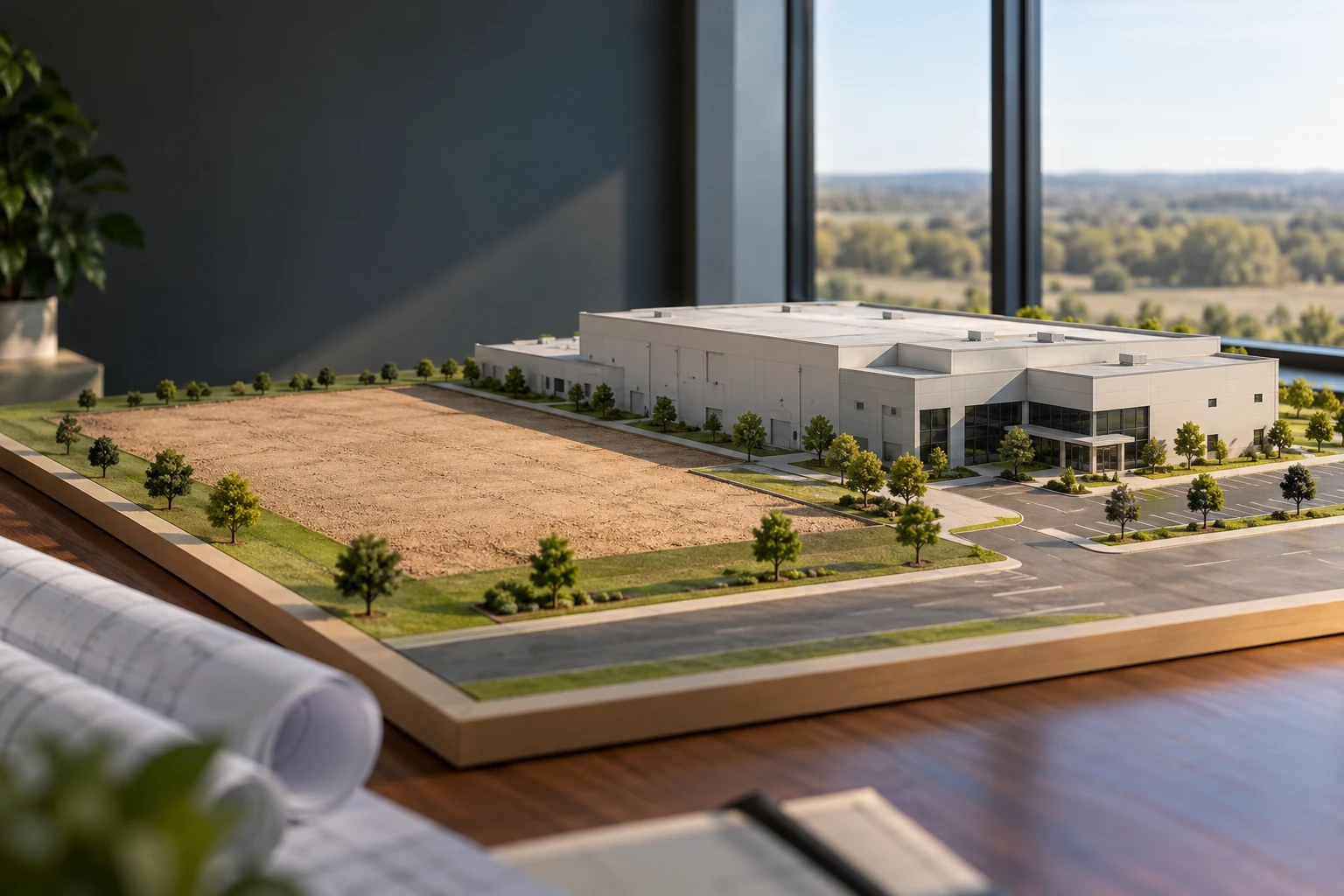
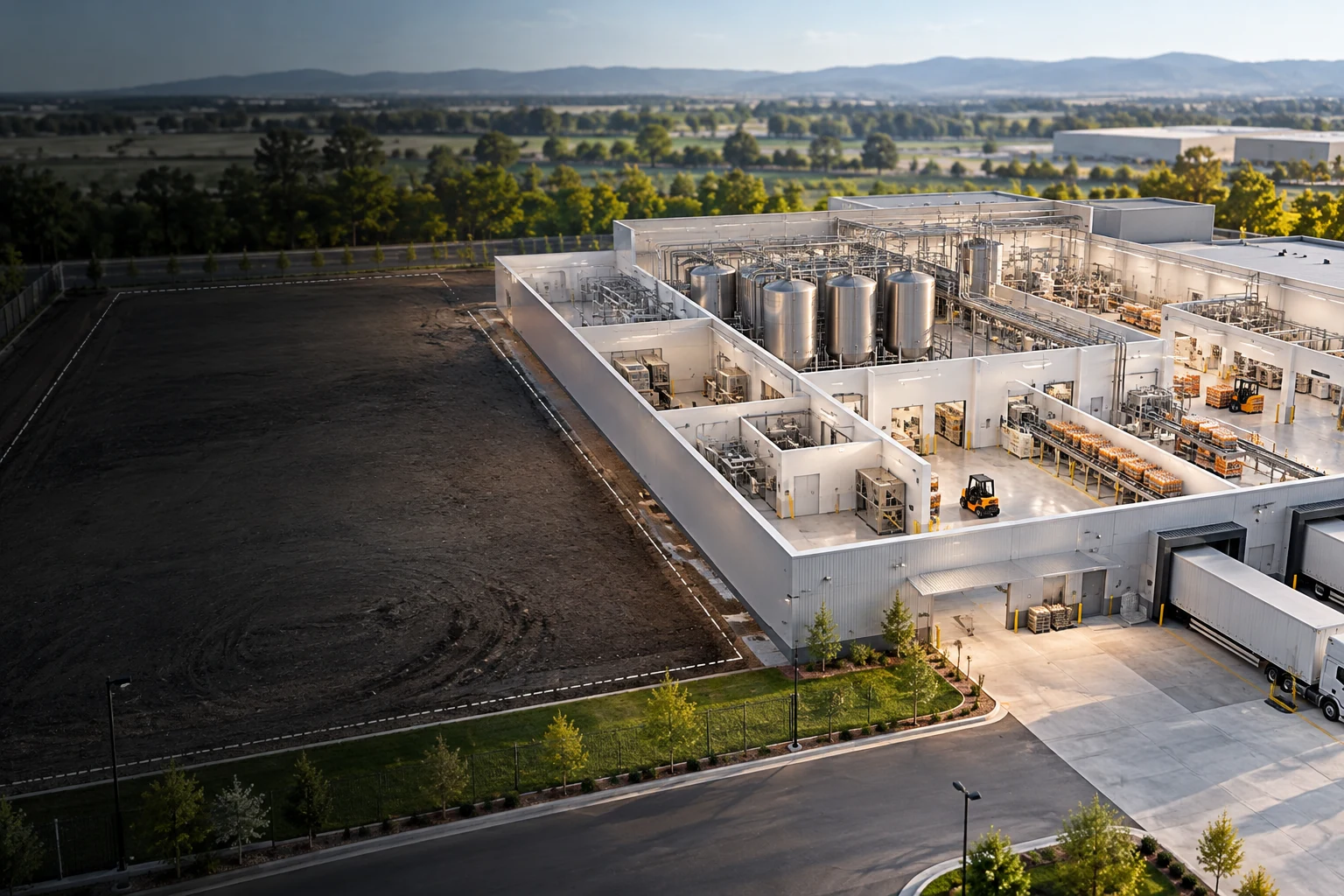
Reserve a usable expansion path through batching, vessels, cleaning, shared utilities and packaging, rather than an empty area beside the first line. Define the next credible product and operating calendar, identify the first constrained interface and decide which connections or access would be expensive to create after production begins.
A good beverage plant expansion master plan distinguishes provisions installed now from equipment purchased later. It records how phase two connects, what production must stop during that work and which operating condition triggers the investment. More installed capacity is valuable only when the connected factory can use it.
A second packaging line is an obvious symbol of expansion. The less visible limit may be a syrup room that cannot release enough batches, a shared transfer route that remains occupied or a cleaning window that disappears when another product is added.
Plan those relationships before phase one becomes a live operating site. The objective is selective flexibility: protect the most credible next step without paying today for every possible future product. This approach matters at site selection as well as detailed design. A building that accommodates the first line comfortably can still have an awkward second phase if batching expansion, utility distribution and installation access all compete for the same corner. Review that conflict while the layout remains inexpensive to change. DPS's process engineering, custom vessels and capital-planning services can be connected to that defined task.
1. Define the Next Product Before Reserving the Next Line
Start with the commercial change that phase two must support. More volume of an existing beverage may extend a campaign. More flavors may require additional independently available batches. A different package may put the constraint at filling or secondary packing. These scenarios can occupy the same floor area while requiring different upstream investment.
Translate the selected scenario into batch quantities, product transitions, packaging hours and dispatch requirements. Review whether the next phase must run concurrently with the first or can alternate through shared assets. Concurrency is an important design decision, because it changes utility peaks, route availability and the operating controls needed to prevent conflicts.
Give the planning team an initial product matrix and one credible expansion matrix. Avoid a single percentage-growth allowance that conceals whether growth means longer runs or a more complex product mix. The owner can then see which assumptions actually justify a spare connection, larger room or additional vessel position.
Bring procurement and operations into this discussion. Ingredient delivery units, available people and the timing of packaging materials can constrain the proposed calendar even when process equipment has enough nominal throughput.
The useful output is a phase definition with a measurable trigger: for example, the point where the required batches no longer fit the approved operating calendar. This makes future investment conditional on a real constraint and gives phase-one designers a specific expansion duty to preserve.
2. Model Syrup-Room Occupancy Rather than Total Tank Volume
A vessel supports expansion when it becomes available at the required time. Its cycle can include receipt, preparation, holding, transfer and cleaning. Two large vessels do not necessarily provide the same product flexibility as several independently available positions, even when their aggregate nominal volume is similar.
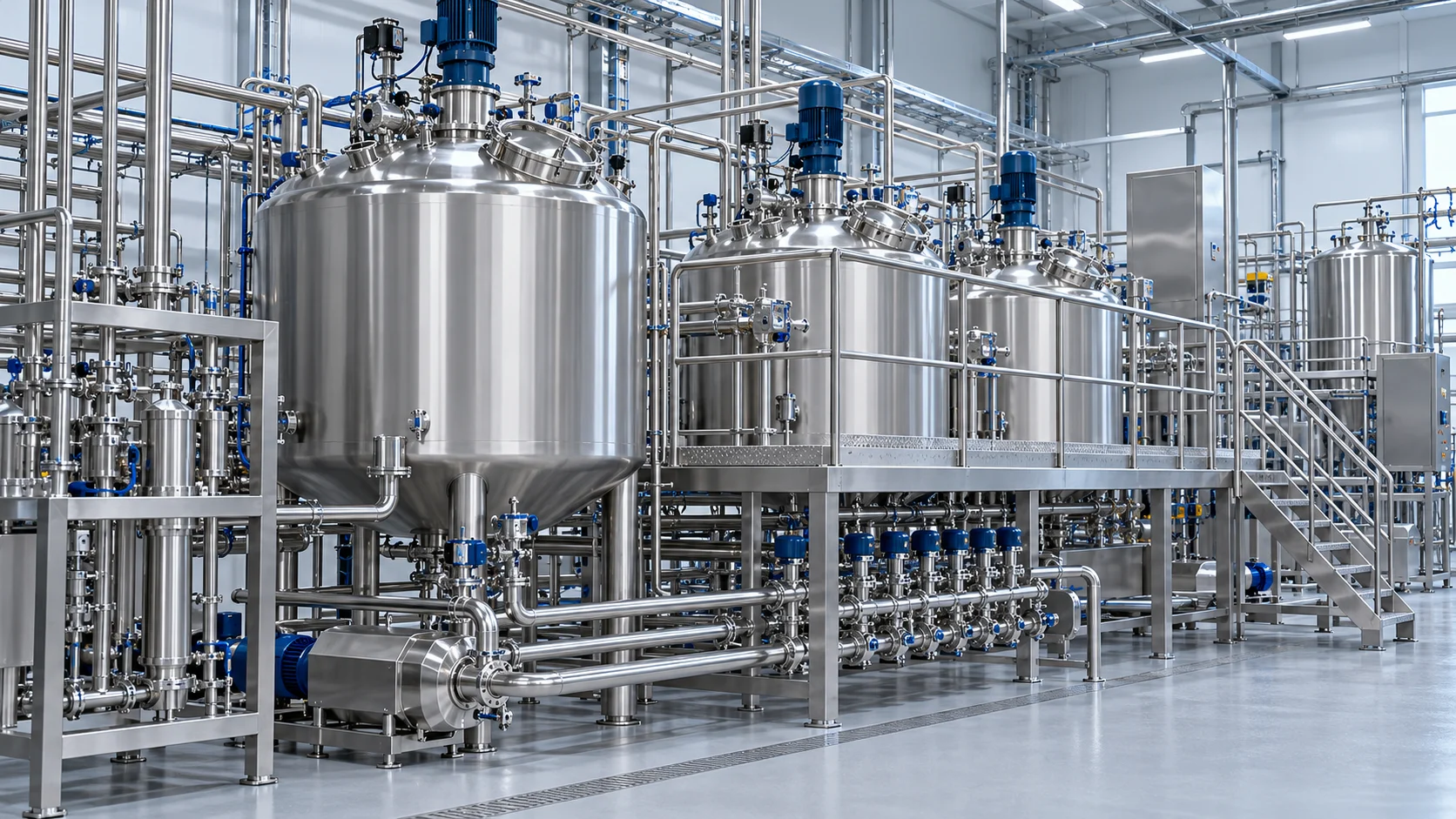
DPS's custom processing and storage vessels can be coordinated with piping, CIP and controls. A phase-two brief should specify each proposed vessel's duty, usable volume, product family, receiving and discharge routes, and availability within the calendar. Leave the actual selection to that duty rather than selecting a brochure capacity first.
Consider an invented occupancy model: a ten-hour operating window and two vessels provide twenty vessel-hours. Eight batches using two vessel-hours each require sixteen. Fourteen batches would require twenty-eight, exceeding the available twenty. A third vessel raises nominal availability to thirty vessel-hours.
| Scenario | Demand, Vessel-Hours | Available | Arithmetic Balance |
|---|---|---|---|
| Eight batches, two vessels | 16 | 20 | 4 spare |
| Fourteen batches, two vessels | 28 | 20 | 8 short |
| Fourteen batches, three vessels | 28 | 30 | 2 spare |
This arithmetic does not establish a feasible schedule. Shared transfer, cleaning, product holding limits and batch readiness may still prevent the fourteen batches from fitting. Use the deficit to identify what needs investigation, then construct the actual timed sequence.
That distinction prevents a common capital mistake: buying another vessel while retaining the shared interface that caused the original delay. Vessel capacity and independent operating availability must be reviewed together.
Phase-two vessel-hours
Two-vessel availability · 20
Required occupancy · 28
Three-vessel availability · 30
3. Reserve the Installation Path as Well as the Footprint
An expansion position is useful only if equipment can reach it. Review the route from delivery to final placement, including openings, lifting or handling space, temporary storage and the areas occupied during installation. A spare rectangle behind operating equipment can be an expensive promise.
The route also needs to accommodate the connections and maintenance access associated with the future duty. Plot the equipment operating envelope, service access and material movement separately. The unused area in a phase-one layout may already be serving as the only practical aisle, staging position or escape route for another function.
For the syrup room, review ingredient movement into preparation, the transfer route toward packaging and the route for waste or returned materials. A future vessel should not force those movements through a live installation zone merely because that was the last available space.
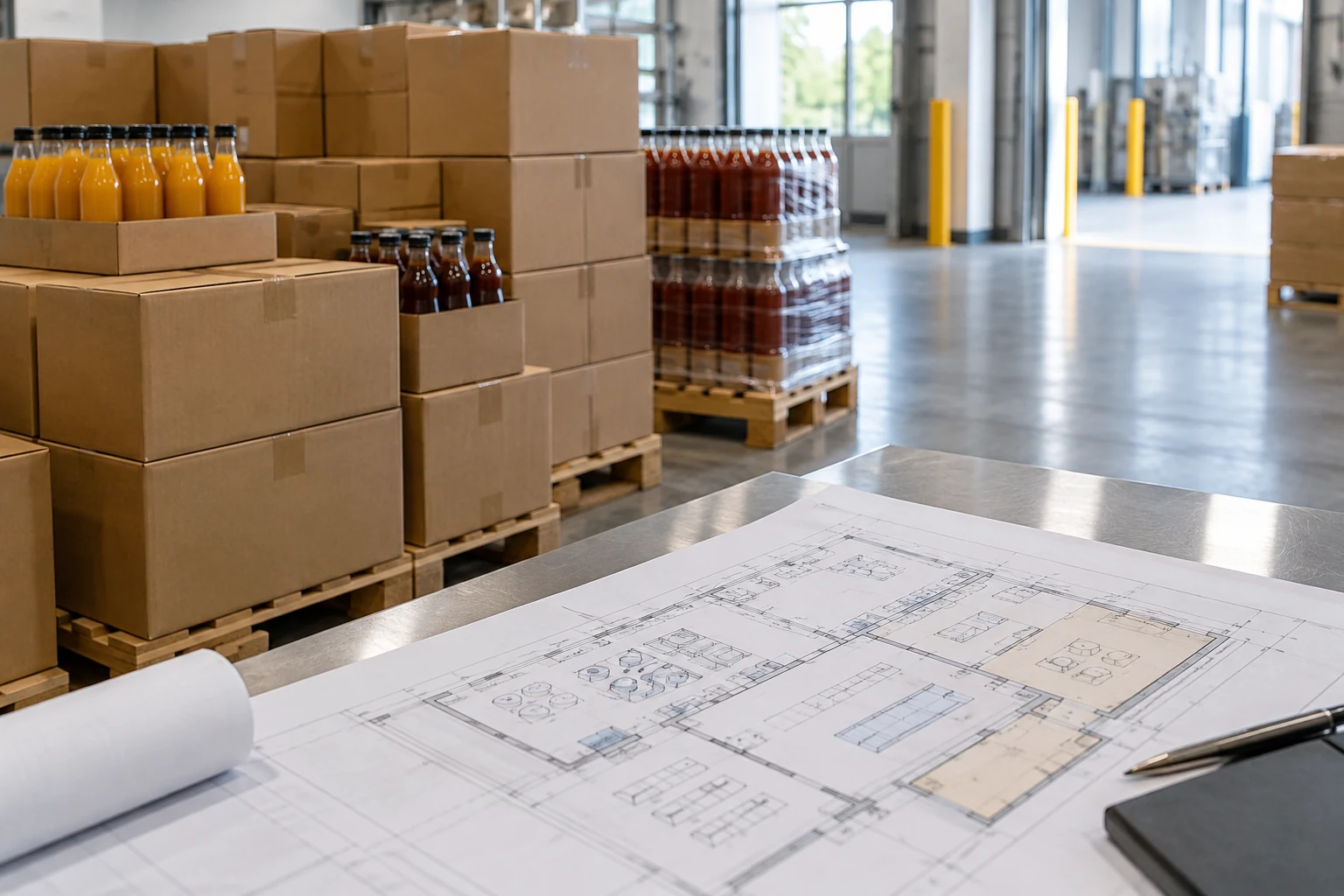
Use a phase overlay on the same layout: operating phase one, construction preparation, final connection and completed phase two. Identify which routes remain available during each state. This is more informative than two attractive layouts showing only the final condition.
Ask the design team to mark provisions that must be built before occupancy because later access is difficult. Distinguish them from optional equipment that can safely wait. The result should be a limited, justified package of early work, with a clear reason for each item.
4. Check the Shared Utility and Cleaning Calendar
Phase two can change the demand pattern even when annual operating hours increase only modestly. Two production routes may now fill, heat, transfer or clean simultaneously. The incoming utility, distribution system and return path need to be checked against those events and their required conditions.
Connect the cleaning calendar to product availability. A future vessel might share a cleaning resource that is already occupied whenever the first line changes product. If the new campaign cannot wait, the expansion requires a different sequence or additional cleaning capability, not just another production asset.
DPS's process-engineering scope includes simultaneous utility loads, process documents and controls requirements. For an expansion master plan, ask for phase-one and phase-two operating cases using the same assumptions about product, timing and connected equipment. That makes the actual growth-related duty visible.
Plan the return side as carefully as the supply. A new branch may have a supply connection but no suitable return destination, drainage arrangement or operating route during cleaning. Define where each service begins and ends before choosing the provision to install now.
Use defined future connection points with an activation plan. The project must show how they remain isolated, accessible and suitable for later integration. An unidentified spare nozzle or a larger main without a destination is less valuable than a provision tied to a specific process duty.
Carry the phase-two utility case into supplier enquiries so the expansion assumption survives procurement.
5. Connect Batching Expansion to the Packaging Constraint
The upstream plan should explain which packaging operation receives each batch and when. A higher batching capacity does not raise finished output if the common filler, change parts, downstream packing or material delivery remains limiting. Conversely, a new filler can wait for product if upstream availability was calculated only as daily volume.
Map the product route from preparation to the intended pack. Record the transfer boundary, receiving readiness, batch identity and response when the destination stops. If phase two shares a route, define how one product is kept from blocking another required campaign.
Include secondary packaging and finished-product removal in the calendar. Cases and pallets occupy space while equipment runs; they must leave through a practical route. An expansion layout that uses all nearby area for machinery can remove the staging that enabled the original line to operate.
The most useful comparison is between complete operating scenarios. One scenario may use longer campaigns on existing packaging; another may add parallel packaging with additional product positions. Each has different consequences for inventory, product flexibility and installed scope.
Have operations review a representative product transition through the proposed arrangement. Follow materials, people, product and cleaning activity rather than just the principal product arrow. This can expose the interface that turns nominal packaging capacity into usable output.
Give the owner the resulting constraint explicitly. Phase two should be described as removing a particular limitation while preserving the agreed production program, rather than as adding an impressive quantity of machinery.
6. Make Destination Readiness Part of the Expansion Schedule
The relevance to expansion is destination readiness. Moving or adding production equipment cannot create usable output before the receiving space, services and operating interfaces are prepared. For a beverage phase two, those dependencies should determine the sequence of early work and package release.
Apply that reasoning to a future syrup-room addition. Decide what can be completed while phase one operates, what final connection needs an interruption and what checks are required before the new route can receive product. Link the readiness milestone to the shared cleaning, controls and packaging arrangements.
The relocation account does not establish a beverage expansion rate or a standard project duration. Its practical contribution is the need to plan equipment movement and destination services together. A master plan can preserve that coordination by recording the future installation sequence while access is still easy to change.
Ask bidders to state their prerequisites for field installation and startup. If one package assumes that another contractor supplies an unpriced service or route, the dependency belongs in the project plan before commitment.
This changes what the owner reserves now: not every future machine, but the enabling works and access that let the later equipment become operable without an avoidable reconstruction of phase one.
7. Compare Reserving an Interface vs Installing Future Hardware
Some provisions protect an expansion option at relatively limited scope; others commit the owner to a specific future process. Treat that difference as an investment decision. Show the cost of preserving the option separately from the cost of exercising it, so management can see which money protects flexibility and which money commits to production hardware. A protected installation route preserves choice, while a purchased vessel may constrain batch size, layout and product assumptions before demand is established.
| Choice | Potential Value | Decision Exposure |
|---|---|---|
| Reserve access and connection route | Allows later equipment integration | Future route must remain protected |
| Install enabling infrastructure now | Avoids difficult later building work | Duty and activation boundary need definition |
| Buy phase-two process hardware now | Provides earlier equipment availability | Capital and product assumptions become committed |
Evaluate the cost of later intervention using actual site conditions and quotations. Underground work beneath an operating area may justify early construction. An easily accessible optional process package may be better deferred. Neither conclusion can be made from a generic oversizing percentage.
Record the preservation obligation. A reserved area can disappear into daily storage unless the operating organization knows why it exists. The master plan should identify which space and route are protected, who controls changes and which event releases the next design stage.
Review equipment purchased early for the cost of keeping it ready, changing requirements and the time before it creates productive value. Avoid treating ownership alone as a schedule guarantee; installation and integrated readiness may still control the start.
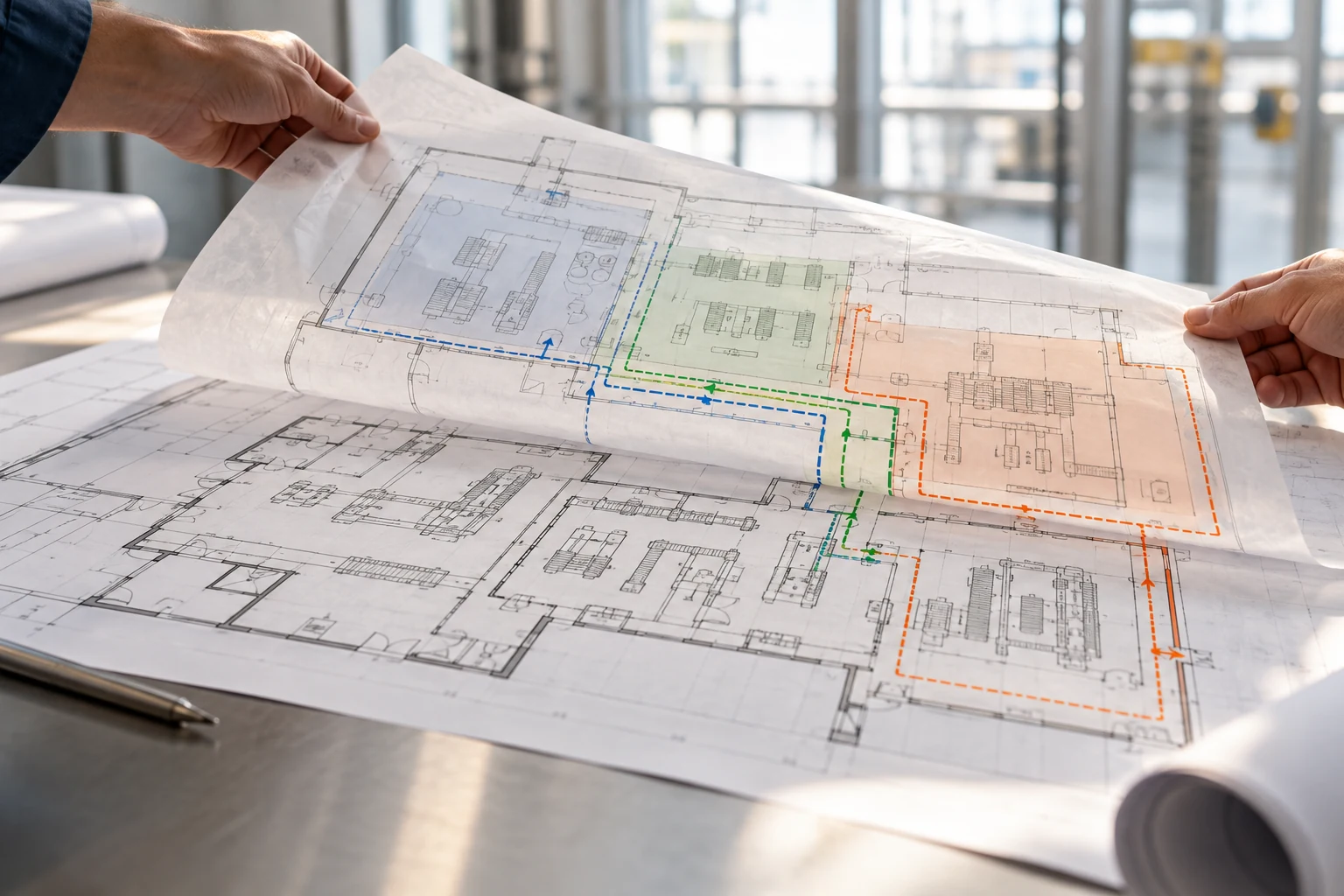
Management can then compare commitment against flexibility. The preferred first-phase scope is the one justified by a credible later duty and the actual difficulty of installing it after production starts.
8. Approve a Phased Capital Plan with a Measurable Trigger
DPS's capital-planning service connects the operating baseline, equipment and utility scope, installed-cost alternatives and phased investment. A focused brief should ask which phase-two constraint appears first, which enabling work is justified now and which purchase can wait.
The owner should receive one coherent operating scenario behind each capital option. The batch calendar, vessel occupancy, packaging demand and utility case must agree. Otherwise a low-cost option may rely on fewer product transitions or a longer operating week than the commercial plan permits.
Define the expansion trigger in an observable unit: occupied vessel-hours, packaging calendar, required product positions or a specific service duty. Include the time needed for engineering, procurement and installation after that trigger is forecast, so investment begins before the capacity is actually exhausted.
Keep the phase transition visible in the estimate. Separate early enabling work, later equipment, installation interfaces and the planned operating interruption. Identify what remains dependent on product decisions or supplier data rather than hiding it inside a single expansion allowance.
Finally, assign ownership of the master plan after phase one opens. Product additions, new packaging and routine layout changes can invalidate its assumptions. Review the plan when those changes occur, not only when sales exceed a historical threshold.
This creates a usable investment path: the initial plant serves the defined first program, the protected provisions support the next credible program and the owner knows what evidence starts the next phase.
Beverage Plant Expansion FAQ
Is an empty area enough for a future beverage line?
No. Preserve installation access, product and service connections, cleaning capability, material movement and the activation sequence. A footprint without usable interfaces may require expensive changes to the operating plant.
Should every utility be oversized for phase two?
Use a defined future operating case. Selective enabling work can be sensible where later intervention is difficult; indiscriminate oversizing can commit money to the wrong product assumptions.
When does another syrup vessel add capacity?
When an independent available product position removes the actual constraint. Check complete vessel occupancy, transfer routes, cleaning and receiving readiness before assuming more nominal volume means more output.
Can two packaging lines share the same batching system?
Possibly, if the product calendar, transfer arrangement and cleaning sequence support both destinations. Test concurrent and transition conditions rather than comparing only total daily beverage volume.
What should trigger phase-two investment?
An identified operating constraint forecast early enough to allow design, buying and installation. Use the required batch, product-position, packaging or utility condition associated with the approved expansion scenario.
What should DPS be asked to deliver first?
A phased process and capital comparison linking the product program to vessel occupancy, packaging interfaces, utility duties and enabling works. It should explain both the limiting condition and the practical expansion route.
Sources and Calculation Notes
DPS services, equipment and project statements use the sources below. Numerical examples are original teaching calculations, not customer results, supplier quotations or sizing recommendations.
- DPS — Capital Planning & Feasibility. Operating scenarios and phased investment.
- DPS — Process Engineering & Design. Process documents, utility loads and equipment interfaces.
- DPS — Tanks & Vessels. Current vessel offering and integration boundaries.
- DPS published project — Golden West Food Group — Co-Packing Plant Relocation. Project-specific account, attributed to DPS.
Research reviewed October 27, 2026.