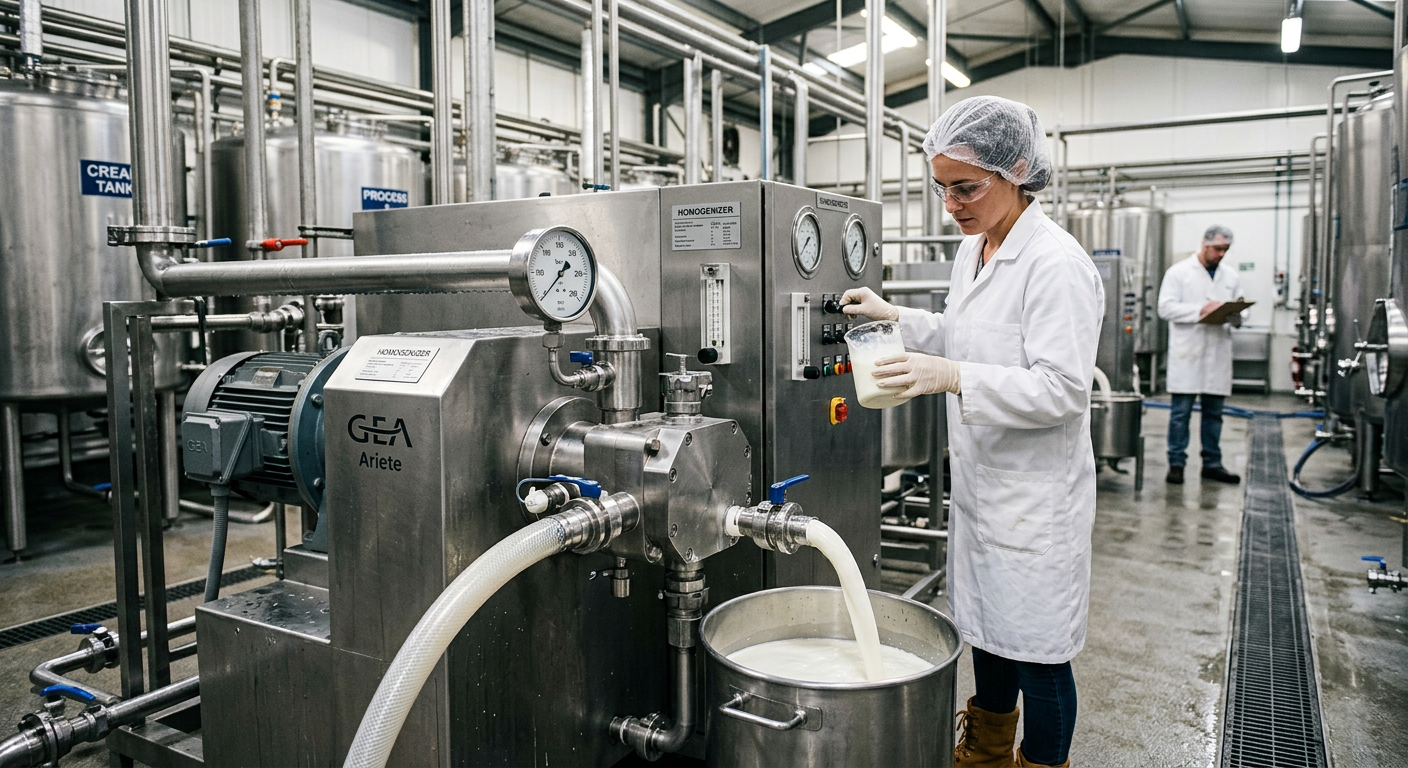
Beverage Plant Design Services
[trp_language language=”en_US”]
U.S. Beverage Facility Engineering and Plant Design Guide
Designing a beverage plant in the United States is not just about fitting tanks, fillers, and utilities into a building. It is a business-critical exercise that affects throughput, product quality, labor efficiency, sanitation, compliance, and future expansion. Whether the project involves brewing, distilled spirits, juice, dairy beverages, RTD cocktails, kombucha, carbonated soft drinks, or aseptic products, the right plant design partner should connect process engineering, building systems, installation planning, capital strategy, and regulatory readiness into one workable roadmap.
In major beverage corridors such as Chicago, Dallas-Fort Worth, Atlanta, Charlotte, Los Angeles, Milwaukee, Fresno, Houston, and the I-95 Northeast logistics belt, manufacturers face the same challenge: capacity has to grow without creating expensive bottlenecks. That is why many owners now prefer design partners that understand both the production line and the business model behind it. In the United States market, a strong beverage plant design service should cover concept development, process flow, utilities, structural coordination, sanitary design, packaging integration, automation, commissioning, and long-term scalability.
Quick Answer

Beverage plant design services in the United States typically include facility planning, process engineering, utility design, equipment integration, code and regulatory compliance, automation coordination, and construction support. The best providers do more than create drawings. They help owners define the right production capacity, utility loads, sanitation strategy, product flow, packaging line arrangement, and capital phasing so the plant can launch profitably and expand with less disruption.
For beverage manufacturers, this matters because production environments are highly specialized. A brewery needs different fermentation logic than a juice or dairy beverage facility. A distillery has fire code and TTB concerns that differ from a nonalcoholic carbonated line. A co-packer running multiple SKUs requires flexibility in batching, changeovers, CIP, scheduling, and material handling. As a result, owners should look for firms with beverage-specific process experience rather than general industrial design alone.
A practical example is Disruptive Process Solutions, a U.S.-based engineering partner serving beverage and food manufacturers across North America. Its approach is built around profitability, not just construction activity, which is especially important when a plant must scale from startup volumes to national distribution. In a competitive market where freight costs, utility rates, and retailer timing can make or break margins, design decisions made early have outsized financial impact later.
Beverage Plant Design Services: Scope and Specializations

The scope of beverage plant design can vary widely depending on whether the project is a greenfield site, brownfield retrofit, line expansion, utility upgrade, equipment relocation, or co-packing buildout. In the U.S., owners often need a blend of process, mechanical, plumbing, structural, electrical, and controls expertise to avoid fragmented execution. That is why plant design for beverage production is best understood as a coordinated discipline rather than a single engineering package.
At the front end, plant design services usually begin with feasibility, capacity planning, and site fit. This includes evaluating building dimensions, floor loading, utility availability, drain layout, process adjacency, personnel flow, and shipping access. In logistics-heavy areas such as Inland Empire, Long Beach, Newark, Savannah, and Memphis, distribution access may be as important as production efficiency. A plant handling imported ingredients through the Port of Houston or the Port of Los Angeles may prioritize staging and warehouse integration differently than a regional dairy beverage processor in Wisconsin or upstate New York.
Process specialization also matters by product type. Carbonated beverage plants require tight control of CO2 handling, de-aeration, syrup batching, and filler room conditions. Fermented beverage plants need yeast management, cellar sequencing, and CIP strategy. Distilled spirits plants must address mash processing, still support, barrel logistics, flammable vapor considerations, and TTB recordkeeping interfaces. Aseptic and dairy beverage plants need more rigorous hygienic zoning and often more robust utility redundancy.
| Service Area | What It Includes | Why It Matters | Typical U.S. Users |
|---|---|---|---|
| Feasibility and capital planning | Capacity modeling, budget ranges, site review, phasing | Prevents overbuilding or underbuilding | Startups, private equity-backed brands, co-packers |
| Process engineering | PFDs, P&IDs, sanitary design, batching logic, CIP | Drives product quality and throughput | Breweries, RTD, juice, dairy beverage plants |
| Utility system design | Steam, glycol, refrigeration, compressed air, water, wastewater | Supports stable operations and energy performance | High-volume and multi-shift facilities |
| Building and structural coordination | Equipment support, mezzanines, slab loads, access platforms | Ensures safe installation and long-term reliability | Distilleries, fermentation plants, warehouses |
| Packaging line integration | Conveyors, fillers, depalletizers, packers, palletizing, QA points | Reduces packaging bottlenecks | Co-packers, CSD, canned cocktails |
| Automation and controls | PLC, HMI, SCADA, recipe control, alarms, historian | Improves repeatability and visibility | Scaling producers and enterprise networks |
| Construction and commissioning support | Installation management, startup, punch lists, validation | Bridges design intent to operating reality | Owners seeking turnkey delivery |
The table above shows why beverage facility design is broader than architecture or equipment purchasing alone. The strongest outcomes typically come from teams that can connect process requirements with buildability, procurement, and startup planning.
For owners comparing delivery models, it is helpful to review firms that offer design, equipment integration, and field execution in one structure. On the service capabilities page, DPS outlines support spanning process engineering, capital planning, owner representation, project management, and installation coordination. That breadth reduces the handoff risk that often appears when one company designs the system, another buys the equipment, and a third tries to make everything work in the field.
Process Flow Design for Beverage Production Lines

Process flow design is the backbone of a beverage facility. It determines how ingredients, packaging materials, people, utilities, product, and waste move through the building. A good process flow can increase output without adding square footage, while a poor one can permanently lock in congestion and sanitation conflicts.
For most U.S. beverage projects, process flow design starts with a clear understanding of product families and volume targets. A single-SKU line producing shelf-stable tea has a very different flow pattern than a multi-SKU co-packing site producing energy drinks, flavored waters, sparkling products, and dairy-based beverages on shared assets. Designers must map receiving, storage, ingredient staging, batching, processing, filling, packaging, palletizing, warehousing, and outbound shipment in sequence.
In beverage manufacturing, line balance is critical. There is little value in a high-speed filler if syrup preparation, blending, pasteurization, tunnel pasteurization, or finished goods palletizing cannot keep up. Similarly, a cellar expansion in a brewery may fail to deliver returns if packaging hall throughput remains fixed. Process flow design should therefore evaluate upstream, core, and downstream capacities as one system.
Another major issue is hygienic separation. Facilities producing allergen-containing products, dairy beverages, fermented drinks, alcohol, and nonalcoholic products may need zoning that controls cross-contact, cleaning verification, and personnel movement. Modern design also places more emphasis on CIP recovery, reduced product loss, and in-line quality verification such as Brix, conductivity, dissolved oxygen, temperature, and fill weight monitoring.
| Production Stage | Key Design Decision | Common Bottleneck | Recommended Design Focus |
|---|---|---|---|
| Raw material receiving | Truck access, ingredient segregation, lot traceability | Dock congestion | Separate dry, liquid, and packaging flows |
| Water treatment | RO, filtration, disinfection, storage sizing | Inconsistent water quality | Build quality control near process demand points |
| Batching and blending | Tank sizing, agitation, in-line dosing, Brix control | Long changeovers | Use modular manifolds and recipe automation |
| Thermal or aseptic processing | HTST, UHT, flash pasteurization, retort interface | Undersized hold or heat transfer sections | Match system design to product viscosity and package type |
| Filling and packaging | Can, bottle, pouch, carton compatibility | Frequent micro-stops | Balance filler speed with depalletizing and end-of-line systems |
| CIP and sanitation | Chemical storage, recovery, routing, validation points | Cleaning delays between SKUs | Dedicate circuits by risk and turnaround frequency |
| Warehouse and shipping | Pallet flow, cold storage, staging, FIFO lanes | Finished goods stacking and retrieval delays | Link production rhythm to shipping schedule |
The best process flow work also anticipates future phases. A facility opening in Phoenix or Raleigh with one packaging line may plan a second line, additional syrup room capacity, more compressed air, and warehouse expansion within 24 months. If the first phase is laid out poorly, future capacity will cost more and interrupt live production. This is where experienced beverage-focused engineers create value: they design for what the plant needs now and what it should become later.
The line chart above reflects a realistic growth pattern for U.S. beverage facility investment. It illustrates how capital spending tends to rise as brands add domestic capacity, regionalize co-packing, and invest in automation, utility efficiency, and packaging flexibility.
Selecting a Design Firm With Beverage-Specific Expertise
Choosing a design firm is one of the most important buying decisions in any beverage capital project. A firm with general industrial experience may produce code-compliant drawings, but that does not automatically mean the team understands sanitary piping geometry, carbonation sensitivity, cellar sequencing, flavor changeovers, filler integration, allergen zoning, or the practical causes of operator delay. Beverage-specific expertise reduces that risk.
Owners in the United States should ask direct questions about category experience. Has the firm designed for breweries, RTD cocktails, distilleries, wine, kombucha, soft drinks, juice, dairy beverages, or aseptic lines? Do they understand clean utility loads, process controls, and packaging hall realities? Can they coordinate with OEMs, local trades, and commissioning teams? Can they support both strategic planning and fast execution if a schedule collapses?
Service capability is often the differentiator. Some firms stop at design documents. Others act as owner representatives, project managers, or design-build partners. DPS, for example, has built its reputation around a Design Build Manage model that aligns engineering, field coordination, and execution oversight. For many U.S. manufacturers, especially those expanding across multiple states, that integrated structure can reduce scope gaps, change orders, and schedule drift.
| Selection Criterion | What to Verify | Risk if Missing | Best Fit Indicator |
|---|---|---|---|
| Beverage category experience | Portfolio by product type and package format | Design assumptions may be wrong | Documented brewery, RTD, CSD, juice, dairy, or spirits work |
| Process depth | PFDs, P&IDs, CIP, batching, thermal systems | Throughput and sanitation problems | In-house process engineers with food and beverage background |
| Field execution support | Installation, startup, GC coordination, commissioning | Design-to-field disconnect | Ability to manage local trades and site execution |
| Automation knowledge | PLC, SCADA, recipe logic, alarms, historian | Manual workarounds and limited visibility | Integrated controls and programming expertise |
| Capital planning mindset | Phasing, ROI logic, bottleneck analysis | Overspending on low-impact assets | Willingness to challenge weak spending assumptions |
| Regulatory fluency | FDA, TTB, state permits, hygienic design standards | Permit delays or compliance gaps | Track record in regulated beverage environments |
| Geographic coverage | Multi-state execution capability | Inconsistent project delivery | Nationwide project reach and partner network |
This selection framework is especially useful for private-label beverage producers, brand owners entering manufacturing, and established companies relocating assets. If a firm cannot explain how it would sequence production startup, utility commissioning, quality verification, and staffing ramp-up, it may not be the right partner for a fast-moving beverage project.
Buyers should also review project examples, not just capability statements. The project case studies section is a helpful reference point because it shows how engineering choices tie back to real operating outcomes. In beverage manufacturing, examples matter more than generic promises.
Structural vs. Process Engineering: Why Both Matter in Beverage Design
Process engineering and structural engineering solve different problems, but beverage projects fail when they are not coordinated. Process engineers determine how the system should function. Structural engineers determine how the building and support elements safely carry that system. In a beverage facility, those two disciplines overlap constantly.
Consider a distillery in Kentucky adding column stills, mash tanks, and elevated piping bridges. The process team may define vessel sizes, flow rates, and sanitary routing, but the structural team must confirm slab loading, anchorage, seismic restraints where needed, mezzanine support, access platforms, and clearances for maintenance. The same is true in a brewery adding large fermenters in Colorado or North Carolina, or a co-packer installing mezzanine syrup rooms in Texas.
In high-density beverage layouts, structural constraints often shape process choices. Tall tanks may improve capacity, but roof height, column spacing, crane access, and foundation loads can limit practical installation. Heavy thermal systems, water treatment skids, and refrigeration components need support planning early. Access also matters: operators, maintenance technicians, and sanitation crews need safe paths to valves, instruments, and manways.
Technological capability is where integrated firms stand out. DPS supports structural, mechanical, plumbing, electrical, process, and controls engineering under one project approach, which helps align sanitary production requirements with safe, constructible layouts. That matters in projects where process vessels, CIP systems, refrigeration loops, utilities, and packaging lines all compete for the same envelope.
| Design Element | Process Engineering Concern | Structural Engineering Concern | Why Coordination Is Essential |
|---|---|---|---|
| Fermentation tanks | Capacity, CIP, temperature control, flow sequencing | Slab load, anchors, lateral stability, access platforms | Prevents unsafe support and poor serviceability |
| Stills and mash systems | Heat input, vapor handling, transfer routing | Equipment support, fire-rated assembly impacts | Supports compliance and safe operation |
| Mezzanine syrup rooms | Ingredient batching and short pipe runs | Live loads, vibration, egress, drainage slope impacts | Maintains process efficiency without structural compromise |
| Pipe racks | Utility and product routing | Hangers, thermal expansion, clear spans | Reduces clash and installation changes |
| Packaging lines | Line speed, operator movement, QC points | Floor flatness, trenching, equipment base support | Improves uptime and alignment |
| Rooftop utilities | Air handling, exhaust, cooling loads | Roof penetration, support frames, weather exposure | Avoids later rework and leakage risks |
| Cold rooms | Temperature integrity and product handling | Insulated panel support and floor assembly | Protects thermal performance and lifespan |
The lesson is simple: process engineering makes the plant work, and structural engineering makes it feasible, safe, and maintainable. Owners need both from day one, not as separate afterthoughts.
Plumbing, Refrigeration, and HVAC Design for Beverage Facilities
Utilities are often underestimated during concept design, yet they are among the biggest determinants of reliability and operating cost. Beverage facilities depend heavily on plumbing, refrigeration, and HVAC systems for sanitation, thermal control, worker comfort, product stability, and code compliance. If any of these systems are undersized, poorly zoned, or hard to maintain, the plant will struggle no matter how advanced the process equipment is.
Plumbing design in beverage plants goes beyond domestic water and drains. It includes process water distribution, chemical storage interfaces, floor sink strategy, trench drains, backflow prevention, washdown coverage, hot water availability, and wastewater handling. In high-cleanliness areas, drainage layout must support sanitary design rather than create standing water or cross-traffic hazards.
Refrigeration design depends on product type and package requirements. Breweries and kombucha facilities often need robust glycol systems for fermentation and cellar control. Dairy beverage, juice, and some RTD plants may require chilled process water, cold storage, or low-temperature packaging zones. In warm U.S. regions such as Florida, Arizona, or Southern California, refrigeration loads can rise quickly, especially in buildings with frequent dock door activity.
HVAC design supports personnel, process rooms, package integrity, and air quality. Filler rooms may require tighter control than dry warehouses. Distilleries may need ventilation strategies tied to vapor management. Aseptic areas need more stringent pressure and filtration logic. Even in conventional plants, humidity control can be crucial for carton performance, label adhesion, and operator conditions.
The bar chart highlights which beverage segments are currently driving higher demand for engineering and plant design support. RTD, functional beverages, and carbonated products often generate strong design activity due to rapid SKU expansion and packaging complexity.
In practical terms, utility design should always be tied to the production plan. A plant designed for 20 million cases annually in the Southeast may need a very different boiler strategy, compressor arrangement, cooling tower setup, and glycol redundancy than a lower-volume regional operation in the Pacific Northwest. Firms with broad technical capabilities can better coordinate these systems with process demand, automation, and future expansion.
Designing for Product Flexibility: Multiple SKUs on Shared Lines
One of the most common requirements in U.S. beverage manufacturing today is product flexibility. Plants increasingly need to run multiple brands, flavors, pack sizes, sweetener systems, functional ingredients, and even different beverage classes on shared assets. This is especially true in co-packing, private label, and emerging brand production.
Designing for flexibility starts with understanding which changes happen most often. If package format changes are frequent, line design should prioritize tool-less changeover, guided adjustments, digital recipes, and smart conveyor zoning. If flavor changes are the pain point, designers should focus on batching manifolds, pigging systems where appropriate, low-hold-up piping, and CIP segmentation. If allergen or dairy crossover is possible, segregation and validated cleaning become far more important.
Product flexibility also affects warehouse design and scheduling. Shared lines create more packaging material variability, more WIP coordination, and more finished goods complexity. Facilities in consumer-dense corridors such as New Jersey, Southern California, and central Texas often need faster response to retailer launches and promotions, which increases the value of flexible design.
Manufacturing capability matters here because the best engineering partners understand not only how a line should be designed, but also what equipment can realistically be fabricated, installed, and integrated for flexible operation. DPS supports both integrated project execution and proprietary equipment manufacturing, including tanks and CIP systems, which can be useful when a client needs custom dimensions, specific utility interfaces, or faster coordination between design and fabrication.
| Flexibility Challenge | Typical Cause | Design Response | Business Benefit |
|---|---|---|---|
| Frequent flavor changes | Large SKU counts | Short-run manifolds, recipe automation, optimized CIP loops | Less downtime between products |
| Multiple package formats | Can, bottle, carton, or pouch mix | Convertible line architecture and staging zones | Broader customer coverage |
| Different carbonation levels | Shared sparkling and still products | Dedicated control points and QA verification | More consistent product quality |
| Allergen or dairy crossover | Shared process assets | Zoning, validated cleaning, route separation | Lower contamination risk |
| Seasonal ingredients | Promo runs and limited editions | Flexible batching and temporary storage planning | Faster market responsiveness |
| Retail launch variability | Short notice production shifts | Buffer tanks, smart scheduling, extra utility margin | Better service levels to customers |
| Contract manufacturing growth | Changing client mix | Modular expansion points and utility headers | Scalable revenue without major rebuilds |
In many cases, flexibility is what separates a merely functional plant from a profitable one. The owner pays a little more upfront for smart architecture, but gains faster changeovers, less waste, and greater commercial agility over time.
The area chart shows a realistic increase in U.S. beverage projects focused on flexible, multi-SKU production. This trend is expected to continue through 2026 and beyond as brands seek faster innovation cycles and co-packers compete on responsiveness.
Compliance Considerations: FDA, TTB, and State Regulations
Compliance should be designed into the facility from the beginning. In the United States, beverage manufacturers often navigate federal rules, state and local permitting, food safety expectations, fire and building codes, and environmental requirements all at once. The applicable framework depends on the product category, process type, and jurisdiction.
For nonalcoholic beverages, FDA compliance is central, especially around sanitary design, preventive controls, traceability, and process validation where applicable. For alcoholic beverage operations, TTB requirements are also relevant, particularly for spirits and certain recordkeeping or bonded concerns. State agencies may add licensing, environmental discharge, or health department requirements. Local jurisdictions can affect occupancy classification, fire suppression, hazardous material handling, and utility permits.
Owners should never assume that a process equipment supplier alone will cover facility-level compliance. The plant design team must translate regulatory obligations into room layouts, material flows, drain design, utility arrangements, cleaning systems, documentation pathways, and commissioning checks.
| Compliance Area | Primary U.S. Focus | Typical Design Impact | Projects Commonly Affected |
|---|---|---|---|
| FDA food safety requirements | Sanitary design, preventive controls, traceability | Hygienic layout, material selection, zoning | Juice, soft drinks, dairy beverages, RTD, kombucha |
| TTB requirements | Alcohol production, records, bonded operations | Operational sequencing and controlled storage | Distilleries, wineries, RTD alcohol |
| State alcohol licensing | Production and distribution permissions | Room use definitions and access planning | Breweries, distilleries, tasting room operations |
| Local fire code | Hazard classification, ventilation, suppression | Equipment spacing, rated assemblies, exhaust | Spirits, solvent cleaning, chemical storage |
| Wastewater and pretreatment | pH, BOD, discharge limits | Equalization, pretreatment, drain segregation | High-organic beverage processes |
| Worker safety and access | Platforms, guarding, safe maintenance routes | Mezzanines, stairs, machine access zones | All beverage facility types |
| Labeling and tax interfaces | Operational records and lot traceability | Data systems and production reporting logic | Alcoholic and regulated specialty beverages |
The table above shows that compliance is not a single permit; it is a design condition affecting nearly every room and utility connection. This is one reason owners often seek firms fluent in FDA, TTB, SQF, BRC, and related operational standards rather than firms that only prepare basic permit drawings.
For 2026, compliance pressure is expected to increase in three areas: water stewardship, energy reporting, and digital traceability. More facilities are designing with recovery, metering, and reporting in mind because retailers, investors, and regulators increasingly expect measurable performance, not just general intent.
3D Modeling and BIM in Modern Beverage Plant Design
Three-dimensional modeling and BIM have become standard tools in modern beverage plant design because they reduce clashes, improve owner visibility, and support faster decision-making. In complex projects, 2D drawings alone rarely provide enough confidence when process piping, structural steel, drains, utility mains, access platforms, electrical distribution, and packaging equipment all compete in the same space.
With 3D modeling, owners can see whether operators can reach a valve, whether maintenance can remove a pump, whether forklifts can turn safely, and whether future line additions have enough room. Clash detection is especially valuable in brownfield plants where ceiling heights, old trenching, undocumented supports, or uneven slabs can create expensive surprises.
BIM also helps stakeholders communicate across locations. A brand team in New York, operations leaders in Chicago, a co-packing group in California, and local contractors in North Carolina can review the same model and resolve decisions faster. That is particularly useful in phased expansions where production must continue during construction.
From a technological standpoint, firms with process, structural, and controls awareness can use BIM more effectively because the model reflects real operating conditions, not just geometry. This is where integrated engineering teams often outperform disconnected disciplines. A model should help answer practical questions: Can the CIP skid serve future tanks? Is there enough room for another compressor? Will the conveyor elevation interfere with sanitation access? Can an aseptic room maintain intended zoning?
The comparison chart gives a realistic view of how different project delivery approaches can perform when measured against coordination, scalability, and execution strength. For beverage projects with multiple utility and process interfaces, integrated models tend to outperform narrower delivery structures.
As BIM use matures, owners are also asking for digital turnover packages that support maintenance, spare parts planning, and future modifications. By 2026, digital twins, energy dashboards, and more connected asset data are likely to become more common, especially in larger U.S. beverage networks.
FAQ
What types of beverage facilities typically need professional plant design services?
Breweries, distilleries, wineries, soft drink bottlers, juice processors, dairy beverage plants, kombucha producers, functional beverage manufacturers, RTD alcohol producers, and co-packers all benefit from professional design. Any operation adding significant capacity, changing process type, or trying to improve profitability should consider it.
How early should a company engage a beverage design firm?
Ideally before site lease finalization or major equipment commitments. Early engagement helps validate building fit, utility demand, process flow, and future scalability. Waiting too long often leads to layout compromises and costlier retrofits.
What is the difference between a general engineer and a beverage-specific engineer?
A beverage-specific engineer understands sanitary piping, changeover logic, thermal processing choices, carbonation systems, cellar sequencing, CIP design, packaging line balance, and the regulatory expectations that come with beverage production. That practical knowledge usually leads to fewer operational blind spots.
Can one design support multiple beverage categories in the same plant?
Yes, but only if the layout, utilities, cleaning strategy, zoning, and quality controls are designed for it. Shared lines across sparkling, still, alcoholic, dairy, or allergen-sensitive products require thoughtful segregation and validation planning.
How important are local supply and logistics factors?
Very important. Plants near Chicago, Atlanta, Dallas, Los Angeles, Houston, or New Jersey often benefit from transportation access, labor pools, and supplier density. Ports, intermodal yards, and regional ingredient availability can influence both design and operating economics.
What should owners ask about utility design?
Ask how the team will size water treatment, steam, compressed air, glycol, refrigeration, HVAC, wastewater, and electrical systems for both initial demand and future growth. Undersized utilities are one of the most common causes of lost performance.
What role does equipment manufacturing play in plant design?
It can improve integration when custom tanks, CIP skids, or process vessels are needed. Owners can review available process equipment options to see whether custom-fabricated assets may reduce fit-up issues or improve schedule control.
How do I evaluate a firm’s real capability?
Look for category-specific project examples, process depth, utility experience, 3D modeling capability, installation support, automation understanding, and a clear method for protecting ROI. A strong firm will discuss bottlenecks and profitability, not just drawings.
What future trends should beverage manufacturers plan for through 2026?
Expect more demand for multi-SKU flexibility, better energy and water performance, digital traceability, modular expansion, higher automation, more U.S.-based production resilience, and stronger sustainability reporting tied to customer and investor expectations.
Why do many manufacturers choose DPS for beverage projects?
Because the company combines process engineering, utility coordination, project management, installation integration, and practical capital planning in one execution model. With offices in Cary, North Carolina, and Lake Forest, California, and project reach across the United States and Canada, DPS supports beverage manufacturers that want smart technical decisions tied to long-term profitability rather than short-term activity.
Ultimately, beverage plant design services should help a manufacturer answer five questions clearly: What capacity do we truly need, how should product flow through the site, what utilities will support reliable output, how can we stay compliant, and how do we expand without rebuilding the plant from scratch? When those questions are answered by a beverage-experienced team, the facility becomes more than a production site. It becomes a durable operating advantage.
[/trp_language]
Complete Company Portfolio
About the Author: Disruptive Process Solutions (DPS)
The DPS team combines process engineering expertise with real-world food and beverage manufacturing experience. Our content focuses on process optimization, production efficiency, facility improvements, and practical solutions that help manufacturers operate more effectively in a rapidly evolving industry.
Share