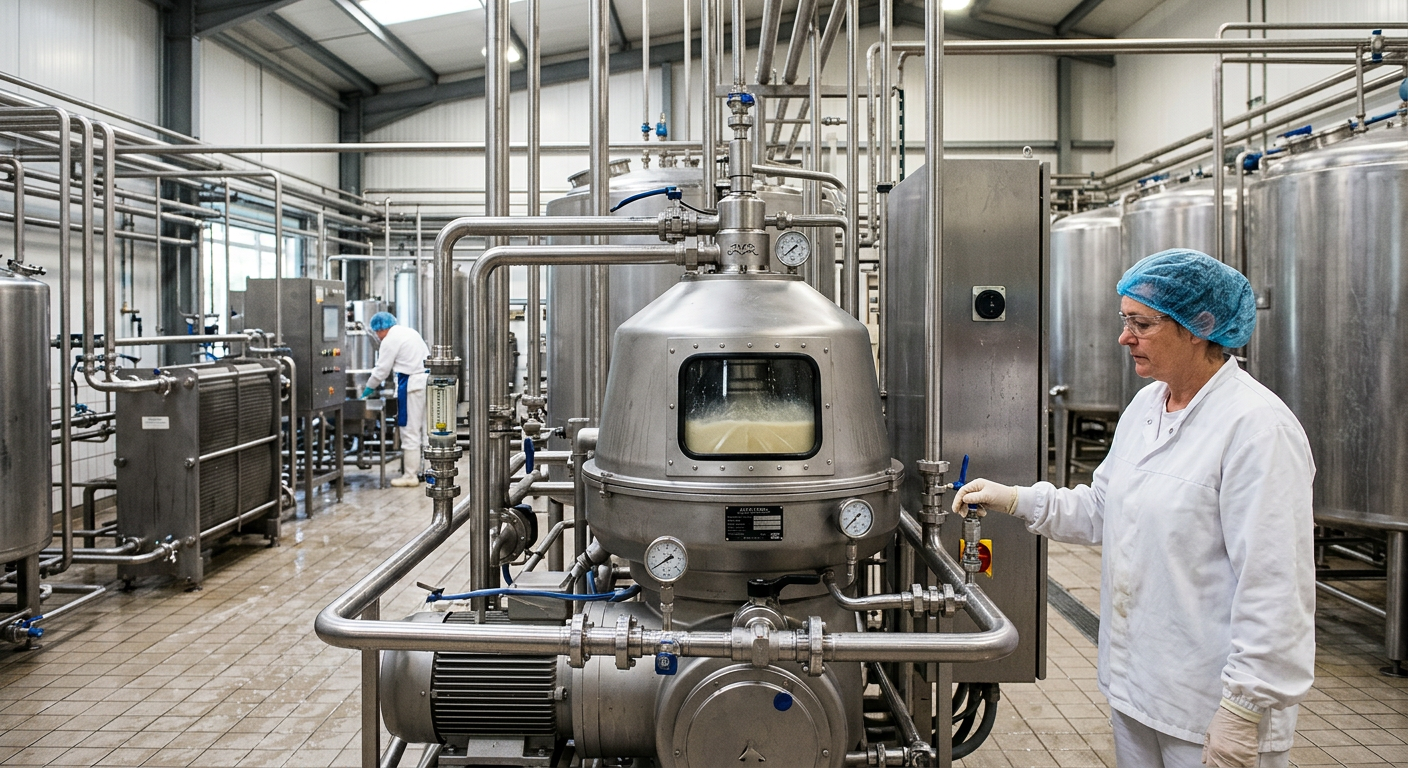
Canned Food Processing Line Design
[trp_language language=”en_US”]
Canned food processing line design in the United States is about building a hygienic, balanced, and commercially efficient system that moves empty cans through depalletizing, rinsing, filling, seaming, retorting, cooling, drying, labeling, and case packing without creating bottlenecks. The best lines are not just fast; they are stable, compliant, easy to clean, and sized around the real product mix, container formats, thermal process schedule, labor model, and growth plan. For processors making soups, beans, sauces, seafood, pet food, ready meals, dairy-based products, or shelf-stable specialty foods, line success depends on correct equipment selection, retort integration, seam integrity, utility capacity, and measurable operating discipline.
In the United States, line design decisions are also shaped by labor costs, USDA and FDA expectations, customer quality standards, warehouse throughput, and regional logistics. A cannery near Fresno may prioritize tomato season surge capacity, while a Gulf Coast seafood processor may design around corrosion resistance and rapid cook-chill-retort transitions. Manufacturers shipping through Los Angeles, Savannah, Houston, Chicago, Newark, or Atlanta distribution corridors often need packaging lines that support retail, club, foodservice, and export packs on the same footprint.
For companies planning a new line, expanding an existing plant, or upgrading a retort area, it helps to work with a partner that understands engineering, installation, controls, and execution together. Disruptive Process Solutions approaches capital projects as profit-driven manufacturing systems, not isolated equipment purchases, which is especially important in canning where one weak link can reduce the output of the entire facility.
Quick Answer

A modern canned food processing line typically follows this sequence: empty can depalletizer, can conveying and rinsing, optional can warming, product filling, lid feed and placement, double seaming, retort loading, thermal processing, can cooling, can drying, coding, labeling, case packing, and palletizing. The best layout minimizes can damage, preserves fill accuracy, protects seam quality, and synchronizes upstream preparation with downstream sterilization and packaging. In the United States market, processors should design around sanitation access, utility redundancy, validated thermal schedules, traceability, and future SKU flexibility.
Buying advice starts with the product first, not the machine brochure. Low-viscosity liquids may fit volumetric filling; chunk-in-liquid products often need net-weight or multi-stage systems; products with visible particulates may require special valve design and gentle transfer. Retort capacity must be aligned with filler output, or one side of the plant will idle while the other waits. Plants also need enough floor space for can accumulation, basket staging, maintenance access, CIP routing, operator safety, and forklift traffic.
| Decision Area | Why It Matters | Typical U.S. Consideration | Main Risk If Undersized | Main Risk If Oversized | Recommended Approach |
|---|---|---|---|---|---|
| Depalletizing | Controls can supply stability | Multiple shifts and seasonal peaks | Frequent starvation of filler | Unnecessary capital spend | Match to peak cans per minute with buffer |
| Filling | Sets weight and yield | Retail and foodservice pack mix | Giveaway and rework | Complexity without payback | Select by product rheology and accuracy target |
| Seaming | Protects shelf stability | Strict quality audits | Leakers and recalls | Higher maintenance burden | Build in seam inspection and operator access |
| Retorts | Define lethality and capacity | Utility costs and thermal validation | Backlog and spoilage exposure | Underutilized assets | Model peak schedules by SKU family |
| Secondary Packaging | Affects warehouse flow | Club, retail, export requirements | Finished goods congestion | Excess floor use | Plan pack patterns early |
| Automation | Improves consistency | Labor shortages in many regions | Manual variability | Overengineered controls | Automate bottlenecks and traceability points |
The table above shows why line design is a systems exercise. A fast filler cannot rescue a slow basket loader, and a large retort room cannot compensate for poor seam control. U.S. processors gain the most value when capital planning links throughput, compliance, labor, and maintenance from day one.
Canned Food Processing Line Layout: From Empty Can Depalletizer to Case Packer

The physical layout of a canned food line should follow product flow, hygienic zoning, and maintenance practicality. A typical layout begins with empty can receiving and depalletizing, then moves to clean can handling and filling, then to a high-control seaming area, then to retort logistics, and finally to dry packaging and warehousing. Every handoff matters. Poorly placed turns, long unsupported conveyors, or congested transfer points can dent cans, upset timing, or create sanitation headaches.
For U.S. manufacturers, floor planning often reflects existing building limitations. Legacy plants in the Midwest may have low ceilings or tight column grids. Newer facilities in North Carolina, Texas, or California may allow straighter product flow with better forklift segregation. If the plant handles both high-acid and low-acid canned foods, the layout should also reflect distinct process control, documentation, and traffic management needs.
Empty can depalletizers must feed at a steady rate without damaging the flange. Twist rinsers or ionized air systems typically follow, depending on product and risk profile. Fillers need nearby product surge tanks or feed manifolds. Seamers should sit close enough to filling to limit product slosh and contamination exposure, yet remain accessible for setup and teardown. After seaming, lines often split toward basket loading or shuttle conveyors into static or rotary retorts. Following thermal processing, cans move through cooling, drying, coding, labeling, packing, and palletizing.
| Line Zone | Primary Equipment | Design Goal | Common Bottleneck | U.S. Plant Tip | Utility or Space Note |
|---|---|---|---|---|---|
| Empty Can Infeed | Depalletizer, unscrambler | Stable can supply | Pallet changeover delays | Use quick pallet handling lanes | Allow forklift and pedestrian separation |
| Can Prep | Twist rinser, air rinser, warmer | Container cleanliness and temperature control | Inadequate drainage | Use washdown-friendly supports | Provide drip collection and floor slope |
| Filling | Liquid or solid filler | Accurate fill and gentle handling | Product feed inconsistency | Install surge balance and recipe control | Close access to prep kitchen or tanks |
| Closing | Lid feeder, seamer | Hermetic seal | Tool wear or lid mismatch | Include seam inspection station | Keep floor vibration low |
| Thermal Process | Basket loader, retorts | Validated lethality | Loading imbalance | Stage baskets for SKU families | Steam, condensate, water capacity critical |
| Dry End | Dryer, labeler, case packer | Retail-ready packaging | Wet cans affecting labels | Control ambient humidity | Needs dry environment and accumulation |
This layout table highlights that each area has a different engineering priority. Front-end can handling is about speed and can integrity; the middle of the line is about food safety and package closure; the back end is about thermal validation, dry packaging reliability, and warehouse readiness.
When processors want a full line redesign, a practical path is to combine process engineering, utility review, and execution planning at once. That is where a partner with integrated engineering and project delivery services can reduce schedule risk and prevent expensive late-stage changes.
Can Handling Systems: Conveyors, Twist Rinsers, and Can Warmers

Can handling looks simple until it becomes the reason for downtime. Empty cans are lightweight, damage-prone, and highly sensitive to transfer design. The best conveyor systems provide smooth acceleration, controlled pressure, stable side guiding, and material selections that stand up to washdown and product environments. In seafood, tomato, or brine-heavy operations, corrosion resistance becomes especially important.
Twist rinsers are widely used to invert and rinse cans before filling. Their value is both hygienic and operational: they remove dust or incidental debris while fitting compactly into the line. Air rinsers can work in selected dry applications, but rinse method should reflect product risk assessment and plant standards. Can warmers are useful when condensation, thermal shock, or fill condition needs to be managed, especially where ambient-to-product temperature differences affect label adhesion or seam performance.
Processors handling multiple can diameters should pay attention to changeover design. Fast-release guides, repeatable settings, and recipe-linked conveyor speeds reduce startup loss. Plants around Chicago or Philadelphia running mixed private-label portfolios often gain more from flexible handling systems than from absolute top speed, because SKU variety is the true driver of downtime.
| Equipment Type | Best Use | Advantage | Limitation | Maintenance Focus | Selection Tip |
|---|---|---|---|---|---|
| Mass Flow Conveyor | High-speed empty can transport | Large buffer capacity | Can pressure management needed | Guide wear and lubrication strategy | Best for long front-end infeed runs |
| Single-Lane Conveyor | Controlled transfer areas | Better orientation control | Less accumulation | Chain alignment | Use near fillers and seamers |
| Twist Rinser | Inverted can cleaning | Reliable internal rinse | Requires drainage management | Nozzle cleanliness and timing | Preferred for many wet-process foods |
| Air Rinser | Low-moisture applications | Less water use | May not suit all risk profiles | Filter integrity | Use after hazard review |
| Can Warmer | Condensation control | Improves downstream stability | Added energy use | Temperature uniformity | Helpful before filling or labeling |
| Transfer Tables | Short directional changes | Compact layout solution | Potential scuff points | Wear strips and motor speed | Avoid overuse in high-speed lines |
The explanation behind this equipment mix is simple: can handling must protect container geometry before seaming and protect cosmetic quality after retort. A small dent at the wrong point can become a seam issue, while poor drying or rough discharge can create label rejects and customer complaints.
Filling Technologies: Volumetric, Net-Weight, and Level Fillers for Liquid and Solid Products
Filler choice depends on product behavior, piece size, viscosity, target net contents, and regulatory or customer expectations. Volumetric fillers are common where density is stable and speed matters. Net-weight fillers are preferred when giveaway control is critical, especially for higher-value proteins, specialty sauces, or premium particulate products. Level fillers target visual fill consistency and can be useful when shelf appearance matters, though they must still support net content compliance.
Solid and semi-solid products add complexity. Beans in brine, soups with particulates, chili, pet food chunks, tuna, and pasta meals may require staged filling, agitation control, chunk pumps, or separate solid-plus-liquid dosing. Product damage, bridging, and separation are frequent challenges. For example, a processor in New Jersey producing ready-to-eat soups for retail may need gentle ingredient suspension control, while a plant near Stockton handling fruit or tomato inclusions may prioritize deposit accuracy under seasonal variability.
Automation is now central to filling performance. Modern systems can tie recipe management, in-line scales, reject tracking, and upstream batching into the same control environment. This is an area where DPS brings strong technological capability: process, mechanical, electrical, and controls engineering combined with PLC programming and SCADA integration help food plants move from manually tuned operations to repeatable production systems.
| Filler Type | Suitable Products | Strength | Weakness | Accuracy Potential | Best Buying Scenario |
|---|---|---|---|---|---|
| Volumetric | Broths, sauces, uniform liquids | High speed | Density changes affect mass | Moderate to high | Stable low-viscosity production |
| Net-Weight | Premium foods, proteins, chunk products | Controls giveaway well | Can be slower | High | High ingredient cost environment |
| Level Filler | Products where visual headspace matters | Consistent appearance | Not ideal for all viscosities | Moderate | Retail shelf presentation focus |
| Piston Filler | Viscous sauces and pastes | Handles thicker product | Valve wear on particulates | High | Dressings, dips, thick sauces |
| Auger or Solid Depositor | Particulates and prepared foods | Good portion control | Complex with fragile inclusions | Moderate to high | Meal components and chunk packs |
| Dual-Stage Fill System | Solid-plus-liquid combinations | Better recipe control | Higher capital and controls needs | High | Complex multi-component SKUs |
This table matters because the wrong filler is a long-term tax on yield, speed, and labor. If your product family is broad, buying for flexibility often beats buying only for headline rate. U.S. co-packers especially benefit from flexible valves, recipe storage, and quick sanitation access.
Double Seaming: Ensuring Hermetic Seal Integrity Every Time
Double seaming is the package integrity center of the line. A canning system can survive modest variability in some upstream operations, but it cannot survive inconsistent seams. The seam must deliver a dependable hermetic closure across speed changes, lid lots, can body variation, product splash conditions, and operator shifts. Seam setup is not a one-time task; it is an ongoing quality discipline involving tooling condition, chuck and roll geometry, teardown inspection, overlap measurement, countersink review, and defect trending.
Common seam problems include droops, false seams, cutover, wrinkling, tightness issues, and product contamination in the seam area. These are often caused by lid mismatch, worn tooling, poor timing, vibration, or unstable can presentation. Plants near major retail supply chains such as Dallas-Fort Worth or Columbus cannot afford intermittent seam failures that trigger holds and customer chargebacks.
The best practice is to combine operator checks, laboratory verification, and automated rejection where practical. Seam data should not live on paper alone. It should be trendable by shift, size, product, and tooling set. That is why controls and data architecture matter as much as mechanics in a modern line.
| Seam Control Element | Purpose | Failure Symptom | Inspection Method | Frequency Guidance | Operational Benefit |
|---|---|---|---|---|---|
| Body Hook Measurement | Verify seam formation | Weak closure | Teardown analysis | Routine by shift and changeover | Early defect detection |
| Cover Hook Measurement | Ensure lid engagement | False seam risk | Teardown analysis | Routine | Improves seal reliability |
| Overlap Check | Confirm hook interlock | Leak potential | Micrometer and seam scope | Routine | Supports hermetic integrity |
| Countersink Review | Monitor geometry | Closure variation | Gauge measurement | Routine | Better consistency across lanes |
| Vacuum or Pressure Check | Confirm pack condition | Swelling or poor shelf life | In-process test | Per product plan | Protects finished product quality |
| Tooling Condition Audit | Prevent wear-related drift | Random seam defects | Maintenance inspection | Planned intervals | Reduces unplanned downtime |
The takeaway is clear: seam integrity is both a food safety and business issue. Rejects, rework, investigations, and brand damage cost far more than disciplined inspection. If a line upgrade is being considered, a seamer should never be treated as a commodity machine.
Retort Loading Patterns and Cycle Optimization for Can Processing
Retort performance determines whether the plant’s thermal process is merely compliant or truly efficient. Loading patterns affect heat penetration, basket count, water or steam distribution, and cycle time consistency. An unevenly loaded basket can slow come-up, distort process repeatability, or reduce total daily throughput. The line must be designed so filler output, seamer speed, basket loading, and retort availability remain synchronized.
In many U.S. plants, the retort room is the real governor of plant capacity. A filler may be rated at impressive cans per minute, but if retort turnaround or basket movement is poorly engineered, the effective plant rate collapses. This is especially common in older facilities that added faster front-end equipment without resizing thermal processing infrastructure.
Cycle optimization is not about cutting safety margins blindly. It is about matching validated lethality requirements to the most efficient loading arrangement, venting pattern, come-up control, cooling profile, and scheduling logic. Product family grouping helps. Running similar thermal profiles in sequence can reduce changeover waste and simplify operator decisions.
DPS supports this kind of optimization through combined process design, utility planning, and execution oversight. On the manufacturing side, the company also offers branded processing equipment such as tanks, CIP systems, marination tumblers, and cooking vessels, which can be integrated around retort and batching needs when a broader shelf-stable food project is being developed.
| Retort Factor | Impact on Throughput | Common Issue | Optimization Method | Validation Concern | Practical Result |
|---|---|---|---|---|---|
| Basket Loading Density | High | Uneven heat transfer | Standardized loading diagrams | Heat penetration consistency | More repeatable cycle times |
| Come-Up Time | High | Steam or vent instability | Utility balancing | Scheduled process adherence | Faster retort turnover |
| Product Grouping | Medium to high | Frequent recipe switching | Campaign scheduling | Correct process assignment | Lower changeover loss |
| Cooling Profile | Medium | Overcooling or slow discharge | Controlled cooling logic | Container integrity | Improved downstream handling |
| Basket Transport | Medium | Forklift waiting or queue buildup | Staging lanes and traffic rules | Load identification | Less retort idle time |
| Retort Scheduling | High | Idle retorts during filler runs | Integrated production planning | Traceable lot control | Higher daily output |
The explanation here is that retort efficiency comes from standardization. Better load maps, smarter SKU sequencing, and utility reliability often create more value than buying another retort immediately.
Can Cooling, Drying, and Labeling Integration
Post-retort operations are often undervalued during project planning, yet they directly affect appearance, code legibility, label adhesion, corrosion risk, and pack-out efficiency. Cans leaving cooling can carry residual moisture that interferes with inkjet coding, pressure-sensitive labels, or tray and carton performance. In humid regions such as the Southeast or Gulf Coast, drying system design and room conditions become even more important.
Cooling systems should protect container integrity while supporting lot traceability. Dryers must be sized for actual line speed and can geometry, not just average conditions. Labeling needs stable can spacing and dry surfaces. If the line handles printed cans for some SKUs and applied labels for others, changeover planning becomes part of the line engineering problem.
Secondary packaging also needs to reflect channel demands. Club store packs, e-commerce-ready corrugate, and foodservice cases all call for different handling logic. Processors serving broad U.S. distribution from hubs like Memphis, Kansas City, or Inland Empire facilities often need flexible case packing and pallet pattern recipes tied into the same control platform.
Line Efficiency Metrics: OEE, Throughput, and Waste Reduction Strategies
Line efficiency should be measured beyond nameplate speed. The most useful metrics are OEE, first-pass yield, labor per thousand cans, giveaway, seam defect rate, retort utilization, water use, steam use, and packaging waste. A plant can run a fast filler and still lose profitability through hold time, micro-stoppages, changeover drift, and excessive product overfill.
OEE matters because it exposes where time is disappearing: availability losses from breakdowns or waiting, performance losses from minor stops or reduced speed, and quality losses from rejects or rework. Throughput matters because it connects the process to revenue. Waste reduction matters because small percentages become large costs at scale, especially with protein, edible oils, packaging materials, steam, and labor.
For 2026 and beyond, the strongest trend in the United States is the convergence of automation, sustainability, and labor resilience. Processors are investing in better production data, digital maintenance workflows, recipe control, water reuse strategies, steam optimization, and more flexible packaging cells. Policy pressure around energy and water reporting is also increasing in several states, especially California, making utility visibility a real capital planning issue rather than a public relations topic.
| Metric | What It Measures | Typical Loss Source | Improvement Tool | Business Impact | Target Mindset |
|---|---|---|---|---|---|
| OEE | Overall productive effectiveness | Breakdowns and stoppages | Downtime coding and root cause review | Higher output from same assets | Trend weekly, not yearly |
| Throughput | Actual cans produced over time | Retort mismatch | Line balancing | Revenue capacity improvement | Measure by SKU family |
| Giveaway | Excess product over target | Poor fill control | Weight monitoring | Ingredient cost savings | Reduce with disciplined recipes |
| Reject Rate | Defective pack percentage | Seam or labeling issues | Inline inspection and SPC | Less rework and scrap | Track by machine center |
| Water Use | Water per unit produced | Rinse and cooling inefficiency | Reuse and control valves | Utility savings | Link to sustainability goals |
| Steam Efficiency | Thermal energy performance | Retort and condensate loss | Utility audit | Lower operating cost | Monitor during peak production |
The meaning of these metrics is practical: what gets measured gets fixed. Plants that connect mechanical performance with financial outcomes make better capital decisions. That is a key reason many owners use a design-build-manage approach when upgrading canning operations.
HACCP Critical Control Points in Canned Food Production
HACCP in canned food production must be built around real process hazards, not generic templates. Critical control points often include thermal process delivery, seam integrity, scheduled process adherence, container handling after closure, and product formulation variables that affect safety. Depending on the product, additional controls may involve pH, salt concentration, fill temperature, metal detection, allergen management, and sanitation verification.
For low-acid canned foods in the United States, thermal process control is central. Operators must follow filed or validated process schedules, maintain accurate records, and ensure retorts, instrumentation, and closure systems are under control. Corrective actions must be clear and executable. Traceability also matters; if a lot is questioned, the plant should be able to identify raw materials, process conditions, seam checks, retort records, and pallet destinations rapidly.
Service capability is where an experienced project partner can bring extra value. DPS supports clients with capital planning, owner’s representation, project management, turnkey installation, system integration, and compliance-sensitive execution across FDA, USDA, SQF, and BRC environments. For canned food plants, this means the engineering and construction approach can be aligned with validation, sanitation, and audit realities from the start.
| Potential CCP or Control Point | Main Hazard | Monitoring Method | Corrective Action Example | Record Requirement | Why It Is Important |
|---|---|---|---|---|---|
| Thermal Process Delivery | Survival of pathogens or spoilage organisms | Retort time and temperature records | Hold affected lot and investigate | Batch or cycle documentation | Core shelf-stability protection |
| Double Seam Integrity | Loss of hermetic seal | Seam teardown and visual checks | Stop line and reset tooling | Inspection logs | Prevents contamination after fill |
| Formulation Control | Unsafe product composition | Recipe verification | Segregate off-formulation product | Batch records | Supports process validation |
| Container Handling After Seaming | Seam damage | Conveyor observation and reject review | Adjust guides and remove damaged cans | Shift checks | Protects finished pack integrity |
| Cooling Water Quality | Post-process contamination | Water treatment monitoring | Correct dosing and assess product impact | Water logs | Important in many systems |
| Lot Coding and Traceability | Recall control failure | Code verification | Recode or hold product | Packaging records | Speeds market response |
This table shows that HACCP is inseparable from equipment and layout choices. A poorly designed line makes good compliance harder; a well-designed line makes good compliance routine.
FAQ
What products are best suited to a canned food processing line?
Soups, broths, beans, sauces, vegetables, seafood, chili, pet food, prepared meals, dairy-based shelf-stable items, and many specialty foods are common. The exact equipment depends on viscosity, particulates, acidity, package size, and thermal process requirements.
What industries most often invest in new U.S. canning capacity?
Prepared foods, private-label grocery, pet food, seafood, sauces and condiments, and ingredient processors are among the most active. Demand is especially strong where manufacturers need longer shelf life, lower cold-chain dependence, or multi-channel packaging.
How should a buyer compare suppliers?
Look beyond machine speed. Compare engineering depth, integration capability, retort expertise, controls architecture, sanitation design, spare parts support, installation management, and experience with FDA or USDA environments. A line is only as strong as its integration.
Are local suppliers enough for a complex project?
Local fabricators and trades are valuable, but for full canning systems most U.S. plants need coordinated process engineering, controls, utilities, and startup support. Regional execution can work best when guided by a national integrator with a vetted partner network.
What should be included in a case study review?
Ask for examples showing capacity increase, reduced giveaway, seam improvement, retort debottlenecking, utility optimization, or packaging labor reduction. Look for measurable business outcomes, not only photos of installed machinery. You can review relevant project perspectives through the company’s case study portfolio.
How early should engineering start?
As early as possible. Before equipment is ordered, the team should confirm product requirements, process flow, utilities, floor layout, controls philosophy, sanitation access, and future growth assumptions. Late engineering usually costs more.
What internal manufacturing capabilities are helpful in a project partner?
Custom tanks, CIP skids, vessels, and related process equipment can help shorten integration time and improve fit. For plants building or upgrading complete systems, it is helpful when the project team understands both purchased OEM equipment and custom-fabricated process components. DPS provides this mix through its branded equipment capabilities, which can be explored at its equipment page.
What does a strong “our company” profile look like for this type of work?
It should combine technological capability, manufacturing capability, and service capability. In practice, that means process and controls engineering, utility and plant integration, compliance fluency, project management, and real-world installation execution. DPS serves manufacturers across the United States and Canada with that full-scope model, supporting food and beverage operations that need both strategic planning and reliable delivery.
For U.S. manufacturers, canned food processing line design is no longer just an equipment procurement exercise. It is a profitability decision tied to yield, labor, utility use, food safety, customer service, and future scalability. Whether the plant is near the Port of Long Beach, the agricultural belt of California, the protein corridors of the Midwest, or the Southeast’s growing co-manufacturing hubs, the same principle applies: the line must be engineered as one connected system. When layout, can handling, filling, seaming, retorting, drying, labeling, automation, and HACCP are aligned, the result is not only a compliant line, but a durable operating advantage.
[/trp_language]
Complete Company Portfolio
About the Author: Disruptive Process Solutions (DPS)
The DPS team combines process engineering expertise with real-world food and beverage manufacturing experience. Our content focuses on process optimization, production efficiency, facility improvements, and practical solutions that help manufacturers operate more effectively in a rapidly evolving industry.
Share