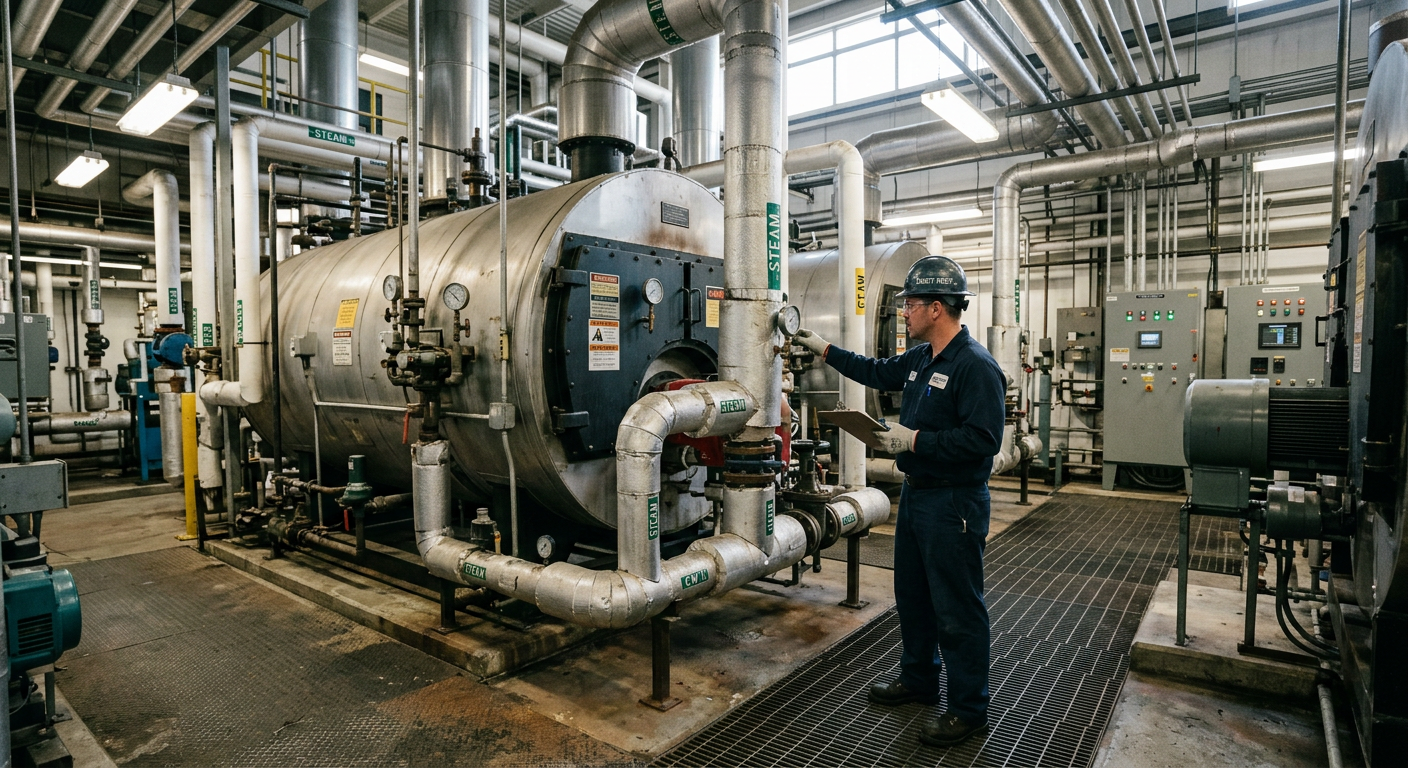
Protein Processing Plant Design
[trp_language language=”en_US”]
Protein Processing Plant Design for the United States Market
The United States protein market is expanding across plant-based ingredients, meat and poultry co-products, seafood, dairy-adjacent protein concentrates, and specialty nutrition applications. A successful protein processing plant design must do more than place equipment in a building. It must align raw material variability, sanitation strategy, energy use, wastewater handling, labor availability, product mix, and future expansion into one profitable operating model. For manufacturers in hubs such as Chicago, Omaha, Minneapolis, Fresno, Houston, and the Carolinas, plant layout decisions often determine whether a project scales smoothly or becomes a bottleneck within two years.
In the U.S., protein facilities are also shaped by freight access and utility economics. Plants near soybean and pea supply in the Midwest may optimize inbound bulk handling and rail access. Coastal operations near the Port of Los Angeles, Port of Houston, Savannah, or Norfolk may prioritize export packaging, cold chain integration, and container loading. Meanwhile, facilities in North Carolina, Arkansas, Georgia, and Texas often balance rapid population growth, labor constraints, and aggressive production schedules. That is why protein plant engineering must connect technical design with commercial reality.
Quick Answer

Protein processing plant design in the United States typically starts with four decisions: raw material type, target protein specification, sanitation risk level, and expansion path. Plant-based facilities commonly use dry fractionation or wet extraction followed by isolation, concentration, filtration, and drying. Animal protein facilities often rely on rendering, hydrolysis, separation, evaporation, and powder production. The best plant design protects yield, reduces water and energy use, controls allergens, and leaves room for modular growth.
For buyers evaluating a new facility or retrofit, the practical sequence is straightforward: define the finished product first, map the critical process steps second, size utilities third, and only then finalize building layout and equipment selection. This avoids a common U.S. capital mistake: purchasing a dryer, decanter, or membrane skid before understanding upstream solids loading, CIP requirements, and downstream packaging throughput.
Manufacturers that want stronger project outcomes typically benefit from integrated engineering rather than fragmented vendor coordination. A partner such as Disruptive Process Solutions can align process design, equipment integration, utilities, installation, and execution oversight around profitability rather than isolated equipment purchases.
| Decision Area | Main Question | Typical U.S. Impact | Design Priority |
|---|---|---|---|
| Raw Material | Pea, soy, canola, beef, poultry, seafood, mixed streams? | Changes receiving, storage, separation, and wastewater profile | High |
| Product Form | Flour, concentrate, isolate, hydrolysate, liquid, powder? | Determines process train and packaging system | High |
| Microbial Risk | Ambient, chilled, low-moisture, USDA-regulated? | Drives zoning, HVAC, cleanability, and validation | High |
| Utility Load | Steam, chilled water, compressed air, power, RO water? | Often becomes the hidden capacity bottleneck | High |
| Byproducts | Fiber, starch, fats, stickwater, sludge? | Can improve project ROI if valorized well | Medium |
| Expansion | Will volume double within 3 to 5 years? | Affects building grid, utility headers, and automation | High |
The table above shows why protein plant design is never just about a process flow diagram. In most U.S. projects, profitability comes from getting these foundational choices correct before fabrication or construction begins.
Plant-Based Protein Processing: Extraction, Isolation, and Concentration

Plant-based protein processing in the United States is centered on soy, pea, fava, canola, oat, chickpea, rice, and emerging pulse streams. The process path depends on the desired end product. Protein flours preserve more of the original matrix and require fewer steps. Concentrates remove part of the starch and fiber to increase protein content. Isolates push purity higher through wet extraction, clarification, concentration, and drying.
A typical wet process begins with raw material receiving, cleaning, milling, slurry formation, pH-controlled extraction, solids separation, protein solubilization, clarification, membrane concentration, and drying. Each unit operation influences yield and flavor. For example, over-grinding can create fines that load membranes and reduce decanter efficiency, while poor pH control can limit extraction and increase denaturation.
Many U.S. processors are also adding deflavoring, deodorization, and texturization support systems because customers expect improved sensory performance in ready-to-drink beverages, meat analogs, nutrition powders, and bakery inclusions. Facilities supplying customers in Los Angeles, Seattle, New York, and Austin often need tighter flavor and color control than commodity ingredient plants that serve feed or industrial markets.
From an engineering perspective, plant-based protein projects require close coordination between process vessels, decanters, membrane skids, dryers, dust handling, automation, and CIP systems. If a concentrate line is later upgraded to isolate production, utility and floor space planning done at the beginning can save millions in retrofit costs.
| Product Type | Typical Protein Range | Main Processing Route | Key Equipment |
|---|---|---|---|
| Protein Flour | 45% to 60% | Milling and classification | Hammer mill, air classifier, bagging |
| Protein Concentrate | 60% to 80% | Dry or wet fractionation | Classifier or extractor, separator, dryer |
| Protein Isolate | 80% to 90%+ | Wet extraction and membrane concentration | pH tanks, decanter, UF, spray dryer |
| Hydrolyzed Plant Protein | Variable | Enzymatic treatment after extraction | Reactor, heat treatment, filtration |
| Textured Protein Base | 50% to 75% | Upstream concentration plus extrusion feed | Dryer, milling, extruder support |
| Functional Beverage Protein | High purity | Wet isolation with tighter flavor control | Membranes, deodorization, fine powder handling |
This product table matters because many projects fail when buyers specify only “protein powder” without defining the functional target. Solubility, foaming, gelation, flavor, particle size, and dispersibility all change the engineering brief.
Wet Fractionation vs Dry Fractionation: Process Selection Guide

Choosing between wet fractionation and dry fractionation is one of the most important front-end decisions in plant protein facility design. Dry fractionation generally uses milling and air classification to separate protein-rich particles from starch-rich fractions. It has lower capital cost, lower water use, and a simpler utility profile. Wet fractionation uses liquid extraction, pH manipulation, separation, washing, and drying to achieve higher purity and more functional isolates.
Dry fractionation is often attractive for manufacturers entering the market, especially in regions where water discharge costs are high or utility capacity is limited. Plants in drought-sensitive western states or facilities trying to shorten project schedules often like the simplicity of dry systems. However, dry routes may produce lower protein purity and can struggle when customers need neutral flavor or demanding beverage performance.
Wet fractionation is better suited for premium applications, but it requires more sanitation discipline, wastewater treatment capacity, membrane management, and thermal integration. In states with strict discharge permits or expensive steam, process integration becomes especially important. Near agricultural centers such as Iowa, Illinois, Nebraska, and Manitoba-linked supply corridors into the northern U.S., wet fractionation plants can still be highly competitive when designed around product value and byproduct recovery.
| Factor | Dry Fractionation | Wet Fractionation | Best Fit |
|---|---|---|---|
| Capital Cost | Lower | Higher | Dry for lower-risk market entry |
| Water Use | Very low | High | Dry in water-constrained regions |
| Protein Purity | Moderate | High | Wet for isolate-grade products |
| Flavor Improvement | Limited | Better control | Wet for beverage and premium foods |
| Utility Complexity | Lower | Higher | Dry for lean operations |
| Wastewater Load | Low | High | Dry where discharge costs are critical |
| Scalability to Premium SKUs | Moderate | Strong | Wet for long-term product diversification |
The practical buying advice is simple: choose dry fractionation when speed, lower capital, and simpler operations matter most. Choose wet fractionation when purity, functionality, and premium pricing justify the added complexity. A strong engineering team should model both paths before final approval.
Protein Extraction: pH Adjustment, Decanter Separation, and Membrane Filtration
For wet-processing plants, the extraction block is the technical heart of the facility. Protein extraction usually starts with slurry preparation followed by pH adjustment to increase protein solubility. The exact pH window depends on the crop and the target functional profile. Tight control matters because under-adjustment lowers yield while overexposure can affect flavor, color, and functionality.
After extraction, decanter centrifuges or similar separation systems remove coarse insoluble solids. This step is often underestimated during procurement. A decanter sized only for average feed can become the primary bottleneck during seasonal raw material shifts. U.S. plants handling variable pea or soy quality should expect feed variability linked to crop year, storage conditions, and supplier consistency.
Membrane filtration then becomes a major performance lever. Ultrafiltration and diafiltration are widely used to concentrate proteins, remove soluble impurities, and improve purity. But membrane systems must be integrated with feed stability, CIP strategy, recirculation rates, and reject handling. Plants that do not design enough surge capacity between extraction, decanting, and UF often experience stop-start operation that hurts yield and membrane life.
Automation also matters. Real-time monitoring of pH, conductivity, solids, flow, temperature, and transmembrane pressure helps stabilize output quality and reduce operator dependence. This is especially important for plants that expect to scale across multiple shifts or multiple product formulations.
| Unit Operation | Main Objective | Common Risk | Recommended Design Focus |
|---|---|---|---|
| Slurry Preparation | Uniform feed formation | Lumping and inconsistent hydration | Agitation, powder induction, residence time |
| pH Adjustment | Improve protein solubility | Overcorrection and denaturation | Inline control and buffered dosing |
| Extraction Hold | Allow protein release | Excess residence time | Controlled temperature and agitation |
| Decanter Separation | Remove insoluble solids | Feed variability reducing performance | Turndown, solids handling, surge buffering |
| Membrane Filtration | Concentrate and purify protein | Fouling and throughput loss | CIP design, pressure control, cleaning validation |
| Intermediate Storage | Protect continuous operation | Process interruptions | Balanced tank sizing and automation logic |
For manufacturers reviewing technical capabilities, an integrated firm with process, controls, mechanical, electrical, and utility engineering can reduce rework significantly. DPS supports these projects with coordinated engineering disciplines and automation expertise as part of its broader food and beverage engineering services, helping clients connect unit operations to practical construction and startup realities.
Spray Drying and Ring Drying for Protein Powder Production
Drying converts the concentrated liquid or slurry into a stable, shippable ingredient, and the choice between spray drying and ring drying has major effects on powder quality and operating cost. Spray dryers are commonly used for higher-value proteins requiring fine particle control, low moisture, and consistent solubility. Ring dryers are often considered for certain protein-rich fibrous or coarser products where the economics and feed characteristics support the approach.
Spray drying offers excellent control over particle morphology, bulk density, moisture, and outlet temperature. It is the usual answer for isolates, premium concentrates, and beverage-oriented powders. But spray dryers require careful air handling, dust control, explosion protection where applicable, powder conveying, and significant thermal energy. In the United States, natural gas price assumptions, emissions permitting, and local utility rates can materially affect dryer selection.
Ring drying can be effective for some intermediate or byproduct protein streams, especially where feed solids are higher and a more rugged system is acceptable. However, not every protein product will meet target functionality with ring drying. The right choice depends on application: sports nutrition and beverage proteins usually demand tighter control than pet food or feed ingredients.
| Criteria | Spray Drying | Ring Drying | Design Comment |
|---|---|---|---|
| Powder Quality | High and consistent | Moderate to application-dependent | Spray is preferred for premium SKUs |
| Particle Control | Strong | Limited | Important for beverage dispersibility |
| Feed Flexibility | Concentrated liquid | Some wetter solids and fibrous streams | Must match upstream separation profile |
| Capital Intensity | Higher | Moderate | Evaluate over full product portfolio |
| Energy Demand | High | Moderate to high | Heat recovery can improve economics |
| Typical End Use | Isolates, concentrates, specialty powders | Certain ingredients and co-products | Application fit is critical |
The table shows why dryer choice should never be based only on capital quote. In protein processing, the dryer affects sale price, customer acceptance, sanitation complexity, and utility loading for years. DPS also supports equipment integration and proprietary tank and process equipment solutions through its equipment capabilities, which is valuable when dryers must connect cleanly to upstream tanks, CIP circuits, and downstream powder handling.
Byproduct Utilization: Fiber, Starch, and Effluent Treatment
Byproduct strategy can make or break protein project economics. In plant-based processing, fiber and starch fractions may become animal feed, bakery ingredients, pet food inputs, fermentation substrates, or specialty co-products. In animal protein operations, fats, meals, stickwater solids, and hydrolysate side streams often carry significant value if stabilized and marketed properly.
Effluent treatment must be addressed early, not after process equipment selection. Wet fractionation plants can create high COD and solids loads, and membrane systems may concentrate dissolved materials that increase discharge costs. Depending on location, a facility may need equalization, dissolved air flotation, pH neutralization, biological treatment, sludge dewatering, and odor control. Municipal discharge requirements vary widely across the United States, so a design that works in one county may need major changes in another.
Byproduct handling also affects building layout. Separate loadout for fiber, starch silos, liquid co-product tanks, truck traffic segregation, and odor-sensitive areas must be planned from the start. Plants near livestock regions such as Kansas, Nebraska, Iowa, and Texas may find more local markets for co-products than processors in dense urban corridors.
| Stream | Source | Potential Use | Key Design Need |
|---|---|---|---|
| Fiber Fraction | Dry or wet plant protein processing | Feed, bakery, functional ingredient | Drying, storage, dust control |
| Starch Fraction | Pulse or grain separation | Food, feed, fermentation | Purity management and silo logistics |
| Permeate | Membrane filtration | Recovery or controlled disposal | Tankage and wastewater balancing |
| Fat Stream | Animal processing | Feed, fuel, ingredient markets | Heated storage and odor control |
| Stickwater Solids | Rendering concentration | Meal value enhancement | Evaporation and blending logic |
| Wastewater Sludge | Effluent treatment | Land application or disposal | Dewatering and haul-off planning |
For investors and operators, this is where buying advice becomes highly practical: ask not only how much protein you can produce, but what happens to every non-protein stream. Good projects monetize side streams. Weak projects pay to dispose of them.
Animal Protein Processing: Rendering, Hydrolysis, and Concentration
Animal protein processing remains a major opportunity in the United States, especially for meat, poultry, seafood, and mixed co-product streams. Plants serving Texas, Arkansas, Georgia, the Midwest, and Gulf Coast regions often focus on converting byproducts into meal, fats, protein hydrolysates, and specialty ingredients. The business case is usually driven by recovery value, shelf stability, regulatory compliance, and logistics.
Rendering systems commonly include raw material receiving, size reduction, thermal processing, fat separation, solids pressing, meal finishing, and odor control. Hydrolysis systems use controlled enzymatic or thermal treatment to produce functional protein liquids or powders for feed, pet food, aquaculture, and selected human food applications. Concentration may involve evaporation, membranes, or blending with recovered solids depending on the target market.
These facilities require a different mindset from plant-based operations. Raw material freshness, odor containment, traffic flow, biosecurity, and regulatory interface become more critical. USDA oversight, sanitary zoning, and robust washdown design are often central, especially where edible or dual-use areas are involved.
It is also important to design for resilience. Animal protein facilities frequently operate with tighter receiving windows and greater raw material volatility. Buffer tanks, redundancies on critical pumps, thermal process safeguards, and load-shedding controls can protect uptime when supply spikes occur.
Hygienic Design and Allergen Control in Protein Processing Facilities
Hygienic design is not optional in modern protein processing. Whether the plant handles soy, dairy-adjacent ingredients, pulse proteins, poultry proteins, or fish hydrolysates, the facility must prevent cross-contact, support cleaning validation, and reduce microbial harborage points. This begins with zoning. Raw receiving, process, drying, packaging, and warehouse areas should be arranged around material and personnel flow rather than architectural convenience.
In dry powder plants, allergen control and dust migration often overlap. Air handling, room pressure strategy, equipment sealing, floor detailing, and cleaning access become critical. In wet plants, the challenge shifts toward drain placement, slope, hygienic piping, valve clusters, CIP return verification, and elimination of dead legs. If a facility intends to run multiple proteins, campaign planning and validated changeover procedures should be part of the initial design basis.
U.S. food safety expectations continue to rise, and buyers increasingly ask for facilities that align with FDA, USDA, SQF, and BRC expectations. That means hygienic design should be integrated into structural, mechanical, plumbing, electrical, process, and controls packages from the earliest engineering stage.
| Design Topic | Main Objective | Typical Failure Point | Recommended Practice |
|---|---|---|---|
| Zoning | Separate raw and finished risk areas | Cross-traffic of people and forklifts | Controlled pathways and room transitions |
| Piping Design | Cleanable product flow | Dead legs and poor drainability | Hygienic routing and proper slope |
| CIP Systems | Repeatable sanitation | Undersized tanks or weak recovery logic | Validated time, temperature, and chemistry |
| HVAC | Control dust, pressure, and condensation | Unmanaged air migration | Zone-based pressure strategy |
| Allergen Management | Prevent cross-contact | Shared tools and hidden residues | Dedicated circuits or validated campaigning |
| Drainage and Floors | Rapid cleaning and drying | Ponding water | Durable floors and disciplined drainage layout |
As a service capability, DPS is known for combining compliance awareness with execution. Its project approach blends engineering, installation coordination, and owner-focused management so food safety requirements do not get lost between design drawings and field construction.
Capacity Planning and Modular Plant Expansion for Growing Demand
Capacity planning in protein processing should be based on market demand, utility scalability, labor model, and SKU complexity rather than a single nameplate number. Many plants are built for year-one demand but fail to prepare for year-three packaging, storage, or wastewater requirements. The better approach is modular expansion: design the initial plant for profitable startup, while reserving clear pathways for additional extraction trains, membrane skids, dryers, tank farms, packaging lines, and utility generation.
This approach is especially effective in U.S. growth corridors where demand can change quickly. A processor near Dallas-Fort Worth, Atlanta, Phoenix, or the Research Triangle may need to scale faster than a plant in a stable legacy industrial zone. Likewise, projects near rail-served agricultural supply basins may benefit from oversizing receiving and storage while phasing process trains later.
Modular thinking also applies to controls. PLC architecture, SCADA, recipe management, historian structure, and network design should support future assets from day one. Retrofitting automation after a rapid expansion is often more disruptive than installing the correct backbone early.
A good example of this philosophy is the kind of profit-driven planning DPS brings through its design-build-manage model. The firm’s work across North America emphasizes not just building a plant, but aligning capital spending with the client’s commercial ramp, utility strategy, and operational realities. That mindset is visible in projects ranging from greenfield beverage capacity to complex food and protein process integration. Prospective clients can review selected project examples and case stories to understand how this planning approach translates into execution.
| Phase | Typical Scope | Primary Goal | Design Recommendation |
|---|---|---|---|
| Phase 1 | Single process train, core utilities, pilot packaging | Fast market entry | Leave structural and utility tie-in points |
| Phase 2 | Second extraction or rendering line | Double throughput | Oversize headers and electrical service initially |
| Phase 3 | Additional drying or packaging | Support SKU growth | Reserve clean access and warehouse flow |
| Phase 4 | Byproduct valorization upgrades | Improve margins | Plan tank farms and side-stream routing |
| Phase 5 | Advanced automation and analytics | Labor efficiency and quality consistency | Build data architecture early |
| Phase 6 | Sustainability investments | Lower water, energy, and discharge cost | Enable heat recovery and water reuse loops |
Looking toward 2026, several trends are shaping plant design decisions in the United States: stronger pressure for water reuse, more robust wastewater pretreatment, broader use of membrane optimization and inline analytics, electrification where utility economics allow, higher expectations for traceability, and greater scrutiny of carbon intensity from major food brands. Policy trends and customer procurement standards are also pushing processors to document sanitation, allergen segregation, and sustainability performance with more rigor.
FAQ
What is the first step in designing a protein processing plant?
The first step is defining the final product specification: protein percentage, functionality, format, regulatory category, and target customers. Equipment should be selected only after that basis is clear.
How do I choose between plant-based and animal protein process layouts?
They differ in raw material handling, sanitation risk, odor control, byproduct recovery, and regulation. Plant-based layouts usually emphasize milling, extraction, filtration, and drying, while animal systems emphasize thermal treatment, separation, rendering, hydrolysis, and containment.
Is wet fractionation always better than dry fractionation?
No. Wet fractionation offers higher purity and better functional control, but dry fractionation can be superior for lower capital entry, faster installation, simpler utilities, and lower wastewater burden.
What are the biggest hidden costs in protein projects?
Common hidden costs include wastewater treatment, utility upgrades, CIP system undersizing, powder handling complexity, controls integration, and insufficient space for expansion.
How important is local logistics in the United States?
Very important. Access to crop supply, interstate trucking, rail, ports, and labor markets directly affects raw material cost and outbound economics. A plant in Omaha or Decatur may optimize differently from one in Houston or Fresno.
What should buyers ask equipment suppliers?
Ask for validated throughput at your expected feed conditions, cleaning requirements, turndown capability, utility loads, wear parts strategy, startup support, and integration assumptions with upstream and downstream systems.
Can a protein plant be designed for phased growth?
Yes. Modular expansion is one of the best ways to protect capital. Utilities, controls, and building layout should allow extra process trains, dryers, packaging lines, and byproduct systems to be added with minimal disruption.
Why work with a full-scope engineering and integration partner?
Because protein facilities involve process engineering, utilities, automation, installation, compliance, and project management at the same time. A coordinated partner reduces interface risk and helps keep the project aligned with operating profitability.
In summary, the best protein processing plant design for the United States is the one that matches process technology to market strategy, builds hygiene and utility performance into the layout, and keeps future expansion practical. Whether the project involves pea isolate in the Midwest, poultry hydrolysate in the Southeast, or specialty powders for West Coast food brands, success depends on engineering discipline and capital clarity from the start.
[/trp_language]
Complete Company Portfolio

About the Author: Disruptive Process Solutions (DPS)
The DPS team combines process engineering expertise with real-world food and beverage manufacturing experience. Our content focuses on process optimization, production efficiency, facility improvements, and practical solutions that help manufacturers operate more effectively in a rapidly evolving industry.
Share

