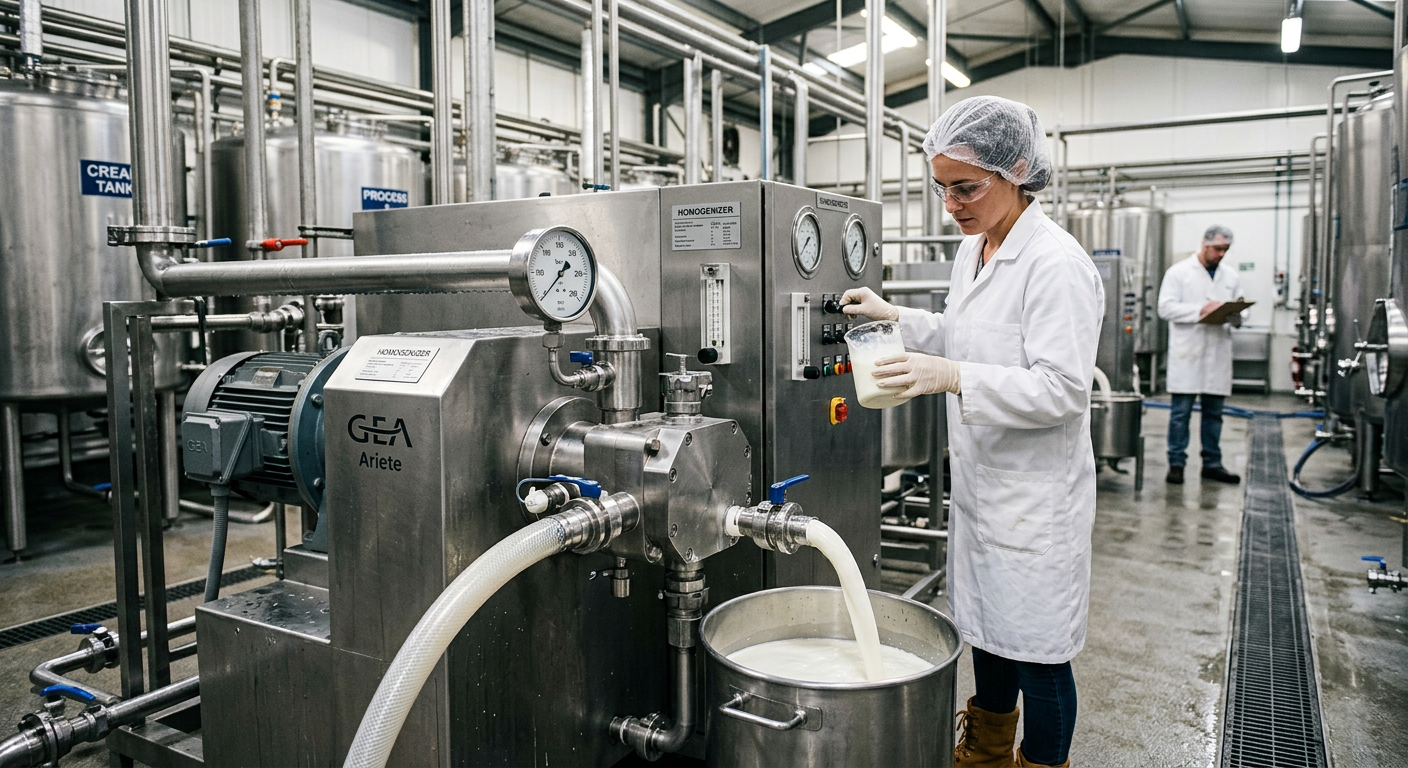
Chocolate Processing Equipment: A Guide to Tempering and Molding Systems
[trp_language language=”en_US”]
U.S. Chocolate Processing Systems and Plant Design
Chocolate processing equipment is no longer just about buying a tempering machine and a depositor. In the United States, manufacturers now need integrated systems that connect bean handling, refining, conching, storage, tempering, molding, enrobing, cooling, sanitation, and packaging into one controllable production environment. Whether the plant is a small bean-to-bar workshop in Asheville, a multi-SKU confectionery site near Chicago, or a large co-manufacturing operation serving national retailers through hubs such as Los Angeles, Houston, Savannah, and New York/New Jersey, the best results come from line design that balances product quality, throughput, labor, food safety, and capital efficiency.
This guide explains how to select and integrate chocolate processing equipment for artisan and industrial operations, with practical guidance on crystallization control, cooling tunnel performance, hygienic design, recipe management, clean-in-place strategy, and packaging automation for temperature-sensitive products. It is written for owners, plant managers, operations teams, and capital project leaders who need scalable solutions for the U.S. market.
Quick Answer

If you need a direct answer: the right chocolate processing system depends on product type, plant capacity, sanitation strategy, and the level of automation required. Bean-to-bar manufacturers need robust roasting, winnowing, refining, conching, tempering, molding, and packaging integration. Confectionery plants focused on coated products need precise enrobing, tunnel cooling, product transfer, and wrapping systems. Multi-product facilities need recipe management, batch traceability, utility planning, and cleanability built into the process from day one.
In the U.S., the most successful installations typically share five characteristics:
- Stable temperature control through storage, transfer, tempering, and discharge
- Line layouts designed around sanitation, allergen separation, and operator access
- Automation that links batching, machine setpoints, quality checks, and production reporting
- Packaging systems matched to ambient conditions and product sensitivity
- Capital planning that aligns equipment scope with margin, demand, and future expansion
For many manufacturers, the better investment is not a standalone machine purchase but a complete process design and integration strategy. That is especially true where multiple products, seasonal volume spikes, or retailer compliance requirements are involved.
| Plant Type | Typical Output | Core Equipment | Automation Need | Sanitation Complexity | Best Fit |
|---|---|---|---|---|---|
| Artisan bean-to-bar | 100 to 500 kg/day | Roaster, cracker, winnower, melanger/refiner, temperer, molds | Low to medium | Medium | Premium craft brands |
| Growing regional brand | 500 kg to 2 tons/day | Continuous tempering, depositor, cooling tunnel, wrapping | Medium | Medium to high | Multi-SKU retail lines |
| Industrial bar plant | 2 to 20 tons/day | Full refining, conching, storage tanks, tempering, molding lines | High | High | National production |
| Enrobed confectionery site | 1 to 10 tons/day | Centers line, enrober, tunnel, decorators, packers | High | High | Coated snacks and candies |
| Co-manufacturing plant | Variable | Flexible batching, recipe control, changeover tooling | Very high | Very high | Contract manufacturing |
| Pilot and innovation center | Small batch | Modular mini-lines | Medium | Medium | R&D and commercialization |
The table above shows why equipment selection should start with business goals, not just machine capacity. A plant making three premium single-origin bars has very different needs than a site running coated pretzels, molded inclusions, and private-label seasonal products.
Bean-to-Bar Processing Line Design for Artisan and Industrial Scale

Bean-to-bar processing begins long before tempering. A properly designed line includes receiving, storage, cleaning, roasting, cracking, winnowing, nib handling, refining, conching, holding, tempering, depositing or molding, cooling, demolding, and packaging. Each step influences flavor development, viscosity, particle size, and final texture.
For artisan producers, modularity matters. A smaller U.S. producer in Portland, Denver, or Raleigh may start with semi-automatic roasting and batch refining, but should still reserve floor space and utilities for future continuous conching, bulk chocolate storage, and packaging automation. For industrial plants, the focus shifts toward throughput consistency, preventive maintenance access, utility redundancy, and material flow separation between raw and finished zones.
Bean-to-bar layouts should also account for U.S. logistics realities. Importers receiving cocoa through ports such as Newark, Long Beach, or Savannah may need dedicated raw bean staging, pest control, and lot tracking. Plants located inland, such as in Kansas City or Columbus, often prioritize warehouse integration and rail or truck dock efficiency to support larger ingredient inventories.
Design considerations include:
- Roaster sizing based on bean origin, flavor targets, and shift structure
- Dust control around cracking and winnowing
- Particle size reduction strategy, whether melanger-based or industrial refining
- Conching time and energy requirements based on recipe and flavor profile
- Tank agitation and jacket design for stable mass holding
- Layout separation between allergen-containing inclusions and plain chocolate zones
| Process Stage | Artisan Design Priority | Industrial Design Priority | Main Risk | Control Method | Expansion Option |
|---|---|---|---|---|---|
| Bean receiving | Lot traceability | High-volume handling | Cross contamination | Barcoding and staging | Additional silos or warehouse lanes |
| Roasting | Flavor flexibility | Repeatable thermal profile | Uneven roast | Recipe-based roasting curves | Second roaster |
| Winnowing | Yield optimization | Dust management | Shell carryover | Airflow tuning and screens | Parallel separation line |
| Refining | Texture development | Capacity and consistency | Overheating or coarse product | Particle size monitoring | Continuous refiner |
| Conching | Flavor finishing | Energy efficiency | Volatile imbalance | Time/temperature control | Larger conche bank |
| Storage and feed | Small-batch segregation | Continuous supply | Settling or viscosity drift | Agitation and jacketed tanks | Extra day tanks |
The practical lesson is that bean-to-bar success depends on line balance. Oversizing a roaster while undersizing refining or cooling creates hidden bottlenecks. The best plant designs model batch timing, utility demand, labor movement, and sanitation windows before equipment is ordered.
The line chart reflects a realistic growth pattern in U.S. investment demand for upgraded chocolate processing lines, driven by premiumization, contract manufacturing, retailer standards, and automation needs heading into 2026.
Tempering Machine Selection and Chocolate Crystallization Control

Tempering is the heart of final chocolate quality. The purpose is to create and maintain the desired cocoa butter crystal form so the finished product has gloss, snap, contraction, clean release from molds, and resistance to bloom. A well-designed tempering system does not simply heat and cool chocolate. It controls mass flow, shear, residence time, seed crystal formation, and rework stability.
Small plants often begin with batch or wheel temperers. These are useful for flexibility and lower capital cost, but labor dependence rises quickly as SKUs increase. Mid-size and industrial operations usually benefit from continuous tempering systems integrated with day tanks, transfer pumps, depositors, and enrobers. In these systems, accurate control of inlet temperature, cooling water, back pressure, and chocolate viscosity becomes critical.
Selection criteria should include:
- Chocolate type: dark, milk, white, compound, or reduced-sugar formulations
- Throughput range and minimum turndown
- Viscosity handling for inclusions or high-solids recipes
- Integration with molders, enrobers, or one-shot depositors
- Startup and shutdown losses
- Ease of sanitation and allergen changeover
Crystallization control also depends on the upstream process. If refining is inconsistent, fat distribution is unstable, or storage tank temperatures drift, even a good tempering machine will struggle. That is why advanced plants use coordinated automation to tie recipe parameters, tank temperatures, pump speeds, and tempering setpoints together.
| Tempering Option | Typical Capacity | Best For | Advantages | Limitations | Recommended Plant Stage |
|---|---|---|---|---|---|
| Manual batch temperer | Up to 100 kg/hr | R&D, micro-batches | Low cost, flexible | Labor-intensive | Startup |
| Wheel temperer | 50 to 300 kg/hr | Artisan bars and bonbons | Simple operation | Limited automation | Craft growth phase |
| Continuous temperer | 250 to 2,000 kg/hr | Molding and enrobing | Stable crystal control | Higher capital | Regional scale |
| High-capacity industrial unit | 2,000+ kg/hr | Large plants | Consistent throughput | Complex integration | National scale |
| Multi-zone tempering with PLC recipes | Variable | Multi-SKU operations | Fast product changeovers | Requires controls strategy | Co-manufacturing |
| Compound coating temper/conditioning system | Variable | Alternative fats | Recipe-specific handling | Not universal for real chocolate | Specialized products |
The table shows that tempering equipment must match both chocolate chemistry and operating model. A common U.S. mistake is specifying capacity only by peak hourly demand without considering minimum run size, rework percentage, or downtime during seasonal SKU changes.
Enrobing and Cooling Tunnel Integration for Coated Products
For coated snacks, bars, centers, cookies, wafers, nuts, caramels, and frozen inclusions, enrobing and tunnel cooling are where aesthetics, yield, and throughput meet. A well-integrated enrobing line must deliver an even curtain, controllable bottoming, clean takeoff, and proper chocolate return. The cooling tunnel must then remove heat gradually enough to maintain gloss and adhesion without causing cracking, sugar bloom, or condensation risk.
Integration is especially important for U.S. producers serving retailers and club channels, where package appearance and weight consistency affect claims, margin, and acceptance rates. Product center temperature, belt speed, air distribution, tunnel zoning, and ambient humidity all matter. A coated pretzel line in Arizona faces different cooling and room control challenges than a truffle facility in Pennsylvania.
Key integration points include:
- Synchronizing center feed rate to enrober curtain stability
- Managing chocolate recirculation and filtration
- Using vibration and blower settings to control coating weight
- Designing tunnel zones for set, polish, and stabilization
- Preventing product disturbance at transfers and turns
- Linking tunnel discharge with wrapping speed
This bar chart shows where equipment demand is currently strongest in the United States. Enrobed snacks and private-label assortments are particularly active due to retailer diversification, while protein confections are gaining share as functional food brands move into coated formats.
| Line Element | Function | Critical Variable | Common Problem | Engineering Fix | Quality Result |
|---|---|---|---|---|---|
| Center feeder | Product spacing | Index accuracy | Double loading | Servo control | Uniform coverage |
| Bottomer | Base coating | Film thickness | Bare spots | Adjustable roller/gap | Better adhesion |
| Curtain section | Top and side coating | Flow rate | Streaking | Pump and weir tuning | Smooth finish |
| Vibration/blower | Weight control | Frequency and air pressure | Tailing | Recipe-based settings | Cleaner appearance |
| Cooling tunnel | Crystal stabilization | Zone temperature | Bloom or cracking | Multi-zone tuning | Gloss and snap |
| Discharge/pack feed | Transfer to wrapping | Product alignment | Damage at handoff | Matched conveyor speed | Higher pack efficiency |
A strong coated-products line is not just an enrober plus tunnel. It is a coordinated system that includes center preparation, environmental control, conveyor architecture, chocolate handling, and downstream packaging integration.
Hygienic Design Standards for Chocolate Processing Environments
Chocolate plants may not always require the same wet-cleaning approach as dairy or beverage facilities, but hygienic design is still essential. U.S. processors must address allergen management, harborage prevention, personnel flow, condensation control, ingredient segregation, and sanitary utility routing. For facilities producing fillings, caramel, dairy-based centers, or hybrid confectionery products, hygienic requirements increase significantly.
Best-practice design includes sloped surfaces where needed, accessible frames, sanitary welds on product-contact systems, proper cable and pipe routing, smooth transitions, and material choices appropriate for the cleaning regime. Floors, drains, HVAC zoning, and positive or neutral air strategies should reflect whether a room is handling raw ingredients, liquid chocolate, cooled product, or open finished goods.
In the U.S., compliance expectations are shaped by FDA requirements and often elevated by SQF or BRC certification goals. Plants serving major retailers may also need stricter environmental monitoring, documented hygienic zoning, and validated cleaning procedures.
Manufacturers planning new chocolate facilities often overlook the importance of room design. A perfect tempering machine can still fail to deliver good product if the room swings from 62°F in the morning to 75°F in the afternoon. Condensation near cooling tunnel discharge, poor dust containment in sugar or cocoa handling, and difficult-to-clean overhead structures all create long-term operating costs.
The area chart illustrates the steady shift toward more controlled and hygienic production environments. This trend is expected to accelerate through 2026 as labor pressure, audit expectations, and premium product positioning push manufacturers toward cleaner, more repeatable plant designs.
Recipe Management and Batch Control for Multi-Product Chocolate Plants
Recipe management is one of the most important investments for a modern chocolate plant. When a site runs dark bars in the morning, milk clusters in the afternoon, and allergen-containing inclusion products on second shift, process consistency depends on more than operator memory. Recipe and batch control systems improve repeatability, reduce giveaway, support traceability, and shorten changeovers.
At a practical level, recipe management should coordinate ingredient addition, refining targets, conching conditions, tempering curves, depositor settings, tunnel zones, and packaging codes. It should also capture actual versus target values so quality teams can identify drift before it becomes waste.
Plants serving U.S. grocery, club, convenience, or e-commerce channels increasingly need digital records that connect lot genealogy to finished goods. That is particularly useful in co-manufacturing environments and for plants handling multiple labels or customer specifications.
Automation architecture may include PLCs, SCADA visualization, historian functions, alarm tracking, OEE monitoring, and ERP connectivity. The objective is not complexity for its own sake. It is operational clarity: the right recipe, in the right machine, with the right setpoints, at the right time.
| Control Layer | Main Role | Chocolate Application | Benefit | Risk if Missing | Typical User |
|---|---|---|---|---|---|
| PLC | Machine control | Temperer, pumps, conveyors | Stable operation | Manual inconsistency | Operators |
| HMI | Operator interface | Setpoint entry | Fast adjustments | Input errors | Line leads |
| SCADA | Supervisory visibility | Whole-line monitoring | Centralized management | Poor coordination | Supervisors |
| Batch software | Recipe execution | SKU-specific parameters | Repeatability | Changeover mistakes | Production managers |
| Historian | Data storage | Temperature and alarm trends | Root-cause analysis | Limited traceability | Quality and engineering |
| ERP/MES link | Order and inventory coordination | Lot and production records | Business integration | Manual reconciliation | Operations and finance |
This table shows how batch control supports both quality and profitability. For plants with multiple recipes and customer-specific requirements, automation prevents small settings errors from becoming expensive downtime or rework.
CIP System Design for Chocolate Processing and Confectionery Lines
Not every chocolate line is fully wet cleaned, but many confectionery plants still require carefully planned CIP or hybrid cleaning strategies. This is especially true for systems that handle dairy components, liquid sugar, fillings, syrups, nut pastes, caramel, or shared equipment across allergen classes. The key question is not whether CIP is fashionable. It is whether the process, food safety plan, and operating model justify it.
For chocolate mass transfer and storage, some systems are better suited to hot oiling, purge, dry clean, or controlled teardown. For adjacent filling or ingredient systems, full CIP may be necessary. The engineering challenge is to define which circuits need automated cleaning, what temperatures and flow rates are required, and how to prevent trapped residues in pumps, valves, and dead legs.
Effective CIP design for confectionery facilities includes:
- Separate circuits for chocolate, dairy, sugar, and allergen-sensitive products where needed
- Validated tank, line, and valve coverage
- Return conductivity or other endpoint verification methods
- Recovery planning to reduce product loss before wash
- Utility sizing for hot water, steam, compressed air, and chemical storage
- Documented sequences tied to operator permissions and sanitation records
Plants expanding into higher-care chocolate confections often underestimate how much utility infrastructure CIP adds. Tank farms, heat exchangers, return piping, floor drainage, and chemical containment must be designed early or costs rise sharply later.
Packaging Automation for Temperature-Sensitive Chocolate Products
Packaging is where product protection meets line efficiency. Chocolate is highly sensitive to heat, surface scuffing, fat bloom, aroma pickup, and seasonal ambient variation. As a result, packaging automation must be designed around environmental control, product orientation, material performance, and transit conditions across the U.S. supply chain.
A bar shipped from a climate-controlled Midwest DC may perform very differently from one sent through summer last-mile routes in Texas or Florida. That means wrapper selection, sealing temperature, pack pattern, corrugate design, and palletization strategy all influence quality claims and returns. For premium products, appearance at first opening is part of the brand promise.
Common packaging automation options include flow wrapping, fold wrapping, carton loading, tray packing, robotic pick-and-place, vision inspection, checkweighing, case packing, and palletizing. The right combination depends on whether products are molded bars, enrobed pieces, praline assortments, seasonal figures, or club-store multi-packs.
| Packaging Format | Best Product Type | Main Advantage | Key Limitation | Environment Need | Typical U.S. Channel |
|---|---|---|---|---|---|
| Flow wrap | Bars, enrobed singles | High speed | Seal sensitivity | Cool, stable room | Mass retail |
| Foil and band | Premium bars | Luxury presentation | Slower throughput | Low handling damage | Specialty retail |
| Twist wrap | Small centers | Distinctive look | Format-specific | Precise feeding | Seasonal and gift |
| Carton loading | Multi-piece assortments | Branding area | More components | Controlled humidity | E-commerce and retail |
| Case packing | All finished goods | Labor reduction | Upstream dependency | Stable line balance | Warehouse distribution |
| Robotic palletizing | High-volume output | Consistency and labor savings | Capital cost | End-of-line space | Regional/national distribution |
As shown above, the packaging choice affects more than speed. It affects product protection, shelf appeal, labor demand, and distribution resilience.
This comparison chart highlights why many U.S. manufacturers now prefer integrated project delivery over isolated equipment purchasing. In chocolate plants, the value often comes from how systems work together, not from any single machine alone.
Looking toward 2026, packaging trends include recyclable or reduced-material formats, better thermal resilience for e-commerce fulfillment, more vision-guided robotics, and tighter line integration with serialization, lot coding, and warehouse data systems.
Our Company
Disruptive Process Solutions supports food and beverage manufacturers across the United States and Canada with end-to-end engineering, installation, integration, and project execution. For chocolate and confectionery projects, the company’s strength is not limited to selecting machines. It lies in designing profitable systems that connect process performance, utilities, automation, sanitary construction, and long-term expansion planning.
From a technological standpoint, DPS brings multidisciplinary engineering across process, mechanical, structural, electrical, plumbing, and controls. That includes PLC programming, automation architecture, SCADA, utility design, and complete system integration. Those capabilities are especially valuable in chocolate plants where tempering, cooling, batching, and packaging must operate as one coordinated line rather than separate islands of equipment. Manufacturers exploring integrated process work can review the company’s broader engineering and project services for how this model is applied in practice.
From a manufacturing capability perspective, DPS also designs and supplies proprietary process equipment, including tanks and custom CIP systems, while integrating third-party processing and packaging technologies into complete facilities. That matters for chocolate projects where jacketed storage, hygienic transfer, and utility-aware skid design can influence startup time and operating cost. More information on this side of the business is available through the company’s process equipment offerings.
From a service capability perspective, DPS operates under a Design Build Manage model that aligns engineering, construction oversight, installation, and execution management. Instead of acting only as a vendor, the company works as a capital project partner focused on first-year profitability, practical decision-making, and transparent advice. For U.S. manufacturers planning expansion, retrofits, relocations, or new facilities, that approach reduces the gap between concept and operational reality. Additional background on the team and operating philosophy can be found on the company overview page, while selected project examples and case studies show how complex systems are delivered in the field.
In real-world terms, this means helping clients evaluate whether a new tempering and molding line is the right answer, or whether the actual bottleneck is upstream handling, controls logic, packaging speed, room HVAC, or sanitation design. For chocolate producers in the U.S., that business-first lens is often the difference between buying equipment and building a reliable manufacturing asset.
FAQ
What is the most important machine in a chocolate plant?
There is no single answer. For molded bars, tempering and cooling control are often most critical. For bean-to-bar operations, refining and conching may have the greatest impact on flavor and texture. For coated products, enrobing and tunnel integration are usually the priority.
How do I choose between artisan and industrial line design?
Base the decision on target throughput, labor model, SKU count, and customer requirements. If you expect rapid growth, design for modular expansion even if you start with smaller equipment.
Do all chocolate plants need CIP?
No. Some lines are better served by dry cleaning, purge, or partial teardown. However, facilities handling dairy, fillings, syrups, or multiple allergen classes may need dedicated CIP circuits or hybrid sanitation systems.
Why does chocolate bloom after packaging?
Bloom can result from poor temper, unstable cooling, heat exposure during storage or transport, incompatible fillings, or packaging that does not protect the product from environmental swings.
What room temperature is best for chocolate processing?
It depends on the process stage, but consistency is more important than a single number. Tempering, enrobing, cooling discharge, and packaging areas should all be designed as part of one environmental strategy.
How important is automation for a mid-size U.S. chocolate manufacturer?
Very important if the plant runs multiple SKUs, retailer-driven traceability, or private-label products. Recipe management, batch control, and downtime visibility usually pay back through reduced waste and fewer operator errors.
What should be included in a chocolate line capital plan?
Equipment, utilities, room HVAC, flooring, drains, sanitation systems, controls, installation, commissioning, training, spare parts, and future expansion allowances. Omitting utilities or environmental controls is a common budgeting mistake.
What are the biggest trends for 2026?
Greater automation, more recipe-driven control, stronger hygienic zoning, packaging designed for heat-sensitive e-commerce distribution, better energy efficiency, and sustainability initiatives such as reduced product loss, smarter utility use, and lower-material packaging formats.
How do U.S. regulations affect chocolate plant design?
FDA requirements set the baseline, but many facilities also design around SQF or BRC expectations, customer audit standards, allergen programs, and retailer quality requirements. That affects layout, documentation, sanitation, and automation choices.
Where should I start if I am planning a new chocolate facility?
Start with product mix, volume forecast, customer channels, and business targets. Then move into process mapping, line balancing, utility planning, hygienic zoning, and capital phasing before selecting individual machines.
[/trp_language]
Complete Company Portfolio
About the Author: Disruptive Process Solutions (DPS)
The DPS team combines process engineering expertise with real-world food and beverage manufacturing experience. Our content focuses on process optimization, production efficiency, facility improvements, and practical solutions that help manufacturers operate more effectively in a rapidly evolving industry.
Share