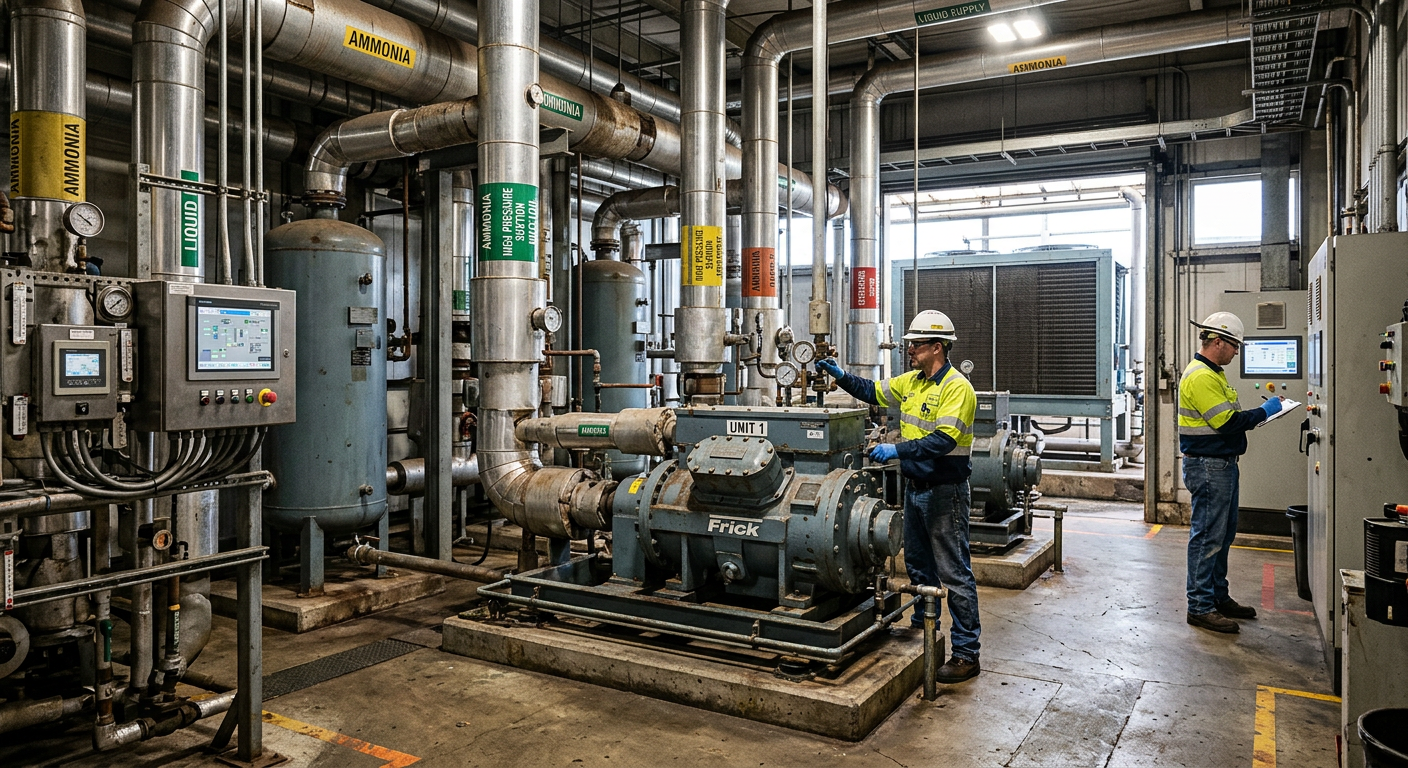
Baby Food Production Facility Design: Safety and Nutritional Standards
[trp_language language=”en_US”]
U.S. Baby Food Plant Design for Safety, Quality, and Regulatory Readiness
Designing a baby food production facility in the United States requires more than standard food plant planning. Infant and toddler products demand tighter control of ingredients, allergens, environmental hygiene, thermal processing, packaging integrity, sanitation, traceability, and regulatory documentation. Whether the product is a fruit puree in a pouch, a vegetable blend in a cup, a shelf-stable meal in a jar, or a specialty nutritional product produced under highly controlled conditions, the facility must protect nutritional value while preventing biological, chemical, and physical contamination.
In the U.S. market, manufacturers also face strong retailer expectations, audit pressure from SQF and BRC programs, FDA oversight, and rising consumer demand for clean labels, transparency, and packaging convenience. Facilities near major logistics hubs such as Chicago, Dallas, Los Angeles, Savannah, New Jersey, and Memphis often gain distribution advantages, but location alone does not create a reliable operation. The plant layout, process flow, utilities, cleanability, automation strategy, and validation systems determine whether a project becomes profitable and scalable.
This guide explains how to approach ingredient receiving and allergen testing protocol design, puree processing and blending system engineering, pasteurization and aseptic filling line integration, jar, pouch, and cup packaging selection, environmental control and HEPA filtration, sanitation standards, and FDA compliance for infant food operations in the United States.
Quick Answer

The best baby food production facility design in the United States combines segregated ingredient receiving, validated allergen controls, closed sanitary puree processing, accurate blending, robust pasteurization or aseptic filling, hygienic packaging, controlled air handling, easy-to-clean equipment, and documentation systems aligned with FDA, FSMA, and customer audit requirements. In practical terms, that means the project should begin with product risk classification, target shelf life, packaging format, throughput, cleaning strategy, and future expansion plans.
For most U.S. manufacturers, the core design priorities are:
- Separate raw and high-care traffic patterns for people, pallets, utensils, and waste.
- Rapid receiving inspection with strong lot traceability and allergen verification.
- Sanitary tanks, pumps, valves, and piping designed to reduce hold-up and dead legs.
- Validated thermal processing, whether HTST, UHT, retort, hot fill, or aseptic fill.
- Packaging matched to the product’s viscosity, pH, target age group, and retail channel.
- Environmental zoning, positive air pressure, and HEPA filtration in sensitive areas.
- CIP systems and sanitary design standards that support repeatable, auditable cleaning.
- Automation and recipe control that protect both safety and nutrient consistency.
For investors and operators, the smartest approach is to connect food safety design with business economics from the start. A line that hits microbiological targets but wastes puree, slows changeovers, or limits package flexibility may still underperform financially. That is why many U.S. projects now focus on integrated design-build-management execution rather than isolated equipment purchases.
| Design Priority | Why It Matters | Typical U.S. Risk If Ignored | Recommended Design Response |
|---|---|---|---|
| Ingredient segregation | Protects against allergen and raw material cross-contact | Recall exposure and rejected lots | Dedicated receiving zones and color-coded handling tools |
| Closed processing | Reduces contamination during transfer and blending | Shortened shelf life and microbial deviations | Sanitary piping, sealed tanks, and automated valve matrices |
| Validated thermal step | Provides kill step control | Food safety noncompliance | Time-temperature validation with data logging |
| Packaging integrity | Maintains sterility and product quality | Leakers, spoilage, customer complaints | Container-specific seal and closure validation |
| Environmental control | Stabilizes high-care hygiene | Airborne contamination and audit findings | HEPA supply in sensitive rooms and pressure cascade |
| Sanitary cleanability | Supports repeatable hygiene and uptime | Long CIP cycles and hidden residue buildup | 3-A style hygienic principles and drainable equipment |
The table above summarizes the core decision framework. In baby food, every design choice should answer two questions: does it reduce risk, and does it support stable output at the required margin?
The line chart shows a realistic investment trend: U.S. spending on modernization, quality systems, automation, and package flexibility continues to rise as retailers and consumers demand more resilient supply chains.
Ingredient Receiving and Allergen Testing Protocol Design

The receiving area is the first critical control gateway in a baby food plant. Ingredients may include fruit concentrates, vegetable purees, starches, oils, dairy derivatives, proteins, vitamin premixes, spices, grains, and packaging components. Some products are allergen-free, while others may contain milk, soy, wheat, or other declarable allergens. The receiving system must prevent supplier variation from entering the process unnoticed.
In the United States, plants receiving imported fruit from ports such as Long Beach, Newark, Houston, or Savannah often deal with seasonal variability, transit delays, temperature excursions, and diverse documentation packages. Domestic ingredient flows from California, North Carolina, Michigan, Idaho, Wisconsin, and the Pacific Northwest bring their own variability in solids, pH, color, and microbiological load. A strong receiving design therefore combines physical layout with analytical control.
Best practice includes segregated docks, quarantine hold areas, barcode-based lot capture, sample pull stations, environmental protection for unloading, and documented release protocols. For allergen-sensitive products, storage rooms and material handling equipment may need dedicated segregation, especially where milk powders, cereal inclusions, or nut-derived ingredients are present elsewhere in the broader facility.
| Receiving Control Element | Purpose | Typical Equipment | Verification Method |
|---|---|---|---|
| Dock inspection station | Checks trailer condition and seal integrity | Inspection bay, dock restraints, tablet forms | Inbound checklist and photo record |
| Quarantine storage | Prevents use before approval | Racked hold area with physical barriers | ERP status and tags |
| Allergen sample booth | Supports safe test preparation | Enclosed bench, wash station, labeled tools | Sampling SOP and chain of custody |
| Rapid analytical review | Confirms critical quality attributes | pH meter, refractometer, moisture test tools | COA match and in-house results |
| Micro hold protocol | Controls higher-risk ingredients | Retained sample storage, lab coordination | Release by QA approval |
| Traceability capture | Enables recall speed and batch accuracy | Barcode scanners, ERP integration | Lot genealogy audit |
This receiving matrix shows that dock design alone is not enough. The protocol must connect supplier approval, inspection, testing, release, and ERP traceability into one controlled sequence.
Allergen testing strategy should be risk-based. Not every plant needs the same frequency, but high-sensitivity operations typically apply incoming document review, periodic rapid test kits, sanitation verification swabbing, and final label reconciliation. For products marketed for infants with simpler ingredient decks, the tolerance for cross-contact is especially low from both a safety and brand perspective.
Facilities should also think ahead about 2026 trends. U.S. buyers increasingly expect digital supplier visibility, predictive quality scoring, and stronger traceability tied to FSMA modernization. That means ingredient receiving zones should be designed with room for data capture, hold-and-release workflows, and future inline inspection technologies.
Puree Processing and Blending System Engineering

Puree processing is the heart of most baby food operations. The system must protect flavor, texture, color, and nutrient retention while maintaining a consistent microbiological and physical profile. Product categories may include single-fruit purees, vegetable blends, meat-and-vegetable meals, cereal blends, dairy-based formulations, and functional recipes with added nutrients.
Engineering decisions typically begin with product rheology. Thin fruit blends may tolerate straightforward balance tanks and sanitary centrifugal pumping, while thicker vegetable or protein blends may require positive displacement pumps, swept-surface agitation, and careful shear management. Too much shear can damage texture and destabilize the finished product; too little can create poor blend uniformity or dosing errors.
A well-designed system usually includes:
- Ingredient pre-weigh or automated dosing.
- Jacketed mix tanks sized for campaign requirements.
- High-shear mixing only where required for hydration or emulsification.
- Inline strainers or finishing equipment for texture control.
- Homogenization when product consistency demands finer particle distribution.
- Inline Brix, temperature, and flow monitoring where appropriate.
- Automated recipe management through PLC and SCADA systems.
The ideal layout minimizes transfer distance and recirculation time. Long loops increase product hold-up, reduce yield, and create more surfaces to clean. In U.S. facilities where labor costs are significant, automated batching and recipe confirmation can also reduce operator error and rework.
| Product Type | Processing Need | Preferred Equipment Characteristic | Main Engineering Concern |
|---|---|---|---|
| Fruit puree | Color and flavor retention | Low-oxygen transfer and gentle agitation | Oxidation control |
| Vegetable blend | Consistent viscosity | Jacketed tank with controlled shear | Texture variation |
| Meat and vegetable meal | Particle management | Robust blending and finishing system | Pumpability and fill accuracy |
| Cereal blend | Hydration and lump prevention | High-shear induction or powder incorporation | Clumping |
| Dairy-based puree | Emulsion stability | Homogenization and temperature control | Phase separation |
| Fortified nutrition blend | Micronutrient precision | Automated metering and batch verification | Formula accuracy |
The table clarifies how product design influences equipment specification. A single universal system can work in some plants, but product families with different viscosity, particle size, and thermal sensitivity often benefit from modular line design.
Many U.S. processors also want flexibility to run both private-label and branded recipes. That makes changeover design important. Valve matrices, pigging systems, short transfer lines, and recipe automation can materially improve yield and production economics.
From a buying standpoint, manufacturers should evaluate more than tank volume and motor size. Ask whether the system is fully drainable, whether agitator seals can be maintained quickly, whether instrumentation supports audit records, and whether the line can scale from current demand to future national distribution.
Pasteurization and Aseptic Filling Line Integration
The choice between pasteurization, hot fill, retort, and aseptic processing depends on product pH, particulate profile, nutritional goals, package format, shelf-life expectations, and commercial strategy. In baby food, no thermal method should be selected in isolation. The filler, package, downstream handling, and sanitation regime must all support the selected process.
For acidic fruit products, hot fill may be sufficient in some applications. For low-acid or mixed meal products, more stringent process controls may be required. Aseptic processing becomes attractive when brands want extended shelf life with strong sensory retention and lighter packaging. However, aseptic design demands tighter environmental, utility, and validation discipline.
Integration points often include surge control between processing and filling, sterile barriers, valve seat verification, sterile air or steam systems, filler compatibility, cap or fitment sterilization, and automated rejection of out-of-spec containers. If the line is not balanced, one bottleneck can compromise both food safety and efficiency.
| Processing Method | Best Use Case | Packaging Match | Key Design Requirement |
|---|---|---|---|
| HTST pasteurization | Chilled or short shelf-life products | Cups, small tubs | Precise hold tube and temperature control |
| Hot fill | Acidified fruit or vegetable products | Pouches, some bottles, cups | Container thermal compatibility |
| Retort | Shelf-stable dense foods | Jars, trays, pouches | Validated heat penetration and overpressure control |
| UHT with aseptic fill | Premium shelf-stable products | Pouches, cartons, cups | Sterile zone integrity |
| Steam injection or infusion | High-quality texture retention | Aseptic formats | Condensate and flavor management |
| Hybrid system | Multi-product plants | Mixed formats | Flexible automation and validated changeovers |
This comparison shows why equipment purchasing should be tied to the business model. A co-manufacturer serving multiple brands may prioritize flexibility, while a single-SKU national brand may justify a dedicated aseptic line.
In practical U.S. deployment, processors near major consumer markets such as Atlanta, Chicago, Phoenix, or Philadelphia may favor packaging systems that support broad retail distribution and e-commerce durability. Aseptic pouches, for example, reduce freight weight compared with glass jars, but they also require stronger control of fitment sealing, sterile interface design, and packaging supply quality.
The bar chart highlights a realistic demand pattern in the U.S. market: pouches remain strong, but cups and snack-adjacent formats continue to grow as convenience and portion control become more important.
Jar, Pouch, and Cup Packaging Line Selection Criteria
Packaging selection is both a technical and commercial decision. Jars offer premium perception, strong barrier performance, and suitability for some retort or hot-fill applications. Pouches provide lighter freight, convenience, lower breakage risk, and broad appeal to parents seeking portable feeding options. Cups can work well for spoon-fed products, chilled concepts, and portion-controlled lines.
When choosing among jar, pouch, and cup packaging lines, U.S. manufacturers should compare:
- Fill accuracy at target viscosity.
- Package sterilization or sanitation requirements.
- Seal integrity and closure reliability.
- Retail shelf positioning and consumer handling.
- Material availability and domestic supply resilience.
- Changeover speed across SKUs and sizes.
- Rework and scrap impact.
| Selection Factor | Jar Line | Pouch Line | Cup Line |
|---|---|---|---|
| Freight efficiency | Lower | High | Moderate |
| Breakage risk | Higher | Low | Low to moderate |
| Premium visual appearance | Strong | Moderate | Moderate |
| High-speed flexibility | Moderate | Strong | Strong |
| Thermal tolerance | Strong | Format dependent | Format dependent |
| Consumer portability | Low | Very high | Moderate |
This table helps buyers compare packaging at the format level, but line selection must also include supplier support, spare parts availability, operator training, and compatibility with U.S. labeling and coding standards.
For example, plants shipping through national retail networks from hubs like Columbus, Kansas City, or Southern California may prioritize packaging that minimizes cube and breakage. In contrast, specialty natural-food brands selling through premium grocery channels may still prefer glass for certain premium product lines.
Another issue is sustainability. By 2026, more U.S. buyers will ask about recyclable structures, downgauged materials, reduced utility consumption, and package-to-product ratio. Line selection should therefore include a future-proofing lens. A low-cost line that locks the plant into inflexible or hard-to-source materials can become expensive over time.
The comparison chart illustrates why many U.S. producers are moving toward multi-format strategies instead of relying on a single package type across all channels.
Environmental Control and HEPA Filtration for Sensitive Production
Environmental control is essential in baby food plants, especially around post-lethality or high-care operations. While not every room requires the same air classification, sensitive production areas often need pressure cascades, filtered supply air, temperature control, humidity management, hygienic duct design, and disciplined personnel flow.
HEPA filtration can be particularly valuable in filler rooms, packaging material preparation areas, and aseptic support spaces. The objective is not to overengineer the whole building but to match air quality to product risk. High-risk zones should be physically and operationally separated from raw handling, warehouse dust, forklift traffic, maintenance activity, and waste routes.
Plants in climates such as Florida, Texas, or the Mid-Atlantic may face humidity loads that can affect packaging materials, condensate risk, and comfort. Plants in the Mountain West may address different air balance and utility considerations. Geography matters, but zoning discipline matters more.
| Production Zone | Air Handling Goal | Common Risk | Recommended Measure |
|---|---|---|---|
| Raw ingredient unloading | Basic control and dust management | Soil and airborne debris | Local exhaust and enclosed transfer where possible |
| Pre-cook prep area | Managed hygiene and comfort | Cross-traffic contamination | Separate traffic lanes and washable surfaces |
| Post-pasteurization buffer | Positive pressure versus adjacent spaces | Recontamination | Filtered supply air and controlled access |
| Aseptic filler room | High cleanliness stability | Airborne contamination | HEPA filtration and pressure cascade |
| Packaging material prep | Dust and particle reduction | Foreign matter introduction | Controlled room and housekeeping standards |
| Finished goods hold | Temperature stability | Package stress and spoilage risk | Climate-appropriate storage controls |
This table shows how environmental design should follow process sensitivity. Not all rooms need the same specification, but every room should have a clear hygiene purpose and airflow strategy.
Future-forward facilities are also using sensors to trend differential pressure, door events, airborne particulates, and utility deviations. By 2026, more U.S. plants will integrate these signals into SCADA and quality dashboards to support preventive action instead of reactive troubleshooting.
The area chart reflects the trend toward more controlled environments, driven by stricter customer requirements, premium formulations, and longer shelf-life expectations.
Cleanability and Sanitation Standards for Infant Food Equipment
In infant food and toddler nutrition production, sanitation is not just a routine program; it is a design principle. Equipment should be specified to eliminate dead legs, product traps, inaccessible hollow bodies, difficult gasket points, and poorly drained transfer paths. If a line is hard to clean, the real operating cost will appear later through downtime, failed ATP or allergen swabs, extended CIP, and recurring deviations.
Cleanability affects mixers, tanks, pumps, heat exchangers, fillers, hoppers, conveyors, and package handling systems. Smooth welds, drainability, sanitary valve clusters, proper instrument installation, and accessible inspection points all matter. In many cases, hygienic engineering saves far more money than it costs.
CIP design should match the soils created by the product range. Fruit sugars, starches, proteins, oils, and micronutrient blends do not all clean the same way. A plant running multiple product families may need recipe-based CIP cycles, conductivity control, return verification, and tank sets sized for campaign scheduling.
Sanitation planning should also consider labor availability. U.S. food plants often struggle with skilled sanitation staffing, so automation and easy-access designs are increasingly valuable. Fast teardown, clear visual inspection points, and reduced manual intervention support safer and more repeatable cleaning.
When evaluating suppliers, ask how long a complete changeover plus cleaning takes, how many manual disassembly steps are required, and whether the design has proven performance in allergen-sensitive or aseptic-adjacent applications.
Regulatory Compliance for FDA Infant Formula and Baby Food Standards
Regulatory compliance for baby food in the United States requires a layered approach. FDA expectations, preventive controls under FSMA, labeling requirements, supplier verification, sanitation controls, traceability, and environmental monitoring all interact. If the plant produces infant formula, requirements become even more stringent and specialized. Even when the site makes baby food rather than formula, the expectations for process discipline remain high because the consumer population is sensitive and brand risk is severe.
Core compliance planning should address hazard analysis, preventive controls, allergen management, process validation, sanitation records, packaging integrity, coding, finished product release, and recall readiness. Layout and automation influence all of these. For example, poorly designed rework routing or unlabeled hold tanks can become regulatory vulnerabilities.
Documentation systems should support real-world plant operation, not just audits. Electronic batch records, QA verification checkpoints, lot genealogy, and deviation workflows can shorten release times and strengthen defensibility. This is especially important for contract manufacturers managing multiple customer specifications.
In addition to FDA readiness, many U.S. producers align facility design with broader third-party expectations. Retailers and brand owners often require SQF or BRC certification, robust foreign material control, validated sanitation, and clear zoning. Therefore, compliance design should aim higher than the minimum legal threshold.
By 2026, policy and market trends point toward stronger traceability expectations, tighter scrutiny of supplier verification, and growing attention to sustainability metrics such as water use, cleaning chemistry optimization, and energy efficiency in thermal systems. Plants that design for these trends early usually avoid expensive retrofits.
Our Company
Disruptive Process Solutions supports food and beverage manufacturers across the United States and Canada with engineering-led project execution built around profitability, compliance, and long-term scalability. Rather than treating a baby food facility as a collection of isolated machines, the company approaches each project as a complete operating system that must work technically, commercially, and operationally.
From a technological capabilities standpoint, DPS brings process, mechanical, structural, electrical, plumbing, and controls engineering together with automation, PLC programming, and SCADA integration. For baby food projects, that matters because receiving systems, blending skids, thermal processing, aseptic interfaces, CIP systems, utilities, and data collection all need to function as one validated process. The team also works across sanitary processing technologies including HTST, UHT, retort, aseptic processing, homogenization, blending, water treatment, and full utility infrastructure. You can learn more about the company background at About DPS.
From a manufacturing capabilities perspective, DPS designs and supplies process equipment such as tanks and custom CIP systems while integrating broader production lines for food and beverage operations. That combination is useful in baby food projects because hygienic vessels, transfer design, utility tie-ins, and cleanability requirements must align with the actual production strategy, not just a generic equipment list. Details on equipment capability are available at process equipment solutions.
From a service capabilities standpoint, DPS operates through a design-build-manage model that includes feasibility work, capital planning, owner’s representation, project management, general contracting functions where applicable, installation oversight, and startup integration. For U.S. manufacturers, this helps reduce disconnects between concept, procurement, construction, and commissioning. Service information can be explored at engineering and project services.
This model is particularly useful for baby food and aseptic projects where utility sizing, hygienic zoning, filler integration, and schedule discipline must be coordinated tightly. Project examples and execution experience can be reviewed in selected case studies.
For manufacturers evaluating partners, the main advantage is not just technical breadth. It is the ability to challenge assumptions early, protect capital allocation, and align the process design with the financial realities of throughput, changeover time, labor use, sanitation windows, and future expansion. In a category as sensitive as infant nutrition, that integrated approach can make the difference between a compliant line and a genuinely high-performing operation.
FAQ
What is the most important design priority in a U.S. baby food plant?
The top priority is risk control across the full process, starting with ingredients and extending through thermal treatment, filling, packaging integrity, sanitation, and traceability. No single machine can compensate for a weak overall layout.
Should a new facility choose jars, pouches, or cups?
That depends on product type, consumer channel, desired shelf life, freight economics, and brand positioning. Many U.S. manufacturers increasingly prefer pouches for convenience, but jars and cups remain important for specific applications.
When is aseptic processing worth the investment?
Aseptic processing is often justified when the business needs long shelf life, high product quality retention, lighter packaging, and national distribution. It requires stronger validation, environmental control, and operator discipline than simpler systems.
Does every baby food facility need HEPA filtration?
Not in every room. HEPA filtration is most valuable in sensitive high-care or aseptic-related areas. The correct approach is to design air handling according to product risk and process exposure.
How should allergen control be built into the facility?
Use segregated receiving and storage, controlled traffic flow, validated cleaning, clear label reconciliation, and risk-based testing. If allergen and non-allergen products share equipment, changeover design is critical.
What role does automation play in compliance?
Automation improves recipe accuracy, batch traceability, CIP repeatability, time-temperature control, alarm response, and documentation quality. It also reduces operator-dependent variation.
How can a manufacturer reduce long-term project risk?
Start with a realistic feasibility study covering product portfolio, packaging, utilities, labor, sanitation, regulatory targets, and future capacity. Then use an integrated delivery model that keeps engineering, construction, and startup aligned.
Are there regional considerations in the United States?
Yes. Logistics, utility pricing, labor markets, water quality, climate, and supplier access differ by region. A plant near major hubs such as Chicago, Dallas, Los Angeles, or Savannah may gain distribution advantages, but design discipline remains the key success factor.
What are the biggest 2026 trends for baby food facility design?
Expect more digital traceability, stronger allergen verification, increased high-care and aseptic adoption, more sustainable packaging decisions, tighter utility efficiency targets, and greater use of predictive data in sanitation and maintenance.
What should buyers ask equipment suppliers before purchase?
Ask about hygienic design details, cleanability validation, maintenance access, spare parts support, changeover time, operator training, integration experience, and whether the line has proven results in baby food or similarly sensitive products.
[/trp_language]
Complete Company Portfolio

About the Author: Disruptive Process Solutions (DPS)
The DPS team combines process engineering expertise with real-world food and beverage manufacturing experience. Our content focuses on process optimization, production efficiency, facility improvements, and practical solutions that help manufacturers operate more effectively in a rapidly evolving industry.
Share

