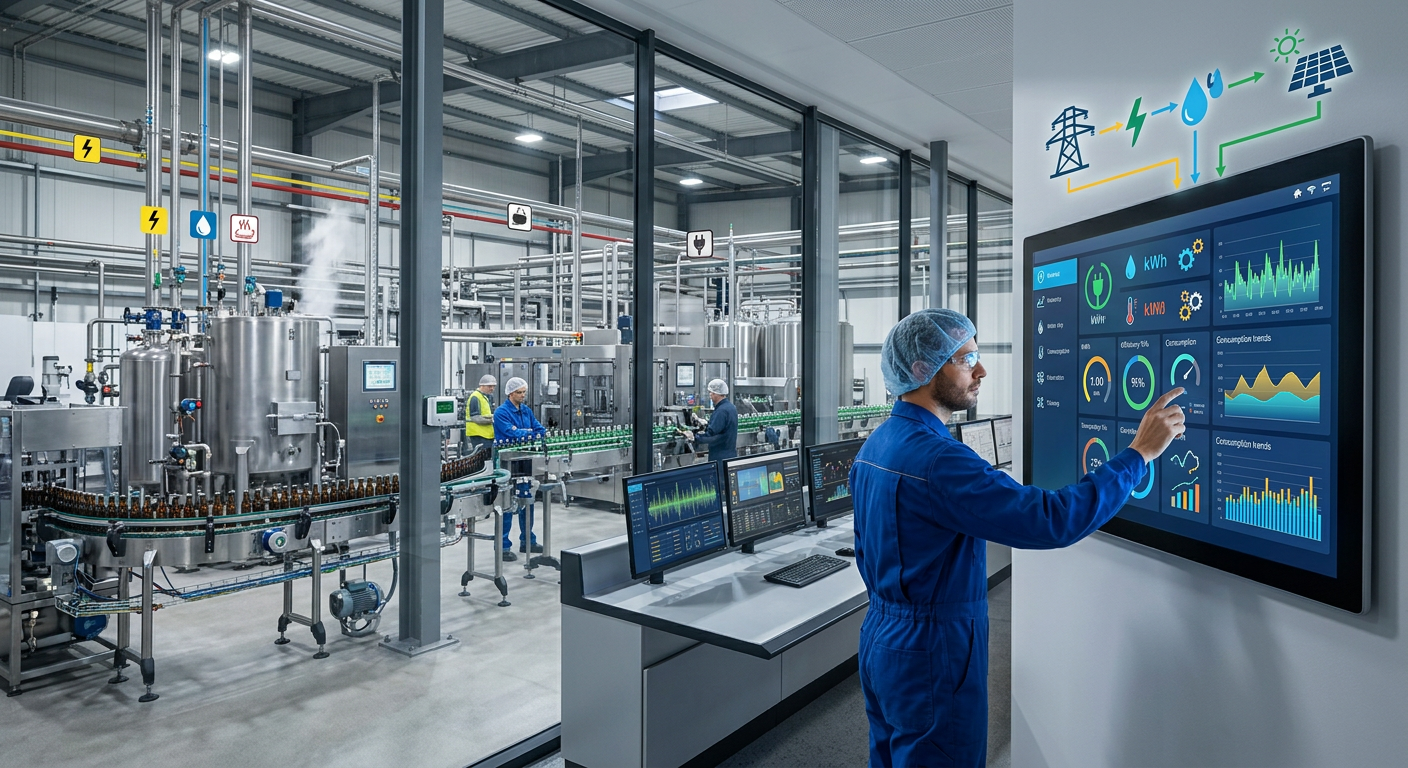
3 Key Process Zones in Breakfast Cereal Production Line Design
[trp_language language=”en_US”]
Breakfast Cereal Line Design Guide for the United States
The best breakfast cereal production line design in the United States aligns three core process zones: forming, thermal treatment, and final finishing. In practice, that means choosing the right mixing and extrusion systems for cereal and granola products, sizing flaking, toasting, drying, and cooling equipment for stable texture, and integrating coating, ingredient dosing, and packaging so the finished product reaches retail shelves with consistent crunch, appearance, and nutrition. For U.S. manufacturers, successful layouts also depend on sanitation standards, utility efficiency, recipe flexibility, labor availability, and logistics near hubs such as Minneapolis, Chicago, Battle Creek, Kansas City, Charlotte, and the ports of Los Angeles, Long Beach, Houston, and Savannah.
Quick Answer

If you are planning or upgrading a cereal line in the United States, the fastest way to evaluate it is to break the system into three decision zones.
| Process zone | Main objective | Typical equipment | Critical control points | Common risk | Best design priority |
|---|---|---|---|---|---|
| Ingredient preparation and forming | Create uniform dough, slurry, or granola base | Bins, feeders, mixers, preconditioners, extruders | Moisture, residence time, feed accuracy | Poor shape consistency | Stable feed and recipe control |
| Shaping and texturizing | Build desired flake, puff, cluster, or nugget structure | Rolls, dies, cutters, formers | Density, thickness, cut length | Breakage and fines | Mechanical precision |
| Thermal processing | Develop crispness, color, and food safety margin | Ovens, toasters, dryers | Temperature profile, airflow, dwell time | Uneven moisture | Zoned heat control |
| Cooling and stabilization | Protect texture before coating or packing | Cooling conveyors, ambient or conditioned air systems | Exit temperature, bed depth | Condensation | Balanced airflow |
| Finishing and fortification | Add sugar, flavor, oil, vitamins, inclusions | Coaters, enrobers, spray systems, micro-dosers | Coverage rate, additive accuracy | Off-spec nutrition | Closed-loop dosing |
| Packaging and end-of-line | Maintain freshness and retail readiness | Baggers, cartoners, pouch fillers, case packers | Seal integrity, oxygen control, weight | Stale product | Integrated line synchronization |
This table shows why cereal line design is more than selecting individual machines. The line works only when each zone is sized to the upstream and downstream constraints. A plant that buys a high-capacity extruder but under-sizes the dryer or cartoner will still be bottlenecked. That is especially important for U.S. operators serving club stores, grocery chains, e-commerce, and foodservice with multiple SKUs.
From a market standpoint, U.S. cereal production remains attractive because manufacturers are expanding beyond traditional corn flakes into protein cereals, granola clusters, low-sugar family products, gluten-conscious options, and specialty co-packed formats. Regions around Michigan, Minnesota, Ohio, Pennsylvania, Texas, and California continue to matter because they combine labor pools, transport access, and proximity to ingredients such as oats, corn, rice, sugar, nuts, and dried fruit.
The line chart above reflects a realistic growth pattern in U.S. investment for cereal processing modernization, driven by automation, energy efficiency, packaging flexibility, and retailer pressure for quality consistency.
Mixing and Extrusion Systems for Cereal and Granola Products

Mixing and extrusion define product identity. Flaked cereals, puffed cereals, filled pillows, granola clusters, cereal bites, and coated rings all start with different raw material behaviors. A cereal line in Minneapolis handling oat-heavy recipes needs different hydration logic than a corn-and-rice line in Texas, and both differ from a granola line near Fresno using oil, syrups, seeds, and nut particulates.
For direct-expanded cereals, the core objective is to control starch gelatinization, density, die pressure, and moisture transfer. For granola, the objective shifts toward gentle blending, binder distribution, cluster formation, and minimal fines generation. That means one plant may need high-shear preconditioning and twin-screw extrusion, while another needs paddle mixing, low-shear agglomeration, and sheet forming.
| Product type | Preferred mixing approach | Preferred forming method | Why it works | Main design challenge | Ideal plant use case |
|---|---|---|---|---|---|
| Corn or rice puffs | Continuous dry-liquid metering with preconditioning | Single- or twin-screw extrusion | Strong control of expansion | Moisture drift | High-volume branded cereal |
| Multigrain rings | Continuous mixing with fine grind control | Extrusion and die cutting | Good shape repeatability | Die wear | Family cereal lines |
| Shredded or biscuit cereal bases | Staged hydration | Roll forming or specialized texturing | Layered bite and structure | Texture uniformity | Premium cereal operations |
| Granola clusters | Low-shear ribbon or paddle blending | Sheeting or cluster forming | Preserves inclusions | Fines and dust | Natural foods and private label |
| Protein cereal | Precision liquid addition and controlled shear | Twin-screw extrusion | Handles functional ingredients better | Torque and stickiness | Better-for-you launches |
| Filled or layered cereal pieces | Dual-stream batching | Co-extrusion | Supports differentiated products | Complex cleaning | Innovation-focused plants |
The table highlights that there is no universal mixer or extruder. Equipment should be selected by recipe family, annual throughput, allergen strategy, and sanitation regime. Plants with frequent changeovers should prioritize easy-access designs, clean-in-place where practical, and fast validation procedures. Plants with fewer SKUs but very high output should emphasize ruggedness, screw life, and stable upstream ingredient feeding.
Buying advice for U.S. manufacturers: evaluate not just nominal pounds per hour, but usable operating range. If your product roadmap includes both classic cereal and granola clusters, the lower-end turndown and cleaning time may matter more than maximum throughput. It is also wise to model ingredient sourcing. Oat, corn, and rice prices can shift by region, and freight from Midwest mills into Southeast plants or West Coast co-packers affects line economics.
When process control is advanced, mixing and extrusion become more resilient. Plants with PLC-based recipe steps, mass-flow monitoring, and SCADA visibility can reduce giveaway, improve startup speed, and tighten moisture consistency. Those capabilities are central to scalable cereal manufacturing and tie directly into integrated engineering and project services for facilities that want line performance rather than isolated machine purchases.
Flaking, Toasting, and Baking Oven Selection and Layout

After forming, thermal design determines whether the cereal becomes crisp, uniform, and shelf-stable. This is where many line concepts fail. A good extrusion setup cannot overcome an oven with poor zoning, short dwell time, or uneven airflow. Flaking rolls also require careful upstream moisture control and downstream transfer design to prevent sticking, cracking, or high breakage.
U.S. plants typically choose among band ovens, multi-zone dryers, rotary toasters, and hybrid bake-dry systems depending on product format. Traditional flaked cereal needs stable tempering before rolling, controlled thickness, and thermal treatment that drives moisture down gradually enough to preserve integrity. Granola needs browning and binder set without scorching sugars or fragile inclusions. Protein cereals often need gentler moisture management because protein-rich formulas can harden or darken too quickly.
| Equipment type | Best suited products | Key advantage | Typical limitation | Layout consideration | Energy note |
|---|---|---|---|---|---|
| Flaking rolls | Cooked corn, wheat, rice flakes | Precise thickness control | Sensitive to feed moisture | Needs steady surge control | Low direct heat use |
| Band toaster | Flakes and formed cereal pieces | Even browning over wide bed | Large footprint | Requires room for maintenance aisles | Can recover exhaust heat |
| Multi-zone baking oven | Granola and baked clusters | Flexible temperature profile | More control complexity | Best with modular sections | Good for staged energy use |
| Fluidized thermal system | Small light pieces | High transfer efficiency | Can increase fines movement | Needs dust management | Efficient air utilization |
| Rotary toaster | Puffs and nuggets | Compact design | Less ideal for fragile products | Needs controlled discharge | Moderate gas use |
| Hybrid bake-dry line | Multi-product plants | Broader SKU capability | Higher capital cost | Best for phased expansion | Strong optimization potential |
This comparison shows why oven selection is as much a layout decision as a thermal one. Long straight runs may be practical in greenfield sites outside Kansas City or Charlotte, but retrofit sites in older Midwest buildings often need modular oven banks, mezzanines, or staggered conveyor paths. Plants near major ports such as Savannah or Long Beach may also account for equipment module shipping limits during installation planning.
Good layout practice includes separating hot process aisles from operator traffic, allowing sanitation access around burners and plenums, and reserving maintenance clearances that do not force future shutdowns for basic repairs. Exhaust handling matters too. Cereal plants often manage flour dust, sugar volatiles, and thermal moisture loads simultaneously, so air balance and fire prevention should be engineered with the same rigor as throughput.
The bar chart provides a practical demand view for thermal sizing. It suggests why flexible bake and toast systems are increasingly favored in U.S. projects that serve both branded and private-label customers.
Drying and Cooling Conveyor Design for Crisp Texture Retention
Crispness retention depends on exit moisture, temperature stabilization, and product handling after heat treatment. The best cereal can lose its texture within minutes if it is discharged too hot into a humid room, transferred across long conveyors with poor airflow, or coated before its structure is stable.
Drying conveyors should be sized around water removal rate, not just conveyor width. Cooling conveyors should be sized around bed depth, ambient conditions, and the thermal load from upstream ovens. In humid climates such as the Southeast United States, cooling performance can vary drastically by season, so conditioned air may be essential. In drier inland climates, a simpler design may work if airflow distribution is consistent and insulation prevents condensation.
| Design factor | Why it matters | Too low | Too high | Recommended approach | Typical impact on quality |
|---|---|---|---|---|---|
| Conveyor bed depth | Controls air penetration | Under-utilized capacity | Uneven cooling | Match to product bulk density | More uniform crunch |
| Air velocity | Drives heat and moisture removal | Slow stabilization | Product blow-off or fines | Balance by product fragility | Lower breakage risk |
| Dwell time | Determines final equilibrium | Warm packout | Excessive footprint | Use validated residence models | Better shelf life |
| Ambient humidity control | Prevents moisture pickup | Texture loss | Higher utility cost | Condition air where climate varies | More consistent crispness |
| Transfer point design | Protects fragile product | Bridging | High fall damage | Use low-drop chutes | Reduced fines |
| Sanitation access | Supports food safety and uptime | Hard-to-clean zones | Overbuilt cost | Prioritize openable access points | Lower contamination risk |
This table explains why cooling design is often a hidden profit lever. Better airflow and transfer design reduce fines, rework, quality claims, and package fill inconsistency. For bagged cereal sold through national retailers, maintaining particle integrity can materially improve delivered margin.
Applications vary by industry. Traditional breakfast cereal brands care about repeatable crunch and bowl-life. Granola makers emphasize cluster survival. Better-for-you snack cereal brands need texture that holds up after oil or flavor application. Co-manufacturers need all of the above plus short changeover times. In each case, drying and cooling determine whether the product is merely acceptable or commercially strong.
The area chart reflects the trend toward tighter moisture and cooling management, especially as U.S. manufacturers push for cleaner labels, reduced sugar, and new grain bases that behave less predictably than legacy formulas.
Coating and Enrobing Systems for Frosted and Flavored Cereals
Coating is where sensory identity and margin meet. Frosted cereals, cinnamon-coated pieces, chocolate drizzled clusters, savory snack cereals, and vitamin-fortified oil applications all rely on repeatable coverage. The challenge is that coating adds complexity: extra heat sensitivity, extra stickiness, extra sanitation demands, and greater dependence on cooling and packaging stability.
Drum coaters, continuous tumblers, spray manifolds, and enrobing tunnels are selected based on coverage uniformity, inclusion size, sugar crystallization behavior, and desired appearance. Frosted cereal often requires careful syrup concentration and product temperature control to avoid patchy adhesion or excessive clumping. Flavored granola may need staged addition, where oils and fine powders are applied separately. High-protein or low-sugar formats often need specialty binders that flow differently than conventional syrups.
Buying advice: specify coating systems by target pickup range, not just pump size. Ask for test data showing coefficient of variation for coverage across a representative run. Review cleanability, nozzle access, and allergen management if your plant handles dairy, nuts, or cocoa. Coating systems should also be mechanically synchronized to downstream coolers and packers; otherwise, buildup and downtime will follow.
For U.S. operators serving both mainstream grocery and premium health channels, a modular finishing strategy can be valuable. One base cereal stream can feed multiple finishing cells for different coatings, reducing capital duplication while supporting more SKU launches. That approach becomes even stronger when paired with custom equipment and utility design from firms familiar with full-system integration and specialized process equipment solutions.
Ingredient Handling and Fortified Additive Dosing Systems
Ingredient handling is foundational in cereal plants because product value increasingly depends on precise dosing of vitamins, minerals, fibers, sweeteners, colors, inclusions, and functional additives. A line designed only for bulk grains and sugar can become obsolete quickly if the market shifts toward fortified, high-protein, reduced-sugar, or specialty wellness claims.
Macro ingredients such as oats, corn meal, rice flour, sweeteners, and oils need dependable receiving, storage, conveying, and batching. Micro ingredients such as iron, folic acid, vitamin blends, natural flavors, and high-intensity sweeteners need enclosed, verifiable dosing systems that minimize dust, operator exposure, and formulation drift.
| Ingredient category | Typical handling method | Dosing requirement | Main risk | Preferred control feature | Best use |
|---|---|---|---|---|---|
| Base grains and flours | Silos, bins, pneumatic or mechanical transfer | High-volume batching | Segregation | Loss-in-weight feeders | Core cereal production |
| Sugars and syrups | Heated tanks, pumps, jacketed lines | Flow consistency | Crystallization | Temperature-monitored loops | Coating and binding |
| Oils and flavors | Day tanks and metered spray systems | Medium precision | Oxidation | Closed transfer and purge capability | Flavor layering |
| Vitamin and mineral premixes | Micro-ingredient stations | High precision | Under- or overdosing | Barcode verification and gravimetric dosing | Fortified cereals |
| Nuts, fruit, seeds | Gentle bucket or vibratory feed | Piece-count consistency | Breakage | Low-drop transfer design | Granola and premium mixes |
| High-intensity functional ingredients | Sealed micro feeders | Very high precision | Cross-contact | Recipe interlocks and lot traceability | Specialty nutrition products |
This table shows why ingredient systems should be designed around material behavior, not just inventory capacity. Vitamin premixes require a different engineering philosophy than rolled oats or dried cranberries. The explanation matters commercially because nutrient labeling, regulatory compliance, and consumer trust all depend on dosing accuracy.
Local supplier strategy also matters. A U.S. cereal facility near Chicago or Indianapolis may source premixes from Midwest nutrition suppliers while bringing specialty inclusions from California, Canada, or imported channels through East Coast and Gulf ports. A good plant layout therefore includes receiving flexibility, quarantine zones, and lot traceability from dock to finished goods.
Packaging Line Integration for Box, Bag, and Pouch Cereal Formats
Packaging is not the end of the line in a passive sense; it is an active design driver. Boxed cereal, pillow bags, stand-up pouches, club packs, variety packs, and foodservice bulk formats all require different buffering, weighment, and synchronization strategies. A line that runs perfectly into a single VFFS bagger may underperform badly when connected to cartoners, case packers, and palletizing cells with frequent SKU changes.
Retail trends in the United States favor packaging flexibility. National brands still rely heavily on bag-in-box formats, but private label and emerging brands increasingly use pouches for shelf impact and e-commerce durability. Club stores want larger formats. Foodservice wants higher throughput bulk packs. Co-manufacturers often need all three.
| Package format | Best product types | Main line requirement | Advantage | Challenge | Typical market channel |
|---|---|---|---|---|---|
| Bag-in-box | Standard flakes, puffs, rings | Bagger plus cartoner synchronization | Familiar retail format | More equipment interfaces | Mass grocery |
| Pillow bag | Value packs and foodservice | High-speed VFFS | Lower material complexity | Less shelf differentiation | Value retail and bulk |
| Stand-up pouch | Granola, premium cereal, snack cereal | Gentle filling and seal quality control | Strong branding presence | Slower changeovers | Natural and premium retail |
| Club multipack | High-volume SKUs | Secondary pack automation | Warehouse efficiency | Large footprint | Club and wholesale |
| Variety pack | Mixed cereal assortments | Complex collation logic | Promotional flexibility | Labor and controls complexity | E-commerce and club |
| Bulk liner in case | Foodservice and ingredient use | Net weight control and robust sealing | Simple handling | Less consumer-ready | Schools and institutions |
The explanation is straightforward: package choice affects the entire line, from breakage control to accumulation to pallet pattern design. Packaging machinery should not be selected after core process equipment is locked. It should be modeled with upstream rates, oxygen and moisture barrier needs, and retailer compliance requirements from the start.
Plants moving products through Memphis, Dallas, Atlanta, or New Jersey distribution corridors often gain value from compact but flexible packaging layouts, especially when warehouse cube utilization and freight costs are under pressure. Where multiple formats must coexist, buffering between final cooling and primary packaging becomes essential.
The comparison chart shows why stand-up pouches and variety pack systems are gaining attention in multi-product cereal plants, even when they require more sophisticated controls and material handling.
Recipe Management and Batch Control for Multi-Product Cereal Plants
Recipe management and batch control are now strategic assets, not just automation extras. As plants add family cereals, high-protein variants, granola, limited-time flavors, and retailer-specific packouts, manual adjustment becomes too risky. The result is giveaway, slower changeovers, nutrient variance, inconsistent coating, and poor traceability.
A well-designed batch control system manages ingredient sequencing, hydration targets, mixer timing, extruder setpoints, oven zones, coating rates, additive verification, and packaging recipe selection from a common logic layer. It should provide operator guidance, historian data, lot traceability, alarm rationalization, and reporting that plant leadership can actually use.
| Control function | Operational benefit | Financial impact | Quality impact | Risk if absent | Priority for multi-product plants |
|---|---|---|---|---|---|
| Central recipe management | Fast product changeover | Lower labor waste | Repeatable settings | Manual entry errors | Very high |
| Batch genealogy | Lot traceability | Recall cost reduction | Regulatory confidence | Weak investigation capability | Very high |
| Closed-loop moisture control | Stable texture | Less rework | Better crunch retention | Moisture variability | High |
| Automated additive verification | Correct fortification | Avoids claim failures | Nutrition compliance | Off-spec labeling | High |
| Production analytics | Finds bottlenecks quickly | Higher OEE | More stable runs | Slow problem solving | Medium to high |
| Energy monitoring | Tracks oven and utility use | Lowers operating cost | Supports sustainability goals | Hidden cost leakage | High by 2026 |
The table makes clear that controls pay back in multiple ways. In cereal plants running many SKUs, recipe and batch control can remove more constraint than adding raw mechanical horsepower. It is common for apparent capacity problems to be caused by sequencing, downtime, or inconsistent settings rather than by major equipment limits.
By 2026, future trends in the United States will favor connected systems that combine production scheduling, utility monitoring, quality data, and maintenance diagnostics. Policy and customer pressure around energy intensity, packaging waste, food safety documentation, and responsible sourcing will push cereal producers toward smarter plants. Sustainability will increasingly mean measurable reductions in gas usage per pound, compressed air waste, ingredient loss, and packaging overuse, not just broad claims.
Technological capabilities become especially important here. Advanced PLC programming, SCADA integration, process utility engineering, electrical design, and plant-wide controls architecture help cereal manufacturers link ingredient preparation to ovens, coolers, coating systems, and packers without creating isolated islands of automation. That level of integration is particularly valuable during retrofits, expansions, and equipment relocations.
Our Company
Disruptive Process Solutions supports food and beverage manufacturers across the United States and Canada with a practical, profit-focused approach to capital projects. Rather than acting only as a machine source or traditional contractor, the company works across engineering, installation, integration, and execution management so process systems perform as complete operating assets. You can learn more through the company overview.
On the service side, DPS applies a design-build-manage model that helps manufacturers move from concept and feasibility through installation and commissioning with fewer handoff gaps. For cereal projects, this matters when a client needs capital planning, owner-side representation, process engineering, utility coordination, contractor management, and startup support under one accountable framework. Those capabilities are useful for greenfield plants, brownfield upgrades, emergency line recovery work, and phased expansion programs.
On the technological side, DPS brings cross-functional engineering across process, mechanical, plumbing, structural, electrical, and controls disciplines. That includes PLC programming, SCADA, batching logic, utility systems, and integration of equipment into plant-wide operations. In cereal facilities, those strengths support automated recipe handling, oven and dryer optimization, ingredient verification, line synchronization, and data visibility for management teams trying to improve profitability instead of merely adding equipment.
On the manufacturing side, DPS also develops proprietary process equipment and integrated system components, including tanks and CIP-related solutions that can fit broader line architecture. While cereal lines often rely on a mix of OEM technologies, having access to custom-fabricated process support equipment can simplify installation, improve fit within existing buildings, and reduce coordination risk. Examples of completed project work and execution style can be reviewed in selected project case studies.
For buyers in the United States, this combination of engineering depth, installation management, and business-minded project planning is often more valuable than sourcing equipment in isolation. A cereal line succeeds when throughput, product quality, utilities, sanitation, controls, and packaging all work together. That is the standard DPS is built to deliver.
FAQ
What are the three most important zones in a breakfast cereal production line?
The most important zones are forming, thermal processing, and final finishing and packaging. Forming covers mixing, hydration, and extrusion or shaping. Thermal processing covers flaking, toasting, baking, drying, and cooling. Final finishing covers coating, fortification, and package integration.
Which products need extrusion and which do not?
Puffed cereals, rings, nuggets, and many high-protein cereals commonly use extrusion. Granola clusters may use gentle mixing and baking instead. Some flaked cereals begin with cooked grain pieces that are tempered and rolled rather than directly expanded.
How should a U.S. manufacturer choose between boxed cereal and pouch packaging?
Choose based on market channel, shelf presentation, shipping durability, and SKU complexity. Bag-in-box remains strong in mainstream grocery. Pouches perform well for granola, premium products, and e-commerce. Multi-format plants often need both.
What is the biggest quality risk in cereal line design?
Moisture inconsistency is one of the biggest risks because it affects texture, coating, shelf life, and package performance. That is why dryers, coolers, airflow design, and batch controls are so important.
How important is fortified additive dosing?
It is critical for products making nutrition claims. Inaccurate dosing can create regulatory exposure, rework, and brand damage. Micro-dosing systems with lot verification and recipe interlocks are strongly recommended.
What future trends should cereal manufacturers in the United States prepare for by 2026?
Expect more demand for flexible multi-SKU lines, better-for-you cereals, energy-efficient ovens and dryers, smarter automation, stronger traceability, and packaging systems that support both sustainability and retail flexibility. Policy and retailer expectations will continue to favor measurable performance improvements.
Can an older cereal plant be upgraded without a full rebuild?
Yes. Many U.S. facilities can gain significant capacity or quality improvement through controls upgrades, utility optimization, packaging integration, airflow redesign, and targeted process debottlenecking rather than complete replacement.
What should buyers ask a process partner before starting a cereal project?
Ask how they evaluate full-line constraints, utility demand, sanitation, automation architecture, packaging flexibility, and phased expansion. Also ask for examples of projects where they improved profitability, not just installed equipment.
[/trp_language]
Complete Company Portfolio
About the Author: Disruptive Process Solutions (DPS)
The DPS team combines process engineering expertise with real-world food and beverage manufacturing experience. Our content focuses on process optimization, production efficiency, facility improvements, and practical solutions that help manufacturers operate more effectively in a rapidly evolving industry.
Share