Tofu Production Facility Design: Soy Processing and Coagulation Systems
[trp_language language=”en_US”]
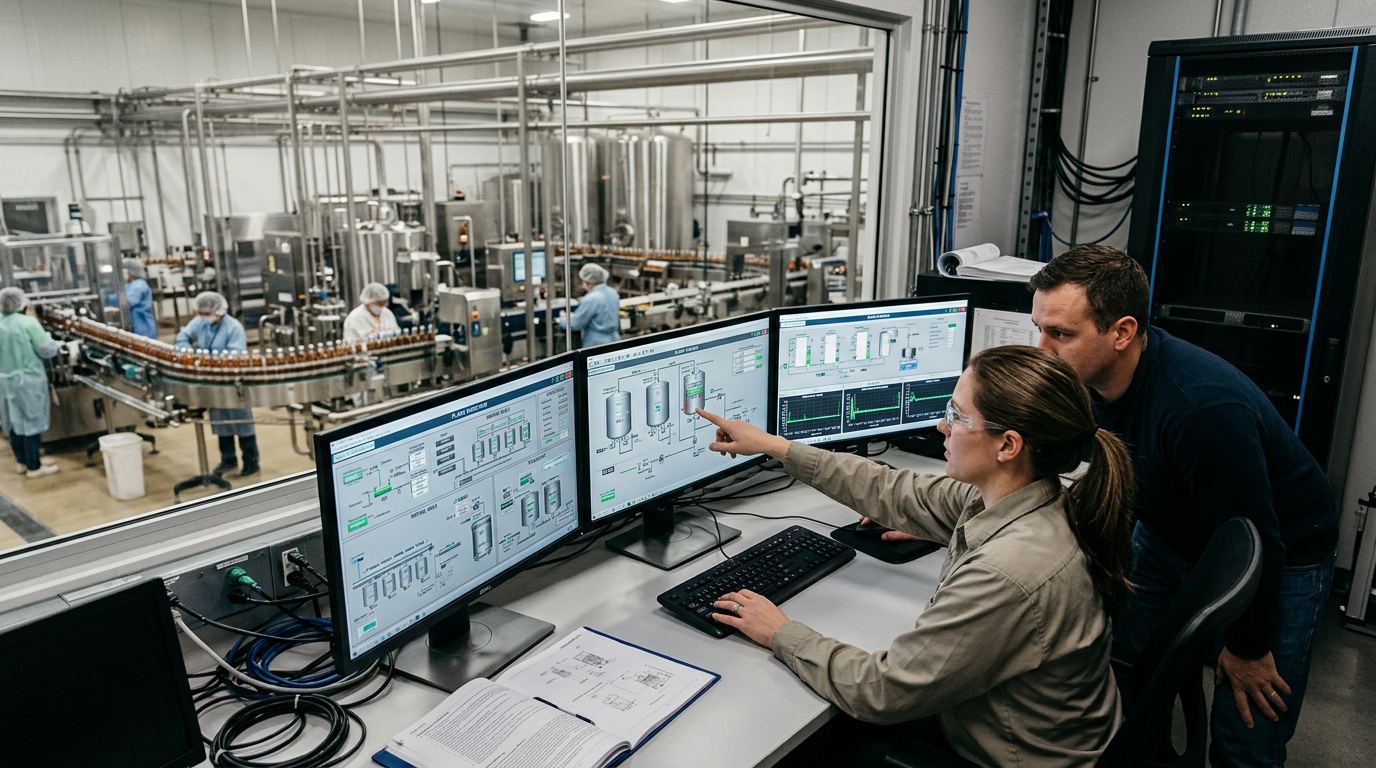
Designing a tofu production facility in the United States requires more than selecting a few soybean processing machines. A profitable plant must connect raw soybean handling, milk extraction, coagulation, curd pressing, cooling, packaging, sanitation, utilities, wastewater control, automation, and regulatory compliance into one integrated system. For processors in markets such as Los Angeles, Chicago, Houston, New York, Seattle, and Atlanta, the most effective tofu line design balances product quality, labor efficiency, water use, cleanability, and future expansion. Whether the goal is fresh water-packed tofu for regional distribution or shelf-stable tofu for nationwide retail, the processing system should be engineered around product mix, throughput, local utility costs, food safety requirements, and available labor.
In the U.S. market, tofu demand continues to expand across retail grocery, foodservice, meal kits, Asian cuisine manufacturing, private label, and plant-based protein brands. That demand is not uniform. A processor near the Port of Los Angeles may optimize for imported soybean logistics and West Coast distribution, while a Midwest operator near Chicago or Kansas City may prioritize domestic soybean supply, lower freight costs, and central access to cold-chain networks. Because of these regional variables, successful tofu plant design starts with process flow definition and capital planning rather than equipment shopping alone.
Processors typically evaluate several product categories at the beginning of a project: silken tofu, soft tofu, firm tofu, extra-firm tofu, fried tofu base, flavored tofu, high-protein tofu, and aseptic or shelf-stable tofu. Each product affects the design of soaking tanks, grinding systems, heating steps, coagulant dosing, pressing profiles, pasteurization, packaging format, and warehouse layout. Buyers also need to decide whether they want a modular pilot-scale line, a regional batch system, or a larger continuous plant that can support supermarket, club store, and co-manufacturing demand.
From a capital planning perspective, U.S. manufacturers often make the mistake of sizing equipment only for current sales. A more resilient approach is to model year-one throughput, year-three expected utilization, and the utility backbone needed for expansion. That includes steam, hot water, chilled water, glycol, compressed air, process water, wastewater pretreatment, CIP capacity, and controls architecture. In many projects, utility and sanitation design determine long-term profitability just as much as the tofu process equipment itself.
Quick Answer

A well-designed tofu factory uses a coordinated soy processing and coagulation system that begins with soybean receiving, cleaning, soaking, grinding, cooking, and okara separation, then moves into controlled coagulation, molding, pressing, cooling, pasteurization where required, and final packaging. In the United States, the best facility design is usually the one that matches local labor economics, retailer specifications, FDA expectations, wastewater discharge limits, and target shelf life. Fresh tofu plants serving regional markets often favor flexible batch operations, while larger multi-SKU operations may benefit from semi-continuous or continuous milk preparation with automated coagulation and pressing.
For buying decisions, processors should evaluate five factors first: target capacity per hour, product mix, required shelf life, sanitation philosophy, and future expansion plan. A startup private-label brand in Austin or Denver may need a compact skid-based line. A high-volume producer serving the Northeast corridor from New Jersey or Pennsylvania may need redundant soy milk prep, automated filling, tunnel pasteurization, and larger cold storage. A tofu line should never be selected in isolation from utilities, packaging, and wastewater systems.
The most common industries and applications driving tofu facility investment in the U.S. include plant-based protein manufacturing, Asian prepared foods, institutional foodservice, natural grocery retail, co-packing, meal component production, and export-oriented specialty foods. Case studies across North America repeatedly show that yield optimization, recipe consistency, and sanitary design have a larger impact on margin than simply buying the fastest machine on the market.
| Planning Area | What to Define Early | Why It Matters | Typical U.S. Impact |
|---|---|---|---|
| Capacity | Pounds or blocks per hour | Sets line size and utility demand | Prevents undersized steam and chilled water systems |
| Product Mix | Silken, firm, extra-firm, flavored, shelf-stable | Changes process sequence and packaging | Affects retail and foodservice channel fit |
| Shelf Life | Fresh chilled vs extended shelf life | Determines pasteurization and cold chain strategy | Influences geographic reach beyond local markets |
| Labor Model | Manual, semi-automatic, or automated | Drives staffing and OEE assumptions | Important in high-cost labor regions like California |
| Utilities | Steam, water, compressed air, refrigeration, CIP | Controls uptime and sanitation performance | Utility rates vary sharply by state |
| Compliance | FDA, state inspections, GFSI expectations | Protects retail access and audit readiness | Critical for national brand and co-pack business |
The table above shows why early definition matters. Many tofu projects appear simple at first, but hidden cost drivers usually emerge in refrigeration, sanitation, labor, and wastewater handling. Designing those systems in parallel avoids expensive retrofits after startup.
Soybean Soaking, Grinding, and Okara Separation Line Design

The front end of a tofu plant determines yield, flavor, consistency, and downstream stability. Soybean handling begins with receiving, storage, and cleaning. U.S. processors may source from domestic growers in Iowa, Illinois, Indiana, or Minnesota, or use imported specialty beans through ports such as Long Beach, Oakland, Savannah, or Newark. If identity preservation, organic certification, or non-GMO status is required, storage and traceability systems need dedicated segregation.
Soaking design should account for bean variety, water quality, soak time, ambient conditions, and target solids extraction. Typical systems include insulated tanks, agitation where appropriate, level control, and controlled drain steps. Process water quality is particularly important in regions with hard water or seasonal variability. Many plants benefit from filtration, softening, or reverse osmosis to stabilize tofu texture and reduce scaling in heat exchangers.
Grinding and slurry preparation can be configured as batch or continuous operations. The key is to maintain controlled particle size, protein extraction efficiency, and consistent bean-to-water ratio. Once slurry is generated, the heating step denatures proteins and prepares the soy milk for separation. Okara separation may use decanters, screw presses, filtration screens, or integrated soy milk extraction systems. The chosen technology affects yield, energy use, and byproduct moisture content.
Okara should never be treated as an afterthought. In the United States, it can become animal feed, bakery fiber ingredient, fermentation substrate, compost input, or dewatered byproduct for specialty uses. Plants near livestock or ingredient markets often recover greater value from okara than urban plants without byproduct channels.
| Line Step | Primary Equipment | Key Design Target | Common Risk |
|---|---|---|---|
| Bean Receiving | Silos, supersack stations, conveyors | Traceability and low contamination | Cross-contact between certified lots |
| Cleaning | Screens, destoners, magnets | Remove foreign material | Damage to grinder and poor product purity |
| Soaking | Stainless soaking tanks | Uniform hydration | Over-soaking and microbial growth |
| Grinding | Wet grinders or colloid mills | Consistent slurry particle size | Variable solids extraction |
| Cooking | Direct steam or indirect heating systems | Protein denaturation and flavor control | Scorching or undercooking |
| Okara Separation | Filter systems, presses, decanters | High milk yield and stable solids | High residual moisture or product loss |
This soy preparation table highlights where processors gain or lose margin. The biggest front-end opportunities are higher soy milk yield, better temperature control, and improved okara handling. Plants that install instrumentation for flow, Brix, temperature, and solids consistency usually achieve more stable output than facilities running mostly by operator intuition.
Coagulation Tank and Pressing System for Tofu Curd Formation

Coagulation is the heart of tofu manufacturing. Once soy milk is standardized and heated to the proper range, coagulants such as magnesium chloride, calcium sulfate, glucono delta-lactone, or blended systems are dosed under controlled mixing conditions. The type of coagulant and mixing profile changes curd size, moisture retention, mouthfeel, slicing performance, and final block stability.
For batch systems, coagulation tanks should be engineered to minimize shear while ensuring even distribution of coagulant. For semi-continuous systems, in-line dosing and residence control become more important. Temperature uniformity is critical. Even small deviations can create inconsistent curd set, broken texture, or excess fines loss to whey.
After coagulation, curd transfer to molds and pressing systems must be matched to SKU requirements. Soft tofu may require minimal pressing, while extra-firm tofu requires controlled pressure and dwell time to reach target moisture content. Press automation can improve block uniformity, especially for national retail accounts that expect consistent drained weight and pack appearance.
| Product Type | Typical Coagulation Style | Pressing Intensity | Main Quality Goal |
|---|---|---|---|
| Silken Tofu | Gentle set in package or tray | None or very low | Smooth texture |
| Soft Tofu | Low-shear batch coagulation | Low | Delicate curd integrity |
| Firm Tofu | Controlled batch or semi-continuous | Moderate | Sliceability and moisture balance |
| Extra-Firm Tofu | Higher solids control and stable dosing | High | Dense texture and low free water |
| Fried Tofu Base | Strong curd formation | Moderate to high | Structural stability for frying |
| Flavored/Marinated Tofu | Consistent curd for downstream absorption | Moderate | Uniform texture and marinade uptake |
The table explains why coagulant choice and press control must be tied to end use. Foodservice tofu for stir-fry behaves differently from premium silken tofu for refrigerated retail. Plants with multiple SKUs often benefit from recipe-controlled automation that stores temperature, dosing, agitation, and press profiles by product code.
Application-specific design also matters. A facility making tofu for prepared meals may optimize for cube stability and low purge. A premium organic tofu producer may prioritize cleaner ingredient declaration and softer texture. These decisions should be made before equipment layout is finalized.
Continuous vs Batch Tofu Processing: Equipment Selection Guide
Choosing between batch and continuous tofu production is one of the most important investment decisions. Batch plants are often preferred for flexibility, smaller lot sizes, easier recipe changes, and lower initial capital. They work well for regional brands, R&D-driven product portfolios, and co-packers managing multiple private-label formulas.
Continuous or semi-continuous systems are typically favored when throughput is high, labor is expensive, and SKU complexity is manageable. These systems can improve consistency, reduce manual handling, and support better line balancing from soy milk production to filling and packaging. However, they require tighter process control, more detailed startup commissioning, and disciplined sanitation procedures.
| Selection Factor | Batch System | Continuous or Semi-Continuous System | Best Fit |
|---|---|---|---|
| Initial Capital | Lower | Higher | Batch for early-stage brands |
| Flexibility | High | Moderate | Batch for many SKUs |
| Labor Efficiency | Moderate | Higher | Continuous for scale plants |
| Consistency | Operator dependent | More automated and repeatable | Continuous for national retail supply |
| Changeovers | Easier | More structured | Batch for co-packing variety |
| Expansion Path | Modular additions possible | Best when long-term demand is clear | Depends on forecast confidence |
This comparison shows why there is no universal answer. For many U.S. projects, the best solution is a hybrid approach: continuous soy milk generation feeding multiple batch coagulation and pressing stations. That structure captures some labor and consistency benefits without eliminating product flexibility.
The bar chart reflects why product channel matters in equipment selection. Retail grocery and Asian foods often require high consistency and packaging precision, while co-packing and foodservice may prioritize flexibility, lot control, and more diverse block formats.
Pasteurization and Cooling Systems for Fresh and Shelf-Stable Tofu
Pasteurization and cooling are critical to both food safety and shelf life. Fresh chilled tofu commonly relies on post-fill heat treatment, rapid cooling, and refrigerated distribution. Shelf-stable or extended shelf-life tofu may require more advanced thermal processing and packaging controls. The exact configuration depends on pack format, target distribution radius, and product pH and water activity characteristics.
Common U.S. solutions include hot water pasteurization of sealed packs, tunnel pasteurization, retort for certain packaged formats, or aseptic-style strategies for specialized applications. Cooling design must prevent thermal abuse and manage condensate, pack integrity, and line flow. In warm climates such as Texas, Florida, or Southern California, cooling load calculations become especially important for maintaining throughput and avoiding package deformation.
Processors serving national retail often need validated thermal profiles and integrated data logging to support customer audits and food safety plans. Cold storage staging, pallet dwell management, and warehouse airflow also affect final product quality. A strong tofu process line can still fail commercially if post-process cooling and distribution readiness are neglected.
The area chart indicates a gradual U.S. shift toward longer shelf-life products. This trend is driven by broader geographic distribution, e-commerce, private label expansion, and retailer pressure to reduce shrink. By 2026, more tofu processors are expected to invest in validated heat treatment, digital traceability, and more energy-efficient cooling systems.
Packaging and Sealing Line for Water-Packed and Vacuum Tofu
Packaging determines both market presentation and process requirements. Water-packed tofu remains common for fresh refrigerated products, while vacuum-packed formats can reduce purge, support logistics efficiency, and improve shelf-life performance depending on process design. Tray sealing, cup filling, thermoforming, pouch systems, lidding, and case packing should be chosen based on SKU format, line speed, consumer channel, and label claims.
Water-packed tofu lines require precise fill control, seal integrity, and hygienic water management. Vacuum formats need robust pack geometry, product handling that avoids block damage, and verification of seal quality. For national U.S. retailers, packaging lines should also support date coding, lot traceability, retail-ready case packing, and compatibility with downstream palletizing.
| Packaging Format | Main Benefit | Main Limitation | Best Application |
|---|---|---|---|
| Water-Packed Tray | Traditional presentation and texture protection | Higher package weight | Fresh refrigerated retail |
| Vacuum Pouch | Compact and efficient shipping | Needs strong block integrity | Foodservice and some retail SKUs |
| Sealed Cup | Good portion control | Less common for large blocks | Single-serve or specialty products |
| Thermoformed Pack | High automation potential | More format-specific tooling | Large-volume standardized runs |
| Retortable Package | Shelf-stable potential | Higher thermal design complexity | Long-distance and export distribution |
| Club-Store Multi-Pack | Strong value presentation | More secondary packaging coordination | Warehouse clubs and family-size retail |
The packaging table shows that line selection must reflect the commercial model, not just the product itself. A regional fresh tofu brand in San Francisco may prioritize premium tray presentation, while a private-label processor serving Dallas, Phoenix, and Miami may favor more logistics-efficient vacuum or multi-pack options.
Local supplier strategy also matters. U.S. operators should source films, trays, seals, valves, instrumentation, and spare wear parts from vendors with service access near major manufacturing corridors such as the Carolinas, Southern California, the Midwest, and the Northeast. Downtime costs rise quickly when specialized packaging components have long lead times.
Wastewater Management and Byproduct Recovery in Tofu Plants
Tofu plants generate significant wastewater from soaking, washing, separation, sanitation, and packaging operations. High organic load, suspended solids, and variable pH make wastewater management a major design priority. In municipalities with strict discharge permits, pretreatment can become one of the most important hidden capital items in the entire facility.
Waste streams should be separated where possible: high-strength process streams, general washdown, and packaging wastewater do not always require the same treatment path. Screening, equalization, dissolved air flotation, pH adjustment, and solids handling are common design components. In some projects, water reuse opportunities may exist for non-product contact applications, provided regulatory and food safety requirements are met.
Byproduct recovery offers another margin opportunity. Okara, soy whey, and recovered solids may support animal feed, digestion, ingredient recovery, or land application depending on local economics and permitting. Plants near agricultural regions may have better recovery economics than dense urban facilities, but even metro plants can reduce hauling costs through dewatering and stream segregation.
| Waste Stream | Typical Source | Management Method | Potential Value or Savings |
|---|---|---|---|
| Okara | Milk extraction and separation | Dewater and recover | Feed, fiber, compost, lower disposal cost |
| Soy Whey | Coagulation and pressing | Segregate and analyze reuse/disposal path | Reduced sewer load if managed separately |
| CIP Effluent | Sanitation cycles | Collection, neutralization, controlled discharge | Protects municipal compliance |
| Packaging Wash Water | Rinse and line cleaning | Screening and equalization | Lowers solids load downstream |
| General Washdown | Floor and equipment cleaning | Drain design and solids capture | Improves plant hygiene and treatment efficiency |
| Sludge/Solids | Pretreatment system | Dewatering and managed haul-off | Reduces transportation volume and fees |
This table shows why wastewater and byproduct planning belongs in early engineering. Facilities in states with high sewer surcharges or water scarcity can justify more advanced recovery systems faster than expected. Sustainability reporting and retailer pressure are also pushing processors to track water intensity more closely.
Cleanability and Regulatory Compliance for Plant-Based Protein Facilities
Cleanability is a design function, not just a sanitation program. A tofu plant should be laid out to reduce harborage points, separate raw and ready-to-pack zones, support controlled personnel flow, and enable effective cleaning of product contact surfaces. Hygienic piping slopes, drain placement, weld quality, access for inspection, and CIP coverage all matter. In humid tofu environments, HVAC and condensate management also play a larger role than many buyers initially expect.
U.S. compliance typically centers on FDA requirements, preventive controls, sanitation SOPs, allergen management where relevant, environmental monitoring, and customer audit expectations. If the processor wants SQF or BRC certification, hygienic zoning, documentation structure, and validation records need to be designed into the project. National retail and large foodservice accounts increasingly expect data-backed sanitation and traceability, not just visual cleanliness.
| Compliance Topic | Design Requirement | Operational Benefit | Audit Impact |
|---|---|---|---|
| Hygienic Equipment | Sanitary finishes and drainable design | Faster cleaning and less residue | Supports preventive control verification |
| CIP System | Validated flow, temperature, time, chemistry | Repeatable sanitation | Stronger records for customer audits |
| Zoning | Raw-to-finished separation | Lowers contamination risk | Important for GFSI programs |
| Drainage | Proper slope and solids capture | Less standing water | Improves environmental control |
| Traceability | Lot coding and digital records | Faster holds and recalls | Critical for major retailers |
| Utilities Quality | Controlled air, water, and steam quality | Stable production and sanitation | Supports validation and consistency |
The explanation is straightforward: sanitation efficiency and audit readiness are built during engineering. Retrofitting drains, modifying CIP loops, or correcting inaccessible piping after startup is far more expensive than designing hygienic access from the start.
The comparison chart illustrates a common buying lesson in U.S. food plants: equipment alone does not create a high-performing facility. Integrated engineering, utility coordination, controls, installation management, and expansion planning are often what separate a profitable project from a costly one.
Our Company
Disruptive Process Solutions supports tofu and plant-based protein projects across the United States and Canada as a full-scope food and beverage engineering partner. Rather than acting as a simple equipment reseller, the company approaches projects through a design-build-manage model that aligns process engineering, capital planning, construction coordination, installation, and startup execution around the client’s long-term profitability.
From a technological capabilities standpoint, DPS works across process, mechanical, structural, plumbing, electrical, and controls disciplines. For tofu facilities, that means integrating soy preparation, thermal processing, pumping, sanitary piping, CIP, refrigeration interfaces, compressed air, automation, recipe control, and SCADA visibility into one operating system. This is especially valuable for processors that need plant-wide coordination instead of disconnected vendor packages. Companies can learn more about its engineering and project approach on the food and beverage service solutions page.
From a manufacturing capabilities standpoint, DPS also supports custom process equipment supply, including tanks, CIP systems, and stainless process components that can be incorporated into broader plant layouts. That gives tofu manufacturers a practical option when standard catalog equipment does not fit a required footprint, sanitation approach, or expansion strategy. More detail is available through the company’s process equipment portfolio.
From a service capabilities standpoint, DPS provides feasibility support, owner’s representation, project and program management, licensed general contracting where applicable, field installation coordination, integration oversight, and commissioning support. For tofu processors launching a new facility or upgrading an existing plant in locations such as North Carolina, California, Texas, Illinois, or New Jersey, this integrated model helps reduce the risk of fragmented responsibility across multiple vendors. Background on the company and operating philosophy can be found on the about the company page, while selected execution examples are available in these project case studies.
In practical terms, the value of this approach is clear when tofu manufacturers need more than one machine. A high-performing plant requires the process line, utilities, controls, sanitary design, building interfaces, and startup sequence to work together. That is where integrated engineering and field execution matter most.
FAQ
What is the best tofu production setup for a new U.S. manufacturer?
For many new operators, a semi-automated batch line with strong soy milk preparation, flexible coagulation, reliable pressing, hygienic packaging, and scalable utilities offers the best balance of cost and flexibility.
How much should a tofu plant prioritize wastewater design?
Very highly. In many U.S. municipalities, wastewater discharge costs and permit conditions can materially affect project economics. Pretreatment should be evaluated early.
Is continuous tofu processing always better?
No. It is usually better only when throughput is high, recipes are stable, and labor savings justify the added automation and commissioning complexity.
What packaging format is most common?
Water-packed refrigerated tofu remains common, but vacuum and longer shelf-life formats are gaining interest as distribution footprints expand.
What are the main buying risks?
Undersized utilities, poor sanitation access, weak integration between process and packaging, lack of wastewater planning, and buying equipment without a realistic production model.
How should processors prepare for 2026 trends?
They should plan for higher automation, stronger digital traceability, more water and energy scrutiny, broader retailer sustainability requirements, and growing demand for extended shelf-life and convenient tofu formats. Policy pressure around water use, wastewater discharge, food safety documentation, and carbon reporting is expected to increase, especially for multi-state retail suppliers. Equipment that supports recipe control, data collection, energy efficiency, and modular expansion will likely provide the strongest long-term value.
What local factors matter most in the United States?
Soybean supply routes, labor cost, water quality, utility rates, sewer surcharges, regional retailer requirements, and distance to distribution hubs such as Los Angeles, Chicago, Houston, Atlanta, New York/New Jersey, and Seattle all influence the right plant design.
Can a tofu line support multiple industries?
Yes. The same facility may serve retail grocery, foodservice, prepared meals, private label, and plant-based ingredient applications if zoning, scheduling, and packaging design are engineered correctly.
[/trp_language]
Complete Company Portfolio

About the Author: Disruptive Process Solutions (DPS)
The DPS team combines process engineering expertise with real-world food and beverage manufacturing experience. Our content focuses on process optimization, production efficiency, facility improvements, and practical solutions that help manufacturers operate more effectively in a rapidly evolving industry.
Share

