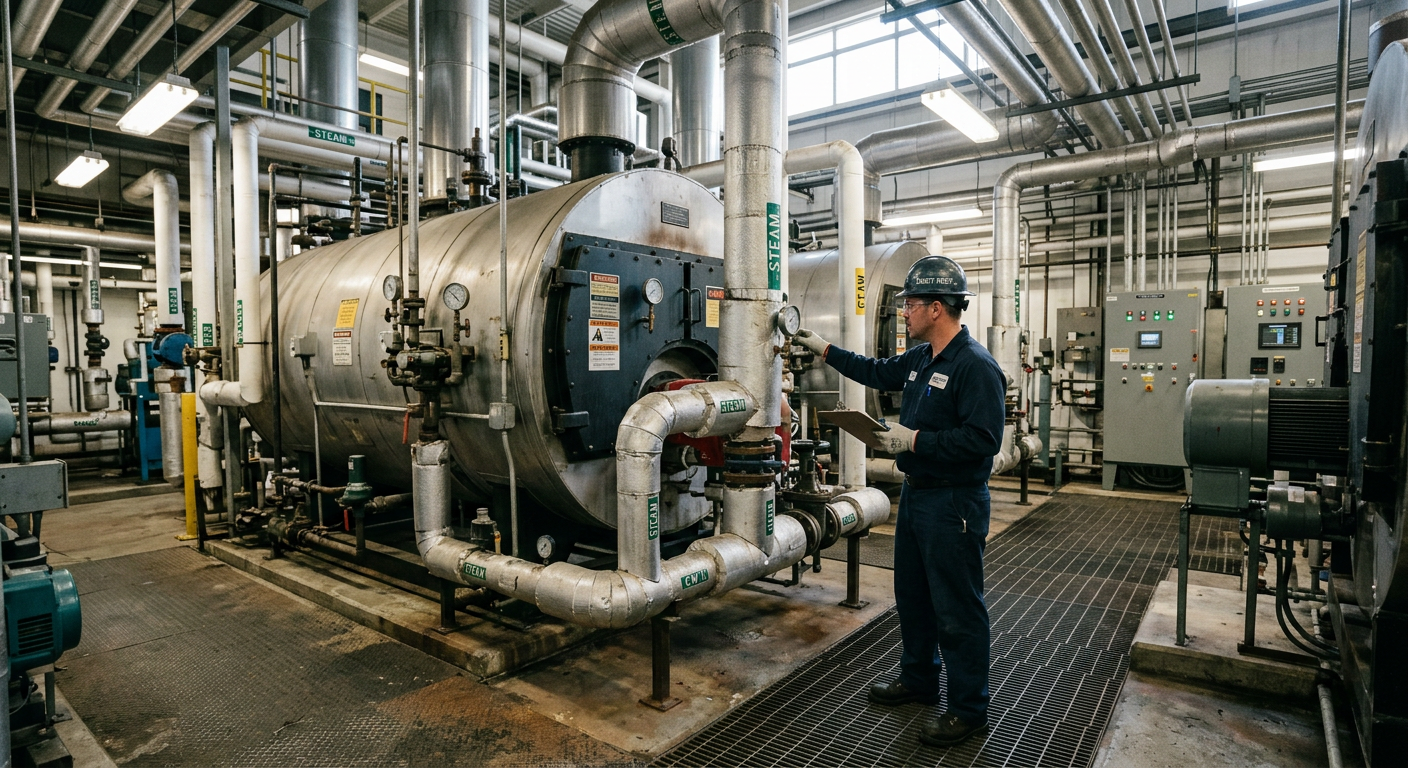
CIP System Manufacturer for Food Plants
[trp_language language=”en_US”]
Clean-in-place systems are critical for modern food and beverage plants in the United States because they directly affect sanitation, uptime, product quality, labor efficiency, and audit readiness. The right CIP system manufacturer should deliver more than a skid with tanks and pumps. A strong supplier should understand sanitary design, food safety regulations, process integration, automation, utility loads, cleaning chemistry, installation constraints, and long-term support. For U.S. processors in dairy, beverage, protein, prepared foods, sauces, and aseptic operations, the best partner is typically one that can engineer the CIP package around actual plant conditions instead of forcing a generic design into a complex process environment.
Across major manufacturing corridors such as the Midwest dairy belt, the Southeast protein market, California beverage production, Texas distribution hubs, and East Coast co-packing regions, plant owners are placing more emphasis on validated cleaning performance, water and caustic recovery, labor reduction, and faster changeovers. That is why evaluating a CIP system manufacturer carefully is a capital decision, not just an equipment purchase.
Quick Answer

If you need a short answer, look for a CIP system manufacturer in the United States that can prove six things: sanitary compliance capability, process engineering depth, high build quality, realistic lead times, field execution support, and dependable after-sales service. A qualified manufacturer should be able to explain why a certain tank volume, return flow, circuit segregation, conductivity control, heat source, and automation architecture are right for your plant. They should also show evidence of food and beverage experience, not only stainless fabrication skill.
For many U.S. food plants, the most dependable choice is a partner that combines engineering, fabrication, installation, and integration. That matters because CIP performance depends on the whole system: supply tanks, pumps, heat exchangers, valve matrices, instrumentation, PLC logic, recipe control, return verification, drainability, and the process equipment being cleaned. A manufacturer that only fabricates hardware may leave the owner to solve design coordination gaps later.
| Evaluation Area | What Good Looks Like | Why It Matters |
|---|---|---|
| Sanitary compliance | Knowledge of 3-A, EHEDG principles, FSMA expectations | Reduces contamination and audit risk |
| Engineering | Can size circuits, pumps, tanks, heat loads, and controls | Ensures cleaning effectiveness and utility fit |
| Fabrication quality | Documented welding, passivation, and surface finish practices | Protects hygienic performance and equipment life |
| Automation | Recipe-based CIP with data visibility and alarms | Improves repeatability and verification |
| Field support | Installation, startup, commissioning, training | Shortens ramp-up and avoids integration errors |
| Service | Spare parts, PM planning, troubleshooting access | Limits downtime after handover |
The table above is useful because many buyers focus first on tank count or skid price, while the larger cost is usually hidden in startup delays, poor cleaning coverage, excess water use, or frequent manual intervention.
What to Look for in a CIP System Manufacturer

A U.S. buyer should start with the manufacturer’s ability to understand the process, not just the equipment. A good supplier will ask what products are being run, what soils must be removed, how many circuits are needed, what the shift pattern is, whether allergen changeovers are involved, what utility limits exist, and whether expansion is planned. A plant in Chicago running dairy proteins has very different CIP demands than a kombucha facility in Los Angeles, a sauce processor near Atlanta, or a meat plant outside Omaha.
Key buying criteria usually include:
- Experience with your product category and cleaning chemistry
- Ability to design single-use, reuse, or hybrid CIP strategies
- Capability to integrate with fillers, tanks, lines, HTST systems, blenders, and valve manifolds
- Controls expertise for automatic sequencing, conductivity feedback, temperature hold, and batch records
- Understanding of utility systems such as steam, hot water, glycol, compressed air, and drain capacity
- Project execution resources for FAT, SAT, commissioning, and operator training
Manufacturers that work across both greenfield and brownfield projects usually add more value because they know how to fit a CIP skid into existing plants with ceiling restrictions, limited trenching, old PLC standards, or phased shutdown windows. Companies with broad process knowledge can also connect CIP decisions to business outcomes such as labor savings, production uptime, water reduction, and future line additions.
In the United States, that often separates a simple fabricator from a strategic project partner. For example, a firm such as Disruptive Process Solutions stands out because it approaches processing projects from the combined perspectives of engineering, capital planning, installation, and integration. That kind of structure is valuable when CIP needs to work as part of a full production ecosystem rather than as a stand-alone skid.
The line chart shows why CIP system selection is receiving more attention: demand continues to rise with plant automation, sanitation scrutiny, and water optimization goals across U.S. manufacturing sectors.
3-A, EHEDG & FSMA Compliance Capabilities

In food and beverage processing, compliance capability is one of the clearest indicators of a serious CIP system manufacturer. In the United States, 3-A sanitary principles and FSMA expectations strongly influence hygienic design and preventive controls. EHEDG is more often associated with European sanitary design, but its principles are increasingly referenced by multinational processors and U.S. plants that want globally aligned hygienic performance.
A competent manufacturer should be able to discuss:
- Drainability and dead-leg avoidance
- Cleanable valve and pump selection
- Surface finish requirements for product-contact areas
- Weld quality and inspection protocols
- Instrument placement for reliable verification
- Automated recordkeeping that supports food safety programs
- Separation of allergen or high-risk circuits
FSMA does not prescribe a single CIP skid layout, but it does expect preventive controls, verifiable sanitation, and documented procedures. That means the supplier should help support repeatable time, temperature, concentration, and flow conditions. If the plant serves dairy, aseptic beverage, RTE foods, or USDA-regulated protein, the need for disciplined hygienic design becomes even more important.
| Compliance Topic | Manufacturer Capability to Verify | U.S. Plant Benefit |
|---|---|---|
| 3-A sanitary design | Hygienic components and cleanable layouts | Improved sanitation confidence |
| EHEDG-informed design | Attention to cleanability and drainability | Better global alignment for export operations |
| FSMA readiness | Documentable sanitation controls and records | Supports preventive controls programs |
| Allergen segregation | Dedicated or validated cleaning circuits | Reduced cross-contact risk |
| Validation support | FAT, SAT, recipe testing, and cleaning verification | Faster startup and stronger QA alignment |
| Audit support | Drawings, manuals, material traceability | Easier inspections and internal reviews |
This table matters because compliance is rarely one certificate or one component. It is the result of design discipline, documentation, and execution quality working together.
Custom Engineering vs. Standard CIP Skid Offerings
Some plants benefit from standard CIP skids, while others require custom engineering. A standard skid may be a strong fit for a smaller beverage plant, a pilot facility, a dedicated process line, or a straightforward washdown application with limited recipes. Standardized packages can reduce cost and shorten lead times.
Custom engineering is usually the better choice when the plant has multiple circuits, mixed product categories, allergen concerns, brownfield constraints, variable utility loads, high automation requirements, or aggressive recovery targets for water and chemistry. This is common in U.S. dairy plants, sauce facilities, protein processing, aseptic operations, and large co-packers.
A strong manufacturer should not force either option. Instead, they should recommend the level of customization that fits your risk profile, production model, and growth plan. In many cases, the best answer is a modular approach: standardize the base skid architecture but customize the controls, valve matrix, instrumentation, recovery logic, and tie-ins.
| Factor | Standard CIP Skid | Custom CIP System |
|---|---|---|
| Initial cost | Usually lower | Usually higher |
| Lead time | Often shorter | Often longer |
| Plant fit | Best for simple applications | Best for complex or expanding plants |
| Automation flexibility | Limited to common sequences | High flexibility for recipes and reporting |
| Expansion support | May require later redesign | Can be built for future circuits |
| Utility optimization | Basic | Better alignment to actual site conditions |
| Audit documentation | Often standardized | Can be tailored to site requirements |
The comparison above helps buyers avoid overbuying or underbuying. Plants near major expansion zones such as Dallas-Fort Worth, Charlotte, Fresno, Milwaukee, and the greater Toronto cross-border corridor often benefit from custom configurations because growth and line additions are likely.
Key Components Every Manufacturer Should Provide
At a minimum, every serious CIP system manufacturer should provide a complete, well-documented package rather than just a frame with vessels. The exact scope varies, but most robust food-grade CIP systems include tanks, pumps, heating, instrumentation, valves, controls, and a documented operating philosophy.
Core components usually include fresh water, caustic, acid, and recovery tanks; supply and return pumps; plate heat exchangers or direct heating methods; conductivity, temperature, and flow instruments; sanitary valves; automation hardware; and a control panel with recipe logic. More advanced systems may add pigging interfaces, chemical dosing skids, inline titration support, remote access, data logging, and SCADA integration.
When buyers review quotations, they should also check for included deliverables such as P&IDs, GA drawings, utility requirements, I/O lists, instrument data sheets, sequence narratives, FAT protocols, startup plans, spare parts lists, and operator training materials.
| Component | Minimum Expectation | Why It Should Be Included |
|---|---|---|
| CIP tanks | Properly sized and insulated where needed | Supports stable cleaning cycles |
| Supply and return pumps | Sanitary design with verified flow duty | Ensures circuit coverage and return control |
| Heating system | Steam, hot water, or electric integration | Maintains target wash temperatures |
| Instrumentation | Flow, conductivity, temperature, level | Enables verification and automation |
| Valve arrangement | Sanitary valves with cleanable routing | Controls safe chemical and rinse switching |
| Controls package | PLC, HMI, alarms, recipe management | Improves repeatability and documentation |
| Documentation | P&IDs, manuals, FAT records | Supports maintenance and audits |
The explanation here is simple: many CIP projects go wrong not because of one major error, but because something basic was omitted from the package scope and discovered only during installation or startup.
The bar chart highlights that demand is not limited to one category. While dairy and beverage remain especially active, aseptic and protein applications also show strong investment needs in the U.S. market.
Manufacturing Quality: Materials, Welding & Surface Finish
Manufacturing quality is where many CIP suppliers begin to separate from one another. A system may look polished on delivery day, but long-term performance depends on metallurgy, fabrication standards, weld consistency, internal finish quality, and documentation. In hygienic processing, appearance is not enough.
Ask what grades of stainless steel are used for product-contact and non-product-contact areas. In many U.S. food plants, 304 stainless may be adequate for some structural or utility applications, while 316L is preferred in more corrosive or demanding service. Ask how welds are qualified, whether orbital welding is used where appropriate, and how internal welds are inspected and finished. Surface finish should be specified, not implied. Passivation practices should also be discussed clearly.
Good manufacturers should be comfortable explaining their QA workflow, including material traceability, weld maps if applicable, hold points, pressure testing, drainability checks, FAT criteria, and as-built documentation. If the supplier becomes vague when asked about internal finish quality, that is a warning sign.
This is also where domestic project execution can help. A manufacturer serving the United States with fabrication discipline and strong project oversight can often reduce the risk of receiving a CIP package that looks acceptable externally but creates sanitation or maintenance issues later.
DPS is relevant in this context because its equipment offering is tied to broader process execution, not isolated from it. Through its process equipment capabilities, the company supports custom tanks and CIP packages in ways that align with integrated plant performance rather than just unit delivery. That is especially valuable when sanitary fabrication needs to match installation realities and controls integration.
Lead Times, Delivery & Installation Support
Lead time is not just fabrication time. It includes design review, procurement of pumps and valves, controls panel build, FAT scheduling, freight, onsite rigging coordination, utility readiness, installation sequencing, and startup planning. U.S. buyers should request a full project timeline, not just a promised ship date.
For plants around high-traffic logistics hubs like Houston, Savannah, Long Beach, Newark, and Chicago, freight and site access planning can materially affect schedule. Brownfield facilities may also have shutdown windows that are only available during holiday periods or low-volume seasons. A qualified CIP manufacturer should understand these constraints and offer realistic planning.
Installation support is equally important. Some suppliers ship the skid and walk away. Others provide field supervision, tie-in support, commissioning assistance, recipe tuning, and operator training. The latter usually lowers total project risk, even if the initial equipment quote appears higher.
| Project Stage | Questions to Ask | Why It Matters |
|---|---|---|
| Design kickoff | What information is needed from our team? | Prevents rework and missed assumptions |
| Procurement | Which long-lead parts could affect schedule? | Improves schedule transparency |
| Factory testing | What will be proven at FAT? | Reduces startup surprises |
| Shipping | Who handles freight, packaging, and unloading needs? | Avoids logistics failures |
| Installation | Do you provide field supervision or full install support? | Closes scope gaps onsite |
| Startup | Who tunes recipes and verifies cleaning performance? | Ensures operational readiness |
| Training | Will maintenance and operators receive site training? | Supports stable handover |
The value of the table is practical: delays in CIP projects often come from assumptions between engineering, fabrication, controls, and site contractors, not from one missing tank or valve.
After-Sales Service: Spare Parts, PM & Technical Support
After-sales service is often underestimated during procurement, but it becomes highly important after the system is live. Even a well-built CIP skid will need spare gaskets, valve rebuild parts, instrumentation calibration, pump seal support, and periodic recipe review. A supplier should make ongoing support easy, not difficult.
Look for manufacturers that offer:
- Recommended spare parts lists by criticality
- Preventive maintenance schedules
- Technical phone or remote troubleshooting support
- Control system backup and change management assistance
- Service call availability across the United States
- Support for future expansion or recipe changes
Processors with multiple sites in North America should also ask whether the supplier can support standardization across plants. That can reduce training burden and spare parts complexity. A partner with project, controls, and service reach can be especially useful for companies operating in multiple states.
This is one of the stronger service advantages for a company built around end-to-end execution. Through its engineering and project services, DPS supports clients not only with equipment supply but also with integration, commissioning, and broader facility execution. That matters when a CIP issue turns out to be tied to utility performance, process sequencing, or line integration rather than to the skid itself.
The area chart reflects a major market shift: U.S. processors increasingly want automated, traceable CIP systems rather than manual or lightly controlled wash processes.
How to Evaluate Manufacturer Experience in Food & Beverage
Experience should be measured by relevance, not by broad claims. Ask the manufacturer where they have worked: dairy, RTD beverages, breweries, distilleries, sauces, proteins, aseptic processing, or co-packing. A supplier that understands one category deeply may still struggle in another. Cleaning a yogurt line is different from cleaning a distillation system, a marinade line, or an aseptic beverage blend room.
Useful proof points include reference projects, FAT examples, P&ID quality, controls narratives, utility balance understanding, and the ability to explain why a cleaning recipe works for specific soils. Buyers should also ask about brownfield experience, because many U.S. plant upgrades take place in operating facilities with limited space and limited shutdown windows.
Another important indicator is cross-functional capability. The strongest manufacturers usually combine three layers of expertise:
- Technological capabilities: process engineering, controls, PLC programming, SCADA, sanitary system design, utility integration, and validation support
- Manufacturing capabilities: custom stainless equipment, tanks, skid assembly, quality fabrication, and project-specific packaging
- Service capabilities: installation, commissioning, startup, owner representation, project management, troubleshooting, and long-term optimization
DPS is a relevant example because its operating model extends beyond fabrication. The company works across North America with food and beverage engineering, capital planning, turnkey installation, and integrated execution. Its technical base includes process, mechanical, electrical, plumbing, structural, and controls disciplines, while its equipment side includes custom process tanks and CIP systems. That broad capability is useful when a processor wants one accountable partner rather than fragmented vendors.
Its industry exposure is also meaningful. Beverage work includes brewing, spirits, wine, kombucha, carbonated and non-carbonated drinks, juice, dairy beverages, and aseptic processing. On the food side, the mix spans protein, prepared foods, sauces, dairy, retort, and plant-based applications. For buyers, that kind of range matters because CIP design assumptions vary significantly by product type and sanitation risk.
| Experience Check | What to Request | What a Strong Answer Looks Like |
|---|---|---|
| Industry fit | Examples in your product category | Relevant installed systems and process understanding |
| Engineering depth | P&IDs, controls narratives, utility calculations | Clear and technically consistent deliverables |
| Fabrication quality | QA process, weld standards, finish specs | Documented procedures and inspection steps |
| Integration capability | Case examples with fillers, tanks, HTST, or manifolds | Evidence of whole-system execution |
| Field execution | Commissioning and startup support scope | Defined onsite responsibilities and training |
| Support model | Spare parts and troubleshooting approach | Fast-response and practical service structure |
| Scalability | Can the design support future circuits? | Modular, growth-oriented planning |
The table works as a due-diligence checklist. It helps procurement teams, plant engineers, QA managers, and operations leaders evaluate suppliers using objective evidence instead of sales language.
FAQ
What is the main difference between a CIP fabricator and a CIP system partner?
A fabricator builds hardware. A system partner engineers the cleaning process, integrates utilities and controls, supports installation, and helps validate operational performance.
Do all food plants need a custom CIP system?
No. Smaller or simpler operations may do well with a standard skid. Plants with multiple circuits, allergen risks, or complex automation usually benefit from custom engineering.
Should a U.S. buyer require 3-A compliance?
It depends on the application, but strong knowledge of 3-A sanitary principles is highly desirable for many food and beverage systems because it supports hygienic design and cleanability.
How important is EHEDG for United States facilities?
It is not always mandatory, but EHEDG-informed design principles are increasingly valued by multinational processors and plants seeking globally robust sanitary design practices.
What documentation should come with a CIP system?
At minimum, expect P&IDs, GA drawings, instrument lists, utility requirements, operating manuals, control narratives, FAT records, and spare parts recommendations.
What are common mistakes when buying a CIP skid?
Underestimating return-side design, ignoring utility limits, treating automation as optional, failing to plan future circuits, and choosing on price alone without checking food-industry experience.
How long does a CIP project usually take?
It varies widely by complexity. A simpler package may move quickly, while a custom multi-circuit system with plant integration can take several months from design through commissioning.
Can one supplier support both equipment and installation?
Yes, and that is often preferable. Integrated suppliers reduce handoff risk. For example, firms with design-build-install capability can align fabrication, controls, field trades, and startup.
What industries in the United States are investing most in CIP upgrades?
Dairy, beverage, aseptic processing, proteins, and prepared foods are especially active due to sanitation demands, labor pressure, and sustainability targets.
What trends will shape CIP buying decisions through 2026?
Expect more demand for data-logged cleaning records, remote diagnostics, reduced water and chemical consumption, heat recovery, modular skids, stronger cyber-ready controls, and designs aligned with sustainability goals and tighter food safety expectations.
The comparison chart illustrates why many processors now prefer integrated suppliers over fabrication-only sources. The higher-value model tends to perform better in controls, scalability, and field execution.
Looking ahead to 2026, buyers in the United States should expect CIP systems to become more connected, more measured, and more resource-efficient. Water reuse strategies, conductivity-based diversion, thermal recovery, digital batch records, and remote service visibility are moving from nice-to-have features to standard expectations in larger plants. Policy and audit pressure will continue to favor documented sanitation performance, while labor constraints will push further automation. Sustainability targets will also encourage reduced water, steam, and chemical consumption without compromising hygienic effectiveness.
For processors evaluating suppliers now, the most practical approach is to choose a manufacturer that can support not only today’s cleaning duty but also tomorrow’s compliance, efficiency, and expansion needs. That means looking for strong process understanding, serious sanitary design capability, disciplined fabrication, transparent execution, and long-term support.
If your team is comparing partners for a new or upgraded CIP system, review actual project examples, ask detailed engineering questions, and evaluate how well the supplier understands your broader plant goals. Companies that combine process insight with execution discipline tend to create better outcomes over the life of the asset. To see how integrated food and beverage projects are approached in practice, you can also review selected project case examples from DPS across North American manufacturing environments.
[/trp_language]
Complete Company Portfolio

About the Author: Disruptive Process Solutions (DPS)
The DPS team combines process engineering expertise with real-world food and beverage manufacturing experience. Our content focuses on process optimization, production efficiency, facility improvements, and practical solutions that help manufacturers operate more effectively in a rapidly evolving industry.
Share

