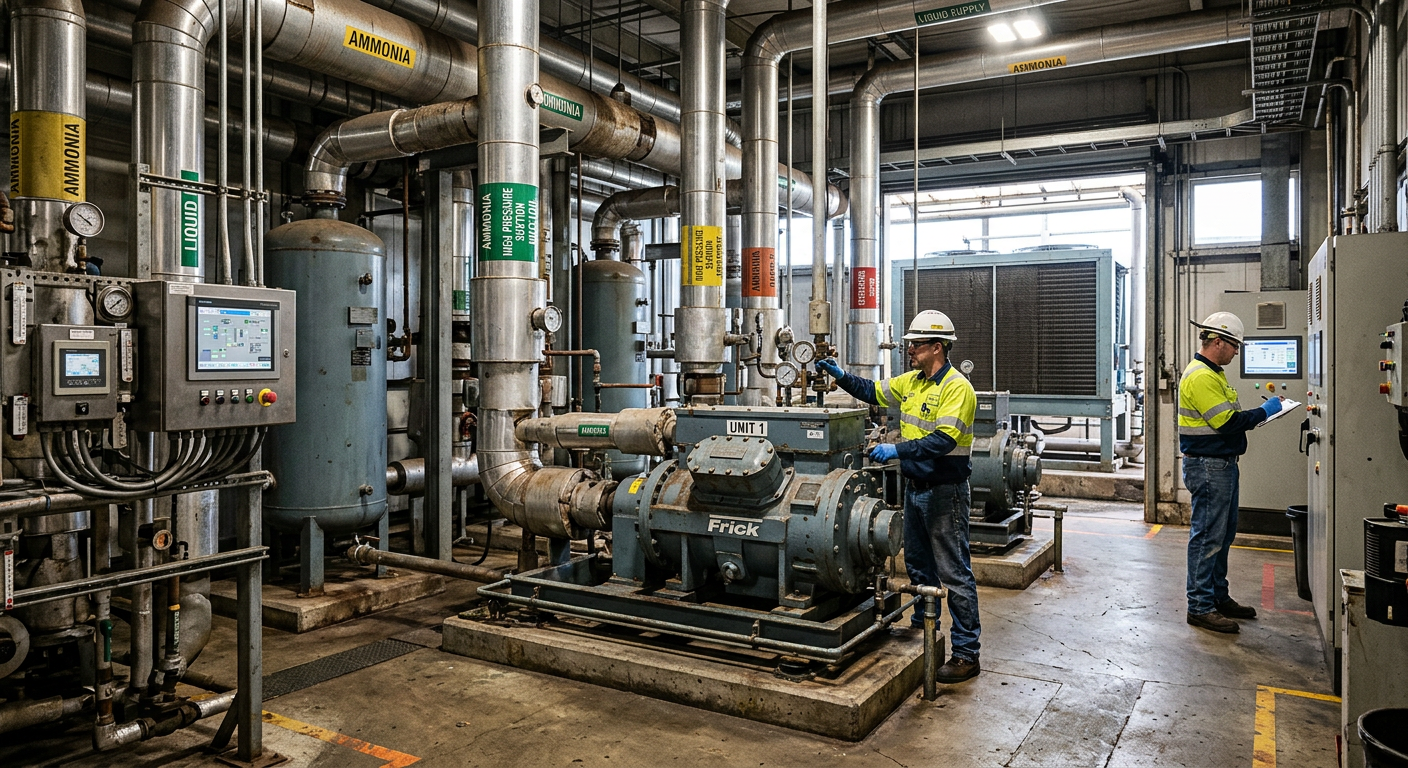
Dairy Beverage Processing Systems
[trp_language language=”en_US”]
Dairy Beverage Processing Systems for the United States Market
Dairy beverage processing in the United States requires a carefully engineered combination of thermal treatment, separation, homogenization, sanitary design, automation, and regulatory control. Whether a processor produces white milk, flavored milk, cream-based drinks, protein beverages, cultured dairy drinks, or plant-based alternatives, the production line must protect food safety, preserve flavor, support shelf life targets, and remain compliant with Grade A PMO expectations and broader FDA standards. For most facilities, the right system is not a single machine. It is a coordinated process that starts with raw ingredient receiving and ends with validated cleaning, documented controls, and efficient packaging integration.
Across major dairy regions and food manufacturing hubs such as California’s Central Valley, Wisconsin, upstate New York, Texas, Idaho, and North Carolina, processors are investing in flexible systems that can run both traditional dairy and next-generation dairy alternatives. That shift is especially visible around logistics corridors near Chicago, Dallas-Fort Worth, Los Angeles, Fresno, Atlanta, and the Port of Savannah, where co-packers and branded manufacturers need faster changeovers, stronger sanitation programs, and scalable utilities.
Quick Answer

The best dairy beverage processing systems for the United States market combine pasteurization or sterilization technology matched to product risk, carefully sized homogenization, accurate fat and solids standardization, hygienic piping, validated CIP, and controls designed for traceability and compliance. HTST systems remain the standard for refrigerated fluid dairy. UHT supports ambient or extended shelf stable products. ESL systems fill the gap for premium refrigerated products requiring longer shelf life with less flavor damage than aggressive thermal treatment. For processors launching oat, almond, or soy beverages, the same core engineering principles apply, but viscosity, insoluble solids, enzymatic treatment, and allergen changeover become more critical.
Buying decisions should be based on product portfolio, target shelf life, package format, line speed, available utilities, labor model, cleaning window, and the regulatory environment in the state of operation. A facility supplying schools, grocery private label, foodservice, or national retail chains may need a different level of redundancy and documentation than a regional specialty processor. In all cases, process design should support profitability, not just nameplate capacity.
| Decision Area | Key Question | Typical Options | Operational Impact | Quality Impact | Investment Priority |
|---|---|---|---|---|---|
| Shelf life goal | How long must the beverage last? | 7-21 days, 30-90 days, ambient stable | Determines thermal intensity and packaging needs | Affects cooked notes and freshness | Very high |
| Product type | Is it milk, cream drink, RTD protein, or plant-based? | Dairy, hybrid, oat, almond, soy | Changes viscosity, fouling, and cleaning design | Impacts mouthfeel and stability | Very high |
| Fat control | Will multiple SKUs run on one line? | Whole, 2%, 1%, skim, blended formulas | Requires standardization and recipe control | Ensures label accuracy | High |
| Packaging | What container and fill condition are required? | Gable top, PET, HDPE, aseptic carton | Affects downstream integration and sanitation | Influences oxygen pickup and shelf life | High |
| Cleaning strategy | How often will CIP and allergen washdowns occur? | Single-use CIP, recovery CIP, hybrid loops | Drives downtime and utility use | Critical to food safety | High |
| Compliance scope | Grade A PMO or broader food category? | State dairy rules, FDA, SQF, BRC | Changes documentation and validation burden | Reduces compliance risk | Very high |
The table above shows why processors should start with business and product goals before selecting equipment. A lower-cost pasteurizer that cannot support future SKU complexity often becomes more expensive over time than a slightly larger, better-instrumented system.
Dairy Beverage Processing: Pasteurization, UHT, and ESL Technologies

Thermal treatment is the backbone of dairy beverage safety. In the United States, the most common approach for refrigerated milk and dairy drinks is HTST pasteurization. This process delivers pathogen reduction while preserving fresh flavor and maintaining reasonable throughput. For products requiring substantially longer shelf life, UHT treatment is used in combination with aseptic handling and filling. Between these two sits ESL, or extended shelf life processing, which can combine higher thermal treatment, tight hygienic control, microfiltration in some designs, and ultra-clean filling to extend refrigerated life.
HTST is often the preferred solution for regional dairies shipping within a few hundred miles of production. UHT is attractive for national distribution, export, emergency feeding programs, institutional channels, and products sold through ambient networks. ESL is increasingly popular for premium dairy beverages, cold coffee with dairy, higher-protein milks, and specialty formulations sold through refrigerated grocery channels.
For processors in the United States, technology choice also depends on freight economics. Shipping refrigerated dairy from Wisconsin to Florida or from California to the Southeast introduces cost and shelf-life exposure. UHT or ESL may improve margin by expanding the distribution radius without constant dependence on rapid replenishment. Conversely, local dairy brands in cities like Minneapolis, Charlotte, Sacramento, and Denver often win with HTST because they can market freshness and shorter ingredient statements.
| Technology | Typical Product Use | Approximate Shelf Life | Packaging Condition | Main Advantage | Main Limitation |
|---|---|---|---|---|---|
| HTST | Fluid milk, flavored milk, cream drinks | 7-21 days refrigerated | Sanitary cold fill | Fresh flavor and established regulatory pathway | Shorter distribution window |
| Higher-heat HTST | Protein drinks, coffee dairy blends | 15-30 days refrigerated | Sanitary cold fill | Improved shelf life versus standard HTST | More fouling and flavor impact |
| ESL | Premium milk, extended retail dairy | 30-90 days refrigerated | Ultra-clean fill | Longer life with better flavor than full UHT | Higher capital and stricter hygiene control |
| Indirect UHT | Creamers, RTD nutrition, shelf-stable dairy | 6-12 months ambient | Aseptic fill | National distribution flexibility | Higher system complexity |
| Direct steam injection UHT | Sensitive premium beverages | 6-12 months ambient | Aseptic fill | Fast heating with less thermal damage | More complex utility and condensate control |
| Microfiltration plus heat | Selected ESL milk programs | 20-60 days refrigerated | Ultra-clean fill | Reduced thermal load | Membrane cost and maintenance |
This comparison shows that shelf life is not the only variable. Packaging environment, product quality goals, utility readiness, operator training, and maintenance strategy all matter. A processor considering ESL or UHT should also evaluate filler technology, sterile barriers, ingredient microbiology, and utility reliability.
The growth trend above reflects a realistic increase in capital interest across dairy beverage processing categories in the United States, especially where processors are modernizing pasteurization, sanitation, and automation systems to reduce downtime and support more SKUs.
HTST Pasteurizer Design and Operation for Dairy Beverages

An HTST system is much more than a plate heat exchanger. A well-designed unit includes balance tank control, timing pump, flow diversion valve logic, regeneration section sizing, legal temperature recording, pressure relationships that protect pasteurized product, and documentation that satisfies dairy inspections. In practice, beverage performance depends on how these functions are integrated into the rest of the plant, including ingredient batching, surge capacity, filler demand, and CIP scheduling.
For dairy beverages with varying solids, sugar, cocoa, stabilizers, or protein content, heat transfer and fouling behavior can change dramatically. Chocolate milk, cultured drink bases, and high-protein beverages often require more careful section design and hold time verification than plain white milk. The best HTST systems are engineered around actual product rheology and expected production windows rather than generic capacity claims.
Processors should also consider future expansion. Many United States plants begin with one HTST skid but soon need dual product paths, parallel homogenization, or added regeneration optimization. Designing utility headers, floor drains, electrical distribution, and controls architecture for future additions can save major retrofit cost later.
| HTST Component | Primary Function | Why It Matters | Common Design Concern | Operational Best Practice | Failure Risk |
|---|---|---|---|---|---|
| Balance tank | Provides controlled product feed | Stabilizes flow to the pasteurizer | Poor level control | Maintain consistent inlet conditions | Air entrainment and lost efficiency |
| Regeneration section | Recovers heat from outgoing product | Reduces energy cost | Undersized area | Match to product viscosity and fouling profile | Lower thermal efficiency |
| Timing pump | Controls legal flow through hold tube | Protects residence time compliance | Wrong pump sizing | Verify flow against actual product properties | Insufficient pasteurization time |
| Hold tube | Maintains product at pasteurization temperature | Critical legal safety step | Improper slope or volume verification | Document validation and inspect routinely | Regulatory noncompliance |
| Flow diversion valve | Diverts under-processed product | Prevents unsafe product release | Control logic faults | Test fail-safe positions regularly | Food safety event |
| Recording controls | Capture temperature and process status | Supports traceability and inspection readiness | Data gaps or calibration drift | Maintain secure audit trails | Rejected records and compliance exposure |
This table highlights why good pasteurization is as much about controls and verification as it is about stainless steel. Plants with weak instrumentation often struggle more than plants with smaller but better-engineered systems.
Companies needing a more strategic approach often benefit from working with an engineering-led partner rather than purchasing isolated skids. Integrated process system services can help align the HTST design with utility load, future expansion, and filler coordination. That is especially important for multi-SKU beverage sites where one bottleneck can undermine the economics of the entire line.
Homogenization Systems for Milk and Dairy-Based Drinks
Homogenization improves physical stability, mouthfeel, color uniformity, and cream distribution. In milk processing, it reduces fat globule size and helps prevent creaming. In dairy-based beverages, it also supports emulsion stability where cocoa, flavor oils, proteins, or added micronutrients are present. The correct homogenizer pressure is product-specific; too low may leave separation problems, while too high can alter texture, increase viscosity, or create excess wear.
Single-stage homogenization can work for some products, but two-stage systems are common where emulsion control is more demanding. Product temperature at homogenization is also critical. Pressure setpoints that perform well on standard milk may not translate to cultured drinks, cream liqueur bases, protein shakes, or coffee dairy blends. A process line should therefore be commissioned against real formulas, not only water tests.
Another trend in the United States is the use of high-pressure homogenization for plant-based beverages and functional drinks that need improved suspension stability. Oat and almond beverages especially benefit from careful particle size management and recirculation control. Excessive shear, however, can damage sensitive starch systems or increase oxidation risk, so equipment selection should be tied to formulation science.
| Beverage Type | Homogenization Need | Typical Challenge | System Preference | Quality Goal | Maintenance Note |
|---|---|---|---|---|---|
| White milk | Fat stabilization | Cream line control | Standard two-stage | Smooth texture | Routine valve wear monitoring |
| Chocolate milk | Fat and cocoa dispersion | Settling of solids | Two-stage with formula tuning | Uniform appearance | Watch for abrasive ingredient wear |
| Protein dairy drink | Emulsion and protein stability | Viscosity drift | Higher pressure, validated by trial | Stable drinkability | Inspect seals more often |
| Cream-based beverage | Rich mouthfeel control | Overprocessing risk | Pressure optimized per fat level | Luxury texture | Temperature control is critical |
| Oat beverage | Suspension and texture management | Starch sensitivity | Careful staged processing | Low sediment and clean sip | Avoid unnecessary shear exposure |
| Almond or soy beverage | Particle stabilization | Phase separation | High-shear plus homogenization balance | Consistent shelf appearance | Frequent valve inspections |
Homogenization is often underestimated during project budgeting, yet it directly affects consumer acceptance. A beverage that is microbiologically safe but visually unstable or gritty will fail commercially. For that reason, pressure, stage configuration, valve design, and hygienic serviceability should be treated as core process decisions rather than secondary equipment details.
Separation and Standardization Equipment for Dairy Processing
Separation and standardization are essential for processors producing multiple fat levels, cream streams, cultured bases, and ingredient blends. A centrifugal separator enables efficient cream removal and clarification, while inline standardization systems adjust finished fat content with high accuracy. This is critical for label compliance and margin control, particularly in high-volume milk operations where even small fat deviations affect profitability.
For U.S. processors serving retail, foodservice, and private label channels, separation systems also provide flexibility. A plant can receive raw milk with variable composition and still manufacture a stable portfolio of whole, reduced-fat, low-fat, and skim products. Cream can be routed to separate products, blended into beverages, or sold into adjacent categories. Advanced systems pair separators with densitometry, flow measurement, and recipe automation for tighter control.
Regional conditions matter. Plants in Wisconsin and Idaho may prioritize cream and cheese-linked balancing, while plants near large urban beverage hubs like Houston, Phoenix, or Newark may focus on fluid milk and value-added drinks. The right system therefore depends on raw milk profile, byproduct strategy, and SKU mix.
| Equipment | Main Role | Best Use Case | Value to Processor | Critical Design Point | Typical Upgrade Path |
|---|---|---|---|---|---|
| Clarifier | Removes sediment and impurities | Raw milk cleanup | Protects downstream equipment | Feed consistency | Automatic solids discharge |
| Cream separator | Separates skim and cream phases | Multi-fat milk production | Improves flexibility and yield control | Disc stack condition | Higher capacity bowl design |
| Inline standardizer | Adjusts target fat content | Retail milk SKUs | Reduces giveaway and supports labeling | Accurate flow and density inputs | Recipe-linked automation |
| Deaeration module | Reduces entrained air and odor | Sensitive beverages | Improves flavor and fill consistency | Vacuum stability | Integrated aroma management |
| Blending skid | Adds cream, sweeteners, or ingredients | Flavored and value-added dairy drinks | Supports formula precision | Shear and mixing profile | Mass-flow based dosing |
| Automation package | Coordinates fat control and recipes | High-SKU operations | Minimizes operator error | Reliable instrumentation | SCADA and historian integration |
Each of these systems contributes to consistency, but their real power comes from integration. When separation, standardization, batching, and pasteurization communicate through automation, processors gain tighter control over yield, waste, and product quality.
The demand chart demonstrates where investment pressure is strongest: fluid milk remains large, but growth-oriented processors are increasingly adding protein, flavored, and plant-based beverage capabilities to improve margin and utilize shared utilities.
Clean Label Dairy Beverage Processing: Reduced Heat Load Techniques
Clean label dairy beverage processing has become a major purchasing driver in the United States. Consumers increasingly expect shorter ingredient statements, fewer stabilizers, and fresher taste. To support those goals, processors are exploring reduced heat load techniques such as optimized regeneration, precise hold-time control, microfiltration-assisted ESL, faster thermal response, improved deaeration, and tighter hygienic packaging practices that reduce the need for excessive thermal intensity.
Reduced heat load does not mean reduced food safety. It means achieving the required microbial outcome with less unnecessary quality damage. This can be done through better raw ingredient control, lower initial bioburden, superior sanitary design, shorter preheat exposure, direct heating in some UHT applications, and reduced post-process contamination risk. Plants producing premium milk, high-protein beverages, and dairy coffee blends often gain the most value from this approach because flavor retention strongly influences repeat purchase.
By 2026, more U.S. processors are expected to combine clean-label goals with energy reduction and water reuse targets. That means engineering choices will increasingly be evaluated not only by throughput but by thermal footprint, ingredient preservation, and total cost per sellable case.
| Technique | How It Reduces Heat Impact | Suitable Products | Potential Benefit | Main Limitation | 2026 Relevance |
|---|---|---|---|---|---|
| High regeneration efficiency | Shortens net heating burden | Milk and flavored milk | Energy savings and flavor retention | Fouling sensitivity | High |
| Microfiltration support | Lowers microbial load before heat step | ESL milk | Longer life with milder flavor impact | Membrane care | High |
| Direct UHT heating | Very fast thermal exposure | Premium shelf-stable dairy | Less cooked flavor | Higher complexity | Moderate to high |
| Ultra-clean filling | Reduces post-process contamination pressure | ESL refrigerated products | Supports cleaner sensory profile | Strict environmental control | High |
| Improved raw milk hygiene | Starts with lower incoming bioburden | All dairy beverages | More process flexibility | Supply chain dependence | High |
| Optimized hold times | Avoids unnecessary overprocessing | Protein and specialty beverages | Better taste and texture | Requires strong validation | High |
This table shows that clean label is not simply a formulation issue. It is a process engineering issue. The best results come when product development, quality, and capital project teams work from the same objective.
The area chart reflects a steady trend toward technologies that preserve flavor while maintaining safety. This is particularly relevant in premium refrigerated dairy categories sold through metropolitan retail markets such as New York City, Seattle, Boston, Austin, and San Diego.
CIP and Sanitation Protocols for Dairy Processing Equipment
In dairy beverage processing, sanitation performance directly determines uptime, shelf life, and compliance confidence. A CIP system should be designed around circuit length, pipe velocity, chemical concentration, return conductivity, drainability, and changeover frequency. Plants that run both allergen and non-allergen beverages, or both dairy and plant-based products, need especially robust sanitation planning.
Typical U.S. dairy beverage plants use a combination of caustic wash, intermediate rinse, acid cycle, final rinse, and sanitation step, with verification through conductivity, temperature, time, flow, ATP, allergen testing where required, and microbiological trending. Recovery CIP can save water and chemicals, but only when properly segregated and controlled. Dead legs, poor valve matrix design, and unvalidated spray coverage remain common causes of cleaning failure.
Facilities in water-stressed regions such as California and parts of the Southwest increasingly seek systems that reduce water use without sacrificing hygienic confidence. At the same time, national retailers are demanding stronger environmental and food safety documentation. That makes CIP automation, recipe management, and record integrity more valuable than ever.
| CIP Element | Purpose | Why It Matters in Dairy | Common Mistake | Verification Method | Improvement Opportunity |
|---|---|---|---|---|---|
| Pre-rinse | Removes gross soil | Prevents chemistry overload | Insufficient flow | Visual return quality | Optimize water recovery |
| Caustic wash | Breaks down organic residues | Critical for fats and proteins | Low concentration or temperature | Conductivity and temperature logs | Automated dosing |
| Intermediate rinse | Flushes spent chemical | Prevents carryover | Short cycle time | Conductivity drop | Reuse strategy by circuit type |
| Acid wash | Removes mineral scale | Important in hard-water systems | Skipping routine frequency | pH and inspection | Adaptive scheduling by trend data |
| Sanitizer step | Reduces residual microbes before run | Supports hygienic startup | Wrong contact time | Chemical record and swabs | Recipe lockout controls |
| Post-CIP validation | Confirms system readiness | Protects product release decisions | Relying on one test only | ATP, allergen, micro, records review | Integrated digital dashboard |
Strong CIP programs are easier to sustain when the equipment is designed for serviceability. Processors evaluating new projects should prioritize valve matrix layout, drainability, instrument access, and chemical handling safety as highly as production capacity.
For facilities expanding or retrofitting sanitation systems, custom process equipment and CIP platforms can reduce manual intervention and improve repeatability. In many cases, a sanitation redesign produces faster returns than adding more production equipment because it unlocks additional available runtime.
Grade A PMO Compliance and Dairy Processing Regulations
Grade A PMO compliance remains central to fluid dairy processing in the United States. Processors must align equipment, operating procedures, records, and preventive controls with state and federal dairy requirements, along with any additional obligations from FDA, customer standards, or third-party schemes such as SQF and BRC. The practical impact is clear: sanitary design cannot be an afterthought. It must be engineered into the process line from the beginning.
Key compliance topics include pasteurization records, fail-safe controls, legal hold verification, product contact materials, CIP validation, personnel hygiene, environmental conditions, and documented preventive maintenance. Projects involving aseptic processing or plant-based alternatives may also intersect with broader FDA food safety modernization requirements, allergen controls, and labeling obligations.
Because dairy regulation can vary in enforcement details by state, processors expanding across multiple U.S. regions should design systems to a consistent high standard rather than the minimum local interpretation. This is especially important for multi-state distribution from hubs like Illinois, Pennsylvania, California, and Texas.
| Compliance Area | Typical Requirement | Operational Effect | Documentation Need | Risk if Neglected | Best Practice |
|---|---|---|---|---|---|
| Pasteurization control | Validated time and temperature performance | Defines legal run conditions | Continuous records | Product hold or recall | Routine calibration and review |
| Sanitary equipment design | Cleanable, inspectable product paths | Shapes layout and fabrication standards | Equipment files and drawings | Inspection findings | Use hygienic design from concept stage |
| CIP validation | Demonstrated cleaning effectiveness | Determines release confidence | SOPs and verification records | Spoilage and contamination | Trend-based sanitation management |
| Traceability | Lot and run history availability | Supports quick decisions | Batch and historian records | Extended holds and business disruption | Integrated controls and labeling |
| Operator training | Competent process and sanitation handling | Improves consistency | Training logs | Human error events | Formal qualification process |
| Allergen and labeling control | Correct formula and declaration management | Critical in mixed facilities | Recipe and packaging checks | Misbranding and recall risk | Automated line clearance steps |
The explanation behind this table is simple: compliance is operational discipline made visible. Plants that build documentation and hygienic logic into system architecture are more resilient than plants that rely on manual workarounds.
Plant-Based Dairy Alternative Processing: Oat, Almond, and Soy Milk Systems
Plant-based dairy alternative processing shares many mechanical similarities with dairy, but the process challenges are distinct. Oat beverages often involve enzymatic conversion, starch management, and careful thermal handling to avoid excessive viscosity or sedimentation. Almond beverages require strong solids management, soaking or slurry preparation, and stable suspension through blending and homogenization. Soy beverages may require thermal steps to manage flavor, enzyme inactivation, and protein functionality.
For U.S. manufacturers, the biggest operational question is often whether dairy and plant-based beverages should run in the same facility. Shared infrastructure can be cost-effective, but only if allergen segregation, flavor carryover, CIP validation, and scheduling are tightly controlled. Some processors dedicate separate tanks or filler windows. Others design fully segregated ingredient introduction while sharing utilities and certain downstream services.
Market demand remains strongest in urban and health-focused channels, but plant-based beverages are now mainstream across the United States. Retail growth around Los Angeles, Portland, Austin, Miami, and the Northeast corridor continues to drive new installations, especially in co-packing facilities that need flexibility for both established and emerging brands.
The comparison chart indicates that higher-value beverages often bring higher processing complexity. Oat and protein systems in particular require strong integration between formulation, thermal treatment, homogenization, and sanitation.
Processors entering this category should consider pilot work, ingredient functionality, and scale-up risk before committing to full production assets. A line built only for standard white milk may not perform well for plant-based alternatives without changes to mixing energy, hold times, filters, and cleaning logic.
Engineering partners that understand both food and beverage operations can help bridge that gap. About the DPS engineering approach explains how a lean project model can support rapid decisions without losing technical depth. For processors balancing speed to market with long-term plant economics, that combination is often more valuable than simply sourcing equipment one package at a time.
FAQ
What is the best process for refrigerated milk in the United States?
For most refrigerated milk and standard dairy beverages, HTST pasteurization remains the best fit because it offers dependable safety, good flavor retention, established regulatory acceptance, and strong throughput economics.
When should a processor choose UHT instead of HTST?
UHT is appropriate when the product needs ambient shelf stability, national distribution reach, export flexibility, or a longer retail window than refrigerated systems can practically support.
What is ESL and why is it growing?
ESL stands for extended shelf life. It is growing because processors want longer refrigerated life without the stronger cooked flavor often associated with full shelf-stable processing. It is especially useful for premium milk and specialty beverages.
How important is homogenization for dairy drinks?
It is essential for many products. Homogenization supports stable emulsion structure, consistent mouthfeel, and visual uniformity. Without proper homogenization, separation and quality complaints become more likely.
Can the same line process dairy and plant-based beverages?
Yes, but only with careful design. Shared lines need strong allergen control, validated cleaning, disciplined scheduling, and controls that reduce recipe and label errors.
What are the most common causes of shelf life loss?
Frequent causes include inadequate sanitation, poor filler hygiene, post-pasteurization contamination, weak temperature control, ingredient quality issues, and packaging integrity problems.
How should a processor evaluate a new dairy beverage system?
Start with product mix, target shelf life, packaging, utilities, cleaning window, labor capability, and growth plans. Then evaluate equipment as a full system, not as isolated machines.
What 2026 trends should buyers watch?
Key trends include reduced heat load processing, more automation and digital records, utility efficiency, water reuse in CIP programs, cleaner labels, hybrid dairy and plant-based production, and tighter retailer expectations around traceability and sustainability.
Additional Buying Guidance for U.S. Processors
When purchasing dairy beverage processing systems, buyers should assess more than upfront equipment price. Total installed cost, startup support, controls integration, utility consumption, maintenance access, spare part strategy, and operator training all affect real project value. This is especially true for plants operating in high-cost labor markets or regions with constrained utilities.
Many successful projects use a phased model: first confirm throughput and product roadmap, then align process design with packaging and warehousing, and finally optimize utilities and sanitation capacity. This approach helps avoid overbuilding one area while underbuilding another. For example, a large pasteurizer paired with undersized CIP or compressed air can create expensive hidden bottlenecks.
Case-based planning is also valuable. A regional dairy adding flavored milk and RTD nutrition may need only targeted upgrades. A new greenfield co-packing site near a logistics corridor such as Dallas, Indianapolis, or the Inland Empire may need a far more flexible architecture. Selected project case examples can help illustrate how process decisions translate into execution outcomes.
Our Company
Disruptive Process Solutions supports dairy and beverage manufacturers across the United States and Canada with engineering-led capital project execution. The company’s technological capabilities include process engineering, controls integration, PLC programming, SCADA, utility coordination, and complete system design for pasteurization, sterilization, blending, filtration, water treatment, and hygienic process environments. That background is highly relevant for dairy beverage projects where thermal treatment, automation, and sanitation have to operate as one coordinated system.
Its manufacturing capabilities include proprietary process equipment such as tanks, CIP systems, and custom stainless process components that can be incorporated into broader facility builds. For dairy beverage plants, that creates an advantage where custom geometry, skid adaptation, or utility integration is needed to fit existing buildings or phased expansions.
On the service side, DPS operates through a design-build-manage model that covers planning, engineering, installation, integration, commissioning, owners representation, and project management. For processors in the United States who need more than a single equipment vendor, this kind of execution model can reduce coordination risk and keep the project aligned with operating profitability rather than just construction completion.
Whether the project is a retrofit of an existing dairy in the Midwest, a sanitation modernization in the Southeast, or a new beverage platform on the West Coast, the strongest outcomes come from disciplined planning, honest capacity modeling, and engineering choices that support both compliance and commercial performance.
[/trp_language]
Complete Company Portfolio
About the Author: Disruptive Process Solutions (DPS)
The DPS team combines process engineering expertise with real-world food and beverage manufacturing experience. Our content focuses on process optimization, production efficiency, facility improvements, and practical solutions that help manufacturers operate more effectively in a rapidly evolving industry.
Share