Food Facility Construction Safety Program: OSHA and FSMA Compliance
[trp_language language=”en_US”]
United States Food Plant Construction Compliance Plan
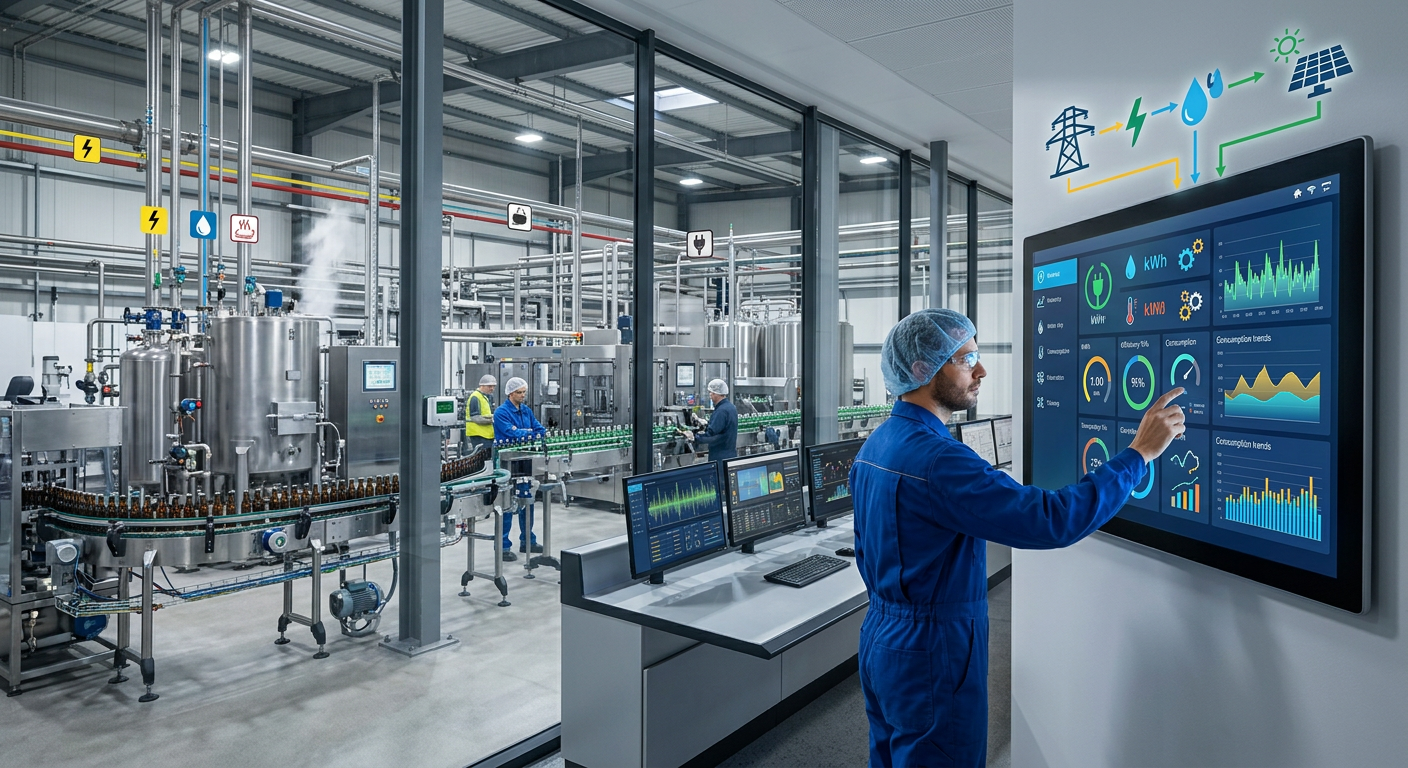
Construction inside an active food or beverage plant in the United States is not managed like ordinary commercial work. It requires a layered safety and food protection program that combines worker protection, facility hygiene, air control, contamination prevention, sanitation recovery, incident planning, and documented verification. The practical standard is to align OSHA expectations for worker safety with food-manufacturing controls commonly required under FDA, USDA, FSMA, SQF, and BRC programs. In real operating environments, that means trained crews, sealed work zones, negative air pressure when dust is possible, approved personal protective equipment, validated sanitation transition procedures, and constant auditing before, during, and after the work.
For manufacturers operating in hubs such as Chicago, Dallas-Fort Worth, Los Angeles, Fresno, Charlotte, Atlanta, Kansas City, the Inland Empire, the Port of Houston corridor, and the I-95 distribution belt, the stakes are high. A poorly managed shutdown or retrofit can trigger safety citations, product holds, allergen cross-contact, microbiological risk, missed production windows, and customer complaints. A strong program protects people first, but it also protects throughput, brand reputation, and capital efficiency.
Quick Answer

If you need a direct answer, a compliant food facility construction safety program in the United States should include six non-negotiable elements: OSHA-trained supervision, food-specific site orientation, containment barriers, pressure-managed air control, plant-approved PPE, and sanitation release before production restarts. These controls should be documented in pre-task plans, permit systems, cleaning records, inspection logs, and closeout reports. The best programs also connect construction sequencing to production realities, especially in high-care, ready-to-eat, dairy, beverage, protein, and aseptic environments.
Buyers evaluating contractors for food plant expansion, equipment relocation, utility upgrades, or greenfield commissioning should look beyond price. They should confirm whether the provider understands the difference between worker safety compliance and food-safe execution. In many projects, both must happen at the same time. A crew may be fully compliant with general jobsite safety rules but still create unacceptable contamination risk if they cut concrete without air control, move tools through hygienic areas without transition, or restart utilities before sanitation verification.
The U.S. market continues to invest in processing capacity near transportation and labor centers. Beverage growth remains strong around North Carolina, Texas, California, and the Midwest. Protein, prepared foods, sauces, dairy, and cold-chain facilities continue to expand near interstates, rail access, and ports serving domestic and export demand. As this capital spending grows, so does the need for disciplined construction safety programs designed specifically for food manufacturing operations.
| Control Area | Primary Purpose | Typical Documents | Responsible Party | When Applied | Main Risk Prevented |
|---|---|---|---|---|---|
| OSHA 30 supervision | Worker safety leadership | Training records, supervisor roster | General contractor or integrator | Before mobilization | Injury, citation, unsafe work practices |
| Food-specific orientation | Teach plant hygiene rules | Orientation logs, SOP acknowledgments | Plant QA and project team | At onboarding | Contamination, allergen transfer |
| Containment barriers | Separate construction from production | Barrier maps, inspection checklists | Site manager | During active work | Dust migration, debris spread |
| Negative air pressure | Control airborne particulates | Pressure logs, equipment checks | Mechanical contractor | Dust-generating activities | Airborne contamination |
| PPE standardization | Protect workers and product zones | PPE matrix, issue logs | EHS and QA | Daily and task-specific | Exposure, foreign material risk |
| Sanitation release | Verify production restart readiness | Cleaning sign-off, QA release | Sanitation and QA | Before startup | Unsafe restart, product contamination |
The table above shows why a food plant program must bridge safety, quality, and operations. Each control is useful on its own, but the real value comes from coordination. When those six controls are integrated, projects move faster with fewer surprises, less rework, and better startup performance.
The line chart reflects a realistic market pattern: more U.S. manufacturers are requiring documented barrier management, sanitation recovery, and food-safe construction methods as standard bid requirements. This trend is especially visible in regulated categories such as dairy, protein, ready-to-drink beverages, and aseptic processing.
OSHA 30 and Food-Specific Training

OSHA 30 remains a strong baseline for supervisors and project leaders because it establishes discipline around hazard recognition, communication, lockout concerns, electrical awareness, fall prevention, and site accountability. However, OSHA 30 alone is not enough for active food and beverage environments. Teams also need food-specific training on hygienic zoning, traffic segregation, tool control, allergen awareness, water management, drain protection, waste routes, sanitation holds, glass and brittle plastic rules, and emergency communication with plant operations.
For example, a contractor working in a dry ingredient plant near Kansas City or a protein room in Arkansas may face entirely different contamination pathways than a craft beverage line in North Carolina or an aseptic filler project in California. The training content should match product type and process risk. Low-moisture plants often focus on dust and allergen control; RTE plants focus more heavily on pathogen prevention; beverage facilities often prioritize utility integrity, CIP interfaces, and packaging line separation.
Strong buyer advice in this category is simple: ask to see the provider’s role-based training matrix. A mature team will distinguish between general labor, welders, electricians, controls staff, millwrights, startup technicians, and supervisors. It will also define refresher timing, onboarding triggers, and facility-specific overrides.
| Training Topic | Who Needs It | Frequency | Food Relevance | Documentation Needed | Operational Benefit |
|---|---|---|---|---|---|
| OSHA 10 or 30 | All field staff; supervisors at 30-hour level | Pre-assignment | Worker safety baseline | Completion cards | Reduces injuries and disruptions |
| Plant hygiene orientation | Everyone entering production zones | Site-specific onboarding | Controls contamination behavior | Sign-in roster | Improves rule consistency |
| Allergen control | Crews near ingredient or open product areas | Before exposure risk | Prevents cross-contact | SOP acknowledgment | Protects product integrity |
| Lockout/tagout coordination | Maintenance, electrical, mechanical teams | Before shutdown work | Protects utilities and equipment | Permit records | Avoids unsafe energization |
| Sanitation transition rules | Construction and QA interface teams | At project start and changes | Supports restart readiness | Training checklist | Limits startup delays |
| Air and dust control procedures | Demolition, cutting, welding crews | Task-specific | Prevents airborne contamination | Job hazard analysis | Reduces cleanup burden |
The explanation behind this matrix is practical. Training should not be treated as a single classroom event. It should be deployed as a layered operational system tied to permits, sanitation risk, and production timing. Manufacturers in major U.S. logistics corridors often expect this because they cannot afford unplanned downtime tied to preventable site behavior.
From a technology perspective, construction partners with broad engineering depth add value because they can connect field training to design intent. That matters when integrating process, mechanical, plumbing, electrical, and controls work. A team that understands PLC logic, SCADA visibility, utility sequencing, and process flow can better explain why one valve isolation matters, why one drain must stay protected, or why a temporary tie-in changes sanitation risk. This is one of the reasons clients often review a firm’s engineering and integration background before awarding sensitive work. For a closer view of integrated project capabilities, manufacturers can review food and beverage engineering services that combine design, construction management, and execution oversight.
Containment Barrier Protocols

Containment barriers are the frontline defense between construction activity and food production. In the United States, the exact barrier design depends on work scope, product exposure, air movement, utilities, and hygiene zoning. A simple maintenance partition may be acceptable in a warehouse expansion, while a rigid sealed barrier with dedicated access control may be required next to a ready-to-eat slicing line or aseptic support area.
Barrier protocols should define material type, height, ceiling closure, sealed penetrations, signage, entry rules, tool transfer controls, debris exit routes, and inspection frequency. They should also identify when the barrier must be upgraded because of escalated work such as concrete cutting, grinding, welding, roof penetrations, or overhead work. Plants near humid Gulf Coast markets or older East Coast facilities may face added complexity because existing building envelopes and HVAC interactions make dust and moisture harder to predict.
For product types such as powdered ingredients, dairy powders, seasonings, bakery mixes, and plant proteins, dust migration control is essential. For wet processing, sauces, dressings, dairy, seafood, and prepared meals, moisture management and traffic control become equally important. In beverage plants, the concern often shifts to packaging exposure, syrup room protection, utility continuity, and line sanitation interfaces.
| Work Scenario | Recommended Barrier | Access Method | Inspection Frequency | Best Fit Industries | Key Reason |
|---|---|---|---|---|---|
| Light electrical work in non-exposed storage | Temporary poly with sealed edges | Zipper door | Each shift | Dry storage, packaging | Basic dust separation |
| Mechanical tie-in near active process room | Rigid panel barrier | Controlled swing door | Twice per shift | Dairy, beverage, sauces | Improved physical isolation |
| Concrete cutting or demolition | Rigid barrier plus negative air | Vestibule entry | Continuous monitoring | All high-risk facilities | Prevents fine particulate spread |
| Roof penetration over production | Overhead containment with floor barrier | Restricted permit access | Before and after task | RTE, bakery, beverage | Stops falling debris and leaks |
| Welding in enclosed process zone | Fire-safe rigid enclosure | Permit-controlled access | Hourly | Protein, retort, utility rooms | Combines fire and contamination control |
| High-care area renovation | Rigid sealed room with pressure control | Gowning transition | Documented QA checks | RTE, aseptic, pharma-adjacent | Maximum hygienic separation |
This table shows that the right barrier is not chosen by budget alone. It is chosen by consequence. The higher the hygiene risk and the more invasive the work, the more robust the containment system should be. Plants that run 24/7 often save money by investing in stronger barriers upfront because they reduce sanitation recovery time and avoid broader shutdowns.
When manufacturers compare suppliers, they should ask whether the contractor performs barrier risk assessments, not just barrier installation. That distinction matters. A supplier that only hangs partitions may not understand how utilities, drains, lift paths, forklift routes, or sanitation crews interact with those partitions during the project lifecycle.
Negative Air Pressure Systems
Negative air pressure systems are used when the project creates dust, fumes, or airborne particles that could migrate into sensitive areas. In food plants, they are especially important during demolition, core drilling, floor removal, overhead modifications, insulation disturbance, and similar work. The basic goal is to pull air from cleaner adjacent spaces into the work zone, then filter and discharge that air in a controlled way. This helps contain contaminants rather than letting them escape into production or ingredient storage areas.
HEPA-filtered negative air units are common, but success depends on more than equipment placement. The project team should verify airflow direction, calculate enough air changes, inspect filter condition, and avoid accidental short-circuiting through open doors or unsealed penetrations. Pressure logs and visual smoke checks are often used to confirm performance. In large U.S. facilities around Memphis, Indianapolis, the Central Valley, or the Port of Savannah, where production schedules are tightly sequenced, reliable air control can determine whether adjacent lines stay online.
By 2026, more facilities are expected to pair temporary air systems with digital monitoring. Sensors that track differential pressure, particulate levels, humidity, and temperature can support faster decisions and cleaner documentation. This trend aligns with broader policy and sustainability goals as plants seek targeted rather than excessive cleaning, more efficient filter changes, and better data for audit trails.
The area chart highlights the market shift from basic containment toward monitored containment. That shift is driven by stricter customer expectations, more demanding audit environments, and the simple reality that documented performance is easier to defend than assumptions.
| Planning Item | What to Verify | Preferred Method | Who Reviews It | When | Why It Matters |
|---|---|---|---|---|---|
| Airflow direction | Flow moves into the work zone | Smoke test | QA and site lead | Setup and daily | Confirms containment integrity |
| Equipment sizing | Sufficient air changes per hour | Room volume calculation | Mechanical lead | Before mobilization | Prevents underpowered control |
| Filter status | HEPA and pre-filters within service life | Inspection log | Maintenance or rental vendor | Each shift | Protects filtration performance |
| Discharge location | Exhaust does not affect clean spaces | Site routing review | Project manager | Before startup | Avoids recirculation risk |
| Barrier compatibility | Enclosure can hold pressure differential | Leak walkdown | Site supervisor | At installation | Stops pressure loss |
| Monitoring record | Logs support audit traceability | Manual or digital log | QA and EHS | Daily and closeout | Supports verification |
The explanation is straightforward: negative air only works when the enclosure, equipment, and operating behavior are managed together. Open doors, overloaded filters, and poor discharge routing can undermine the entire strategy. That is why experienced teams write air control into daily planning, not just into a kickoff meeting.
Personal Protective Equipment Standards
PPE in a food plant construction program must protect both the worker and the environment. Hard hats, eye protection, gloves, high-visibility garments, hearing protection, respiratory protection, cut-resistant gloves, arc-rated clothing, and fall protection may all be required depending on task. But food facilities also apply added controls such as dedicated footwear, beard covers, hair restraints, color-coded smocks, zone-specific gloves, and restrictions on loose items that could become foreign material hazards.
The best practice is a task-and-zone PPE matrix. For example, the PPE needed for utility work in a boiler room in Houston is different from the PPE for line modifications near exposed dairy product in Wisconsin or retort work in New Jersey. Respiratory needs should also be reviewed carefully when dust-generating work occurs in confined areas or when sanitation chemicals are present nearby.
Facilities should avoid one-size-fits-all PPE policies. Overly broad rules often create noncompliance because the gear feels impractical for the actual task. Instead, the program should specify minimum site PPE, task-specific upgrades, hygiene-area additions, and prohibited items. The matrix should also define who can approve deviations and how disposable PPE is handled to prevent cross-zone contamination.
The bar chart reflects how certain sectors, especially aseptic, protein, and dairy, tend to require tighter PPE discipline because of microbiological sensitivity, cleaning intensity, and customer audit scrutiny.
| Task or Zone | Minimum PPE | Additional Food-Safe Control | Common Error | Corrective Action | Benefit |
|---|---|---|---|---|---|
| General construction in non-production area | Hard hat, safety glasses, boots, hi-vis | Clean footwear before entry transfer | Tracking debris into shared spaces | Boot cleaning station | Cleaner transitions |
| Work near exposed product | Standard PPE plus gloves and hearing protection | Hair and beard restraints, dedicated outerwear | Using street clothing in hygienic zones | Controlled gowning | Reduced contamination risk |
| Dust-generating demolition | Eye, hand, hearing, respiratory protection | Disposable coveralls | Respirator mismatch | Task-specific respiratory review | Worker and product protection |
| Electrical tie-ins | Arc-rated PPE as required | Tool accountability | Untracked small hardware | Foreign material control kit | Safer energized work planning |
| Hot work | Welding hood, gloves, flame-resistant clothing | Spark curtain and debris watch | Ignoring adjacent hygienic exposure | Expanded barrier perimeter | Fire and contamination reduction |
| High-care or aseptic support area | Site-defined clean PPE set | Zone-dedicated garments and footwear | Cross-use between zones | Color-coded control | Maintains hygienic separation |
The logic behind the table is that PPE should support operational flow, not fight it. When the standards are clear and visible, supervisors can coach behavior faster, sanitation teams can predict recovery needs, and QA can release areas with more confidence.
Sanitation Transition Procedures
Sanitation transition procedures govern how the site moves from construction status back to food-safe operating status. This is often the most overlooked part of the program. Many projects finish the physical work but fail to define who cleans what, how debris is removed, what verification is needed, and who gives final release. In food and beverage facilities, startup without a clear sanitation transition can be more damaging than the construction itself.
A proper transition plan covers gross debris removal, tool and material exit, dust control verification, drain inspection, utility restoration, equipment wipe-down or washdown, allergen review, environmental monitoring as needed, pre-operational inspection, and final QA sign-off. The sequence may vary by facility type. A low-moisture bakery in Ohio will not use the same recovery method as a wet dairy plant in Idaho or a seafood processor in the Pacific Northwest.
In buying decisions, manufacturers should ask whether the contractor participates in sanitation recovery planning or simply hands the area back. The stronger providers work side by side with QA, sanitation, maintenance, and operations to define the transition early. This reduces disputes, compresses downtime, and improves startup success.
| Step | Main Activity | Responsible Team | Verification Method | Applies Best To | Main Outcome |
|---|---|---|---|---|---|
| 1 | Remove scrap, tools, temporary materials | Construction crew | Supervisor walkthrough | All projects | Area cleared for cleaning |
| 2 | Vacuum and wipe residual dust | Construction or sanitation | Visual inspection | Dry environments | Loose contamination removed |
| 3 | Inspect drains, overheads, and hidden ledges | QA and maintenance | Targeted checklist | Wet and mixed-use plants | Hard-to-see risks addressed |
| 4 | Restore utilities and confirm proper operation | Maintenance and controls | Functional test | Equipment modifications | Readiness for startup |
| 5 | Sanitize according to plant SOP | Sanitation team | Chemical and contact-time record | Wet processing, RTE, beverage | Hygienic condition restored |
| 6 | Pre-op release and sign-off | QA and operations | Release form | All restarts | Controlled return to production |
This sequence matters because it separates construction clean-up from food-grade sanitation. They are related but not identical. One removes project residue; the other verifies the area is fit for manufacturing. Confusing the two is a common source of avoidable risk.
Manufacturing capability also influences how well a project transitions back into production. A partner with experience in custom tanks, CIP skids, process vessels, marination systems, cooking systems, or integrated utility packages understands how fabricated equipment surfaces, weld finishes, piping routes, and startup sequences affect cleanup and validation. That kind of practical manufacturing knowledge can reduce handoff problems on complex projects. Companies evaluating process equipment and integrated systems can explore processing equipment capabilities when comparing suppliers that support both fabrication and installation.
Incident Response Planning
Even with strong controls, incidents can happen. The question is whether the project team can contain them quickly and communicate clearly. Incident response planning for food facility construction should address worker injury, contamination events, utility failures, fire and hot work problems, ammonia or refrigerant concerns where relevant, water intrusion, barrier breaches, unexpected debris release, and product exposure scenarios.
Good plans define event classification, immediate stop-work triggers, area isolation, notification order, evidence preservation, product hold criteria, sanitation escalation, and restart authority. The response path should be short and practical. In a busy plant near Atlanta or the Inland Empire, a complex chain of approval can waste valuable minutes. The best plans place decision rights close to the operation while preserving QA and EHS control over critical release decisions.
Applications vary by industry. In beverage plants, utility interruption and packaging exposure may drive the response. In meat and poultry, water management and traffic segregation are often central. In dairy and aseptic systems, hygienic boundary integrity and process restart verification become especially sensitive.
Case studies across North America consistently show that early incident planning lowers total project cost. Small issues stay small when teams know exactly who responds, what gets quarantined, and how documentation is captured. When those steps are unclear, even a minor barrier tear can trigger broad area cleaning, longer downtime, and strained customer communication.
The comparison chart illustrates a common market reality: specialized food and beverage project teams typically outperform general construction providers in planning depth, documentation, and hygienic recovery. That does not mean a general contractor cannot succeed, but it usually means more owner oversight is needed to close the gap.
Auditing and Continuous Improvement
Auditing turns a construction safety program from a set of intentions into a repeatable management system. In the United States, effective audits usually happen at three levels: pre-mobilization review, active site inspection, and post-project closeout. The first checks readiness, the second confirms real execution, and the third captures lessons learned. For multi-site operators with plants in places like California, Texas, the Carolinas, Wisconsin, and Pennsylvania, standardized audit templates help compare performance across locations.
Continuous improvement should measure both safety and food protection outcomes. Useful metrics include recordable incidents, near misses, barrier failures, sanitation delays, QA holds, air-control deviations, permit nonconformances, startup delays, and change-order causes tied to poor planning. By 2026, more owners are expected to combine these indicators in digital dashboards that link EHS, QA, maintenance, and capital project teams.
Sustainability is increasingly part of the conversation as well. Better containment and air management can reduce over-cleaning, prevent unnecessary product disposal, and limit wasted filters and disposable materials. Smarter sequencing can also reduce energy-intensive shutdowns and restarts. As policy expectations and customer scrutiny continue to rise, efficient compliance will matter as much as basic compliance.
| Metric | What It Shows | Target Direction | Review Frequency | Common Root Cause if Weak | Improvement Action |
|---|---|---|---|---|---|
| Barrier integrity findings | Containment reliability | Down | Daily | Poor installation or traffic control | Upgrade design and inspections |
| Air pressure deviations | Dust control stability | Down | Each shift | Undersized units or open access points | Rebalance airflow and routing |
| Sanitation release delays | Restart efficiency | Down | Per event | Late transition planning | Plan cleaning sequence earlier |
| PPE nonconformance rate | Field discipline | Down | Daily | Unclear zone rules | Refresh signage and training |
| Near-miss reporting | Learning culture | Up initially, then stable | Weekly | Underreporting or weak trust | Encourage open reporting |
| Startup first-pass success | Quality of project handover | Up | Per project | Weak commissioning coordination | Integrate QA and controls earlier |
This table is useful because it connects measurement to action. Audits are not just about catching mistakes. They help owners decide where to standardize, where to retrain, and where to change supplier expectations. A company that learns from every shutdown, expansion, or line retrofit will outperform one that repeats the same recovery problems site after site.
Service capability is often the deciding factor here. Some firms can engineer and install systems, but the owner still carries the burden of managing trades, documentation, schedule risk, and closeout quality. Others provide broader support through capital planning, owner’s representation, program management, process engineering, integration, and general contracting coordination. That service depth is valuable for manufacturers balancing production pressure with compliance expectations. To understand how that model works in practice, companies can review project case examples showing how integrated oversight improves execution.
Our Company
Disruptive Process Solutions, or DPS, supports food and beverage manufacturers across the United States and Canada with an integrated project approach built around design, build, and manage execution. Rather than acting as a narrow trade contractor, the company operates as an engineering-led capital project partner focused on profitable outcomes, practical planning, and direct accountability. That approach fits especially well in active operating plants where construction safety, food protection, utility coordination, and startup timing must work together.
On the technology side, DPS brings process, mechanical, structural, plumbing, electrical, and controls expertise to projects that range from utility upgrades to complete processing systems. The team works across automation, PLC programming, SCADA visibility, process design, and system integration, which is critical when a construction safety plan must reflect how real equipment, recipes, controls, and sanitation circuits behave during installation and startup.
On the manufacturing side, DPS supports custom process equipment and integrated systems used across beverage, dairy, protein, prepared foods, aseptic operations, and related sectors. Experience with tanks, CIP systems, marination equipment, cooking vessels, and broader process infrastructure helps the team anticipate sanitation transitions, material compatibility, and startup requirements, not just structural installation tasks.
On the service side, DPS supports feasibility, capital planning, owner’s representation, project management, construction coordination, installation, and commissioning. For owners, that means one partner can help shape the scope, manage local trades, protect the schedule, and maintain visibility from concept through handover. It also means field decisions can be tied back to the business case, which is important when downtime costs and startup delays carry real commercial consequences.
Manufacturers looking for a partner that understands both profitability and compliance can learn more about DPS and its project philosophy. The company’s work across food and beverage categories, combined with a lean execution model, is especially relevant for clients who need fast decisions, technical depth, and disciplined field management without unnecessary bureaucracy.
In the current U.S. market, local supplier selection still matters. Regional mechanical contractors, electrical firms, sanitary welders, insulation crews, and clean-build specialists often vary by geography. A national project partner with a vetted local network can help owners maintain consistent standards whether the job is in North Carolina, Southern California, the Midwest, the Gulf Coast, or the Northeast. This matters because compliance failures are rarely caused by one missing document alone; they usually come from uneven execution among multiple parties in the field.
FAQ
What is the difference between OSHA compliance and food-safe construction?
OSHA compliance focuses on worker safety. Food-safe construction adds controls that protect ingredients, packaging, equipment, and finished product from contamination. Both are required in active food and beverage operations.
Is OSHA 30 mandatory for every worker?
Not always. Many plants require OSHA 30 for supervisors and OSHA 10 or equivalent for field personnel. What matters most is that the training matrix matches role, hazard, and facility risk.
When is negative air pressure necessary?
It is typically needed when the work creates dust, fine debris, fumes, or airborne particles that could move into adjacent production or storage areas. Demolition, grinding, drilling, and floor removal are common triggers.
Do all projects need rigid barriers?
No. Barrier type should match risk. Light work in low-risk spaces may use temporary soft barriers, while high-care, RTE, or dust-heavy work often requires rigid sealed barriers with controlled entry.
Who signs off before production restarts?
Usually QA or a plant-authorized release owner, often with support from sanitation, operations, maintenance, and the project lead. The exact authority should be defined before the work starts.
How should buyers compare contractors?
Review training depth, barrier planning, air-control capability, sanitation handover process, documentation quality, and experience in similar product categories. Price alone is not a reliable indicator of project value in food environments.
Which industries need the strictest controls?
Ready-to-eat foods, dairy, protein, aseptic processing, and high-care beverage operations generally require the most disciplined control systems. Dry ingredient and allergen-sensitive plants also need strong containment planning.
What are the main 2026 trends?
Expect more digital air monitoring, stronger documented hygienic zoning during construction, tighter customer audit expectations, and more sustainability-driven planning that reduces wasted cleaning, filters, and downtime.
Can one partner handle engineering, equipment, installation, and compliance coordination?
Yes, and that model often reduces risk because design decisions, field execution, and startup requirements are connected. It is especially useful for complex retrofits, utility expansions, and high-speed growth projects.
Why is continuous improvement important if the project is one-time?
Because many manufacturers manage repeated shutdowns, line additions, and facility upgrades across multiple sites. Lessons learned from one project can improve safety, speed, sanitation recovery, and cost control on the next one.
[/trp_language]
Complete Company Portfolio
About the Author: Disruptive Process Solutions (DPS)
The DPS team combines process engineering expertise with real-world food and beverage manufacturing experience. Our content focuses on process optimization, production efficiency, facility improvements, and practical solutions that help manufacturers operate more effectively in a rapidly evolving industry.
Share