Frozen Food Processing Line Design in 2026: IQF Technology Trends
[trp_language language=”en_US”]
Frozen Food Processing Line Design for the United States in 2026
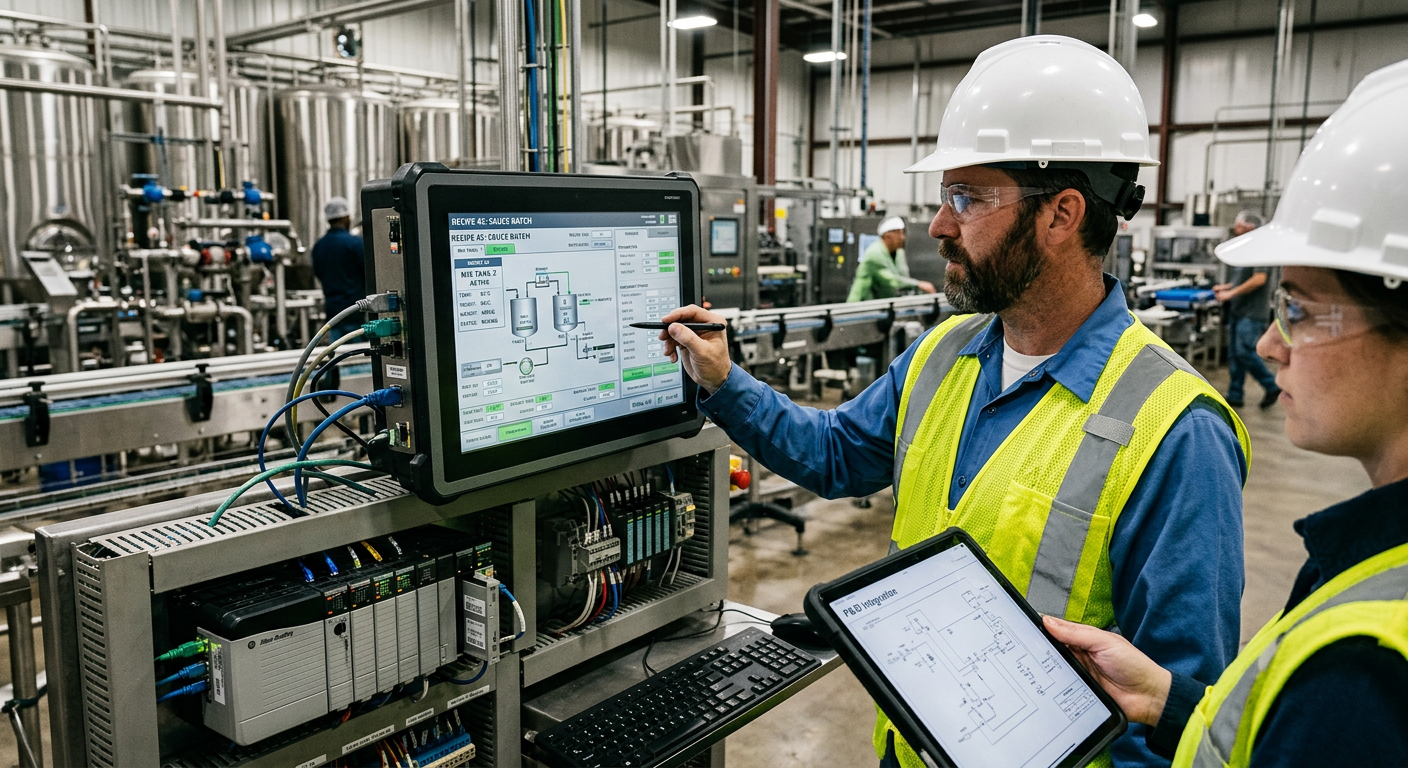
The best frozen food processing line in 2026 is not simply the one with the fastest freezer. In the United States, the highest-performing lines are designed as integrated systems that connect raw material receiving, blanching or pre-treatment, IQF freezing, inspection, packaging, storage, utilities, controls, and sanitation into one coordinated production strategy. Whether the product is vegetables, fruits, proteins, ready meals, or mixed ingredients, line design must balance throughput, yield, food safety, labor efficiency, changeover flexibility, and energy performance. For processors serving major markets such as Chicago, Los Angeles, Dallas, Atlanta, Seattle, and the Northeast corridor, the winning design approach is one that protects product quality from processing through distribution while keeping capital spending tied to long-term profitability.
Across the United States market, frozen foods continue to gain share in retail, foodservice, club, private label, and export channels. Demand is especially strong for individually quick frozen vegetables, fruit blends, protein portions, prepared meal components, and premium convenience products. Ports and logistics gateways such as Savannah, Long Beach, Newark, Houston, and Seattle-Tacoma play an important role in ingredient flow and finished goods movement, while inland cold hubs in the Midwest and Southeast support regional distribution. Because of this network complexity, processors need facilities and line layouts that can adapt to SKU growth, changing labor conditions, stricter food safety expectations, and energy cost volatility.
Quick Answer

If you are planning a new frozen food line or expanding an existing one in the United States, start with six core design decisions:
| Design Priority | What to Decide Early | Why It Matters | Typical U.S. Impact |
|---|---|---|---|
| Product type | Vegetables, fruits, proteins, prepared foods, or mixed products | Defines pre-treatment, freezing curve, and packaging needs | Changes equipment selection and sanitary zoning |
| Capacity | Hourly and annual throughput targets | Sets line sizing and utility loads | Affects labor model and warehouse footprint |
| Freezing method | IQF tunnel, spiral, plate, or hybrid | Controls product separation and final texture | Drives refrigeration and airflow design |
| Packaging format | Pillow bag, MAP tray, vacuum pouch, case, or bulk | Impacts downstream automation and cold exposure time | Important for retail and foodservice channels |
| Food safety | Metal detection, X-ray, allergen controls, traceability | Reduces recall risk and supports compliance | Essential for FDA, USDA, SQF, and BRC programs |
| Expansion path | Future SKUs, added shifts, and utility reserve | Prevents early obsolescence | Improves return on invested capital |
In practical terms, most successful 2026 projects in the United States are built around high-efficiency IQF tunnels, better airflow control, automated product handling, digital temperature traceability, stronger inspection systems, and packaging lines that reduce warm exposure before palletizing. Processors that connect engineering, installation, utility design, controls, and project execution under one coordinated plan generally reach startup faster and avoid expensive rework.
From a buying perspective, do not evaluate the freezer alone. Review the entire system: upstream moisture management, belt loading uniformity, dwell time, fan control, evaporator defrost logic, discharge temperature stability, post-freeze inspection, packaging queue design, and storage transfer time. A frozen line fails when one weak link breaks cold chain discipline.
The growth trend above reflects the steady rise in frozen processing investment as U.S. manufacturers upgrade capacity, automation, and energy systems. It is not only consumer demand driving this change; it is also a response to labor pressures, utility costs, retailer expectations, and the need for resilient domestic supply chains.
IQF Tunnel Freezer Selection and Airflow Optimization

IQF tunnel freezers remain a leading choice for vegetables, berries, diced fruit, shrimp, poultry pieces, meat toppings, cheese inclusions, and many prepared food components because they preserve piece separation and support continuous production. In the United States, where processors may run broad SKU portfolios across multiple shifts, the best tunnel design is one that matches product geometry, moisture load, residence time, and sanitation needs rather than just nameplate capacity.
Airflow optimization is central to IQF performance. Uneven airflow creates clumping, inconsistent core temperature, excess dehydration, and poor belt utilization. For light products such as peas or corn, airflow must be strong enough for fluidization without creating excessive fines loss. For denser products such as diced chicken or roasted vegetables, the objective is stable heat removal without belt dead zones or pile distortion. Fan speed control, plenum design, perforation pattern, and product bed depth all influence results.
| Selection Factor | Low-Bulk Vegetables | Dense Protein Pieces | Fruit and Delicate Items | Design Note |
|---|---|---|---|---|
| Bed depth | Shallow to moderate | Moderate | Shallow | Prevents compression and uneven freezing |
| Air velocity | High but controlled | Moderate to high | Moderate | Match to product fragility |
| Belt type | Fine mesh/perforated | Heavy-duty mesh | Gentle support surface | Supports sanitation and product integrity |
| Residence time | Short to medium | Medium | Short to medium | Depends on inlet temp and piece size |
| Defrost strategy | Frequent monitoring | Moderate frequency | Frequent monitoring | High sugar or starch loads may change frost rates |
| Discharge temp target | Stable, below spec max | Stable core verified | Avoid over-freezing | Use data logging, not spot checks alone |
For U.S. buyers, one of the most overlooked issues is how the freezer interacts with upstream loading. If infeed distribution is uneven, even the most advanced freezer will struggle. Vibratory feeders, laning devices, and smart spreaders can materially improve belt coverage and reduce hot spots. In high-volume facilities near agricultural centers in California, Washington, Idaho, Wisconsin, and the Carolinas, this upstream consistency often delivers more value than simply increasing fan horsepower.
Another 2026 trend is variable-frequency fan control linked to product recipe settings and evaporator performance. Instead of running the same air profile for every SKU, processors can assign product-specific freezing profiles. This improves yield, lowers breakage, and reduces energy use. More facilities are also adopting advanced controls that monitor suction pressure, fan load, belt speed, and product discharge temperature in near real time.
When comparing suppliers, ask for actual performance data by product type, not generic brochure figures. A tunnel sized for fries may not be ideal for blueberries or breaded chicken strips. Processors supplying retailers in New York, Miami, Phoenix, and Denver should also review how seasonal ambient conditions and warehouse interfaces affect the freezer room and packaging transition.
This comparison format is useful during procurement because it weighs freezer selection against operating realities. The right machine is often the one with the best overall plant fit, not simply the coldest specification on paper.
Blanching and Pre-Treatment System Design for Vegetables

For many vegetable lines, freezing quality starts long before the IQF tunnel. Blanching and pre-treatment affect enzyme control, color retention, texture, microbial reduction, and final freezer performance. Peas, green beans, broccoli, carrots, spinach, sweet corn, and mixed vegetable blends each require different time-temperature profiles and handling methods. In the United States, where growers and processors are often linked by tight seasonal windows, line design must protect throughput during harvest peaks without sacrificing consistency.
A strong vegetable pre-treatment system usually includes washing, inspection, cutting, blanching, cooling, dewatering, and feed stabilization before freezing. Poor dewatering after blanching can increase frost buildup and reduce freezer efficiency. Uneven blanching can create texture drift from one lot to the next. Product damage at transfer points can reduce yield and impair pack appearance for premium retail bags and meal kits.
| Vegetable Type | Common Pre-Treatment Need | Key Design Risk | Preferred Control Point |
|---|---|---|---|
| Broccoli | Uniform blanch and gentle cooling | Floret breakup | Short drop heights and moisture removal |
| Green beans | Consistent trim and blanch | Underprocessed fibers | Residence time control |
| Peas | High-capacity blanching | Overloading and carryover water | Dewatering and feed spread |
| Carrots | Cut uniformity and color retention | Mixed piece freezing response | Upstream size grading |
| Spinach | Gentle handling and moisture control | Matting and clumping | Air knife/dewatering stage |
| Sweet corn | Kernel integrity and starch management | Sticky buildup | Frequent sanitation and belt cleaning |
Buying advice for U.S. processors: select blanchers and coolers with sanitation access, recipe repeatability, and stable residence control. Water usage and wastewater loading matter more in 2026 because municipalities in several states are tightening discharge expectations and utility costs are rising. Heat recovery between blanching and incoming water systems is increasingly attractive, especially in larger plants in California, Oregon, Texas, and the Midwest.
Automation also matters. Modern pre-treatment systems can tie conveyor speeds, blancher temperature, cooling water flow, and downstream freezer loading into one control layer. That integration supports product consistency and makes it easier to diagnose yield or quality drift. This is especially valuable for co-packers and private label manufacturers managing frequent SKU changes and varying customer specifications.
Cold Chain Integrity from Processing Through Packaging and Storage
Cold chain integrity is one of the most decisive factors in frozen product quality and shelf life. Even a well-frozen product can lose quality if it warms during inspection, accumulation, bagging, casing, or warehouse transfer. In the United States, where frozen distribution networks may span from processing plants in agricultural regions to distant consumption centers, cold chain control must be designed into the line from the start.
The highest-risk transition points are typically freezer discharge, inspection queues, packaging infeed accumulation, manual rework stations, pallet staging, and dock loading. Packaging rooms that are too warm or poorly isolated can trigger frost, condensation, label adhesion issues, and product sticking inside pouches. For MAP and vacuum packs, thermal consistency matters because gas flush stability and seal performance can be affected by surface conditions.
| Line Stage | Main Temperature Risk | Typical Control Method | Recommended 2026 Upgrade |
|---|---|---|---|
| Freezer discharge | Warm air infiltration | Enclosed transfer conveyor | Automated temperature logging |
| Inspection | Queue dwell time | Short conveyor path | Smart reject validation and alarms |
| Packaging infeed | Product hold before filling | Balanced accumulation | Dynamic buffering with cold enclosure |
| Case packing | Extended exposure during jams | Jam detection | Predictive maintenance analytics |
| Pallet staging | Thermal rise before warehouse transfer | Fast forklift turnover | Automated guided movement |
| Shipping dock | Door opening heat gain | Dock seals and scheduling | Integrated dock temperature sensors |
For plants serving major distribution corridors like I-95, I-10, I-35, and the Midwest rail network, it is smart to align storage and loading strategies with shipping patterns. Frozen products moving through Atlanta, Dallas-Fort Worth, Columbus, Memphis, and the Inland Empire benefit from strong dock management because these regions handle large volumes and mixed load schedules. Processors near ports such as Savannah and Long Beach must also account for export staging and longer dwell variations.
One major 2026 trend is digital traceability tied to line-level temperature events. Instead of relying only on warehouse records, processors are creating event histories from post-freeze handling through packaging and pallet release. This supports audits, customer claims defense, and internal continuous improvement.
The area trend shows how fast processors are moving toward digitally verified cold chain management. As retailer scorecards and foodservice contracts become more data-driven, this trend is likely to accelerate.
Product Changeover Flexibility for Multi-Product Frozen Lines
Many U.S. plants no longer run a single frozen product all day. They alternate between vegetables, fruit blends, proteins, seasoned items, or private label SKUs with different pack sizes and allergen profiles. That makes changeover flexibility a design priority rather than a nice extra. If a line takes too long to clean, reset, inspect, and validate, effective capacity falls sharply.
Flexible line design involves mechanical accessibility, recipe-driven automation, modular conveyors, quick-release components, clear zoning, and packaging equipment that can shift format without lengthy teardown. For mixed-product operations, line layout should also separate wet and dry processing transitions where possible and simplify allergen control.
Applications that benefit most from flexible design include frozen meal components, co-packed vegetables, fruit blends for smoothie brands, breaded protein portions, plant-based products, and retail club-pack assortments. These are fast-growing categories in the United States because they support convenience, private label expansion, and seasonal promotions.
| Flexibility Feature | Operational Benefit | Best Fit Industry | ROI Driver |
|---|---|---|---|
| Recipe-based controls | Faster startup after changeover | Prepared foods | Less trial-and-error loss |
| Tool-less guards and guides | Quicker sanitation access | Vegetables and fruit | Reduced downtime |
| Modular conveyor sections | Easy adaptation for new SKUs | Co-packing | Lower future retrofit cost |
| Multi-format packaging heads | Bag and pouch flexibility | Retail frozen foods | Broader customer base |
| Automated inspection settings | Consistent sensitivity by product | Protein and mixed products | Fewer false rejects |
| Zoned sanitation design | Faster verification and restart | Multi-allergen facilities | Higher line availability |
When evaluating equipment, ask how long a validated changeover takes under actual plant conditions, including washdown, startup checks, temperature stabilization, coding, and inspection verification. In many cases, processors save more money by reducing nonproductive transition time than by increasing rated throughput.
Energy Efficiency Strategies in Refrigeration and Freezing Systems
Energy efficiency is now a board-level issue in frozen food projects. Refrigeration and freezing systems are among the largest utility loads in a plant, and power costs differ substantially across U.S. regions. Facilities in California, the Northeast, and some parts of the Midwest often face stronger pressure to improve efficiency, while sustainability reporting and customer expectations are also rising.
Top strategies for 2026 include high-efficiency compressors, floating head pressure control, optimized suction management, variable-frequency drives, heat recovery, improved insulation, reduced air infiltration, smart defrost scheduling, and integrated energy dashboards. The goal is not just lower utility bills, but also more stable process performance and better lifecycle economics.
Natural refrigerants and lower-impact refrigerant strategies are gaining attention as policy and corporate sustainability programs evolve. At the same time, facilities must weigh safety, operator familiarity, maintenance capability, and local code requirements. The right solution depends on plant scale, regional labor resources, and long-term operating model.
This demand comparison reflects where energy-conscious capital projects are most active. Prepared meals and vegetables often lead because they combine high throughput, frequent packaging, and strong retail demand.
Buyers should compare refrigeration alternatives using total cost of ownership, not only upfront equipment price. A lower-cost system with poor controls or high defrost losses can become the most expensive option over five years. Review compressor staging, evaporator selection, control logic, and maintenance access together. In distribution-heavy states such as Texas, Georgia, Illinois, and Pennsylvania, warehouse integration can also affect refrigeration economics.
Future policy trends in 2026 and beyond are likely to increase emphasis on emissions reduction, utility reporting, and resilient energy planning. Processors planning new plants should reserve electrical and control capacity for future monitoring upgrades and possible heat recovery expansions.
Metal Detection and X-Ray Inspection for Frozen Food Safety
Food safety systems in frozen lines must do more than satisfy a checklist. Metal detection and X-ray inspection should be selected based on product effect, pack format, density variation, and customer requirements. Frozen vegetables, fruits, proteins, and prepared foods each create different inspection challenges. Moisture, salt, seasoning, metallized packaging, overlapping pieces, and bulk pack depth all influence performance.
Metal detection remains effective for many unpackaged and finished packaged products, especially where contaminant types and package formats are predictable. X-ray becomes more attractive when density-based detection is needed, when products have complex shapes, or when processors want added checks for mass, missing components, or package integrity. In frozen prepared meals, X-ray often supports broader quality assurance goals beyond foreign material detection.
Processors supplying major retailers, club stores, and national foodservice chains in the United States should validate inspection performance with actual product matrices. False rejects carry labor and yield costs, while underperforming settings increase risk. Line speed, conveyor stability, and product presentation are just as important as the detector head itself.
| Inspection Option | Best Use Case | Main Strength | Main Limitation |
|---|---|---|---|
| Metal detector before freezing | Raw or pre-packed product streams | Early hazard interception | May not cover final pack risks |
| Metal detector after packaging | Bags and pouches | Common and cost-effective | Product effect can reduce sensitivity |
| X-ray after packaging | Dense or complex frozen products | Broad contaminant visibility | Higher capital cost |
| Dual-stage inspection | High-risk products | Stronger control plan | More space and integration needed |
| Checkweigher integration | Retail finished packs | Weight compliance and reject control | Requires stable product feed |
| Vision plus X-ray system | Prepared meals and premium packs | Multi-parameter quality control | More complex validation |
As a 2026 trend, more U.S. processors are linking inspection devices to SCADA or plant data systems for reject tracking, alarm review, and audit-ready verification records. That shift supports stronger preventive controls and helps plants identify recurring upstream issues such as metal wear, packaging faults, or fill instability.
Packaging Line Design for MAP and Vacuum-Sealed Frozen Products
Packaging design has become a major differentiator in frozen foods. MAP and vacuum-sealed frozen products are expanding in premium vegetables, seafood, proteins, meal kits, and value-added components because they support presentation, portioning, and shelf-life objectives. However, these formats demand careful line integration. If the product arrives warm, wet, or unstable, seal quality and pack consistency can suffer.
Packaging lines for frozen products should minimize residence time between freezer discharge and primary pack sealing. Conveyors, accumulation tables, weighers, tray denesters, gas flush modules, vacuum chambers, sealers, coding systems, checkweighers, and case packers must be synchronized so the line does not create thermal bottlenecks. In the United States, where labor shortages can interrupt manual handoffs, automation at these points often pays back quickly.
Product types that frequently use these formats include frozen shrimp, marinated chicken portions, premium vegetable medleys, portioned fish, diced proteins, and high-value meal components. Foodservice and retail both value controlled portion packs, while e-commerce frozen fulfillment is pushing interest in stronger pack integrity.
Buying advice: verify film compatibility, seal performance at low product temperatures, gas mix stability where applicable, and jam recovery time. For processors serving nationwide distribution from hubs such as Chicago, Kansas City, Dallas, and Allentown, package durability during handling and cold storage is especially important.
Plants planning a wider packaging portfolio should build space for future secondary packaging options, print-and-apply labeling, and palletizing flexibility. A bag-only line today may need tray or pouch capability later as customer mix evolves.
For practical engineering support on processing, packaging, and line integration, processors often benefit from working with firms that can unify process design, utilities, controls, and field execution. DPS outlines this integrated approach across its engineering and project services, where line strategy is tied to business outcomes rather than isolated equipment purchases.
Our Company
Disruptive Process Solutions serves food and beverage manufacturers across the United States and Canada with an approach built around profitable project execution. Rather than functioning only as a traditional contractor, the company aligns engineering, build strategy, and project management through a design-build-manage model intended to improve decision speed, reduce waste, and keep capital projects tied to operational return.
On the technology side, DPS supports structural, mechanical, plumbing, electrical, process, and controls engineering, including PLC programming, automation, SCADA, recipe logic, utility integration, and system commissioning. That technical depth is especially relevant for frozen food projects where blanching, refrigeration, conveyance, packaging, inspection, and cold storage must operate as one synchronized line. More detail on the company background can be found at about our team and approach.
On the manufacturing side, DPS also develops and supplies branded process equipment, including tanks, CIP systems, tumblers, and custom processing vessels. While frozen food plants may source specialized freezers and packaging platforms from multiple vendors, in-house fabricated support systems and custom process modules can improve fit, sanitation, and integration speed. Equipment capability examples are available through our equipment solutions.
On the service side, DPS provides capital planning, feasibility support, owners representation, project and program management, general contracting where licensed, installation coordination, and end-to-end system integration. This matters in frozen food projects because line success depends not only on equipment but also on layout, utilities, startup sequencing, and disciplined execution. Processors evaluating expansions, relocations, or greenfield investments can review project examples in selected case studies.
For the United States frozen food market, this integrated service model is particularly valuable when a plant must scale across multiple products, meet FDA or USDA expectations, support SQF or BRC certification goals, and bring new capacity online without disrupting ongoing operations.
FAQ
What is the best freezer type for frozen vegetables in the United States?
For most free-flowing vegetables, an IQF tunnel freezer is a strong choice because it supports individual piece separation, high throughput, and good quality retention. Final selection should depend on product shape, moisture, throughput, sanitation needs, and changeover requirements.
How do I size a frozen food processing line correctly?
Start with hourly throughput, annual production volume, shift pattern, SKU mix, and future expansion goals. Then evaluate upstream preparation, freezing dwell time, packaging speed, warehouse space, and utility reserve together. Undersizing one stage can limit the entire line.
Is blanching always required before freezing vegetables?
No, but many vegetables require blanching to control enzymes, protect color, and improve final quality. The exact pre-treatment depends on the vegetable, final use, and desired texture.
Should I use metal detection or X-ray?
It depends on product density, package format, customer standards, and contaminant risk. Many lines use metal detection effectively, while higher-risk or more complex products may justify X-ray or dual-stage inspection.
What are the top 2026 frozen line trends?
Key trends include smarter IQF airflow control, digital cold chain verification, energy-optimized refrigeration, flexible multi-SKU packaging, stronger inspection integration, better sanitation access, and sustainability-driven utility design.
How can I reduce energy costs in a frozen plant?
Focus on compressor efficiency, variable-frequency drives, smart defrost, infiltration reduction, insulation quality, heat recovery, balanced airflow, and integrated controls. Also review warehouse and dock interfaces, since they often create hidden refrigeration losses.
What industries use frozen processing lines beyond vegetables?
Major sectors include seafood, poultry, beef and pork components, dairy inclusions, bakery ingredients, plant-based foods, prepared meals, sauces, and co-packed foodservice items.
How important is changeover flexibility?
It is critical for co-packers, private label processors, and any plant running multiple SKUs. Faster validated changeovers improve real capacity, reduce labor waste, and support broader customer demand.
What should I ask a U.S. supplier before buying?
Ask for product-specific performance data, sanitation access details, utility requirements, changeover times, local service support, controls integration capability, validation approach, and references for similar applications in the United States.
Can one partner manage engineering, installation, and startup?
Yes. Many manufacturers prefer integrated partners that can connect process design, utilities, automation, installation, and commissioning so the project performs as a full operating system rather than a collection of separate machines.
In summary, frozen food processing line design in 2026 is defined by system thinking. The United States market rewards processors who connect product quality, food safety, efficiency, flexibility, and capital discipline into one practical line architecture. Whether the project serves retail, foodservice, export, or co-packing, the strongest results come from designing the freezer, pre-treatment, packaging, inspection, refrigeration, storage, and controls as one business-critical process.
[/trp_language]
Complete Company Portfolio
About the Author: Disruptive Process Solutions (DPS)
The DPS team combines process engineering expertise with real-world food and beverage manufacturing experience. Our content focuses on process optimization, production efficiency, facility improvements, and practical solutions that help manufacturers operate more effectively in a rapidly evolving industry.
Share