-
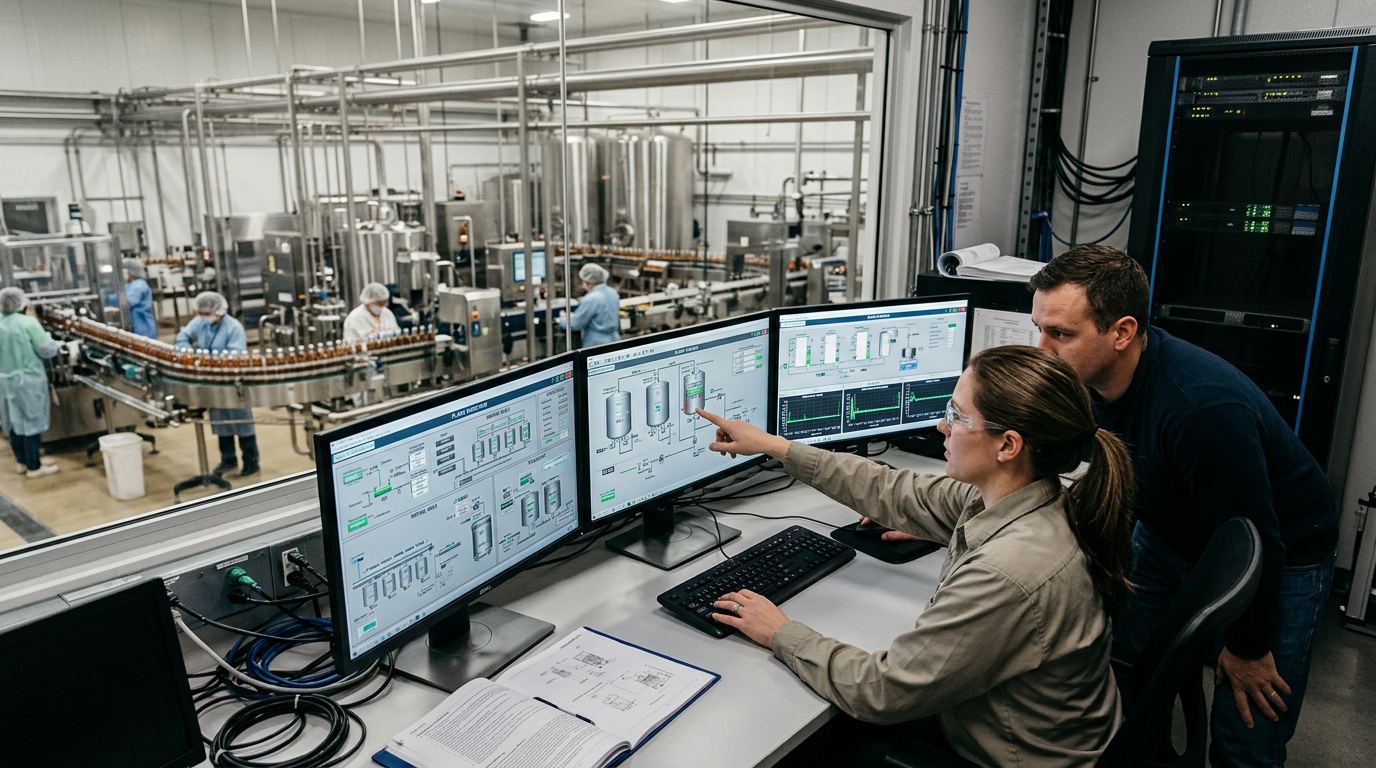
Brewery Process Engineering Services
Brewery process engineering is the disciplined planning, design, integration, automation, installation, and commissioning of brewing systems so a facility can make consistent beer safely, efficiently, and profitably. In the United States, this work goes far beyond choosing tanks. It includes raw material receiving, brewhouse sizing, cellar layout, yeast handling, CIP strategy, utility loading, controls architecture, quality checkpoints, packaging interfaces, and long-term capacity planning. The right engineering partner helps a brewery reduce wasted capital, avoid bottlenecks, improve yield, shorten changeovers, and support future growth. For owners, investors, contract brewers, and expanding regional brands, process engineering has a direct financial impact. A well-engineered brewery can improve extract efficiency, stabilize fermentation performance, lower steam and glycol consumption, simplify operator training, and make compliance easier. In fast-moving U.S. brewing hubs such as Denver, San Diego, Chicago, Asheville, Portland, Milwaukee, and Charlotte, competition is strong and margins are closely watched, so engineering decisions must support throughput and profitability from day one. Disruptive Process Solutions supports these objectives through a business-minded model that combines process design, equipment integration, construction coordination, installation, and startup execution. Instead of treating brewery work as isolated equipment procurement, the company approaches each project as a capital investment that must perform commercially. Readers can learn more about the firm’s background on the company overview page. The brewery project lifecycle usually begins with concept definition. At this stage, the most important questions are not about tank shape or finish, but about product mix, annual barrels, package format, utility availability, labor model, and expansion intent. A 15-barrel brewpub in Nashville needs a different engineering approach than a multi-brand contract facility near Dallas-Fort Worth or a high-output production brewery serving East Coast distribution from Pennsylvania. Concept design typically includes block flow diagrams, preliminary mass balances, utility summaries, production assumptions, and layout options. During feasibility work, engineers test whether the planned output aligns with the actual operating schedule. Many breweries underestimate cellar occupancy, bright beer turnover, filtration limits, keg washing capacity, floor drainage needs, and cold storage logistics. Strong early-stage engineering avoids these mistakes. Front-end engineering is followed by detailed design. This phase covers P&IDs, equipment data sheets, line sizing, hygienic routing, valve matrix logic, pump selection, trenching requirements, control narratives, and tie-ins to existing systems. Brewpubs, regional craft breweries, and beverage co-packers all benefit from coordinated mechanical, electrical, plumbing, structural, and controls engineering. In the United States, local code compliance, fire protection, wastewater discharge requirements, and utility interconnections also shape final design. Commissioning is equally important. A system that looks complete on paper still needs loop checks, dry testing, wet testing, sequence verification, CIP validation, operator training, and performance confirmation. Effective commissioning verifies mash transfer timing, brewhouse automation steps, fermentation cooling response, tank pressure behavior, and alarm handling before full commercial production begins. The table above shows why brewery engineering should be viewed as a full project lifecycle service. Each step protects capital and reduces startup risk. This market growth line chart reflects a realistic increase in engineering demand as breweries modernize operations, expand production flexibility, and invest in automation and utilities resilience leading into 2026. Brewhouse and cellar integration determines whether a brewery operates smoothly or constantly fights delays. A brewhouse can produce excellent wort, but if transfer lines are poorly routed, cellar cooling is undersized, or yeast management is inconsistent, the entire process suffers. Engineering should therefore connect recipe intent, process timing, vessel count, utility loading, and operator workflow. Brewhouse optimization often targets mash consistency, lauter run-off rates, boil intensity, trub separation, hot-side oxygen control, and CIP turnaround. Cellar optimization usually focuses on fermentation temperature control, yeast cropping, carbonation accuracy, maturation time, and bright tank utilization. In many existing U.S. breweries, productivity can be improved without building additions simply by balancing these systems better. A common issue is mismatch between brew frequency and cellar capacity. For example, a brewery in Columbus may plan double-brew days for seasonal volume, but if fermenters are occupied too long due to inconsistent cooling or delayed dry hopping, the brewhouse becomes underutilized. Engineering optimization uses production modeling to improve tank residency and release capacity. DPS approaches these projects with integrated process and controls thinking. Its technological capabilities include process engineering, automation architecture, PLC programming, SCADA design, and utility coordination. That means brewhouse controls, cellar sequencing, CIP skids, and field instrumentation can be configured as one operating system rather than a collection of disconnected assets. More on these broader capabilities can be found on the services page. The table above highlights how optimization works only when each process zone is designed to support the next one. Wort production remains the heart of brewery engineering. Proper mash design starts with grain bill flexibility, liquor-to-grist ratio, mash vessel heating method, agitation strategy, and rest profile control. In breweries with a broad recipe portfolio, engineers often design for both highly modified base malt runs and specialty-heavy grists that challenge flow and conversion timing. Lautering design requires special attention because it has a direct effect on brew day length. False bottom geometry, rake control, underlet design, grant arrangement, and sparging logic all influence run-off performance. In many retrofit projects across the United States, lauter bottlenecks result from inconsistent bed formation, poor spray coverage, or outdated automation sequences rather than from vessel size alone. Kettle engineering balances evaporation, DMS removal, hop utilization, thermal load, and cleaning practicality. Steam jackets, internal calandrias, or external wort boilers may all be considered depending on scale and energy strategy. Whirlpool design then supports trub separation and hot break removal while minimizing oxygen pickup and maximizing transfer quality to heat exchangers and fermenters. For breweries producing hazy IPA, lager, stout, fruited beer, and contract brands under one roof, flexibility is critical. That includes managing solids, hop dosing strategy, whirlpool residence time, and cleaning validation between allergen-sensitive or flavor-intensive SKUs. This table shows how hot-side design decisions affect both quality and operating economics. Cellar engineering is where brewing science meets production discipline. Fermentation vessels, brite tanks, glycol loops, control valves, sensors, and yeast systems must all work together to preserve beer quality at scale. In the United States, breweries often run mixed portfolios that include fast-turn hazy styles, longer-maturation lagers, barrel-influenced products, and seasonal releases. Engineering must support all of them without creating scheduling chaos. Temperature control is central. Jacket zoning, glycol supply temperature, valve response, insulation, and control logic determine how quickly a fermenter can crash, hold, or ramp. A poorly designed cooling system can lengthen tank occupancy, strain utility infrastructure, and create flavor variation. For breweries in hot climates such as Phoenix, Houston, or inland Southern California, summer ambient conditions make proper load calculations even more important. Yeast management is another profit lever. Engineering should consider propagation methods, brink sizing, sanitary connections, harvest timing, dosing consistency, and lab coordination. Reuse programs can save money, but only when the handling system preserves viability and contamination control. Inconsistent yeast transfer, poor brink cleaning, or weak sample points can quietly erode product quality. Quality teams also need access to representative cellar sampling, dissolved oxygen monitoring, and routine microbiological checks. Cellar layout must support these activities without disrupting production flow. The demand comparison above shows why breweries are investing in flexible cellar systems. Contract brewing, hybrid beverages, and non-alcoholic production are driving broader process requirements than traditional single-style operations. Utilities are often the difference between a brewery that reaches target throughput and one that stalls during summer peaks or back-to-back brew days. Steam, glycol, compressed air, domestic water, process water, drainage, and carbon dioxide handling should be engineered early instead of being treated as downstream add-ons. Steam systems must account for mash heating, wort boiling, hot water generation, CIP demand, and start-up surges. Glycol systems need enough capacity for active fermentations, crash cooling, bright beer loads, packaging tie-ins, and ambient extremes. Compressed air systems should support valves, instruments, kegging interfaces, and maintenance needs with suitable air quality. CO2 recovery becomes increasingly attractive for larger facilities looking to reduce purchased gas costs and improve sustainability metrics. In port and manufacturing corridors such as Seattle-Tacoma, the Inland Empire, New Jersey, and the greater Atlanta region, utility reliability and expansion planning are major considerations for new breweries and co-packing operations. Peak demand charges, boiler room footprint, refrigerant strategy, water reuse possibilities, and local discharge permits all affect design decisions. DPS has broad manufacturing and process infrastructure experience across food and beverage environments, which strengthens utility planning for breweries. Its capabilities include complete utility integration, CIP systems, boilers and steam, compressed air, cooling systems, process water solutions, wastewater interfaces, and automation-backed energy management. The company also supplies custom equipment for selected projects; additional information is available on the equipment page. The utility table emphasizes that production reliability begins with infrastructure, not only brew vessels. Modern breweries need automation that fits their scale and labor model. Small independent brewers may want semi-automated brewhouse controls and guided cellar sequences, while larger regional plants may require recipe management, historian functions, remote diagnostics, batch records, and packaging line integration. The objective is not automation for its own sake; it is repeatability, operator visibility, and better use of labor. PLC programming organizes the sequence logic for mashing, transfer, CIP, tank cooling, utility permissives, alarm handling, and interlocks. SCADA provides operators and managers with visual control, trend data, event history, and production context. Recipe management ensures that target setpoints, timing, temperatures, and routing can be standardized while still allowing controlled flexibility for pilot or seasonal runs. This area is especially important in retrofit projects. Many breweries think they need new tanks when the real constraint is control logic, manual workarounds, or poor scheduling visibility. A practical controls review can reveal hidden capacity. That business-first engineering mindset is one of the reasons some clients use DPS for both strategic planning and rapid-response troubleshooting. For project examples and outcomes, visit the case studies page. As 2026 approaches, breweries are also evaluating digital twins, predictive maintenance alerts, utility dashboards, and AI-assisted production reporting. These technologies are becoming more relevant as labor markets remain tight and quality expectations remain high. The area chart illustrates a realistic shift toward broader automation adoption in U.S. breweries, especially where recipe complexity, utility cost control, and labor efficiency are strategic concerns. Quality control should be built into brewery design, not added as a separate room after equipment is ordered. Laboratory integration begins with deciding what the brewery will routinely test in-house: gravity, pH, color, bitterness, dissolved oxygen, carbonation, microbiology, ATP, yeast viability, and package integrity. Once that scope is known, the facility layout should support sample flow, hold points, quarantine protocols, and communication between production and quality teams. For larger breweries and contract facilities, quality design also includes raw material receiving checks, lot traceability, allergen management where applicable, environmental monitoring, and finished product release procedures. Engineering should enable quick sampling from wort lines, fermenters, brite tanks, water treatment skids, and packaging areas without compromising sanitation. U.S. breweries entering grocery, stadium, airline, or national retail channels face stricter consistency expectations. A brewery shipping from St. Louis to Texas or from North Carolina to the Northeast needs a quality system that is stable enough for distribution stress, shelf-life confidence, and repeat customer experience. That means laboratory planning has a direct commercial value. DPS brings service capabilities that support this broader picture: capital planning, owner’s representation, project management, process integration, installation oversight, and commissioning coordination. These services help ensure that quality requirements are translated into facility design and startup execution rather than left to interpretation in the field. The lab integration table shows that quality systems contribute directly to yield, shelf life, and market credibility. Many breweries in the United States do not need greenfield facilities; they need smarter use of the assets they already own. Capacity expansion and retrofit engineering can unlock output through control upgrades, utility debottlenecking, process rerouting, fermentation scheduling, packaging synchronization, or selective tank additions. This is often faster and more capital-efficient than starting over. Typical retrofit work includes replacing undersized heat exchangers, improving glycol distribution, modifying CIP circuits, adding cellar valves, reprogramming brewhouse sequences, upgrading compressed air quality, or reworking floor layouts to improve forklift and hose management. In mature brewing regions such as Colorado, Oregon, and the Mid-Atlantic, these projects are especially common because many facilities were built in phases and now operate beyond their original design assumptions. Expansion planning should also account for local logistics and supply chain realities. Access to can suppliers, cold storage, wastewater treatment capacity, utility interconnection timelines, and transportation routes near hubs like Los Angeles, Houston, Savannah, or the Chicago rail network all affect project schedules and costs. Local supplier selection matters, but the lowest equipment price is not always the lowest lifecycle cost. Engineering review should examine cleanability, spare parts access, weld quality, controls compatibility, and service responsiveness. Below is a practical supplier and product comparison framework often used when evaluating brewery investments. The comparison chart above shows a realistic tradeoff. Imported systems may score well on upfront price, but domestic integrated solutions often provide stronger controls compatibility, service support, and future expansion value. This retrofit table helps buyers connect technical upgrades to the business conditions that usually justify them. When selecting a partner for expansion work, buyers should look for five things: demonstrated process knowledge, controls depth, utility experience, field execution ability, and the willingness to challenge flawed assumptions. The most valuable engineering firms are not yes-men. They are transparent advisors who align design decisions with profitability. That approach is especially relevant when a brewery is balancing growth, debt service, private equity expectations, or co-packing commitments. What does a brewery process engineer actually do?They design and integrate the systems that turn ingredients into finished beer, including brewhouse operations, fermentation, utilities, controls, cleaning, and startup procedures. When should a brewery hire an engineering partner?Ideally before equipment is purchased or a lease is signed. Early engineering prevents utility surprises, layout conflicts, and costly resizing after installation begins. Can an existing brewery increase output without a full expansion?Yes. Many U.S. breweries can improve capacity through debottlenecking, automation updates, utility corrections, scheduling changes, and selective retrofit work. How important is automation for a small or mid-sized brewery?It depends on recipe complexity, labor availability, and target consistency. Even modest PLC and SCADA upgrades can reduce operator dependence and improve repeatability. What utility system is most often underestimated?Glycol is a common issue, especially when breweries add more fermenters or shift toward higher-volume, colder-conditioning brands without recalculating cooling load. How should a brewery evaluate equipment suppliers?Compare more than purchase price. Review hygienic design, controls compatibility, weld quality, local service access, lead times, cleanability, documentation, and spare parts support. What trends will shape brewery engineering in 2026?Expect stronger demand for energy efficiency, CO2 recovery, water reuse, digital monitoring, flexible multi-beverage production, labor-saving automation, and designs that better align with evolving sustainability reporting and state-level utility requirements. Does DPS only work in brewing?No. The company supports brewing along with broader beverage and food processing sectors across North America, which is valuable when breweries diversify into RTD, non-alcoholic, functional, or hybrid products. What makes DPS relevant for brewery owners in the United States?Its approach combines engineering, build coordination, and managed execution with practical experience in utilities, automation, process integration, and capital planning. That helps breweries make decisions that support both startup readiness and long-term profitability. For brewery owners, contract manufacturers, and investors looking at new builds, expansions, or retrofits in the United States, the best results come from engineering that connects market demand, product strategy, utilities, controls, and operating reality. Whether the project is in California, North Carolina, Texas, Colorado, or the Great Lakes region, process design should ultimately answer one question: will this system produce quality beer profitably and reliably at the scale the business needs? -
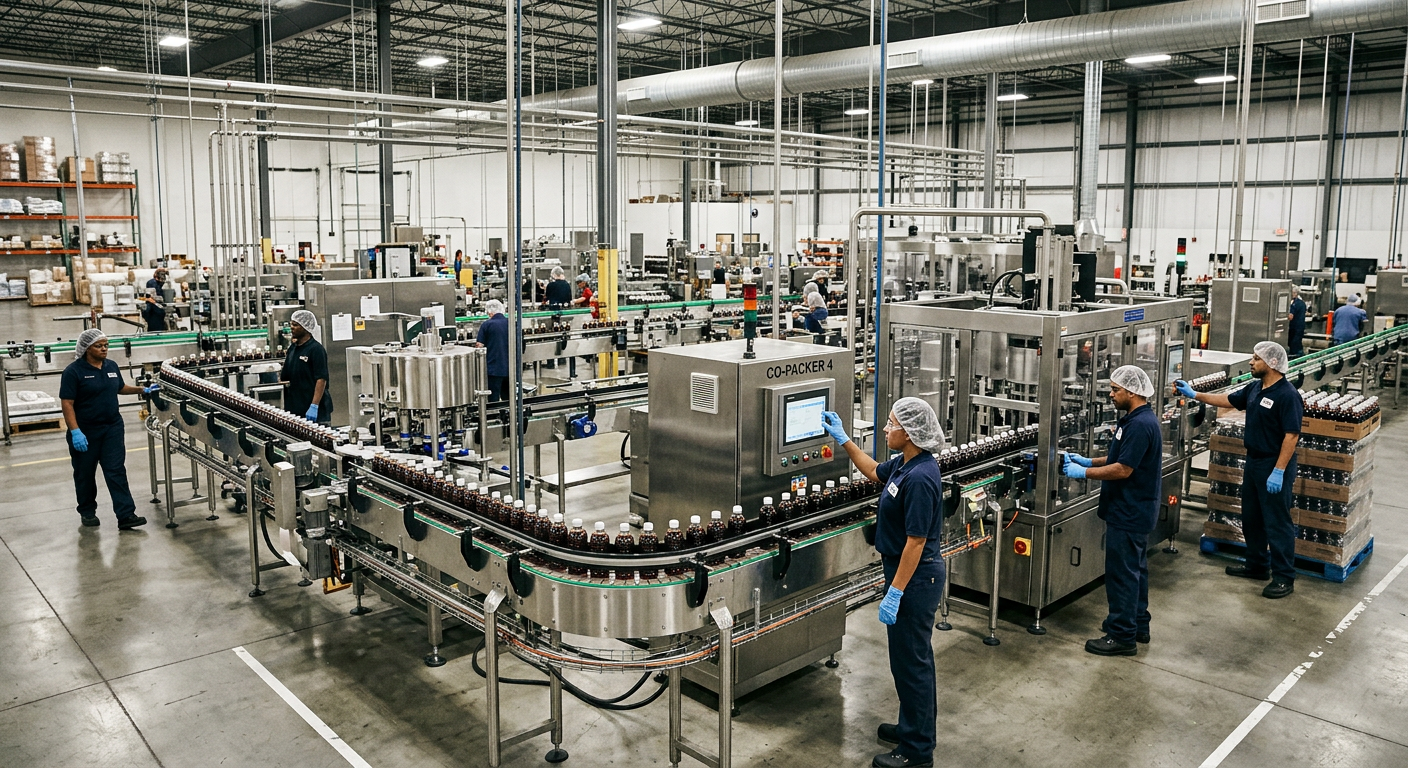
Brewhouse Design Engineering
Brewhouse design engineering is the discipline of turning a brewing concept into a reliable, efficient, and scalable production system. In the United States, brewers are balancing cost pressure, labor availability, utilities pricing, sustainability targets, and increasingly strict quality expectations. That means a brewhouse cannot be planned only around vessel count or batch size. It must be engineered around wort quality, throughput, cleaning efficiency, operator safety, future expansion, and the total cost of ownership over many years. For breweries in major production regions such as Milwaukee, Denver, Portland, Asheville, San Diego, Chicago, and the Northeast corridor, the right hot block design often determines whether a plant can profitably run one shift, add a second turn, or support contract brewing growth. A strong design also aligns the brewhouse with mill room flow, cellar operations, packaging demand, wastewater limits, and utility infrastructure. That is why many owners now approach brewhouse planning not as equipment purchasing, but as integrated capital project engineering. A well-engineered brewhouse for the United States market starts with the right vessel configuration, matches the heating method to local utility economics, sizes mash separation and boiling systems for the beer portfolio, and lays out the hot block for safe movement, easy cleaning, and fast turnaround. In most modern projects, the best result comes from evaluating five questions together: how many brews per day are required, what mix of beer styles will be produced, what utilities are available on site, how automated operations need to be, and how quickly future capacity may expand. For smaller regional or craft operations, a 2-vessel or 3-vessel brewhouse may offer the best capital efficiency. For high-throughput production breweries, a 4-vessel system can reduce cycle constraints and increase daily output. Steam remains the most common heating method for mid-size and large plants, while electric systems are increasingly attractive where boiler permitting is difficult or sustainability targets matter. Direct fire can still work in certain cases, but it demands careful evaluation of emissions, heat distribution, and building conditions. In practice, successful brewhouse design engineering combines process, mechanical, controls, structural, and construction planning. Companies such as Disruptive Process Solutions are often brought in because owners need more than a vessel package: they need engineering, installation, integration, and execution that protect long-term profitability. The table below summarizes the fastest way to frame a brewhouse design decision. This matrix is useful because it shows that brewhouse performance is never the result of one piece of equipment alone. It is the outcome of engineering choices that shape labor, beer consistency, and margin. The core configuration decision is whether to install a 2-vessel, 3-vessel, or 4-vessel brewhouse. Each design can make excellent beer, but the operational logic is different. The best choice depends on target output, brew schedule, beer portfolio, and how much flexibility the brewer needs between mashing, lautering, boiling, and whirlpooling. A 2-vessel design usually combines mash tun and lauter tun in one vessel and combines kettle and whirlpool in another, or uses a mash mixer plus lauter tun paired with a kettle/whirlpool combination. This format is common for startup breweries and many regional craft plants because it lowers capital cost and reduces footprint. It can work very well for one to three brews per day, especially when the facility is space constrained in urban locations such as Brooklyn, Seattle, or downtown Charlotte. A 3-vessel brewhouse often separates mash conversion, lautering, and kettle/whirlpool functions. This provides more scheduling flexibility, supports more complex mash programs, and improves cycle overlap. For many U.S. breweries moving from taproom scale to broader distribution, a 3-vessel layout offers the best balance of output and investment. It is especially useful for mixed portfolios with lagers, hop-forward ales, and adjunct-heavy recipes. A 4-vessel system typically includes a mash mixer, lauter tun, brew kettle, and dedicated whirlpool. This setup supports the highest throughput and the cleanest task separation. It is often preferred for large craft, contract brewing, and multi-brand facilities near major logistics hubs such as Dallas-Fort Worth, Columbus, the Inland Empire, or the I-95 manufacturing corridor. Dedicated vessels reduce bottlenecks and can support more brews per day without excessive operator strain. The chart below illustrates a realistic U.S. market growth trend by brewhouse investment segment through 2026 planning cycles. For owners evaluating configuration, buying advice is straightforward: do not choose solely by vessel count. Choose based on cycle overlap, labor capability, utility constraints, and packaging demand. A lower-cost brewhouse that limits annual throughput can become the most expensive option once lost sales, overtime, and retrofit work are considered. Heating method selection has become more important in the United States because utility costs vary sharply by region. Natural gas pricing, boiler permitting, emissions rules, electric service upgrades, and corporate sustainability targets all influence the decision. The three most common approaches are steam, electric, and direct fire. Steam remains the standard for many medium and large breweries because it delivers even heat transfer, good process control, and strong suitability for step mashing and vigorous boiling. Jacketed vessels heated by steam can provide repeatable thermal performance and reduce scorching risk. Steam is especially attractive in plants that already require a boiler for CIP, pasteurization, or other process loads. Electric brewhouses are gaining attention in states and municipalities where decarbonization policies are shaping industrial planning. Electric systems can eliminate combustion in the brewhouse area, reduce some permitting complexity, and support sustainability messaging. However, the available service capacity and local demand charges must be studied carefully. In parts of California, the Pacific Northwest, and the Northeast, electrical infrastructure may become the main project driver. Direct fire can offer rapid heat-up and straightforward construction, but it requires attention to flame management, stacking, building ventilation, hot spots, and thermal efficiency. It may suit certain smaller breweries or sites with strong gas service but limited boiler appetite. Still, in many new U.S. facilities, steam or electric systems create a more scalable long-term platform. From a market standpoint, the shift toward electric-ready process design is expected to continue into 2026. Policy trends in some U.S. states, corporate carbon accounting, and utility rebate programs are driving more owners to compare steam boilers with electric thermal systems earlier in project development. In buying terms, steam is usually the safest choice for throughput and flexibility, electric is increasingly compelling for specific local conditions, and direct fire should be selected only after careful heat transfer and building review. Mash conversion and wort separation determine extract recovery, brewhouse yield, runoff stability, and beer consistency. Poor design in this area can reduce annual profit more than almost any other mechanical issue. A mash tun or mash mixer must support proper hydration, temperature distribution, enzyme activity, and grist handling. A lauter tun must provide uniform bed formation, controlled runoff, and effective sparging without compaction or channeling. Optimal extraction depends on several design elements: vessel diameter-to-depth ratio, rake geometry, false bottom open area, grist loading rate, underletting strategy, and controls logic for pressure differential and runoff speed. U.S. breweries producing high adjunct recipes, hazy styles with heavy protein loads, or fine-milled grists should pay special attention to lauter tun performance, because those recipes amplify separation risk. A separate lauter tun often improves flexibility and extraction in larger systems. Combined mash/lauter vessels can work very well too, but they require more careful cycle discipline. High-value breweries benefit when the design engineer looks not only at vessel volume, but at extract targets, average brew gravity, and the recipe mix expected over several years. In terms of applications, this section matters not only to breweries producing standard pale ale or lager, but also to contract manufacturers, non-alcoholic brewers, kombucha producers using wort-based hybrids, and innovation sites testing alternative grains. Process engineering in the mash and lauter area directly affects cost per barrel. The kettle and whirlpool portion of the brewhouse defines thermal consistency, evaporation control, trub separation, hop utilization, and ultimately wort clarity into the heat exchanger and cellar. Kettle sizing should account for fill volume, foam headspace, evaporation target, hop load, and boil vigor. A common mistake is sizing a kettle too tightly around nominal batch volume, leaving insufficient headspace for aggressive boils or high-gravity production. In many U.S. breweries, a kettle working volume of about 110% to 130% of target cast-out volume provides useful operating flexibility. Facilities producing heavily dry-hopped beers, high adjunct brews, or concentrated wort for dilution may require even more attention to vapor management and control stability. Dedicated whirlpool vessels can improve trub separation and increase throughput, particularly when multiple brews are scheduled back-to-back. Boil control systems should manage steam valve modulation or electric power input, evaporation rate, timing, venting, antifoam strategy where applicable, and recipe-driven hop addition prompts. Automation is especially valuable here because inconsistent boil vigor can affect DMS reduction, bitterness consistency, and final wort concentration. Product type matters here. Lager-focused breweries may prioritize repeatable boil kinetics and low oxygen transfer, while hop-forward producers may emphasize solids handling and whirlpool geometry. A strong engineering review should include each major SKU family rather than assuming one generic brew profile. Layout is where good equipment choices either become an efficient brewhouse or a daily operational headache. The hot block should be arranged so raw materials, brewing operations, maintenance access, and cleaning all occur without conflict. In U.S. greenfield and brownfield projects alike, poor layout can reduce labor efficiency and create sanitation risks long before capacity is reached. Material flow should move logically from milling to mash-in, lautering, boiling, whirlpooling, cooling, and transfer to fermentation. Personnel movement should allow safe access to platforms, valves, sample points, hop dosing points, and instrument panels without forcing operators across wet zones or hose crossings. Cleanability requires sloped floors, drain placement, hose management, clear CIP circuits, and accessible spray device coverage. Breweries near dense production clusters such as Grand Rapids, Richmond, Sacramento, or the New Jersey industrial belt often retrofit into existing buildings. In these cases, engineering the hot block around columns, ceiling heights, utility chases, and forklift lanes becomes just as important as vessel selection. This is also where owner’s representation and early field validation matter; many layout problems are construction problems waiting to happen. Industry demand for layout modernization is rising as breweries seek labor savings and more hygienic operations. Below is a useful layout checklist for buyers and project teams. For local supplier decisions, breweries should compare not only vessel vendors but also integrators, control partners, boiler specialists, and sanitary piping contractors. Ports and trade hubs such as Los Angeles/Long Beach, Savannah, Houston, and Newark can affect freight timing and import equipment risk, so local commissioning capability matters more than many buyers expect. Automation is no longer optional for many brewhouse projects. Even when operators want hands-on brewing, control systems are essential for repeatability, safety, trend visibility, and labor efficiency. A modern brewhouse typically includes PLC-based process control, HMI interfaces, recipe and batch management, alarming, historian functions, and often plant-level SCADA integration. Automation should be scaled to the business model. A small brewery may only need semi-automatic temperature, pump, and valve sequences. A regional producer may need repeatable mash step control, lauter pressure management, utility interlocks, and automatic kettle timing. A multi-line beverage campus may require full SCADA, utility integration, batch traceability, and remote support capability. This is an area where engineering firms with broad process and controls experience add measurable value. Through its process and controls capabilities, DPS engineering services supports PLC programming, automation architecture, SCADA integration, and project engineering across brewing and beverage operations. For clients, that means the brewhouse is designed as part of a whole plant system rather than as an isolated equipment island. One of the most overlooked benefits of controls is not convenience, but bottleneck elimination. Many brewery expansions fail because management assumes the problem is vessel capacity when the real constraint is sequence logic, utility timing, or operator-dependent transitions. Good controls engineering can unlock capacity without unnecessary equipment spending. From a technology standpoint, brewhouse owners should evaluate instrumentation density, recipe handling, historian data, utility integration, and remote diagnostics. Strong engineering partners often bring capabilities that span process, mechanical, electrical, and controls design, allowing the hot block, cellar, CIP, glycol, steam, and packaging interfaces to work together. That interdisciplinary view is especially important in larger U.S. plants where uptime expectations are high. Capacity planning is where commercial strategy meets process design. The right question is not “How many barrels is the brewhouse?” but “How many sellable barrels per day, per week, and per year can the whole brewery actually produce?” That answer depends on batch size, mash and lauter cycle time, kettle occupancy, heat exchanger performance, cellar availability, cleaning windows, staffing, and packaging pull. A brewery targeting local draft distribution may prioritize flexibility and lower capital. A contract brewer serving national accounts may prioritize maximum daily turns and fast product changeover. A co-packer may need a brewhouse capable of supporting a broader beverage manufacturing platform, including malt-based RTD or fermented functional beverages. Below is a sample planning table that shows how capacity can change even when nominal vessel size stays the same. For industries beyond beer, these same planning principles apply to malt beverages, specialty fermentation, pilot beverage systems, and hybrid alcohol bases. That is why experienced firms active in both food and beverage sectors often bring broader process thinking to capacity studies and feasibility work. As a case-study principle, many plants discover that smarter sequencing, not bigger vessels, is the fastest path to output. This aligns with the project philosophy of engineering-led execution: first identify the true bottleneck, then spend capital where it changes profitability. Energy and water performance are now major design criteria in the United States. Utility inflation, wastewater surcharges, local discharge permits, and corporate ESG commitments are forcing breweries to think beyond basic production economics. A modern brewhouse should consider heat recovery, condensate return, wort cooling energy exchange, hot water reuse, and smart CIP design from the beginning. Common energy efficiency measures include stack condensers, wort-to-water heat recovery, boiler blowdown management, insulated process piping, variable frequency drives, and controls sequences that avoid peak utility overlaps. Water recovery strategies may include hot liquor preheating, final rinse recovery, dedicated non-product water tanks, and CIP optimization based on conductivity or recipe logic rather than fixed time only. By 2026, sustainability trends are likely to accelerate due to state policy pressure, investor expectations, and customer demand for lower-impact manufacturing. Projects in water-sensitive markets such as California, Arizona, Colorado, and parts of Texas increasingly require early water balance modeling. Breweries near strict municipal systems, including the Denver metro area or Southern California industrial districts, can see meaningful ROI from engineered recovery systems. On the manufacturing side, suppliers that can provide integrated process vessels, utility skids, CIP systems, and custom tanks create an advantage because recovery concepts can be built into fabrication and site integration. Through its branded equipment work and process integration background, DPS equipment capabilities align custom tanks, CIP systems, and utility-linked process equipment with broader plant objectives rather than treating them as stand-alone purchases. Service capability is critical here. Energy and water optimization only works when process engineering, capital planning, construction oversight, and commissioning are connected. That is why some owners prefer a design-build-manage approach that covers engineering, trade coordination, installation, and execution oversight. For many clients, this reduces rework and improves startup speed. A good example of this model can be seen in selected project case studies, where integrated planning is tied directly to production performance and capital efficiency. When comparing suppliers in the United States, owners should ask whether the partner can support concept development, utility studies, equipment supply, field installation, controls integration, and startup. The cheapest vessel vendor is rarely the lowest-cost project outcome. For many growth-stage breweries, a 3-vessel system offers the best balance of capital cost, throughput, and flexibility. It supports stronger cycle overlap than many 2-vessel layouts without the full investment of a 4-vessel production system. A 4-vessel design is usually justified when the business requires high daily brew counts, broad recipe flexibility, reduced bottlenecks, or future contract brewing volume. It is particularly effective when packaging demand is already strong and cellar capacity can absorb more wort. Yes, in many mid-size and large facilities steam remains the preferred choice because of even heating, strong control, and proven scalability. However, electric systems are becoming more attractive in markets with sustainability goals or difficult boiler permitting. It is extremely important. Lauter performance affects extract yield, wort clarity, cycle time, and consistency. Poor separation design can quietly increase cost per barrel for years. At minimum, account for target cast-out volume, evaporation rate, foam headspace, high-gravity brewing, and hop load. A kettle that is too small can limit both quality and throughput. The answer depends on production goals, staffing, and quality requirements. Even smaller breweries benefit from temperature control, timed sequences, alarms, and recipe assistance. Larger plants usually need PLC and SCADA integration for repeatability and data visibility. Use wort heat recovery, condensate return, insulated piping, optimized CIP, variable speed drives, and utility sequencing. Early engineering studies often reveal attractive payback opportunities. Water recovery reduces utility cost, eases wastewater impact, and supports sustainability targets. It is increasingly valuable in U.S. regions with water stress or high discharge fees. Look beyond vessel price. Review engineering depth, controls capability, utility integration, installation support, commissioning experience, local service reach, and ability to scale the plant over time. Because brewhouse success depends on more than hardware. An engineering-led partner can align process design, utilities, controls, construction, and startup around business performance. For owners planning a new facility or major expansion in the United States, that integrated approach often reduces risk and protects long-term profitability. In summary, brewhouse design engineering in the United States is moving toward smarter layouts, stronger automation, better utility strategy, and more disciplined capacity planning. The breweries that perform best are not simply buying tanks; they are building integrated manufacturing systems designed for quality, labor efficiency, and growth. -
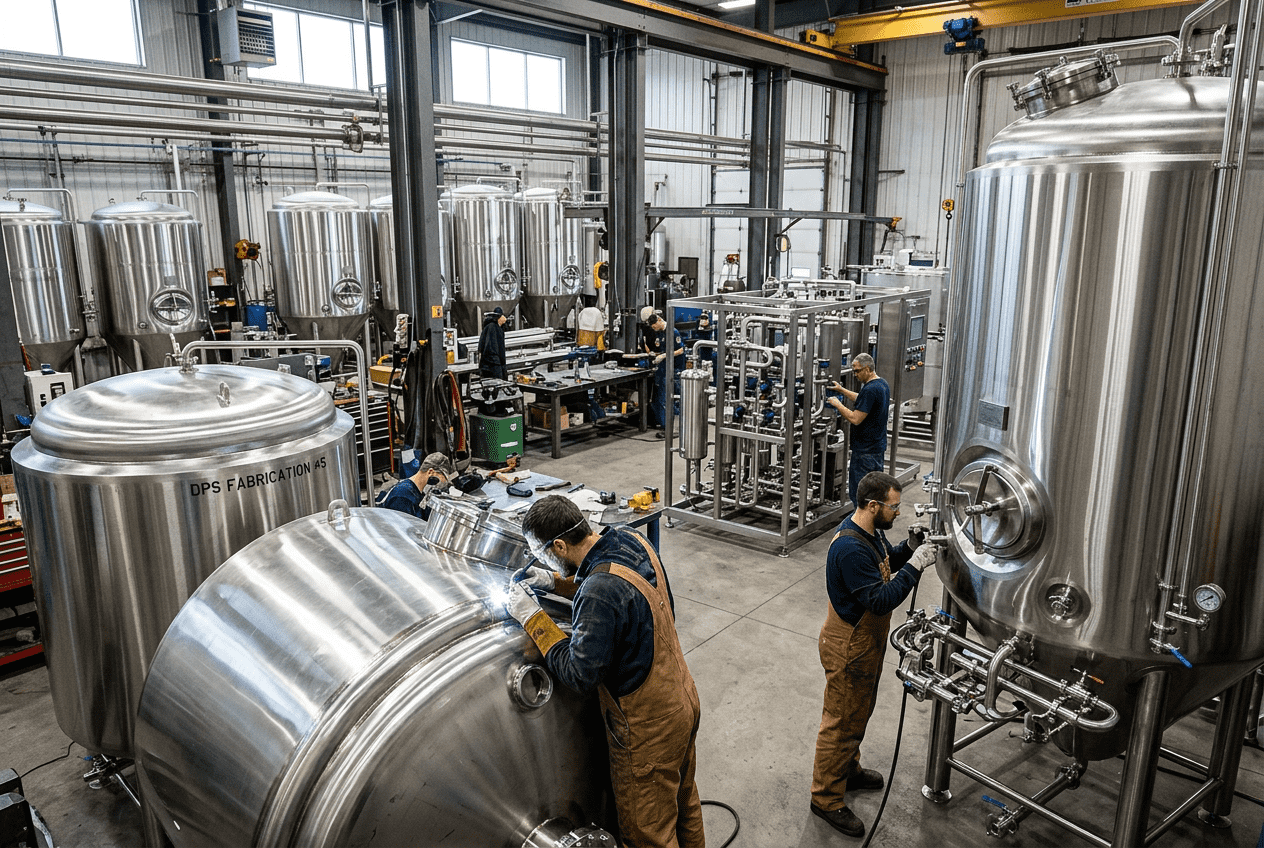
ERP Integration for Food Facilities: Connecting Shop Floor to Enterprise Planning
Food and beverage manufacturers in the United States are under pressure to run faster, document more, and protect margins in a market shaped by labor shortages, ingredient volatility, retailer compliance, and tighter traceability expectations. For many plants, the missing link is not another isolated software package. It is a practical integration layer that connects the shop floor to enterprise planning so that production, inventory, quality, maintenance, and cost data move in near real time. When implemented correctly, ERP integration for food facilities turns line activity into business visibility. That matters whether a processor runs protein lines in the Midwest, dairy systems in Wisconsin, aseptic beverages in California’s Central Valley, or co-packing operations near Atlanta, Dallas, Houston, Chicago, or the Port of Savannah. In each case, the business need is similar: plant events must update planning, and planning decisions must reach the floor without delay. The result is better schedule adherence, cleaner lot genealogy, faster issue response, and stronger operating profit. This page explains how food manufacturers in the United States can connect PLCs, SCADA, sensors, MES functions, maintenance workflows, and ERP platforms into one operational model. It also outlines where specialized engineering and integration partners add value, especially in regulated environments governed by FDA, USDA, SQF, and BRC expectations. The quick answer is simple: food facilities benefit most from ERP integration when they connect production orders, inventory movements, quality events, and maintenance costs directly to plant-floor signals and operator actions. Instead of waiting for end-of-shift data entry, the system captures events as they happen. That means a batch start updates ERP status, ingredient consumption reduces inventory, downtime creates maintenance activity, sensor excursions trigger alerts, and quality holds stop affected lots from moving forward. For U.S. food plants, the highest-value integration points usually include: Plants that make the biggest gains typically start with the processes that lose the most money when data is late: recipe execution, ingredient loss, changeover downtime, quality release delays, and manual reconciliation between operations and finance. The table above shows why ERP integration is not just an IT project. It is an operations and margin project. The most successful U.S. implementations are led jointly by plant leadership, finance, quality, maintenance, and engineering rather than software alone. In food manufacturing, production order visibility breaks down when the ERP system assumes work is on plan but the floor is already behind, short on ingredients, waiting on sanitation, or holding a lot pending quality release. Live order status closes that gap. As operators start a run, complete a batch, consume ingredients, or palletize finished goods, the connected system updates the ERP transaction layer automatically or through guided confirmation screens. This is especially important in high-volume U.S. corridors such as Southern California, the Chicago region, North Carolina, and Texas, where plants often coordinate inbound ingredients, copacker schedules, contract warehousing, and outbound truck appointments on tight windows. A delay in one syrup room, cook line, retort cell, or filler can ripple into labor, freight, and customer service cost. Real-time inventory synchronization should include: Plants handling allergens, proteins, dairy, or aseptic products gain additional value because accurate lot tracking reduces exposure during investigations and recall simulations. The system should also support localized plant realities, such as off-line staging near docks, freezer storage, or remote silos connected to bulk receiving. The table above illustrates why data ownership matters as much as system architecture. When responsibilities are clear, real-time order and inventory synchronization becomes reliable rather than noisy. The line chart shows a realistic growth path for digital integration adoption in U.S. food plants. The trend is driven by labor scarcity, retailer compliance, cybersecurity upgrades, and the move toward more automated reporting across multi-site operations. Many food facilities still depend on operators or supervisors to report equipment trouble after the fact. That approach creates blind spots, especially for utility systems and critical processing assets that run around the clock. A better model is to let sensors create a maintenance signal before the failure becomes expensive. When vibration, temperature, pressure differential, motor current, compressor runtime, pump cavitation, or tank level trends cross defined limits, the system can generate a work order or inspection task automatically. This capability is valuable in breweries, dairy plants, meat processing rooms, retort facilities, and beverage utilities where boilers, compressed air, glycol, chilled water, and CIP systems are central to uptime. In cities with high production concentration, such as Milwaukee, Fresno, Houston, and Charlotte, even a short failure can disrupt multiple customer commitments if the plant serves regional distribution. Automated work order generation requires more than attaching sensors to assets. It requires an engineered rule set. Thresholds must be practical, equipment criticality must be ranked, and alarm floods must be prevented. A boiler stack temperature alarm should not create the same workflow as a minor noncritical room fan fluctuation. The table above demonstrates how condition-based rules should be mapped by asset class. The best programs do not over-automate. They prioritize the assets with the highest effect on food safety, throughput, utility stability, and regulatory exposure. In practice, the workflow often looks like this: the sensor trend exceeds limit, SCADA or edge software validates the event, the CMMS or ERP maintenance module creates a work order, a supervisor receives notification, and technician labor plus parts usage post back to the financial record. That closes the loop between machine condition and business cost. Yield loss is one of the fastest ways to give away profit in food manufacturing. A few extra pounds of giveaway, higher-than-standard evaporation, overfill on a beverage line, protein trim loss, or an ingredient dosing issue can erode margin long before the month-end financial package reveals the problem. Yield variance reporting should therefore operate at the batch, lot, shift, and line level, not just in summary reports. In U.S. markets where ingredient and packaging costs remain volatile, batch-level cost deviation alerts help plants act sooner. If a sauce line in New Jersey runs 3.5% below expected yield, or a dairy blend system in Wisconsin shows repeated overuse of a high-cost ingredient, the system should flag the deviation while corrective action is still possible. This is particularly valuable for co-packers whose profitability depends on exacting conversion cost control. A robust setup includes: The area chart highlights a realistic shift toward proactive yield monitoring. As ingredient inflation and retailer pricing pressure continue, more U.S. processors are moving from retrospective yield analysis to live cost deviation alerting. The table above is most useful when paired with alert tolerances. Not every variance deserves the same response. High-value ingredients, short shelf-life products, and contract manufacturing programs often need tighter thresholds than commodity or low-complexity SKUs. Quality hold management is one of the clearest reasons to integrate ERP and shop floor systems in food facilities. When a lot fails a microbiological test, drifts outside a process control limit, misses a label verification check, or is linked to a sanitation concern, the affected material must be isolated immediately. If operators, warehouse teams, and planning systems do not see the same hold status, the risk of accidental use or shipment rises sharply. An automated hold and disposition workflow typically begins with a trigger from lab results, inline inspection, CCP deviation, environmental monitoring, or operator exception entry. The system should then assign a hold code, block movement in ERP, notify stakeholders, preserve genealogy, and route the case for disposition. Depending on plant policy, disposition options may include release, rework, downgrade, destruction, return to vendor, or further investigation. Food manufacturers shipping through major U.S. distribution hubs such as Los Angeles/Long Beach, Memphis, New Jersey, and Savannah benefit from this control because lots often move quickly across sites and third-party warehouses. A delayed hold can become a national issue in hours, not days. Effective hold management should include: The bar chart shows how demand varies by industry segment. Aseptic, protein, and dairy environments often place the highest value on automated hold management because of shelf life, food safety, and traceability complexity. The explanation behind this table is straightforward: hold workflows work best when they are pre-designed rather than improvised. Plants that try to manage holds through email, spreadsheets, and verbal communication almost always discover gaps during audits or urgent investigations. Many food plants know their total maintenance spend, but far fewer know the true cost by line, asset, and failure mode. When maintenance costs are connected to ERP and production data, leadership can see which assets are absorbing labor, spare parts, contractor support, overtime, and downtime losses. That insight changes capital planning. It becomes easier to decide whether a filler should be rebuilt, whether a CIP skid needs redesign, or whether a legacy conveyor network is costing more than replacement. Asset-linked maintenance cost capture should include technician time, parts withdrawals, outside service invoices, downtime duration, impact on throughput, and recurring defect categories. In a plant with multiple process areas, such as receiving, blending, thermal processing, packaging, warehousing, and utilities, this cost view often reveals that support systems are the hidden bottleneck. A compressor, glycol loop, or steam distribution issue can affect more value than the production line it serves. For U.S. facilities managing large footprints or multi-site networks, this information also improves spare parts policy. Plants near logistics hubs like Dallas-Fort Worth or Chicago may centralize parts differently than remote facilities that cannot wait on next-day freight. The comparison chart shows why integration depth matters. Plants that connect ERP, production, and maintenance systems typically achieve much stronger cost visibility than facilities relying on isolated modules or manual data transfer. Buying advice for maintenance integration is practical: This is also where engineering context matters. A system integrator that understands process equipment, utilities, controls, and line operation will define better asset logic than a purely software-led deployment. To work in a U.S. food facility, ERP integration must be designed around plant reality, not abstract software diagrams. The technical architecture should reflect sanitation constraints, hazardous washdown environments, regulated process steps, recipe control needs, and the difference between continuous, batch, hybrid, and utility operations. At minimum, the design should address: For plants with legacy equipment, gateway architecture is often necessary. Some assets can expose clean data from PLCs. Others may require retrofit instrumentation, edge devices, or manual confirmation steps. The correct answer depends on cost, criticality, and the value of automation. From a technological capability standpoint, Disruptive Process Solutions brings an important advantage. The company operates as a food and beverage engineering partner with process, mechanical, electrical, structural, plumbing, and controls capability, including PLC programming, automation, and SCADA integration. That means software integration can be paired with physical process understanding rather than treated as a separate exercise. Companies evaluating design standards or control layer upgrades can review DPS’s broader engineering and project services as part of a coordinated plant modernization strategy. On the manufacturing capability side, DPS also understands the actual process systems generating the data. Its experience spans fermentation, distillation, HTST and UHT systems, tunnel and flash pasteurization, retort, HPP, blending, batching, in-line Brix control, dairy systems, protein processing, aseptic environments, and utility infrastructure such as CIP, boilers, compressed air, cooling towers, refrigeration, and water treatment. That matters because integration logic is only as good as the process assumptions underneath it. A team familiar with tank farms, cook systems, marination lines, and packaging constraints can map events more accurately to business transactions. The explanation for this table is that integration success depends on engineering discipline. Plants often underestimate the importance of naming conventions, time stamps, test scripts, and exception handling. Those details determine whether data can be trusted in daily use. The best implementation roadmap begins with business goals, not software features. A plant should first identify the specific problems to solve: poor schedule adherence, inventory inaccuracy, excessive giveaway, manual lot tracing, weak maintenance planning, or slow hold release. Once the pain points are ranked by financial impact, the integration scope becomes easier to define. A proven project sequence for U.S. food manufacturers looks like this: Best practices include limiting the first phase to high-value use cases, designing around operator usability, and validating exception scenarios early. A pilot that only works under perfect conditions is not ready for a food plant. The system must handle rework, lot splits, sanitation delays, partial batches, shift handoffs, and network interruptions. Service capability is where DPS can be especially relevant for manufacturers that need more than software coordination. Through its design-build-manage approach, the company supports capital planning, process engineering, owner’s representation, project and program management, general contracting where licensed, equipment supply, installation, integration, and commissioning. For plants planning broader upgrades around ERP integration, such as utility expansion, line relocation, new process rooms, or control modernization, that service model can reduce handoff risk. Manufacturers can also review project case examples to understand how integrated execution supports schedule, cost, and startup performance. Local supplier and partner strategy also matters. In the United States, projects often involve a mix of enterprise software teams, local electricians, regional automation firms, OEMs, and plant engineering staff. The most reliable outcomes come from a single integration plan that defines responsibility boundaries clearly, especially when work spans multiple states or includes warehouse and utility infrastructure. The table above works as a buying guide as well. If a provider cannot explain how it manages testing, data governance, startup support, and cross-functional ownership, the project will likely struggle even if the software is strong. Looking toward 2026, future trends in the United States include stronger sustainability reporting, energy-intensity monitoring by line, expanding digital traceability expectations, more cybersecurity requirements for OT environments, and broader use of AI-assisted anomaly detection. Policy and customer pressure will continue pushing food manufacturers toward better electronic records, less waste, and more defensible process control. Integration strategies designed now should leave room for carbon tracking, utility optimization, and automated compliance reporting later. Disruptive Process Solutions is a U.S.-based food and beverage engineering company serving manufacturers across all 50 states and Canada. Headquartered in Cary, North Carolina, with a West Coast presence in Lake Forest, California, DPS is structured to support agile project execution and fast decisions for capital and integration programs. More detail on the company’s background is available on the about page. What makes DPS relevant in ERP and shop-floor integration discussions is that the company approaches projects from the standpoint of profitable manufacturing, not isolated software implementation. It works across food and beverage applications including brewing, spirits, wine, RTD beverages, dairy, sauces, proteins, prepared foods, aseptic systems, and co-packing operations. That breadth matters because data architecture, process control, and physical design are tightly connected in real plants. DPS also supports equipment-related execution, including its own branded process equipment offering such as tanks, CIP systems, marination tumblers, and cooking vessels. Companies evaluating plant integration alongside equipment modernization can explore the process equipment portfolio to understand how physical systems and controls can be aligned from the beginning. For U.S. manufacturers, especially those managing growth, relocation, line expansion, or utility bottlenecks, the value proposition is straightforward: one partner can connect process engineering, installation, controls thinking, and project management under a business-first model. That is particularly useful when the plant does not simply need software data movement, but a coordinated plan spanning infrastructure, process performance, and long-term profitability. 1. What is the first step in ERP integration for a U.S. food plant?Start with a current-state assessment of production, inventory, quality, and maintenance workflows. Identify where manual entries delay decisions or create risk. 2. Does every plant need a full MES to connect the shop floor to ERP?No. Some facilities benefit from a full MES, while others can achieve strong results with targeted middleware, SCADA integration, mobile workflows, and selected execution functions. 3. Which industries gain the most from live ERP integration?Protein, dairy, beverage, aseptic, and co-packing facilities often see the fastest return because of traceability complexity, short production windows, and high throughput. 4. How long does implementation usually take?A pilot can often be completed in a few months, while a broader multi-line or multi-site program may take six to twelve months depending on legacy systems and scope. 5. Can legacy PLCs still be integrated?Usually yes. Some assets connect directly, while others need gateway devices, edge software, or a combination of automated and guided manual transactions. 6. What KPIs should be tracked after go-live?Order schedule adherence, inventory accuracy, hold response time, yield variance, maintenance cost by asset, downtime, and lot trace search time are core measures. 7. How does integration support compliance?It improves electronic records, audit trails, lot genealogy, hold control, and documented response workflows that support FDA, USDA, SQF, and BRC expectations. 8. Is ERP integration only for large enterprise plants?No. Mid-sized U.S. manufacturers often benefit significantly because they have enough complexity to suffer from disconnected systems but still move fast enough to implement change efficiently. 9. How should food plants evaluate suppliers?Choose partners that understand food process realities, not only software. Ask for experience in your product category, controls environment, utility systems, and regulatory context. 10. What should a 2026-ready architecture include?Cybersecure OT/IT connectivity, scalable APIs, lot-level traceability, energy and utility data capture, support for predictive maintenance, and room for sustainability reporting. -
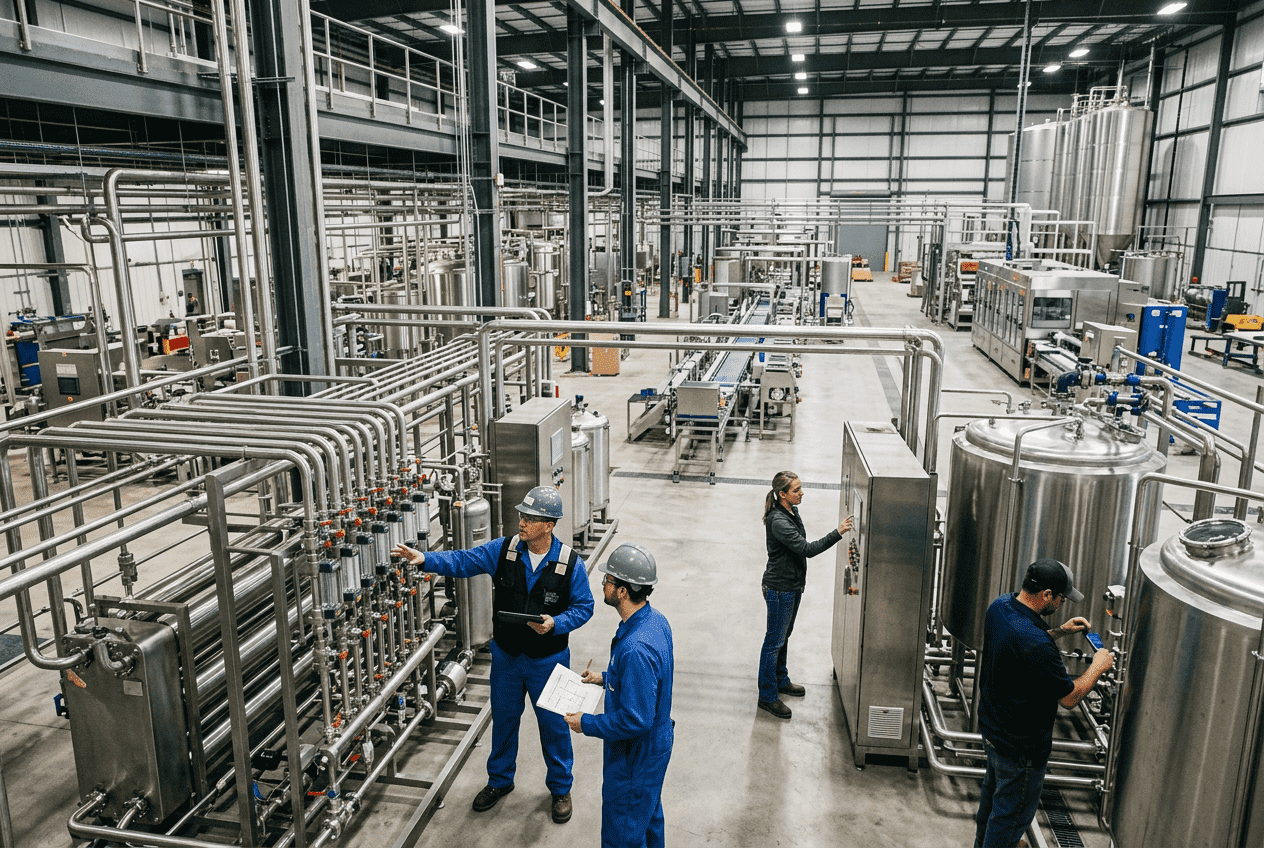
Kombucha Production Equipment
Commercial kombucha production equipment in the United States typically includes a tea brew kettle, sugar dissolution and ingredient handling systems, hot or cold liquor tanks, first-stage fermentation tanks, second-stage blending or conditioning tanks, brite tanks, refrigeration or glycol temperature control, sanitary transfer pumps, CIP systems, pH and quality monitoring tools, and a filling line suited to either still or carbonated live kombucha. The right layout depends on whether the brand will sell raw kombucha, pasteurized kombucha, or a hybrid product with flavoring, forced carbonation, and broader shelf distribution through grocery, foodservice, or co-packing channels. For manufacturers in markets such as Los Angeles, Austin, Chicago, Portland, Denver, Atlanta, and the Research Triangle, equipment decisions should be based not only on tank size but also on fermentation method, acidity management, packaging style, sanitation design, labor model, utility demand, and future expansion. Producers shipping through major logistics corridors near the Port of Long Beach, Port of Savannah, Port of Houston, or distribution hubs in New Jersey and the Midwest also need to think carefully about shelf stability, cold-chain reliability, and line uptime. Disruptive Process Solutions (DPS) supports beverage manufacturers across the United States and Canada with integrated process engineering, equipment supply, installation, automation, and capital project execution. For kombucha brands, that matters because the production system is never just a set of tanks; it is a complete operating platform that must support profitability, regulatory compliance, and scalable throughput. If you are selecting commercial kombucha brewing equipment, start with the production target and package format, then build backward. A small regional brand may begin with a 5 to 15 barrel tea brew and fermentation system, while a fast-growing brand serving multiple states may need 30 to 100 barrel fermentation capacity, dedicated blending tanks, brite tanks, a hygienic CIP skid, in-line instrumentation, and either a canning or bottling line with low-oxygen, counter-pressure capability. The core process usually follows this sequence: Most U.S. commercial producers also need documented sanitation procedures, pH logging, batch records, and thoughtful utility planning. CIP, glycol, compressed air, process drains, and floor layout are often more important than a shiny tank spec sheet. That is why many growing beverage companies use an integrated design-build approach rather than buying equipment piece by piece. The table above summarizes the minimum equipment categories found in most commercial kombucha plants. It also shows why equipment should be selected as a system: each item affects microbiology, quality consistency, and total production cost. A commercial kombucha line begins with the sweet tea base. The brew side normally includes water treatment, ingredient receiving, tea extraction, sugar addition, heat transfer, and transfer piping. In many U.S. facilities, producers adapt brewery-style hardware, but kombucha requires specific attention to acid exposure, sanitation, and culture management. The tea brew kettle should support repeatable extraction and complete sugar dissolution. Steam-jacketed kettles are common in larger plants because they deliver efficient heating and faster recovery between batches. Electric systems can work for smaller producers, especially in leased spaces where boiler installation is difficult. After brewing, the tea must be cooled quickly and transferred hygienically to fermentation or a holding tank. Plate heat exchangers are often used when the process design includes chilled water or glycol. On the downstream side, the brite tank becomes important when the product is force-carbonated, standardized, or held as a buffer before filling. Unlike primary fermentation vessels, brite tanks are pressure-rated and usually jacketed for precise temperature control. If the brand is producing a sparkling kombucha for retail chains in California, Texas, Florida, or the Northeast, a brite tank can help reduce package variability and improve filling line efficiency. Other important brewing-side components include: This table shows the equipment path from utility preparation to final packaging. For many brands, the biggest gains come from linking these stages through clean piping, automation, and smart tank scheduling rather than simply buying larger tanks. The line chart illustrates a realistic upward demand trend in commercial kombucha equipment across the United States, driven by premium functional beverages, multi-state distribution, and co-packing growth. SCOBY management is one of the clearest differences between kombucha and other beverage categories. A commercial producer cannot treat the culture like a casual ingredient. It is a biological production asset that needs traceability, protection, and predictable propagation. As operations scale, ad hoc culture handling becomes a major source of variation. Propagation vessels are used to maintain healthy starter liquid and, where relevant, pellicle formation. Many modern producers focus more on liquid inoculum control than on handling thick mats, but both require dedicated space and process discipline. Tanks should be easy to sanitize, easy to sample, and separated from non-culture activities. Exposure to aggressive cleaners, dead legs in piping, and poor temperature stability can all weaken performance. Fermentation tank design depends on process philosophy. Some brands use open or loosely covered vessels for traditional fermentation behavior; others prefer enclosed sanitary tanks with venting control and insect exclusion. In either case, material finish, port placement, sample valves, and cleanability matter. If the brand intends to maintain multiple flavor lines or regional SKUs, separate propagation and quarantine capacity is often wise. Important SCOBY management questions include: The table highlights how culture management moves from craft habit to engineered system as a kombucha producer grows. This is especially relevant for brands supplying chains that expect lot-to-lot uniformity. First-stage fermentation is where sweet tea becomes kombucha. The equipment choice here affects acid development, sugar depletion, microbial balance, and flavor complexity. Many U.S. producers prefer atmospheric or lightly vented vessels for primary fermentation. Tank geometry should allow manageable cleaning, low-stress transfers, and headspace appropriate to fermentation activity. Second-stage processing varies widely. Some brands conduct true secondary fermentation with flavor ingredients and natural carbonation; others use a controlled blending and conditioning step followed by force carbonation. The latter often provides better consistency for large retail programs, especially when products move through ambient staging before cold placement. Choose first- and second-stage equipment based on: A producer in Seattle serving specialty retailers may accept slower batch turnover for artisanal flavor complexity. A co-packer in the Midwest serving club-store programs will usually prioritize repeatability, CIP speed, and packaging compatibility. This comparison helps identify whether the plant should prioritize traditional fermentation character or packaging consistency. Many growing U.S. brands eventually adopt a hybrid approach: authentic primary fermentation followed by more controlled downstream handling. Temperature control is one of the most overlooked profit levers in kombucha production. Fermentation is biologically active, and seasonal changes in facilities from North Carolina to Arizona can create meaningful shifts in acidity, sugar use, and flavor development. Even a few degrees of drift can change batch timing and yield. Common temperature control methods include ambient-conditioned fermentation rooms, jacketed tanks with glycol loops, insulated vessels, and automated temperature feedback controls. For small operations, room conditioning may seem attractive, but it can become inefficient as tank count grows. Jacketed tanks offer better precision and make it easier to stagger batches. When evaluating temperature systems, consider: DPS regularly supports food and beverage clients with utility planning that includes glycol, boilers, compressed air, cooling towers, refrigeration, and controls. In kombucha projects, that broader utility expertise is critical because temperature performance depends on the entire plant infrastructure, not just the tank jacket. The bar chart shows where controlled fermentation infrastructure is most in demand: co-packers and national brands generally invest sooner because consistency and throughput are directly tied to margin and customer retention. pH monitoring is not optional in commercial kombucha. It is a core quality and food safety control point. Producers need reliable bench meters, calibrated probes, sampling procedures, and batch records that document acidification progress. In larger plants, pH data may be linked to SCADA or digital batch systems so supervisors can track trends across tanks and production weeks. Acidity control depends on more than measurement. It also requires control of inoculation rate, sweet tea composition, fermentation temperature, residence time, and transfer timing. If fruit additions are made after fermentation, their sugar and acid load must be accounted for. Brands seeking lower residual sugar or tighter sensory targets often benefit from formalized decision thresholds such as pH windows for transfer, flavor addition, or cold crash. Best practices in U.S. kombucha plants include: For companies scaling into retail chains across the United States, digital traceability becomes increasingly valuable. DPS brings automation, PLC programming, SCADA, and process integration expertise that can connect instrumentation, tank controls, utility systems, and reporting into a more manageable operating environment. The table above shows how pH control spans the whole process, not just the fermentation vessel. It is a plant-wide quality discipline. Carbonation is where many kombucha brands struggle as they scale. Live kombucha can continue changing in package, and the product’s acidity, solids, and biological activity can complicate fill performance. For sparkling products, the equipment must preserve carbonation while minimizing oxygen pickup and foam losses. Counter-pressure filling is often the preferred approach for live kombucha in cans or glass bottles when the product is carbonated in a brite tank before packaging. This method equalizes package pressure before fill, reducing breakout and improving consistency. For producers supplying natural grocery chains or refrigerated convenience channels, it can substantially improve finished quality and package appearance. Key carbonation equipment elements include: If the product contains pulp, puree, or botanical solids, filler selection becomes more specialized. Some brands also need package warmers or post-fill stabilization steps depending on the retail route. Canning lines in high-volume regions such as Southern California and the Northeast often justify more automation because labor cost and throughput expectations are higher. The area chart reflects the U.S. trend toward controlled carbonation systems rather than relying on unpredictable in-package refermentation. This shift is especially strong among brands pursuing wider distribution. One of the most important strategic decisions in kombucha production is whether the finished product will remain raw or receive a pasteurization step. The answer changes the equipment list, utility demand, quality program, and distribution strategy. Raw kombucha usually requires stricter cold-chain control and more careful package stability planning. It may preserve a brand identity built around live culture, but it also creates more sensitivity around residual fermentation, carbonation drift, and shelf variability. Equipment emphasis tends to be on culture integrity, refrigeration, sanitary handling, and rapid inventory movement. Pasteurized kombucha generally requires thermal processing equipment such as flash pasteurization, tunnel pasteurization, or another validated stabilization method. That can widen distribution and simplify some retail logistics, but it introduces additional capital cost and may alter sensory positioning. DPS has broad process experience with HTST, UHT, tunnel pasteurization, flash pasteurization, retort, aseptic systems, and integrated beverage processing. That wider thermal processing capability is valuable when a kombucha producer is evaluating not just equipment cost, but business model fit. The table makes it clear that shelf stability is not simply a quality question; it is a business and infrastructure decision. Brands planning to move beyond local cold distribution should evaluate this early. Scaling kombucha production is rarely a straight line. The move from pilot batches to regional commercial output usually exposes bottlenecks in utilities, labor flow, culture management, and packaging uptime before it exposes a lack of tank volume. Many producers discover that they do not need a larger system first; they need a smarter one. In the United States, successful scaling often follows these stages: Local conditions matter. A facility near Charlotte or Raleigh may have different utility economics than one in Oakland or Brooklyn. Access to ingredients, labor, cold storage, and freight lanes can change the best equipment configuration. Brands shipping nationwide also need to think about where co-packing, line balancing, or satellite production might lower delivered cost. DPS is especially relevant in this stage because its service model combines engineering, capital planning, installation, equipment integration, and project management. Through its Design Build Manage approach, the company works not just as an equipment seller but as a project partner focused on long-term profitability. Its technological capabilities include process, mechanical, structural, plumbing, electrical, and controls engineering, along with PLC programming and SCADA integration. Its manufacturing capabilities include proprietary process equipment such as tanks and CIP systems that can be integrated into broader plant solutions. Its service capabilities span feasibility, owner’s representation, turnkey installation, commissioning, and multi-trade coordination across North America. For kombucha producers, that kind of full-scope support can reduce risk during expansion, especially when adding new packaging, utilities, or facility infrastructure. You can learn more about the company’s background on the About Us page, explore broader beverage and food project support through its engineering and execution services, review available process equipment solutions, or see practical outcomes in selected project case studies. This table shows why each growth stage calls for a different investment mindset. Buying the largest possible fermenter is rarely the answer if filling, utilities, or culture control are the true constraints. The comparison chart shows why integrated project partners often outperform isolated equipment vendors for larger kombucha investments. Process, utilities, packaging, controls, and facility layout need to work together. At minimum, you need a brew kettle, sanitary fermentation vessels, transfer pumps, pH monitoring tools, refrigerated storage, cleaning equipment, and a packaging setup. Once volume increases, a dedicated CIP system, glycol control, and better filling technology usually become necessary. Not every component must be 316 stainless, but acidic products benefit from corrosion-resistant sanitary materials. Many plants use a mix of 304 and 316 depending on exposure, cleaning chemistry, and budget. Sometimes, yes. However, brewery tanks and piping should be reviewed for acid compatibility, venting, cleaning design, and process fit. A direct retrofit without engineering review can create sanitation and quality issues. If you sell carbonated kombucha and want consistent package pressure, a brite tank is highly recommended. For still kombucha or very small artisanal production, it may not be necessary. Counter-pressure filling is typically the best commercial option because it helps maintain carbonation and reduce oxygen pickup. The exact filler depends on package type, solids load, and line speed. That depends on brand positioning, shelf-life goals, and distribution model. Raw products often support a live-culture identity but require stronger cold-chain control. Pasteurized products can simplify broader distribution but require added equipment and process validation. Automation becomes increasingly valuable as batch count, SKU count, and retail commitments grow. PLC and SCADA tools help track temperatures, utilities, recipe steps, alarms, and production records more reliably. Three major trends stand out for 2026: first, more automation and digital batch traceability; second, stronger policy and retailer expectations around food safety documentation, sustainability, and utility efficiency; third, increased interest in flexible systems that can produce kombucha alongside adjacent functional beverages. Energy-efficient glycol systems, water reuse planning, low-loss filling, recyclable packaging compatibility, and future-ready controls will matter more every year. They should validate throughput assumptions, model utility demand, design for cleanability, and align equipment with actual distribution strategy. Working with a partner that understands engineering, installation, controls, and long-term operational economics can prevent expensive oversizing or the wrong process path. In summary, the best commercial kombucha production equipment is not defined by one tank or one machine. It is defined by how well the system supports safe fermentation, stable flavor, efficient cleaning, scalable packaging, and profitable growth in the United States market. From tea brew kettle to brite tank, and from culture propagation to plant-wide controls, the strongest projects are engineered around the full process and the business model behind it. -
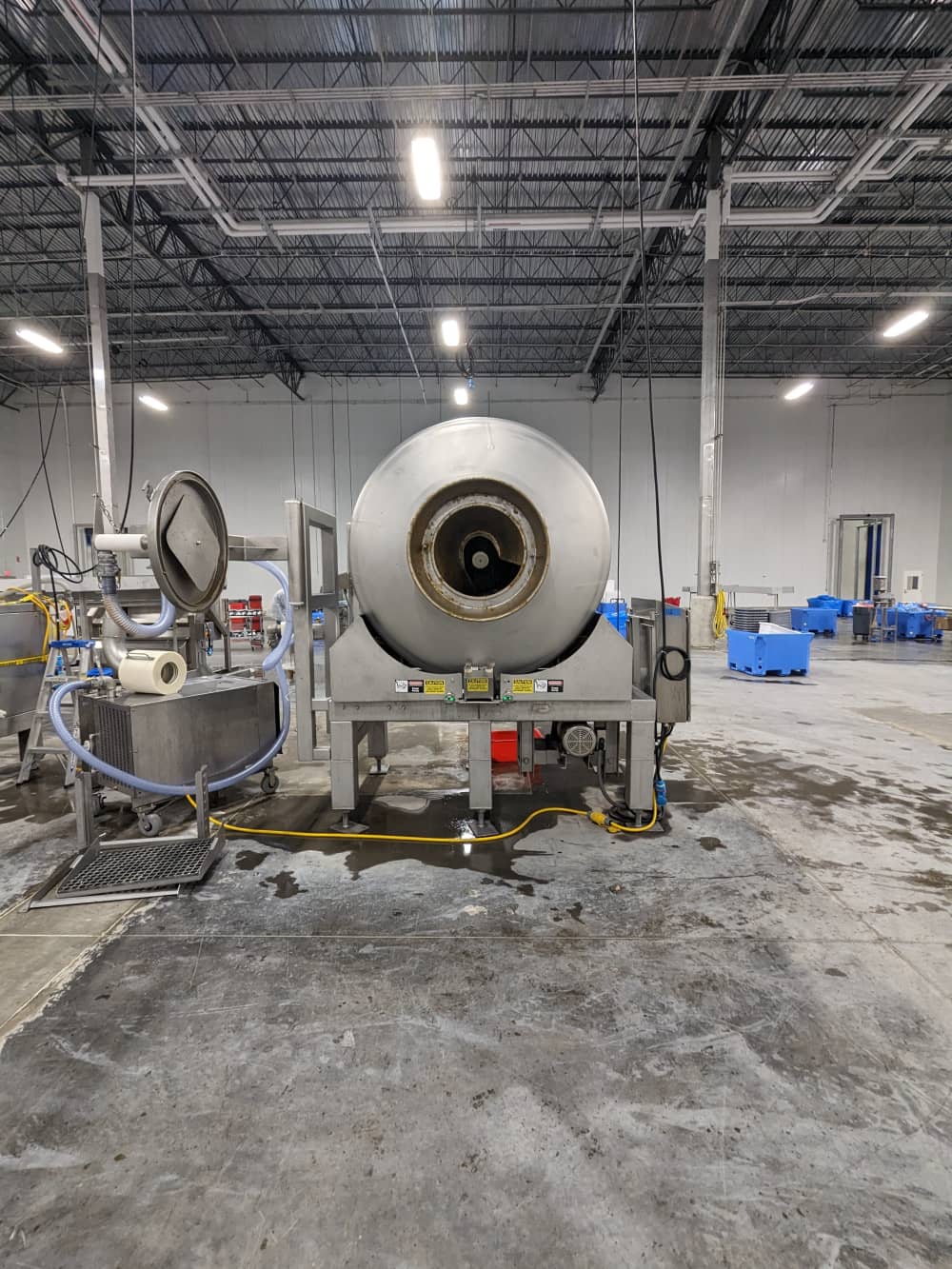
PLC Programming Standards for Food Plants: ISA-88 Batch Control Guide
Food and beverage manufacturers in the United States are under constant pressure to improve throughput, protect product quality, reduce water and chemical use, and satisfy FDA, USDA, SQF, BRC, and customer audit expectations. A modern PLC programming standard for food plants should therefore do more than make machines run. It should define how hygienic hardware is selected, how equipment is modeled, how recipes are managed, how CIP is automated, and how traceability data is captured and retained. When these elements are aligned around ISA-88 batch control principles, plants gain a cleaner path to expansion, line flexibility, and regulatory confidence. This guide is written for plant managers, maintenance leaders, automation engineers, operations executives, and capital project teams evaluating food processing controls across the United States, from protein processors in the Midwest to beverage fillers in California, dairy plants in Wisconsin, and co-packers near major freight corridors such as Chicago, Houston, Atlanta, Charlotte, Los Angeles, and the Port of Savannah. It explains what buyers should specify, what industries benefit most, what applications create the fastest payback, and how an experienced engineering partner can reduce execution risk. The short answer is this: the best PLC programming standard for a United States food plant is an ISA-88-based batch control architecture built on hygienic industrial hardware, modular equipment phases, recipe management separated from equipment logic, validated CIP sequences, and plantwide traceability tied to HACCP and FDA 21 CFR Part 11 expectations. This approach works especially well for dairies, prepared foods, sauces, marinades, cultured products, RTD beverages, aseptic systems, protein processing, ingredient blending, and contract manufacturing environments where one facility must run multiple SKUs with frequent changeovers. In practical terms, that means using PLC code libraries organized by units, equipment modules, and control modules; standardizing alarms, states, permissives, interlocks, and operator prompts; selecting enclosures and field devices that withstand caustic washdown; and building a historian, batch reporting, and user access structure that supports investigations and electronic records. Plants that hard-code recipes into the PLC can run, but they usually struggle when new products are introduced, when a customer changes fill targets, or when sanitation and quality records must be produced quickly during an audit. For buyers in the United States market, three factors matter most. First, the controls platform must fit the process and cleaning environment. Second, the automation design must support future capacity, not just current throughput. Third, the project partner must understand food and beverage operations, not only controls code. This is why many processors now seek integrated engineering teams that can connect utilities, process design, controls, installation, and startup rather than treating PLC programming as an isolated scope. Common product categories that benefit from ISA-88-driven standards include yogurt, cheese milk standardization, sauces, dressings, soups, cooked proteins, marinated products, fermented beverages, carbonated drinks, hot-fill juice, flavor systems, plant-based proteins, and contract-packaged goods. Typical applications include ingredient receiving, batching, blending, thermal processing, hold-and-release, CIP, tank farm automation, transfer routing, filler feed control, and lot traceability. Buying advice for U.S. plants: specify your sanitary requirements, recipe structure, reporting expectations, ERP or MES interfaces, and validation needs before panel fabrication starts. Too many facilities delay these decisions until FAT or startup, which drives rework and operator frustration. The market direction is clear. Food plants in the United States are moving from operator-dependent batch execution toward repeatable digital workflows that improve consistency while reducing training burden across multiple shifts and labor pools. The chart above illustrates a realistic growth pattern for standardized batch automation adoption in United States food manufacturing. Growth is being supported by labor shortages, customer quality demands, sustainability targets, and the need to manage more SKUs without expanding manual supervision. Hygienic hardware design is the foundation of reliable food plant automation. Even the best PLC code will fail in the wrong enclosure or with poorly selected field hardware. In washdown zones, controls components must survive repeated exposure to water, foam, sanitizers, temperature swings, and aggressive chemicals. For that reason, NEMA 4X and, in many cases, IP69K-rated enclosures, operator stations, and junction hardware are frequently appropriate in U.S. food and beverage facilities. NEMA 4X addresses protection against corrosion, hose-directed water, and splashing, while IP69K generally supports high-pressure, high-temperature washdown performance. They are not interchangeable labels in every context, so engineering teams should evaluate both the environmental exposure and the sanitation method. A dry ingredient mezzanine in Kansas City may not require the same construction as a poultry deboning line in Arkansas or a fresh beverage room near Tampa where humidity and clean-down routines are intense. Material selection matters just as much as rating. Stainless steel 304 is common, but 316 or 316L can be preferable when chloride-heavy cleaners or coastal environments are involved, especially in facilities near ports such as Long Beach, Newark, or New Orleans. Sloped-top enclosures, hygienic cable glands, minimal horizontal ledges, sealed HMIs, and remote I/O placement that reduces long runs of conduit all improve cleanability and maintenance access. Plants should also standardize panel cooling philosophy. Traditional filtered fans can become contamination points in wet areas. In sanitary spaces, sealed panels, remote mounting, purged enclosures, or heat exchangers may be better choices depending on heat load and maintenance strategy. The right answer depends on process layout, washdown frequency, and operator access requirements. This table shows that hygienic hardware decisions are not cosmetic. They directly affect downtime, sanitation performance, and total cost of ownership. Plants that under-specify hardware often pay later through nuisance faults, corroded components, or operator stations that cannot survive the cleaning program. For companies planning greenfield or expansion projects, it is wise to coordinate hygienic controls design with process layout, utility routing, and sanitation standard operating procedures. A multidisciplinary partner can usually identify better panel locations, cleaner cable pathways, and safer operator access points early in design. For an overview of integrated project delivery capabilities, many manufacturers start by reviewing a provider’s food and beverage engineering services before finalizing controls standards. ISA-88 gives food plants a clear way to structure equipment and control logic. Instead of writing one large custom PLC program for every line, the physical model organizes automation into enterprise, site, area, process cell, unit, equipment module, and control module levels. This structure is especially powerful in food processing because many facilities share repeated patterns: tanks, pumps, valves, heat exchangers, mixers, fillers, and CIP skids. For example, a prepared foods facility in Ohio might define one area for sauce preparation, another for cook systems, and another for packaging. Within sauce preparation, each blend tank becomes a unit. Agitation, temperature control, ingredient addition, and transfer routing become equipment modules. The individual devices such as pump starts, valve opens, flow transmitters, and load cells become control modules. That hierarchy makes programming easier to test, easier to expand, and easier to hand off to maintenance teams. This model is equally valuable in beverage plants. A co-packing site near Dallas or Riverside may have a syrup room, a blending area, a CIP process cell, and multiple packaging lines. With ISA-88, recipe logic can call standardized phases across the site without rewriting equipment code for each product. That improves consistency and shortens commissioning time. The table above demonstrates how ISA-88 supports both engineering discipline and day-to-day operations. It also strengthens training. Operators learn a common set of states and command behaviors, while technicians troubleshoot within a standard hierarchy instead of searching through custom code blocks. Demand for ISA-88-style control structures is rising across multiple sectors of the United States food economy, especially where SKU complexity is high or sanitation is critical. This bar chart reflects realistic relative demand in the U.S. market. Co-packers, dairy processors, and beverage manufacturers often lead because they handle frequent formula changeovers, customer-specific reporting, and aggressive growth targets. One of the most important ISA-88 principles is the separation of recipe from equipment. In plain language, product definitions should not be buried in device logic. The equipment should know how to heat, mix, transfer, dose, hold, and clean. The recipe should decide what to make, in what order, with what setpoints, tolerances, materials, and quality checks. This separation gives food plants flexibility. A sauce producer launching new retail SKUs can create or revise formulas without rewriting core equipment code. A dairy processor can manage fat standardization, culture additions, and hold times in a recipe layer. A beverage co-packer can support multiple brands on shared assets while preserving customer-specific parameters and audit trails. Recipe-driven control also supports scale-up and multi-site replication. A pilot recipe developed in North Carolina can be transferred to a larger process cell in California or Texas with fewer logic changes if the equipment model is standardized. This is a major advantage for growing manufacturers and private-label operations. The explanation here is straightforward: recipes define product intent, while equipment phases define how the plant performs actions. When these are separated cleanly, engineering change control becomes easier, validation becomes more manageable, and operations gains confidence that product changes will not unintentionally break machine behavior. Many U.S. plants are now shifting from hard-coded logic toward parameterized and recipe-driven execution. The area chart shows a realistic trend shift in the United States. As labor costs rise and SKU proliferation continues, plants need systems that let them launch products quickly without rebuilding the automation foundation every time. For facilities evaluating platforms, the buying question is not just whether a vendor can make a recipe screen. The real question is whether the control architecture supports procedural logic, reusable phases, version control, approval workflows, and secure change history. Those details determine whether the system remains useful after the first ten recipe revisions. Clean-in-place automation is often where food plant controls standards either prove their value or expose their weakness. Manual or loosely automated CIP may seem workable during normal production, but it creates major risks when documentation is needed for sanitation verification, allergen management, or product release decisions. A well-designed CIP sequence should automate routing, pre-rinse, caustic wash, intermediate rinse, acid wash when required, final rinse, sanitize steps where applicable, conductivity control, temperature hold, time verification, and return logic. In United States plants, CIP validation is driven by a mix of internal sanitation programs, customer standards, and regulatory obligations. Even where a specific regulation does not dictate exact sequence structure, processors must be able to demonstrate that cleaning was performed consistently and effectively. For many facilities, that means time-stamped records, exception alarms, user attribution, and retained reports that support investigations. Utilities design matters here too. If hot water capacity, chemical dosing, return flow, or tank sizing are inadequate, no amount of PLC programming will fix the sanitation outcome. This is why leading project teams integrate process engineering and controls engineering during CIP design rather than handing the PLC team a nearly finished skid. The table emphasizes that CIP should be treated as a controlled process, not merely a timer-based rinse routine. Validation-ready automation reduces dependency on tribal knowledge and creates consistency across crews and shifts. Plants operating under frequent customer audits should also think about exception handling. If conductivity never reaches target or a supply tank level drops unexpectedly, the sequence should respond predictably: pause, alarm, divert, abort, or require supervisor intervention according to predefined rules. That is far better than leaving operators to improvise under production pressure. A useful case pattern in the U.S. market is the retrofit project where an older plant already has tanks, pumps, and piping but lacks digital CIP proof. In these cases, modest investments in instrumentation, sequencing, and reporting often deliver strong returns by reducing reruns, product holds, and sanitation uncertainty. Traceability is no longer a nice-to-have for food plants. It is central to risk management, customer trust, and response speed when something goes wrong. In an ISA-88-aligned control system, traceability should connect material lots, operator actions, equipment states, process parameters, quality checks, and finished batch records. That data supports HACCP monitoring and helps manufacturers align with electronic record and signature expectations under FDA 21 CFR Part 11 where applicable. For example, a ready-to-drink beverage facility near the Port of Los Angeles may receive sweeteners, flavors, and packaging components from multiple domestic and imported sources. If a supplier issue arises, the plant must know which batches used which lots, who authorized release, what temperatures and hold times were achieved, and whether any deviations occurred. A modern PLC-SCADA-batch system can make that information retrievable in minutes instead of hours. The same applies to allergen-heavy prepared foods plants in New Jersey, bakery ingredient processors in Pennsylvania, or protein plants near Omaha and Sioux City. Traceability must span receiving through processing, rework where permitted, packaging, and sometimes palletization and shipping system interfaces. Without a structured data model, reports become fragmented and difficult to trust. This table highlights the minimum information architecture many U.S. food plants should target. Traceability only works if records are connected and trustworthy. That usually requires secure user management, synchronized timestamps, backup strategy, and clear procedures for review and retention. By 2026, future-ready plants will increasingly combine ISA-88 batch data with vision systems, inline analytics, energy monitoring, and sustainability metrics. Regulatory pressure around food safety will continue, but market pressure around transparency and resource efficiency will also grow. Plants that digitize traceability now will be in a stronger position to support customer scorecards, ESG reporting, and AI-enabled process optimization later. A robust food plant automation specification should define both functional and engineering requirements. Functional requirements include recipe execution, permissives, alarm strategy, device states, phase logic, reporting, historian integration, user roles, and CIP automation. Engineering requirements include electrical design criteria, panel construction, network architecture, cybersecurity expectations, environmental ratings, factory testing, site acceptance, and documentation deliverables. At the technology level, successful projects usually standardize PLC families, remote I/O architecture, industrial Ethernet networks, managed switches, VFD integration, instrumentation signal types, and SCADA tag structures. They also define simulation expectations, FAT scripts, and how equipment phases will be tested before startup. Food plants benefit greatly from standardized libraries for pumps, valves, VFDs, analog loops, load cells, temperature control, and routing matrices. Manufacturing capability matters too. When panels, skids, tanks, and utility modules are engineered together, integration quality improves. This is one area where a partner with both process and controls experience can help reduce field clashes and commissioning delays. Manufacturers evaluating integrated providers often review available process equipment solutions alongside controls capabilities to ensure the full package will work as one system. For plants planning expansions, another critical requirement is scalability. The automation standard should support additional tanks, future recipes, secondary packaging interfaces, utility skids, and enterprise data connections. A narrow design that only fits today’s line speed can create expensive rework two years later. The explanation for this table is simple: engineering rigor creates operational flexibility. Plants that invest in standards up front usually commission faster, train faster, and expand faster. In terms of technological capability, Disruptive Process Solutions supports food and beverage manufacturers with process, mechanical, electrical, structural, plumbing, and controls engineering tied to PLC programming, SCADA, batching, utility integration, and commissioning. That matters because recipe control, thermal systems, water treatment, and CIP all interact. In terms of manufacturing capability, the company also works with integrated processing assets such as tanks, custom CIP systems, and other sanitary equipment that can be coordinated with the controls scope rather than left as disconnected packages. Implementation should follow a disciplined roadmap. The best projects do not begin with screen mockups or ad hoc programming. They begin with process definition, risk review, and business alignment. Plants should identify the target products, batch sizes, required changeover frequency, sanitation approach, traceability depth, labor model, and future capacity goals. That business context drives the right automation standard. A strong roadmap for a United States food plant includes front-end assessment, basis of design, controls narrative, functional specification, I/O and network development, panel and skid fabrication, FAT, installation, SAT, commissioning, operator training, and post-start optimization. Best practice is to involve quality, sanitation, maintenance, operations, IT, and finance early. Each group sees different risks, and those risks often surface too late when only engineering is in the room. Project teams should also decide how they will source the work. Some plants buy controls only and self-manage the rest. Others choose a broader engineering and integration model. In facilities with complex utilities, multiple trades, and aggressive startup dates, broader delivery models often reduce schedule and interface risk. The table shows why phased execution is so important. Each step lowers a specific risk. Plants that skip front-end definition often spend more later in change orders, startup delays, and extended commissioning labor. This comparison chart reflects a common sourcing reality. A local supplier may be cost-effective for a narrow scope, while a full design-build execution model often creates better coordination for larger food and beverage capital projects involving utilities, sanitary process systems, controls, and trade management. Local supplier strategy still matters. Plants in the Carolinas may rely on regional stainless fabricators, panel builders, and mechanical trades. Midwest processors often benefit from nearby fabrication and rapid field service support. West Coast beverage projects may prioritize partners with strong packaging and utility experience around California and Arizona. The right mix depends on schedule, internal engineering depth, and how much integration responsibility the owner wants to carry. A practical case example illustrates the value of best practices. In one project pattern frequently seen in the market, a manufacturer prepares for a multimillion-dollar capacity expansion because output appears constrained. After detailed review, the real bottleneck turns out to be PLC sequencing, recipe handling, or changeover logic. Fixing the controls architecture can unlock major throughput before new steel is purchased. That kind of result only happens when the engineering team looks at operations, equipment, and business economics together. From a service capability perspective, Disruptive Process Solutions positions itself around this integrated execution mindset. The company works across capital planning, engineering, installation coordination, automation integration, and project management so manufacturers can move from concept through startup with one accountable team structure. More information on this type of approach can be found through recent project case examples that show how engineering decisions affect commercial outcomes. Looking toward 2026, project best practices will increasingly include cybersecurity-by-design, utility efficiency tracking, water reuse planning, energy benchmarking, and AI-assisted anomaly detection. Sustainability and policy pressure will push plants to document not only product quality and sanitation performance, but also water, steam, and chemical consumption by batch or by SKU family. Disruptive Process Solutions serves food and beverage manufacturers across the United States and Canada with an approach built around profitable project execution, honest technical guidance, and end-to-end accountability. Rather than functioning only as a programmer or only as a contractor, the company combines engineering, installation leadership, automation integration, and project management under a design-build-manage model that is especially useful for processors balancing speed, compliance, and capital discipline. Its work spans beverage, dairy, protein, prepared foods, ingredients, aseptic systems, and utility-intensive manufacturing. That range matters because food plants rarely need controls in isolation. They need process understanding, hygienic design awareness, field execution, and startup support working together. DPS supports those needs with a lean, experienced team that can move quickly while still addressing larger project governance requirements. On the technology side, the firm brings capabilities in process and controls engineering, PLC programming, SCADA, batch systems, utility integration, and commissioning. On the manufacturing side, it supports sanitary process equipment and custom systems that can be coordinated with automation standards. On the service side, it delivers planning, owners representation, engineering, construction coordination, installation, and system integration for clients seeking a single partner across the project lifecycle. Manufacturers that want to understand the team, experience, and project philosophy in more detail can visit the company’s about page. For U.S. processors evaluating whether to standardize a plant, expand capacity, or retrofit legacy automation, that kind of background review is an important step in selecting a partner that fits both the technical need and the business objective. What is the biggest advantage of ISA-88 for a food plant?It creates a reusable structure for equipment and recipes, making new product launches, troubleshooting, training, and expansion easier and more consistent. Do all food plants need full batch software to benefit from ISA-88?No. Even plants using PLC and SCADA without a separate batch server can benefit from ISA-88 concepts such as equipment hierarchy, phase logic, and recipe separation. When should a plant require NEMA 4X or IP69K hardware?Whenever equipment is exposed to regular washdown, corrosive cleaners, or direct spray. The exact selection depends on sanitation intensity, environment, and maintenance strategy. How does recipe-driven control improve production?It reduces code changes for product revisions, improves repeatability, supports faster SKU introduction, and helps maintain a clear audit trail of process parameters. Why is CIP automation so important in U.S. food manufacturing?Because sanitation consistency affects food safety, allergen control, uptime, water use, and audit readiness. Automated records also make investigations much faster. How does this relate to HACCP and FDA 21 CFR Part 11?Traceability, controlled access, audit trails, and secure electronic records help support HACCP monitoring and align with Part 11 expectations where electronic records and signatures are part of the quality system. Can legacy plants be upgraded without full replacement?Yes. Many facilities can retrofit sensors, HMIs, networking, and reporting while reusing tanks, pumps, piping, and some existing PLC assets if they are still supportable. Which industries gain the fastest ROI from standardized batch control?Dairy, beverage, co-packing, sauces, cultured products, aseptic processing, and prepared foods often see rapid returns because they manage many SKUs and frequent changeovers. What should buyers include in an automation RFP?Include sanitary environment requirements, recipe structure, reporting expectations, CIP functions, network standards, user roles, validation requirements, FAT/SAT scope, and future expansion plans. What trends should U.S. food plants plan for by 2026?Expect more emphasis on cybersecurity, electronic traceability, sustainability metrics, water and energy optimization, AI-supported diagnostics, and scalable recipe management for flexible manufacturing. -
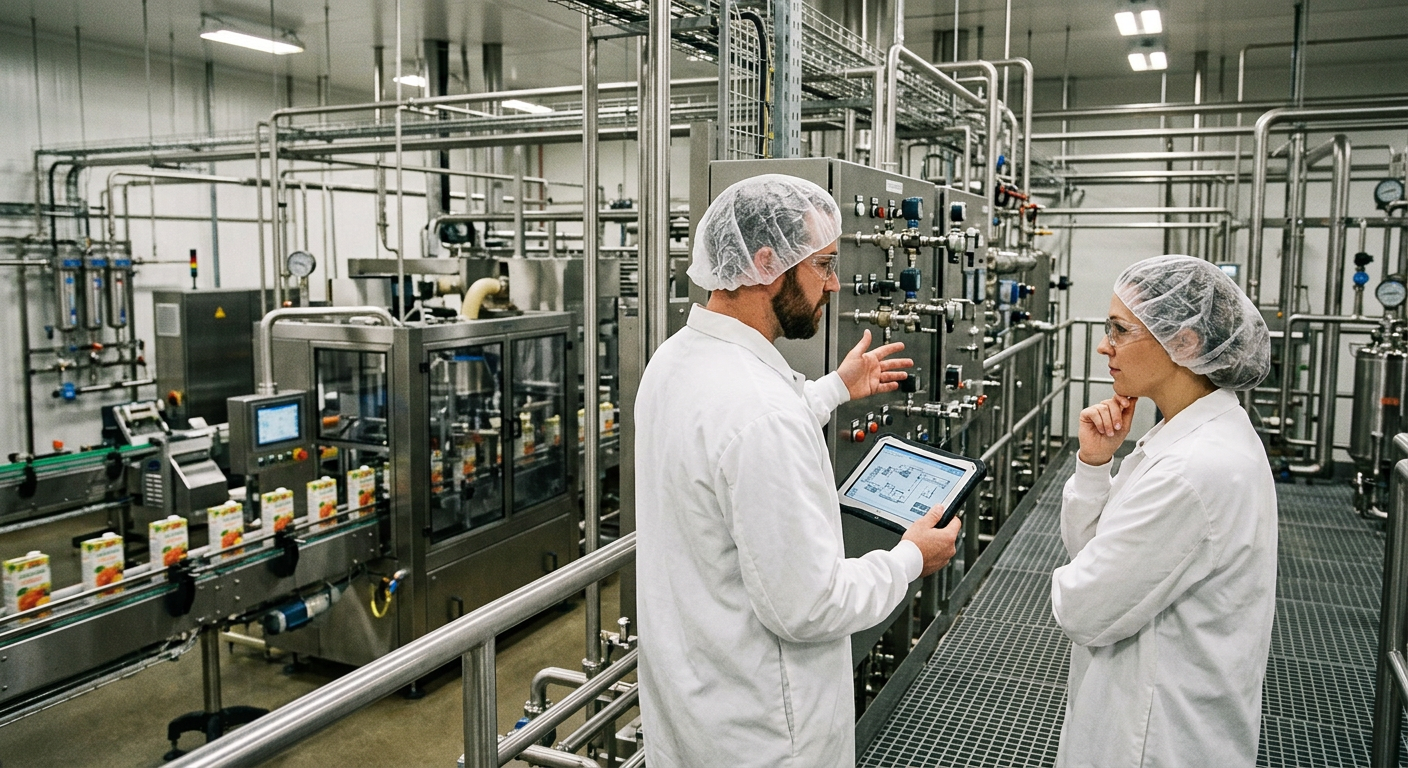
Beverage Syrup Room Design
A high-performing syrup room design in the United States should support safe ingredient handling, accurate Brix control, sanitary construction, efficient changeovers, and scalable production. The best designs reduce labor, shorten batch cycles, improve flavor consistency, and align with FDA, SQF, BRC, and sanitary design expectations. For beverage producers, co-packers, breweries, dairy beverage plants, and functional drink manufacturers, the syrup room is not just a utility area; it is a core production asset that directly affects yield, uptime, quality, and profitability. Across U.S. beverage markets, especially in manufacturing hubs such as North Carolina, Texas, California, Illinois, Georgia, and New Jersey, syrup rooms are being redesigned to support more SKUs, more allergen-sensitive formulations, and tighter traceability. Facilities near major logistics corridors like the Port of Savannah, Port of Los Angeles, Port of Houston, and the Chicago rail network increasingly need syrup systems that can switch between carbonated soft drinks, energy drinks, teas, dairy-based beverages, flavored waters, and concentrates without excessive downtime. For companies planning a greenfield plant, expansion, or retrofit, smart syrup room planning begins with process flow, not just equipment selection. That means matching dissolving technology to throughput, locating ingredient storage to reduce forklift traffic, engineering filtration and inline measurement into the process, and building a dedicated clean-in-place strategy around actual sanitation risk. This is where a partner with process, utility, controls, and installation experience can make a measurable difference. Companies looking to understand integrated food and beverage engineering support can review the DPS team approach and how project strategy is tied to manufacturing outcomes. The most effective beverage syrup room design balances four priorities: product quality, sanitary access, operational efficiency, and long-term expansion. In practice, this means separating dry ingredient receiving from finished syrup transfer, minimizing dead legs in piping, automating Brix verification, using dedicated allergen controls, and designing CIP circuits around vessel geometry and line routing. A small craft beverage plant may rely on flexible batch kettles and mobile totes, while a large co-packer may require continuous sugar dissolving, automated ingredient dosing, recirculating syrup loops, and recipe-driven SCADA integration. In the United States, the right design also depends on local utility economics, labor availability, state-level permitting, and customer audit expectations. A plant in Southern California may prioritize water recovery and compact footprint. A Texas operation may focus on high-throughput sugar handling and summer cooling loads. A Northeast producer serving retail and foodservice channels may need wider formulation flexibility and more frequent flavor changeovers. Good design adapts to the commercial model, not the other way around. The table above shows why syrup room performance is not driven by one machine alone. It comes from a complete system in which ingredients, controls, sanitation, utility support, and operator movement are all designed together. A well-planned syrup room layout starts with one question: how does material move from receiving to finished syrup delivery with the fewest unnecessary touches? In many U.S. plants, syrup room problems come from retrofits where new tanks were added wherever floor space was available. The result is poor operator visibility, long hose runs, awkward access to valves, overlapping forklift traffic, and sanitation blind spots. Best practice is to create distinct zones for dry ingredient handling, liquid ingredient staging, sugar dissolving, blend make-up, filtration, finished syrup storage, and CIP support. Dry sugar or sweetener unloading should be physically separated from open liquid transfer points to limit dust and contamination. Flavor additions should occur in a controlled area with easy lot verification and spill containment. Finished syrup transfer to fillers or blend systems should avoid crossing raw ingredient traffic. For high-throughput beverage operations, tanks are often arranged in a linear or U-shaped pattern to reduce pipe length and simplify automation. Operator walkways should support visual confirmation of sight glasses, load cells, manways, and instruments without forcing personnel to cross forklift paths. Maintenance access is equally important; pumps, strainers, valve clusters, and transmitters should be serviceable without dismantling half the room. Workflow optimization also includes utility adjacency. Steam, hot water, chilled water, compressed air, electrical drops, and CIP return lines should be designed early. Plants in Charlotte, Dallas, Fresno, Milwaukee, and Atlanta often see better startup performance when syrup room engineering is coordinated with central utility planning rather than handled as a late-stage equipment package. The table highlights a simple principle: physical placement should reflect risk and flow. A syrup room designed around process logic tends to perform better than one designed around convenience alone. The market trend shown above reflects growing U.S. investment in automation, sanitation, and SKU flexibility. By 2026, many manufacturers are expected to prioritize retrofit-ready layouts with digital quality control and reduced water use. Sugar dissolution is one of the most important design choices in a syrup room. The decision between batch kettles and continuous dissolving depends on throughput, recipe complexity, labor model, and consistency targets. Batch kettles remain popular in craft beverage plants and flexible co-manufacturing environments because they support frequent recipe changes and relatively simple operator oversight. They are especially common where production volumes are moderate and flavor variety is high. Continuous dissolving systems are better suited for large facilities with stable demand and high sugar throughput. They reduce batch-to-batch variability, improve labor efficiency, and often integrate more effectively with continuous blending and filler supply systems. However, they require more precise upstream control, disciplined maintenance, and stronger automation integration. Batch systems offer advantages when producers make syrups for soda, tea, lemonade, cocktail mixers, dairy beverages, or functional drinks in short runs. Operators can stage ingredients, verify dissolution visually, and hold product for release. Continuous systems are better for large carbonated soft drink lines, high-speed energy drink operations, or beverage campuses feeding multiple packaging lines from central syrup generation. This comparison shows why no single dissolving system is universally best. U.S. buyers should evaluate annual volume, product count, labor cost, and sanitation schedule before selecting technology. From a process engineering perspective, dissolving design also affects heating method, deaeration, foam management, and crystal control. Steam-jacketed vessels can provide reliable thermal input, but heat-sensitive ingredients may require more controlled profiles. Inline shear, recirculation rate, and transfer velocity all influence dissolution speed and final syrup clarity. A firm with integrated engineering and equipment experience can model these interactions early, which is one reason beverage processors often seek full-scope process and project services rather than buying isolated equipment pieces. Ingredient storage planning is often underestimated in syrup room projects. Yet poor storage design causes some of the most expensive problems: lot control mistakes, temperature damage, manual handling inefficiency, and allergen exposure. In a modern U.S. syrup room, storage should be matched to ingredient behavior, not just purchasing format. Dry goods such as granulated sugar, acidulants, stabilizers, and vitamin premixes require dust control, humidity management, and traceable dispensing. Large plants may use silos or supersack systems for sugar, while smaller facilities rely on bag dump stations with integrated dust collection. Liquid concentrates including corn syrup, juice bases, high-intensity sweeteners, and color systems often need tote, drum, or bulk tank storage with controlled temperature and transfer metering. Flavor compounds may require secure rooms, explosion-aware handling depending on solvents, and strict shelf-life rotation. Facilities serving broad regional markets from hubs like Houston, Philadelphia, and Inland Empire distribution corridors frequently need mixed storage models because inbound ingredients arrive from multiple domestic and imported sources. This is especially true for co-packers producing both customer-owned formulas and house brands. The storage table makes clear that ingredient handling is both a quality and compliance issue. The right equipment must be paired with clear SOPs, labeling, and operator training. Technologically, advanced syrup rooms increasingly integrate mass flow meters, load cell-based batching, barcode lot verification, recipe management, and SCADA-driven prompts. These capabilities reduce manual error and improve accountability. On the manufacturing side, custom tanks, transfer skids, and CIP modules tailored to plant-specific recipes often outperform generic layouts. For companies comparing system configurations, reviewing available process equipment options can help align storage and handling strategy with actual production goals. Filtration and clarification are essential for visual quality, downstream equipment protection, and flavor stability. Even when ingredients arrive in good condition, sugar dust, undissolved crystals, foreign particles, and precipitation events can affect finished syrup. In high-speed beverage operations, these issues can lead to filler problems, poor appearance, and customer complaints. The appropriate filtration train depends on product style. Standard sugar syrups may only require coarse protection followed by fine polishing. Juice-based or botanical products may need multi-stage filtration with larger particulate tolerance. Functional beverages with suspended nutrients require a careful balance between clarification and ingredient retention. Common components include basket strainers, inline housings, duplex filters, bag filters, and cartridge systems. Clarification may also involve settling logic, controlled recirculation, or in some specialty applications, centrifugation or membrane-based separation. The critical design requirement is that filtration should improve quality without creating excessive pressure drop, line fouling, or sanitation difficulty. Filter access and replacement logistics matter more than many teams expect. If operators must dismantle hard piping to change cartridges, maintenance time rises and sanitation risk follows. In audited U.S. plants, filter housing design should support easy inspection, complete drainage, and documented integrity checks where needed. The bar chart indicates where filtration demand is strongest. Juice and dairy-related beverages typically require tighter solids management and more robust clarification strategies than simple flavored water applications. Brix control is one of the fastest ways to improve syrup consistency, yield, and brand reliability. Manual sampling still has a place for verification, but modern syrup rooms benefit most when inline refractometers are integrated into the control strategy. Real-time Brix measurement reduces overuse of sugar and sweeteners, shortens correction cycles, and improves confidence during startup, recirculation, and transfer. In practice, inline refractometers work best when paired with stable flow conditions, correct installation angle, sanitary access, and recipe logic in the control system. They should not be treated as standalone devices. Instead, their readings should feed batch sequencing, alarms, trending, and automatic adjustment where appropriate. In U.S. multi-SKU operations, this is especially valuable because product portfolios often include standard-calorie, reduced-sugar, and specialty formulations with narrow tolerance windows. Calibration planning is equally important. High-acid products, pulp-bearing formulations, and opaque ingredients may influence reading stability. A good design therefore includes sensor location review, bypass options where needed, and routine validation against lab instruments. Plants in regions with seasonal ambient swings, such as Arizona, Florida, or the Midwest, should also consider how temperature variation affects the process and instrument performance. The chart and table together show why Brix automation is now a standard expectation in many U.S. syrup rooms. It supports both quality assurance and margin protection. The trend shift toward inline automation is expected to accelerate through 2026 as labor constraints, traceability expectations, and formulation complexity continue to rise. A dedicated CIP strategy is essential in a syrup room because sugar-rich environments are highly unforgiving when cleaning discipline is weak. Sticky residues, flavor carryover, microbial niches, and line fouling can quickly compromise production. Too often, facilities attempt to share a generic plant CIP loop across syrup generation, fillers, and unrelated process zones. While shared systems can work in some designs, syrup rooms often benefit from dedicated circuits or at least dedicated recipes, return logic, and validation steps. Effective syrup room CIP design begins with circuit definition. Dissolvers, blend tanks, transfer lines, flavor addition manifolds, and finished syrup hold tanks may all have different cleaning needs. Spray device coverage, return velocity, conductivity targets, temperature, and contact time should be engineered around actual residue characteristics. Instrumentation for flow, conductivity, temperature, and return verification allows objective cleaning confirmation instead of guesswork. Drainability is critical. Hygienic slope, valve orientation, minimal dead legs, and proper pump selection all determine whether a CIP loop truly cleans. If a tank outlet traps syrup or a branch line cannot fully drain, sanitation costs rise and product risk remains. Plants seeking reliable startup and audit performance usually benefit when CIP design is integrated early with tank fabrication, utility sizing, and controls. Service capability matters here as much as engineering. A project partner that can design, install, automate, and commission the syrup room and its cleaning systems in a coordinated model typically shortens startup risk. That design-build-manage style is increasingly valued by U.S. manufacturers who want accountability from concept through execution, particularly in fast-moving beverage expansions and co-packing launches. Not every syrup room handles allergens, but for plants producing dairy-based beverages, protein drinks, botanical blends, nut-containing formulations, or specialty functional products, allergen control must be embedded into design and operations. The most effective approach is prevention by layout and process, not just end-of-run cleaning. Physical segregation is the first layer. Allergen ingredients should have designated storage, weighing, utensils, and where justified, separate transfer paths. If dedicated piping is not economically feasible, validated cleaning procedures and production sequencing become essential. Many facilities run non-allergen products first, followed by increasingly complex or allergen-containing recipes, ending with a full validated changeover wash. Documentation must support the physical system. Batch records, lot traceability, line clearance checks, label control, and sanitation verification all contribute to cross-contact prevention. For co-packers in particular, allergen transitions are a commercial issue as much as a compliance issue because customer confidence depends on reliable execution. The table illustrates that allergen management is a layered system. Low-cost controls such as sequencing and utensil separation are valuable, but they work best when supported by equipment design and verified sanitation. Although syrup rooms are not identical to dairy systems, 3-A sanitary principles and EHEDG hygienic design guidance remain highly useful references for construction and equipment selection. In the U.S. market, owners, auditors, and engineering teams often apply these frameworks to improve cleanability, eliminate contamination harborage points, and support consistent validation. For syrup room construction, key sanitary design elements include drainable piping, hygienic welds, suitable surface finishes, cleanable instrument connections, proper gasket selection, sloped tops where needed, and avoidance of difficult-to-clean hollow structures in high-risk zones. Floor design also matters. Proper slope to drains, chemical-resistant surfaces, and separation between wet and dry areas help reduce slips, standing water, and sanitation burden. Equipment support frames, access platforms, and cable routing should be designed so they do not create hidden debris traps. Venting and air handling may also be important where powders, aromas, or moisture loads are significant. In high-care applications, room pressure relationships and enclosed ingredient handling can further reduce environmental risk. By 2026, U.S. syrup room trends are likely to include stronger digital sanitation verification, more water-optimized CIP strategies, increased use of hygienic automation skids, and broader consideration of sustainability metrics during capital planning. Policy and customer pressure around water, chemical consumption, and energy intensity will likely influence future room design as strongly as throughput does today. The comparison chart shows why many U.S. beverage manufacturers prefer integrated project delivery over piecemeal procurement when building or retrofitting syrup rooms. Stronger coordination usually means fewer field conflicts, cleaner startups, and better long-term scalability. From a practical standpoint, manufacturers evaluating suppliers should look beyond brochure claims. Ask how the engineering team handles process design, utility coordination, automation, equipment fabrication, field installation, and commissioning. Ask whether custom tanks, CIP skids, and syrup modules can be fabricated to match plant realities. Ask for evidence of beverage, dairy beverage, and co-packing experience. For a look at executed work across industries, manufacturers can explore project case examples to understand how planning decisions translate into plant performance. In technological capability, a strong partner should understand process engineering, controls integration, SCADA, PLC programming, inline Brix monitoring, filtration, utility design, and sanitary process routing. In manufacturing capability, it should be able to supply or coordinate custom tanks, CIP systems, and related process equipment built for hygienic operation and site-specific needs. In service capability, it should support feasibility, owner representation, capital planning, project management, installation oversight, startup, and cross-functional execution across the United States and Canada. That blend is especially relevant for clients who need business-minded engineering, not just a mechanical layout. What is the ideal syrup room size for a U.S. beverage plant?There is no universal size. The right footprint depends on throughput, SKU count, ingredient variety, batch size, and whether future expansion is planned. A plant with three stable products may need less room than a co-packer with twenty rotating formulas and allergen controls. Should a syrup room use batch or continuous production?Batch is generally better for flexibility and lower initial complexity. Continuous dissolving is typically better for very high throughput and standardized products. Many growing plants start with batch systems and add continuous capability later. Is inline Brix control worth the investment?Yes, in most commercial operations. It improves consistency, reduces giveaway, shortens correction time, and supports digital records. The return is strongest in multi-SKU or high-volume plants. How important is a dedicated CIP system?Very important when syrup residue, flavor carryover, or allergen transitions are significant. A dedicated or carefully segmented CIP strategy reduces sanitation risk and improves production scheduling. What sanitary standards should be considered?U.S. plants commonly apply hygienic design principles informed by 3-A expectations, EHEDG guidance, FDA food safety requirements, and customer audit schemes such as SQF and BRC. Exact requirements depend on product category and market expectations. How do beverage co-packers reduce changeover losses?They use recipe sequencing, smart layout, dedicated ingredient controls, automated batching, validated cleaning, and operator-friendly access. Equipment placement and controls integration are often the biggest drivers of faster changeovers. What future trends will shape syrup rooms in 2026?Expect wider use of inline sensors, digital sanitation verification, sustainability-focused CIP design, stronger utility integration, lower-water cleaning strategies, more modular skid systems, and tighter data traceability tied to quality and customer audits. What types of companies benefit most from professional syrup room design?Soft drink producers, RTD beverage plants, juice processors, energy drink manufacturers, dairy beverage facilities, craft beverage operations, and large co-packers all benefit. The value is greatest when consistency, uptime, and scalability affect margin. In the United States, syrup room design has become a strategic manufacturing decision rather than a narrow equipment purchase. The best systems connect layout, dissolving, storage, filtration, Brix control, sanitation, and compliance into one coherent production environment. When that happens, manufacturers gain more than a cleaner room; they gain faster startups, stronger audit readiness, better operator performance, lower waste, and a foundation for profitable growth. -
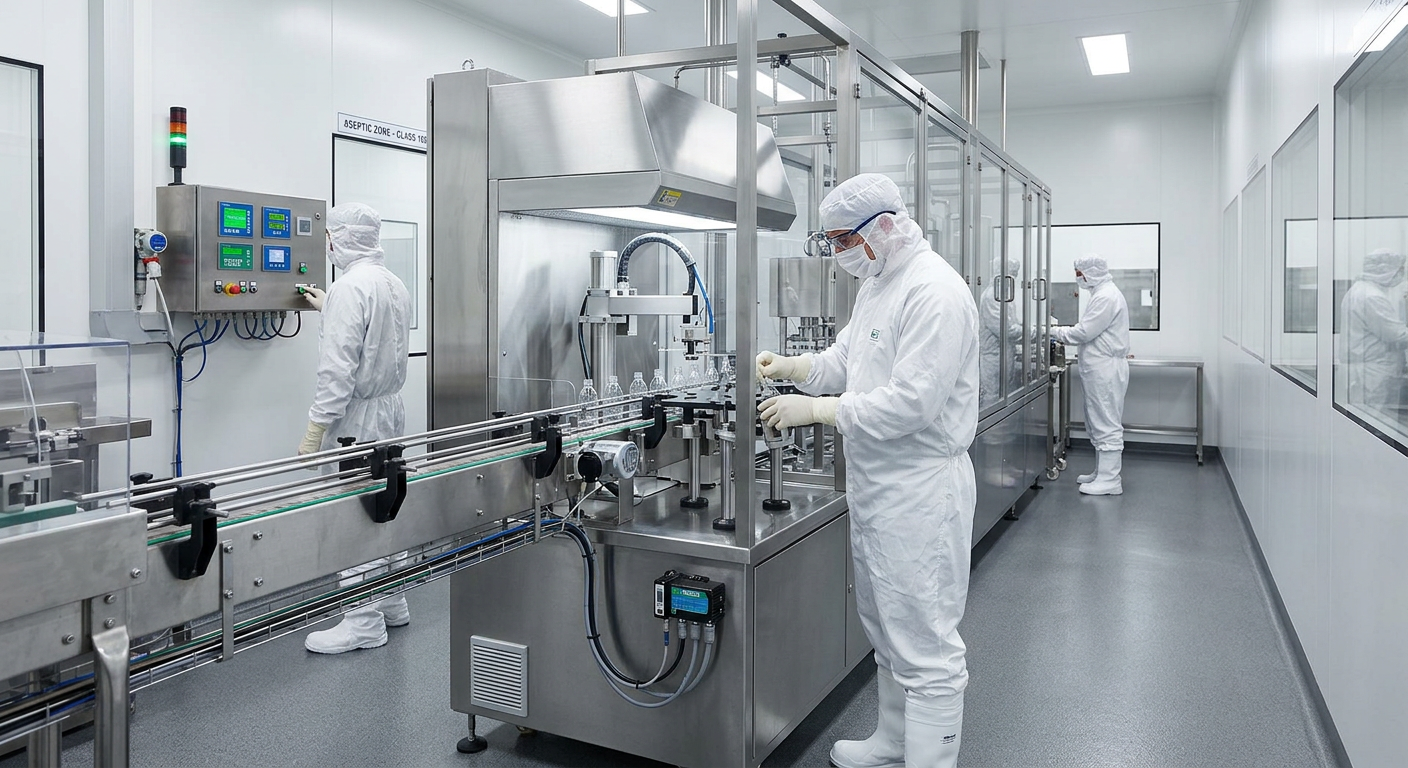
Carbonated Beverage Production Line
Carbonated beverage manufacturers in the United States need more than a filler and conveyor. They need an integrated production system that protects carbonation, controls foam, handles multiple package formats, minimizes utility costs, and supports profitable growth. Whether the product is sparkling water, CSD, flavored soda, RTD cocktails, kombucha, beer, or functional beverages with CO2, the best line design aligns process, packaging, automation, sanitation, and plant utilities into one coordinated operation. For plants in major beverage corridors such as Atlanta, Chicago, Dallas-Fort Worth, Southern California, New Jersey, and the Carolinas, line design decisions are also shaped by labor availability, freight access, warehouse flow, utility rates, and distribution speed. Manufacturers shipping through the ports of Long Beach, Savannah, Houston, and Newark often prioritize line flexibility, uptime, and spare parts strategy because packaging components and critical equipment can be affected by supply chain timing. A complete carbonated beverage line in the United States typically includes water treatment, ingredient handling, batching, deaeration, carbonation mixing, container supply, rinsing or air cleaning, isobaric filling, capping or seaming, warm-up or pasteurization if required, inspection, labeling, coding, secondary packaging, palletizing, and end-of-line warehouse integration. The highest-performing systems are designed around the true bottleneck, not the nominal filler speed. That means balancing mixer output, filler valve count, labeler speed, packer performance, changeover time, CIP strategy, and utility infrastructure from the start. For producers evaluating capital investment, the fastest route to a profitable decision is to compare three things together: target annual case volume, SKU complexity, and package mix. A line built for one high-volume PET SKU is very different from a multi-format operation running sleek cans, glass bottles, and multiple PET bottle sizes in the same week. In practice, many U.S. beverage plants succeed when they treat line engineering as a business case rather than a simple equipment purchase. This is where a project partner with process, utilities, controls, and construction expertise can create outsized value by preventing underbuilt infrastructure, mismatched speeds, sanitation blind spots, and expensive future rework. The table above shows why line selection should begin with commercial reality. A technically impressive machine can still be the wrong investment if it does not match the plant’s product strategy, labor model, and forecasted output. A modern carbonated beverage production line is a coordinated sequence of process and packaging operations. At the front end, incoming water may pass through filtration, softening, reverse osmosis, UV, ozone, or other disinfection steps depending on source quality and product standards. Ingredients are received, stored, metered, and blended in batch or inline systems. Syrup rooms are often designed with hygienic transfer loops, validated ingredient addition, and in-line Brix measurement. After blending, the product stream usually moves through deaeration before carbonation. Removing dissolved oxygen is essential because oxygen degrades flavor, can destabilize sensitive ingredients, and reduces shelf life. The carbonated product then enters a buffer tank or feeds directly to the filler bowl under controlled pressure. From there, packages are formed or supplied, cleaned, filled, closed, inspected, coded, labeled, packed, palletized, and transferred to warehouse or dispatch. The exact process flow depends on the package type. PET lines may include blow molding from preforms. Glass lines focus more heavily on depalletizing, bottle inspection, and breakage management. Can lines center on can rinsing, precise filling, seaming, and often tighter oxygen control. In the United States, line integration is especially important because manufacturers often need to fit new equipment into brownfield plants with legacy utilities, existing drains, mixed floor elevations, and active production. A well-engineered process flow is not just about what happens on paper. It must also account for sanitation routing, maintenance access, operator movement, forklift traffic, and future expansion. Companies looking for a partner that understands this broader picture often review engineering depth before machine brands. A firm such as Disruptive Process Solutions brings a plant-wide perspective by combining process engineering, controls, utilities, and execution planning instead of treating the filler in isolation. Combiblock systems combine blow molding, filling, and capping into one integrated PET packaging platform. For carbonated products, this approach can create meaningful advantages in hygiene, floor space, labor, and container handling. Since bottles move directly from preform heating and blowing to filling and capping with minimal exposure, contamination risk is reduced and conveyor complexity falls. The main business case for combiblock technology is strongest in high-throughput PET operations. In regions such as the Southeast and Southwest, where large beverage distribution zones support long production runs, this integrated architecture can improve efficiency by reducing empty bottle handling and lowering line footprint. It can also reduce air conveyor length and simplify bottle transfer stability. That said, combiblock is not automatically the best answer for every plant. A co-packer with frequent format changes or uncertain volume may prefer more modular equipment. The right decision depends on annual case forecast, preform strategy, cap and neck finish standardization, maintenance capability, and planned SKU mix. When evaluating a combiblock, manufacturers should model not only machine speed but total delivered line OEE. A system rated at high speed may underperform if upstream syrup preparation, downstream packaging, or utility capacity cannot sustain continuous production. This is one reason integrated design-build execution has become more valuable in the U.S. market, especially for new beverage plants where boilers, compressors, chilled water, and CIP need to be sized alongside the packaging line. Carbonated beverages must be filled under pressure to maintain dissolved CO2 and avoid foam-related losses. Isobaric filling valves work by equalizing pressure between the container and the filler bowl before liquid enters the package. Proper pressure balance, temperature control, snift timing, and venting design are critical to fill accuracy and product retention. Foam is one of the most expensive hidden losses on a carbonated line. Excess foam causes underfills, sticky conveyors, label adhesion issues, microbiological housekeeping problems, and reduced throughput. The causes are usually cumulative: warm product, unstable CO2, turbulent fill paths, package defects, inconsistent bottle dimensions, worn valves, poor vent tube settings, or excessive line vibration near the filler discharge. Effective foam control starts upstream. Product temperature should be tightly controlled, typically colder for higher carbonation products. Container cleanliness, proper pressure setpoints, and consistent closure application also matter. For cans, seam integrity becomes part of the quality equation. For PET, cap torque and neck finish consistency are major variables. For glass, dimensional consistency and chip-free finishes help reduce closure problems and leaks. Advanced fillers can support better product control through electronic valve management, recipe-driven parameters, and diagnostic feedback. Plants that run multiple products with different carbonation levels benefit from automation that stores pressure, snift, and timing settings by SKU rather than relying on manual adjustment. Engineering support also matters here. DPS, for example, has deep technological capabilities spanning process, mechanical, electrical, structural, plumbing, and controls engineering, including PLC programming and SCADA integration. In carbonated beverage facilities, that cross-functional capability supports tighter pressure control logic, cleaner HMI recipes, improved alarm management, and better troubleshooting across the line rather than only at the filler. Package format is one of the earliest decisions in a carbonated beverage project because it shapes nearly every downstream choice. PET offers lightweight distribution, broad retail familiarity, and compatibility with blow-fill-cap integration. Glass supports premium positioning, excellent gas barrier performance, and strong shelf presence. Cans offer recyclability, logistics efficiency, and rapid market acceptance for sparkling water, energy drinks, RTDs, and alcoholic beverages. The tradeoff is that no single format wins on every variable. A United States brand shipping nationwide from a central plant may favor cans due to freight efficiency. A premium mixer company selling through upscale bars and restaurants in cities such as Miami, Las Vegas, and Manhattan may prioritize glass. A high-volume family soda brand distributed through grocery and club channels may stay focused on PET. The table shows that format flexibility is not just a mechanical issue. It is a commercial strategy issue. Plants serving co-packing networks from Chicago to Phoenix often need to switch between bottle sizes, can heights, label types, and pack patterns with minimal downtime. In those environments, line architecture should emphasize servo changeover, clearly indexed parts, guided setup, quick-release rails, and recipe-based automation. For manufacturers reviewing integrated equipment and package-specific handling needs, the right path often starts with a plant-wide study rather than a machine quote. That is why many teams begin with engineering and integration services to align packaging choice with utilities, sanitation, labor, and future capacity. Deaeration and carbonation are the heart of carbonated beverage quality. If oxygen is too high or CO2 pickup is unstable, downstream filling cannot fix the problem. In most systems, deaeration lowers dissolved oxygen before the beverage enters a carbonation mixer, where water or finished beverage is combined with CO2 under controlled pressure and temperature. The goal is a repeatable carbonation level that remains stable all the way to the sealed package. Integration matters because the mixer cannot perform consistently without steady upstream flow, stable temperature, and properly controlled product composition. In higher-end systems, inline density, Brix, conductivity, and flow measurement support more precise recipe execution. Buffer tank sizing should be based on realistic line behavior, including microstops and sanitation transitions. Plants that expand into functional sparkling beverages often discover that added ingredients change foaming behavior and gas retention. Sweeteners, acids, botanicals, juices, and emulsions can all affect mixer performance. This is where process expertise becomes commercially important. A good integrator helps the manufacturer test assumptions before buying undersized or overcomplicated equipment. DPS has notable manufacturing capabilities in this area as well. In addition to integrating third-party process systems, the company designs and manufactures selected process equipment such as storage and processing tanks, custom CIP systems, and other stainless assets that fit larger turnkey projects. That matters to beverage clients because carbonated lines often depend on custom tank geometry, skid footprint, connection orientation, and sanitation access rather than off-the-shelf dimensions. The chart reflects a realistic market trend: manufacturers continue investing in flexible, automation-ready sparkling beverage capacity in response to SKU proliferation, convenience-channel demand, premiumization, and private-label growth. Changeover performance separates average lines from profitable ones. A line that runs fast for one SKU but loses hours every week during bottle, cap, label, and case changes will underdeliver on actual saleable output. This is especially true in the United States, where beverage portfolios increasingly include seasonal launches, channel-specific packs, retailer exclusives, and test-market production. Reducing downtime starts with design. Guide rails should be indexed and repeatable. Change parts should be minimal, light, and easy to identify. HMI screens should show setup values by format. Servo-driven stations can eliminate manual adjustments. Labelers, packers, and lane dividers should be evaluated as seriously as the filler, because many lines lose more time downstream than at the filling carousel. Operational discipline is equally important. Plants that track changeover by machine center, crew, and package family can identify hidden losses. Standard work, shadow boards, mobile carts for format parts, and pre-staged materials usually deliver quick gains. In multi-shift U.S. operations, digital work instructions and recipe verification reduce dependence on tribal knowledge. The best changeover programs are designed before steel is cut. They also require coordination across procurement, maintenance, scheduling, and controls. This is where service capability matters. DPS uses an end-to-end project approach that combines design, build, and execution management so clients can align equipment selection, installation, and startup around long-term throughput rather than one-time capital cost alone. Many beverage projects fail to reach expected output because the line was purchased around a headline filler speed instead of balanced throughput. The filler may run at 600 bottles per minute, but if the labeler repeatedly drops to 520, the shrink wrapper to 500, and the palletizer to 480 during peak accumulation, the real line speed is defined by the weakest stable center. Speed optimization depends on accumulation strategy, conveyor logic, reject handling, and controls integration. Well-placed accumulation can protect the filler from downstream interruptions and protect packers from filler microstops. However, too much accumulation wastes space and can increase package instability, especially for lightweight PET. Simulation and practical operating knowledge are both useful here. Manufacturers should review not only machine speed but also speed sustainability. Factors include cap supply reliability, label roll change frequency, case blank quality, pallet pattern complexity, and sanitation windows. In many U.S. facilities, the difference between a strong line and a weak one is not the machine brand. It is how well process, packaging, material flow, and utilities were engineered to work together. The demand mix shown above illustrates why line balancing must reflect category needs. Sparkling water and energy products often require faster package changes and premium label presentation, while classic CSD lines may favor long runs and high-volume efficiency. Energy and utility performance now play a central role in beverage line design. Electricity rates, natural gas costs, water use scrutiny, wastewater limitations, and sustainability commitments all influence capital decisions in the United States. By 2026, these pressures are expected to intensify as more states and large retailers push carbon accounting, water stewardship, and packaging sustainability targets. Energy-efficient design starts with the whole plant. Compressors should be sized and controlled for actual demand profiles, not rough estimates. Blow molding air recovery can generate meaningful savings on PET lines. Pump and fan VFDs reduce unnecessary power draw. Heat recovery can support hot water generation. Smarter CIP reduces water, chemical, and heating loads. Conveyor motors and lubrication strategies also affect consumption. Utility planning is especially important in new co-packing and expansion projects. A filler upgrade without matching chilled water, compressed air, boiler, or drain capacity often creates a new bottleneck. This is one reason advanced beverage projects increasingly involve firms that can engineer utilities and process together. DPS is active in that space across North America, supporting clients with capital planning, owners representation, project management, proprietary equipment supply, installation, and turnkey system integration across utilities, controls, and process assets. Below is a practical representation of packaging trend shifts influencing utility planning and line design decisions. This trend suggests continued investment in flexible canning capacity, but PET remains highly relevant for value, club, and family-size formats. Glass retains importance in premium and hospitality-focused segments. The U.S. market for carbonated beverage production lines is shaped by retail fragmentation and regional logistics. Club stores, convenience chains, foodservice, e-commerce, and contract manufacturing all demand different production economics. Plants located near Atlanta, Columbus, Indianapolis, Charlotte, Fresno, and Dallas often gain advantages from trucking access and warehouse distribution. Coastal plants near Los Angeles, Oakland, Seattle, Houston, Savannah, and Newark may prioritize imported packaging supply chain resilience and spare parts stocking. Product types now extend far beyond traditional sodas. Line buyers regularly evaluate equipment for sparkling waters, flavored waters, prebiotic sodas, energy drinks, carbonated juices, hard seltzers, RTD cocktails, kombucha, and premium mixers. Each category changes the line design slightly. Some need tighter oxygen control. Some foam more aggressively. Some use fragile labels or specialty closures. Some require pasteurization or tunnel warming based on formulation and distribution conditions. Buying advice for U.S. manufacturers is straightforward: define the business model first. Ask what package families will dominate, how many SKUs will run weekly, what utilities are already constrained, and where actual labor pain points exist. Then evaluate whether the line must support phased growth from, for example, 20 million cases to 80 million cases over time. That kind of staged thinking is where strong engineering can avoid expensive missteps. Relevant industries include soft drinks, craft beverage production, alcoholic RTD, brewing, spirits-based canned cocktails, kombucha, dairy-adjacent sparkling beverages, and functional wellness drinks. Applications range from startup commercialization and contract packaging to major plant expansion, brownfield debottlenecking, and utility retrofit. Case-study thinking is essential. In one common scenario, a plant assumes it needs a multi-million-dollar equipment expansion to gain output, when the real bottleneck is controls logic, accumulation management, or packaging synchronization. That is why analytical project teams often create more value than pure equipment sellers. A manufacturer can review practical examples and project experience through the company’s project case studies to understand how debottlenecking, relocation, and greenfield execution affect ROI. Local supplier strategy also matters. U.S. beverage lines depend on domestic fabrication, local mechanical and electrical trades, controls support, spare parts planning, and regionally available sanitation and utility contractors. The strongest project outcomes usually come from a coordinated network rather than one isolated OEM. This is particularly true when the line includes process skids, syrup rooms, boilers, compressed air, cooling towers, water treatment, and warehouse integration. As for our company perspective, DPS serves beverage manufacturers across all 50 states and Canada with a business-minded engineering approach focused on profitability, not just installation. Its capabilities span three areas that are especially relevant for carbonated beverage projects: First, technological capabilities: process engineering, automation, PLC programming, SCADA, sanitary system design, water treatment integration, carbonation and bright systems, pasteurization technologies, and complete utility engineering. Second, manufacturing capabilities: custom process tanks, CIP systems, and other equipment fabricated to fit the exact layout and operational needs of a project, rather than forcing a plant into generic hardware limits. Manufacturers can review available process equipment at custom equipment solutions. Third, service capabilities: capital planning, feasibility studies, owners representation, project and program management, general contracting where licensed, equipment supply, installation management, commissioning, and turnkey integration under a design-build-manage model. This matters because beverage producers typically need one accountable team that can align business goals, utilities, process systems, construction execution, and startup performance. What is included in a complete carbonated beverage production line?A complete line usually includes water treatment, syrup preparation, deaeration, carbonation mixing, container supply, rinsing, isobaric filling, capping or seaming, inspection, coding, labeling, case packing, palletizing, CIP, and supporting utilities. What package format is best for a new beverage brand in the United States?It depends on channel and brand position. Cans are popular for sparkling water, energy, and RTD categories. PET remains strong for value and family-size products. Glass works well for premium beverage positioning and foodservice presentation. Why is deaeration important before carbonation?Deaeration removes dissolved oxygen, which protects flavor, improves shelf life, and supports more stable carbonation performance. Skipping or undersizing this step can cause quality loss that downstream equipment cannot correct. How do isobaric fillers reduce carbonation loss?They equalize package pressure with filler bowl pressure before product enters the container. This reduces turbulence, limits CO2 breakout, and improves fill consistency. What causes excessive foaming on carbonated lines?Common causes include warm product, unstable CO2, worn filling valves, poor pressure settings, dirty or inconsistent containers, package handling vibration, and formulation-specific foaming behavior. Is a combiblock always the best choice for PET?No. Combiblock systems are excellent for high-volume, standardized PET operations, but plants with highly variable bottle formats or uncertain demand may prefer modular equipment for flexibility. How can I reduce changeover time between bottle sizes and SKUs?Use tool-less change parts, servo adjustments, recipe-based automation, clear part identification, and SMED analysis. Also track downtime by machine center to find where time is really being lost. What is the biggest mistake in line speed planning?Designing around filler nameplate speed without balancing the labeler, packer, palletizer, accumulation, and utility systems. Real throughput depends on the entire line’s stable operating speed. How important are utilities in beverage line design?They are critical. Inadequate chilled water, compressed air, steam, process water, drains, or electrical distribution can limit line performance more than the packaging equipment itself. What trends should manufacturers watch through 2026?Expect more demand for can flexibility, smarter automation, stronger sustainability reporting, lower water and energy intensity, digital maintenance tools, better line data visibility, and designs that support retailer and regulatory pressure on efficiency and packaging performance. How should I evaluate a project partner?Look for proven beverage process knowledge, utility engineering depth, controls expertise, installation management, startup support, and a record of solving plant-wide bottlenecks rather than only selling equipment. For U.S. beverage manufacturers, the right carbonated beverage line is the one that delivers repeatable product quality, commercial flexibility, and measurable operating profit. That outcome comes from integrated engineering, realistic throughput planning, and execution discipline across process, packaging, and utilities. -
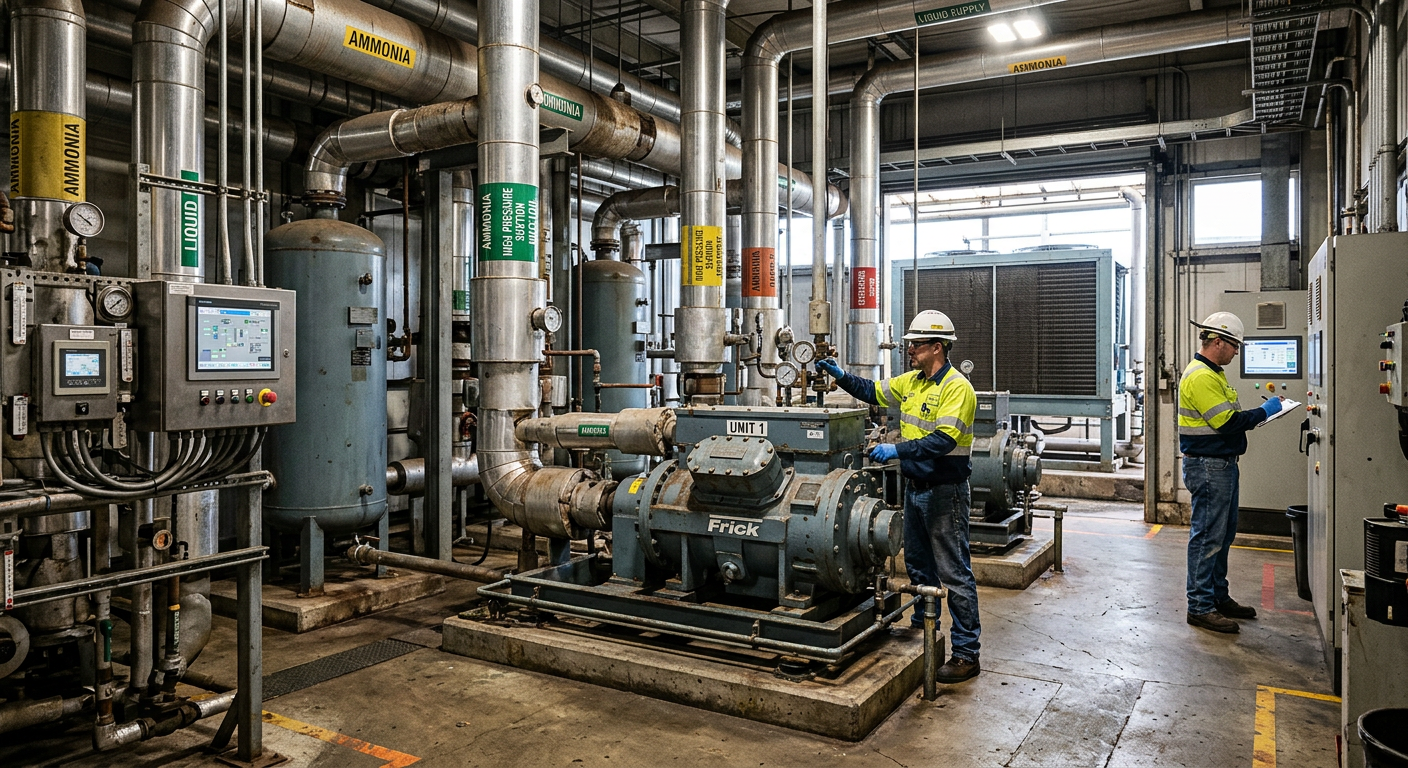
Food Plant Signage and Wayfinding: Safety and Compliance Requirements
Food plant signage in the United States is not just a visual add-on. It is a practical safety, compliance, and productivity system that helps manufacturers control traffic, protect product, reduce contamination risk, and support audits under FDA, USDA, OSHA, SQF, BRCGS, and site-specific programs. In food and beverage plants, the best signs do more than label rooms. They direct sanitation flow, identify controlled zones, reinforce personal protective equipment rules, mark allergen and chemical risks, and guide employees, visitors, truck drivers, and contractors through the facility without creating confusion. For facilities in major production regions such as Chicago, Dallas-Fort Worth, Fresno, Omaha, Charlotte, Atlanta, Philadelphia, Los Angeles, Houston, and the Port of Savannah logistics corridor, good wayfinding is increasingly tied to labor efficiency, audit readiness, and emergency preparedness. Whether a site handles protein processing, aseptic beverages, dairy, sauces, ready-to-drink products, or co-packing operations, signage must align with the actual process flow and hazard profile of the building. This guide explains how to build a signage and wayfinding program for food plants in the United States, including regulations, zone color systems, emergency egress design, HACCP point identification, hygiene station marking, allergen and chemical warnings, visitor routing, and supplier selection. It also outlines what buyers should evaluate when planning new signage for greenfield sites, expansions, retrofits, or equipment relocations. The quick answer is this: a food plant in the United States should use a coordinated signage system that satisfies OSHA life-safety expectations, supports FDA or USDA operational controls, aligns with HACCP and preventive controls, and reflects third-party certification requirements such as SQF or BRCGS. At a minimum, the system should include emergency exit signs, evacuation route signage, PPE and hygiene instructions, color-coded hygiene or risk zone identification, hazard communication labels for chemicals, allergen warnings, restricted-access notices, contractor and visitor directional signs, and process-specific signs at critical control points. Facilities often fail not because they have no signs, but because their signs are inconsistent. Common problems include mixed terminology between departments, faded print in washdown areas, poorly located signs at entry points, conflicting bilingual instructions, and visual clutter that hides the most important warnings. In a high-throughput plant, every second of hesitation at a door, sink, gowning station, allergen room, or forklift crossing can create risk. A high-performing system should achieve five goals: The table above shows why signage should be treated as part of the process design, not as a final decoration item. In many facilities, the most effective approach is to plan signs during layout development, utility design, sanitation zoning, and line integration rather than after construction is complete. In the United States, no single federal rulebook lists every sign a food plant must install, but several frameworks shape the requirements. OSHA governs workplace safety and emergency egress. FDA food facilities must support current good manufacturing practices and preventive controls with clear operational controls. USDA-regulated meat and poultry plants must maintain sanitary process control and controlled movement in inspected spaces. Third-party schemes such as SQF and BRCGS add further expectations around zoning, allergen management, visitor control, and hygiene practices. For procurement teams and plant managers, the key is to connect signs to hazards and procedures. A sign is defensible when it clearly supports a required behavior, restricted condition, emergency response, or validated process control. The practical explanation of this table is simple: plant signage is cross-functional. Engineering, EHS, quality, operations, maintenance, and sanitation all have a stake. A useful compliance review should verify sign content, placement, language, visibility, mounting material, washdown suitability, and consistency with SOPs. For plants near major distribution and trade centers such as Kansas City, Memphis, Newark, Long Beach, and the Inland Empire, fast-moving labor and contractor turnover make signage even more important. A worker arriving from another site may know general food safety rules, but unless the facility’s local signs are clear, they may not understand that one corridor is high-care, one room is allergen-controlled, and another requires cut-resistant gloves and hearing protection. Buyers should also avoid generic sign packages that are copied from non-food industrial facilities. Food plants need sanitation-resistant materials, edge-sealed graphics, chemical resistance, legibility in condensation-heavy environments, and mounting methods that do not create harborage points. The chart reflects a realistic upward trend in signage modernization demand. Spending is rising as plants combine audit readiness, workforce onboarding, and capital upgrades in one project cycle. By 2026, smart wayfinding, durable materials, and sustainability-focused sign replacement are expected to grow further. A color-coded zone identification system is one of the most effective visual tools in a food plant. It helps employees immediately understand whether they are entering raw areas, ready-to-eat zones, allergen rooms, maintenance corridors, utility spaces, or restricted process rooms. In large facilities, especially those processing proteins, dairy, prepared meals, and aseptic beverages, color coding reduces reliance on memory and speeds correct movement. The system should be standardized across walls, hanging signs, floor markings, door frames, and in some cases uniforms or equipment tags. The key is discipline. If blue means high-care entry in one wing, it should not mean forklift lane in another. This table shows a practical structure, but every facility should document its own legend and train employees on it. In many U.S. sites, a color key posted at shift entrances, time clocks, and training rooms helps maintain consistency. For multi-building campuses in places such as Raleigh-Durham, Milwaukee, St. Louis, and Sacramento, zone color coding is especially valuable because product, utilities, and sanitation functions may span several structures. Drivers, mechanics, sanitation crews, and co-manufacturing staff often move between buildings, so visual continuity improves control. By 2026, expect more plants to pair color zoning with digital work instructions, RFID-based access control, and illuminated door indicators linked to sanitation status or production readiness. These systems are becoming more attractive as labor training cycles shorten and facilities seek clearer, faster visual communication. The bar chart indicates where demand is strongest. Protein and aseptic operations typically require more rigorous segregation and therefore rely heavily on visual zoning. Dairy and prepared foods also rank high because of sanitation sensitivity and allergen complexity. Emergency egress signage is a legal and life-safety priority. In food plants, this category includes illuminated exit signs, directional arrows, route maps, area-of-refuge notices where required, stair and door identification, and assembly point signage outside the building. The challenge is that production equipment, mezzanines, pallet staging, racking, and utility drops can obstruct visibility if egress planning is not coordinated with operations. Design should account for normal sightlines during production, not only an empty building model. In refrigerated rooms, spiral freezers, tank farms, boiler areas, and packaging halls, signs may need larger formats or alternate mounting positions to stay visible around equipment or stacked materials. The explanation here is that egress signage is only effective when it reflects true plant conditions. During design reviews, managers should walk the route as if the line were running, forklifts were moving, and a new contractor had never been there before. Plants near ports and logistics hubs, including Houston Ship Channel, Port Newark, and Long Beach, often have larger warehouse and dock interfaces than inland-only sites. Those facilities benefit from stronger external directional signage because temporary drivers and service vendors are more common. HACCP critical control point signage should identify where product safety decisions are made and what must be controlled at that exact spot. In many plants, CCP signs are still too generic, stating only “CCP Area” without clear action requirements. A better sign tells the operator what parameter matters, what limit applies, who verifies it, and what to do if the limit is not met. CCP signs are especially useful in thermal processing, metal detection, pH adjustment, formulation validation, retort operations, fill temperature control, and foreign material control. Even in facilities operating under preventive controls rather than classical HACCP terminology across every step, visible control-point signage reinforces process discipline. The value of this table is that it translates food safety plans into visual action. During operator training, these signs can be paired with QR codes or workstation documents, but the sign itself should remain simple enough to process quickly. Facilities expanding or relocating lines should coordinate CCP signage with equipment integration and controls engineering. This is often where process specialists add value beyond a sign vendor alone. Companies looking at broader food and beverage project execution can review engineering and project delivery services that integrate layout, utilities, controls, and compliance considerations into one implementation plan. This area chart highlights a strong 2026 trend: manufacturers are moving away from broad, low-detail signs and toward targeted control signage tied to actual process risk, digital records, and operator accountability. PPE and hygiene station wayfinding has a direct effect on compliance. If an employee or visitor must guess where to wash hands, change boots, sanitize tools, or collect disposable gear, the system is already weak. Strong wayfinding should start before the hygiene point, not at it. The person should be guided from corridor to entry vestibule, from vestibule to locker or gowning step, and then into the controlled room in the right order. In food plants, the most effective hygiene signage usually uses a sequence format: stop, remove prohibited items, wash hands, sanitize, don hair restraint, apply gloves if required, verify footwear, then enter. This sequence matters more than decorative design. Sites with high employee counts, multiple shifts, or temporary labor pools, especially in regions like the Central Valley of California, Arkansas poultry corridors, and the Midwest dairy belt, benefit from simple icon-supported signs with strong contrast and bilingual options where appropriate. Wayfinding should also distinguish between employee, quality, maintenance, and visitor flows. A maintenance technician may need access to overhead utilities without entering the same gowning path used by ready-to-eat operators. Chemical and allergen warning signage is essential because both hazards can cause severe outcomes, but they behave differently. Chemical signage is largely about worker exposure and emergency response. Allergen signage is about product protection, line discipline, labeling accuracy, and preventing cross-contact. Chemical signs should align with hazard communication practices, SDS availability, eyewash and shower locations, PPE requirements, incompatible storage warnings, and spill response protocols. They must remain legible in utility rooms, sanitation closets, CIP chemical areas, water treatment spaces, and maintenance zones. Allergen signs should define where allergen ingredients are stored, weighed, mixed, transferred, or packaged. They should also mark dedicated tools, rework controls, label verification points, and sanitation expectations after changeovers. The table illustrates why chemical and allergen sign systems should not be merged into one visual language. Operators must instantly know whether a sign is protecting them, the product, or both. As sustainability expectations rise in 2026, many facilities are replacing solvent-heavy sign materials with more durable and lower-waste options, while also redesigning cleaning chemical rooms to improve visual segregation, spill readiness, and refill management. Visitor and contractor directional signage is frequently overlooked, yet these groups create disproportionate risk because they are unfamiliar with the site. A robust system begins outside the building with parking, reception, shipping office, and delivery entrance signage. It then continues with check-in, badge issue, escort requirements, PPE pickup, and restricted-route instructions. Contractor signs should clearly separate office renovation access, utility work access, roof access, and production-adjacent entry paths. In active plants, the safest route is often not the shortest. For example, a controls contractor working on a mezzanine panel may need to bypass a ready-to-eat room and enter from an exterior stair tower instead. This becomes especially important at large campuses and retrofit sites where multiple trades are on site during capital projects. Facilities handling expansions, line installations, or utility upgrades can gain from a partner that understands both construction management and food plant operating constraints. For example, project case examples can help buyers evaluate how integrated execution teams manage access, phasing, and production continuity in real plants. Directional signage should cover: The explanation is straightforward: better directional signage reduces interruptions. Supervisors spend less time giving directions, quality teams spend less time correcting access issues, and visitors receive a stronger impression of plant control. The comparison chart shows why supplier selection matters. A generic sign package may cost less up front, but it often performs poorly in washdown environments and rarely aligns tightly with process flow, access restrictions, and capital project phasing. Disruptive Process Solutions supports food and beverage manufacturers across the United States and Canada with an engineering-led approach to capital projects. Rather than treating signage and wayfinding as isolated procurement items, the company views them as part of a broader operating system that connects process design, sanitation flow, utility planning, equipment integration, and project execution. From a technological capabilities standpoint, DPS works across structural, mechanical, plumbing, electrical, process, and controls disciplines, including PLC programming, automation, and SCADA. That matters when signage must reflect how a plant actually runs. If a high-care room status is controlled by sanitation release, if a batching room depends on recipe management, or if a utility corridor serves multiple process systems, the visual communication should align with the technical reality of the facility. Buyers interested in the company background can visit about DPS to understand the team’s project philosophy and North American footprint. On the manufacturing capabilities side, DPS designs and integrates systems for both food and beverage operations, including fermentation, distillation, pasteurization, aseptic processing, blending, water treatment, grinding, mixing, forming, cooking, retort, dairy processing, and plant protein systems. The company also manufactures selected branded process equipment such as tanks, custom CIP systems, marination tumblers, and cooking vessels. For clients building new lines or expanding existing ones, signage planning can be synchronized with equipment layout, hygienic zoning, and operator touchpoints instead of being handled after startup. Additional information on available process systems and custom-built assets can be found through the company’s equipment solutions offering. From a service capabilities perspective, DPS provides process engineering and design, capital planning, feasibility support, owner’s representation, project and program management, general contracting where licensed, equipment supply, installation, and turnkey system integration. This service model is useful for signage-intensive projects such as greenfield co-packing plants, protein facility expansions, aseptic suites, and major equipment relocations, where access control, contractor routing, and phased production continuity all affect the final wayfinding plan. Because the firm operates with an end-to-end Design Build Manage model, clients can incorporate signage logic early during facility planning rather than discovering gaps during commissioning. For U.S. manufacturers, this integrated view is increasingly important. In a modern plant, a sign is often the last visible layer of many deeper decisions: where product moves, where sanitation starts, who may enter, what the operator must verify, and how emergency evacuation works around installed equipment. When those decisions are made well, the site feels intuitive, safer, and easier to audit. What signs are mandatory in a U.S. food plant?At minimum, most facilities need compliant exit and egress signs, fire and first-aid location signs, hazard communication signage for chemicals, required PPE notices, hygiene instructions, and restricted-access signs where hazards or food safety controls apply. Exact needs vary by process, local code, and audit scheme. Should food plant signs be bilingual?If a meaningful portion of the workforce or contractor base uses another language, bilingual signage is strongly recommended. The key is consistency, readability, and avoiding overcrowded wording. Icons are helpful, but they should support text, not replace critical instructions. How often should signage be reviewed?A full review should happen during annual EHS and food safety audits, after line changes, after product or allergen changes, and during major capital projects. Signs in washdown or chemical areas should also be checked routinely for fading, peeling, or damage. What materials work best in food plants?It depends on the area. Washdown zones typically require durable, non-corroding, easy-to-clean materials with sealed edges and strong mounting systems. Warehouses and offices may allow more standard materials. Cold rooms and chemical rooms need special attention to adhesion and resistance. Are floor markings enough for zone control?No. Floor markings help, but they should be part of a layered system that includes door signs, hanging signs, room labels, and procedural instructions. In crowded production spaces, floor-only communication is easy to miss. How should allergen areas be marked?Use a distinct visual system for allergen rooms, storage areas, tools, rework containers, and label verification points. The system should match the plant’s allergen program and be reinforced during changeovers and sanitation checks. Can signage help during audits?Yes. Auditors often look for visible proof that the site’s stated procedures are supported on the floor. Clear, consistent signs make it easier to demonstrate zoning, hygiene expectations, restricted access, and process control discipline. What should buyers ask a signage supplier?Ask whether the supplier understands food plant washdown conditions, OSHA egress needs, allergen segregation, contractor traffic control, and installation in active manufacturing environments. Also ask if they can coordinate with engineering drawings and room naming conventions. What are the biggest 2026 trends?The biggest trends include smarter zone identification tied to access control, more process-specific HACCP and preventive control signs, sustainability-focused material choices, stronger contractor routing systems during retrofits, and visual standards linked directly to digital SOPs and training systems. What is the best buying approach for a new project?Start early. Include signage in process design, layout planning, sanitation zoning, and safety review rather than waiting until punch list stage. This lowers rework, improves consistency, and produces a better result for operations, quality, and EHS teams. In summary, the best food plant signage systems in the United States are clear, durable, process-aware, and built around how the facility truly operates. They support worker safety, protect product, improve movement, and strengthen compliance across the entire site lifecycle. -
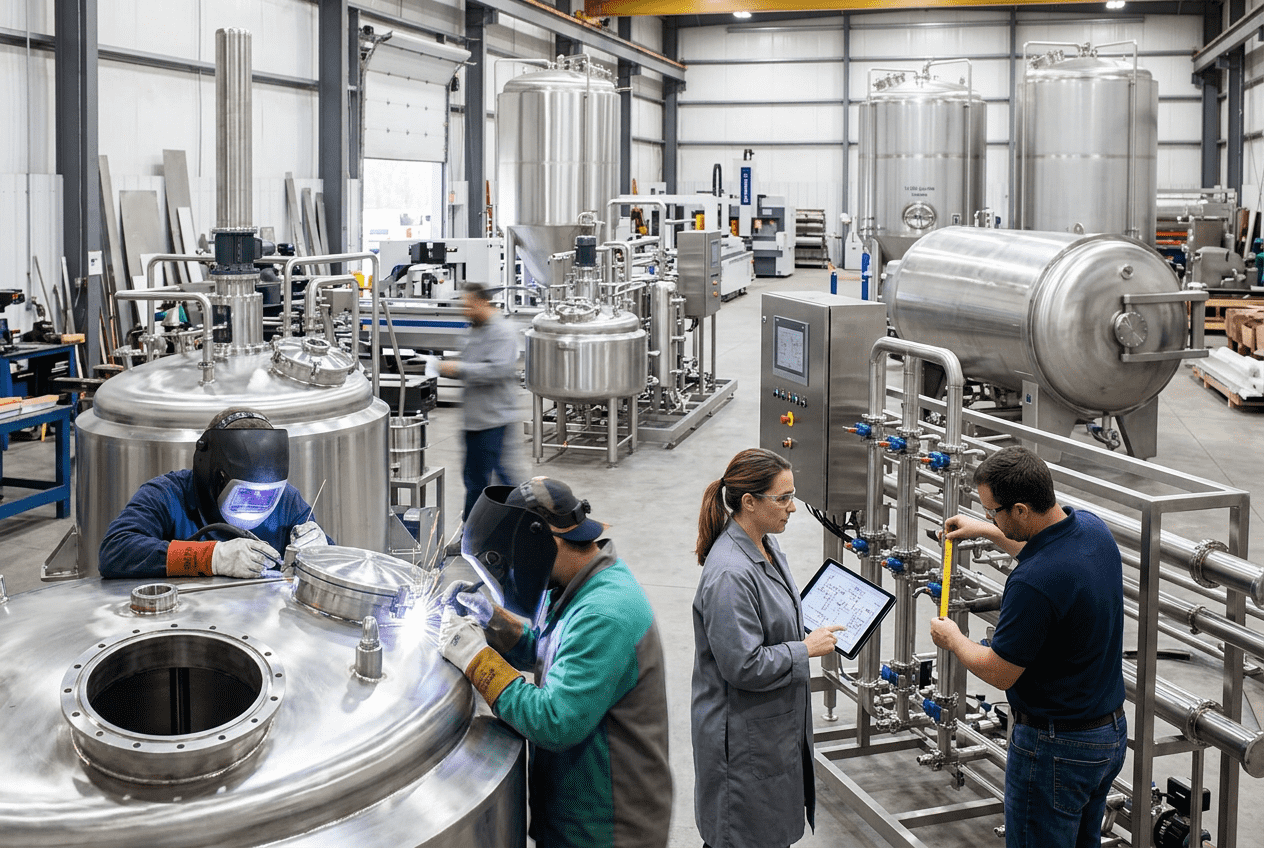
Food Facility Landscape Design: 8 Site Planning Considerations for Security and Compliance
Food facility landscape design in the United States is not just about appearance. It directly affects food safety, FSMA readiness, USDA and FDA compliance, truck efficiency, pest pressure, stormwater permits, employee safety, and long-term operating cost. For most plants, the best site plan separates clean and dirty traffic, protects the perimeter, manages runoff away from production areas, limits harborage for pests, provides secure lighting, and supports future capacity expansion. Whether the site serves meat processing in the Midwest, dairy in California, beverage production near the Port of Savannah, or co-packing in Texas, the exterior layout must be engineered as part of the manufacturing system rather than treated as a final landscaping task. The fastest way to evaluate a food plant site in the United States is to ask eight questions: Is the perimeter secure? Does stormwater move away from the building? Are loading docks and employee routes separated? Is exterior lighting designed for security without creating glare and shadow pockets? Do planting zones create pest risk? Is grading compatible with sanitation and utility protection? Are truck aprons sized for current and future traffic? Are local zoning and environmental requirements aligned with the operating model? If a project team cannot answer those clearly, the site plan usually needs revision before civil work begins. For processors building in hubs such as Chicago, Atlanta, Dallas-Fort Worth, the Inland Empire, or the I-95 distribution corridor, poor exterior planning can delay approvals and reduce throughput long after commissioning. A modern food site should support security, drainage, truck staging, emergency access, utility maintenance, and scalable production growth. That is why many owners now treat site planning as part of capital planning and early facility engineering rather than as a late-stage architectural detail. In practical terms, the best-performing sites usually include controlled entry points, high-visibility fencing, positive drainage away from personnel doors, dock canopies where needed, wide turning radii for 53-foot trailers, screened but non-harboring green areas, and exterior surfaces that are durable and easy to inspect. Owners comparing project delivery models often benefit from a partner that can connect facility operations, civil engineering, utilities, and compliance from day one. Companies looking for that integrated approach often start by reviewing food and beverage engineering services that cover planning, design, construction management, and startup together. The table below summarizes the most important exterior design priorities for a U.S. food or beverage facility and explains why they matter operationally. This matrix matters because food facilities are long-life assets. A grading decision made during permitting can affect pest control, dock safety, and sanitation for decades. Owners who view the site as an integrated operating platform generally experience fewer surprises during startup and expansion. The line chart shows the broader market direction: owners are spending more on site upgrades because insurance, food defense, and environmental compliance are all getting stricter. By 2026, facilities are expected to invest more in smart access control, electrified fleet yard layouts, and more resilient drainage systems that can handle heavier rainfall events. Perimeter planning is one of the most visible aspects of food facility security, but the best fence is not always the tallest one. In the United States, exterior security must balance food defense, employee access, emergency response, municipal aesthetics, and truck operations. The right design starts with a risk-based perimeter strategy: define where the public edge ends, where visitor access begins, where employee parking sits, and where freight enters the controlled zone. For most processors, a chain-link or ornamental steel fence with anti-climb measures, monitored gates, and camera-friendly lighting is more useful than a visually imposing barrier with poor visibility. At plants near the Port of Los Angeles, Port of Houston, or New Jersey intermodal corridors, high freight activity often means extra attention to gate stacking, seal checks, and guardhouse positioning. In rural meat and poultry operations, the bigger issue may be long property lines and blind spots rather than traffic congestion. Perimeter security should integrate with landscaping rather than fight against it. Dense shrubs next to fencing create hidden areas, reduce camera effectiveness, and increase pest risk. A clear inspection band along fences and building walls helps both security and pest control teams. Many U.S. facilities now maintain stone or mowed strips inside perimeter lines so teams can inspect for breaches, burrows, standing water, and debris quickly. When selecting fencing, owners should consider not only security but also frost heave, corrosion, visibility, maintenance, and compatibility with vehicle barriers. Facilities in the Northeast may need different footing details than sites in Arizona or coastal Florida. If the site has hazardous utility corridors, chemical storage, or high-value ingredients, layered controls are often better than relying on one continuous fence line. This comparison shows why integrated perimeter design matters. The best result is usually a layered approach: fence, gate control, camera coverage, lighting, landscaping setbacks, and a clean inspection zone all working together. Stormwater management is a major site planning issue for food and beverage plants because runoff can carry sediment, organics, chemicals, and debris into municipal systems or adjacent waterways. In the United States, owners typically face local stormwater ordinances, state environmental rules, and, depending on site conditions, NPDES-related permit requirements. The operational goal is simple: keep water moving safely away from food-sensitive areas, loading docks, employee entrances, utility rooms, and waste handling zones. Runoff design should be based on actual operations, not just a civil template. A beverage plant with frequent truck washdown, syrup delivery, and high hardscape coverage has different runoff patterns than a dry ingredient warehouse in Kansas City. A protein plant in Arkansas or Iowa may need more aggressive solids management near waste handling areas. Sites near the Gulf Coast or the Southeast should also consider extreme rainfall intensity and resilience to storm events that exceed older design assumptions. Best-practice systems often combine grading, trench drains, catch basins, bioswales, detention ponds, underground retention, oil-water separation where needed, and protected utility layouts. But green infrastructure must be selected carefully in food environments. While vegetated swales can support permits and community expectations, they should not create standing water or wildlife attraction near critical building edges. Owners should map runoff pathways from roofs, parking lots, employee entries, loading yards, tank farms, and waste zones. Special attention is needed where exterior ingredients, packaging, or pallets are staged. Water should never be encouraged toward dock pits, under-insulated lines, or exterior personnel doors. Civil, process, and sanitation teams need to coordinate so stormwater systems do not interfere with production utilities or maintenance access. The table highlights a key buying lesson: the cheapest stormwater feature at bid time may not be the lowest-cost option over the life of the plant. Facilities in constrained markets such as Southern California, Northern New Jersey, or central Atlanta often justify underground systems because they protect valuable operating space for parking, utilities, or expansion. The area chart reflects the ongoing trend shift in the U.S. market. Traditional hard drainage remains dominant, but sustainable and monitored systems are gaining share. By 2026, more food plants are expected to add sensor-based water level monitoring and digital inspection logs to support ESG reporting and preventive maintenance. Exterior lighting in a food facility has three jobs: improve security, support safe movement, and protect operating continuity after dark. Lighting design should cover the perimeter, guardhouse, employee parking, pedestrian routes, loading docks, tank farms, waste handling zones, and emergency egress paths. A fixture plan that looks bright on paper can still fail if it creates deep shadows, camera washout, or inconsistent color rendering. For food and beverage sites that run second or third shifts, dock lighting becomes especially important. Trailers backing at night, reefer checks, yard hostler movement, and employee arrivals all create overlapping risks. Plants in Memphis, Columbus, Indianapolis, and other logistics hubs often have dense nighttime traffic, so uniformity ratios and dock visibility deserve as much attention as average foot-candle levels. Security illumination should be paired with camera placement, access points, and landscape height limits. Trees that grow into fixture patterns or block camera lines are a recurring problem. Light pollution rules also matter, particularly in municipalities that cap spillover into neighboring residential or mixed-use areas. LED systems are now standard for most new U.S. projects because they offer better control, lower maintenance, and easier integration with motion sensing and smart scheduling. By 2026, more facilities are expected to use networked lighting tied to security systems, allowing higher output when movement is detected near gates or fenced utility yards. This table demonstrates why lighting should be zoned by use instead of specified as one average site standard. Security, sanitation, and yard operations each require different fixture strategies. The bar chart shows that higher-risk sectors such as protein and aseptic operations tend to invest more heavily in exterior lighting because of security expectations, inspection needs, and continuous operations. Loading yards are where civil design and plant economics meet. If truck movement is inefficient, every shift pays for it through higher labor hours, detention charges, missed appointments, dock congestion, and increased accident risk. A good food plant yard separates inbound ingredients, outbound finished goods, employee parking, tanker movement, and waste hauling as much as the site allows. In U.S. logistics markets, especially around Dallas, Louisville, Joliet, and the Inland Empire, the wrong turning radius or staging layout can reduce dock productivity for years. Most food facilities need to accommodate 53-foot trailers, refrigerated units, tankers, service vehicles, and occasionally oversized process equipment deliveries. If the project involves beverage operations, tanker access to syrup rooms, CO2 systems, or bulk ingredient receiving can add another layer of routing complexity. The best yards are intuitive. Drivers should understand where to queue, where to check in, where to stage, and where to exit without crossing employee walkways or backing through uncontrolled zones. Separate circulation loops are ideal, though not always possible on infill sites. Where space is tight, scheduling, striping, signage, and gate timing become even more important. Buying advice for owners: do not let dock count drive the whole conversation. The more important question is whether the site can support your real truck profile over time. A facility handling frozen protein, dry ingredients, and outbound parcel shipments has different needs from a high-volume RTD beverage plant or a co-packer scaling from 20 million to 80 million cases. This table explains why yard design is a throughput issue, not a purely civil issue. Every row affects how quickly raw materials come in and finished goods leave the site. Applications vary by industry. Protein plants often need intense reefer traffic control. Beverage sites need tanker routing and high trailer counts. Dairy plants may need rapid milk receiving access and sanitary separation. Prepared foods and co-packers frequently require flexible dock allocation. When planning future growth, owners should reserve expansion space not just for the building but also for trailer maneuvering, utility relocation, and possible automation such as gate kiosks or autonomous yard spotting support. Green space requirements often come from municipal zoning, stormwater permits, or neighborhood compatibility expectations. Yet in food manufacturing, planting strategy should support compliance rather than undermine it. The goal is to satisfy local approval standards while avoiding pest harborage, standing water, blocked sight lines, and maintenance burdens that grow over time. Sites in suburban office-industrial parks near Raleigh, Minneapolis, or Phoenix may face architectural review standards that demand more front-yard landscaping than heavy industrial sites near ports or rail corridors. The best response is not to remove landscaping altogether, but to place it intelligently. Use planting where it helps visual buffering, heat island reduction, or stormwater goals, while keeping critical walls, doors, loading areas, and utility equipment clear and inspectable. Buffer zones should also support neighbor relations. Food facilities often operate early and late, with refrigeration equipment, truck activity, and security lighting affecting adjacent parcels. Properly located berms, fences, and low-risk plantings can soften visual and acoustic impacts without creating food defense or pest issues. From a 2026 perspective, more U.S. municipalities are expected to push for sustainable landscapes, native planting palettes, and reduced irrigation demand. For food sites, that means drought-tolerant, low-seed, low-fruit, low-dense-canopy selections are likely to become even more valuable. This table shows how landscaping can still serve aesthetics and zoning needs without compromising sanitation. The best U.S. food facility landscapes are restrained, inspectable, and aligned with site operations. Pest pressure often begins outside the building. Rodents, birds, and insects are influenced by cover, water, food residue, standing vegetation, mulch depth, drainage failures, and waste handling practices. That is why exterior landscape design should be reviewed with the same seriousness as an interior GMP plan. Vegetation management starts with simple principles: maintain a visible perimeter around the building, minimize dense groundcover, avoid fruiting or heavy-seeding plants near process areas, keep trees trimmed away from roofs and fixtures, and prevent irrigation overspray that creates moist zones near walls. In many audited facilities, the recurring issue is not the landscape concept itself but weak maintenance discipline after startup. Local conditions matter. In the Southeast, moisture and warm temperatures can increase insect pressure. In the Midwest, seasonal weeds and grain handling attract rodents. In coastal markets, bird activity can be intense around open yards and rooflines. Facilities handling proteins, sweeteners, or byproducts should be especially cautious around waste compactors, grease handling, and exterior drains. Good vegetation management also supports security. Overgrowth around fencing, utility pads, and retention structures creates blind spots and slows inspections. Many U.S. operators now include pest and grounds reviews in the same weekly exterior audit. For buyers evaluating landscape and pest programs, service capability matters as much as specification. A strong partner should connect sanitation, groundskeeping, drainage maintenance, and audit readiness instead of treating them as separate vendors with separate goals. Exterior drainage and grading are foundational civil decisions that influence nearly every other site planning topic. If grades are wrong, stormwater systems underperform, pests find wet areas, pavement deteriorates faster, and dock operations become hazardous. The design intent should be clear: move water away from the building, protect critical equipment, maintain stable pavements, and preserve access for trucks and maintenance teams. Typical U.S. food facilities need careful grading at dock aprons, personnel entries, utility yards, waste handling zones, and connections between parking and freight areas. Facilities with washdown or utility condensate exposure need added attention around trenching, inlets, and pavement transitions. In freeze-thaw climates such as Wisconsin, Pennsylvania, or upstate New York, grading errors can quickly become icing hazards or pavement failures. Specifications should cover subgrade preparation, slope targets, inlet elevations, curb details, erosion control, and coordination with underground utilities. The most expensive mistakes usually happen when the civil and process teams do not coordinate elevations for tanker unloading, CIP utility corridors, external pads, or future expansion tie-ins. Product type also affects grading requirements. Beverage facilities may need resilient tank farm access and utility service pads. Protein facilities may need robust washdown containment and controlled runoff paths. Aseptic or pharmaceutical-adjacent operations often prioritize stricter access control and cleaner exterior transitions. The comparison chart illustrates a common market reality: local suppliers may know permitting well, but integrated food engineering teams usually produce better outcomes because they connect exterior grading, utilities, compliance, and process operations. Local civil, survey, and landscape partners remain essential, but they work best when guided by a food-specific operating strategy. Case studies across the U.S. repeatedly show that early coordination saves capital. In one common scenario, a manufacturer plans significant building expansion but overlooks how detention placement or employee parking blocks future dock growth. In another, a site appears adequate until tanker turning simulations reveal conflict with finished goods shipping. Project teams that test these issues upfront reduce change orders and preserve long-term capacity. Owners can learn a great deal by reviewing representative project case studies in food and beverage environments before locking civil design assumptions. Disruptive Process Solutions supports food and beverage manufacturers across the United States and Canada with an integrated Design Build Manage approach that aligns site planning with profitability, compliance, and speed of execution. Instead of treating the exterior as a separate civil package, the company connects process requirements, utilities, building interfaces, and operational flow so the site performs as part of the manufacturing system. On the technology side, DPS brings cross-discipline engineering capability that is especially valuable during early planning. Its teams work across structural, mechanical, plumbing, electrical, process, and controls scopes, including automation, PLC programming, and SCADA integration. That matters on site development projects because exterior decisions often affect utility routing, process expansions, sanitary connections, and control infrastructure. Manufacturers evaluating complex applications such as aseptic processing, brewing, distillation, dairy, protein handling, retort, or HPP can benefit from a partner that understands both the equipment inside the building and the site systems that support it. Companies exploring integrated solutions can review process equipment capabilities and manufacturing solutions to understand how site design and equipment planning connect. On the manufacturing side, DPS designs and supplies selected process equipment such as tanks, CIP systems, marination tumblers, and cooking vessels. That practical manufacturing knowledge helps inform exterior planning in ways many purely civil teams miss. For example, tank sizing, utility demand, cleaning access, and future modular additions all influence yard allocation, equipment pads, access routes, and drainage details. Whether the project is a new beverage facility scaling production, a protein operation upgrading utilities, or a co-packer planning phased expansion, site decisions are stronger when equipment realities are known early. On the service side, DPS supports capital planning, feasibility, owner’s representation, project and program management, general contracting where licensed, equipment integration, and turnkey installation. This service model is useful for owners who need one team to connect permitting, budgeting, scheduling, and operating outcomes. Rather than maximizing short-term construction scope, the company is known for helping clients make better business decisions, even if that means changing direction early. Manufacturers wanting to understand the team’s operating philosophy and background can visit the company overview and leadership page. For U.S. food site planning, that integrated model is important because success depends on more than code compliance. The site must support sanitation, security, expansion, utility reliability, and profitable throughput. Local suppliers such as civil engineers, surveyors, geotechnical consultants, lighting specialists, fencing vendors, and landscape contractors remain critical, but they deliver the best results when aligned under a food-specific execution strategy. In current market conditions, especially with projects near major freight corridors, owners should choose partners who understand not only construction but also plant operations. A civil layout that works for a generic warehouse may fail in a food plant if it ignores tanker movement, exterior washdown, utility redundancy, or audit visibility. That is where a specialized engineering and integration company can materially reduce risk. What is the first landscape design priority for a food facility in the United States?The first priority is usually controlled site function, not appearance. Start with secure access, drainage away from the building, truck routing, and pest-resistant perimeter conditions. After those are correct, landscape and aesthetic elements can be layered in safely. How far should vegetation be kept from food plant walls?Exact requirements vary by facility policy and local conditions, but many operators maintain a clear, inspectable strip along building walls to reduce pest harborage and improve maintenance visibility. The key principle is visibility, dryness, and easy inspection. Do food facilities need special stormwater systems?Often yes. Food plants may have unique runoff risks from washdown, waste handling, tanker areas, or high trailer volumes. Systems should be designed around actual operations, local permits, and future capacity, not just standard commercial site templates. What type of fencing is best for a U.S. food plant?There is no single best type. Chain-link is common because it offers visibility and cost efficiency. Ornamental steel may suit front-facing areas. The best solution usually combines fence type, monitored gates, lighting, cameras, and clear inspection zones. How should truck and employee traffic be separated?Whenever possible, use separate entrances or circulation loops. If the site is constrained, use barriers, striping, signage, controlled crossings, and scheduling to minimize conflict. Separation improves safety and reduces dock delays. Are bioswales and native landscapes a good idea for food facilities?They can be, if they are placed and maintained properly. Sustainable landscapes can support permitting and reduce irrigation demand, but they must not create standing water, wildlife attraction, or hidden areas near sensitive building zones. What should owners ask before approving a site plan?Ask whether the plan supports current and future truck traffic, expansion pads, utility corridors, stormwater compliance, pest prevention, lighting visibility, security controls, and local approval requirements. Also ask whether the site works for your specific product mix and shift pattern. How are 2026 trends changing exterior planning?U.S. projects are moving toward smarter lighting controls, more resilient drainage for heavier rain events, lower-water landscapes, digital inspection workflows, and stronger integration between food defense and site operations. Sustainability and resilience are no longer optional extras; they are increasingly part of core project value. -
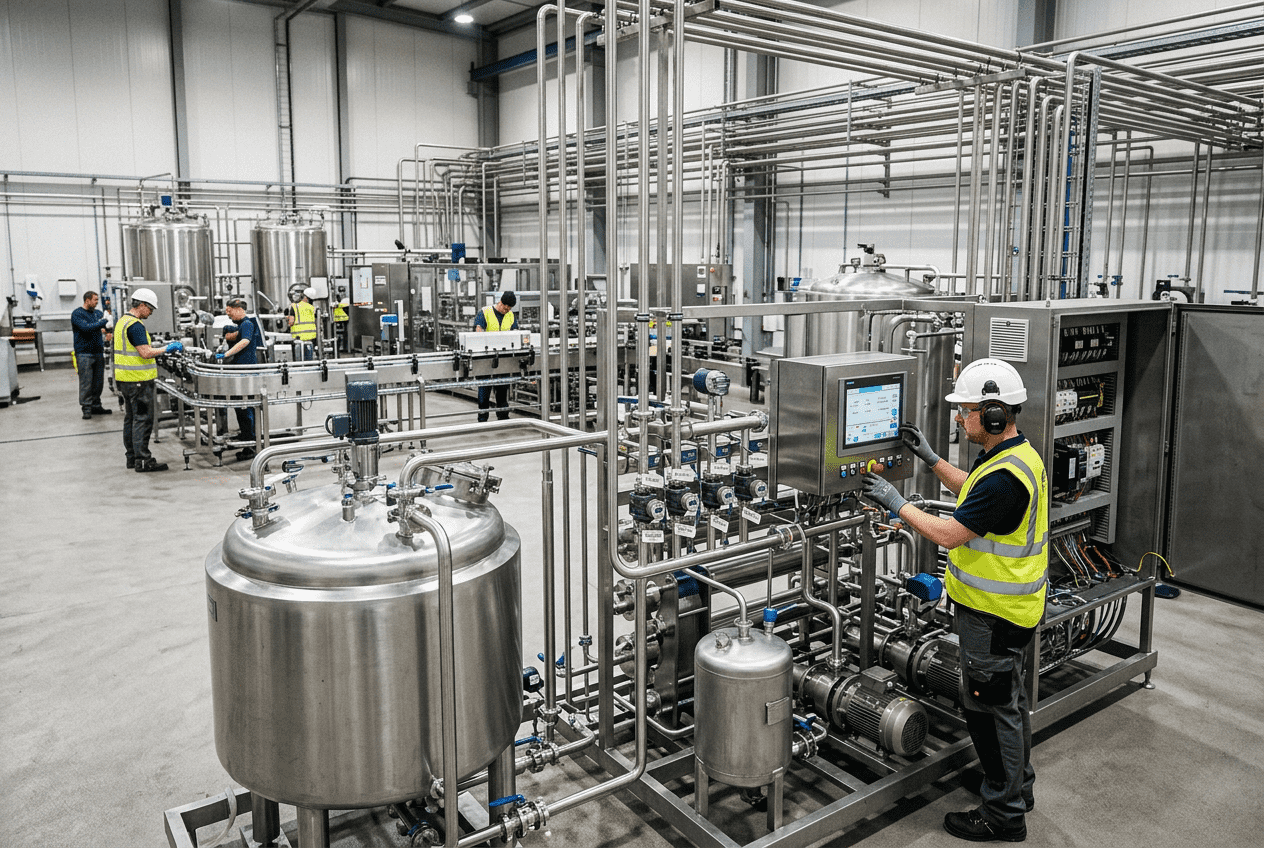
2026 Food Plant Automation Strategy: A 5-Layer Framework for US Facilities
Food and beverage manufacturers in the United States are entering 2026 under pressure to improve throughput, labor efficiency, traceability, quality consistency, and capital productivity at the same time. Rising labor costs, stricter food safety expectations, retailer data demands, and the need for resilient supply chains are pushing facilities to modernize far beyond single-machine upgrades. The most effective path is not random digitization. It is a structured, layered automation strategy that starts on the plant floor and scales to enterprise visibility. This article outlines a practical five-layer framework for U.S. facilities, from equipment-level sensing and controls up to ERP-connected decision support. It is designed for processors in meat, dairy, prepared foods, sauces, aseptic products, brewing, spirits, RTD beverages, and co-packing operations across major production regions such as the Midwest, Texas, California’s Central Valley, the Carolinas, and logistics corridors around Chicago, Dallas-Fort Worth, Atlanta, Memphis, Houston, and the Port of Los Angeles. The best 2026 food plant automation strategy for the United States is a five-layer architecture: Plants that move through these layers in sequence typically reduce unplanned downtime, improve yield, shorten changeovers, strengthen compliance readiness, and make better capital decisions. For most U.S. food facilities, the fastest return comes from Layer 1 and Layer 2, while the highest long-term enterprise value comes from Layers 3 through 5. This summary table shows why sequencing matters. Plants that skip directly to AI or enterprise dashboards without clean machine-level data usually get weak adoption and unreliable results. The line chart reflects a realistic growth trajectory in automation investment as processors respond to labor scarcity, nearshoring, retailer service expectations, and the need to improve plant economics in major manufacturing hubs from Wisconsin and Iowa to California and North Carolina. Layer 1 is where automation strategy becomes real. It includes PLC architecture, I/O design, field instrumentation, motor control, valve clusters, recipe-capable sequencing, and a clean controls network. In many U.S. food plants, this layer is partially modernized. A packaging line may have current PLCs, while upstream batching, utility skids, or CIP loops still rely on legacy controls or manual checks. The objective is simple: every critical asset should produce trustworthy, timestamped operational data while maintaining stable and repeatable control. This includes mixers, cookers, pasteurizers, retorts, fillers, conveyors, pumps, compressors, boilers, glycol systems, chillers, water treatment, and CIP systems. For protein processors in the Midwest, refrigeration and sanitation events may be the top priority. For beverage plants around Charlotte, Southern California, or Texas, syrup rooms, blending accuracy, carbonation, and filler performance often come first. At this layer, engineering discipline matters more than software hype. Standardize panel builds, PLC naming conventions, alarm philosophy, tag structures, and network segmentation. Define instrumentation classes for pressure, flow, conductivity, temperature, Brix, level, pH, turbidity, vibration, and energy metering. If utilities are unstable, no analytics stack on top will be reliable. This table helps engineering teams prioritize sensors based on process criticality rather than buying devices simply because they are available. In food manufacturing, the most valuable signals are the ones tied to quality release, sanitation, uptime, and utility cost. U.S. facilities also need Layer 1 to support regulatory and customer requirements. USDA-inspected meat plants, FDA-regulated aseptic lines, and SQF-certified co-packers all benefit from automated data capture that reduces handwritten records and strengthens audit readiness. For plants shipping through export channels tied to Savannah, Newark, Long Beach, or Houston, traceable process verification can also support customer confidence and dispute resolution. When selecting controls architecture, owners should favor open protocols and maintainability. Ethernet/IP, Profinet, Modbus TCP, OPC UA, and secure historian connectors are more scalable than isolated proprietary islands. Brownfield sites should also review spare parts risk. If the plant still relies on end-of-life PLC families, 2026 is the right time to address obsolescence before growth projects stack more complexity on fragile infrastructure. Once machine-level data is dependable, the next priority is turning it into operational visibility. Layer 2 focuses on OEE, downtime reason capture, line status, alarm escalation, shift dashboards, and visual management for operators, supervisors, maintenance teams, and plant managers. Many U.S. food plants still estimate downtime from shift notes or maintenance logs. That approach hides the real loss structure. A line may appear capacity-constrained when the true issue is a series of 90-second filler stops, labeler starwheel jams, ingredient waiting, sanitation holds, or inconsistent upstream temperature control. Real-time OEE exposes these patterns. The best OEE systems are not just executive scoreboards. They are plant-floor tools. Large displays above the line, Andon signals, downtime prompts at HMIs, mobile alerts to maintenance leads, and shift-end loss reviews create behavior change. In poultry, dairy, brewing, and prepared foods, visual management often delivers rapid gains because it makes recurring problems impossible to ignore. This OEE table is useful because it shows that performance losses are often cross-functional. Engineering, production, maintenance, QA, and sanitation all influence the numbers. The bar chart illustrates where real-time OEE demand is strongest. Protein, prepared foods, and dairy often lead because they combine high line utilization with tight quality and sanitation requirements. For U.S. operators, Layer 2 should also include role-specific dashboards. A plant manager in Chicago may want line-by-line OEE and labor productivity. A maintenance supervisor in Fresno may need top fault codes by asset family. A corporate operations team in Atlanta may want daily throughput, yield, and changeover trends across multiple states. The underlying data should be shared, but the views should be specific. Plants considering this layer should also evaluate automation integration and engineering services that can connect controls, SCADA, and reporting without disrupting production. The key is not just screen design. It is defining line states, event rules, ideal rates, downtime taxonomies, and escalation workflows that match how the facility actually runs. Layer 3 is where a plant transitions from visibility to orchestration. A manufacturing execution system connects orders, recipes, material consumption, batch records, operator actions, QA checkpoints, and genealogy. This is the layer that matters most for complex SKU environments, co-packers, regulated processes, and multi-step production where manual paperwork creates delay and ambiguity. In the United States, MES adoption is accelerating in facilities that must respond quickly to customer audits, retailer scorecards, or frequent changeovers. A co-packer near Dallas serving multiple beverage brands needs stronger lot traceability than a single-SKU commodity line. A dairy or aseptic site shipping nationwide may need electronic records to support release confidence and recall readiness. A prepared foods plant supplying club stores may need faster line clearance validation and material reconciliation. MES functionality can include: It is also the layer where production analytics becomes more meaningful. Instead of only knowing that a filler ran slowly, teams can see whether the root cause was syrup timing, upstream blend availability, film variation, sanitation delays, or operator training gaps. The table above shows why MES is usually justified by a mix of operational and compliance benefits. Plants should not treat it as a software purchase only. It is a process design project. For manufacturers seeking end-to-end plant execution, it helps to work with a partner that understands process engineering, controls, utilities, and installation together. That matters when MES has to align with real-world asset behavior in blending rooms, retorts, cook systems, fermentation cellars, CIP skids, and packaging halls. DPS approaches these projects from both the controls and process side, not just from the IT side, which is important in plants where line performance depends on utility stability and process sequencing. Facilities exploring broader capital modernization can review project case examples to see how execution strategy, not just technology choice, affects schedule, startup speed, and operational payoff. Layer 4 is where advanced analytics starts creating proactive advantage. In 2026, the strongest AI applications in U.S. food plants will not be generic chat interfaces. They will be focused models that predict failures, flag abnormal conditions, optimize process windows, and detect quality risk earlier than manual review. Predictive maintenance is often the first win. Vibration, temperature, current draw, runtime patterns, and fault frequency can be used to forecast bearing wear, pump cavitation, conveyor motor degradation, compressor instability, or filler component fatigue. For a plant running high-volume production near Memphis, Indianapolis, or the Inland Empire, preventing even a few major shutdowns can justify the investment quickly. On the quality side, AI can support fill-level checks, seal integrity review, vision-based defect screening, fermentation trend analysis, and multivariable process monitoring. In dairy and beverage plants, models can correlate upstream conditions such as Brix, temperature, residence time, and differential pressure with downstream reject patterns. In protein and prepared foods, AI can identify cooking variance, packaging defects, or sanitation-driven performance drift. The area chart reflects a realistic transition occurring across the U.S. market: plants are moving from reactive maintenance toward predictive programs, especially where labor shortages make skilled troubleshooting harder to sustain. Still, Layer 4 has prerequisites. AI is only useful when the plant has: For this reason, many processors should begin with narrow pilots: one filler, one retort battery, one compressor room, one fermentation cellar, or one packaging defect category. A pilot should be judged by avoided downtime, reduced scrap, lower maintenance overtime, or faster root-cause detection. From a technology standpoint, this is also where a company’s engineering depth matters. DPS brings controls, SCADA, PLC programming, utility integration, and process knowledge together, which makes it better suited for AI use cases tied to real equipment behavior rather than purely theoretical analytics. In food and beverage environments, context matters: a vibration signal means little if you do not understand when a pump is in CIP service, product transfer, recirculation, or idle standby. The final layer connects production reality to business decisions. ERP-linked automation allows companies to synchronize schedules, inventory, lot movements, labor assumptions, maintenance activity, purchasing triggers, and actual production outcomes. It closes the gap between what planners think the plant can do and what the plant is actually doing. For multi-site U.S. manufacturers, this is increasingly important. A company with facilities in North Carolina, Texas, California, and Illinois cannot rely on spreadsheets if it wants accurate service-level commitments, margin visibility, and coordinated capital planning. ERP-connected visibility helps answer questions like: Layer 5 is also where sustainability and policy trends gain practical force. More retailers and enterprise customers are asking suppliers for energy, water, waste, and traceability metrics. State-level environmental pressures in California, utility pricing in Texas, wastewater constraints in parts of the Midwest, and ESG reporting needs for larger organizations are all increasing demand for plant-to-enterprise data consistency. This table shows why Layer 5 should not be treated as a finance-only initiative. The value comes from aligning actual plant performance with commercial and operational decisions. The comparison chart highlights a common reality in food manufacturing: software value increases when paired with strong process, controls, installation, and startup execution capability. For a 2026 automation strategy to succeed, plants need hard engineering standards, not just vision statements. The following requirements are common across successful U.S. food and beverage projects: The technical standard table should be translated into a project playbook before procurement begins. That avoids incompatibility between skid vendors, utility packages, line builders, and corporate systems. U.S. processors should also plan around site realities. Older East Coast plants may have space and utility limitations. Gulf Coast sites may need hurricane resilience and backup power strategies. California facilities may face water and energy constraints. Midwestern meat and dairy sites often require rugged sanitation-ready hardware and careful refrigeration integration. For projects involving tank farms, pasteurization, blending, fermentation, distillation, retorts, CIP, or utility expansions, manufacturers benefit from partners that can engineer across structural, mechanical, plumbing, electrical, process, and controls disciplines. DPS combines those technical capabilities with turnkey installation and commissioning, which helps reduce the common gap between engineered intent and field execution. Manufacturers can also review process equipment capabilities when evaluating how custom tanks, CIP systems, tumblers, or cooking vessels fit into broader automation plans. The best automation strategies are staged, measurable, and tied to production economics. For most U.S. food facilities, a phased roadmap works better than a single massive digital transformation announcement. This roadmap is effective because it gives plants an early proof point while preserving long-term architecture. It also prevents teams from overbuying software before plant data and workflows are ready. Best practices for implementation include: A well-run project also considers whether capital can be avoided through controls improvement before equipment expansion. That is one of the most overlooked opportunities in U.S. manufacturing. Sometimes the bottleneck is not physical capacity but logic, sequencing, scheduling discipline, or utility stability. The right engineering partner should be willing to say that directly. Disruptive Process Solutions supports food and beverage manufacturers across the United States and Canada with a model built around engineering, building, and managing profitable capital projects. Rather than acting as a narrow vendor, the company operates as an execution-focused partner for processors that need strong technical depth, honest guidance, and fast decision-making. From a technology perspective, DPS works across process controls, PLC programming, SCADA, automation integration, utility systems, and production infrastructure. That includes the kind of interdisciplinary work required for modern facilities where process equipment, controls, data capture, and utilities must function as one system. This is especially valuable in sectors such as brewing, spirits, dairy, aseptic processing, protein, prepared foods, and co-packing. From a manufacturing capability standpoint, DPS supports complete processing environments including blending, batching, pasteurization, sterilization, retort, fermentation, distillation, carbonation, grinding, mixing, forming, marination, cooking, and CIP. The company also provides proprietary equipment such as tanks, custom CIP systems, marination tumblers, and cooking vessels, helping clients align equipment design with the broader plant strategy. From a service capability standpoint, DPS provides process engineering and design, capital planning, feasibility work, owner’s representation, project and program management, general contracting support where licensed, installation management, and turnkey system integration. That combination is useful for manufacturers expanding in high-growth corridors or upgrading legacy sites where coordination between local trades, equipment suppliers, and operations teams is often the difference between a profitable startup and an expensive delay. Companies evaluating strategic modernization can learn more about the DPS team and approach, especially if they want a partner that balances technical rigor with commercial practicality. What is the best first step for a food plant starting automation in 2026?Begin with a plant assessment of controls, data availability, downtime patterns, and utility constraints. Most sites should first standardize Layer 1 and then implement Layer 2 on their highest-value line. How much of the framework is relevant for small or mid-sized U.S. processors?All five layers are relevant, but they do not need to be deployed at once. A mid-sized sauce plant, brewery, or protein processor may start with controls and OEE, then add MES for traceability as customer complexity grows. Is OEE enough without MES?No. OEE is powerful for performance visibility, but MES is needed when genealogy, recipe enforcement, electronic batch records, and production orchestration become critical. When does AI make sense in a food facility?AI makes sense after the plant has stable controls, reliable data, and a clear use case such as predicting pump failures, reducing filler defects, or identifying abnormal process conditions. What are the biggest 2026 trends in U.S. food plant automation?Key trends include labor-saving automation, electronic traceability, AI-based maintenance, cybersecurity for OT networks, water and energy monitoring, and tighter ERP-to-plant data integration. How should plants evaluate suppliers or integrators?Look for food-specific process knowledge, controls capability, field execution experience, compliance familiarity, startup support, and the ability to connect capital planning with operational ROI. What industries benefit most from this five-layer model?Dairy, protein, prepared foods, brewing, spirits, sauces, RTD beverages, aseptic products, and co-packing operations all benefit because they face a mix of throughput, quality, and traceability pressure. Can a plant modernize without replacing all equipment?Yes. Many U.S. facilities gain major improvement by upgrading controls, sensors, logic, utility integration, and reporting on existing assets before replacing full lines. How does sustainability fit into the automation strategy?Automation helps measure energy, water, steam, compressed air, and waste more accurately. In 2026, this matters for utility cost control, customer reporting, and facility resilience. Why is a layered approach better than buying isolated tools?Because each layer depends on the one below it. Without a controls foundation, OEE is unreliable. Without operational structure, MES becomes messy. Without good data, AI underperforms. Without integration, ERP visibility is incomplete. For U.S. food and beverage manufacturers, the winning 2026 strategy is not about installing the most software. It is about building an automation stack that reflects how plants actually run, how products actually move, and how capital actually earns return. When the five layers are implemented with discipline, facilities gain not only better data, but better decisions.


