-
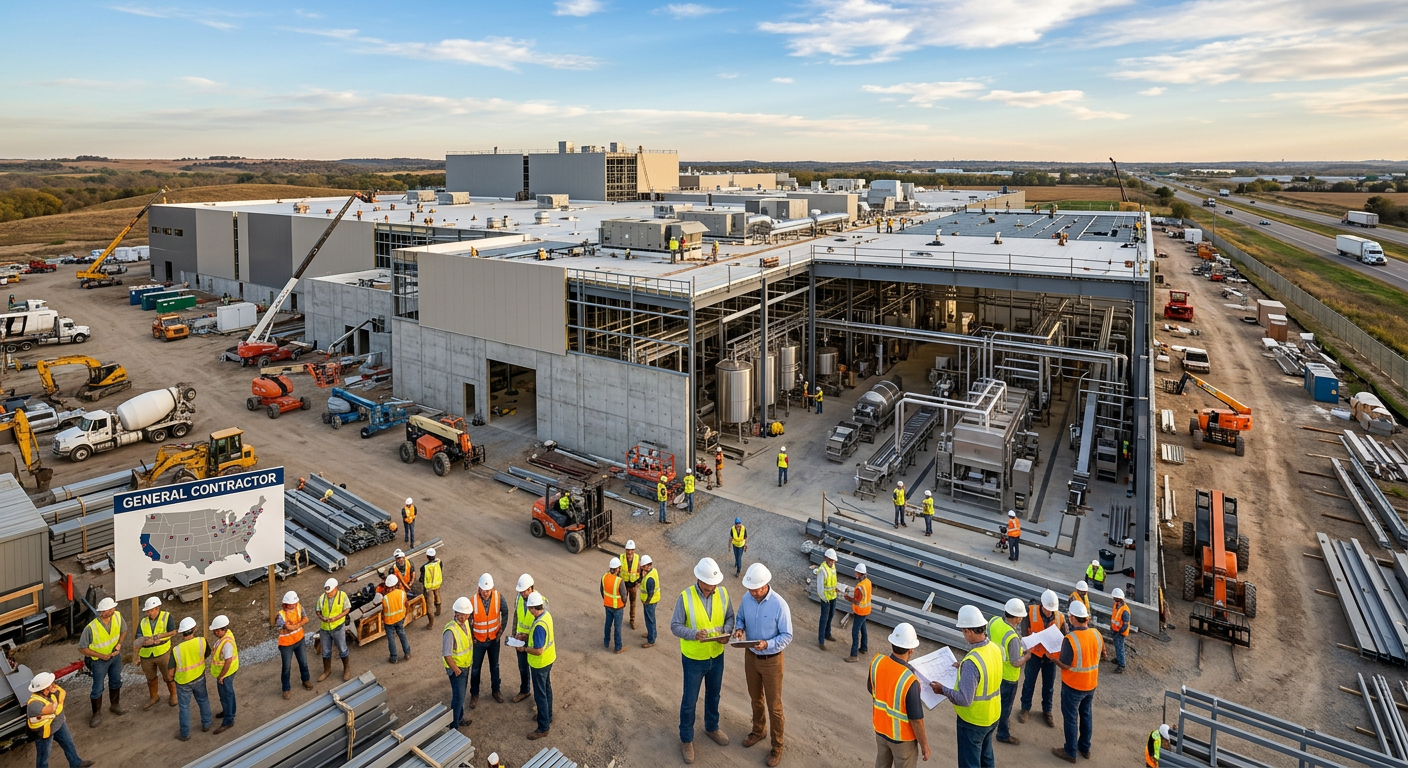
Candy Manufacturing Equipment: Cookers, Depositors, and Cooling Systems
For U.S. confectionery manufacturers, choosing the right candy production equipment is not just a machinery decision. It affects throughput, labor efficiency, sanitation performance, product consistency, utility demand, packaging speed, and long-term profitability. Whether a plant makes hard candy, chewy candy, gummies, jellies, chocolate-covered centers, or seasonal boxed assortments, the best system is one designed around the product, the target capacity, and the realities of American manufacturing costs, food safety expectations, and distribution networks. The fastest answer is this: hard candy and soft candy producers in the United States should select batch cookers when flexibility, frequent flavor changes, or smaller production lots matter most, and continuous cookers when throughput, moisture control, and repeatability drive the business case. Gummy and jelly lines depend heavily on depositor accuracy, mold handling, and controlled cooling to protect weight consistency, texture, and shape. Chocolate lines require stable tempering, synchronized enrobing, and carefully matched cooling profiles. Packaging automation should be chosen only after the upstream process is balanced, because a high-speed wrapper cannot compensate for inconsistent product feeding or unstable product temperatures. In practice, successful confectionery projects usually combine six core system blocks: For the U.S. market, buyers in Chicago, Charlotte, Dallas, Los Angeles, and the greater Northeast corridor often prioritize labor reduction, FDA-ready design, quick product changeovers, and integration with existing ERP and plant control systems. Companies shipping through major logistics hubs such as the Port of Savannah, Port of Los Angeles, Port Newark, and Houston also care about shelf stability, package durability, and production scheduling that aligns with regional distribution demands. Buying advice is straightforward: start with the finished product specification, not the machine brochure. Define solids, moisture, texture, target piece weight, packaging format, and peak seasonal demand first. Then engineer the process backward. This approach avoids oversizing a cooker, underfeeding a depositor, or creating a cooling tunnel bottleneck that limits the full line. Manufacturers also benefit from working with an experienced process integrator that can connect equipment, controls, utilities, and commissioning into one accountable scope rather than leaving multiple OEMs to solve system gaps after startup. The table above shows why equipment selection should be treated as a process architecture exercise rather than a simple purchasing event. Every category influences the next step downstream. The line chart suggests a realistic upward trend in U.S. confectionery equipment demand, driven by automation, reshoring, private label growth, and energy-efficient plant upgrades. Cooker selection depends on product family, target throughput, solids control, flavor volatility, and operating model. Hard candy generally demands accurate concentration at high temperatures with tight moisture control. Soft candy, caramels, chewy centers, and some nougat or fondant applications require more nuanced heat transfer, controlled vacuum, and shear management to avoid scorching, crystallization issues, or texture drift. Batch cookers are often preferred by specialty manufacturers running multiple flavors, seasonal products, or lower-volume premium lines. They support flexible scheduling and allow operators to tweak process parameters from lot to lot. This matters for co-manufacturers and regional brands serving different customers with short runs. In contrast, continuous cookers are usually a better fit for high-volume operations producing repeatable SKUs with long campaigns. They reduce labor dependence, improve thermal consistency, and support better integration with downstream forming and packaging systems. In markets such as Pennsylvania, Wisconsin, and North Carolina, where many food manufacturers operate mixed-SKU facilities, hybrid strategies are common. A plant may run continuous syrup preparation and then split into semi-batch finishing steps for different candy styles. That can be a smart middle ground when growth is expected but product development remains active. This comparison highlights why no single cooker technology is ideal for every confectionery plant. The right choice comes from matching the thermal process to product behavior and business strategy. For U.S. buyers, utility infrastructure is equally important. Steam availability, condensate recovery, electrical service, glycol capacity, and plant ceiling height can all determine whether a cooker can be integrated cost-effectively. A cooker that looks attractive on paper may require expensive boiler upgrades or mezzanine rework. That is why front-end engineering matters before capital approval. By 2026, cooker trends in the United States are expected to include better energy recovery, predictive maintenance based on temperature and pressure history, and more recipe-driven automation that reduces operator variability across shifts. Sustainability policy and utility cost pressure are also pushing manufacturers to evaluate insulated vessels, heat recovery loops, and right-sized steam systems rather than simply adding capacity. Gummy and jelly manufacturing depends heavily on depositing accuracy. Piece weight variation, poor mold registration, uncontrolled starchless mold release, and inconsistent head pressure can all create giveaway, visual defects, or rework. For pectin, gelatin, starch-based, and hybrid gel systems, the depositor must handle temperature-sensitive masses while preserving formulation integrity from hopper to nozzle. In modern U.S. plants, servo-driven depositors are standard for medium and high-speed gummy lines. They provide better control over fill volume, multi-color layering, center-fill applications, and shape definition. Mold-filling technology must also support the chosen format: starch mogul, starchless silicone or metal molds, tray systems, or specialty nutraceutical molds. Buyers entering the vitamin gummy or functional confectionery segment should account for stricter quality expectations, allergen management, and batch documentation requirements. Regional demand in the United States shows strong activity in gummies and jellies for both confectionery and nutraceutical applications, especially around contract manufacturing corridors in the Midwest and Southeast. Plants near Atlanta, Indianapolis, and Dallas often prioritize fast changeovers because they serve diverse customer portfolios with frequent SKU turnover. The table shows how depositor features directly affect sellable output, not just machine sophistication. Plants that underinvest in mold-filling control usually pay for it through waste, giveaway, and slower speeds. Beyond the depositor itself, manufacturers should evaluate hopper agitation, nozzle heating, transfer piping, and clean-in-place compatibility. Gel systems can stratify or set prematurely if dead legs and poor thermal control are ignored. A reliable process design also includes dehumidification around cooling and demolding areas, especially in humid U.S. climates such as Florida, Texas, and the Gulf Coast. The bar chart reflects current U.S. demand patterns, with gummies and functional confectionery driving especially strong interest in high-accuracy depositing systems. Cooling is often underestimated in candy projects. In reality, the cooling tunnel and conveying system determine whether product shape, surface finish, texture, and downstream packaging performance remain stable. If product exits the depositor or former at the wrong temperature, the entire line becomes difficult to balance. If cooling is too aggressive, cracking, sugar bloom, condensation, or texture defects may occur. If it is too slow, throughput drops and pieces may deform before packaging. Good cooling tunnel design considers product mass, belt loading, ambient conditions, humidity, residence time, and sanitation access. For gummies and jellies, cooling is tied to setting and demolding behavior. For hard candy, controlled cooling helps maintain clarity and shape. For chocolate-coated items, the tunnel must support gloss retention and structure without causing bloom. Conveyor design also matters. Transfers, belt material, elevation changes, and accumulation strategy all influence product damage rates. Plants in climates with major seasonal variation, such as the Midwest and Northeast, should not rely solely on room HVAC to stabilize confectionery lines. Dedicated tunnel control and sensible humidity management are safer and more repeatable. In coastal regions near Savannah, Long Beach, and Newark, humidity control can be especially important for sticky or hygroscopic products. This table explains why cooling and conveying should be engineered as part of the process, not treated as standard accessories. Properly sized tunnels and conveyors protect product quality while improving uptime. By 2026, more U.S. confectionery plants are expected to adopt variable-speed fans, better insulated tunnel construction, smart temperature logging, and controls that adjust cooling profiles automatically based on recipe or ambient conditions. These upgrades support both quality and sustainability goals by reducing overcooling and unnecessary energy use. The area chart illustrates the growing shift toward more automated and controllable cooling systems across the U.S. confectionery sector. Chocolate systems demand precision. Tempering quality affects gloss, snap, bloom resistance, and shelf life. Enrobing performance affects coating weight, bottom coverage, curtain stability, and decoration consistency. The biggest mistake buyers make is evaluating a temperer or enrober in isolation. In reality, chocolate performance depends on upstream center preparation, product spacing, tunnel conditions, and packaging temperature at handoff. For U.S. manufacturers producing chocolate-covered caramels, wafers, cookies, protein inclusions, or seasonal assortments, integrated line design is essential. Center feeding must be synchronized with the enrober. Chocolate recirculation must be stable. Vibration, blower settings, and detailer devices must be tuned for target coating weight. Cooling after enrobing must be gradual enough to protect finish and structure. Manufacturers serving premium retail in cities such as New York, San Francisco, and Seattle often emphasize visual quality and finish. Those selling into club, mass retail, or e-commerce may place more weight on durability, packout speed, and bloom resistance through varied distribution environments. When selecting equipment, evaluate chocolate mass handling, allergen segregation, quick-clean features, and compatibility with decorative drizzles, nuts, or inclusions. If product mix includes both compound coatings and real chocolate, controls should support different tempering profiles and line sanitation protocols. Integration is also about utility planning. Temperers, enrobers, cooling tunnels, and room conditioning systems all interact. An unstable room can undermine a well-designed temperer. That is why projects should include process engineering, environmental control review, and startup validation rather than only machine installation. In confectionery, recipe control is where profitability and quality often meet. Variability in sugar, glucose syrup, gelatin, pectin, acids, colors, flavors, milk solids, or fats can alter texture, flavor release, shelf life, and finished weight. Manual ingredient addition may work at small scale, but for growing U.S. plants it often creates inconsistency, waste, and traceability gaps. Automated ingredient dosing systems improve repeatability by controlling liquid and dry additions with load cells, mass flow devices, and integrated batch logic. Recipe control software helps standardize temperatures, hold times, mixing steps, and transfer sequences. It also supports auditability, training, and faster startup for new operators. This is especially valuable in regions facing tight labor markets, including parts of California, Texas, and the Carolinas. Confectionery manufacturers should also think about upstream material handling. Bulk sugar unloading, syrup storage, jacketed ingredient tanks, micro-ingredient skids, and allergen segregation all contribute to consistent performance. If ingredients are not conditioned correctly before they reach the kettle or cooker, downstream controls cannot fully recover product uniformity. The table above shows that recipe automation is not only about convenience. It improves quality assurance, production economics, and compliance performance at the same time. In the United States, brands supplying national retailers increasingly expect process data that can support consistency across multiple production periods or manufacturing sites. By 2026, more plants are expected to link recipe systems to energy monitoring, OEE tracking, and predictive alerts. That will help operations managers see not only what recipe was run, but how efficiently it was produced. Packaging automation should be selected after product flow, cooling, and accumulation strategy are understood. Twist-wrap systems are common for hard candies and some toffees where individual presentation matters. Pillow-pack formats serve a wide range of candies and often support good speed with broad retail compatibility. Boxed candy systems require accurate counting, collation, tray loading, and carton handling, especially for premium assortments or seasonal gift products. In the U.S. market, the best packaging choice depends on channel. Convenience retail often values compact single-serve or multi-pack pillow-pack formats. Club and grocery may require larger bags, cartons, or stand-up pouch feeding systems. Gift and holiday channels may need boxed presentations with higher aesthetic demands and more frequent seasonal changeovers. Manufacturers should examine not only wrapper speed but also infeed stability, product orientation, reject handling, metal detection, case packing, and palletization. A wrapper rated for high output is only valuable if the upstream line can feed it consistently. Integrated automation often delivers the best labor savings by connecting primary packaging to downstream cartoning and case handling. This table clarifies that packaging automation decisions should align with product characteristics and retail strategy, not just packaging machine speed claims. Supplier and product comparisons in the United States often come down to three points: changeover time, service responsiveness, and integration quality. Domestic support availability can be especially important for fast seasonal businesses that cannot afford long downtimes waiting on imported parts. The comparison chart reflects what many American buyers increasingly value when comparing equipment suppliers or integrated system approaches. Sanitation in confectionery can be misunderstood because not every candy line is wet-cleaned in the same way. Still, hygienic design is critical. Equipment should minimize crevices, dead legs, exposed threads in product zones, and inaccessible surfaces. Materials of construction, weld quality, drainage, removable guards, and access for inspection all affect food safety and cleaning labor. U.S. buyers should evaluate whether each section of the line needs dry cleaning, wet washdown, clean-out-of-place, or CIP capability. Chocolate systems, sugar systems, gummy depositors, and starch-handling equipment each have different sanitation expectations. The best equipment design reflects actual cleaning chemistry, contact times, allergen changeover needs, and production frequency. Plants operating under FDA, SQF, or BRC expectations need documentation and design discipline from the start. It is not enough to add sanitation procedures after installation. Hygienic zoning, utility routing, floor drainage, and operator access should be part of the project design basis. Facilities handling dairy, nuts, functional actives, or multiple allergen profiles need especially clear segregation logic. Future trends through 2026 include stronger adoption of hygienic design reviews during project engineering, greater use of sanitation verification data, and more interest in equipment that shortens changeover cleaning windows. Sustainability is part of this conversation too. Plants are seeking lower water use, reduced chemical consumption, and efficient CIP loops where wet cleaning is required. Manufacturers looking for broader engineering support often benefit from partners that understand food safety compliance as well as process performance. That can reduce the gap between what passes an audit and what actually runs efficiently every day. Disruptive Process Solutions supports confectionery and broader food and beverage manufacturers across the United States and Canada with engineering-led project delivery. Rather than approaching a candy line as a collection of isolated machines, the company approaches it as a complete manufacturing system that must be engineered, installed, integrated, and managed to deliver measurable business value. From a technological capabilities standpoint, DPS brings process, mechanical, structural, plumbing, electrical, and controls expertise into one coordinated delivery model. That matters for confectionery projects where cookers, depositors, tempering systems, conveyors, cooling tunnels, packaging automation, utilities, PLC programming, and SCADA visibility all need to work together. The company also supports advanced process requirements such as batching, in-line measurement, automation logic, and utility integration, which are essential for repeatable candy quality and efficient plant operation. Readers who want a broader overview can visit the service capabilities page for more detail on integrated delivery. From a manufacturing capabilities standpoint, DPS supports food producers with custom process equipment, system design for tanks and vessels, CIP solutions, cooking systems, and integrated line architecture tailored to actual production needs. That is valuable for confectionery clients who need more than off-the-shelf machine procurement. A candy project may require custom syrup handling, utility skids, transfer systems, or layout-driven modifications that make the line commercially viable within an existing U.S. facility footprint. More information on this area is available through the company’s equipment solutions section. From a service capabilities standpoint, DPS operates through its Design Build Manage model, combining upfront engineering, construction coordination, installation oversight, and execution management. For candy manufacturers, this can mean support from feasibility and capital planning through commissioning and startup. The company serves clients in all 50 states, with project experience across food, beverage, aseptic, dairy, protein, and specialty processing. That breadth helps when confectionery projects intersect with utilities, packaging halls, warehouse constraints, or multi-line plant expansions. Companies evaluating fit can review the company background and see examples of execution in the project case section. DPS is particularly well suited for manufacturers that want honest engineering feedback, practical capital planning, and an execution partner focused on long-term plant profitability. In the U.S. confectionery market, that often means helping owners avoid overbuilding, identify the true bottleneck, and connect automation decisions to financial outcomes instead of buying equipment in disconnected phases. What is the best cooker for hard candy production?For high-volume hard candy with stable recipes, continuous cookers are often the best choice. For smaller runs, premium flavors, or frequent changeovers, batch cookers can be more practical. Are starchless gummy systems better than mogul systems?Not always. Starchless systems are cleaner and attractive for many modern gummy applications, especially nutraceutical products, but mogul systems still work well for high-volume traditional gummy production. How important is the cooling tunnel in a candy line?It is critical. A poorly designed cooling tunnel can reduce throughput, damage texture, and create packaging problems even when the cooker and depositor are performing well. What should U.S. buyers prioritize when comparing depositors?Look at weight accuracy, changeover time, mold compatibility, cleanability, local service support, and how well the depositor integrates with upstream cooking and downstream cooling. Can one line handle gummies, jellies, and soft candy?Sometimes, but only if the process requirements are compatible. Multi-product flexibility often requires tradeoffs in speed, cleaning complexity, and automation design. How much automation is worth it for packaging?That depends on labor cost, throughput goals, and SKU mix. In the United States, high labor costs often justify deeper automation when product flow is stable enough to support it. What sanitation features should be specified early?Accessible product contact zones, hygienic welds, removable guards, cleanable transfer points, drainage strategy, and the correct cleaning method for each process section should all be defined during engineering. What trends will matter most by 2026?Expect stronger demand for recipe automation, energy-efficient cooking and cooling, hygienic design verification, improved traceability, predictive maintenance, and sustainability-driven utility optimization. For U.S. confectionery manufacturers, the strongest equipment investments are usually those made with a full-system mindset: process first, product quality always, utilities planned realistically, and automation matched to actual business goals. -
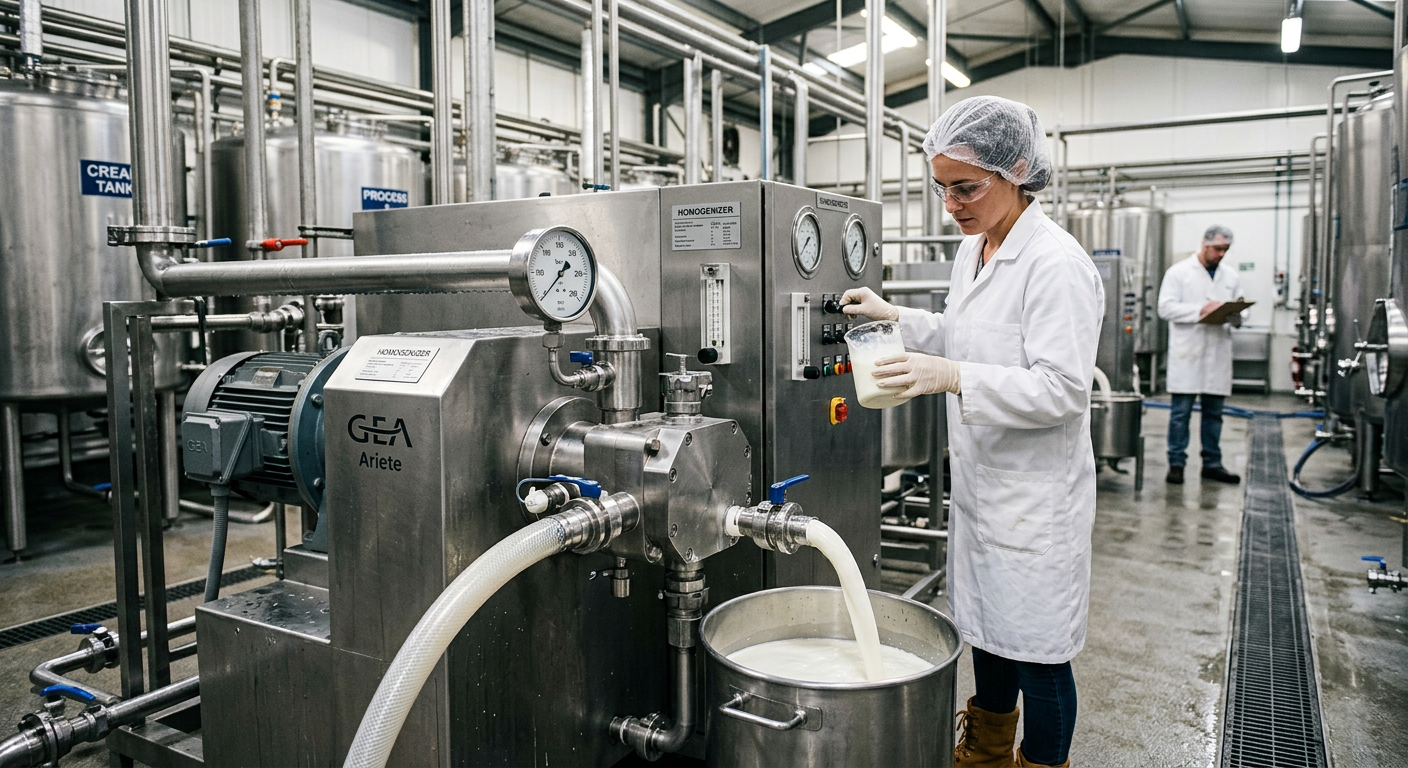
CIP System Upgrade for Food Plants
For many U.S. food and beverage manufacturers, a CIP system upgrade stops being optional when cleaning cycles become too long, utilities keep rising, validation records are inconsistent, or production growth outpaces the original skid design. In practical terms, the best upgrade path depends on plant age, product mix, sanitation risk, automation maturity, and how much downtime the facility can tolerate. A small retrofit may solve control and reporting gaps. A skid replacement may improve flow, recovery, and recipe repeatability. A full redesign is often justified when plant expansion, allergen segregation, water reuse, or USDA and FDA compliance expectations have changed materially. Across the United States, this issue is especially relevant in food hubs such as Chicago, Dallas-Fort Worth, Fresno, Los Angeles, the Research Triangle, Atlanta, and the protein corridors around Arkansas, Iowa, Nebraska, and the Carolinas. Plants moving product through major logistics routes near the Port of Los Angeles, Port of Long Beach, Port of Savannah, Port of Houston, and New Jersey distribution networks face relentless pressure to protect throughput while cutting cost per cleaned gallon or per production hour. Whether your facility runs dairy, sauces, cultured products, beverages, prepared foods, proteins, or aseptic lines, an upgraded CIP strategy can improve sanitation confidence, shorten changeovers, and reduce total operating cost. This guide explains how to evaluate legacy manual CIP versus modern automated systems, compare upgrade options, calculate expected savings, manage downtime, validate performance, and execute cutover with lower risk. A CIP system upgrade is usually warranted when one or more of the following are true: cleaning performance is inconsistent, labor reliance is high, utility usage is trending upward, production capacity has increased beyond original design intent, or digital records are not sufficient for food safety and audit needs. In the U.S. market, most plants fall into one of three upgrade categories: The table above shows that the right answer is rarely “replace everything” by default. Many plants in the United States recover value faster by matching scope to the actual bottleneck: controls, hydraulics, tank sizing, recovery logic, heat integration, or operator dependency. The clearest warning signs appear in production data, sanitation logs, maintenance trends, and utility bills. When two or more of the signals below are present, management should review upgrade economics. In real U.S. facilities, these signs often show up after line additions, SKU expansion, allergen growth, or a shift from one-shift to two-shift production. A yogurt plant in Wisconsin, a sauce operation in New Jersey, or an RTD beverage line in Southern California may all have different products, but the pattern is similar: the original CIP system no longer fits the business model. Plants should also examine maintenance history. Repeated seat leakage, instrumentation drift, pump cavitation, dead-leg concerns, and unreliable temperature hold points are not just maintenance annoyances. They are symptoms that the sanitary cleaning system is no longer aligned with current throughput and compliance needs. Legacy manual CIP systems can appear cheaper because they are already installed and depreciated. However, their true cost includes labor, variability, slower transitions, utility waste, and the hidden cost of poor documentation. Modern automated systems shift cost from labor and inconsistency into repeatable recipes, controlled parameters, tighter recovery, and cleaner data. The explanation behind the table is straightforward: manual systems usually over-clean to stay safe, while automated systems clean to a validated recipe. That difference matters financially. If a plant in Texas or North Carolina runs multiple daily changeovers, even a 20-minute reduction per CIP cycle can unlock meaningful annual capacity without adding another line. The line chart reflects the broader U.S. trend: more facilities are modernizing sanitary process systems because labor is tight, sustainability targets are stronger, and digital traceability expectations continue to rise. Most CIP modernization projects fit into three practical scopes. The best choice depends on the condition of tanks, valves, instruments, utility infrastructure, and future production plans. The explanation is important: a controls retrofit is not just a screen update. When done correctly, it can include automated recipe sequencing, conductivity-based transitions, alarm rationalization, secure user permissions, batch records, and remote diagnostics. A skid replacement, by contrast, is usually justified when tanks are mis-sized, sanitary design is poor, recovery is weak, or the plant needs more circuits than the current skid can support. For manufacturers that want an experienced engineering and integration partner, process and project delivery services can be especially valuable when the CIP scope touches utilities, controls, production scheduling, and compliance at the same time. From a technology standpoint, strong upgrade partners should understand process engineering, sanitary piping, PLC programming, SCADA, instrumentation, electrical integration, and utility balancing. DPS, for example, is known in the North American market for combining process, mechanical, electrical, structural, and controls engineering with end-to-end system integration. That matters because a CIP project is rarely isolated; it affects tanks, fillers, HTST systems, mixing, batching, water treatment, and plant utilities. The most successful CIP upgrades are planned backward from production commitments. Plants should first map their required run schedule, shutdown windows, seasonal peaks, and high-risk customer commitments. Then they should define what can be prefabricated, what must be cut in live, and what can be commissioned in parallel. In the United States, plants often schedule CIP upgrades around holiday demand curves, crop seasons, school-year beverage demand, or protein market swings. Facilities near Memphis, Kansas City, or Central Valley distribution routes often prefer modular fabrication to reduce on-site disruption and compress construction windows. On the service side, DPS is differentiated by its Design Build Manage model, which is useful for complex CIP upgrades because it aligns front-end planning, construction management, local trade coordination, and execution oversight under one accountable structure. For owners trying to control scope, budget, and timing, that integrated approach can reduce surprises during field installation. Return on investment should include both hard and soft benefits. Hard savings come from reduced water, chemical, sewer, steam, electricity, and labor. Soft savings include lower sanitation risk, better uptime, stronger audit performance, improved operator safety, and capacity released by shorter cleaning cycles. As the table shows, not every plant saves the same way. A dairy processor in Idaho may emphasize hot-water and chemical savings, while a beverage co-packer in Florida may place greater value on reduced cycle time and production availability. Plants in drought-sensitive states often place a premium on water and sewer reduction. To illustrate ROI, consider a mid-size U.S. plant running four CIP cycles per day. If automation cuts 18 minutes from each cycle, that equals 72 minutes recovered daily. Over a year, that can create significant extra production time before even counting utility savings. In plants where line time is worth thousands of dollars per hour, released capacity often becomes the biggest economic driver. For companies evaluating custom system design or fabrication, it also helps to review available process equipment capabilities so the upgrade scope reflects actual sanitary design, tank sizing, pump selection, and automation requirements rather than generic assumptions. Any meaningful CIP system upgrade should be followed by a structured validation effort. The exact protocol depends on product risk, customer requirements, QA standards, and whether the plant falls under FDA, USDA, SQF, BRC, or specialized aseptic expectations. Validation should confirm that the upgraded system consistently achieves the intended cleaning result for each defined circuit and recipe. The explanation here is critical: validation is not only a paperwork exercise. It is the bridge between engineering intent and sanitary reality. U.S. plants should verify flow rates, return temperatures, concentrations, rinse endpoints, seat-lift functions where applicable, and recipe transitions under realistic operating conditions. If the plant handles allergens, acidic beverages, cultured dairy, or protein residues, validation needs to reflect those actual soils. Facilities should also make sure the upgraded platform retains electronic records that are easy to retrieve during internal reviews or third-party audits. That is often one of the largest practical advantages over a manual legacy system. Risk reduction is often what separates a smooth CIP upgrade from a painful one. The lowest-risk projects usually rely on pre-engineering, modular fabrication, FAT, detailed cutover scripts, and clear go/no-go criteria. Best practices include keeping the old system available during initial startup when space and piping allow, proving one circuit family at a time, verifying instrument calibration before wet testing, and locking down any recipe changes during the first production week. Plants should define who can approve alarm bypasses, temporary operating modes, and sanitation deviations during cutover. In regions with hard-to-replace labor or long freight routes, such as mountain states or remote parts of the Midwest, spare instrumentation and valve components can be especially important. Plants near major distribution and trade corridors can often compress startup support, but even they benefit from disciplined cutover governance. On the manufacturing side, it helps when your partner can supply custom CIP skids, tanks, and related sanitary process equipment instead of forcing a one-size-fits-all package. DPS manufactures selected process equipment, including custom CIP systems and tanks, which can support a more integrated fit between plant layout, utility conditions, and production goals. A representative U.S. case involves a mid-size prepared foods plant running sauces and liquid ingredients for regional distribution throughout the Southeast. The facility served customers from North Carolina to Texas and needed to improve sanitation consistency without adding excessive downtime. The legacy CIP setup relied heavily on operator intervention, lacked robust trend records, and consumed more water than the plant’s current sustainability targets allowed. The upgrade scope included a controls retrofit, new instrumentation, revised recipe logic, conductivity-based transitions, improved reporting, and targeted hydraulic improvements on the highest-risk circuits. Rather than replace the entire skid, the plant kept usable stainless assets and focused capital on the true bottlenecks. The plant also gained stronger audit confidence because every cycle was recorded with time stamps, temperatures, and concentration history. That improved not only sanitation control but also maintenance diagnostics. The lesson from this case is that a measured, data-based modernization can outperform a full replacement when the skid shell is still serviceable. If you want to see how integrated capital projects are approached more broadly, the company’s project case studies can help illustrate how engineering, execution, and client economics come together in real manufacturing environments. How do I know if a controls retrofit is enough?If tanks, pumps, piping, and sanitary design are still fundamentally sound, but your plant struggles with manual operation, inconsistent recipes, or poor records, a controls retrofit may be enough. If you also have flow, return, coverage, or tank-capacity issues, hardware changes are likely needed. What industries benefit most from a CIP system upgrade?Dairy, beverage, sauces, cultured products, plant-based foods, prepared foods, proteins, and aseptic operations all benefit. Any plant with frequent changeovers, allergen management requirements, or high utility usage should review CIP modernization economics. What should a U.S. plant ask suppliers before buying?Ask about sanitary design experience, automation capability, FAT process, validation support, utility modeling, spare parts strategy, and whether the supplier can support engineering, installation, and startup. Also ask for a realistic downtime plan and a detailed definition of what is included. How long does a CIP upgrade project usually take?A controls retrofit may move from design through startup in a few months, while a skid replacement or redesign can take longer depending on fabrication, permitting, and shutdown windows. Prefabrication and strong front-end engineering reduce field time significantly. Are there 2026 trends that should influence buying decisions now?Yes. By 2026, more U.S. facilities are expected to prioritize water stewardship, energy visibility, recipe-level traceability, remote diagnostics, cybersecurity for controls, and sustainability reporting. Plants should also expect stronger attention to digital audit records and utility efficiency as customer and policy expectations increase. What future technologies are shaping CIP upgrades?Advanced analytics, smarter conductivity and flow verification, SCADA-based reporting, recipe optimization, utility metering, and predictive maintenance are becoming more common. Some plants are also evaluating greater water recovery and tighter integration with plant-wide energy management systems. Why consider DPS for a CIP upgrade?Because the company brings together process engineering, controls integration, project management, equipment capability, and installation oversight across the United States and Canada. Its model is built around profitable project execution, not just equipment supply. You can learn more about the team and approach if you are comparing U.S. partners for a food plant CIP modernization program. In closing, a CIP system upgrade should be treated as a business decision, not just a sanitation expense. The right project can lower operating cost, support compliance, improve sustainability, and create real production capacity. For U.S. food and beverage manufacturers facing growth, tighter labor, and rising utility pressure, that combination can make CIP modernization one of the highest-value infrastructure upgrades in the plant. -
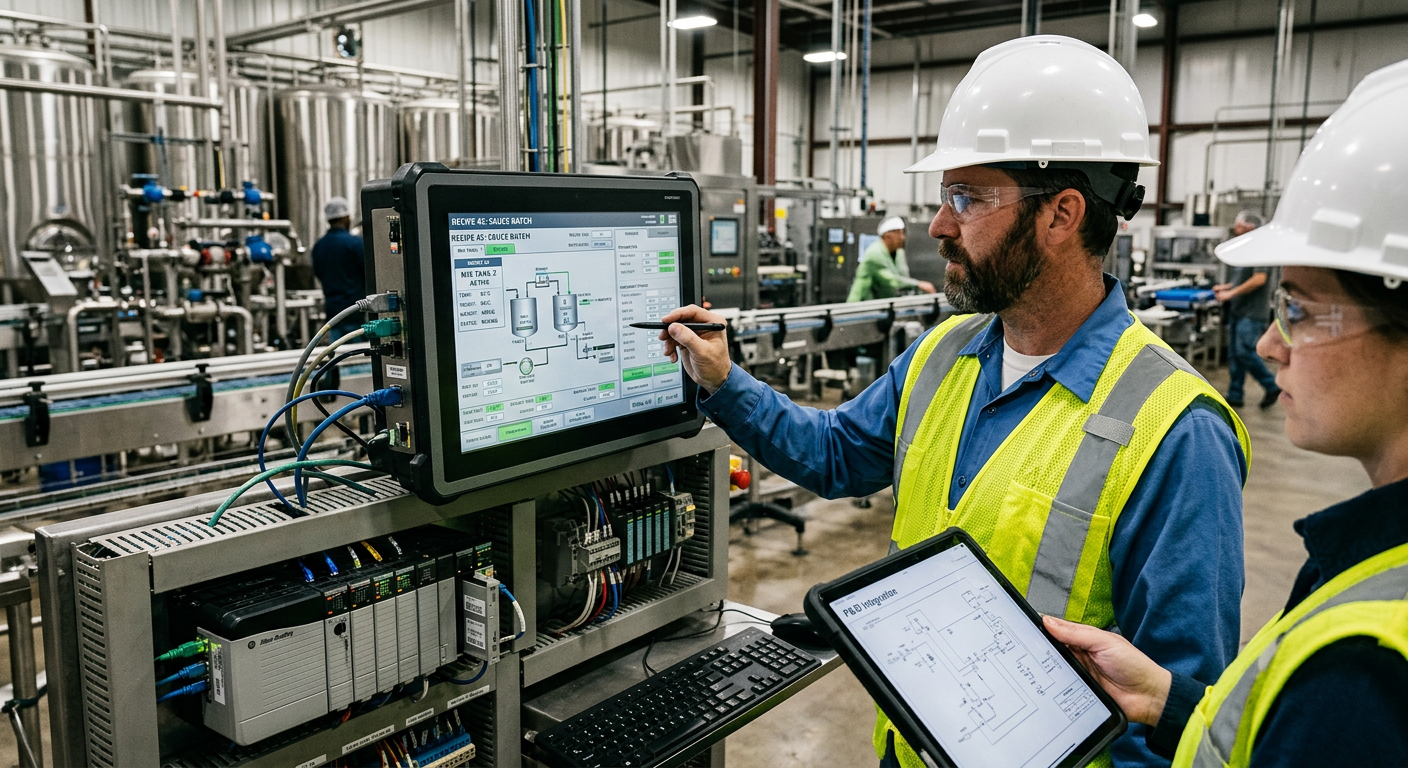
Frozen Food Processing Line Design in 2026: IQF Technology Trends
The best frozen food processing line in 2026 is not simply the one with the fastest freezer. In the United States, the highest-performing lines are designed as integrated systems that connect raw material receiving, blanching or pre-treatment, IQF freezing, inspection, packaging, storage, utilities, controls, and sanitation into one coordinated production strategy. Whether the product is vegetables, fruits, proteins, ready meals, or mixed ingredients, line design must balance throughput, yield, food safety, labor efficiency, changeover flexibility, and energy performance. For processors serving major markets such as Chicago, Los Angeles, Dallas, Atlanta, Seattle, and the Northeast corridor, the winning design approach is one that protects product quality from processing through distribution while keeping capital spending tied to long-term profitability. Across the United States market, frozen foods continue to gain share in retail, foodservice, club, private label, and export channels. Demand is especially strong for individually quick frozen vegetables, fruit blends, protein portions, prepared meal components, and premium convenience products. Ports and logistics gateways such as Savannah, Long Beach, Newark, Houston, and Seattle-Tacoma play an important role in ingredient flow and finished goods movement, while inland cold hubs in the Midwest and Southeast support regional distribution. Because of this network complexity, processors need facilities and line layouts that can adapt to SKU growth, changing labor conditions, stricter food safety expectations, and energy cost volatility. If you are planning a new frozen food line or expanding an existing one in the United States, start with six core design decisions: In practical terms, most successful 2026 projects in the United States are built around high-efficiency IQF tunnels, better airflow control, automated product handling, digital temperature traceability, stronger inspection systems, and packaging lines that reduce warm exposure before palletizing. Processors that connect engineering, installation, utility design, controls, and project execution under one coordinated plan generally reach startup faster and avoid expensive rework. From a buying perspective, do not evaluate the freezer alone. Review the entire system: upstream moisture management, belt loading uniformity, dwell time, fan control, evaporator defrost logic, discharge temperature stability, post-freeze inspection, packaging queue design, and storage transfer time. A frozen line fails when one weak link breaks cold chain discipline. The growth trend above reflects the steady rise in frozen processing investment as U.S. manufacturers upgrade capacity, automation, and energy systems. It is not only consumer demand driving this change; it is also a response to labor pressures, utility costs, retailer expectations, and the need for resilient domestic supply chains. IQF tunnel freezers remain a leading choice for vegetables, berries, diced fruit, shrimp, poultry pieces, meat toppings, cheese inclusions, and many prepared food components because they preserve piece separation and support continuous production. In the United States, where processors may run broad SKU portfolios across multiple shifts, the best tunnel design is one that matches product geometry, moisture load, residence time, and sanitation needs rather than just nameplate capacity. Airflow optimization is central to IQF performance. Uneven airflow creates clumping, inconsistent core temperature, excess dehydration, and poor belt utilization. For light products such as peas or corn, airflow must be strong enough for fluidization without creating excessive fines loss. For denser products such as diced chicken or roasted vegetables, the objective is stable heat removal without belt dead zones or pile distortion. Fan speed control, plenum design, perforation pattern, and product bed depth all influence results. For U.S. buyers, one of the most overlooked issues is how the freezer interacts with upstream loading. If infeed distribution is uneven, even the most advanced freezer will struggle. Vibratory feeders, laning devices, and smart spreaders can materially improve belt coverage and reduce hot spots. In high-volume facilities near agricultural centers in California, Washington, Idaho, Wisconsin, and the Carolinas, this upstream consistency often delivers more value than simply increasing fan horsepower. Another 2026 trend is variable-frequency fan control linked to product recipe settings and evaporator performance. Instead of running the same air profile for every SKU, processors can assign product-specific freezing profiles. This improves yield, lowers breakage, and reduces energy use. More facilities are also adopting advanced controls that monitor suction pressure, fan load, belt speed, and product discharge temperature in near real time. When comparing suppliers, ask for actual performance data by product type, not generic brochure figures. A tunnel sized for fries may not be ideal for blueberries or breaded chicken strips. Processors supplying retailers in New York, Miami, Phoenix, and Denver should also review how seasonal ambient conditions and warehouse interfaces affect the freezer room and packaging transition. This comparison format is useful during procurement because it weighs freezer selection against operating realities. The right machine is often the one with the best overall plant fit, not simply the coldest specification on paper. For many vegetable lines, freezing quality starts long before the IQF tunnel. Blanching and pre-treatment affect enzyme control, color retention, texture, microbial reduction, and final freezer performance. Peas, green beans, broccoli, carrots, spinach, sweet corn, and mixed vegetable blends each require different time-temperature profiles and handling methods. In the United States, where growers and processors are often linked by tight seasonal windows, line design must protect throughput during harvest peaks without sacrificing consistency. A strong vegetable pre-treatment system usually includes washing, inspection, cutting, blanching, cooling, dewatering, and feed stabilization before freezing. Poor dewatering after blanching can increase frost buildup and reduce freezer efficiency. Uneven blanching can create texture drift from one lot to the next. Product damage at transfer points can reduce yield and impair pack appearance for premium retail bags and meal kits. Buying advice for U.S. processors: select blanchers and coolers with sanitation access, recipe repeatability, and stable residence control. Water usage and wastewater loading matter more in 2026 because municipalities in several states are tightening discharge expectations and utility costs are rising. Heat recovery between blanching and incoming water systems is increasingly attractive, especially in larger plants in California, Oregon, Texas, and the Midwest. Automation also matters. Modern pre-treatment systems can tie conveyor speeds, blancher temperature, cooling water flow, and downstream freezer loading into one control layer. That integration supports product consistency and makes it easier to diagnose yield or quality drift. This is especially valuable for co-packers and private label manufacturers managing frequent SKU changes and varying customer specifications. Cold chain integrity is one of the most decisive factors in frozen product quality and shelf life. Even a well-frozen product can lose quality if it warms during inspection, accumulation, bagging, casing, or warehouse transfer. In the United States, where frozen distribution networks may span from processing plants in agricultural regions to distant consumption centers, cold chain control must be designed into the line from the start. The highest-risk transition points are typically freezer discharge, inspection queues, packaging infeed accumulation, manual rework stations, pallet staging, and dock loading. Packaging rooms that are too warm or poorly isolated can trigger frost, condensation, label adhesion issues, and product sticking inside pouches. For MAP and vacuum packs, thermal consistency matters because gas flush stability and seal performance can be affected by surface conditions. For plants serving major distribution corridors like I-95, I-10, I-35, and the Midwest rail network, it is smart to align storage and loading strategies with shipping patterns. Frozen products moving through Atlanta, Dallas-Fort Worth, Columbus, Memphis, and the Inland Empire benefit from strong dock management because these regions handle large volumes and mixed load schedules. Processors near ports such as Savannah and Long Beach must also account for export staging and longer dwell variations. One major 2026 trend is digital traceability tied to line-level temperature events. Instead of relying only on warehouse records, processors are creating event histories from post-freeze handling through packaging and pallet release. This supports audits, customer claims defense, and internal continuous improvement. The area trend shows how fast processors are moving toward digitally verified cold chain management. As retailer scorecards and foodservice contracts become more data-driven, this trend is likely to accelerate. Many U.S. plants no longer run a single frozen product all day. They alternate between vegetables, fruit blends, proteins, seasoned items, or private label SKUs with different pack sizes and allergen profiles. That makes changeover flexibility a design priority rather than a nice extra. If a line takes too long to clean, reset, inspect, and validate, effective capacity falls sharply. Flexible line design involves mechanical accessibility, recipe-driven automation, modular conveyors, quick-release components, clear zoning, and packaging equipment that can shift format without lengthy teardown. For mixed-product operations, line layout should also separate wet and dry processing transitions where possible and simplify allergen control. Applications that benefit most from flexible design include frozen meal components, co-packed vegetables, fruit blends for smoothie brands, breaded protein portions, plant-based products, and retail club-pack assortments. These are fast-growing categories in the United States because they support convenience, private label expansion, and seasonal promotions. When evaluating equipment, ask how long a validated changeover takes under actual plant conditions, including washdown, startup checks, temperature stabilization, coding, and inspection verification. In many cases, processors save more money by reducing nonproductive transition time than by increasing rated throughput. Energy efficiency is now a board-level issue in frozen food projects. Refrigeration and freezing systems are among the largest utility loads in a plant, and power costs differ substantially across U.S. regions. Facilities in California, the Northeast, and some parts of the Midwest often face stronger pressure to improve efficiency, while sustainability reporting and customer expectations are also rising. Top strategies for 2026 include high-efficiency compressors, floating head pressure control, optimized suction management, variable-frequency drives, heat recovery, improved insulation, reduced air infiltration, smart defrost scheduling, and integrated energy dashboards. The goal is not just lower utility bills, but also more stable process performance and better lifecycle economics. Natural refrigerants and lower-impact refrigerant strategies are gaining attention as policy and corporate sustainability programs evolve. At the same time, facilities must weigh safety, operator familiarity, maintenance capability, and local code requirements. The right solution depends on plant scale, regional labor resources, and long-term operating model. This demand comparison reflects where energy-conscious capital projects are most active. Prepared meals and vegetables often lead because they combine high throughput, frequent packaging, and strong retail demand. Buyers should compare refrigeration alternatives using total cost of ownership, not only upfront equipment price. A lower-cost system with poor controls or high defrost losses can become the most expensive option over five years. Review compressor staging, evaporator selection, control logic, and maintenance access together. In distribution-heavy states such as Texas, Georgia, Illinois, and Pennsylvania, warehouse integration can also affect refrigeration economics. Future policy trends in 2026 and beyond are likely to increase emphasis on emissions reduction, utility reporting, and resilient energy planning. Processors planning new plants should reserve electrical and control capacity for future monitoring upgrades and possible heat recovery expansions. Food safety systems in frozen lines must do more than satisfy a checklist. Metal detection and X-ray inspection should be selected based on product effect, pack format, density variation, and customer requirements. Frozen vegetables, fruits, proteins, and prepared foods each create different inspection challenges. Moisture, salt, seasoning, metallized packaging, overlapping pieces, and bulk pack depth all influence performance. Metal detection remains effective for many unpackaged and finished packaged products, especially where contaminant types and package formats are predictable. X-ray becomes more attractive when density-based detection is needed, when products have complex shapes, or when processors want added checks for mass, missing components, or package integrity. In frozen prepared meals, X-ray often supports broader quality assurance goals beyond foreign material detection. Processors supplying major retailers, club stores, and national foodservice chains in the United States should validate inspection performance with actual product matrices. False rejects carry labor and yield costs, while underperforming settings increase risk. Line speed, conveyor stability, and product presentation are just as important as the detector head itself. As a 2026 trend, more U.S. processors are linking inspection devices to SCADA or plant data systems for reject tracking, alarm review, and audit-ready verification records. That shift supports stronger preventive controls and helps plants identify recurring upstream issues such as metal wear, packaging faults, or fill instability. Packaging design has become a major differentiator in frozen foods. MAP and vacuum-sealed frozen products are expanding in premium vegetables, seafood, proteins, meal kits, and value-added components because they support presentation, portioning, and shelf-life objectives. However, these formats demand careful line integration. If the product arrives warm, wet, or unstable, seal quality and pack consistency can suffer. Packaging lines for frozen products should minimize residence time between freezer discharge and primary pack sealing. Conveyors, accumulation tables, weighers, tray denesters, gas flush modules, vacuum chambers, sealers, coding systems, checkweighers, and case packers must be synchronized so the line does not create thermal bottlenecks. In the United States, where labor shortages can interrupt manual handoffs, automation at these points often pays back quickly. Product types that frequently use these formats include frozen shrimp, marinated chicken portions, premium vegetable medleys, portioned fish, diced proteins, and high-value meal components. Foodservice and retail both value controlled portion packs, while e-commerce frozen fulfillment is pushing interest in stronger pack integrity. Buying advice: verify film compatibility, seal performance at low product temperatures, gas mix stability where applicable, and jam recovery time. For processors serving nationwide distribution from hubs such as Chicago, Kansas City, Dallas, and Allentown, package durability during handling and cold storage is especially important. Plants planning a wider packaging portfolio should build space for future secondary packaging options, print-and-apply labeling, and palletizing flexibility. A bag-only line today may need tray or pouch capability later as customer mix evolves. For practical engineering support on processing, packaging, and line integration, processors often benefit from working with firms that can unify process design, utilities, controls, and field execution. DPS outlines this integrated approach across its engineering and project services, where line strategy is tied to business outcomes rather than isolated equipment purchases. Disruptive Process Solutions serves food and beverage manufacturers across the United States and Canada with an approach built around profitable project execution. Rather than functioning only as a traditional contractor, the company aligns engineering, build strategy, and project management through a design-build-manage model intended to improve decision speed, reduce waste, and keep capital projects tied to operational return. On the technology side, DPS supports structural, mechanical, plumbing, electrical, process, and controls engineering, including PLC programming, automation, SCADA, recipe logic, utility integration, and system commissioning. That technical depth is especially relevant for frozen food projects where blanching, refrigeration, conveyance, packaging, inspection, and cold storage must operate as one synchronized line. More detail on the company background can be found at about our team and approach. On the manufacturing side, DPS also develops and supplies branded process equipment, including tanks, CIP systems, tumblers, and custom processing vessels. While frozen food plants may source specialized freezers and packaging platforms from multiple vendors, in-house fabricated support systems and custom process modules can improve fit, sanitation, and integration speed. Equipment capability examples are available through our equipment solutions. On the service side, DPS provides capital planning, feasibility support, owners representation, project and program management, general contracting where licensed, installation coordination, and end-to-end system integration. This matters in frozen food projects because line success depends not only on equipment but also on layout, utilities, startup sequencing, and disciplined execution. Processors evaluating expansions, relocations, or greenfield investments can review project examples in selected case studies. For the United States frozen food market, this integrated service model is particularly valuable when a plant must scale across multiple products, meet FDA or USDA expectations, support SQF or BRC certification goals, and bring new capacity online without disrupting ongoing operations. What is the best freezer type for frozen vegetables in the United States?For most free-flowing vegetables, an IQF tunnel freezer is a strong choice because it supports individual piece separation, high throughput, and good quality retention. Final selection should depend on product shape, moisture, throughput, sanitation needs, and changeover requirements. How do I size a frozen food processing line correctly?Start with hourly throughput, annual production volume, shift pattern, SKU mix, and future expansion goals. Then evaluate upstream preparation, freezing dwell time, packaging speed, warehouse space, and utility reserve together. Undersizing one stage can limit the entire line. Is blanching always required before freezing vegetables?No, but many vegetables require blanching to control enzymes, protect color, and improve final quality. The exact pre-treatment depends on the vegetable, final use, and desired texture. Should I use metal detection or X-ray?It depends on product density, package format, customer standards, and contaminant risk. Many lines use metal detection effectively, while higher-risk or more complex products may justify X-ray or dual-stage inspection. What are the top 2026 frozen line trends?Key trends include smarter IQF airflow control, digital cold chain verification, energy-optimized refrigeration, flexible multi-SKU packaging, stronger inspection integration, better sanitation access, and sustainability-driven utility design. How can I reduce energy costs in a frozen plant?Focus on compressor efficiency, variable-frequency drives, smart defrost, infiltration reduction, insulation quality, heat recovery, balanced airflow, and integrated controls. Also review warehouse and dock interfaces, since they often create hidden refrigeration losses. What industries use frozen processing lines beyond vegetables?Major sectors include seafood, poultry, beef and pork components, dairy inclusions, bakery ingredients, plant-based foods, prepared meals, sauces, and co-packed foodservice items. How important is changeover flexibility?It is critical for co-packers, private label processors, and any plant running multiple SKUs. Faster validated changeovers improve real capacity, reduce labor waste, and support broader customer demand. What should I ask a U.S. supplier before buying?Ask for product-specific performance data, sanitation access details, utility requirements, changeover times, local service support, controls integration capability, validation approach, and references for similar applications in the United States. Can one partner manage engineering, installation, and startup?Yes. Many manufacturers prefer integrated partners that can connect process design, utilities, automation, installation, and commissioning so the project performs as a full operating system rather than a collection of separate machines. In summary, frozen food processing line design in 2026 is defined by system thinking. The United States market rewards processors who connect product quality, food safety, efficiency, flexibility, and capital discipline into one practical line architecture. Whether the project serves retail, foodservice, export, or co-packing, the strongest results come from designing the freezer, pre-treatment, packaging, inspection, refrigeration, storage, and controls as one business-critical process. -

CIP Validation for Food Manufacturing
CIP validation is the documented proof that a clean-in-place system consistently removes product residue, allergens, soils, chemicals, and microorganisms from processing equipment without disassembly. In the United States, it is a practical requirement for FSMA-driven preventive controls, customer audit readiness, and reliable production uptime. For food and beverage manufacturers, good CIP validation is not just a sanitation exercise; it is an operations, compliance, and capital-efficiency discipline. Across major U.S. production corridors such as the Midwest dairy belt, the Southeast poultry and beverage market, California wine and specialty foods, Texas protein processing, and logistics hubs near Chicago, Atlanta, Los Angeles, Houston, and the Port of Savannah, manufacturers are under pressure to increase throughput while reducing contamination risk. That pressure makes validated cleaning systems essential for dairies, sauce plants, breweries, RTD beverage facilities, aseptic lines, meat processors, and co-packers. For companies planning new lines, retrofits, or utility upgrades, CIP validation begins long before swab results. It starts with hygienic design, circuit mapping, instrumentation accuracy, chemical concentration control, flow coverage, dead-leg reduction, automation logic, and recordkeeping. That is why many manufacturers involve engineering and integration partners early. Firms such as Disruptive Process Solutions support food and beverage clients throughout North America by aligning sanitary process design, equipment integration, automation, and project execution with compliance and profitability goals. CIP validation is the formal process of demonstrating, with documented evidence, that a CIP cycle repeatedly cleans a specific system to an acceptable sanitary standard. In the United States, it is required in practice because FSMA expects facilities to validate preventive controls when necessary, verify sanitation effectiveness, keep records, and correct failures. A strong validation package typically includes circuit identification, riboflavin or coverage studies where needed, time/temperature/flow/chemical setpoints, pre-op inspection criteria, ATP screening limits, microbiological results, rinse conductivity or pH endpoints, and signed approval records. Manufacturers usually validate CIP when launching a new line, changing products, modifying piping, installing a new skid, altering wash chemistry, or facing repeated hygiene deviations. The biggest business benefit is consistency: fewer sanitation failures, shorter downtime, lower water and chemical waste, and stronger audit confidence. The table above frames CIP validation as both a compliance and production-control tool. Facilities that treat validation only as a one-time report often struggle later with repeatability, trending, and audit defense. FSMA does not merely ask processors to clean; it expects them to manage hazards through preventive controls and documented verification. Where sanitation is a preventive control or a foundational prerequisite supporting hazard control, a facility must be able to show that its cleaning process is scientifically sound and operationally effective. CIP validation helps provide that evidence. In practical U.S. terms, this means a facility should be able to answer several questions during an FDA inspection or customer audit: What circuits are cleaned by CIP? What soils are being removed? What parameters are critical? How were limits established? How do you verify every cycle? What evidence proves the system works after product changeovers, seasonal changes, or maintenance activity? FSMA relevance is strongest in these situations: From an engineering perspective, validation also closes the gap between design intent and operating reality. A system may look acceptable on a P&ID, but poor spray device coverage, trapped air, undersized return lines, low pump velocity, or inaccurate conductivity sensors can undermine cleaning. That is why process engineering, utilities, controls, and sanitation must work together. For capital projects and facility expansions, companies often seek support from an integrated partner rather than separate design and execution vendors. Through its design-build-manage approach, DPS engineering services help manufacturers align process design, project management, utilities, automation, and sanitary execution so CIP systems are built with validation in mind rather than fixed after startup. The line chart illustrates the growth trend many suppliers and processors are seeing across the United States: more CIP-focused projects are being tied to throughput expansion, automation modernization, and preventive control documentation. Every validated CIP program should clearly identify the critical parameters that determine whether cleaning is successful. While exact limits vary by product, equipment geometry, and risk profile, the following eight parameters are the most commonly documented. These parameters are interconnected. For example, raising temperature cannot compensate for poor line velocity in a long circuit with dead legs. Likewise, a strong caustic step may still fail if return conductivity sensors are drifting and the actual concentration is below target. Documenting each parameter helps the sanitation team, QA, maintenance, and operations understand where control truly resides. For U.S. plants handling multiple product types, worst-case selection is especially important. A brewery in Oregon may validate against yeast and proteinaceous soils, while a dairy beverage line in Wisconsin may use high-fat chocolate milk residues as the worst case. A protein processor in Arkansas or Georgia may need to account for sticky marinades, starches, fats, and allergen cross-contact in shared systems. The table shows why one CIP recipe rarely fits all product families. Validation should be product-aware, not only equipment-aware. Testing methods are the bridge between engineering assumptions and real sanitation evidence. In most U.S. facilities, a layered approach works best: immediate screening tools for quick release decisions and deeper analytical methods for validation and troubleshooting. ATP bioluminescence is widely used because it is fast. It detects biological residue, making it useful for post-clean verification at filler bowls, valve seats, gaskets, transfer lines, blend tanks, and hard-to-see interfaces. However, ATP is not a stand-alone validation method. It should be paired with microbiological and, where needed, allergen-specific or chemistry-based testing. Microbial swabbing and rinse sampling help confirm whether the validated CIP process controls spoilage and hygiene risk over time. Common methods include aerobic plate count, coliform testing, yeast and mold screening, and targeted organism testing based on product risk. In allergen-sensitive environments, protein-specific or allergen-specific assays may be required after product changeovers. A good validation protocol defines where samples are taken and why. High-risk locations often include the last point before filler entry, long horizontal runs, valve manifolds, heat exchangers, dead-end branches, pump housings, gasket interfaces, and any area with reduced flow. Plants near busy distribution regions such as New Jersey, Chicago, Dallas-Fort Worth, or the Inland Empire often run aggressive schedules, so choosing representative sampling points is critical for real-world confidence, not just lab success. As a buying and implementation rule, manufacturers should avoid selecting test tools first and designing the validation study second. The better approach is to define the hazard, identify worst-case locations and products, set pass/fail criteria, and then choose the appropriate analytical mix. The bar chart highlights where validation demand is typically strongest: dairy, aseptic, protein, and fast-growing RTD beverage operations lead because they combine high sanitation risk with high production intensity. Even a technically sound CIP system can fail an audit if records are incomplete, inconsistent, or impossible to retrieve. Audit-ready documentation should show not only that a system was validated once, but that it remains controlled in routine use. A complete record system typically includes: Plants preparing for SQF, BRC, FSSC 22000, or FDA review should structure records so an auditor can trace a complete story: system design, risk basis, validation execution, daily verification, exceptions, and CAPA. This is where digital tools can create major value. Automated historian logs, SCADA event records, and sanitation dashboards make it easier to trend performance across shifts and sites. In the United States, multi-site manufacturers often centralize standards but struggle with local execution. A facility in North Carolina may use one template, while a sister plant in California uses another. Standardizing validation files, naming conventions, and deviation workflows helps enterprise teams compare performance across regions. The most common documentation weakness is not a missing report; it is a missing connection between records. If a conductivity probe was out of calibration during a failed rinse event, the record set should link that fact to the deviation, product disposition, and corrective action. CIP validation is not permanent. It remains valid only while the system, product assumptions, chemistry, and operating conditions stay within the original validated state. Revalidation should be triggered by meaningful change, and facilities should define those triggers in writing. Common triggers include new equipment installation, tank or piping modifications, spray device changes, control logic changes, pump replacements, updated detergents, altered chemical concentrations, reduced cycle times, product viscosity changes, new allergen introductions, and shifts from one product family to another. A move from standard brewed beverages to dairy-based RTD products, for example, can materially change soil behavior and cleaning risk. Many U.S. plants adopt annual review with targeted revalidation after significant change, while higher-risk operations may schedule more frequent technical review. The right schedule depends on product risk, cleaning complexity, audit exposure, and historical performance. Facilities with frequent co-packing changeovers or high SKU counts usually need tighter discipline. The area chart reflects a clear 2026 trend: U.S. manufacturers are moving from paper-heavy CIP validation toward digitally connected records, especially in high-volume beverage, dairy, and co-packing operations. When CIP validation fails, the cause is usually systemic rather than random. The most frequent problem is assuming a recipe works everywhere because it worked once somewhere else. Plants often inherit CIP logic during expansions, equipment moves, or emergency retrofits without confirming that actual process conditions still match the original design basis. Typical failure modes include insufficient line velocity, unverified chemical strength, poor spray coverage, sensor drift, excessive foam, trapped air, dead legs, uncleanable valve clusters, difficult product soils, and poor execution discipline between sanitation shifts. Shortened cycles introduced to gain capacity are another major cause. Root-cause analysis should look across four categories: design, operation, maintenance, and management system. Examples include: For many plants, the real lesson is that CIP validation cannot be owned by one department alone. Sanitation may execute the wash, but engineering determines hydraulic reality, controls determine repeatability, maintenance protects equipment condition, and QA defines release logic. Cross-functional ownership is the strongest preventive measure. Digital tools are changing how U.S. processors validate and manage CIP systems. Instead of relying on handwritten entries and isolated spreadsheets, manufacturers now use SCADA historians, batch records, conductivity and temperature trending, automated alarms, and maintenance systems that connect sanitation failures to equipment issues. A CMMS can track calibration schedules, pump maintenance, spray ball inspection intervals, and recurring sanitation-related work orders. Automated logging can capture each cycle’s critical parameters in real time. Analytics can identify drift before it becomes a release issue, such as gradual temperature loss during winter utility load, or falling return conductivity caused by dosing problems. By 2026, the strongest digital trend will be integrated exception management. Rather than reviewing all cycles manually, plants will increasingly use threshold-based alerts and dashboards to flag only failed or borderline washes. Sustainability will also drive adoption, because analytics can show where water, caustic, acid, steam, and time are being wasted without reducing sanitation assurance. This is also where technology capabilities matter. Integrated engineering groups that combine process, controls, and utility expertise can help translate CIP goals into automation logic and usable records. DPS supports these efforts with process engineering, controls integration, PLC and SCADA capabilities, and utility coordination so CIP skids, tanks, dosing, return loops, and reporting systems function as one operational system rather than disconnected assets. Manufacturers looking at customized process equipment solutions often benefit when CIP design, instrumentation, and automation are considered together from the start. The comparison chart illustrates why many manufacturers prefer an integrated partner model for CIP-related projects: stronger coordination typically leads to better documentation, startup discipline, and long-term maintainability. Audit preparation for CIP should begin with a simple standard: can your team clearly prove that your sanitation process is designed, validated, verified, and controlled? Different schemes use different language, but the expectation is consistent. Auditors want evidence of risk-based sanitation management. For SQF, BRC, and FSSC 22000, auditors often focus on documented procedures, validation support, monitoring records, corrective actions, and staff competency. FDA inspections may probe whether sanitation preventive controls are appropriate, whether records are timely and accurate, and whether deviations are handled with product-safety awareness. USDA-regulated environments may add further practical scrutiny depending on product category and sanitation context. Plants should prepare an audit packet that includes: Local operating context matters too. Facilities serving major grocery and club channels from hubs like Indianapolis, Charlotte, Fresno, Kansas City, or Memphis often face layered customer requirements on top of regulatory expectations. A plant that can quickly retrieve CIP records by date, product, circuit, and shift is in a much stronger position during a short-notice audit. Manufacturing capability also influences audit performance. Partners with experience across beverage, dairy, proteins, prepared foods, sauces, aseptic systems, and utility infrastructure can spot design details that later become validation pain points. DPS brings that cross-category perspective to sanitary processing environments, including CIP systems, water systems, heat treatment, fermentation, blending, filling support, and complete utility integration. For manufacturers wanting evidence of execution, selected project examples and case studies can help illustrate how integrated delivery reduces startup and compliance risk. From a service standpoint, audit readiness improves when one team can support capital planning, process engineering, owner representation, installation coordination, commissioning, and operational troubleshooting. That service model matters when a plant must respond quickly to a finding, a product launch deadline, or an unexpected sanitation bottleneck. How often should CIP systems be revalidated?At minimum, after significant changes and on a scheduled review basis. Many U.S. processors use annual review plus event-driven revalidation for product, equipment, chemistry, or control changes. Is ATP enough to validate CIP?No. ATP is a useful rapid verification tool, but it should be combined with other evidence such as microbiological, allergen, chemical, and process-parameter data. What industries benefit most from CIP validation?Dairy, brewing, RTD beverages, sauces, dressings, liquid foods, aseptic processing, protein systems, and co-packing operations all benefit, especially where changeovers and hygiene risk are high. Can older facilities still achieve reliable CIP validation?Yes, but older plants may need upgrades such as better instrumentation, piping changes, improved drainability, modified spray devices, or more robust automation and records. What should buyers look for in a CIP validation partner?Look for sanitary design knowledge, process and utility expertise, controls capability, documentation discipline, commissioning experience, and the ability to connect validation to production reality, not just lab testing. How does CIP validation support sustainability goals?Validated systems reduce over-washing, wasted water, chemical overuse, unnecessary steam consumption, and downtime. By 2026, sustainability reporting and utility optimization will play a larger role in CIP redesign and verification. What are common buying mistakes when upgrading CIP systems?Common mistakes include selecting equipment without mapping all circuits, ignoring automation and instrumentation needs, underestimating worst-case products, and treating documentation as an afterthought. Why does local market context matter in the United States?Regional labor availability, utility costs, water constraints, customer mix, and facility age vary widely from California to the Carolinas to the Midwest. Validation planning should reflect those operating realities. How can a manufacturer start if records are incomplete?Start with a circuit inventory, current-state assessment, gap review, worst-case product analysis, parameter definition, and a phased remediation plan. Then rebuild the validation package using standardized digital records where possible. Who is a good fit for DPS?Food and beverage manufacturers seeking a practical engineering and execution partner for profitable capital projects, sanitary process improvements, utility integration, custom equipment, and scalable operational results across the United States and Canada. CIP validation is most effective when it is treated as an operating system, not a sanitation event. The strongest programs connect hygienic design, instrumentation, automation, verification testing, documentation, and change control into one repeatable model. In the United States, that model is increasingly essential for FSMA alignment, customer confidence, resource efficiency, and profitable growth. -
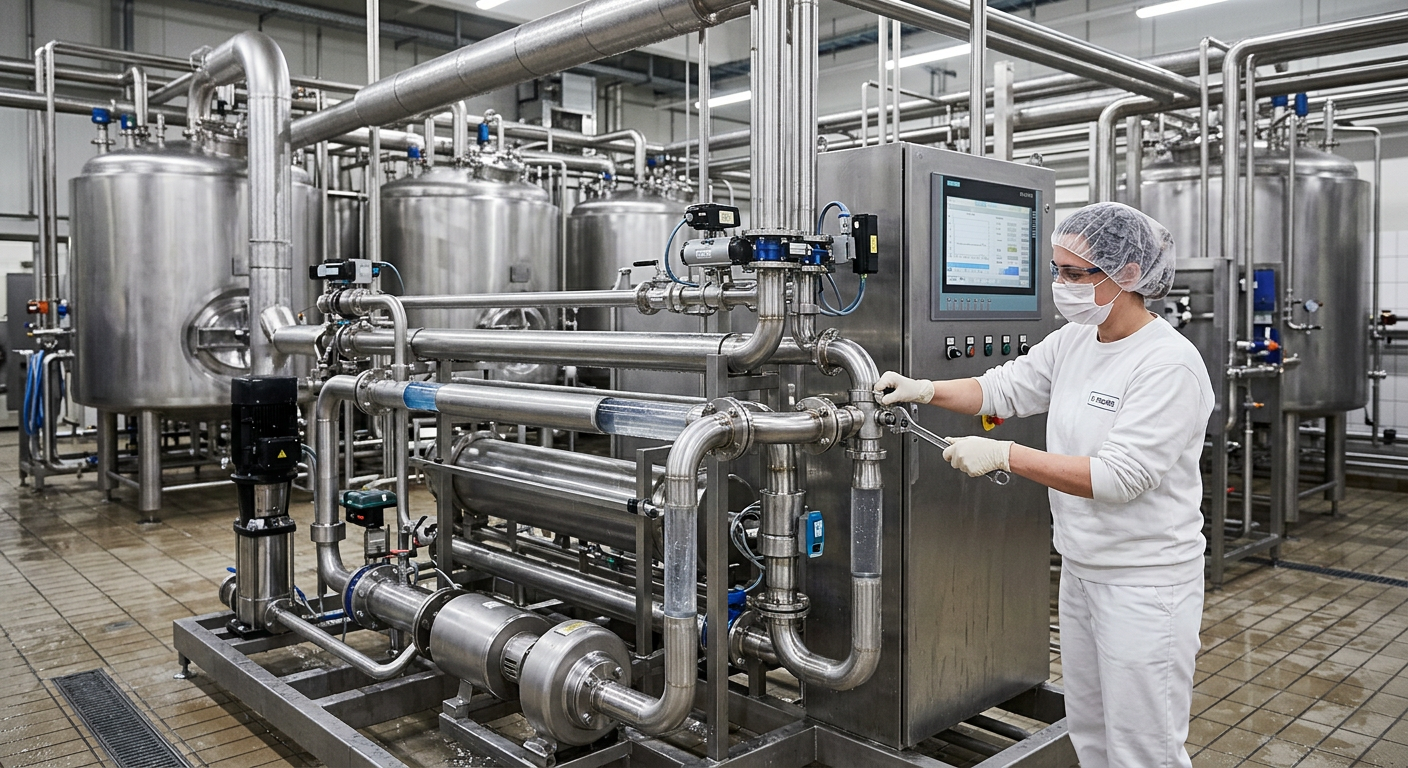
5 Essential Components of Industrial Pasta Production Line Design
Designing an industrial pasta production line is not only about choosing an extruder and a dryer. In the United States, successful projects depend on how well the full system is engineered around product quality, throughput, sanitation, labor efficiency, utilities, and future expansion. For manufacturers producing dry pasta, fresh pasta, macaroni, long-cut pasta, or short-cut shapes, the most important design elements are vacuum extrusion, controlled drying, reliable raw material handling, fast die changeovers, gentle cooling and stabilization, integrated packaging, and sanitary equipment design with validated cleaning practices. Those seven building blocks affect almost every commercial outcome: texture, cooking tolerance, breakage rate, moisture stability, labor cost, yield, shelf life, and SKU flexibility. They also shape how a facility performs in major U.S. food manufacturing regions such as Chicago, Minneapolis, Kansas City, Fresno, Dallas-Fort Worth, and the Carolinas, where ingredient logistics, utilities, and labor realities vary by market. Companies serving retail, foodservice, private label, school nutrition, meal kits, and contract manufacturing need line designs that fit their real business model, not just an equipment brochure. This guide explains what buyers, plant managers, engineers, and operations leaders should evaluate when planning a new line, expanding a facility, or modernizing legacy equipment. It also highlights how integrated engineering and execution can reduce capital waste and improve profitability over the long term. The five most critical components in industrial pasta production line design are actually part of a wider integrated system: raw material receiving and storage, vacuum extrusion and forming, drying or thermal stabilization, post-forming handling and cooling, and end-of-line packaging under sanitary conditions. In practice, the best-performing U.S. pasta plants treat these as one engineered process rather than separate machines. For dry pasta, the core priority is moisture control from semolina storage through extrusion, pre-drying, final drying, tempering, cooling, and packaging. For fresh pasta, the priorities shift toward dough consistency, microbial control, cold chain strategy, fast cleaning, and packaging atmosphere. Macaroni and other short-cut formats require strong cutter synchronization and die management, while spaghetti, linguine, and similar long-cut products require careful strand handling, hanging or spreading systems, and controlled stabilization to preserve shape. Buyers in the United States should also assess utility loads, sanitation access, labor needs, spare parts availability, automation integration, and whether the line can support future product diversification. A system that looks cheaper on paper can become more expensive if it creates higher breakage, slower changeovers, poor drying uniformity, or cleaning downtime. The table above shows why line design decisions must be balanced. The goal is not to maximize one machine specification. The goal is to create a profitable and reliable production system. Vacuum extrusion is the heart of most industrial pasta and macaroni lines because it directly influences dough density, color, mechanical strength, and finished cooking performance. By removing entrained air before and during extrusion, the process helps create a more homogeneous dough matrix. That matters for both premium quality and line efficiency. In the United States, where plants often run multiple SKU families under tight labor constraints, extruder reliability and process stability are especially valuable. For macaroni, elbows, shells, rotini, penne, and other short-cut products, vacuum extrusion supports more consistent wall thickness and lower breakage downstream. For spaghetti and long-cut formats, it helps maintain uniform strand structure and smoother surface finish. Manufacturers targeting retail shelves in high-volume corridors such as the Northeast, Midwest, and Southern distribution networks often use vacuum extrusion to reduce cosmetic defects and improve pack appearance. Key design factors include barrel geometry, screw profile, vacuum chamber performance, dough hydration control, product temperature management, and die material selection. Bronze dies may support a rougher artisanal surface preferred for sauce adhesion, while Teflon-type surfaces may support smoother output and faster production. The correct choice depends on the market position of the product and the needs of the packaging line. Automation is equally important. Extruders should be tied into recipe management, load monitoring, motor protection, feed rate control, and upstream ingredient dosing. A well-integrated system can reduce startup losses and help plants move more quickly between formulations such as standard semolina pasta, enriched pasta, whole wheat, gluten-free blends, or pulse-based products. The best extruder selection is tied to the entire plant concept. A line designed for grocery private label in Chicago may optimize for output and low scrap, while a premium specialty producer near Los Angeles may prioritize texture, visual differentiation, and smaller batch flexibility. In both cases, vacuum extrusion remains a central technology decision. For dry pasta, the drying system is often the largest determinant of final product stability. It is also one of the most misunderstood parts of line design. Drying is not simply hot air exposure. It is a staged, carefully controlled thermal and mass-transfer process in which temperature, humidity, air velocity, dwell time, and product loading must stay in balance. Improper drying can cause stress cracks, case hardening, poor cooking behavior, uneven color, or moisture variation within the same batch. U.S. plants shipping long distances from manufacturing hubs such as Kansas City, St. Louis, or Memphis to national distribution centers need robust drying profiles to ensure the product survives transportation and warehousing without excessive breakage. Short-cut pasta usually tolerates different airflow strategies than long-cut pasta, which may require hanging or specially supported handling during critical stages. Product formulation also matters. Whole grain, protein-fortified, legume-based, and gluten-free products often need different moisture removal curves than conventional semolina pasta. Modern drying systems should include zoned controls, humidity feedback, air recirculation logic, and data logging. Integration with SCADA improves traceability and helps operators diagnose issues quickly. Energy recovery systems are increasingly important as U.S. processors face pressure to improve sustainability and utility efficiency heading into 2026 and beyond. The chart and table illustrate why drying design deserves system-level attention. Temperature alone is never enough. The most reliable plants control the full moisture pathway. Raw material handling sets the foundation for line stability. Semolina, flour, specialty grains, minor ingredients, and process water all need controlled delivery to the mixer or extruder feed system. Poor silo and conveying design can create erratic feed rates, ingredient segregation, dust hazards, and contamination risk long before the product reaches the die. In the United States, many pasta plants source semolina through inland rail networks, truck lanes, or port-adjacent distribution channels linked to places such as New Orleans, Savannah, Houston, and the Great Lakes region. This means receiving design should reflect actual supply chain patterns, not generic assumptions. A facility near Minneapolis may receive and buffer materials differently than a processor near the Port of Los Angeles or New Jersey logistics corridor. Engineered silo systems should consider live load, bridging tendencies, refill frequency, dust collection, sanitary access, load cells, pneumatic or mechanical conveying, and allergen segregation where applicable. For plants running both standard semolina and alternative blends, ingredient changeover planning becomes just as important as capacity. Good raw material systems also support labor reduction. Automated transfer, recipe-controlled batching, and closed conveying can improve operator safety while reducing the chance of ingredient handling errors. When paired with ERP or production planning systems, these designs help plants forecast replenishment and reduce downtime caused by ingredient shortages. For many buyers, raw material handling appears less exciting than the extruder or dryer, but it often determines whether the line performs consistently every shift. SKU proliferation is a reality in the U.S. market. Retailers ask for more shapes, private label buyers want flexibility, and foodservice channels demand different pack and format combinations. That is why die changeover systems are a major design criterion, especially for plants serving both short-cut and long-cut pasta categories. Fast, repeatable die changes reduce downtime, improve labor efficiency, and support smaller production campaigns without major efficiency losses. They also reduce the risk of alignment errors that can create dimensional defects, cutter problems, or excessive scrap. Plants with older manual die handling often underestimate how much hidden labor and startup waste they are carrying. For short-cut products, changeover design should coordinate the die, cutter head, knife settings, and downstream transfer geometry. For long-cut products, strand management and hanger or spreader alignment may require a different support strategy. Some facilities justify modular tooling carts, heated die staging, or lift-assist systems to improve ergonomics and shorten sanitation windows. Buyers should also think about spare die strategy, product family grouping, and whether automation can store recipe-specific settings. This matters most in plants producing mixed portfolios for grocery chains, club stores, and regional brands. The demand mix above helps explain why flexibility has become more valuable. Through 2026, plants that can switch formats quickly without sacrificing quality are likely to be more competitive. After extrusion, cutting, pre-drying, cooking, or final drying, pasta products often need a controlled cooling and stabilization step before packaging or the next process stage. This area is easy to undervalue, yet it has a direct effect on shape retention, surface condition, and breakage. Short-cut pasta can chip or deform if transferred while still thermally unstable. Fresh filled pasta can stick, flatten, or lose seal integrity if handling is too aggressive. Long-cut products can become tangled or uneven if post-process support is poor. Cooling and stabilization conveyors should therefore be designed around product geometry, temperature profile, line speed, and accumulation needs. Important considerations include belt style, sanitation accessibility, ambient versus conditioned air, vibration control, product depth, transfer heights, and whether inspection or metal detection is integrated in the same zone. In humid climates such as the Gulf Coast or Southeast, condensation management and room air control may become especially important for packaging readiness. Facilities producing multiple product families often benefit from modular conveyor sections and adjustable guides. This is particularly true for co-manufacturers and prepared foods operations pairing pasta production with sauces or meal assembly. When plants experience unexplained downstream breakage, the root cause is often in transfer, cooling, or accumulation design rather than in the extruder itself. Packaging line integration is where many capital projects either prove their value or expose their weaknesses. Even a well-designed upstream process can underperform if baggers, weighers, fillers, tray sealers, cartoners, case packers, and palletizing systems are not synchronized with the actual product flow. Dry pasta packaging typically emphasizes speed, product count or weight accuracy, dust management, seal quality, and gentle handling. Fresh pasta packaging may add modified atmosphere packaging, refrigeration compatibility, and stricter hygienic zoning. Different sales channels also matter. Club store packs, foodservice bulk formats, and retail shelf-ready cartons all impose different equipment and layout needs. In large U.S. logistics markets such as Atlanta, Dallas, Columbus, and Southern California, packaging choices can influence freight efficiency and retailer compliance. That makes line integration a commercial decision as much as an engineering one. Plants that expect future automation should also leave room for robotic case packing, automated guided vehicles, or warehouse integration. The packaging table shows why end-of-line choices must be made early. Upstream design, room layout, and utilities are all affected by the final pack format. Sanitary design is essential across all pasta operations, but it becomes especially critical for fresh pasta, filled pasta, protein-enriched formulations, and any line with rapid changeovers. Hygienic design reduces contamination risk, shortens cleaning time, and supports compliance with FDA expectations and customer audit standards such as SQF or BRC. Effective sanitary design includes cleanable welds, drainable piping, elimination of harborage points, compatible gasket materials, accessible guards, sloped surfaces, and separation of dry and wet cleaning zones where needed. Not every part of a dry pasta line should be wet cleaned, so engineering teams need to define sanitation methods by area rather than applying one approach everywhere. CIP protocols are most relevant for closed liquid systems, ingredient slurries, water circuits, and some fresh pasta or sauce-integrated applications. A strong CIP design considers time, temperature, chemistry, flow, return conductivity, tank sizing, and validation steps. Plants that add sauces, fillings, or integrated prepared meal components often need broader sanitary planning than pasta-only operations. By 2026, sustainability and water management are becoming more important in sanitation planning. U.S. manufacturers are looking for ways to reduce water use, recover heat, optimize chemical dosing, and improve cleaning verification with sensors and digital records. This comparison chart reflects what many U.S. buyers now prioritize when evaluating equipment suppliers and design partners. Sanitary access and service support rank almost as high as pure production capacity. For manufacturers planning new pasta capacity or modernizing an existing facility, the biggest challenge is often not one machine selection. It is connecting process design, building constraints, utilities, automation, installation, and startup into one accountable execution model. That is where Disruptive Process Solutions brings value. From a technological capability standpoint, DPS supports process, mechanical, electrical, structural, plumbing, and controls engineering for food and beverage facilities across the United States and Canada. Its team develops integrated process solutions that tie together ingredient handling, utility systems, automation architecture, PLC programming, SCADA, CIP design, and production line optimization. That broad engineering base is especially useful when a pasta project includes supporting systems such as compressed air, process water, wastewater planning, steam, glycol, or room environmental controls. Learn more about the company’s approach on the about us page. From a manufacturing capability standpoint, DPS also designs and supplies proprietary process equipment, including tanks and custom CIP systems, while coordinating complete integration with third-party equipment packages. This is valuable for pasta plants that need more than stand-alone machinery and instead require a balanced system architecture. Whether the line includes bulk ingredient storage, process vessels, sanitary transfer systems, or specialty support skids, the emphasis is on making equipment work as a unified manufacturing platform rather than a patchwork of vendors. More details are available in the company’s equipment portfolio. From a service capability standpoint, DPS operates with a design-build-manage model that combines front-end planning, project engineering, general contractor coordination, installation oversight, and commissioning support. For pasta manufacturers, that means one partner can help evaluate feasibility, define capital scope, align utilities, manage local trades, and protect schedule execution from concept through startup. This model is particularly useful for brownfield retrofits, phased expansions, and high-speed production environments where downtime is expensive. You can review available engineering and integration services and see real project examples in these case studies. A practical buying lesson from many food manufacturing projects is simple: the lowest equipment quote rarely creates the best total project outcome. Plants benefit more from disciplined scope definition, utility planning, sanitation strategy, and controls integration than from isolated line-item savings. What products can be made on an industrial pasta line?Industrial lines can produce macaroni, elbows, penne, rotini, shells, spaghetti, linguine, fettuccine, fresh pasta sheets, filled pasta, and specialty formulations such as whole wheat, high-protein, legume-based, or gluten-free products. The final product family determines the line architecture. What industries buy pasta production systems in the United States?Typical buyers include branded food manufacturers, private label producers, co-packers, refrigerated meal manufacturers, institutional food suppliers, foodservice processors, and diversified prepared foods companies adding pasta capabilities. How do I choose between a fresh pasta line and a dry pasta line?The choice depends on your sales channel, shelf-life target, distribution model, and sanitation requirements. Dry pasta lines usually require more drying infrastructure and lower moisture packaging strategies. Fresh pasta lines require stronger hygienic zoning, faster cleaning, and refrigerated distribution planning. What is the most important buying advice for first-time investors?Start with the business case, not the machine catalog. Define annual volume, SKU count, shift pattern, package formats, utility limits, labor model, and expected expansion path. Then engineer the line backward from those requirements. How important is local supplier support?Very important. U.S. buyers should evaluate regional service responsiveness, spare parts access, controls support, and installation capability. A supplier with strong North American support can reduce risk during startup and future maintenance events. Are there key market trends to watch through 2026?Yes. The major trends include higher demand for flexible SKU production, more automation to address labor shortages, energy-efficient dryers, digital quality monitoring, better water and chemical management in sanitation, recyclable or reduced-material packaging, and stronger traceability expectations from retailers and regulators. Can older pasta plants be upgraded instead of replaced?Often yes. Common upgrades include controls modernization, die handling improvements, dryer optimization, conveyor replacement, packaging automation, and sanitation redesign. A good assessment can identify whether the bottleneck is mechanical, operational, or controls-based. What should be included in a pasta line case study review?Look for throughput achieved versus promised, final moisture consistency, startup timeline, changeover time, breakage rate, sanitation performance, packaging OEE, and whether the project met the intended financial target. These factors matter more than nominal machine speed. Which U.S. regions are attractive for pasta manufacturing?The Midwest remains strong for ingredient access and central distribution. The Southeast offers growth, labor access in some markets, and port connectivity. Texas supports broad logistics reach. California can serve specialty and premium segments with West Coast distribution advantages, though utility and labor economics must be carefully reviewed. How many tables and charts should a capital planning team review?As many as needed to make informed decisions, but they should cover product mix, throughput, utilities, sanitation, labor, and payback. Visual comparisons are useful only when they support a disciplined engineering basis. In summary, high-quality industrial pasta production in the United States depends on designing the whole process around product behavior, sanitation, packaging, and long-term economics. Vacuum extrusion, controlled drying, engineered semolina handling, flexible die systems, careful cooling, integrated packaging, and validated sanitary design all work together. Companies that align those elements early are better positioned to deliver reliable quality, adapt to new product categories, and compete effectively in the U.S. market through 2026 and beyond. -
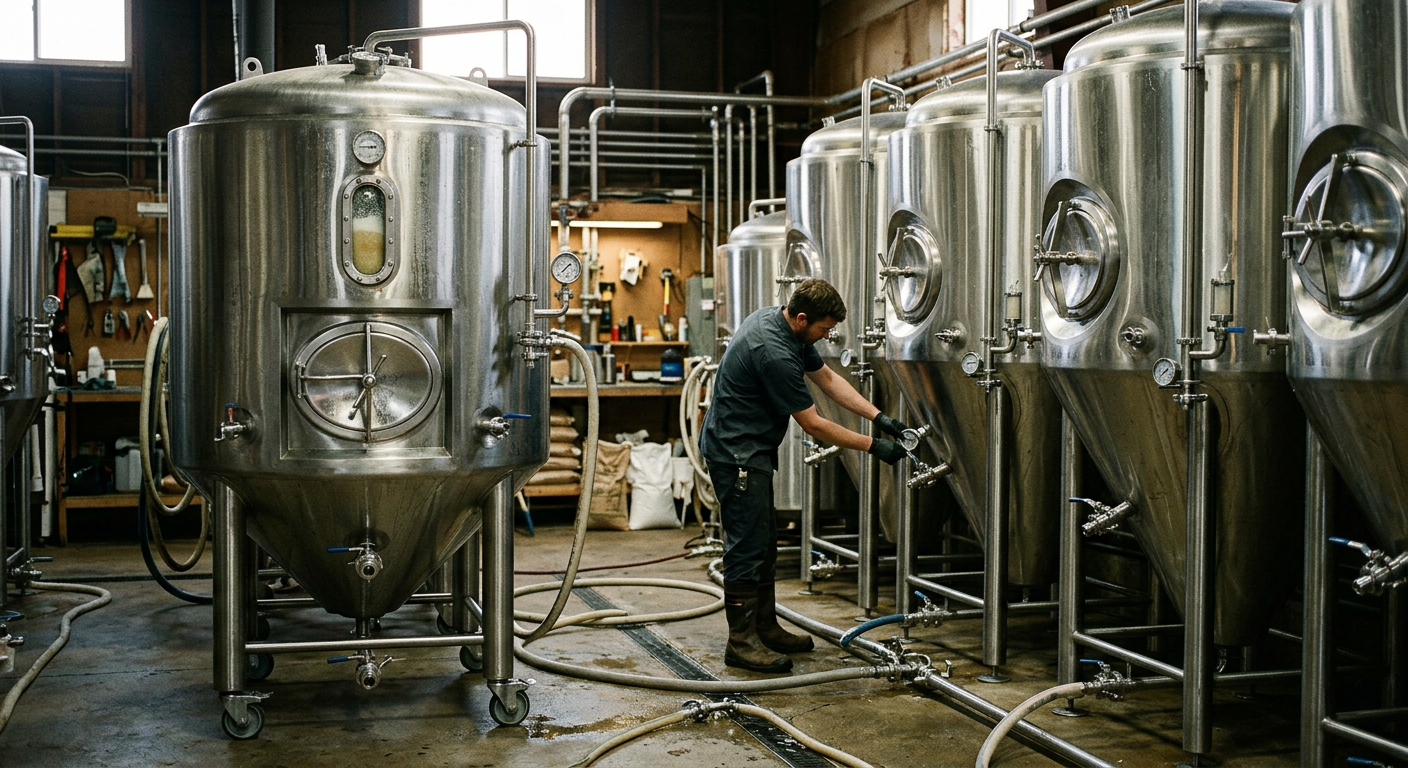
CIP Skid Systems for Sanitary Processing
Clean-in-place skid systems are the backbone of sanitary processing in U.S. food, beverage, dairy, and aseptic plants. A well-designed CIP skid automates the delivery, heating, circulation, recovery, and verification of cleaning solutions without dismantling production equipment. In practical terms, the skid stores water and chemistry, sends it through process lines at the right flow and temperature, confirms return conditions, and either drains or recovers the solution for reuse. For manufacturers in markets such as Chicago, Dallas, Los Angeles, Atlanta, Charlotte, Houston, and the Northeast corridor near Newark and Philadelphia, the value is straightforward: lower labor, faster turnarounds, better food safety documentation, and more repeatable sanitation across tanks, piping, fillers, pasteurizers, mixers, and transfer systems. Across the United States, demand for CIP skids continues to grow as processors modernize older plants, build greenfield capacity, and respond to stricter audit expectations under FDA, USDA, SQF, and BRC programs. Plants shipping through major trade hubs such as the Port of Long Beach, the Port of Savannah, Houston, and New Jersey often need reliable sanitation systems that support higher uptime and easier validation. This is especially true for beverage co-packers, protein processors, dairy facilities, ready-to-drink plants, and aseptic operations where changeovers are frequent and contamination risk is expensive. A CIP skid system is a packaged sanitation unit that cleans tanks, piping, valves, heat exchangers, fillers, and other process equipment without taking them apart. It works by preparing rinse water and cleaning chemicals, pumping them through a defined circuit at a target velocity, maintaining temperature and contact time, then recovering or discharging the returning solution based on conductivity, temperature, and recipe logic. In the United States, most sanitary plants choose between a single-use CIP skid for lower capital cost and simpler operations, or a recirculating CIP skid for higher water and chemical efficiency in facilities with repeated cleaning cycles. The right CIP skid depends on six practical factors: product soil load, circuit length, line diameter, required flow velocity, target temperature, and number of circuits needing service per shift. If your plant produces dairy beverages, sauces, proteins, kombucha, spirits, juices, or aseptic products, your skid should be designed around actual process risk, not a generic pump-and-tank package. That is why many processors seek engineering support that combines process design, utilities, controls, and installation rather than treating the skid as a standalone item. The table above shows why CIP skids should be sized from operating conditions, not just tank volume. A plant that runs sticky sugar syrups in Atlanta or carbonated beverages near Los Angeles may need a very different cleaning profile from a meat marinade system in the Midwest. The operating logic of a CIP skid follows a controlled flow path. First, a rinse or wash tank is charged with water. The system then doses chemicals, heats the solution if required, confirms readiness through instruments, and opens the correct valve matrix. The supply pump pushes solution through the selected circuit, such as a blend tank, transfer header, plate heat exchanger, or filler bowl. As the solution returns, instruments verify conductivity, temperature, and sometimes turbidity to determine whether the return should be recovered back to a tank or diverted to drain. A standard cleaning sequence usually includes pre-rinse, caustic wash, intermediate rinse, acid wash if needed, final rinse, and sanitizer step where applicable. The exact recipe depends on the product and sanitary standard. Beverage plants in places like Denver or Tampa often optimize for rapid flavor changeover, while protein and dairy plants near Wisconsin, Nebraska, or North Carolina may place more emphasis on heavy soil breakdown and microbiological control. This operating sequence matters because mechanical action, chemistry, heat, and time all work together. If flow rate is too low, even the best detergent will not scrub pipe walls effectively. If temperature falls during circulation, fats may not dissolve and proteins may bake onto surfaces. If return logic is poorly configured, the system can contaminate recovery tanks or waste usable chemical. Modern CIP skids often use PLC-based recipes, automated valve positioning, conductivity probes, RTDs, level sensors, and operator HMI screens. Plants that integrate skid data into a facility-wide SCADA platform gain stronger traceability, which is especially valuable during audits or customer quality reviews. In sanitary processing, the two most common CIP skid configurations are single-use and recirculating. A Type I single-use skid prepares cleaning solution, sends it through one circuit, and sends most or all return to drain after use. A Type II recirculating skid recovers usable rinse water and detergent into dedicated tanks for later cycles. Neither format is universally better; the best option depends on throughput, utilities, wastewater cost, and production schedule. Single-use systems are popular in smaller plants, pilot facilities, specialty food operations, and sites with lower daily cleaning frequency. They are easier to understand, easier to install, and often lower in first cost. Recirculating systems become attractive in larger beverage, dairy, prepared foods, and aseptic facilities where multiple circuits are cleaned every shift and water or chemical savings justify the additional controls and tankage. The comparison above shows the tradeoff clearly. If your operation runs one or two cleanings per day, drains are inexpensive, and space is tight, a single-use skid may be the better investment. If your site runs three shifts, frequent flavor changes, or multiple process loops, recirculation can reduce long-term operating cost substantially. In high-volume beverage hubs such as Southern California, Texas, and the Southeast, the savings often compound quickly because labor, chemicals, and water all matter. A CIP skid is more than tanks and a pump. Each major component affects sanitation performance, uptime, and operator safety. Tanks hold rinse water, caustic, acid, or recovered solutions. Pumps provide the circulation energy needed to achieve turbulent flow. Valves route supply and return while protecting cross-contamination boundaries. Heat exchangers or direct heating packages maintain the wash temperature. Controls coordinate recipes, alarms, interlocks, and data logging. Tank design should consider volume, level instrumentation, spray coverage, venting, and cleanability. Pump selection must account for flow, head, net positive suction head, and chemical compatibility. Valve design is critical because a misapplied seat valve, poor mixproof strategy, or dead-leg-prone arrangement can undermine the whole sanitation program. Heating choice depends on utilities: steam is common in larger food and beverage plants, while hot water loops or electric heating may suit smaller systems. For manufacturers evaluating engineering partners, it helps to work with a group that understands both process and utility integration. Sanitary process engineering and project execution services matter because the skid must work with upstream and downstream systems, not just look good on a submittal drawing. On the technology side, Disruptive Process Solutions applies cross-functional engineering that spans process, mechanical, structural, plumbing, electrical, and controls disciplines. That matters for CIP because the skid’s performance depends on the full system: utility loading, line hydraulics, PLC programming, field installation, and operator usability. On the manufacturing side, the company also produces custom process equipment, including tanks and CIP systems, which helps align fabricated equipment with real plant requirements instead of forcing a one-size-fits-all package. On the service side, the firm supports design, capital planning, installation, integration, commissioning, and project management, which is especially valuable when retrofitting an active U.S. plant with limited downtime. CIP skid sizing starts with the circuits, not with the skid footprint. Engineers first identify the largest and most demanding cleaning path, including line size, total pipe length, vertical rise, spray devices, valve clusters, and return restrictions. From there, the supply pump is sized to maintain adequate velocity through that path. Temperature requirements are then layered in based on product soil and chemistry performance. Tank volumes are set according to circuit fill volume, recovery strategy, and the number of back-to-back cycles required. In many U.S. sanitary applications, the target is not just enough flow to move liquid, but enough flow to create mechanical cleaning action. Oversizing, however, can be costly because it increases pump horsepower, heating demand, valve size, and utility load. Undersizing causes weak cleaning, longer cycles, and sanitation failures that show up later as quality issues. When planning a new plant in the United States, sizing must also reflect future growth. A start-up beverage plant in Phoenix or Nashville may launch with one filler and one blend loop, then add more circuits within two years. Designing a skid with modular controls, future valve ports, and realistic utility capacity often costs less than a full replacement later. For buyers comparing options, reviewing custom sanitary equipment capabilities can help clarify whether the supplier can deliver not only a skid, but also matching tanks, utility interfaces, and fabricated process assemblies that reduce integration risk. Proper installation has a direct effect on CIP performance. The skid should be positioned so operators can access pumps, instruments, and valves safely while minimizing unnecessary pipe runs. Long supply and return headers add friction loss and increase dead-leg risk if poorly designed. The ideal location also supports future maintenance without forcing production shutdowns across unrelated process areas. Utilities are often where good projects become bad ones. Steam, condensate return, hot water, compressed air, electrical service, drains, and ventilation must all be planned as part of the skid package. In retrofit plants, old utility maps are frequently incomplete, particularly in legacy food facilities in the Midwest or East Coast. Field verification before fabrication reduces expensive surprises. Ventilation deserves special attention in enclosed utility rooms, especially in humid regions such as the Gulf Coast and Southeast. Steam-heated systems can elevate room temperature quickly. Chemical storage and dosing zones also need practical operator protection, local code review, and sensible material handling design. In complex capital projects, a design-build-manage approach can simplify installation because process engineering, trade coordination, and commissioning are handled under one project strategy. Processors wanting broader project support can review the company’s integrated engineering approach to understand how utility, equipment, and field execution are coordinated. Standard operating procedures keep CIP performance consistent across shifts. Before startup, operators should verify chemical concentration, tank levels, utility readiness, valve status, and recipe selection. If the skid serves multiple circuits, positive line identification is essential. The selected cycle must match the product last run, the equipment type, and the plant’s sanitation standard. During operation, the HMI should display live values for flow, temperature, conductivity, time remaining, tank levels, and alarm conditions. Operators need a clear understanding of when the skid is circulating, recovering, diverting to drain, or waiting for an interlock such as a process valve proof signal. Shutdown procedures should include safe depressurization, chemistry protection, and any required post-cycle verification. Facilities with frequent product changes benefit from operator training tied to actual plant scenarios. A juice processor in California, a dairy beverage plant in Wisconsin, and a co-packer in Texas may all use CIP skids, but their startup checks and recipe libraries can look very different. Clear SOPs reduce human error, which is still one of the most common causes of sanitation failures. Preventive maintenance keeps CIP skids reliable and protects sanitation outcomes. Pumps, valve actuators, gaskets, sensors, and heaters all degrade over time. If conductivity probes drift or RTDs lose accuracy, the skid may appear to complete cycles while missing critical cleaning targets. Maintenance should therefore focus on both mechanical reliability and measurement integrity. A strong maintenance plan includes daily visual checks, weekly verification of leaks and valve response, monthly calibration review, and planned annual shutdown work. Plants with high caustic exposure, hot cycles, or aggressive production schedules may need more frequent replacement intervals. The schedule above works best when linked to actual plant data. If one circuit causes repeated low-flow alarms or a specific valve cluster shows high cycle counts, maintenance intervals should be adjusted. This is another reason automated records are valuable: the skid becomes easier to maintain when operators and maintenance teams can see trends rather than react only after a failure. Most CIP skid problems fall into five categories: poor flow, weak temperature control, wrong chemical concentration, valve routing errors, and inaccurate instrumentation. Poor cleaning results often trace back to one of these issues even when the skid appears to have completed the cycle normally. Troubleshooting should therefore start with the process evidence: what changed, on which circuit, and at what step. For example, a sudden increase in cycle time may indicate restricted spray devices, fouled heat transfer surfaces, pump wear, or a return blockage. Conductivity instability may point to bad chemical dosing, probe scaling, or cross-mixing of recovered solutions. Repeated temperature alarms may reflect steam pressure variation, undersized heating capacity, or insulation losses along long pipe runs. When recurring issues appear, it helps to evaluate the skid in the context of the whole process system. A line redesign, filler expansion, or added heat exchanger may have changed hydraulic demand without anyone updating the CIP recipe. Reviewing project history through sanitary processing case studies and execution examples can help buyers understand how these issues are solved in real facilities. What industries use CIP skids most in the United States?Food and beverage plants lead demand, especially dairy, brewing, spirits, RTD beverages, sauces, prepared foods, protein processing, and aseptic systems. Pharmaceutical and specialty sanitary applications also use them. How do I choose between single-use and recirculating CIP?Choose single-use if your cleaning frequency is moderate, water cost is manageable, and simplicity matters most. Choose recirculating if you run many cycles per day and want lower long-term water and chemical consumption. Can one skid clean multiple circuits?Yes, provided the skid is sized correctly and the valve matrix, recipe logic, and return handling are engineered for those circuits. Multi-circuit systems are common in U.S. beverage and dairy plants. What controls are essential on a modern CIP skid?At minimum: PLC logic, operator HMI, automated valves, temperature measurement, conductivity monitoring, tank level control, alarms, and cycle history. SCADA integration adds stronger plant-wide traceability. How often should instrumentation be calibrated?That depends on site quality standards, but monthly verification and scheduled calibration are common. Conductivity and temperature devices should never be ignored because they directly affect sanitation validation. What should buyers ask suppliers before purchase?Ask about design flow assumptions, heating duty, tank recovery logic, control philosophy, FAT and SAT scope, utility requirements, field support, spare parts, and expansion capability. Are CIP skid requirements changing in 2026?Yes. In 2026, U.S. trends point toward higher data visibility, stronger water and energy efficiency targets, more recipe automation, remote diagnostics, and tighter sustainability expectations. Policy pressure around wastewater and energy use is pushing more plants toward recovery, heat integration, and smarter controls. That 2026 trend shift is visible across American processing markets. More owners want dashboards that show water use per clean, chemical recovery efficiency, heat load, and cycle pass rates. Sustainability goals are no longer just corporate messaging; they influence project funding, especially for large processors with facilities near major logistics centers such as Houston, Chicago, Southern California, and the Southeast. The next generation of CIP skids will increasingly include smarter batching logic, predictive maintenance alerts, and utility optimization tied directly to plant profitability. For companies evaluating a strategic partner rather than just a fabricator, it is worth looking for a firm that can connect business goals to equipment design. Disruptive Process Solutions supports processors across the United States and Canada with an approach that combines engineering, fabrication alignment, installation, and execution management. Its experience across beverage, dairy, protein, prepared foods, and aseptic systems is especially relevant when CIP skids must integrate with broader plant utilities, automation, and expansion plans. That mix of technological capability, custom manufacturing support, and hands-on project services is often what separates a skid that merely runs from one that improves uptime, compliance, and margin. In short, a CIP skid is not just sanitation hardware. It is a process asset that influences production scheduling, quality assurance, utility consumption, labor efficiency, and audit readiness. If you are planning a new line, expanding a co-packing facility, replacing aging equipment, or retrofitting an existing plant, the best results come from evaluating the skid as part of the full sanitary process system. In the United States, where throughput, compliance, and speed to market all matter, that system-level approach is what turns a CIP investment into a measurable operational advantage. -
Chocolate Processing Equipment: A Guide to Tempering and Molding Systems
Chocolate processing equipment is no longer just about buying a tempering machine and a depositor. In the United States, manufacturers now need integrated systems that connect bean handling, refining, conching, storage, tempering, molding, enrobing, cooling, sanitation, and packaging into one controllable production environment. Whether the plant is a small bean-to-bar workshop in Asheville, a multi-SKU confectionery site near Chicago, or a large co-manufacturing operation serving national retailers through hubs such as Los Angeles, Houston, Savannah, and New York/New Jersey, the best results come from line design that balances product quality, throughput, labor, food safety, and capital efficiency. This guide explains how to select and integrate chocolate processing equipment for artisan and industrial operations, with practical guidance on crystallization control, cooling tunnel performance, hygienic design, recipe management, clean-in-place strategy, and packaging automation for temperature-sensitive products. It is written for owners, plant managers, operations teams, and capital project leaders who need scalable solutions for the U.S. market. If you need a direct answer: the right chocolate processing system depends on product type, plant capacity, sanitation strategy, and the level of automation required. Bean-to-bar manufacturers need robust roasting, winnowing, refining, conching, tempering, molding, and packaging integration. Confectionery plants focused on coated products need precise enrobing, tunnel cooling, product transfer, and wrapping systems. Multi-product facilities need recipe management, batch traceability, utility planning, and cleanability built into the process from day one. In the U.S., the most successful installations typically share five characteristics: For many manufacturers, the better investment is not a standalone machine purchase but a complete process design and integration strategy. That is especially true where multiple products, seasonal volume spikes, or retailer compliance requirements are involved. The table above shows why equipment selection should start with business goals, not just machine capacity. A plant making three premium single-origin bars has very different needs than a site running coated pretzels, molded inclusions, and private-label seasonal products. Bean-to-bar processing begins long before tempering. A properly designed line includes receiving, storage, cleaning, roasting, cracking, winnowing, nib handling, refining, conching, holding, tempering, depositing or molding, cooling, demolding, and packaging. Each step influences flavor development, viscosity, particle size, and final texture. For artisan producers, modularity matters. A smaller U.S. producer in Portland, Denver, or Raleigh may start with semi-automatic roasting and batch refining, but should still reserve floor space and utilities for future continuous conching, bulk chocolate storage, and packaging automation. For industrial plants, the focus shifts toward throughput consistency, preventive maintenance access, utility redundancy, and material flow separation between raw and finished zones. Bean-to-bar layouts should also account for U.S. logistics realities. Importers receiving cocoa through ports such as Newark, Long Beach, or Savannah may need dedicated raw bean staging, pest control, and lot tracking. Plants located inland, such as in Kansas City or Columbus, often prioritize warehouse integration and rail or truck dock efficiency to support larger ingredient inventories. Design considerations include: The practical lesson is that bean-to-bar success depends on line balance. Oversizing a roaster while undersizing refining or cooling creates hidden bottlenecks. The best plant designs model batch timing, utility demand, labor movement, and sanitation windows before equipment is ordered. The line chart reflects a realistic growth pattern in U.S. investment demand for upgraded chocolate processing lines, driven by premiumization, contract manufacturing, retailer standards, and automation needs heading into 2026. Tempering is the heart of final chocolate quality. The purpose is to create and maintain the desired cocoa butter crystal form so the finished product has gloss, snap, contraction, clean release from molds, and resistance to bloom. A well-designed tempering system does not simply heat and cool chocolate. It controls mass flow, shear, residence time, seed crystal formation, and rework stability. Small plants often begin with batch or wheel temperers. These are useful for flexibility and lower capital cost, but labor dependence rises quickly as SKUs increase. Mid-size and industrial operations usually benefit from continuous tempering systems integrated with day tanks, transfer pumps, depositors, and enrobers. In these systems, accurate control of inlet temperature, cooling water, back pressure, and chocolate viscosity becomes critical. Selection criteria should include: Crystallization control also depends on the upstream process. If refining is inconsistent, fat distribution is unstable, or storage tank temperatures drift, even a good tempering machine will struggle. That is why advanced plants use coordinated automation to tie recipe parameters, tank temperatures, pump speeds, and tempering setpoints together. The table shows that tempering equipment must match both chocolate chemistry and operating model. A common U.S. mistake is specifying capacity only by peak hourly demand without considering minimum run size, rework percentage, or downtime during seasonal SKU changes. For coated snacks, bars, centers, cookies, wafers, nuts, caramels, and frozen inclusions, enrobing and tunnel cooling are where aesthetics, yield, and throughput meet. A well-integrated enrobing line must deliver an even curtain, controllable bottoming, clean takeoff, and proper chocolate return. The cooling tunnel must then remove heat gradually enough to maintain gloss and adhesion without causing cracking, sugar bloom, or condensation risk. Integration is especially important for U.S. producers serving retailers and club channels, where package appearance and weight consistency affect claims, margin, and acceptance rates. Product center temperature, belt speed, air distribution, tunnel zoning, and ambient humidity all matter. A coated pretzel line in Arizona faces different cooling and room control challenges than a truffle facility in Pennsylvania. Key integration points include: This bar chart shows where equipment demand is currently strongest in the United States. Enrobed snacks and private-label assortments are particularly active due to retailer diversification, while protein confections are gaining share as functional food brands move into coated formats. A strong coated-products line is not just an enrober plus tunnel. It is a coordinated system that includes center preparation, environmental control, conveyor architecture, chocolate handling, and downstream packaging integration. Chocolate plants may not always require the same wet-cleaning approach as dairy or beverage facilities, but hygienic design is still essential. U.S. processors must address allergen management, harborage prevention, personnel flow, condensation control, ingredient segregation, and sanitary utility routing. For facilities producing fillings, caramel, dairy-based centers, or hybrid confectionery products, hygienic requirements increase significantly. Best-practice design includes sloped surfaces where needed, accessible frames, sanitary welds on product-contact systems, proper cable and pipe routing, smooth transitions, and material choices appropriate for the cleaning regime. Floors, drains, HVAC zoning, and positive or neutral air strategies should reflect whether a room is handling raw ingredients, liquid chocolate, cooled product, or open finished goods. In the U.S., compliance expectations are shaped by FDA requirements and often elevated by SQF or BRC certification goals. Plants serving major retailers may also need stricter environmental monitoring, documented hygienic zoning, and validated cleaning procedures. Manufacturers planning new chocolate facilities often overlook the importance of room design. A perfect tempering machine can still fail to deliver good product if the room swings from 62°F in the morning to 75°F in the afternoon. Condensation near cooling tunnel discharge, poor dust containment in sugar or cocoa handling, and difficult-to-clean overhead structures all create long-term operating costs. The area chart illustrates the steady shift toward more controlled and hygienic production environments. This trend is expected to accelerate through 2026 as labor pressure, audit expectations, and premium product positioning push manufacturers toward cleaner, more repeatable plant designs. Recipe management is one of the most important investments for a modern chocolate plant. When a site runs dark bars in the morning, milk clusters in the afternoon, and allergen-containing inclusion products on second shift, process consistency depends on more than operator memory. Recipe and batch control systems improve repeatability, reduce giveaway, support traceability, and shorten changeovers. At a practical level, recipe management should coordinate ingredient addition, refining targets, conching conditions, tempering curves, depositor settings, tunnel zones, and packaging codes. It should also capture actual versus target values so quality teams can identify drift before it becomes waste. Plants serving U.S. grocery, club, convenience, or e-commerce channels increasingly need digital records that connect lot genealogy to finished goods. That is particularly useful in co-manufacturing environments and for plants handling multiple labels or customer specifications. Automation architecture may include PLCs, SCADA visualization, historian functions, alarm tracking, OEE monitoring, and ERP connectivity. The objective is not complexity for its own sake. It is operational clarity: the right recipe, in the right machine, with the right setpoints, at the right time. This table shows how batch control supports both quality and profitability. For plants with multiple recipes and customer-specific requirements, automation prevents small settings errors from becoming expensive downtime or rework. Not every chocolate line is fully wet cleaned, but many confectionery plants still require carefully planned CIP or hybrid cleaning strategies. This is especially true for systems that handle dairy components, liquid sugar, fillings, syrups, nut pastes, caramel, or shared equipment across allergen classes. The key question is not whether CIP is fashionable. It is whether the process, food safety plan, and operating model justify it. For chocolate mass transfer and storage, some systems are better suited to hot oiling, purge, dry clean, or controlled teardown. For adjacent filling or ingredient systems, full CIP may be necessary. The engineering challenge is to define which circuits need automated cleaning, what temperatures and flow rates are required, and how to prevent trapped residues in pumps, valves, and dead legs. Effective CIP design for confectionery facilities includes: Plants expanding into higher-care chocolate confections often underestimate how much utility infrastructure CIP adds. Tank farms, heat exchangers, return piping, floor drainage, and chemical containment must be designed early or costs rise sharply later. Packaging is where product protection meets line efficiency. Chocolate is highly sensitive to heat, surface scuffing, fat bloom, aroma pickup, and seasonal ambient variation. As a result, packaging automation must be designed around environmental control, product orientation, material performance, and transit conditions across the U.S. supply chain. A bar shipped from a climate-controlled Midwest DC may perform very differently from one sent through summer last-mile routes in Texas or Florida. That means wrapper selection, sealing temperature, pack pattern, corrugate design, and palletization strategy all influence quality claims and returns. For premium products, appearance at first opening is part of the brand promise. Common packaging automation options include flow wrapping, fold wrapping, carton loading, tray packing, robotic pick-and-place, vision inspection, checkweighing, case packing, and palletizing. The right combination depends on whether products are molded bars, enrobed pieces, praline assortments, seasonal figures, or club-store multi-packs. As shown above, the packaging choice affects more than speed. It affects product protection, shelf appeal, labor demand, and distribution resilience. This comparison chart highlights why many U.S. manufacturers now prefer integrated project delivery over isolated equipment purchasing. In chocolate plants, the value often comes from how systems work together, not from any single machine alone. Looking toward 2026, packaging trends include recyclable or reduced-material formats, better thermal resilience for e-commerce fulfillment, more vision-guided robotics, and tighter line integration with serialization, lot coding, and warehouse data systems. Disruptive Process Solutions supports food and beverage manufacturers across the United States and Canada with end-to-end engineering, installation, integration, and project execution. For chocolate and confectionery projects, the company’s strength is not limited to selecting machines. It lies in designing profitable systems that connect process performance, utilities, automation, sanitary construction, and long-term expansion planning. From a technological standpoint, DPS brings multidisciplinary engineering across process, mechanical, structural, electrical, plumbing, and controls. That includes PLC programming, automation architecture, SCADA, utility design, and complete system integration. Those capabilities are especially valuable in chocolate plants where tempering, cooling, batching, and packaging must operate as one coordinated line rather than separate islands of equipment. Manufacturers exploring integrated process work can review the company’s broader engineering and project services for how this model is applied in practice. From a manufacturing capability perspective, DPS also designs and supplies proprietary process equipment, including tanks and custom CIP systems, while integrating third-party processing and packaging technologies into complete facilities. That matters for chocolate projects where jacketed storage, hygienic transfer, and utility-aware skid design can influence startup time and operating cost. More information on this side of the business is available through the company’s process equipment offerings. From a service capability perspective, DPS operates under a Design Build Manage model that aligns engineering, construction oversight, installation, and execution management. Instead of acting only as a vendor, the company works as a capital project partner focused on first-year profitability, practical decision-making, and transparent advice. For U.S. manufacturers planning expansion, retrofits, relocations, or new facilities, that approach reduces the gap between concept and operational reality. Additional background on the team and operating philosophy can be found on the company overview page, while selected project examples and case studies show how complex systems are delivered in the field. In real-world terms, this means helping clients evaluate whether a new tempering and molding line is the right answer, or whether the actual bottleneck is upstream handling, controls logic, packaging speed, room HVAC, or sanitation design. For chocolate producers in the U.S., that business-first lens is often the difference between buying equipment and building a reliable manufacturing asset. What is the most important machine in a chocolate plant?There is no single answer. For molded bars, tempering and cooling control are often most critical. For bean-to-bar operations, refining and conching may have the greatest impact on flavor and texture. For coated products, enrobing and tunnel integration are usually the priority. How do I choose between artisan and industrial line design?Base the decision on target throughput, labor model, SKU count, and customer requirements. If you expect rapid growth, design for modular expansion even if you start with smaller equipment. Do all chocolate plants need CIP?No. Some lines are better served by dry cleaning, purge, or partial teardown. However, facilities handling dairy, fillings, syrups, or multiple allergen classes may need dedicated CIP circuits or hybrid sanitation systems. Why does chocolate bloom after packaging?Bloom can result from poor temper, unstable cooling, heat exposure during storage or transport, incompatible fillings, or packaging that does not protect the product from environmental swings. What room temperature is best for chocolate processing?It depends on the process stage, but consistency is more important than a single number. Tempering, enrobing, cooling discharge, and packaging areas should all be designed as part of one environmental strategy. How important is automation for a mid-size U.S. chocolate manufacturer?Very important if the plant runs multiple SKUs, retailer-driven traceability, or private-label products. Recipe management, batch control, and downtime visibility usually pay back through reduced waste and fewer operator errors. What should be included in a chocolate line capital plan?Equipment, utilities, room HVAC, flooring, drains, sanitation systems, controls, installation, commissioning, training, spare parts, and future expansion allowances. Omitting utilities or environmental controls is a common budgeting mistake. What are the biggest trends for 2026?Greater automation, more recipe-driven control, stronger hygienic zoning, packaging designed for heat-sensitive e-commerce distribution, better energy efficiency, and sustainability initiatives such as reduced product loss, smarter utility use, and lower-material packaging formats. How do U.S. regulations affect chocolate plant design?FDA requirements set the baseline, but many facilities also design around SQF or BRC expectations, customer audit standards, allergen programs, and retailer quality requirements. That affects layout, documentation, sanitation, and automation choices. Where should I start if I am planning a new chocolate facility?Start with product mix, volume forecast, customer channels, and business targets. Then move into process mapping, line balancing, utility planning, hygienic zoning, and capital phasing before selecting individual machines. -
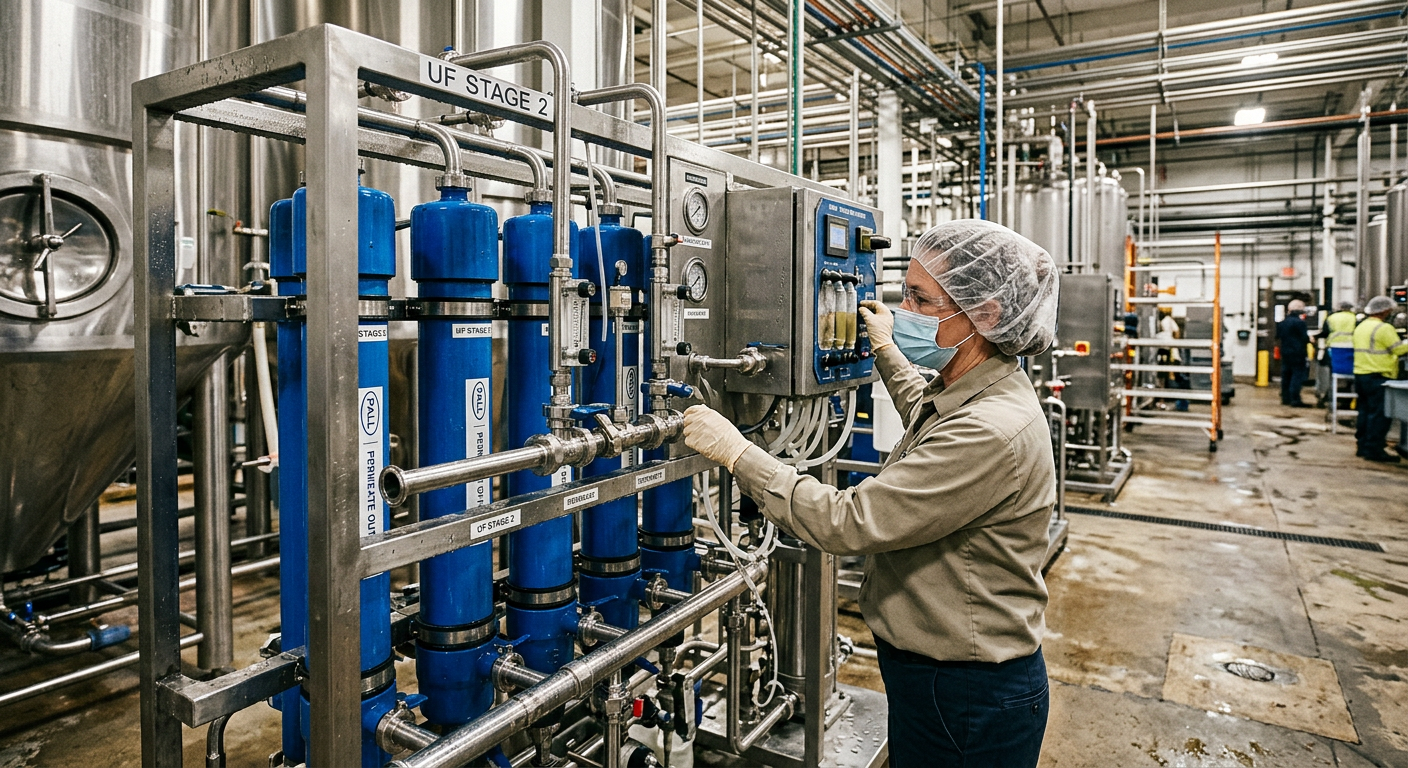
Ice Cream Manufacturing Plant Design in 2026: Compliance and Efficiency
Designing an ice cream manufacturing plant in the United States in 2026 requires more than placing mixers, freezers, and fillers into a cold building. A successful facility must coordinate dairy processing compliance, allergen separation, refrigeration efficiency, packaging flexibility, labor availability, digital traceability, and future expansion. Whether the plant serves grocery pints, club-store tubs, foodservice mixes, sandwiches, bars, or other novelty products, the layout must protect product quality while supporting profitable throughput. In the U.S. market, plant design decisions are increasingly shaped by stricter food safety expectations, utility cost volatility, retailer scorecards, and demand for faster flavor changeovers. Facilities near logistics hubs such as Chicago, Dallas-Fort Worth, Atlanta, Los Angeles, New Jersey, and the I-85 corridor in the Carolinas often gain freight advantages, while plants connected to major cold chain networks near ports like Savannah, Long Beach, and Houston can improve distribution flexibility for ingredients and finished goods. This guide explains how to approach ice cream plant design in the United States from a practical engineering perspective, covering direct answers, market conditions, product types, buying advice, use cases, equipment integration, case-based planning logic, local sourcing considerations, and implementation strategy. The best ice cream manufacturing plant layout for the United States in 2026 is a sanitary, expansion-ready design that separates low-risk and high-risk zones, places mixing, homogenization, and pasteurization upstream of aging and freezing, connects packaging lines to a properly engineered hardening system, and integrates refrigeration, CIP, allergen control, automation, and warehouse cold chain capacity from the start. For most U.S. producers, the most efficient design sequence is: Raw ingredient receiving and storage → dry and liquid batching → mixing → pasteurization → homogenization → aging → continuous freezing → inclusion and ripple dosing → filling or molding → hardening → secondary packaging → cold storage → distribution. The exact configuration depends on the product mix: In 2026, the strongest U.S. plants are being designed around four priorities: regulatory confidence, labor efficiency, utility efficiency, and SKU agility. Facilities that plan for future automation, MES integration, and utility redundancy are better positioned for retailer growth and contract manufacturing opportunities. The table above shows why early engineering choices have long-term consequences. A cheaper initial layout often becomes expensive when a plant later needs more freezer capacity, better allergen separation, or a larger hardening room. This line chart illustrates the ongoing growth in capital investment interest for U.S. frozen dessert projects. While exact spending varies by region and corporate strategy, the general trend supports continued facility modernization through 2026. The front end of an ice cream plant determines product consistency, food safety, and scheduling flexibility. In practical terms, if the mixing, homogenization, and pasteurization area is undersized or poorly zoned, the rest of the plant will be unstable no matter how good the packaging equipment is. A strong layout starts with ingredient receiving. Liquid dairy ingredients, cream, condensed milk, sweeteners, and liquid flavors should be routed into insulated, cleanable storage with proper transfer controls. Dry ingredients such as stabilizers, emulsifiers, cocoa, sugar, and milk powders need dedicated handling that minimizes dust, cross-contact, and weighing errors. For premium formulations, micro-ingredient management becomes especially important because stabilizer additions have a direct effect on viscosity, meltdown, and mouthfeel. In most U.S. facilities, the best sequence is to place dry batching and liquid blending close enough for efficient transfer, but with good traffic control and dust containment. High-shear mixing or powder induction systems often reduce batch time and improve hydration. After batching, product moves to balance tanks and then through pasteurization and homogenization. Some plants use HTST systems sized for continuous production, while smaller or specialty lines may use batch pasteurization for selected products. Homogenization should be selected based on desired fat destabilization, mix viscosity, and downstream freezer performance. Poorly matched homogenizer capacity can create texture inconsistency across runs. In a multi-SKU plant, engineering for recipe changeover, CIP recovery, and diversion logic is as important as nominal hourly capacity. This table matters because upstream capacity balance is often overlooked. Plants sometimes buy a large continuous freezer before confirming whether pasteurization, aging tank turnover, and mix supply can support it. True plant output depends on the slowest validated step, not the largest machine on the sales quote. For U.S. dairy processors targeting SQF or BRC-aligned programs, this area also needs well-documented hygienic zoning, drain slope control, insulated utility routing, and straightforward maintenance access. Local labor realities matter too. In regions such as Wisconsin, upstate New York, California’s Central Valley, or Texas dairy corridors, ingredient receiving patterns and shift models may influence tank sizing, staging space, and automation depth. Where possible, place utility corridors so maintenance teams can access valves, pipe bridges, and instrumentation without repeatedly entering the highest hygiene processing spaces. This improves uptime and lowers contamination risk. The continuous freezer is the commercial heart of many ice cream plants. It determines overrun control, draw temperature, texture, and the practical speed of downstream filling or molding. In 2026, freezer selection should never be based only on nominal gallons per hour. Engineers must evaluate product viscosity range, inclusion load, expected overrun windows, cleanability, refrigerant interface, future SKU mix, and integration with fillers or novelty lines. For premium low-overrun products, the freezer may need different dasher configurations and stronger low-temperature performance than a mainstream high-overrun line. Products containing large particulates such as cookie dough, brownie chunks, nuts, or fruit pieces often require specialized fruit feeders and line synchronization to prevent smear, breakage, or inaccurate inclusion rates. Hardening room engineering is equally important. A plant can produce excellent semi-frozen product at the freezer, but poor hardening capacity will damage texture, create shape distortion, and slow the entire operation. Hardening must be designed around package geometry, dwell time, pallet flow, airflow patterns, and evaporator loading. The right temperature target depends on product type, but the overall goal is rapid heat removal without creating bottlenecks between filling and warehousing. Novelty products usually demand more aggressive, conveyorized hardening strategies than pints or tubs. A bar line with enrobing or extrusion can quickly overwhelm a static room if air circulation and rack density are not engineered carefully. Likewise, a pint line with multiple lanes may need buffering before entering a blast zone, especially during flavor changeovers. The comparison shows that “hardening capacity” is not one number. It changes with package mass, shape, conveyor density, and the desired surface condition before wrapping or palletizing. The bar chart reflects how packaging format influences equipment demand. Pints and bars continue to drive strong interest because they combine retail appeal with premiumization opportunities. From a buying standpoint, U.S. manufacturers should ask freezer suppliers detailed questions about cleanability, spare parts lead times, service support coverage, and control integration. Plants in remote areas or with 24/7 schedules may justify dual critical skids, spare motors, or bypass planning to reduce downtime exposure. Packaging integration is where many ice cream projects either become commercially agile or operationally frustrating. A good line does not simply fill containers; it synchronizes product feed, package handling, lidding, coding, inspection, case packing, and transfer to hardening or frozen storage with minimal manual intervention. Pint lines need accurate fill control, clean lid application, tamper evidence if required, date coding, and compact case packing. Family tub lines often need sturdier denesting, larger mass-fill accuracy, and pallet efficiency. Novelty products require the most specialized integration, including mold handling, stick insertion, extrusion, cutting, enrobing, wrapping, metal detection or X-ray, and fast transfer to frozen accumulation. By 2026, many U.S. plants are prioritizing packaging flexibility over maximum single-SKU speed. That is because retailers and foodservice operators are demanding more seasonal runs, regional flavors, and short promotional programs. Engineering should therefore consider recipe-linked changeover procedures, tool-less guide adjustments where possible, and modular secondary packaging formats. Another major factor is labor. Packaging lines that rely on frequent hand-loading, hand-casing, or manual flavor identification often struggle with consistency and staffing. Robotics, vision systems, and line controls do not eliminate labor needs, but they can reduce repetitive tasks and improve OEE when properly commissioned. The practical value of this table is simple: packaging is not a generic end-of-line function. Each format drives different inspection, labor, and hardening needs. Plants that understand this early avoid expensive rework later. Local supplier support also matters. In U.S. regions with dense industrial ecosystems, such as the Midwest, Southeast, and Southern California, sourcing conveyors, case packers, robotics support, and controls integration can be faster. However, imported specialty novelty equipment may require longer lead times, so project schedules should account for FAT, electrical standards verification, and spare parts stocking before startup. Manufacturers planning a new line or expansion often benefit from an integrated engineering partner that can connect process, packaging, utilities, and controls. DPS approaches this through coordinated design and execution across process systems, utilities, automation, installation, and startup rather than treating each discipline separately. Its broader engineering and project services model is particularly relevant when a packaging addition affects upstream mix flow, refrigeration load, and warehousing. Cold chain performance is not limited to freezer barrels and hardening rooms. It includes ingredient storage, process cooling, low-temperature packaging spaces, blast hardening, freezer warehouses, shipping docks, and transportation handoff. In the United States, the economics of refrigeration can vary significantly by climate and utility rates, so system design must reflect local operating conditions. A plant in Phoenix, Houston, or inland California faces different summer heat loads and door-management challenges than a facility in Wisconsin or Pennsylvania. Coastal humidity can also affect frost formation, dock condensation, and evaporator performance. This is why refrigeration system design should begin with a detailed load profile instead of a generic equipment list. Common design choices include centralized ammonia systems, low-charge packaged systems, cascade approaches, or hybrid arrangements depending on plant scale, corporate safety standards, and local operating capabilities. The best answer depends on throughput, staffing, insurance requirements, regulatory comfort, and maintenance strategy. Beyond compressor selection, engineers should evaluate evaporator placement, air distribution, insulation continuity, floor warming where needed, dock vestibules, and traffic patterns between hardening and storage. A well-designed frozen warehouse can reduce product abuse and forklift inefficiency, while a poorly planned dock can quickly undo careful hardening work. This cold chain table highlights that refrigeration is both a quality system and an operating-cost system. Plants that optimize only one side usually underperform on the other. The area chart reflects a major 2026 trend: energy and refrigerant strategy are now board-level topics for many frozen dessert projects. Sustainability goals, utility costs, and resilience planning are pushing owners to consider heat recovery, advanced controls, leak mitigation, and more precise low-temperature zoning. From an application standpoint, producers serving retail, club, foodservice, co-packing, or private label all need a reliable cold chain. The exact warehouse and dock strategy changes, but the design principle remains the same: protect texture from freezer discharge to customer delivery. Sanitation is foundational in ice cream plant design because dairy proteins, sugars, fats, inclusions, and flavor systems create complex cleaning demands. Equipment must not only be cleanable; it must be cleanable within the available production schedule and verifiable through plant procedures. CIP design for a frozen dessert facility typically covers tanks, pipelines, balance tanks, HTST circuits, homogenizers, aging systems, ingredient dosing lines, and certain transfer paths to fillers. Some downstream equipment requires COP, manual sanitation, foam cleaning, or hybrid approaches. The key is matching the sanitation strategy to the equipment’s actual soil profile and changeover risk. In multi-shift U.S. plants, poor CIP design can quietly erode productivity by extending turnaround times, increasing water and chemical consumption, or forcing manual intervention. Well-designed systems use recipe-based cleaning cycles, conductivity or concentration verification, temperature control, return flow validation, and clear isolation logic to avoid cross-routing mistakes. Drainage, hygienic supports, valve manifold accessibility, and dead-leg minimization should be built into the plant, not added as afterthoughts. The same goes for environmental cleaning in hardening and packaging zones, where condensate management and floor conditions affect both food safety and worker safety. DPS also brings relevant strength here through its practical work in dairy-compatible process systems, custom CIP system design, utility integration, and installation execution. Companies evaluating sanitary upgrades can review broader capabilities across process equipment and system supply through its equipment solutions. This table shows that sanitation engineering is not just a hygiene issue; it is a throughput and risk management issue. Plants with stronger CIP design often gain production hours while reducing audit exposure. Allergen control is one of the defining design issues in modern ice cream plants. Many facilities run milk-based products plus flavors or inclusions that may contain peanuts, tree nuts, soy, wheat, egg, sesame, or specialty ingredients with complex supplier declarations. A plant that produces simple vanilla one shift and peanut butter cup the next cannot rely on paperwork alone. The building, process sequence, and sanitation plan must support real segregation and validated changeover. The first design step is hazard mapping by product family. Allergen risk is highest where dry ingredients are handled, where inclusions are staged and added, where rework may be introduced, and where package or label mix-ups can occur. In a multi-flavor operation, ingredient rooms should often be organized by risk level, with separate storage or controlled access for major allergens. Air handling and dust management matter, especially around powdered inclusions and bakery components. Production scheduling is another important tool. Many U.S. plants sequence products from low-allergen to high-allergen formulas to reduce cleaning burden, but scheduling only works if the line layout supports complete evacuation, visibility, and verification. Fillers, ripple systems, fruit feeders, and transfer hoses can hold residue if not engineered and cleaned correctly. Label control must also be integrated into the packaging automation strategy. Wrong-lid and wrong-carton events remain one of the most preventable causes of recall risk. Vision inspection, barcode verification, and recipe-linked line clearance protocols are increasingly standard in well-designed frozen dessert plants. For co-manufacturers and private label producers, strong allergen design can become a commercial advantage. Retailers and brand owners increasingly want evidence that a plant can control product transitions without slowing output excessively. Automation in 2026 is no longer limited to PLC control of pumps and valves. U.S. ice cream producers are increasingly adopting integrated MES, batch management, downtime tracking, digital quality records, and utility monitoring to improve yield, traceability, and labor productivity. At the process level, recipe automation reduces batching errors and improves repeatability. On the floor, HMI-guided changeovers and interlocked sanitation states help operators follow validated procedures. At the enterprise level, MES can connect ingredient lots, batch data, freezer runs, packaging codes, and pallet information into a traceable production history. This is especially useful in facilities with many SKUs, co-pack schedules, or retailer-specific labeling requirements. A digital thread linking raw materials to finished pallets can make investigations faster and improve customer confidence. It also helps management identify chronic causes of giveaway, downtime, slow CIP turns, or hardening bottlenecks. Automation should be right-sized. A mid-size plant may benefit from recipe control, historian, OEE dashboards, and utility monitoring without needing a fully custom enterprise platform on day one. The smartest approach is usually scalable architecture: install controls and data infrastructure now so additional MES functions can be layered in later. Technologically, DPS is especially relevant in this area because its capabilities span process engineering, PLC programming, SCADA, controls integration, utilities, and project management. That cross-disciplinary approach matters when recipe control must align with refrigeration loads, filler timing, CIP sequencing, and operator workflow. Companies exploring integrated manufacturing modernization can review examples of project thinking through selected project case studies. This comparison chart illustrates a common reality in U.S. projects: integrated delivery models generally outperform fragmented procurement when speed, compliance, and utility coordination matter. The exact scoring varies by project, but the overall direction is consistent. From an industry demand perspective, automation is strongest in high-SKU retail plants, co-packers, premium novelty manufacturers, and multi-site operators seeking common reporting. Applications include digital batch records, CIP verification, maintenance alerts, freezer trend monitoring, and warehouse temperature exception tracking. Disruptive Process Solutions supports food and beverage manufacturers across the United States and Canada with engineering-led capital project execution. For ice cream and frozen dessert producers, that means more than equipment selection. It means connecting process flow, utilities, construction, installation, controls, and startup into one profitable project strategy. From a service standpoint, DPS operates through a design-build-manage model that combines process engineering, capital planning, owner’s representation, project management, general contracting support where applicable, installation oversight, and commissioning coordination. That structure is useful for manufacturers that want tighter accountability from concept through startup instead of managing separate engineering, construction, and integration silos. More background is available on the company overview page. From a manufacturing capability perspective, DPS works across dairy and broader food processing systems, including mixing, homogenization, pasteurization, aseptic-compatible processing, jacketed vessels, custom tanks, CIP systems, utility infrastructure, and integrated line installation. The company also designs and supplies selected proprietary process equipment, which can be an advantage when a project needs custom-fit tanks, CIP skids, or utility-connected process modules. From a technological capability perspective, DPS combines structural, mechanical, plumbing, electrical, process, and controls engineering with PLC programming, SCADA, automation integration, and utility system design. That matters in ice cream projects because freezing, pasteurization, packaging, and refrigeration are deeply interconnected. A change in line speed or SKU count can affect steam, chilled media, compressed air, electrical capacity, dock flow, and warehouse strategy all at once. For U.S. manufacturers, especially those planning greenfield plants, expansions, relocations, or co-packing capacity, the company’s value is strongest when early decisions need to be tied directly to long-term profitability. That is consistent with its operating philosophy: build projects that make business sense, not just projects that look complete on paper. What is the most common bottleneck in an ice cream plant?In many facilities, the true bottleneck is not the continuous freezer itself but the interaction between aging capacity, filler speed, hardening dwell time, and warehouse flow. A balanced line is more valuable than one oversized machine. Should a U.S. plant be designed differently for pints versus novelty products?Yes. Pint plants emphasize flexible filling, lidding, coding, and case packing. Novelty plants need more specialized molding, extrusion, enrobing, wrapping, and conveyorized hardening. The sanitation and allergen strategy may also differ. How much automation is worth it in 2026?Enough to reduce errors, improve traceability, and support labor efficiency without overcomplicating maintenance. Recipe automation, CIP verification, OEE monitoring, and packaging line inspection are often high-value first steps. Why is hardening room design so important?Because texture, shape retention, and downstream packaging stability depend on rapid, controlled heat removal. If hardening is undersized, the entire plant can lose efficiency and product quality. How should allergen control be handled in a multi-flavor facility?Use a combination of segregated ingredient storage, smart scheduling, validated CIP, line clearance, packaging verification, and documented changeover rules. Allergen control must be reflected in the layout, not just in SOPs. What regulatory and policy trends matter in 2026?U.S. producers should expect continued emphasis on traceability, preventive controls, sanitation verification, worker safety, refrigerant risk management, and sustainability reporting. Large retailers and brand owners are also pushing more supplier transparency and performance data. What sustainability features should be considered in a new plant?Heat recovery from refrigeration, efficient compressors, VFDs, insulated piping, water-conscious CIP, reclaim strategies, lower-loss dock design, smart defrost controls, and right-sized utilities all deserve early evaluation. Where should a U.S. ice cream plant be located?That depends on milk access, labor market, freight lanes, utility cost, customer geography, and cold storage availability. Common strategic regions include the Midwest dairy belt, Texas logistics corridors, the Southeast growth markets, and port-connected areas near California, New Jersey, Georgia, and the Gulf Coast. Is it better to buy stand-alone equipment or use an integrated project partner?For simple upgrades, stand-alone procurement can work. For greenfield plants or major expansions where process, refrigeration, packaging, and compliance are interdependent, integrated engineering and project execution usually reduce risk. What should buyers ask before approving a plant design?Ask how the design handles future SKU growth, allergen segregation, utility redundancy, CIP turnaround, freezer-to-hardening balance, dock temperature control, labor efficiency, digital traceability, and expansion space. If those answers are weak, the layout is not ready. In 2026, the most successful U.S. ice cream plants will be those designed for both compliance and commercial reality. They will support premium innovation, faster changeovers, stronger documentation, lower utility waste, and reliable cold chain execution from receiving through shipment. Plants that bring process engineering, refrigeration strategy, packaging integration, sanitation design, and automation together at the concept stage will be better prepared for growth, retailer scrutiny, and margin pressure in the years ahead. -
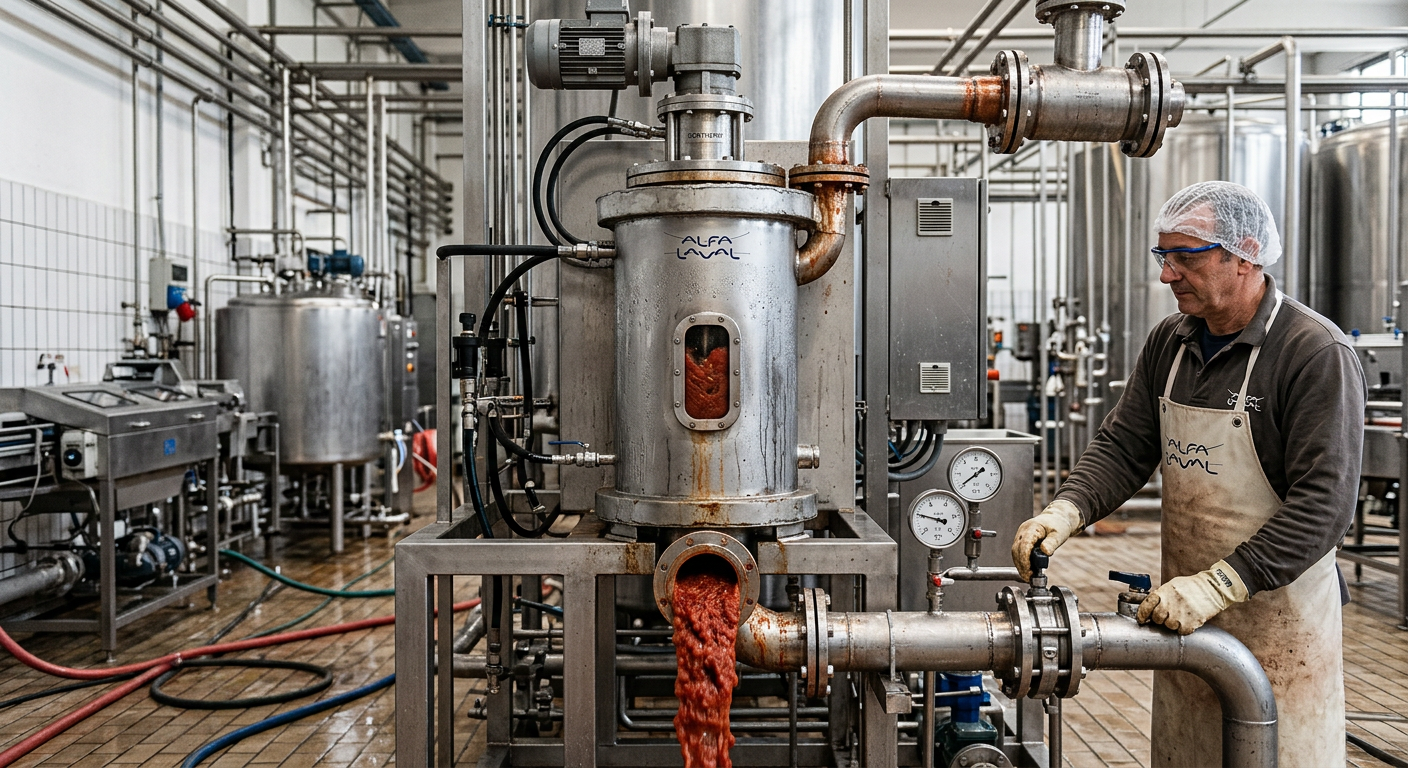
Food Facility Environmental Audit: A Comprehensive Checklist
Environmental audits in U.S. food and beverage plants are no longer a narrow compliance exercise. They now affect operating permits, expansion timelines, community relations, utility costs, lender confidence, customer approvals, and corporate ESG reporting. Whether a facility processes dairy in Wisconsin, proteins in Arkansas, sauces in Illinois, beverages in North Carolina, or exports through Los Angeles, Houston, Savannah, or New York/New Jersey, a disciplined environmental audit helps uncover problems before regulators, customers, or neighbors do. This guide is written for plant leaders, EHS managers, operations teams, engineering groups, and investors evaluating environmental risk in food manufacturing. It covers audit scope, air, water, wastewater, waste, hazardous materials, odor, noise, documentation, corrective actions, and third-party audit readiness across the United States market. A food facility environmental audit in the United States should verify six things first: permit coverage, actual operating conditions, emissions and discharge points, waste handling practices, documentation quality, and corrective action discipline. A strong audit does not stop at a checklist. It compares what the plant is allowed to do with what it actually does every day, shift by shift, product by product, and season by season. For most food and beverage facilities, the highest-risk areas are boiler and process emissions, wastewater strength and pretreatment, grease and solids management, chemical storage, universal waste handling, refrigerant or ammonia systems, odor complaints, and incomplete records. Facilities with high-moisture products, fermentation, rendering, smoking, frying, retort, dairy, protein processing, and large CIP systems often have elevated environmental risk. In practical terms, the fastest way to improve audit performance is to build a site-specific matrix of permits, sampling points, equipment, responsibilities, and response times. Plants that operate near dense communities such as Chicago, Dallas-Fort Worth, Southern California, Atlanta, or the Research Triangle must also pay close attention to nuisance issues like odor, truck traffic, and nighttime noise because local pressure can escalate even before formal enforcement occurs. Companies planning renovations, line additions, utility upgrades, or greenfield projects should align environmental audits with capital planning. That is especially important when process loads increase faster than utilities, pretreatment, or air controls can handle. The table above provides a direct screening framework. If a site cannot show clear permit ownership, verified monitoring points, and dated response actions, it is not audit-ready. The scope of an environmental audit should reflect the plant’s process profile, local permits, utility infrastructure, and community exposure. A small dry-blending plant in Kansas will not have the same environmental profile as a seafood processor near Seattle, a poultry operation in Georgia, a yogurt plant in upstate New York, or a co-packer with high CIP demand in California. For U.S. food manufacturing, the most effective audit objectives are to confirm legal compliance, identify hidden operating cost drivers, reduce interruption risk, support expansion planning, and prepare for external review by regulators, customers, investors, or insurers. Those objectives are strongest when the audit includes both document review and field verification. Audit scope should normally include: Market conditions also matter. Many U.S. food plants are being pushed to increase throughput without equivalent upgrades to wastewater or air systems. In inland logistics hubs like Memphis, Indianapolis, and Kansas City, brownfield sites often inherit old utility constraints. In coastal trade corridors such as Long Beach, Newark, or Houston, facilities may face additional scrutiny linked to neighborhood impacts and redevelopment pressures. Product type strongly shapes the audit. Beverage, brewing, distillation, dairy, sauces, proteins, prepared foods, plant-based products, and aseptic lines all generate different environmental load profiles. Facilities handling fermentation, smoking, frying, rendering, or significant thermal processing typically need a more technical audit. This scope table helps buyers and operators prioritize resources. It is especially useful during due diligence, acquisition reviews, or pre-construction planning. Buying advice: if you are selecting an engineering partner for an audit-driven upgrade, choose a team that understands process loads, utilities, and compliance together. Environmental problems in food plants are rarely isolated; they usually begin as process design, controls, maintenance, or capacity mismatches. That is why many manufacturers prefer partners with integrated engineering and execution experience rather than a narrow reporting-only approach. You can review engineering and project services that align plant design, utilities, and implementation in one delivery model. Air quality audits in food facilities often reveal overlooked sources. Plants usually pay attention to boilers, but many miss process vents, emergency generators, smokehouses, roasters, fryers, kettles, packaging solvents, refrigeration leaks, and dust collection systems. In urban and suburban markets such as Southern California, New Jersey, or the Dallas metro, even small emission sources can become material when throughput rises. Start with an equipment inventory and verify it against permits, fuel records, maintenance logs, and actual operations. A fryer installed after a line expansion, a larger boiler burner, or changed production hours can alter permit status. Review particulate matter, VOCs, NOx, SOx, CO, combustion efficiency, and any control devices such as scrubbers, catalytic oxidizers, baghouses, or mist eliminators. Technology is central here. Plants with robust automation can capture better environmental data. Advanced controls, PLC programming, SCADA visibility, and utility monitoring make it easier to tie emissions to production conditions, alarm conditions, and maintenance lapses. This is one area where a process-focused engineering firm adds value because air performance depends on line balance, heat loads, and operating logic, not just paperwork. Facilities using thermal processing, fermentation, distillation, or smoke generation should also evaluate future 2026 trends. State agencies are moving toward tighter digital reporting, stronger leak monitoring expectations, and greater scrutiny on energy intensity and greenhouse gas disclosure. Facilities investing now in burner tuning, heat recovery, variable-speed fans, and real-time utility dashboards typically gain both compliance and cost benefits. Use this table during field walks. It ensures air reviews reflect actual production equipment rather than old permit assumptions. Water and wastewater are often the most expensive hidden environmental issues in food manufacturing. High water use ratios, product loss to drain, poor segregation of high-strength waste, and insufficient equalization can drive surcharges, violations, and expansion limits. This is especially true in dairy, beverage, sauce, brewery, distillery, seafood, and protein plants. In the United States, the audit should identify whether the facility discharges to a municipal POTW, operates under industrial pretreatment requirements, or holds direct discharge obligations. Review permits, local sewer ordinances, discharge limits, self-monitoring reports, pH controls, flow meters, composite sampling practices, and laboratory chains of custody. Field verification matters. Walk every drain route. Validate whether sanitary, process, and storm lines are correctly separated. Outdoor ingredient handling, washdown in loading zones, and tanker transfer spills commonly create noncompliance. Facilities near ports and major distribution corridors, such as Savannah and Houston, often face pressure to turn loads quickly, which can worsen unloading losses and washdown waste if procedures are weak. From a manufacturing capability standpoint, environmental performance improves when process and utility systems are designed together. Custom CIP systems, properly sized tanks, integrated water treatment, in-line monitoring, and balanced utility infrastructure can dramatically reduce both water consumption and discharge variability. Equipment design affects compliance as much as operator behavior. The table shows why wastewater audits must combine process engineering, utility design, and operator discipline. A discharge permit is only as good as the plant systems behind it. For plants evaluating expansion, ask a simple buying question before adding capacity: can existing water, pretreatment, and discharge systems handle the new production mix, not just the average volume? Many U.S. sites discover too late that a new line changes wastewater strength more than total gallons. Solid waste and hazardous materials audits in food plants should distinguish between ordinary production waste, recyclable streams, regulated waste, universal waste, used oil, spent chemicals, lab materials, aerosols, batteries, lamps, and maintenance-related residues. Too many sites rely on vendor pickups without confirming whether on-site accumulation, labeling, storage time, and contingency practices are correct. Food plants also create special waste challenges through packaging changes, off-spec products, expired ingredients, sludge from pretreatment, filters, and sanitation chemicals. In protein and dairy plants, byproduct handling can move from value stream to liability quickly if storage temperature, timing, or segregation breaks down. Local supplier strategy matters. In the United States, disposal and recycling options vary sharply by region. A plant outside Fresno, Omaha, or Raleigh may have fewer approved vendors than one near Chicago or Southern California. Audit teams should verify backup haulers, disposal certificates, sludge outlets, and emergency response contacts, especially where transportation bottlenecks could leave waste on site longer than planned. Manufacturing capabilities influence waste generation. Better vessel design, ingredient transfer systems, recovery loops, and CIP optimization can cut product-to-drain loss and disposal volume. Facilities modernizing tanks, utilities, or batch systems should consider how equipment choices affect environmental burden over the full life cycle. For a view of integrated process assets, see these food and beverage equipment capabilities. This table gives a practical view of what regulators and third-party auditors commonly examine on the plant floor. It also highlights cost leakage tied to poor waste discipline. Noise and odor are often the issues most visible to neighbors and local officials. A plant may be technically within permit limits yet still suffer from recurring community complaints. Food facilities near residential growth zones in Phoenix suburbs, coastal California, central Florida, or around Nashville and Charlotte are particularly exposed as industrial-adjacent development expands. Odor sources can include wastewater equalization, DAF sludge, protein trim, rendering interfaces, spent yeast, smoke processes, fermentation vents, dumpsters, and product spills. Noise sources usually include rooftop fans, compressors, condensers, loading docks, truck refrigeration units, palletizing, and nighttime sanitation activities. An effective odor and noise evaluation should include time-of-day review, weather conditions, wind direction, and complaint mapping. Do not rely on a single midday walk-through. Many odor events occur during warm evenings, startup periods, or waste handling windows. Many noise issues occur after production ends, when ambient background drops and rooftop equipment becomes more noticeable. Applications vary by industry. Dairy and beverage plants may need stronger condensate and wastewater odor control. Protein and seafood operations may need enclosed waste transfer, room pressure control, and faster byproduct removal. Brewing and distillation sites often benefit from vent routing and spent grain logistics improvements. Prepared food facilities can require stack dispersion review and dock sound management. If a plant plans growth, include noise and odor in the project budget early. Retrofitting fans, enclosures, carbon treatment, scrubbers, or building pressure corrections after complaints begin is usually more expensive than designing them in from the start. Documentation decides whether an audit finding becomes a manageable improvement or a major business issue. U.S. regulators and third-party auditors expect records that are current, organized, traceable, and tied to real plant conditions. A binder full of old permits without evidence of daily control is not enough. Core document sets should include permits, agency correspondence, sampling plans, laboratory reports, manifests, training records, maintenance logs, calibration certificates, incident reports, complaint logs, inspection forms, and management review notes. Just as important, each finding should have a corrective action owner, due date, verification method, and closure evidence. The strongest corrective action plans are risk-ranked. For example, an expired training sign-off is not equal to recurring pH excursions, an unregistered tank, or a mislabeled hazardous waste accumulation point. Prioritize by legal exposure, safety implications, production impact, and public visibility. Service capabilities matter here. Plants benefit from partners who can move beyond identifying gaps to planning, engineering, procurement, contractor coordination, installation, startup support, and execution oversight. For many manufacturers, that means combining audit follow-up with broader capital planning, owner representation, and project management so corrective actions actually reach operation, not just a slide deck. The framework above turns findings into measurable action. It also helps management defend capital requests because it links environmental gaps to specific operational consequences. Preparing for a third-party audit requires more than cleaning the plant and printing files. External auditors typically look for consistency between documents, interviews, and field conditions. If operators describe one procedure, maintenance follows another, and the floor shows a third condition, confidence drops quickly. Preparation should begin at least four to six weeks before the audit. Confirm permit inventories, reconcile equipment lists, review past findings, trend recent monitoring data, inspect accumulation areas, walk roof and exterior zones, and verify calibration status. Interview supervisors on each shift because environmental performance can vary dramatically between day and night operations. For companies entering customer audits, lender reviews, acquisition diligence, or insurance evaluations, a mock audit is valuable. It identifies blind spots in recordkeeping, signage, ownership, and physical controls. Plants that tie mock audits to broader project planning usually move faster on upgrades because the work scope is already defined. Recent U.S. trends suggest 2026 will bring more digital evidence expectations, stronger focus on water reuse and resiliency, more scrutiny of greenhouse gas reporting, and increased integration of environmental findings into supplier approval and private equity diligence. Plants that can show not only compliance, but active improvement planning, will be better positioned in the market. This preparation table is particularly useful for multi-site operators and co-manufacturers that host customer visits frequently. Facilities seeking real-world implementation support often benefit from reviewing project case studies to understand how audit findings convert into practical upgrades, relocations, and capacity improvements. Disruptive Process Solutions, or DPS, works with food and beverage manufacturers across the United States and Canada on capital projects where compliance, utilities, throughput, and profitability must align. Rather than treating environmental issues as isolated paperwork tasks, DPS approaches them as part of the full operating system of the plant. From a technological capability perspective, DPS supports structural, mechanical, plumbing, electrical, process, and controls engineering, including PLC programming, automation, SCADA, and integrated utility systems. That matters in environmental performance because emissions, water use, CIP behavior, energy demand, and wastewater loading are all driven by process design and controls logic. From a manufacturing capability perspective, DPS designs and integrates process systems used across beverage, brewing, spirits, dairy, proteins, prepared foods, sauces, aseptic operations, and more. The company also manufactures selected branded process equipment, including tanks, CIP systems, marination tumblers, and cooking vessels. That practical equipment knowledge helps clients identify where environmental risk is being created inside the process, not only at the end-of-pipe. From a service capability perspective, DPS provides process engineering and design, capital planning, feasibility analysis, owner’s representative support, project and program management, general contracting where licensed, equipment supply, installation, and system integration. Its Design Build Manage model is built for projects that need both strategy and execution. You can learn more about DPS and how the company supports long-term manufacturing performance. For U.S. food and beverage operators, this combination is especially valuable when environmental findings are tied to expansion, relocation, retrofits, utility upgrades, or facility turnarounds. The best environmental result is often not just a better report, but a better-designed plant. What is the main purpose of a food facility environmental audit in the United States?The main purpose is to verify legal compliance, identify operational environmental risks, and create a practical action plan before regulators, customers, or investors find the problem first. How often should a food plant perform an environmental audit?At minimum annually, with quarterly internal checks for higher-risk facilities such as dairy, protein, brewing, distillation, and high-CIP beverage plants. Any major expansion or product mix change should trigger an additional review. Who should participate in the audit?EHS, plant leadership, maintenance, utilities, sanitation, warehouse, quality, and production supervisors. If wastewater or air systems are complex, include engineering and outside technical support. Which U.S. regulations are usually most relevant?Requirements often include EPA-related air and water obligations, state environmental agency permits, local sewer authority rules, stormwater conditions, hazardous or universal waste management rules, and local nuisance controls for odor and noise. What are the most common findings?Outdated permit assumptions, weak wastewater segregation, incomplete sampling records, mislabeled waste containers, inconsistent calibration, undocumented maintenance, and poor follow-through on corrective actions. What should buyers or investors ask during due diligence?Ask for permit inventories, recent monitoring data, violation history, complaint records, waste manifests, utility capacity information, and evidence that environmental systems can support the current and future production plan. How does environmental performance affect expansion projects?It can determine whether added production is feasible, how much pretreatment or air control investment is needed, and whether timelines are realistic. Environmental constraints often become critical path items during plant growth. What trends should food manufacturers watch for in 2026?Expect more digital compliance tracking, stronger attention to water reuse and resiliency, increased pressure to lower energy and carbon intensity, closer integration of ESG expectations into customer and investor reviews, and tighter community sensitivity around odor and noise. Can an environmental audit also reduce costs?Yes. Plants frequently reduce water use, chemical waste, energy demand, hauling costs, and downtime by fixing the same issues that create compliance risk. Why choose a process-focused engineering partner instead of a report-only consultant?Because many environmental issues in food manufacturing come from process design, controls, utility balance, and equipment limitations. A partner that can engineer and execute solutions is often better positioned to turn findings into durable improvements. -
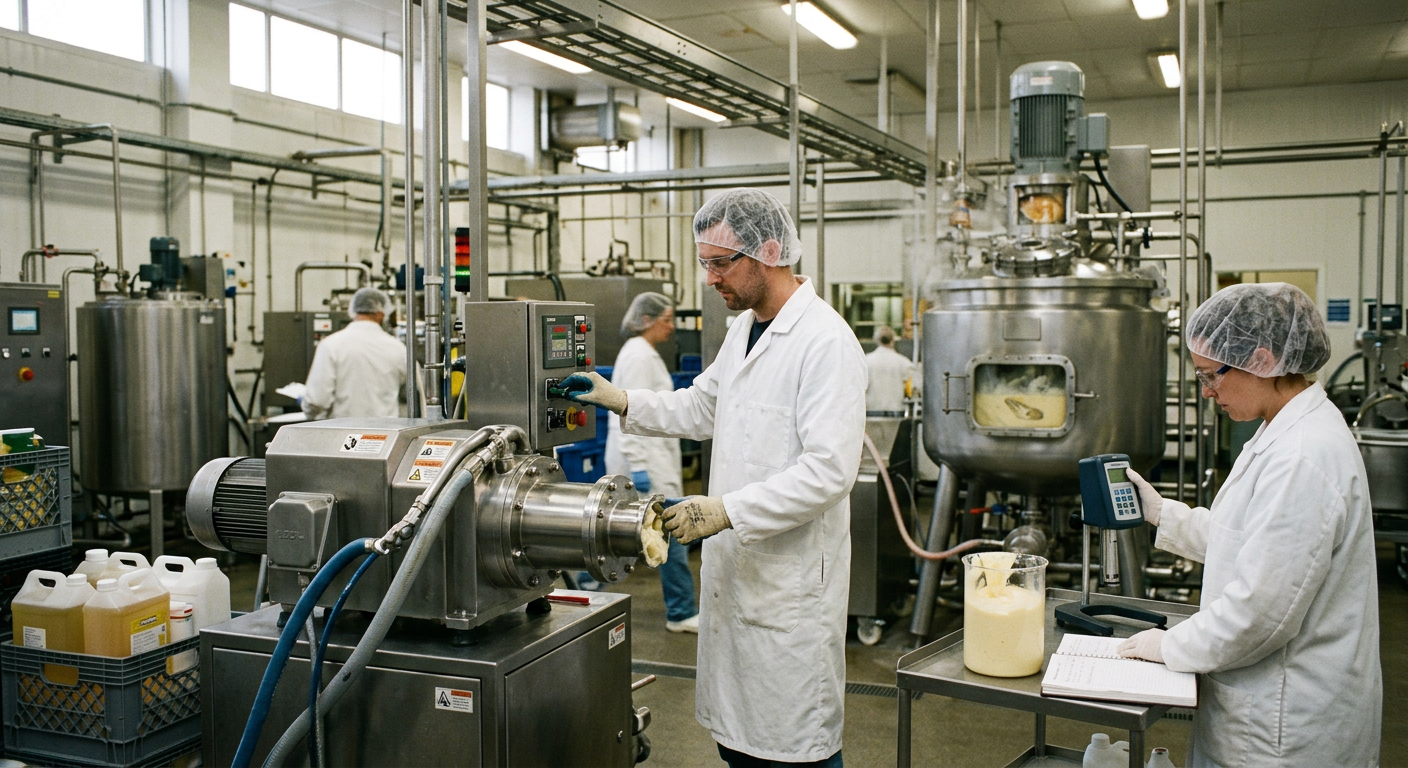
Bakery Plant Design in 2026: Key Layout Principles for Commercial Bakeries
Industrial bakery design in 2026 is no longer just about fitting mixers, proofers, ovens, and packaging machines into a building. In the United States, the best bakery layouts now balance throughput, food safety, labor efficiency, utility resilience, maintainability, and future expansion. Whether a producer is building a new tortilla line near Dallas, a bun facility in Kansas City, a frozen dough operation outside Chicago, or a snack cake plant serving the Northeast from New Jersey, the winning layout principles are the same: protect product flow, reduce handling, recover energy, simplify sanitation, and design utility systems around real production growth rather than short-term assumptions. For owners and operations leaders, the practical question is not simply what equipment to buy. It is how to arrange receiving, ingredient storage, scaling, mixing, fermentation, baking, cooling, slicing, packaging, warehousing, and utilities so the entire asset performs as one integrated system. This article covers oven selection and heat recovery, dough handling and proofing standards, cooling tunnel and packaging integration, HACCP zoning, steam, gas, and electrical planning, clean-in-place design, and modular expansion strategies for high-growth bakery operations across the U.S. market. The fastest answer is this: a successful bakery plant layout in the United States should create a one-way process flow from raw ingredient receiving to finished goods shipping, separate raw and post-bake zones under HACCP logic, minimize manual transfer points, place utilities close to major loads, and reserve physical and electrical capacity for future line additions. In 2026, high-performing bakeries are also designing for automation, energy recovery, sanitation validation, and labor flexibility from day one. For most commercial bakeries, layout decisions should be based on six core criteria: In markets such as Los Angeles, Atlanta, Houston, Minneapolis, and Philadelphia, where distribution radius and labor availability strongly affect economics, smart layouts often produce more value than incremental equipment upgrades. Owners looking at greenfield or brownfield projects should evaluate the full process, not isolated machines. That is especially true when plants are serving retail private label, club store, foodservice, convenience, and quick-service restaurant channels at once. This table shows why bakery design should be treated as a full production system rather than a collection of separate capital purchases. In U.S. facilities with tight delivery windows and labor pressure, these six priorities usually determine profitability more than cosmetic building upgrades. Oven selection is the economic center of most bakery plants. Tunnel ovens, direct gas-fired ovens, indirect-fired ovens, cyclothermic systems, convection ovens, hybrid impingement systems, and rack ovens each fit different product categories and throughput goals. The right choice depends on bake curve, moisture retention, crust development, floor space, utility cost, and changeover frequency. For large-volume pan bread, buns, and rolls, continuous tunnel systems often deliver the best combination of throughput and consistency. Tortilla and flatbread lines may favor rapid-response direct-fired or hybrid systems that can maintain tight thermal control at high rates. Laminated pastry and premium artisan products may benefit from more specialized humidity and airflow management. Cookie and cracker lines require careful attention to zone-by-zone temperature control because color, spread, and final moisture are highly sensitive to heat distribution. Energy economics matter more in 2026 because gas pricing volatility, state-level decarbonization pressure, and corporate sustainability targets are changing payback calculations. In regions around California, the Pacific Northwest, and parts of the Northeast, owners are comparing high-efficiency gas systems against electrified or hybrid process concepts more often than they did a few years ago. In the Midwest and Southeast, heat recovery on gas-fired systems remains one of the most attractive capital improvements. Common heat recovery strategies include: The table helps buyers compare oven families at a practical level. The correct selection should align with product physics, sanitation goals, utility availability, and the plant’s growth plan. It should also reflect local energy conditions. A bakery near the Port of Savannah serving the Southeast may prioritize low-cost gas-fired throughput, while a California operator with ESG targets may value a more electrification-ready design. The growth trend above reflects a realistic direction in the U.S. market: investment is increasingly flowing to automation and energy retrofits, especially where aging bakery plants need to improve labor efficiency and environmental performance without relocating. Dough handling systems set the rhythm of the entire bakery. If scaling, mixing, resting, dividing, makeup, and proofing are not balanced, the oven and packaging line will never perform consistently. In 2026, leading bakery plants are reducing manual dough movement, improving ingredient accuracy, and designing proofing environments around measurable temperature and humidity control instead of operator intuition. A robust dough room design usually starts with ingredient receiving and storage. Flour silos, sugar handling, minor ingredient rooms, liquid handling, and allergen storage should be placed to support safe, efficient batching. Dry ingredient conveying must be reliable and easy to clean. Liquid systems should be jacketed or insulated when temperature control matters. Minor ingredients should be staged in a way that reduces travel time and weighing errors. Fermentation and proofing spaces require more than available square footage. They need: For bakeries producing hamburger buns, hot dog buns, and pan bread for national restaurant or retail programs, proofing consistency directly affects height, cell structure, and sliceability. For croissant and laminated dough operations, resting and temperature sequencing can be just as important as proofing itself. Frozen dough plants must design for a different process cadence, with cold chain control integrated earlier in the line. This table highlights the main control points from scaling to oven loading. In many U.S. bakeries, product defects blamed on the oven actually begin upstream in the dough room. Better line integration and environmental control usually outperform ad hoc operator corrections. Many bakery projects underestimate the post-bake area. Yet cooling, accumulation, slicing, metal detection, checkweighing, bagging, cartoning, case packing, and palletizing often determine actual plant throughput. A bakery can install a high-capacity oven, but if cooling dwell time or packaging speed is undersized, it creates a constant choke point. Cooling system design should match product type, crumb structure, moisture migration behavior, and packaging requirements. Bread and buns may need ambient or conditioned spiral cooling. Cookies and snack items may use conveyorized ambient cooling with tighter humidity control. Cakes and iced products often need more specialized environmental separation. Frozen bakery lines require a different path entirely, potentially including blast freezing, spiral freezers, or frozen staging before packaging. Key integration strategies include matching oven discharge rate to cooler capacity, creating accumulation to absorb short packaging stops, minimizing product handling, and designing line controls so slicing and bagging are synchronized with upstream conditions. In high-volume plants around Columbus, Memphis, and Fort Worth, these details frequently decide whether a line can actually achieve its nameplate output over a full shift. The best post-bake systems are designed as coordinated flow architecture, not a chain of disconnected machines. Cooling and packaging are especially important for bakeries shipping across long lanes from manufacturing hubs such as St. Louis, Indianapolis, or Charlotte, where shelf life, package integrity, and freight efficiency all matter. The bar chart reflects where many capital projects are concentrated: tortillas, buns, and mainstream bread continue to attract high demand, while frozen dough remains a strong growth category because it supports flexible downstream distribution and foodservice channels. HACCP zoning is one of the most important layout decisions in commercial bakery design. Although baking is a kill step for many products, post-bake exposure still creates major risk. The plant should clearly separate raw ingredient handling, dough processing, baking, cooling, slicing, and final packaging zones. Personnel flow, forklift movement, waste paths, rework handling, and sanitation tool storage should all follow that logic. A practical zoning approach often includes: In the United States, bakery facilities supplying large retailers and foodservice chains are often expected to support strong environmental monitoring, traceability, and zoning discipline even when regulations do not prescribe one exact layout model. Plants near major logistics corridors such as the I-35 corridor in Texas, the Inland Empire in California, or the Chicago intermodal region should pay extra attention to high traffic patterns and contractor access, because outside movement can easily disrupt sanitary control. This table shows the basic zoning logic that should shape the full floor plan. A good HACCP layout not only supports food safety but also simplifies audits, cleaning validation, and employee training. Bakery plants depend on utility systems more heavily than many owners initially realize. Steam, gas, compressed air, chilled water, hot water, HVAC, and electrical distribution are not background systems. They directly influence uptime, consistency, sanitation performance, and expansion cost. Poor utility planning can turn a promising bakery into a bottlenecked operation. Steam is commonly used for humidification, proofing, process heating, sanitation support, and some cooking or specialty applications. Gas distribution must be designed around oven demand, burner safety, pressure stability, and future line additions. Electrical infrastructure should account for mixers, conveyors, slicers, packaging lines, motors, VFDs, controls, refrigeration loads, lighting, and office or warehouse growth. In 2026, leading U.S. bakery projects are also planning for: This is especially relevant in regions with grid stress, hurricane exposure, or winter reliability issues, including parts of Texas, the Gulf Coast, and the upper Midwest. Utility design should be grounded in actual production scenarios rather than generic diversity assumptions. The table makes clear that utility infrastructure should be engineered with the same rigor as process equipment. For many bakeries, utility failures create more downtime than the production machines themselves. For owners evaluating outside support, this is where a full-process engineering partner becomes more valuable than a simple equipment broker. Companies that combine process, mechanical, electrical, and controls expertise can align line performance with the plant backbone. That integrated approach is discussed further in the company section below and in the broader engineering and project services overview. The area trend shows the strategic shift now visible across the U.S. market. Energy recovery and automation are no longer optional upgrades for only the largest bakery groups. They are becoming standard design assumptions for new lines and serious retrofits. Not every bakery line uses traditional CIP in the same way dairy, beverage, or aseptic plants do. However, many bakery operations still benefit greatly from formalized clean-in-place or semi-automated cleaning systems, especially where liquid ingredients, tanks, slurry systems, inclusions, glazes, fillings, or process piping are involved. Plants with cream systems, icings, batters, liquid sweeteners, oils, or allergen-sensitive changeovers often have a clear CIP case. Good CIP design starts with realistic circuit definition. Engineers should identify which vessels, pumps, pipelines, heat exchangers, and dosing systems can be cleaned in place and which still require COP or manual sanitation. The design should also consider chemical compatibility, flow velocity, return capture, solution recovery, verification points, and recipe-based cleaning cycles. For bakery processing equipment, the most common CIP-related design principles include: Plants handling fillings, custards, fruit prep, dairy ingredients, and other wet process components should especially avoid under-designed cleaning systems. In high-throughput bakery facilities, sanitation hours often determine available production hours. Smart CIP design can therefore become a direct capacity lever. Owners who need custom skids or integrated sanitary process hardware often look for partners that can both engineer and fabricate specialized systems. That is one area where a company with in-house process equipment expertise can create value by tailoring tank, skid, and cleaning solutions to the line instead of forcing the line to fit a catalog standard. Additional information on available process equipment solutions can help frame those conversations. One of the biggest mistakes in bakery design is optimizing only for day-one volume. In the U.S. market, many bakery facilities are expected to add SKUs, increase shift patterns, serve new distribution lanes, or support co-manufacturing opportunities within a few years. If the original layout has no modular expansion plan, every future addition becomes more expensive and more disruptive. Modular planning means reserving the ability to scale without redesigning the plant core. That can include empty floor pads for future mixers or proofers, structural allowances for another spiral cooler, utility headers with capped drops, oversized electrical rooms, knock-out wall panels for new process rooms, or a warehouse circulation pattern that can absorb automated storage later. Typical modular growth scenarios include: Modular design is especially relevant in fast-growing metro and logistics zones such as Phoenix, Nashville, Charlotte, Salt Lake City, and the Dallas-Fort Worth region, where population growth and freight connectivity can quickly change plant economics. The best projects combine flexible architecture with a phased capital plan tied to business milestones. The comparison chart illustrates why integrated project delivery models tend to outperform isolated equipment sourcing for complex bakery investments. When process, utilities, construction, and commissioning are coordinated from the beginning, growth capacity becomes easier to unlock later. For bakery owners in the United States who need more than basic equipment procurement, Disruptive Process Solutions brings a broader food and beverage engineering perspective. The company works across North America and supports processors that need practical, profit-focused capital execution rather than a fragmented handoff between consultants, contractors, and equipment vendors. From a technological capability standpoint, DPS supports process, mechanical, structural, plumbing, electrical, and controls engineering. That matters in bakery projects because ovens, proofing systems, packaging automation, utility rooms, and sanitation strategies all interact. A team that understands process integration, PLC programming, SCADA, utility balancing, and production controls can identify bottlenecks that are invisible in a machine-by-machine approach. This kind of systems thinking is particularly valuable when a bakery is trying to improve throughput without overbuilding capital. From a manufacturing capability standpoint, DPS also develops and supplies selected process equipment, including tanks and CIP-related systems, which can be useful for bakery operations with liquid ingredient handling, glaze systems, sanitary process loops, or custom utility skids. That practical fabrication experience helps bridge the gap between design intent and plant-floor execution. More background on the firm, its footprint, and project philosophy is available on the company overview page. From a service capability standpoint, DPS operates through a design-build-manage model. In real bakery terms, that means the team can help with feasibility, capital planning, owner representation, process design, installation coordination, utility integration, construction management, startup support, and execution oversight. For manufacturers planning a greenfield facility, a major line addition, or a brownfield retrofit, that integrated structure can reduce scope gaps between engineering, trades, and operations. Readers interested in execution examples can also review selected project case studies. In 2026, the strongest bakery projects are not the ones with the most expensive equipment list. They are the ones where plant layout, utilities, food safety zoning, automation, and growth phasing are tied to the actual business model. That is where a full-scope engineering partner can make a measurable difference. What is the most important rule in bakery plant layout?The most important rule is one-way product flow. Raw ingredients should move toward mixing, proofing, baking, cooling, packaging, and shipping without backtracking or crossing finished goods traffic. How much space should be reserved for future expansion?There is no universal number, but many high-growth bakery projects reserve enough floor area and utility capacity for at least one additional major process module or end-of-line expansion within three to five years. Which oven type is best for a commercial bakery?It depends on the product. Continuous tunnel ovens are often best for high-volume bread and bun lines, while specialty products may require indirect-fired, cyclothermic, or hybrid systems with more specific bake control. Why is post-bake zoning so important?After baking, exposed product can be vulnerable to environmental contamination. Cooling, slicing, and packaging zones should therefore have stricter hygiene controls and clearly managed personnel movement. Do bakeries need CIP systems?Many do, especially those using liquid ingredients, fillings, icings, sanitary tanks, slurry systems, or allergen-sensitive process loops. Even where full CIP is not needed plant-wide, partial CIP can greatly improve sanitation and changeover efficiency. How should utilities be planned for a new bakery?Utilities should be modeled around actual peak operating conditions, not generic estimates. Steam, gas, compressed air, HVAC, and electrical systems need margin for startup transients, sanitation loads, and future expansion. What are the biggest 2026 trends in U.S. bakery design?The biggest trends are energy recovery, smarter automation, improved data visibility, stronger sanitary zoning, labor-saving packaging systems, and modular plant layouts that support phased growth. Can a brownfield bakery still be upgraded effectively?Yes. Many U.S. bakeries achieve strong ROI through targeted utility upgrades, revised product flow, controls optimization, cooling and packaging debottlenecking, and phased automation rather than total replacement. How should buyers evaluate suppliers or integrators?Look beyond the equipment quote. Evaluate process understanding, utility engineering depth, sanitary design experience, project management discipline, commissioning support, and the ability to align the plant with business goals. What should a bakery owner do before requesting bids?Define the product portfolio, target capacity, packaging formats, sanitation expectations, utility assumptions, growth scenarios, and site constraints first. Better front-end planning leads to better proposals and fewer costly changes later. For U.S. bakery manufacturers planning for 2026 and beyond, the central lesson is simple: plant design is strategy made physical. The layout should support the product, the labor model, the utility backbone, the audit standard, and the growth plan at the same time. When those elements are aligned, a commercial bakery becomes easier to operate, easier to expand, and more resilient in a market that continues to demand speed, consistency, and capital discipline.


