-
Food Plant Value Engineering: 5 Strategies for Cost Optimization
Food and beverage manufacturers in the United States are under constant pressure to expand capacity, protect margins, reduce utility costs, and complete projects faster without compromising food safety or compliance. In this environment, value engineering is not a simple cost-cutting exercise. It is a disciplined method for improving capital efficiency, operating performance, and long-term return on investment across processing systems, utilities, automation, and facility construction. For plants producing protein products, dairy, sauces, beverages, aseptic items, shelf-stable foods, and co-packed consumer goods, the best savings rarely come from choosing the cheapest equipment. They come from smarter system design, right-sized utilities, better layout logic, supplier coordination, and life cycle decisions that reduce total cost over years of operation. In major U.S. manufacturing corridors such as Chicago, Dallas-Fort Worth, Fresno, Raleigh, Atlanta, Houston, and the Inland Empire, processors are increasingly prioritizing engineering partners that can align project scope with actual throughput and profitability goals. The fastest way to optimize food plant capital spending in the United States is to evaluate the entire process, not just individual line items. The five highest-impact strategies are: selecting materials by risk and duty rather than habit, improving process efficiency before adding equipment, reducing energy consumption through utility integration, sizing equipment to true production needs, and coordinating suppliers early to avoid change orders and schedule drift. Additional gains come from improving constructability and comparing life cycle cost instead of purchase price alone. In practical terms, a processor can often save 8% to 20% on a new line or expansion by eliminating redundant tanks, correcting oversized pumps and compressors, simplifying pipe routing, matching CIP capacity to actual circuits, and sequencing procurement around fabrication and installation realities. The result is not only lower project spend, but also better startup performance, stronger OEE, and fewer operating surprises after handoff. For owners planning a new build, brownfield expansion, or line relocation, value engineering should begin during feasibility and continue through procurement, installation, commissioning, and startup. Waiting until bids come in high usually forces reactive cuts that damage long-term performance. The table above shows why value engineering must be cross-functional. A stainless tank decision affects structural steel, controls, CIP flow, insulation, and installation sequencing. A compressor package decision affects power distribution, room ventilation, maintenance access, and future expansion. Looking at each system in isolation often hides the real savings. Alternative material evaluation is one of the most misunderstood cost optimization tools in food plant design. Many U.S. facilities default to the most conservative material choice everywhere, even when product chemistry, washdown intensity, and regulatory exposure do not require it. In some cases, that approach is justified. In many others, it drives unnecessary capital cost and fabrication complexity. For example, a high-acid beverage system in California or Florida may require robust corrosion-resistant materials in product contact zones, while dry ingredient conveyance or utility-support structures can be handled with more economical choices. The key is to classify systems by sanitation criticality, chemical exposure, temperature, pressure, cleanability, and expected service life. Product contact surfaces, aseptic environments, and harsh CIP loops deserve stricter standards than non-contact framing or low-risk utility branches. Material evaluation should also account for local factors. Gulf Coast humidity, Midwestern freeze-thaw conditions, and coastal salt exposure around ports such as Los Angeles, Long Beach, Savannah, and Newark can influence enclosure design, coatings, and external durability. Plants shipping through Memphis, Kansas City, and the Dallas logistics corridor may also prioritize damage resistance and maintenance accessibility because uptime is tied closely to distribution commitments. The main lesson is that alternative materials should be chosen through risk-based engineering, not blanket substitutions. A poor substitution can create sanitation problems, premature corrosion, and regulatory exposure. A well-chosen substitution can reduce fabrication time, simplify procurement, and preserve performance. The best practice is to review every material decision against process chemistry, cleaning regime, maintenance capabilities, and expected production mix. Process efficiency analysis often reveals that the least expensive capacity increase is the one already inside the plant. Before adding tanks, heat exchangers, fillers, retorts, or cook systems, owners should map cycle times, downtime causes, utility constraints, labor movement, hold points, and automation logic. In many U.S. facilities, the actual bottleneck is not the headline equipment. It is controls sequencing, changeover delay, CIP overlap, poor batch synchronization, or insufficient buffer strategy. This is especially common in beverage blending, dairy processing, protein marination, prepared foods, and aseptic packaging. A plant may believe it needs a larger mixing system, but the true issue could be recipe execution delays, pump transfer mismatch, or underperforming temperature control. Likewise, a smokehouse or retort expansion may appear necessary until a detailed study shows that staging, crate flow, or packout labor is limiting the line. Efficiency analysis should include process simulation, utility load mapping, and data review from PLC and SCADA systems. When applied early, it helps owners avoid spending capital on symptoms instead of causes. This matters even more in high-cost labor markets such as California, the Northeast, and parts of the Pacific Northwest, where inefficiency compounds quickly. The chart illustrates a realistic growth pattern in U.S. spending on process-efficiency-led capital programs. As labor, energy, and compliance costs rise, more plants are investing in debottlenecking studies before authorizing full expansions. Owners considering optimization studies can explore broader project planning, integration, and facility execution support through food and beverage engineering services. The best process reviews connect operations data with practical implementation, not just theoretical recommendations. Energy consumption reduction is one of the strongest long-term value engineering opportunities for American food plants. Steam, refrigeration, compressed air, process water, chilled glycol, hot water, and HVAC systems frequently operate as separate silos, even though their performance is tightly connected. When utility systems are designed together, plants can significantly reduce demand charges and operating costs. High-opportunity measures include heat recovery from compressors and pasteurizers, VFDs on pumps and fans, optimized boiler turndown, floating head pressure in refrigeration systems, better insulation, condensate recovery, air leak management, smart defrost scheduling, and energy-aware automation. These strategies are especially valuable in large beverage plants, dairy facilities, frozen food operations, and protein processing sites where thermal loads are substantial. Regional energy pricing also matters. Facilities in California, New England, and some Mid-Atlantic markets face high electricity rates, making refrigeration and compressed air optimization particularly attractive. Plants in Texas and the Southeast may focus more on cooling towers, water management, and peak summer HVAC loads. Manufacturers near Phoenix, Las Vegas, and Southern California must also account for water-energy coupling because every gallon treated, cooled, or heated carries utility cost. The area chart shows a realistic trend shift as U.S. processors increasingly prioritize energy performance in capital planning. By 2026, more projects are expected to integrate sustainability, utility resilience, and operating cost reduction into early design criteria rather than treating them as later add-ons. The explanation behind the table is simple: the best utility savings are usually cumulative. One measure may have a moderate effect, but a coordinated package across refrigeration, steam, compressed air, and controls can materially lower total cost of ownership. This is why energy reduction should be reviewed alongside process design, not after construction. Equipment sizing optimization is where many projects either create long-term efficiency or lock in avoidable waste. Oversized equipment looks safe on paper, but it often increases capital cost, lowers control quality at partial load, causes unnecessary cycling, and inflates utility infrastructure. Undersized equipment creates the opposite problem: bottlenecks, unstable production, and upgrade pressure soon after startup. The correct approach is to size systems around production profiles, not peak assumptions alone. A plant producing sauces in Ohio, cultured dairy in Wisconsin, or canned beverages in North Carolina may have different seasonal demand curves, SKU complexity, shift patterns, and sanitation windows. Equipment should be selected based on realistic run rates, future expansion logic, and utility interaction. Right-sizing commonly applies to storage tanks, CIP skids, chillers, boilers, air compressors, pumps, heat exchangers, and wastewater pretreatment systems. In many plants, value engineering identifies a smaller primary unit with future tie-ins for a second unit, rather than one oversized asset installed too early. The bar chart highlights where right-sizing studies are most in demand. Beverage, aseptic, and dairy facilities often show the greatest need because flow rates, sanitation design, and utility load profiles can change sharply with packaging format and production mix. When evaluating custom versus standard process assets, owners can review available process equipment solutions to compare modular options, fabrication practicality, and integration fit. Standardization can reduce lead time and cost, but only when it aligns with process and utility requirements. Constructability improvements reduce cost by making the design easier and faster to build. In active food plants, this is especially important because installation often happens around production schedules, shutdown windows, sanitation controls, and access limitations. A technically sound design can still become expensive if it ignores field realities. Typical constructability opportunities include modular skids, pre-fabricated piping spools, simplified support steel, better utility routing, fewer interferences above ceilings, smarter floor drain coordination, and access planning for sanitation and maintenance. In brownfield plants across the Midwest and Northeast, where legacy infrastructure is common, constructability can determine whether a project stays within its outage window. Value engineering should therefore consider not just what is installed, but how it will be installed. A design that reduces crane picks, minimizes hot work in production zones, or allows phased tie-ins can materially improve schedule certainty. This is particularly useful in facilities near major freight nodes like Indianapolis, Columbus, and Atlanta, where shutdown timing often aligns with customer service commitments and transportation cycles. The practical meaning of this table is that constructability is not a secondary concern. It is a cost lever. Every difficult field weld, congested ceiling space, and unplanned tie-in creates schedule and budget exposure. Preconstruction reviews should challenge whether the design can be installed safely, cleanly, and predictably in the real operating environment. Life cycle cost assessment helps owners move beyond first cost and compare options over the full service life of a system. This is essential in food processing, where sanitation labor, chemical use, water consumption, spare parts, and downtime may exceed the purchase price of equipment over time. A lower-priced skid that is harder to clean or maintain can become more expensive within a few years. The strongest life cycle reviews compare capital cost, utility use, maintenance frequency, expected service life, downtime risk, cleanability, and expansion flexibility. This is highly relevant for pumps, valve matrices, boilers, refrigeration systems, fillers, process tanks, and control platforms. Plants with aggressive SKU growth or expected M&A activity should also include future adaptability in the analysis. U.S. owners are increasingly using life cycle cost models when investing in high-throughput co-packing, aseptic processing, and utility central plants. This trend will likely accelerate through 2026 as sustainability targets, insurance scrutiny, and resilience planning become more influential in board-level capital decisions. This comparison chart shows a common pattern in food plant projects. The cheapest option often scores best on initial cost but falls behind on energy, maintenance, service life, and expandability. Over time, the more balanced option usually delivers the better financial outcome. Owners looking for evidence-based planning often benefit from reviewing previous project outcomes and implementation approaches through selected food and beverage project examples. Case-driven learning helps ground life cycle decisions in operating reality rather than brochure claims. Supplier coordination is often where hidden cost either disappears or multiplies. In food plant projects, the owner may have process equipment vendors, utility package suppliers, controls integrators, local trades, OEM technicians, sanitation stakeholders, and compliance requirements all converging on one schedule. Without tight coordination, scope gaps and overlaps create change orders, startup delays, and finger-pointing. Strong value engineering aligns supplier responsibilities early: who provides valves, who wires instruments, who owns FAT and SAT, who furnishes field supports, who supplies insulation breaks, who programs interlocks, and who is responsible for line balance at startup. These details matter more than headline unit pricing. Local supplier strategy also matters in the United States. Fabrication from the Carolinas, the Midwest, Texas, or California may affect freight, field support availability, and speed of replacement parts. For projects near ports such as Houston, Long Beach, Oakland, and Savannah, imported equipment can be cost-effective, but customs timing and spare parts risk must be considered. For remote sites in the Mountain West or upper Plains, local field service response may outweigh a lower upfront quote from a distant vendor. Good supplier coordination is especially important for multi-line beverage, protein, and aseptic projects where one delayed vendor can hold up utilities, controls, and commissioning. Savings come from alignment and clarity, not simply lower quotes. Disruptive Process Solutions supports food and beverage manufacturers across the United States and Canada with a model built around profitable project execution. Rather than approaching projects as isolated construction packages, the company works from a business-driven perspective that connects capital planning, engineering, installation, and startup performance. On the technological side, DPS brings multi-discipline engineering capabilities across structural, mechanical, plumbing, electrical, process, and controls. That includes PLC programming, automation, and SCADA integration, with practical expertise in fermentation systems, distillation, pasteurization, retort, aseptic processing, blending, batching, filtration, water treatment, utilities, and energy-aware process integration. This depth allows value engineering decisions to be tested against the way the full plant actually runs, not just the way one subsystem is drawn. On the manufacturing side, DPS also provides proprietary process equipment, including tanks, custom CIP systems, marination tumblers, and cooking vessels. That fabrication perspective is valuable during cost optimization because it helps compare custom and standard solutions, evaluate modularization opportunities, and reduce unnecessary complexity before procurement begins. On the service side, DPS delivers capital planning, feasibility support, owner representation, project and program management, general contracting functions where applicable, installation oversight, and system integration. Its Design Build Manage approach is intended to keep engineering intent, field execution, and owner priorities aligned from concept through commissioning. Companies interested in learning more can visit the company overview page for additional background. For U.S. manufacturers seeking a partner that understands both technical execution and return on capital, this integrated model can be especially useful in expansions, relocations, utility upgrades, new lines, and greenfield or brownfield developments. It is a structured review of design, equipment, materials, utilities, and execution methods to improve value. The goal is not simply to cut cost, but to lower total installed and operating cost while maintaining food safety, compliance, and performance. It should start during feasibility or conceptual planning. The earlier it begins, the more options are available. Late-stage value engineering often becomes reactive budget cutting, which can reduce long-term performance. Beverages, dairy, protein processing, sauces and dressings, prepared foods, aseptic products, retort foods, and co-packing operations all benefit. Facilities with high utility demand or frequent product changeovers tend to see especially strong returns. Yes. Many of the best results come from debottlenecking, controls optimization, utility improvements, CIP redesign, and layout changes inside existing facilities. In some cases, output gains are possible without major new equipment purchases. Results vary by scope, but a disciplined value engineering program can reduce capital cost by roughly 8% to 20% and improve operating cost over the life of the asset. Savings are often highest when the project includes utilities, automation, and multiple vendors. Local suppliers can reduce freight, improve response time, and simplify field support. However, the cheapest local source is not always the best option. The right choice depends on fabrication quality, sanitary expertise, service support, and schedule reliability. Key 2026 trends include wider use of digital twins for process simulation, stronger energy and water efficiency requirements, more automated reporting for FDA and quality systems, broader adoption of modular skids, and capital decisions increasingly shaped by sustainability and resilience metrics. More U.S. plants are also expected to invest in energy management platforms, integrated utility monitoring, and controls strategies that support both throughput and ESG goals. Buyers should ask whether the true bottleneck has been proven, whether equipment is sized to actual demand, whether utility loads have been integrated, whether material choices match risk, whether constructability has been reviewed, and whether total life cycle cost has been compared across options. For food and beverage manufacturers in the United States, the strongest projects are those that connect engineering rigor with operating reality. Cost optimization works best when it supports throughput, compliance, safety, maintainability, and profitability together. -
Beverage Facility Construction Management
Beverage facility construction management is the disciplined coordination of design, procurement, utilities, sanitary construction, equipment installation, commissioning, and startup for plants that make, package, store, and distribute liquid products. In the United States, this work is highly specialized because beverage projects often combine food-safe environments, fast schedules, refrigeration demands, automation, utility intensity, and strict compliance expectations. A successful construction manager does more than keep trades moving. The role is to align capital spending with production targets, product quality, safety, operating cost, and future expansion. Beverage facility construction management requires a sector-specific approach that blends general contracting discipline with process engineering awareness. Whether the project is a bottling plant in Texas, a brewery expansion in North Carolina, a cold-chain distribution center near Chicago, or an RTD line buildout in Southern California, the construction manager must control schedule, budget, sanitation, utility integration, and startup risk at the same time. The best outcomes come from early trade involvement, coordinated process and MEP design, detailed installation sequencing, and a commissioning plan tied directly to production readiness. In the U.S. market, owners are often balancing multiple business goals at once: launch a new SKU, support co-packing growth, improve throughput, reduce labor, lower energy intensity, meet retailer timelines, and preserve cash. That is why beverage plant construction management should be treated as an operations-critical investment, not just a building project. The strongest teams connect facility decisions to profitability, uptime, and capacity ramp-up. From a buying perspective, owners should evaluate a partner on five criteria: process knowledge, field execution capability, schedule control, compliance fluency, and the ability to coordinate utilities with production equipment. That combination matters for breweries, distilleries, wineries, soft drink plants, juice processors, kombucha producers, dairy beverage lines, aseptic operations, and large beverage distribution hubs. The table above shows why beverage construction management is not one-size-fits-all. Different product categories require different control priorities, even when the building shell looks similar from the outside. The U.S. beverage market spans craft and high-volume operations, each with different capital logic. A carbonated soft drink producer near Atlanta may prioritize high-speed filling and pallet flow. A kombucha brand in Oregon may focus on fermentation control and sanitary flexibility. A dairy-based beverage producer in Wisconsin may need more robust CIP, insulated piping, and microbial controls. Construction management must reflect those realities from preconstruction onward. Best practice starts with product understanding. Carbonated products need attention to CO2 systems, bright tanks, pressure-rated piping, filler interfaces, and washdown drainage. Juice and functional beverages often require blending, in-line Brix monitoring, pasteurization, and ingredient handling areas with allergen and sanitation controls. Distilled spirits projects may include explosion-proof considerations, bonding and grounding, and storage rules that affect layout. Cold-filled products, hot-fill systems, tunnel pasteurization, aseptic fill, and HPP-support spaces all create different installation and sequencing requirements. Market conditions also influence project strategy. Facilities near major logistics corridors such as Dallas-Fort Worth, the Inland Empire, Savannah, New Jersey port districts, or Memphis often face accelerated occupancy goals tied to transportation contracts. Urban infill sites may have tighter crane access, stormwater constraints, and utility tie-in limitations. Greenfield sites across the Southeast may offer more flexibility but can bring challenges with labor availability, power upgrades, and wastewater permitting. Industry-specific best practices include: Owners that want better capital efficiency should also compare equipment reuse versus replacement. In beverage projects, relocating tanks, pumps, skids, and packaging assets can save significant capital, but only when the construction manager carefully evaluates condition, compatibility, code impacts, and installation sequencing. The line chart reflects a realistic upward trend in U.S. beverage facility capital activity as brands invest in modernization, regional capacity, automation, and cold-chain resilience heading into 2026. The construction manager in a beverage project operates at the intersection of owner priorities, design intent, trade coordination, and startup execution. In a simple warehouse build, the CM might focus mostly on schedule, cost, and quality. In a beverage plant, that role expands to include process adjacency, sanitation sequencing, clean utility integration, and operational continuity. This is especially true when the facility is live and production cannot stop for long. For bottling plants, the CM must understand filler delivery, depalletizer layout, conveyor clearances, line-of-sight safety, chemical storage, water treatment, air compressor redundancy, and packaging material flow. For distribution centers, especially temperature-controlled ones, the CM must manage refrigeration installation, insulated panels, slab conditions, loading dock seals, battery charging zones, and controls integration for energy performance. A strong CM role typically covers: Owners should also expect the CM to interpret the business case. For example, a co-packing facility scaling from early production to major regional volume needs different reserve capacity than a mature single-SKU operation. Utility systems, floor space allocation, access for future tanks, and electrical room sizing should be managed with expansion in mind. This comparison shows how the CM role shifts by application. The common thread is that the manager must bridge construction execution with production reality. Temperature-controlled construction is one of the most technically sensitive parts of beverage projects. Cold storage rooms, glycol-cooled process areas, cooler corridors, and freezer-adjacent docks introduce envelope, moisture, and controls challenges that can undermine performance if handled poorly. In beverage settings, these areas often support ingredients, finished goods, or processing environments where temperature stability affects quality and shelf life. In U.S. climates from humid Florida to cold Minnesota, vapor drive and condensation risks differ substantially. A well-run CM addresses those differences in wall assemblies, roof transitions, floor insulation, panel joints, penetrations, and refrigeration piping supports. Details that seem minor in standard commercial work can become expensive failure points in beverage facilities, especially where washdown, sanitation chemicals, and forklift traffic are present. Key management considerations include: Process areas that are only partially temperature-controlled also require discipline. Beverage plants often have blend rooms, syrup rooms, CIP skids, pasteurizer areas, and storage rooms with different ambient requirements. If these are not coordinated with HVAC and process utilities, operators may face heat gain, condensation on piping, or unstable product handling conditions. The area chart highlights the increasing share of beverage projects that include meaningful temperature-controlled space, driven by premium beverages, expanded cold-chain retail requirements, and broader use of sensitive ingredients. The table shows that cold-zone success depends on details across multiple trades. Managing those interfaces is a core construction management duty. Beverage projects succeed or fail at the trade interface level. Mechanical contractors, refrigeration specialists, process pipe installers, millwrights, electricians, controls integrators, insulation crews, and sanitation-focused finish trades often work in the same overhead and floor areas. Without disciplined coordination, conflicts appear late, field rework rises, and startup slips. One of the best practices in subcontractor coordination is to separate “can install” from “can commission.” A process skid may be physically set in place, but it is not truly complete until utilities, drains, controls, safety devices, and cleaning access are all verified. Construction managers should therefore use system-based completion lists, not trade-isolated punch lists. Mechanical and refrigeration scopes require especially close alignment. In beverage facilities, glycol systems, chilled water loops, ammonia or packaged refrigeration systems, HVAC, compressed air, steam, condensate, hot water, and CIP support services often interlock. If one system is late, several downstream systems are delayed. Process equipment installation then becomes the last visible symptom of earlier coordination failures. Effective coordination methods include: For owners seeking a partner with broad process and utility integration experience, it is useful to review teams that combine project and program delivery services with direct knowledge of beverage manufacturing systems. That is particularly valuable when local trades are strong in building work but less experienced with sanitary installations. Technology capability matters here. The most effective beverage-focused teams understand structural, mechanical, plumbing, electrical, process, and controls engineering together. They can coordinate PLC programming, automation architecture, SCADA visibility, and utility distribution with actual line needs rather than forcing operations to adapt later. This reduces installation conflicts and helps startup move from mechanical completion to stable production more quickly. Schedule optimization in beverage construction is not just about accelerating the critical path. It is about protecting the production start date without creating quality or safety failures. A fast project that opens with unreliable utilities, missed sanitation details, or unstable filler performance is not a true success. U.S. beverage schedules are frequently pressured by retailer commitments, seasonal launches, investor milestones, and expiring lease terms. Common acceleration tactics include early release packages for sitework and utilities, long-lead procurement before full IFC drawings, modular skid fabrication, off-site controls panel assembly, and phased turnover of utility rooms before packaging halls are fully complete. The most reliable optimization strategies are: Phasing is especially important in brownfield work. A brewery in Colorado, for example, may need cellar additions while maintaining active canning. A soft drink plant near Houston may need to replace compressors without interrupting current production. In those cases, shutdown planning, temporary utilities, and weekend tie-ins become essential schedule tools. The bar chart illustrates realistic construction demand differences by beverage segment. Fast-growing RTD and functional categories are driving more frequent line additions and facility modifications across U.S. markets. These schedule tools are effective only when supported by disciplined planning and field verification. Fast-tracking without scope clarity often increases total project duration rather than shortening it. Budget control in beverage construction management must address more than building cost per square foot. The true cost picture includes owner-furnished process equipment, utility upgrades, controls integration, sanitation detailing, commissioning, startup support, and production ramp impacts. In many beverage projects, process and utility scope can outweigh shell and office improvements. In the United States, cost varies significantly by region, labor market, utility availability, and cold-chain requirements. Projects in California, the Northeast, and major metro logistics zones may face higher labor and permitting costs. Gulf Coast and Southeast markets may offer lower base costs but still encounter escalation pressure on specialized trades and equipment. Refrigeration, stainless process piping, controls, and sanitary finishes remain frequent cost drivers. Owners should benchmark cost in layers: Control methods that work well include open-book buyout reviews, allowance tracking, long-lead exposure logs, trend reporting, and earned-value style progress checks for key systems. The CM should explain not only where money is being spent, but how cost decisions affect production readiness and operating margin. The table clarifies why budget control in beverage facilities must be operationally informed. Utility and process overruns often produce the biggest business impact because they also delay startup. Manufacturing capability is another budget factor. Firms that understand process equipment fabrication, tank systems, CIP packages, and custom stainless work can often identify where standardization, modularization, or selective self-manufactured components improve value. For example, access to purpose-built process equipment solutions can shorten procurement timelines and improve fit with overall installation strategy when compared with piecemeal sourcing. Quality assurance in beverage facility construction extends beyond typical commercial QA programs. Floors, drains, wall finishes, curbs, penetrations, stainless interfaces, washdown zones, and clean utility routing all affect sanitation performance. In the U.S., owners may also need alignment with FDA expectations, preventive controls, customer audit standards, and in some cases USDA, SQF, or BRC frameworks depending on product and co-manufacturing commitments. Sanitary construction quality begins with material selection and detailing. Smooth, cleanable finishes, correct floor slopes, protected penetrations, accessible equipment surroundings, hygienic pipe supports where required, and proper segregation between raw and finished product areas all matter. Even in beverage operations without formal aseptic processing, poor hygienic details can create harborage points, water accumulation, and recurring cleanup burdens. Quality assurance should cover these layers: Compliance also touches documentation. Turnover packages should include O&M data, as-builts, control narratives, calibration records where relevant, and system test reports. Facilities serving national brands or retailer programs often need clean, audit-ready documentation from day one. Service capability becomes critical in this phase. Owners benefit from teams that can combine engineering, owner representation, project management, general contracting oversight, installation support, and commissioning discipline in one coordinated model. For manufacturers evaluating partners, a review of integrated delivery capabilities and prior project examples and case experience is often more revealing than generic contractor credentials alone. Risk management in beverage construction should be active, visible, and business-linked. The most damaging risks are usually not single dramatic events. They are compound issues: a delayed filler causes late controls programming, which compresses startup, which increases sanitation misses, which pushes customer qualification back by several weeks. Good CMs identify these chains early. Major beverage construction risks include: Mitigation starts with a risk register that is reviewed continuously, not filed away. Every high-risk item should have an owner, a trigger date, a mitigation step, and a contingency response. For example, if a boiler package or compressor train has a long fabrication lead, the team may need temporary utility support or phased startup sequencing. If the project includes a live facility, shutdown rehearsals and temporary bypass plans should be documented in detail. By 2026, three risk themes are becoming more important in the U.S. market. First, sustainability expectations are influencing refrigeration choices, water reuse strategies, heat recovery, and energy reporting. Second, policy and compliance pressure is increasing around food safety documentation, worker safety, emissions, and local utility resilience. Third, technology integration risk is rising as plants adopt more automation, remote monitoring, recipe control, and digital maintenance systems. CMs must manage not only installation, but interoperability and cybersecurity awareness in startup planning. The comparison chart illustrates a practical owner decision point: supplier or delivery-model fit matters. Beverage facilities usually benefit from partners that can integrate process, utilities, field execution, and startup oversight rather than treating each workstream separately. For companies seeking long-term project alignment, it helps to work with a partner that approaches capital planning as a profitability decision, not just a build scope. A lean engineering-led firm with national reach and practical field management can often move faster, coordinate local trades more effectively, and make sharper decisions than a larger but less specialized team. Information about company background and operating philosophy can be found through the team and company overview, but the key point for owners is to select a partner that is willing to challenge weak assumptions early and protect long-term outcomes. In practical terms, “our company” criteria for beverage facility CM should include three forms of capability. Technological capability means understanding utilities, controls, PLC programming, SCADA, process engineering, and production line integration. Manufacturing capability means familiarity with tanks, CIP systems, custom process skids, and the realities of stainless fabrication and equipment setting. Service capability means managing the entire lifecycle: capital planning, design, owner representation, construction execution, startup, and post-installation support. That combination reduces decision gaps that often cause expensive rework. Local supplier strategy also matters. In markets such as Charlotte, Raleigh, Nashville, Columbus, Phoenix, Los Angeles, Houston, and the Chicago region, trade strength varies widely by specialty. The best construction management approach is often to pair a national beverage-focused lead team with vetted local subcontractors for concrete, steel, HVAC, electrical, panel installation, and civil work, while reserving specialty process and refrigeration scopes for proven sector-specific partners. What is the biggest difference between beverage facility construction and standard industrial construction?The biggest difference is the combination of sanitary requirements, process utility complexity, startup sensitivity, and production-driven scheduling. Beverage facilities are not only buildings; they are operating manufacturing systems. When should a construction manager be brought into a beverage project?Ideally during feasibility or preconstruction. Early involvement helps validate budget, utility demands, long-lead equipment timing, phasing, and constructability before expensive decisions are locked in. How important is process knowledge for a CM?It is essential. A CM who understands bottling, blending, fermentation, carbonation, pasteurization, CIP, refrigeration, and controls can make better sequencing and coordination decisions than a generalist team alone. What product categories most often need specialized beverage construction management?Carbonated soft drinks, RTD coffee and tea, craft beer, wine, spirits, kombucha, juice, dairy beverages, functional drinks, and aseptic packaged beverages all benefit from industry-specific construction management. How can owners reduce the risk of startup delays?Confirm long-lead procurement early, create a utility responsibility matrix, use system-based completion tracking, protect commissioning time, and involve operations and QA teams in turnover planning. What should owners ask when comparing vendors?Ask about similar beverage projects, cold-room experience, sanitary QA processes, controls integration capability, commissioning support, budget reporting discipline, and how the team handles brownfield shutdowns. Are cold storage and process cooling the same scope?No. They often interact, but cold storage focuses on thermal envelope and refrigeration performance, while process cooling may involve glycol, chilled water, tank jackets, and specific product temperature control needs. How should 2026 trends influence planning?Owners should expect greater emphasis on automation, energy recovery, refrigerant strategy, water stewardship, data visibility, flexible packaging lines, and compliance-ready documentation. Building for future adaptation will be increasingly valuable. Can a project partner support both food and beverage environments?Yes, provided the team has real experience in sanitary processing, regulatory expectations, utility design, equipment integration, and field management across both sectors. Cross-sector knowledge can be especially useful for mixed-product campuses and co-manufacturing sites. What is the best overall advice for U.S. beverage manufacturers planning a capital project?Choose a construction management approach that starts with operating goals, not just building drawings. Tie every major decision to throughput, quality, compliance, labor efficiency, energy use, and first-year profitability. -
Food Facility Design Review Process: 8 Stages from Concept to Completion
Design review for a food facility is not a single drawing check. In the United States, it is a staged decision process that determines whether a project will be safe, compliant, buildable, operable, and profitable. For processors building or expanding in markets such as Chicago, Fresno, Dallas-Fort Worth, Charlotte, Houston, Philadelphia, or near logistics gateways like the Ports of Los Angeles, Long Beach, Savannah, and Newark, the cost of getting design decisions wrong can be substantial. Layout conflicts, under-sized utilities, poor cleanability, delayed permits, and missed throughput assumptions often create rework that costs far more than early planning. A disciplined review path usually covers feasibility, process flow, equipment placement, code and food safety compliance, sanitary design, utility capacity, and final construction documentation. For beverage plants, that may include blending, carbonation, pasteurization, aseptic filling, CIP, and water treatment. For food plants, it often includes raw-to-cooked segregation, temperature control, washdown design, retort or thermal systems, protein handling, dairy sanitation, and packaging integration. Manufacturers looking for practical guidance often want a direct answer first, then detail on what to review, when to review it, and how to choose a partner that can connect engineering to execution. That is especially important in the U.S. market, where USDA, FDA, local building departments, fire marshals, environmental agencies, and customer audit standards may all influence the same project. The sections below break the process into clear stages and explain how an experienced engineering partner can help reduce risk while protecting long-term returns. The fastest way to understand the food facility design review process is this: successful projects in the United States move through eight core checkpoints before construction is fully locked in. Those checkpoints are feasibility study development, process flow optimization, equipment layout validation, regulatory compliance review, sanitary design assessment, utility infrastructure planning, construction document approval, and final execution readiness. If any one of those steps is skipped or rushed, the project may still get built, but it will often carry hidden cost, lower efficiency, and higher operating risk. For owners, investors, plant managers, and operations teams, the immediate goal of design review is to confirm that the proposed facility can actually support the intended products, throughput, staffing model, sanitation method, and future expansion. The broader goal is to align capital spending with profitability. A well-reviewed design should answer practical questions such as: In the U.S. market, a strong review process is especially valuable for processors serving retail, foodservice, club, export, and co-packing channels. Plants near transportation corridors such as Interstate 35 in Texas, the Midwest distribution belt around Indiana and Illinois, California’s Central Valley, or East Coast port clusters often need to combine aggressive startup schedules with strict food safety expectations. That balance requires integrated thinking rather than isolated design decisions. The table above shows why design review is best treated as a controlled sequence instead of a single milestone. Each stage answers a different question, and each one reduces a different category of project risk. Feasibility is where the project either becomes investable or starts drifting toward avoidable waste. In U.S. food and beverage manufacturing, a sound feasibility study goes beyond rough square footage and a vendor quote. It should connect business demand, product mix, regulatory requirements, operating model, and infrastructure realities into one decision framework. At this stage, teams usually define target throughput, SKU complexity, sanitation cycle assumptions, labor strategy, utility intensity, packaging formats, warehouse interfaces, and future expansion potential. A dairy processor in Wisconsin may care deeply about CIP frequency, chilled water loads, and cold-room adjacency. A ready-to-drink beverage startup in North Carolina may be more focused on syrup room layout, carbonation stability, aseptic potential, and first-year profitability. A protein processor in Texas may prioritize USDA inspection flow, employee welfare design, high-pressure washdown, and segregated raw and cooked pathways. Feasibility also matters because local conditions in the United States vary significantly. Water and sewer capacity in one county may support immediate expansion, while a similar project elsewhere may require long-lead pretreatment upgrades. Electrical service lead times can differ sharply between urban industrial parks near Atlanta or Phoenix and remote greenfield sites in the Mountain West. Climate also matters: refrigeration, HVAC moisture control, and roof loading assumptions vary across Minneapolis, Miami, Denver, and Southern California. A robust feasibility study typically includes production assumptions, site constraints, utility availability, conceptual equipment lists, preliminary cost ranges, schedule logic, and risk items that need resolution before detailed design. It should also identify where speed to market conflicts with ideal long-term design so the owner can make informed tradeoffs rather than accidental ones. The explanation behind this table is simple: feasibility is where the owner chooses what kind of project is being pursued. It is the best stage to ask whether the facility should be optimized for immediate launch, modular growth, contract manufacturing flexibility, or premium food safety positioning. For companies that want a disciplined front-end process, it helps to work with a partner that understands both process engineering and capital planning. That is where a firm such as Disruptive Process Solutions’ service team can add value by tying early study work to real installation and startup conditions instead of leaving feasibility as a theoretical exercise. Once a project is feasible, the next question is whether the flow truly works. Process flow optimization is one of the highest-value design review steps because it impacts food safety, labor efficiency, throughput, and daily operational stability. Good flow design considers not just product movement, but also people, pallets, ingredients, packaging materials, waste, and rework. In the United States, auditors and large brand customers increasingly expect facilities to demonstrate control over traffic patterns, zoning, and cross-contamination risk. In practical terms, that means raw receiving should not interfere with finished goods staging, allergen handling must be planned, and sanitation access cannot be an afterthought. High-volume beverage facilities also need strong logic for syrup movement, tank scheduling, carbonation timing, filler supply continuity, and changeover management. Flow optimization should include value stream mapping, dwell-time review, hold-point analysis, and bottleneck modeling. For example, a sauce plant near Memphis may have adequate cook capacity but lose output because cooling or packaging cannot keep pace. A distillery expansion in Kentucky may fit stills and tanks physically but create forklift congestion between grain handling, fermentation, and barreling. A frozen prepared foods operation in the upper Midwest may meet line speed targets only on paper because employee movement and tray handling were not realistically modeled. This stage is also where technology decisions start to sharpen. Controls architecture, batch logic, PLC integration, SCADA visibility, in-line quality monitoring, and recipe management can change throughput more than adding steel. In many U.S. projects, programming and sequencing improvements unlock capacity at far lower cost than full equipment replacement. The table demonstrates that process flow optimization is not just a production concern; it is also a hygiene, labor, and safety concern. The best reviewed facilities usually reduce touches, shorten travel, and separate incompatible movements. From a technology standpoint, this is one of the areas where integrated engineering teams stand out. A company with process, controls, and automation depth can evaluate whether line performance issues stem from physical flow, scheduling logic, recipe control, SCADA visibility, or instrumentation placement. That kind of technological capability is especially valuable in modern food and beverage plants where mechanical design and digital control are tightly linked. Equipment layout validation turns concept into physical reality. The central question is whether every major system can fit, operate, be cleaned, be maintained, and be expanded without creating avoidable conflict. In food facilities, equipment cannot simply fit within a room outline. It needs correct clearances for operator access, forklift movement, hose management, electrical disconnects, platforms, ladder safety, sanitation reach, overhead interferences, and future replacement paths. In retrofit facilities across the United States, this is often the stage where old building conditions create new design tension. Existing columns, low rooflines, legacy drains, mezzanines, shallow housekeeping pads, and inadequate wall protection all complicate installation. Brownfield sites in older industrial corridors such as Milwaukee, St. Louis, Newark, or parts of the Carolinas may offer excellent logistics but require far more layout discipline than greenfield projects. Layout validation should include 2D and 3D review where appropriate, utility drops, clean-in-place routing, operator sight lines, maintenance pull space, and realistic aisle planning. It also needs to consider whether the sequence of installation is practical. In many projects, a line looks workable on the final layout but becomes difficult to build because crews cannot physically set tanks, skids, or ductwork in the intended order. This is also a useful point to consider equipment sourcing and fabrication strategy. Some owners prefer a mix of OEM equipment and custom fabrication. Others want more integrated systems, especially when utility skids, tanks, CIP modules, or specialty vessels must be tailored to the process. Companies that can engineer and provide selected process equipment can often reduce mismatch risk between design intent and delivered hardware. For example, custom process equipment solutions can support projects where standard catalogs do not fully match sanitary, capacity, or spatial requirements. From a manufacturing capability perspective, integrated project partners are particularly helpful when projects require tanks, CIP systems, tumblers, or cooking vessels that must coordinate tightly with site utilities and line controls. Instead of forcing the design around whatever is easiest to buy, the project can align equipment geometry and functionality with plant objectives. Regulatory compliance review is where the facility design is tested against the full approval environment of the United States. That environment can include FDA expectations, USDA inspection needs, local building code, fire code, electrical and plumbing code, stormwater requirements, wastewater permits, air permitting, worker safety concerns, and customer or certification frameworks such as SQF or BRC. The exact compliance mix depends on the product and site. A beverage plant in California may face meaningful water reuse, wastewater, and energy efficiency considerations. A meat or poultry project in Arkansas or Georgia may have strong USDA-driven traffic and sanitation implications. A shelf-stable foods plant near New Jersey’s port network may need to align process authority requirements, retort documentation, warehousing, and export customer expectations. Projects serving major retail chains often face another layer of private audit scrutiny beyond minimum legal compliance. Design review at this stage should create a compliance matrix, not just a checklist. A matrix identifies which requirement applies, where it affects the design, who owns the response, and when it must be verified. That approach is more effective than relying on memory or generic standards because U.S. projects frequently involve overlapping jurisdictions and changing interpretations. 2026 trends should also be considered here. More jurisdictions are tightening expectations around energy performance, electrification readiness, water stewardship, wastewater loading, refrigerant management, and resiliency planning. At the same time, digital recordkeeping and traceability expectations are growing. Future-ready facilities should be designed to accommodate improved monitoring, environmental reporting, and stronger process data capture. The explanation here is that compliance is rarely one meeting with one reviewer. It is a coordinated process that should start during design development, not after procurement is underway. Owners that need a practical viewpoint on these issues often benefit from a partner that has experience across FDA, USDA, SQF, and BRC environments while also understanding how compliance affects constructability and cost. That blend of regulatory and project execution awareness can prevent expensive late-stage redesign. Sanitary design assessment focuses on whether the facility can be cleaned, protected, and operated in a way that supports food safety every day, not just on opening day. This stage should review hygienic zoning, material compatibility, drainage, floor slope, wall and ceiling finishes, cleanable supports, dead-leg avoidance, condensate control, air direction, personnel practices, and the separation of raw, allergen, low-risk, and high-care areas. In the United States, sanitary design expectations increasingly come not only from regulators, but also from major branded customers, private equity owners, insurers, and certification schemes. For plants producing RTE foods, dairy, aseptic beverages, sauces, or protein products, poor hygienic design can quickly become an operational and financial problem. Sanitation time increases, water use rises, drains overload, maintenance interventions contaminate adjacent areas, and microbial risk becomes harder to manage. Design review should also reflect the sanitation method. Wet washdown, low-moisture dry cleaning, COP, and automated CIP all drive different room, utility, and material choices. A snack seasoning facility in Kansas does not need the same floor and drain strategy as a high-moisture poultry plant in the Southeast. Likewise, an aseptic beverage process in California requires very different boundary control than a brewery expansion in Colorado. Looking ahead to 2026, sanitary design is increasingly linked with sustainability. Better zoning and equipment design can reduce water, chemical, and energy consumption while improving food safety. Smart sanitation systems, automated verification, conductivity monitoring, and digital CIP records are becoming more common because they support both efficiency and compliance confidence. Utility planning is where many food facility projects either gain resilience or inherit chronic operating pain. Utilities support the process, but in reality they often determine whether the process can run as intended. Steam, hot water, chilled water, glycol, compressed air, process water, wastewater, HVAC, power, controls networks, and refrigeration must all be reviewed together. In beverage plants, utilities often center around water treatment, blending support, carbonation, tunnel or flash pasteurization, CIP, and packaging support. In food plants, utility demand can be driven by cooking, thermal processing, cooling, washdown, refrigeration, and hygienic air handling. A single under-sized system can limit the whole line. For instance, excellent process equipment will still underperform if boiler capacity, glycol distribution, or compressed air quality is inconsistent. Local infrastructure conditions are especially important in the United States. Processors near Houston or New Orleans may plan differently for water and storm resilience than processors in Arizona or Nevada. Facilities in the Pacific Northwest may face different sustainability pressure than plants in the Midwest. Utility rates, service reliability, and municipal pretreatment requirements can all reshape the economic case for a site. Planning should evaluate peak and average loads, startup demand, redundancy expectations, expansion allowances, maintenance access, and controls integration. The review should also test utility architecture against the production schedule. The real question is not only “How much steam is needed?” but “How many simultaneous events occur during sanitation, heat-up, packaging, and shift change?” The explanation for this table is that utility planning is no longer just an engineering back-room exercise. It directly affects sustainability, operating cost, compliance, and capacity expansion. Advanced utility planning often depends on technical depth across process, mechanical, electrical, controls, and automation disciplines. Firms with experience in PLC programming, SCADA, water treatment, CIP, boilers, refrigeration, and integrated utility systems can see dependencies that siloed teams often miss. That systems-level technological capability is particularly relevant for modern plants targeting data visibility and energy management as part of their 2026 strategy. Construction document approval is the point where design intent becomes contractual reality. If the drawings, specifications, schedules, and scope narratives are incomplete, the project becomes vulnerable to field improvisation, change orders, schedule drift, and finger-pointing between trades. In the U.S. food sector, that risk is amplified because process equipment, sanitary requirements, and building systems often intersect in tight spaces and compressed schedules. Document approval should confirm that all critical disciplines are coordinated: structural, mechanical, plumbing, electrical, process, controls, utility routing, floor penetrations, pads, drains, cleanouts, valve access, power drops, communications, and startup sequencing. The goal is not just to “finish the drawings,” but to ensure that what is issued can actually be built, inspected, commissioned, and handed over with minimal ambiguity. Owners should also review whether the documentation supports procurement and field execution. A well-approved package helps local contractors in markets from Raleigh to Sacramento understand exactly what must be delivered. It supports apples-to-apples bids, reduces assumptions, and makes schedule management more realistic. This is especially important when projects rely on a combination of national process expertise and local trade execution. From a service capability standpoint, this is one of the strongest places for a design-build-manage approach. When the same project partner understands engineering, trade coordination, scheduling, and startup, construction documents can be shaped around actual execution needs rather than abstract drafting completeness. The key explanation here is that document approval is where the owner converts design confidence into field confidence. The better the package, the less the project depends on luck during installation. For owners evaluating partners, it is worth understanding whether the firm only produces drawings or also manages construction, local trades, and startup accountability. A provider with full project and program management capability can often close the gap between what the design says and what the field truly needs. Disruptive Process Solutions, or DPS, serves the United States and Canada as a food and beverage engineering partner focused on profitable capital projects rather than simple equipment placement. The company is headquartered in Cary, North Carolina, with a West Coast office in Lake Forest, California, allowing it to support projects across major manufacturing regions and logistics corridors. Its work spans food, beverage, aseptic, dairy, protein, brewing, distillation, prepared foods, sauces, and co-packing environments. From a technological capability perspective, DPS integrates process engineering with structural, mechanical, plumbing, electrical, and controls expertise. That includes automation, PLC programming, SCADA, utility system integration, and process technologies such as pasteurization, aseptic systems, blending, carbonation, filtration, water treatment, retort, cooking, and advanced cleaning systems. This matters because food facility design review increasingly depends on understanding how physical assets and control logic affect one another. From a manufacturing capability perspective, DPS also supports custom process equipment needs for clients whose projects require more than off-the-shelf solutions. That can include tanks, CIP systems, marination tumblers, and selected process vessels aligned with site-specific production and sanitation goals. For owners trying to match floor plans, utility loads, and process performance, that flexibility can reduce disconnects between concept drawings and delivered equipment. From a service capability perspective, DPS operates through an end-to-end model that links engineering, build oversight, and execution management. That approach is useful for U.S. manufacturers that want a partner capable of feasibility studies, owner’s representation, design coordination, general contracting support where licensed, equipment integration, utility installation, and commissioning. Instead of treating design review as a separate paper exercise, the process can be connected to actual startup success. Readers who want a broader background can learn more about the company here, review its engineering and project services, or explore selected project case examples. DPS is especially relevant for processors that value honest front-end analysis. In many projects, the right answer is not the largest spend but the smartest spend. That philosophy is important in today’s U.S. market, where capital efficiency, labor pressure, food safety expectations, and faster commercialization timelines all compete for attention. The comparison above illustrates why many manufacturers prefer a partner that can bridge design, procurement logic, installation planning, and commissioning. In complex food and beverage environments, integration usually outperforms fragmentation. What is the biggest mistake in food facility design review?The biggest mistake is treating the project as a layout exercise instead of an operating system. When flow, sanitation, utilities, controls, and approval pathways are reviewed separately, hidden conflicts usually appear later in construction or startup. How early should compliance review begin in the United States?It should begin during feasibility and continue through design development. Waiting until permit submission often creates schedule pressure and expensive redesign, especially for facilities with USDA oversight, wastewater limitations, or specialized thermal processes. How long does a full design review process usually take?That depends on project size, product risk, and site complexity. A focused brownfield line addition may move in weeks, while a new co-packing plant or multi-line protein facility may require several months of staged review and permitting coordination. Which product types most benefit from rigorous review?High-moisture, high-care, aseptic, dairy, protein, retort, and multi-SKU beverage facilities benefit the most because they combine sanitation, utility, and throughput complexity. However, even relatively simple dry or shelf-stable operations gain from strong material flow and utility review. What should buyers ask when selecting an engineering partner?Ask whether the team has direct experience with your product category, whether it can handle utilities and controls as well as layout, whether it understands FDA and USDA implications, whether it can support construction execution, and whether it can design for future capacity rather than just day-one startup. Is local knowledge important even with a national engineering firm?Yes. National experience helps with benchmarks and sector knowledge, but local realities such as municipal wastewater limits, utility lead times, labor markets, climate, and authority interpretation matter. The best project teams blend broad industry capability with local execution awareness. How does design review support sustainability goals for 2026 and beyond?It helps owners reduce water use, optimize CIP cycles, recover heat, improve refrigeration efficiency, right-size HVAC, prepare for electrification where appropriate, and build stronger monitoring around waste, energy, and compliance data. What industries commonly require this level of review?Beverage manufacturing, dairy processing, protein plants, prepared foods, sauces and dressings, breweries, distilleries, aseptic systems, plant-based foods, and co-packing operations all commonly require structured review before significant capital is committed. Can design review improve profitability, not just compliance?Absolutely. Better line balance, fewer changeovers, lower utility waste, shorter sanitation windows, cleaner installations, and stronger expansion planning all improve return on capital. The most effective reviews tie engineering decisions directly to business outcomes. In summary, the U.S. food facility design review process works best when it is treated as a business-critical sequence: first validate feasibility, then optimize flow, verify equipment layout, review compliance, strengthen sanitary design, right-size utilities, and finalize construction documents with execution in mind. For manufacturers planning new plants, expansions, retrofits, or co-packing facilities, that discipline is often the difference between a project that simply gets built and a project that performs. -
Food Facility Construction Management
Food facility construction management is the specialized planning, coordination, and control of capital projects inside food and beverage plants. In the United States, it goes far beyond ordinary commercial construction because the work must protect product integrity, maintain sanitation, support FDA and USDA expectations, and often proceed without shutting down production. Whether a company is expanding a dairy line in Wisconsin, upgrading a protein plant in Arkansas, adding aseptic filling in California, or building a co-packing facility near Charlotte, the construction manager aligns engineering, field trades, budget, schedule, startup, and risk controls so the investment delivers profitable output rather than expensive disruption. For manufacturers, this discipline matters most when projects involve live operations, sensitive utilities, hygienic process equipment, cold storage, wastewater upgrades, packaging rooms, or high-speed filling and cooking systems. The best construction managers do not simply track subcontractors. They connect business goals with technical execution: throughput, utility load, labor efficiency, sanitation design, zoning, permitting, line integration, commissioning, and future scalability. That is why owners across the United States increasingly look for partners with both plant-floor knowledge and capital project discipline. Companies such as Disruptive Process Solutions have built their reputation on that intersection. Rather than treating a plant expansion as a generic build, they approach it as a manufacturing investment that must support profitability, speed to market, and long-term operational performance. This perspective is especially valuable in major production corridors such as Chicago, Dallas-Fort Worth, Los Angeles, Atlanta, the Research Triangle, the Pacific Northwest, and port-linked markets like Houston, Savannah, Long Beach, and New Jersey, where labor, logistics, utilities, and permitting pressures can change project strategy quickly. Food facility construction management is the end-to-end oversight of construction and installation work for food and beverage plants. It includes planning, bidding, scheduling, subcontractor control, cost tracking, safety management, sanitary risk mitigation, inspections, startup coordination, and closeout. In active facilities, it also manages dust containment, negative air, personnel separation, washdown compatibility, allergen control, shutdown windows, and phased turnover to operations. In practice, the process works like this: the owner defines production and business goals; engineers translate those goals into layouts, utilities, and equipment needs; the construction manager organizes bid packages and field sequencing; qualified trades execute the work under strict quality and food safety controls; and the team validates systems through startup, commissioning, punch list completion, and operator handoff. The result should be a facility or line that meets capacity targets, code requirements, and food safety expectations without unnecessary cost growth. The table above shows why this niche is different from standard industrial building work. In food manufacturing, every decision about layout, materials, drainage, airflow, and sequence can influence product quality, labor productivity, and inspection readiness. Food facility construction management is a structured delivery method that guides a project from early concept through turnover. The construction manager serves as the operating hub between the owner, design team, equipment suppliers, inspectors, and trade partners. Unlike a simple site superintendent role, this function blends preconstruction strategy with field execution and operational planning. The process usually begins in preconstruction. At this stage, the team establishes the scope, budget ranges, utility demand, sanitary zoning, equipment lead times, shutdown assumptions, and construction constraints. For example, a beverage producer near Sacramento might need to add a syrup room, compressors, cooling towers, and packaging support without interrupting summer production. The construction manager helps break the project into bid packages, align procurement with fabrication schedules, and identify critical utility tie-ins long before tools arrive on-site. During design coordination, the construction manager reviews constructability. This includes slab penetrations, process piping routes, trenching, roof curbs, washdown-rated electrical installation, maintenance clearances, hygienic wall transitions, and operator access. In food and beverage work, design intent must be buildable, cleanable, and serviceable. A layout that looks efficient on paper may create sanitation dead zones or block forklift circulation in reality. Once field work begins, the construction manager controls schedule logic, daily sequencing, quality checks, safety, permits, and documentation. They coordinate general trades and specialty scopes such as process piping, controls, refrigeration, sanitary stainless fabrication, clean utilities, wastewater, and equipment rigging. In many United States projects, that also means aligning local code requirements with owner standards and third-party food safety expectations such as SQF or BRC. Finally, the process ends with testing, startup, commissioning, and turnover. The most successful managers plan this phase early. They organize pressure tests, loop checks, utility balancing, equipment verification, spare parts turnover, training documentation, and closeout records. This prevents a common industry problem: a project that is mechanically complete but not operationally ready. For owners seeking integrated support, a firm with combined engineering, build, and management capabilities can reduce handoff friction. DPS, for example, applies a design-build-manage approach that connects process intent, field execution, and operational performance rather than leaving the owner to mediate between disconnected parties. More detail on these integrated offerings is available through their food and beverage project services. The construction manager’s role can be summarized in three words: oversight, coordination, and quality. But inside a food facility, each of those responsibilities is unusually technical. Oversight means protecting the owner’s business case. The construction manager monitors whether the project remains aligned with throughput goals, startup dates, budget assumptions, and risk controls. If an owner expects a 20 percent output increase from a line extension, the manager should understand whether bottlenecks may actually sit in controls logic, CIP capacity, compressed air, packaging accumulation, or changeover time. Strong managers ask those questions early because they know capital spending must support profitability, not just physical completion. Coordination is the daily discipline that keeps all moving parts aligned. Process equipment fabricators, electricians, controls programmers, plumbers, stainless welders, concrete crews, HVAC contractors, and sanitation stakeholders all operate on different timelines. If a floor drain location shifts after slab work, or if a filler arrives late through the Port of Long Beach, the schedule impact can spread through multiple trades. The construction manager resolves these conflicts by updating look-ahead plans, sequencing tasks around access constraints, and keeping communication fast and documented. Quality control in food plants has two dimensions: construction quality and sanitary suitability. Construction quality covers tolerance, finish, testing, code compliance, and functional installation. Sanitary suitability covers washdown durability, cleanable joints, proper slope, segregation of dirty and clean areas, and the right selection of materials for wet, cold, chemical, or high-humidity zones. A project can pass general building inspection and still create sanitation headaches if details are poorly executed. The table above illustrates that the construction manager’s role is operational, not administrative. In projects involving boilers, glycol systems, process water, CIP skids, carbonation systems, retort, aseptic rooms, protein handling lines, or dairy processing, field decisions directly affect long-term maintenance and product quality. This is also where technology capabilities matter. A capable partner should understand structural, mechanical, plumbing, electrical, process, and controls integration rather than viewing the building shell and the process line as separate worlds. That multidisciplinary view is one reason many manufacturers seek partners with process engineering depth and automation fluency, especially when SCADA, recipe control, or PLC modifications can unlock more capacity than a larger footprint alone. In the United States, food manufacturers commonly compare two management structures: CM at Risk and Agency CM. The right choice depends on internal staffing, speed requirements, risk tolerance, and how much pricing certainty the owner wants during execution. CM at Risk means the construction manager typically provides preconstruction support and later acts in a role closer to the builder, often with a guaranteed maximum price or a similar cost commitment structure. This model can be attractive when schedule compression matters, scope is sufficiently defined, and the owner wants tighter accountability for field execution. It is often used for greenfield beverage projects, major utility expansions, or full facility conversions where rapid coordination between design and construction is essential. Agency CM means the manager advises and represents the owner but does not hold the same construction cost risk as the builder. This can work well when the owner wants independent oversight, intends to contract directly with trades, or has a sophisticated internal capital team. It is also useful when scope remains fluid and the owner values transparent decision support over early price locking. For food facility projects, the decision should not be based on contract jargon alone. Owners should compare how each model handles hygienic scope changes, utility tie-ins, live-plant risk, vendor coordination, and startup responsibility. In a highly active plant in New Jersey or Illinois, the practical question is not only “who owns cost overrun risk?” but also “who makes fast, technically sound decisions when production protection is on the line?” The table shows there is no universal winner. A processor adding new retort capacity in the Carolinas may prefer integrated delivery and faster accountability. A national brand managing a portfolio of plant upgrades may prefer an agency model supported by an owner’s representative. In either structure, success depends on whether the manager understands food manufacturing realities, not just construction process. Many of the hardest projects in this sector happen inside operating plants. This is where food facility construction management becomes a specialized risk-control discipline. Containment is the first priority. Temporary walls, sealed penetrations, tacky mats, debris routing plans, dedicated contractor access, sanitation checkpoints, and controlled material staging reduce the chance that dust or fragments enter production. In dry-food environments, airborne particulate can be especially disruptive. In wet environments, traffic and water migration can create microbial risk. The construction manager must tailor containment to the product and the zone. Negative air is often used when demolition, cutting, trenching, or overhead work occurs near active operations. By maintaining pressure relationships, the team can direct airborne contaminants away from production. This approach is common during renovations in bakeries, snack plants, dairy facilities, and beverage packaging halls. However, it must be coordinated with existing HVAC balance and sanitary zoning so that temporary controls do not unintentionally compromise adjacent spaces. Phasing is the strategy that makes live-plant work possible. Instead of one disruptive shutdown, the project is divided into manageable stages: off-shift prep, weekend tie-ins, area isolation, temporary utilities, equipment relocation, partial turnover, and final startup. In major logistics hubs such as Dallas, Chicago, or Atlanta, where customer service levels are tight, phasing can be the difference between a successful upgrade and lost shelf space. Experienced managers map phasing against production calendars, seasonal demand, sanitation schedules, labor availability, and material delivery windows. For example, a cold brew line installation in California may avoid peak summer output months, while a protein facility in the Midwest may tie work to planned maintenance outages. The phasing plan should be visual, approved by operations, and tied to contingency actions if work slips. The line chart above reflects a realistic growth pattern in food and beverage capital activity across the United States, driven by reshoring, automation, cold-chain expansion, packaging modernization, and demand for flexible manufacturing. It also underscores why more brownfield work is happening in active facilities rather than only in new greenfield sites. Subcontractor strategy can make or break a food plant project. A low bid is rarely the best value if the trade partner lacks hygienic installation experience, cannot work within a live production environment, or fails to document quality properly. Selection should begin with prequalification. Owners and construction managers should examine food and beverage references, safety performance, staffing depth, schedule reliability, stainless and washdown experience, cleanroom or sanitary area familiarity, and ability to work nights or weekends when needed. Local knowledge matters too. A mechanical contractor familiar with Phoenix utility permitting may not be the best choice for a sanitary retrofit in upstate New York unless the manager can support that transition. Management after award is equally important. Clear scopes of work, submittal schedules, access rules, contamination controls, permit requirements, and turnover expectations should be defined before mobilization. In food plants, ambiguity is expensive. If process piping insulation, hygienic supports, floor repairs, or drain tie-ins are not clearly assigned, gaps appear fast. A strong national network of vetted partners is a competitive advantage. Companies that manage projects across all 50 states often succeed because they combine local labor resources with centralized technical oversight. This is particularly useful when owners operate multiple sites and want repeatable quality. DPS supports this model by managing local trades while aligning them with broader engineering and execution standards, a practical approach for clients scaling programs across North America. The table above highlights why subcontractor management is both a technical and operational function. Reliable local suppliers can be excellent assets, but only when their work is tied to strong oversight, schedule logic, and food-specific quality expectations. Manufacturing capabilities also influence subcontractor strategy. When a project includes custom tanks, CIP skids, cooking vessels, or marination equipment, coordination between field trades and equipment fabrication becomes critical. An integrated provider that understands both equipment and installation can reduce interface risk, especially where process connections, structural loading, utility demand, and automation all intersect. For owners evaluating this kind of fit, DPS also shares examples through its equipment capabilities page. Cost and schedule control in food facility construction are inseparable. In many projects, the most serious cost risk is not material inflation alone but lost production, overtime escalation, utility outage extensions, or startup delay that pushes a launch into the wrong selling season. Effective cost control starts with realistic estimating. Budgets should include sanitary finishes, temporary barriers, off-shift labor, shutdown premiums, testing, startup support, and documentation. Too many early budgets underestimate the operational burden of working in active plants. A cheap estimate that ignores containment and phased access is not accurate; it is incomplete. Schedule management should be built on critical path logic and short-interval planning. Procurement of long-lead items such as boilers, compressors, switchgear, stainless tanks, fillers, retort vessels, refrigeration equipment, and control panels must be aligned with site readiness. If the equipment arrives before the pad, utilities, and access are ready, storage and damage risk increase. If it arrives too late, the entire turnover date moves. Look-ahead meetings, milestone dashboards, and daily field reports are basic tools, but in food plants they should also track sanitation impacts, access constraints, testing hold points, and utility outage approvals. For example, a dairy project in Minnesota may need a narrow overnight tie-in window between CIP cycles, while a beverage project in Florida may face weather-sensitive roofing and condenser installation milestones during hurricane season. The bar chart illustrates relative project demand across key U.S. food and beverage sectors. Beverage, protein, and cold-chain related work remain especially active, while aseptic and dairy continue to attract strategic investment because of shelf-life, product diversification, and margin opportunities. The explanation behind this table is simple: the most profitable projects are usually the most disciplined, not the ones with the lowest initial estimate. Buying advice for U.S. manufacturers is to choose a construction management partner that understands capital efficiency, not just physical execution. Ask how they control change, how they protect production, how they validate utility capacity, and how they define operational readiness. Food safety compliance during construction is not a side topic. It is a central project requirement. Every renovation or expansion inside an active facility must be evaluated for contamination risk, personnel movement, allergen separation, drainage impacts, water intrusion, and sanitation restoration. Construction managers should work with plant quality teams to create a food safety construction plan. This usually includes zone mapping, traffic routes, temporary barriers, negative air strategy, tool control, debris removal timing, cleaning frequency, contractor hygiene rules, and pre-start inspections before any area returns to production. In USDA-regulated environments, documentation and coordination may be even tighter, especially where exposed product is nearby. Material selection matters as well. Surfaces should suit the sanitation regime, humidity level, temperature swing, and chemical exposure of the area. Improper panel systems, sealants, coatings, or floor transitions can become microbial harborage points or maintenance headaches. The construction manager should ensure that the design intent for cleanability survives through procurement and installation. This is where service capabilities matter most. An effective project partner should be comfortable with owner’s representation, project management, general contracting functions, installation oversight, commissioning support, and compliance-sensitive execution. Food safety during construction is strongest when these services are coordinated rather than fragmented among unrelated parties. The area chart shows the ongoing shift toward phased upgrades in existing U.S. plants. This trend is expected to continue into 2026 as manufacturers expand within existing footprints, modernize utilities, automate lines, and respond to labor and logistics pressures without waiting for entirely new campuses. The practical meaning of this table is that food safety compliance must be managed with the same rigor as schedule and cost. The best firms integrate quality and operations into the construction workflow instead of treating them as late-stage reviewers. Technology has become a major differentiator in food facility construction management. BIM and VDC tools help teams visualize congestion, detect clashes, validate maintenance access, and align process equipment with building systems before fabrication and field installation. This is especially valuable in retrofit work where ceiling space is crowded with existing utilities, refrigeration piping, cable tray, HVAC, and sanitary process lines. Project management software supports RFIs, submittals, punch lists, budget tracking, meeting logs, inspection records, and closeout. When a project spans multiple sites or states, digital tools improve transparency for owners and speed decision-making. Dashboards can show procurement risk, open quality items, pending change orders, and milestone confidence in real time. For food and beverage projects, the most useful digital workflows connect design data to field execution. Examples include 3D utility coordination for CIP and process piping, virtual layout reviews for operator access, digital issue tracking for startup, and cloud-based as-built documentation for maintenance teams. Technology should reduce surprises, not simply create more reports. There is also a growing role for controls and operational data in project planning. A smart construction management team will look beyond the walls and ask how automation, SCADA visibility, and PLC programming affect capacity. That business-minded mindset is increasingly important as manufacturers seek better return on capital. Sometimes the right answer is a new line; other times it is better integration of existing assets. Manufacturers reviewing real execution examples can explore selected project case studies to see how engineering and field management combine in practice. The comparison chart suggests why integrated delivery models often perform well in food and beverage environments: they tend to reduce handoff delays, improve technical coordination, and strengthen accountability across engineering, construction, and startup. That advantage becomes more important as projects become more automated and more compliance-sensitive. Looking toward 2026, three trends are likely to shape this field in the United States. First, more projects will use digital coordination earlier, especially for brownfield utility and sanitary routing. Second, policy and compliance pressure around worker safety, energy efficiency, water use, refrigerants, and traceability will influence project design and construction methods. Third, sustainability will move from branding language to practical capital planning, with more interest in heat recovery, water reuse, efficient CIP, smart controls, and utility right-sizing. Construction managers who understand these shifts will help owners avoid stranded decisions and build facilities that stay competitive longer. What types of facilities use food facility construction management?Dairy plants, protein processing sites, breweries, distilleries, beverage co-packers, sauce and dressing plants, prepared foods operations, cold storage sites, aseptic facilities, and co-manufacturing operations all use it. When should an owner bring in a construction manager?Ideally during concept or preconstruction. Early involvement improves estimating, phasing, procurement planning, utility review, and constructability before expensive design assumptions become fixed. Is construction management only for large greenfield plants?No. It is often even more valuable in brownfield projects, where live production, utility tie-ins, shutdown planning, and contamination control make the work more complex than a new shell build. How do owners choose between local suppliers and national partners?Use both where appropriate. Local trades can provide labor availability and jurisdiction familiarity, while national oversight or integrated specialists can deliver repeatable food-grade quality, process coordination, and program consistency across multiple sites. What product types most often require specialized management?High-acid beverages, aseptic products, dairy, meat and poultry, seafood, plant-based proteins, fermented beverages, sauces, shelf-stable retort foods, and washdown-intensive packaging environments all benefit from specialized oversight. What should owners ask during contractor interviews?Ask about food plant experience, active facility protocols, subcontractor vetting, shutdown planning, startup support, utility integration, schedule control, documentation practices, and examples where the team improved the business outcome rather than merely built the scope. How does an integrated partner add value?An integrated partner can combine process engineering, equipment understanding, field coordination, and commissioning support. That reduces gaps between design, procurement, installation, and operational handoff. What makes DPS relevant for U.S. food and beverage manufacturers?DPS brings engineering, construction management, owner-focused oversight, equipment integration, and practical manufacturing knowledge together. Its experience spans food and beverage applications across North America, with capabilities supporting process systems, utilities, controls, installation, and project execution in a way designed to improve long-term client profitability. For United States manufacturers evaluating food facility construction management, the central buying advice is straightforward: choose a partner that understands manufacturing performance as deeply as construction sequence. The best projects are not just completed on time; they start up cleanly, scale efficiently, satisfy compliance expectations, and support profit from day one. -
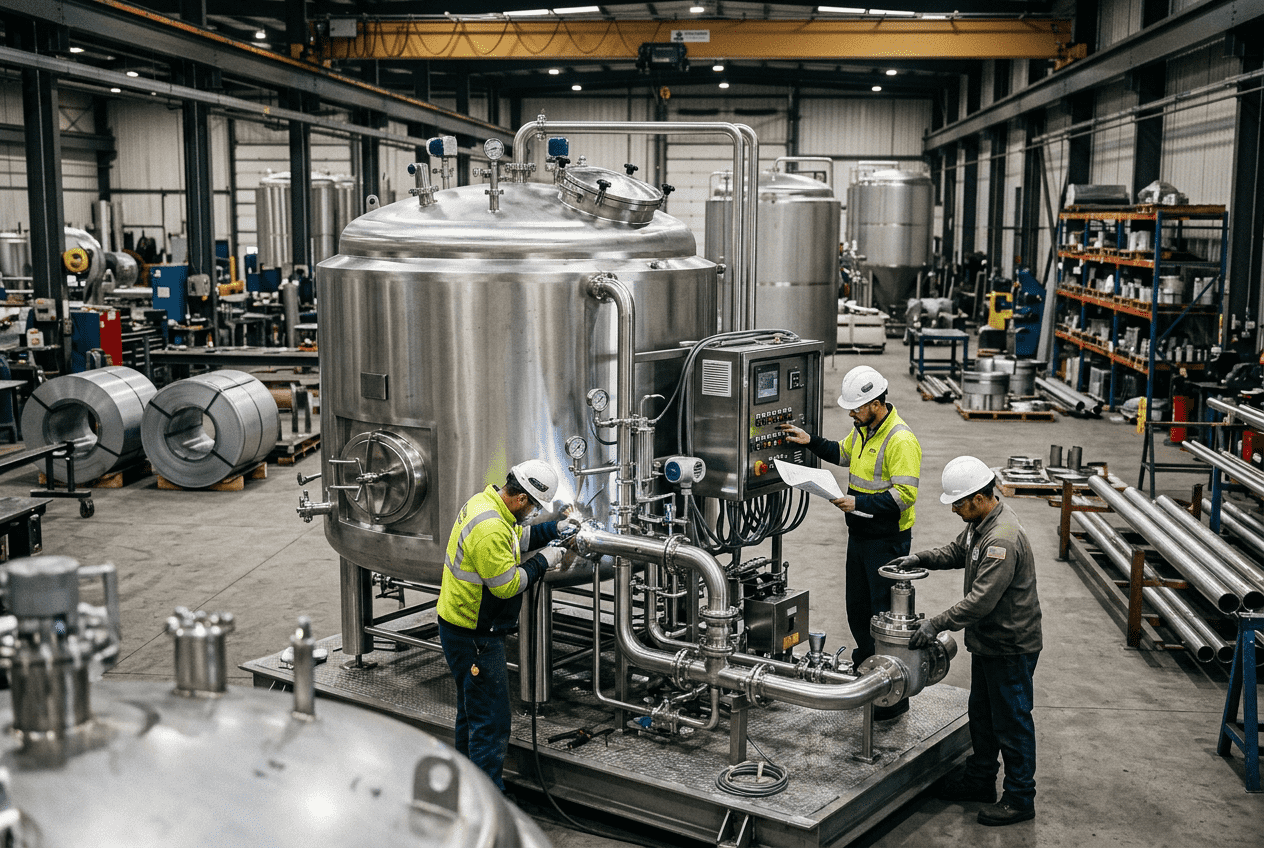
5 Differences: Food Facility Design-Bid-Build vs Design-Build Comparison
Food and beverage manufacturers in the United States rarely choose a project delivery method based on theory alone. They choose it based on throughput goals, startup deadlines, utility constraints, food safety risks, and the financial reality of getting a plant online without damaging margins. Whether a company is expanding a protein line in Arkansas, installing aseptic capacity in California, relocating equipment in Texas, or building a co-packing operation near Chicago, the decision between design-bid-build and design-build can materially affect capital efficiency, launch timing, and operational reliability. This guide explains the practical differences between the two methods for U.S. food facilities. It is written for owners, operations leaders, finance teams, plant engineers, and procurement groups evaluating processing expansions, utility upgrades, greenfield projects, retrofits, and compliance-driven improvements. The focus is not only on construction mechanics, but also on how delivery structure influences food safety, production continuity, change orders, and accountability across the life of the project. If you need the short answer, design-build is usually the stronger option for fast-moving food and beverage projects in the United States because engineering, procurement, construction, and coordination are aligned under one lead entity. That often means fewer handoff gaps, earlier cost feedback, better schedule control, and less owner burden during execution. Design-bid-build can still be the right choice when an owner wants a fully developed design before construction pricing, has internal technical resources to manage multiple parties, or must follow procurement rules that require a traditional competitive bid structure. It is often used by organizations that prefer a clear separation between designer and builder or need a rigid public-style procurement process. For food facilities specifically, the best method depends on six core realities: In many U.S. food projects, especially brownfield work with active production, owners prefer integrated delivery because process, controls, utilities, sanitary design, and installation sequencing must work together from day one. That is why many manufacturers near logistics hubs such as Dallas-Fort Worth, the Port of Savannah, the Inland Empire, Minneapolis, and the I-95 corridor are shifting toward delivery teams that can engineer, build, and manage under a single commercial framework. The table above simplifies the issue, but it captures the core reason this choice matters: food facilities are not generic buildings. They combine process piping, sanitary design, refrigeration, steam, compressed air, water treatment, CIP, automation, and regulatory requirements. Delivery method affects how well those systems come together. In a design-bid-build model, the owner first hires a designer or engineer to develop the project documents. Once the plans and specifications reach a sufficient level of completion, contractors bid the work, and the owner awards construction separately. The owner effectively sits in the middle of the designer and the builder. That structure can offer clear procurement stages, but it also creates more interfaces to manage. In a design-build model, one lead entity is responsible for both design and construction, either directly or through managed partners. Engineering and field execution are coordinated earlier. Procurement decisions can begin before every drawing is 100 percent complete, and constructability input enters the design process sooner. For food manufacturers, this often improves equipment layout decisions, utility tie-ins, sequencing, and commissioning planning. The market context in the United States supports this shift. Manufacturers are adding lines closer to end markets, responding to labor shortages with automation, and increasing resilience after supply-chain disruptions around ports such as Los Angeles/Long Beach, Houston, and New York/New Jersey. At the same time, sustainability goals, wastewater constraints, and stricter food safety expectations are making projects more interdisciplinary. Traditional linear delivery still works, but integrated delivery is increasingly favored where timing and coordination matter more than lowest first-cost bidding alone. Different product categories also influence the decision. Beverage plants often require precise integration among blending, carbonation, filtration, pasteurization, batching, controls, and packaging interfaces. Protein and prepared food plants face washdown demands, hygienic zoning, thermal processing, refrigeration, and USDA concerns. Dairy and aseptic operations add another layer of validation and utility reliability requirements. The more connected the systems are, the more valuable delivery integration becomes. The chart illustrates a realistic market trend: more U.S. food and beverage capital projects are moving toward integrated delivery as schedule risk, labor scarcity, and process complexity increase. This does not eliminate design-bid-build. It simply means owners are becoming more selective about when they use it. This comparison matters when buying services. Owners should not ask only, “Which method costs less?” They should ask, “Which method best protects startup date, production continuity, quality, and long-term profitability?” For a refrigerated plant in the Midwest or a sauce facility near Memphis, a two-week delay may cost more than the entire perceived savings from a low-bid approach. Cost is where many project teams start, but too many discussions focus only on first-cost pricing. In practice, U.S. food manufacturers should evaluate cost structure, not just bid amount. Design-bid-build may appear less expensive up front because design fees and construction fees are separated and competitive bidding can create visible price pressure. However, that apparent savings can erode if drawings are incomplete, field coordination is difficult, or scope changes appear after bid. Design-build often provides earlier budget alignment because the design and construction team can price materials, labor, and installation approaches while engineering is still progressing. That does not mean it is always cheaper on paper. It means cost feedback enters sooner, allowing the owner to make capital decisions before details become expensive to change. For food projects, hidden costs often appear in five places: utility tie-ins, sanitary piping details, controls integration, phased installation around production, and startup/commissioning. These are exactly the areas where fragmented project delivery can create budget drift. If the engineer assumes one installation approach and the contractor discovers another is required in the field, the owner often pays for the gap. The table shows why finance teams should compare total installed cost and startup confidence, not just initial contractor pricing. A dairy producer in Idaho or a spirits operation in Kentucky may discover that the cheaper-looking option creates more commercial exposure once validation, downtime, and missed production are included. Another major cost driver is procurement timing. Long-lead items such as boilers, compressors, heat exchangers, controls panels, stainless vessels, retort systems, or refrigeration components can shift a project budget if ordered too late. Integrated delivery allows the team to release procurement packages sooner, reducing escalation risk. This has been especially relevant in the United States since supply chain volatility increased lead times for electrical gear, stainless fabrication, and automation hardware. Owners should also assess soft-cost burden. In design-bid-build, internal staff often spend more time managing RFIs, reconciling designer and contractor interpretations, and negotiating responsibility for field changes. That time has a cost, especially for lean operations groups already focused on production. In contrast, a strong design-build team can reduce the owner’s coordination load and allow management to stay focused on operations and commercial goals. Schedule is often the deciding factor in food facility capital planning. If a plant needs output for a new customer launch, a seasonal production window, or a packaging transition, the value of time can outweigh modest differences in direct construction cost. In the United States, many food and beverage manufacturers are working around retailer resets, harvest cycles, contract pack commitments, and freight network realities. Schedule reliability is therefore a strategic issue, not just a project-management metric. Design-bid-build follows a more linear sequence. Design must advance far enough before bid, and construction generally begins after contract award. This method can work well for straightforward scopes with ample time. The challenge is that delays in design push bidding, procurement, and field work downstream. Any redesign after bid can disrupt the entire schedule. Design-build compresses the timeline by overlapping activities. Early demolition packages, utility relocations, equipment pad work, and long-lead procurement can begin while later design packages continue. That overlap is especially useful in operating facilities where production windows are narrow. For example, a sauce plant near St. Louis may need utility tie-ins over holiday shutdowns, while a beverage site in North Carolina may need tank and piping installation completed before summer demand peaks. For manufacturers buying capital services, schedule control should be evaluated at the level of milestones that matter to the business: design freeze, equipment release, utility energization, mechanical completion, wet commissioning, product qualification, and commercial startup. A method that saves four weeks on paper but creates confusion during commissioning is not actually faster. The bar chart highlights where fast-track delivery demand is strongest. Co-packing, beverage, and aseptic projects often move quickly because customer commitments and line integration drive compressed schedules. Protein and dairy are not far behind, especially where shutdown windows and sanitation requirements are tight. By 2026, schedule management in U.S. food projects will be shaped by three additional trends: more digital coordination through 3D modeling and clash review, greater use of modular utility skids and fabricated process assemblies, and stronger owner expectations for predictive scheduling tied to procurement lead-time tracking. Delivery teams that cannot connect engineering decisions to installation sequencing will increasingly struggle to compete. Every project delivery method is really a method of assigning risk. The question is not whether risk exists, but who controls it, who prices it, and who pays when reality differs from assumptions. For U.S. food facilities, the most important risks typically include incomplete design, hidden existing conditions, utility capacity gaps, sanitation and zoning errors, startup underperformance, and operational downtime. In design-bid-build, risk is distributed across separate contracts. The designer owns design services, the contractor owns construction means and methods, and the owner often becomes the party that bridges interpretation gaps between them. When disputes arise over whether a field condition was shown, implied, or reasonably inferable, the owner may absorb delay and management burden even if costs are eventually allocated elsewhere. In design-build, more risk can be consolidated under a single lead entity. That simplifies accountability, though only if the contract is written well and the scope definition is disciplined. Owners should still pay close attention to exclusions, assumptions, performance criteria, and who owns specialty equipment interfaces. A single point of responsibility is valuable only when it is real, not cosmetic. The explanation behind this table is straightforward: risk follows fragmentation. The more parties and handoffs involved, the more room there is for assumptions to diverge. That does not make design-bid-build wrong; it means owners need stronger internal governance when using it. Buying advice for U.S. manufacturers is to evaluate risk in business terms. If a missed startup costs $250,000 per week in lost contribution margin, that number should shape the delivery decision. If a brownfield installation threatens USDA operations or customer audit readiness, the cost of coordination failure may far exceed any bidding advantage. Future policy trends also matter. By 2026, owners should expect continued pressure around water use, wastewater discharge, energy efficiency, electrification planning in some regions, refrigerant management, and documentation tied to food safety systems. Projects near heavily regulated markets such as California, New Jersey, and parts of the Pacific Northwest may face more compliance coordination than they did several years ago. Integrated teams with engineering and construction alignment are often better positioned to absorb that complexity. Contract administration is where delivery method differences become visible every week. Submittals, RFIs, meeting cadence, payment approvals, schedule updates, and responsibility mapping all change based on whether the owner manages separate design and construction contracts or works through a single integrated lead. Under design-bid-build, the owner usually administers multiple primary relationships. Questions may flow from contractor to designer and back through the owner. If a process skid arrives with support requirements different from the issued structural drawings, the clarification path can be slow. This is manageable for experienced owner teams, but it adds administrative friction. Under design-build, contract administration is often simpler for the owner because coordination occurs internally within the delivery team. That does not eliminate the need for governance. Owners still need clear reporting, milestone approvals, scope logs, and contingency visibility. But the owner typically spends less time refereeing technical disagreements. This difference is especially relevant in food sectors where specialty equipment interfaces are critical. A brewery expansion in Colorado, a yogurt facility in upstate New York, or a prepared foods retrofit in Tennessee may involve stainless fabrication, controls logic, CIP integration, utility balancing, and live sanitation protocols. Contract administration works best when those issues are handled by a team built around operational execution rather than disconnected scopes. Many U.S. owners now prefer project partners that can act beyond basic construction coordination. They want technical leadership, practical field management, and honest commercial guidance. That includes feasibility support, owner’s representation, procurement planning, and execution management tied directly to business outcomes. Those needs have helped grow models that combine engineering, construction oversight, and operational accountability instead of treating each function in isolation. When evaluating providers, buyers should review sample reporting packages, change logs, schedule dashboards, and commissioning plans. Ask how the team manages local trade partners in markets such as Charlotte, Houston, Fresno, Omaha, and Grand Rapids. Ask how often cost forecasts are refreshed. Ask who owns final coordination among process, structural, mechanical, electrical, controls, and sanitary requirements. Good contract administration is not paperwork. It is the system that prevents small issues from becoming expensive delays. Change orders are often where the economic difference between delivery methods becomes obvious. In design-bid-build, changes can arise from incomplete drawings, unforeseen site conditions, owner scope revisions, long-lead substitutions, or coordination conflicts between specialty systems. Because responsibility is segmented, negotiation over cause and pricing can consume time and management attention. In design-build, change orders do not disappear, but they are often easier to control when the team developed the design and construction plan together. If a utility route must move, the impact can be assessed in one integrated conversation instead of an owner-mediated debate between separate firms. The result is usually faster decision-making and fewer adversarial interactions. Food plants are especially vulnerable to change-order growth because brownfield realities are rarely perfect. Existing drawings may be outdated. Drain slopes may not match assumptions. Utility capacity may be lower than expected. Packaging equipment suppliers may shift connection points. Sanitary zoning logic may need refinement after field review. The delivery structure determines whether these discoveries become manageable adjustments or recurring disputes. The area chart shows a realistic industry trend: better early coordination is reducing the percentage of project value lost to late changes. This is one reason owners are leaning toward integrated execution models, especially when process, utilities, and controls are deeply interdependent. To manage changes well, owners should require five things regardless of method: In practice, the best way to reduce change-order pain is early field verification and earlier builder involvement. Laser scanning, utility mapping, shutdown workshops, and equipment interface reviews all help. For U.S. manufacturers operating older plants in cities such as Newark, Baltimore, Milwaukee, or New Orleans, these steps can save significant time and money. Food-specific expertise is where many generic project comparisons fall short. A contractor or delivery team may understand industrial construction but still struggle with hygienic design, product flow, washdown environments, allergen segregation, clean utility requirements, thermal processing, or regulatory expectations. For food and beverage owners, this expertise gap can be more damaging than a modest pricing difference. Consider the range of applications in the United States: brewing and fermentation, distilled spirits, wine, RTD beverages, soft drinks, juice, dairy beverages, aseptic filling, beef and pork processing, poultry, seafood, plant-based protein, sauces, prepared meals, dairy products, and shelf-stable retort operations. Each category carries different processing logic, utility loads, and compliance demands. Delivery teams that truly know the sector can identify bottlenecks before they become change orders or startup failures. Technological capability matters first. Owners should look for teams that understand structural, mechanical, plumbing, electrical, process, and controls engineering together, not in isolation. In food facilities, PLC programming, automation architecture, SCADA visibility, batch control, and line integration can be just as important as concrete and steel. A team that can evaluate fermentation systems, pasteurization methods, distillation layouts, CIP logic, water treatment, refrigeration, and recipe control will usually make better project decisions earlier. Manufacturing capability matters next. Many owners benefit from project partners that do more than broker third-party equipment. A firm with experience designing and supplying tanks, CIP systems, tumblers, cooking vessels, or other process assets can often coordinate fabrication and installation more effectively. This is especially useful when plant layout, sanitary routing, and startup sequencing must be optimized together. Service capability matters just as much. The strongest food project partners typically combine process engineering, feasibility studies, capital planning, owner’s representation, project and program management, general contracting or equivalent field leadership, equipment supply, installation, and system integration. That broad service reach reduces handoff gaps and gives the owner clearer accountability from concept through commissioning. This is one reason manufacturers across North America increasingly seek specialized firms rather than generalists when undertaking food and beverage capital projects. For example, food and beverage engineering services that combine process design with field execution are often more valuable than a conventional bidder list for complex operational projects. For buyers, local suppliers and trade networks also matter. A strong national project team should still know how to manage local electricians, pipefitters, refrigeration crews, and concrete contractors in each region. Labor conditions in Southern California differ from those in the Carolinas or the Upper Midwest. Permitting expectations in New Jersey differ from Texas. The best delivery partners combine national food expertise with reliable regional execution. The comparison chart reflects a common market reality: general contractors may have broad field capacity, but specialized food project teams often outperform when compliance, process integration, and startup reliability are central to success. For equipment-related projects, manufacturers should also review available food processing equipment capabilities to determine whether the project partner can align custom vessels, CIP systems, utility skids, and process hardware with the facility layout and commercial plan. Disruptive Process Solutions, or DPS, approaches food and beverage projects as a business-minded capital partner rather than a conventional contractor. The company serves manufacturers across the United States and Canada, supporting both food and beverage operations with a model built around engineering the solution, building it through disciplined field execution, and managing the entire program so that the owner’s commercial objectives stay in focus. From a technology standpoint, DPS supports complex process environments that include fermentation systems, distillation systems, pasteurization and sterilization technologies, aseptic processing, blending and batching, filtration, water treatment, dairy processing, retort systems, plant protein applications, refrigeration, steam, compressed air, controls, and SCADA-driven automation. That breadth matters because food projects rarely fail due to one isolated component; they fail when systems are not coordinated. From a manufacturing standpoint, DPS also brings equipment capability to the table, including its own branded process equipment such as tanks, custom CIP systems, tumblers, and cooking vessels. For owners, this can create a tighter connection between engineered intent and installed reality, especially on projects where custom process hardware is central to throughput or sanitation performance. From a service standpoint, DPS delivers process engineering, feasibility support, owner’s representation, project and program management, general contracting where licensed, field coordination elsewhere through equivalent managed execution, equipment supply, installation, and system integration. That broad scope helps reduce the disconnect that often appears between planning and execution. The firm is intentionally lean and agile, with leadership structured for fast decision-making and project-based execution. This is useful for clients who need direct communication, candid advice, and quick technical resolution rather than bureaucratic layers. DPS is especially well suited for manufacturers that value transparency, long-term profitability, and honest recommendations, even when the best advice is to spend less capital than originally planned. One of the practical reasons owners engage DPS is its willingness to challenge assumptions when economics or operations do not support the planned spend. That approach aligns with the company’s focus on profitable projects rather than simple project volume. Manufacturers interested in the company’s background can learn more on the about DPS page, and those evaluating execution examples can review selected project case studies. For U.S. food and beverage producers, the value of a partner like DPS is not only technical capability. It is the ability to connect capital planning, process design, field execution, and startup outcomes into one accountable operating model. In an environment where labor is tight, customer timelines are unforgiving, and margins are under pressure, that alignment is increasingly valuable. 1. Which method is usually faster for a U.S. food plant project?Design-build is usually faster because design, procurement, and construction can overlap. That is especially important for line additions, utility upgrades, and shutdown-driven work in active food plants. 2. Is design-bid-build always cheaper?Not necessarily. It may look cheaper at bid time, but total cost can rise through schedule drift, coordination gaps, and change orders. Owners should compare total installed cost and startup risk, not just first-cost pricing. 3. When does design-bid-build make sense?It makes sense when scope is very well defined, schedule pressure is moderate, the owner has strong internal project management resources, or procurement rules require separated design and construction contracts. 4. Why is food-industry expertise so important?Because food plants involve sanitary design, utility integration, automation, compliance, and production continuity. A contractor without food-sector experience may understand construction but still miss critical operational requirements. 5. What industries benefit most from integrated delivery?Beverage, dairy, protein, aseptic, prepared foods, and co-packing all benefit, especially where process systems, controls, and utilities are tightly linked. 6. How should owners compare proposals?Compare delivery structure, team food experience, schedule approach, assumptions, exclusions, change-order process, commissioning plan, and accountability for process-equipment interfaces. 7. What should be included in early planning?Production goals, utility loads, hygienic zoning, regulatory requirements, shutdown windows, procurement lead times, automation needs, wastewater impacts, and a realistic startup plan. 8. What trends will matter most in 2026?Expect more modularization, stronger digital coordination, increased automation, greater sustainability pressure, tighter water and energy scrutiny, and more owner demand for integrated delivery that protects both margins and speed to market. 9. How do local conditions affect the choice?Regional labor markets, permitting pace, utility access, and proximity to ports or distribution corridors all matter. Projects near Los Angeles, Houston, Savannah, Chicago, and New Jersey often face different trade and logistics realities that can favor earlier coordination. 10. What is the best buying advice for U.S. manufacturers?Choose the delivery method that best supports profitability, not just procurement optics. If the project is schedule-sensitive, process-heavy, or likely to evolve, integrated delivery often creates better business results than a fragmented low-bid path. In the United States market, the design-bid-build versus design-build decision should be treated as a strategic capital choice. For simple, fully defined scopes, traditional procurement can work well. For complex food and beverage projects where speed, integration, and accountability drive value, design-build frequently offers the stronger path. The right answer depends on plant conditions, product type, internal resources, and how much risk the owner is prepared to manage directly. Owners who evaluate delivery method through the lens of operations, not just construction, tend to make better decisions. They ask how the project will affect throughput, quality, utility resilience, staffing, sanitation, and time to revenue. In food manufacturing, those are the metrics that matter most. -
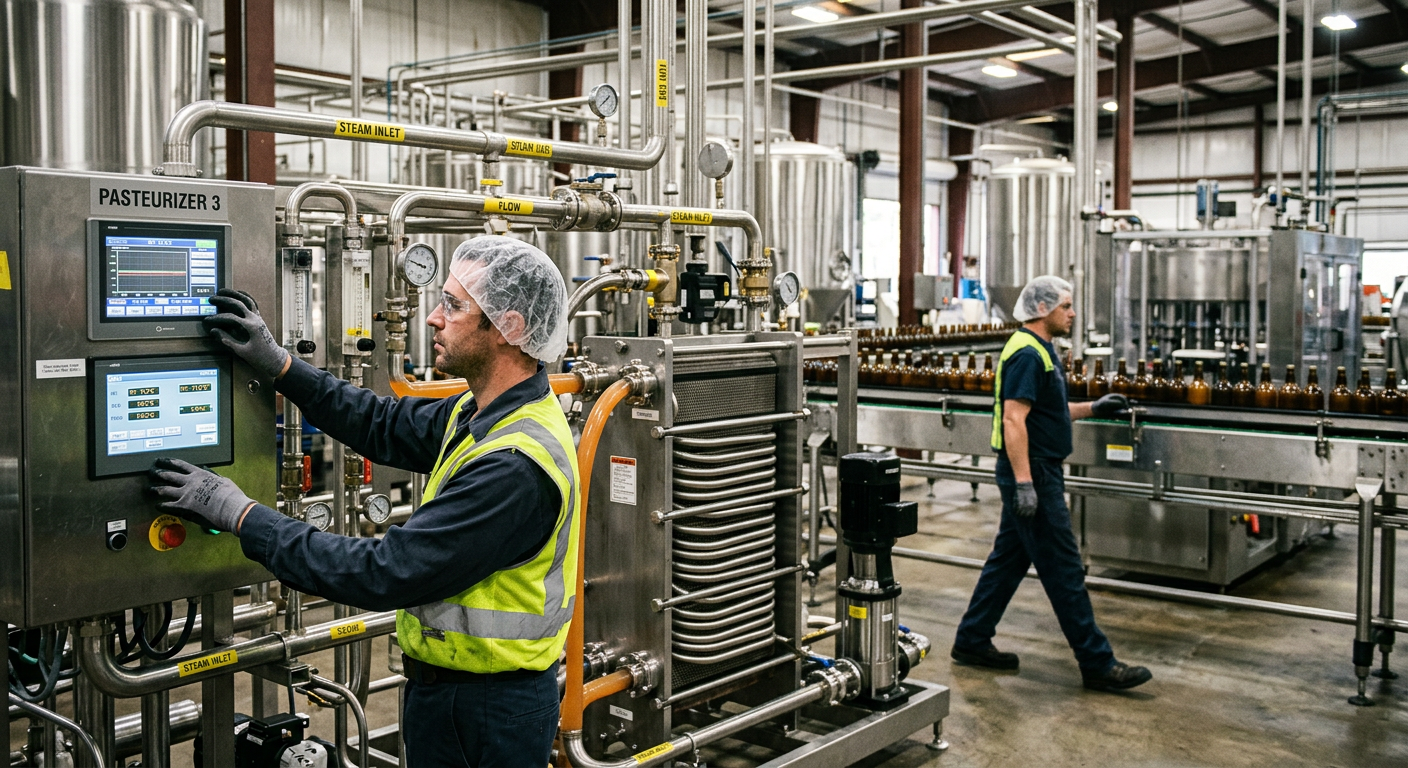
Food Plant General Contractor
Food and beverage facilities are not built like ordinary commercial buildings. A food plant general contractor must understand sanitation, regulated production environments, utility integration, worker safety, inspection readiness, and the financial realities of manufacturing operations. In the United States, the best contractors for food plants do far more than manage schedules and trades. They help manufacturers protect product quality, maintain uptime, control capital spending, and navigate USDA, FDA, SQF, and BRC expectations from concept through commissioning. Whether you are planning a greenfield processing plant near Chicago, expanding a protein facility in Texas, modernizing a dairy plant in Wisconsin, retrofitting a beverage line in California, or adding aseptic capacity in the Southeast, the contractor you choose can determine whether your project becomes a profitable asset or an operational burden. That is why many owners now prefer specialized partners with deep processing knowledge rather than standard commercial GCs. For manufacturers evaluating end-to-end support, companies such as Disruptive Process Solutions have built a reputation around engineering-led execution, integrating process understanding with construction oversight, utility coordination, and project management tailored to food and beverage environments across North America. A food plant general contractor is different from a standard GC because food manufacturing projects require specialized expertise in sanitary design, regulated construction practices, utility systems, production continuity, and compliance documentation. In the United States, the right contractor should understand how to build or renovate spaces for protein, dairy, beverages, prepared foods, ingredients, aseptic systems, and co-packing lines without introducing contamination risks or compromising throughput. In practical terms, a strong food plant GC should be able to: For U.S. manufacturers, the value of a specialized contractor is not just project delivery. It is operational confidence. Owners want a partner who understands that a line shutdown in Los Angeles, Houston, Atlanta, or Philadelphia can ripple into freight costs, customer penalties, and lost shelf space. The table above shows why owners in regulated processing environments often reject low-bid generalists. The issue is not only construction quality. It is whether the final facility performs reliably in the real world of washdowns, audits, changeovers, labor pressure, and throughput targets. The biggest difference is that a food plant GC builds around process, not just around space. A typical office or warehouse contractor mainly coordinates structure, shell, utilities, and finish trades. A specialized food facility contractor must understand how product moves, where people move, how raw and finished zones are separated, how allergen controls are maintained, and how utilities support every production step. For example, in a poultry or protein project in Arkansas or Georgia, the contractor may need to sequence drains, trenching, equipment anchoring, insulated panels, washdown electrical devices, and refrigeration piping in a way that prevents bacterial harborage and preserves line access. In a beverage facility near Charlotte or Southern California, the GC may need to coordinate syrup rooms, carbonation utilities, boiler capacity, compressed air, RO water, CIP skids, and filler integration without delaying startup. In dairy projects across Idaho or Wisconsin, hygienic piping and cleanable environments become central to design-build decisions. Specialized contractors also think differently about risk. They ask: Another major difference is documentation and coordination discipline. Food projects often involve owner QA teams, corporate engineering groups, operations leaders, maintenance managers, sanitation supervisors, OEMs, and regulators. The GC must speak all of those languages. That is where engineering-centered firms gain an advantage. They do not simply install what is shown on drawings; they identify process bottlenecks, utility conflicts, and startup risks before they become expensive field changes. The line chart reflects a realistic upward trend in U.S. food and beverage capital activity, driven by reshoring, automation, cold chain investment, co-packing expansion, and modernization of legacy plants. As this market grows, owners are increasingly selective about contractor specialization. If you are vetting a contractor for a food or beverage plant, three qualification groups matter most: regulatory familiarity, hygienic design competence, and food safety awareness among the field team. USDA/FDA experience is critical because project execution often intersects with regulated operations. A contractor does not replace the owner’s compliance team, but they must understand how construction methods affect inspection readiness, product zones, records, and operational controls. In USDA environments, especially meat and poultry, even small mistakes in material selection or construction sequencing can create serious approval delays. In FDA-regulated facilities, contractors must still understand cleanability, allergen segregation, validation support, and facility design implications. Sanitary design knowledge matters because poor details become long-term liabilities. Hollow members, inaccessible ledges, poorly sloped floors, incompatible coatings, unsealed penetrations, and badly located drains all create maintenance and sanitation burdens. A qualified food plant contractor should know how hygienic principles apply to room design, utility routing, equipment installation, and transitions between raw, RTE, high-care, and support areas. Food safety training matters because field crews work inside environments where contamination control is non-negotiable. Trade partners should understand traffic control, temporary barriers, debris management, tool accountability, material handling, and cleaning expectations. Even excellent craftsmen can create risk if they do not understand how food plants operate. This qualification framework helps owners compare contractors beyond bid price. A lower number on a spreadsheet can be misleading if the team lacks experience with cleanable finishes, washdown power distribution, refrigeration coordination, or staged installation inside operating lines. From a technology standpoint, DPS stands out because it combines structural, mechanical, plumbing, electrical, process, and controls engineering with automation capabilities such as PLC programming and SCADA integration. That matters when a project is not just about walls and slabs, but about making utilities, process equipment, and controls operate as one system. You can review its broader engineering and project services to understand how specialized teams support food and beverage owners beyond standard GC oversight. A food plant general contractor may support several project types, and each brings different challenges. Ground-up construction requires full site development, utility planning, building shell coordination, process area layout, traffic flow planning, and startup strategy. These projects are common near transportation hubs such as Dallas-Fort Worth, Indianapolis, the Inland Empire, Savannah, and the I-95 corridor, where access to labor, freight, and distribution networks matters. Expansions often involve adding capacity to an operating plant. That could mean a new processing hall, warehouse extension, packaging room, utility yard, or wastewater upgrade. These jobs can be deceptively difficult because existing systems may have hidden limitations. Retrofits are common in older facilities across the Midwest and Northeast, where processors modernize legacy plants rather than relocate. Retrofit work may involve replacing floors, drains, panels, MEP systems, refrigeration, process piping, controls, or packaging lines while protecting current production. Relocations and line reconfigurations also fall within this scope. Some manufacturers acquire facilities or move equipment between states. The contractor must manage disassembly, logistics, reinstallation, utility tie-ins, and recommissioning. High-care or aseptic upgrades require more advanced controls, environmental separation, and utility precision. Contractors serving pharmaceutical-adjacent, dairy, beverage, or shelf-stable food operations need to understand how to execute those scopes in a compliant and commercially viable way. Manufacturing capability also matters in these projects. DPS not only manages projects but also supports food and beverage manufacturers with integrated process systems and selected proprietary equipment such as tanks, CIP systems, tumblers, and cooking vessels. That combination can simplify sourcing and improve fit between field installation and process design, especially when an owner wants fewer coordination gaps between equipment supply and plant construction. Additional examples are available through its equipment capabilities. Across product categories, service expectations vary. Protein plants may prioritize refrigerated rooms, hygienic drains, and USDA accommodation. Beverage plants often focus on syrup rooms, utility intensity, fillers, carbonation, and water treatment. Prepared foods rely on mixing, cooking, packaging, and allergen separation. Dairy facilities need robust sanitary piping and temperature-sensitive process control. A contractor with cross-category experience can often spot transferable best practices that reduce risk. Vetting should go beyond checking a license and requesting a lump-sum number. Owners should review credentials, project relevance, team structure, safety performance, and references with a manufacturing lens. Start with licensing and insurance, but do not stop there. Ask for examples in comparable environments: meat and poultry, dairy, brewing, spirits, RTD beverages, aseptic, sauces, retort, frozen foods, or co-packing. A contractor successful in dry warehousing may not be qualified for a washdown, regulated, high-moisture processing environment. Then review the actual project team. The firm may market strong credentials, but the assigned superintendent, project manager, and site coordinator are what matter. Ask who will lead day-to-day work, how many active food projects they currently manage, and how they coordinate shutdown windows, sanitation controls, and utility cutovers. Past project review should cover: Certifications and quality systems can help, but practical project evidence is more valuable. Ask contractors to show real case examples, site photos, phasing plans, and closeout packages. The best partners are transparent about what worked, what changed, and how they handled field surprises. The bar chart highlights a realistic pattern: highly regulated and utility-intensive sectors such as protein, aseptic, and dairy place the highest value on specialized general contracting support. That aligns with the complexity owners face in those environments. Owners should also assess cultural fit. A valuable contractor will challenge weak assumptions early. In food manufacturing, honest pushback is often more useful than unconditional agreement. Projects succeed when the contractor thinks like an operations partner, not just a builder. For examples of integrated project outcomes, many buyers review a contractor’s case studies and project experience to see how strategy, engineering, and field execution connect in real facilities. One of the hardest parts of food plant construction is maintaining production. Lost runtime can cost more than the construction itself, especially in plants supplying national retail, foodservice, or private-label contracts. That is why continuity planning should begin before budgeting is finalized. Strong continuity plans typically include physical separation, air and dust control, worker traffic routes, dedicated access points, sanitation coordination, off-hours tie-ins, and contingency windows for startup issues. The contractor must work closely with operations, maintenance, QA, and sanitation teams to define what can happen during production and what requires shutdown. In active facilities, phasing can be more important than speed. A fast crew with poor sequencing can create contamination events, blocked logistics paths, or utility outages. A specialized food GC understands that every work package must fit around production reality. Common strategies include: Plants in high-volume logistics markets such as New Jersey, Memphis, Kansas City, and the Port of Savannah often face intense pressure to keep outbound shipments moving. In these cases, continuity planning must account not only for production but also dock access, truck circulation, and finished goods storage during the work. The area chart shows the increasing preference for phased renovations over full shutdown rebuilds. This reflects labor constraints, supply commitments, and the rising cost of idle production capacity in the United States. Food facility projects can become expensive quickly because sanitary finishes, process utilities, specialized trades, and startup demands drive complexity. Good cost management is not only about cutting scope. It is about putting capital where it creates measurable operating value. Effective strategies include early utility modeling, standardizing room assemblies where possible, prefabricating piping, selecting durable materials that reduce lifecycle maintenance, and aligning scope with throughput priorities. Owners should ask not just “What does this cost?” but also “What does this return through capacity, labor savings, reduced waste, lower downtime, or compliance stability?” Budget overruns often come from four sources: hidden existing conditions, incomplete coordination between process and building systems, scope creep, and underestimated shutdown costs. Specialized contractors reduce these risks by investigating utilities early, validating field conditions, and maintaining tight communication with OEMs and plant teams. The key lesson from the table is that apparent savings can become expensive if they undermine performance. In food plants, the cheapest drain, floor system, or access detail may produce years of sanitation problems and maintenance work orders. Service capability is another cost-control lever. DPS uses a design-build-manage model that combines planning, engineering, construction oversight, and execution management. This can help owners reduce disconnects between design intent and field reality, particularly in projects where process equipment, controls, and utilities must come online together. The approach is especially useful for manufacturers that need one accountable partner from feasibility through installation. Regulatory success is not achieved by paperwork alone. It is built into design decisions, material choices, site controls, installation details, and startup procedures. Experienced food plant GCs know that inspections may involve local building authorities, fire marshals, utility reviewers, corporate quality teams, third-party audit frameworks, and federal regulatory expectations depending on the facility type. In USDA facilities, construction plans may need especially careful coordination around inspectable surfaces, process adjacency, and hygienic details in production areas. In FDA environments, the focus may center on preventive controls implications, cleanability, zoning, allergen management, water quality support systems, and operational readiness. In both cases, the contractor should help the owner stay organized, not create avoidable compliance friction. How experienced teams manage this: Regional knowledge helps as well. Permitting and inspection coordination can vary between municipalities such as Houston, Raleigh, Fresno, Milwaukee, and Newark. An experienced U.S. contractor understands that local code compliance and food-plant readiness must both be managed at the same time. Even the best GC will struggle without the right subcontractor network. Food plant projects depend on trade partners who understand more than their craft. They must know how their work affects sanitation, product protection, utility reliability, and startup timing. Typical specialized trades may include sanitary stainless pipefitters, industrial refrigeration contractors, food-grade flooring installers, insulated metal panel crews, process utility electricians, automation integrators, boiler specialists, wastewater experts, and rigging teams familiar with processing equipment. In active plants, these trades also need discipline around hygiene, barriers, debris control, and daily turnover to operations. This is one reason national food and beverage specialists often outperform local generalists on complex projects. They bring a curated network of proven trade partners or know how to qualify local firms rigorously. The value is not only craftsmanship. It is coordination under food-safe constraints. The comparison chart illustrates a reality many owners see firsthand: specialized trade partners consistently outperform generic subcontractors on scopes that directly affect cleanability, utility integration, and startup readiness. In practice, the best GCs treat subcontractor coordination as a strategic function, not an administrative task. They know which partners can work inside a beverage hall in Anaheim, a cold storage expansion near Kansas City, or a protein line installation in the Carolinas without creating avoidable problems. This is also where DPS’s service model is relevant. The company manages local trades where licensed and delivers equivalent GC-style execution elsewhere while pairing those field resources with food and beverage engineering knowledge. That combination helps align local labor execution with specialized process expectations across all 50 states and Canada. What is a food plant general contractor?A food plant general contractor is a construction partner that specializes in food and beverage manufacturing facilities. They manage trades, schedule, budget, safety, and execution while understanding sanitary design, process utilities, and regulatory requirements. Why not hire a standard commercial GC for a food plant?Standard GCs may be competent builders, but many lack experience with washdown environments, hygienic finishes, food-safe phasing, USDA or FDA-sensitive work, and utility systems such as CIP, steam, glycol, compressed air, and wastewater handling. What industries need this type of contractor most?Protein processing, dairy, brewing, spirits, RTD beverages, prepared foods, sauces, aseptic processing, ingredients, and co-packing operations all benefit from specialized food plant construction expertise. How early should I bring in the contractor?Ideally during feasibility or early design. Early involvement improves budget accuracy, utility planning, phasing strategy, procurement timing, and constructability review. Can a food plant GC help while my facility stays in production?Yes. Many projects are executed in phases with temporary barriers, off-hours tie-ins, sanitation controls, and tightly managed shutdown windows. This is one of the most important capabilities to verify during contractor selection. What should I look for in past projects?Look for projects similar in product type, regulatory environment, utility complexity, and operational constraints. Ask whether the work happened in an active plant and whether startup goals were met on time. Do food plant GCs also manage process equipment installation?Some do, especially engineering-led firms. This is valuable because equipment, controls, and building systems must function together. Integrated partners can reduce handoff issues. What are the biggest cost risks in food plant projects?Hidden existing conditions, under-scoped utility upgrades, lost production during shutdowns, poor sanitary material choices, and late coordination between building and process systems are common risks. How important is sanitary design knowledge for a GC?It is essential. A contractor can create long-term sanitation and maintenance problems through poor floor transitions, drain placement, penetrations, inaccessible utility routing, or unsuitable materials. What trends will shape food plant construction in 2026?Three major trends are expected to accelerate in 2026. First, more automation and controls integration will be tied directly to labor efficiency and throughput analytics. Second, sustainability pressure will increase demand for water reuse, energy management, heat recovery, and smarter utility systems. Third, policy and retailer expectations will push stronger documentation around food safety, traceability, and resilient domestic manufacturing capacity. Contractors that can combine engineering, process understanding, and construction execution will be best positioned to support these next-generation projects. How do I know if DPS is the right fit?Manufacturers that value direct communication, engineering-driven planning, capital efficiency, and execution aligned with long-term profitability often find the best fit with DPS. The company is particularly relevant for owners seeking support across process design, project management, equipment integration, and GC-style field leadership rather than a narrow build-only approach. In summary, choosing a food plant general contractor in the United States is not simply a purchasing decision. It is an operational strategy decision. The right partner helps you build a compliant, efficient, scalable facility that supports profitability long after construction ends. The wrong partner can leave you with hidden sanitation issues, production disruptions, startup delays, and capital waste. For food and beverage manufacturers investing in growth, modernization, or relocation, specialization is not a luxury. It is risk management. -
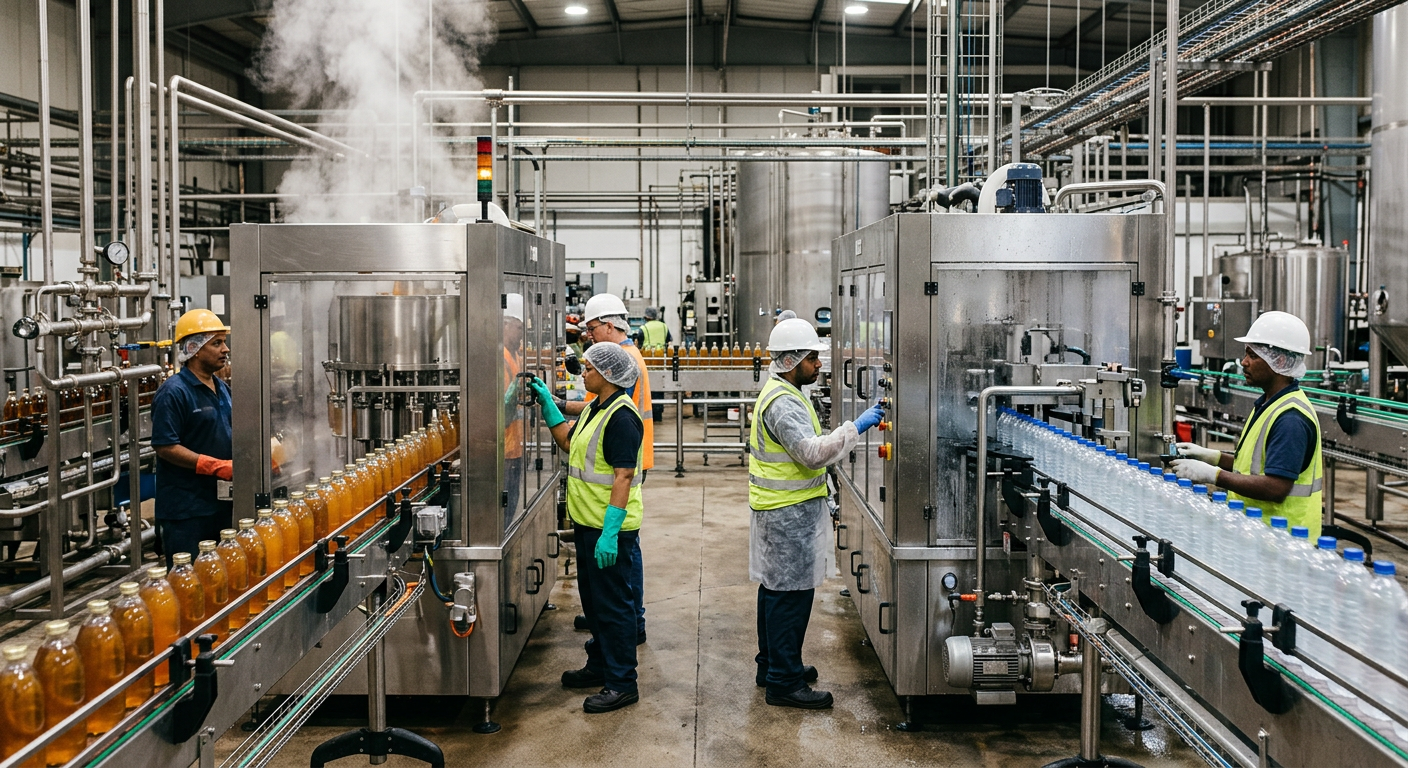
Design Build Beverage Facility Experts
Launching or expanding a beverage plant in the United States is not just a construction project. It is a tightly coordinated manufacturing, compliance, utility, process, automation, and commercialization effort. Whether the goal is a new brewery in Denver, a dairy beverage line in Wisconsin, a bottling plant near Atlanta, or a functional drink co-packing facility in Texas, owners need a project model that connects plant design with production reality. That is why beverage facility design-build has become a specialized discipline rather than a generic industrial construction service. In practical terms, beverage facilities must balance product quality, food safety, sanitation, throughput, worker safety, energy performance, and future capacity. They also need to fit local conditions such as water access, wastewater permitting, labor markets, transport corridors, utility reliability, and customer distribution lanes. In U.S. manufacturing hubs such as Chicago, Dallas-Fort Worth, Los Angeles, Charlotte, and the I-85 corridor, one weak link in this chain can delay launch or reduce profitability long after commissioning. This guide explains what separates strong beverage plant partners from ordinary contractors, what budgets and schedules typically look like, how refrigeration and pasteurization systems affect design, and how to plan for growth from day one. It also highlights how a process-led firm such as Disruptive Process Solutions approaches projects with an engineering-first and profitability-focused mindset for food and beverage manufacturers across North America. Beverage facility design-build is specialized because the building and the process are inseparable. A beverage plant is only successful when utilities, sanitary piping, controls, process equipment, code compliance, and production goals are designed together from the beginning. In the United States, owners typically choose design-build when they want faster delivery, clearer accountability, tighter budget control, and fewer handoff errors between engineering, procurement, construction, and startup. For most U.S. beverage projects, design-build works best when the contractor understands: A capable team should also look beyond construction and advise on capital planning, throughput assumptions, commissioning risk, and first-year operating performance. That is where specialized beverage facility experts create the most value. The table above shows why owners in the United States increasingly prefer a unified delivery model. The biggest gains usually come from preventing mismatches between process intent and building execution. At first glance, beverage plants may look similar to other light industrial buildings. In reality, they are more complex because the process environment drives the architecture, mechanical systems, drainage design, floors, automation, material flow, and maintenance access. A generic warehouse contractor may understand slabs, docks, and roof structures, but beverage production adds hygienic design criteria that affect every decision. For example, floor pitch must support washdown and drainage. Wall and ceiling finishes may need to resist moisture and cleaning chemicals. Equipment pads must account for vibration, loading, and serviceability. Utility rooms need enough room for expansion, while process rooms must be organized around product flow, allergen separation where applicable, and cleaning validation. The discipline becomes even more specialized when product risk rises. A shelf-stable functional beverage with aseptic filling has a very different design profile from a cold-fill kombucha plant. A dairy beverage facility must account for pasteurization, refrigerated storage, high sanitation standards, and often more intensive clean-in-place protocols. A brewery may prioritize fermentation capacity, cellar layout, glycol stability, and packaging flexibility across cans, kegs, and glass. Specialization also means understanding regional realities in the United States. Water chemistry in the Pacific Northwest differs from municipal profiles in Arizona or Florida. Wastewater surcharges and pretreatment thresholds vary by county. Natural gas reliability, power tariffs, and labor availability change from market to market. A plant near the Port of Long Beach may optimize imported ingredient logistics, while a site outside Kansas City may prioritize central distribution by truck. Technological capabilities are a core differentiator. DPS supports beverage projects with structural, mechanical, plumbing, electrical, process, and controls engineering, along with automation, PLC programming, and SCADA integration. That matters because beverage facilities depend on synchronized performance between tanks, pumps, heat exchangers, pasteurizers, compressors, RO skids, CIP systems, and filling lines. A design-build partner that understands both utilities and process controls can solve the actual bottleneck instead of simply installing more equipment. Another differentiator is manufacturing capability. DPS not only engineers systems but also manufactures selected process equipment such as storage and processing tanks, custom CIP systems, marination tumblers, and cooking vessels through its branded equipment line. In beverage applications, this can improve fit, shorten coordination loops, and help standardize interfaces between owner requirements and installed assets. Service capability completes the picture. Owners often need capital planning, feasibility studies, owner’s representative support, general contracting, project management, installation, integration, and commissioning under one roof. Through its Design Build Manage approach, DPS combines engineering, construction leadership, and execution oversight so projects stay aligned with business goals rather than becoming isolated construction exercises. This comparison shows why beverage work cannot be safely treated as ordinary industrial fit-out. The more product-sensitive the operation, the more valuable specialized design-build expertise becomes. The U.S. beverage market is broad, and plant requirements vary sharply by product category. Owners should select partners based on category familiarity, not only general construction credentials. Breweries need brewhouse integration, cellar expansion logic, glycol distribution, yeast handling, CO2 strategy, filtration options, and packaging versatility. Craft operations in cities like Portland, Asheville, and San Diego may prioritize experiential spaces and phased growth. Regional brewers may need warehouse automation, large bright tank farms, and high-speed canning. Dairy beverage plants are among the most demanding. They often require pasteurization, homogenization, refrigeration redundancy, strict cleanability, insulated process areas, and robust environmental controls. If the operation includes cultured or protein-enriched beverages, formulation precision and allergen handling add another layer of complexity. Bottling plants vary by fill format and product. A hot-fill juice line has different utility and packaging needs than a carbonated soft drink facility. PET, aluminum cans, glass, and aseptic cartons each affect line layout, depalletizing, rinsing, filling, pasteurization, labeling, case packing, and palletizing. Plants near distribution hubs such as Memphis or Columbus may optimize for outbound velocity and SKU variety. Functional drink facilities are currently one of the most dynamic categories in the United States. These plants often support energy drinks, fortified waters, botanical beverages, protein drinks, kombucha, and RTD wellness products. They may require high-shear blending, in-line Brix monitoring, sensitive ingredient handling, validated dosing, and lot-level traceability. They also tend to scale quickly, making expansion planning essential. The table makes clear that “beverage plant” is not one project type. Category-specific process knowledge affects capital cost, launch timing, staffing, and operating performance. The bar chart reflects where many new project inquiries are clustering in the U.S. market. Functional drinks and RTD categories are especially active because brands need speed, flexibility, and rapid commercialization. Launch speed depends on project size, permitting complexity, utility availability, equipment lead times, and whether the project is greenfield, brownfield, or expansion within an operating plant. In the United States, small retrofit beverage projects may launch in six to ten months, while large greenfield sites can require twelve to twenty-four months or longer. Design-build can accelerate schedules because concept design, budgeting, permitting preparation, procurement planning, and selected construction activities can overlap. That said, owners should be cautious about promises that sound fast but ignore real bottlenecks. Long-lead items such as boilers, chillers, switchgear, fillers, tunnel pasteurizers, and stainless process vessels often determine the real critical path. A realistic sequence usually begins with feasibility, throughput modeling, and utility studies. Then come conceptual layouts, budget development, code review, and procurement strategy. Early-release packages for site work, foundations, underground utilities, and structural steel may follow before complete design is finished. Equipment integration and controls logic should be developed in parallel, not at the end. DPS is particularly relevant here because it works as a full-scope engineering and execution partner rather than only a designer or installer. The company’s process-led model allows capital planning, process engineering, project management, local trade coordination, and system integration to move together. That can be especially important for owners trying to avoid a gap between plant readiness and line readiness. The timeline ranges above are broad, but they help owners benchmark expectations. The explanation is simple: the more utility-intensive and process-sensitive the facility, the more schedule risk is tied to coordination rather than only construction labor. The line chart illustrates a realistic upward trend in U.S. beverage facility investment, driven by reshoring, category innovation, and modernization of aging plants. Three infrastructure elements often determine whether a beverage project operates smoothly or struggles from day one: refrigeration, pasteurization, and CIP. They deserve direct executive attention because they affect both product quality and total cost of ownership. Refrigeration design is not only about selecting a chiller. Teams must assess glycol loads, process cooling peaks, heat rejection, redundancy, piping distances, insulation, future tank additions, and maintenance access. In dairy and cold-chain beverage facilities, uptime is critical. A weak refrigeration design can jeopardize product integrity, shift scheduling, and sanitation performance. Pasteurization is equally nuanced. Depending on product and packaging, a plant may use HTST, UHT, tunnel pasteurization, flash pasteurization, retort, or other validated thermal approaches. The right choice affects layout, utility consumption, microbiological controls, packaging compatibility, and labor requirements. Functional beverages with heat-sensitive ingredients may require a very different validation strategy than dairy beverages or juices. CIP system design is one of the most underestimated disciplines in beverage manufacturing. Poor CIP design can waste water, chemicals, and labor while still leaving hygienic risk unresolved. Good CIP design considers tank grouping, line segmentation, return monitoring, conductivity control, temperature profiles, recipe automation, dead-leg reduction, and expansion readiness. DPS has broad process technology experience across fermentation systems, distillation, carbonation, bright tanks, hot and cold fill, blending, filtration, water treatment, pasteurization technologies, aseptic processing, and complete utility infrastructure such as boilers, compressed air, cooling towers, HVAC, and process water systems. That breadth matters because refrigeration, pasteurization, and CIP cannot be treated as isolated islands. The explanation behind this table is straightforward: the most expensive beverage infrastructure failures are usually planning failures. They appear later as downtime, yield loss, sanitation inefficiency, or emergency capital spend. Choosing a design-build contractor should be treated like choosing an operating partner. Price matters, but category experience, technical depth, communication style, and execution discipline matter more over the life of the plant. Start by asking whether the team understands your exact beverage category, packaging format, production targets, and compliance expectations. A contractor that has completed dry warehouses or general food plants may still be a weak fit for aseptic drinks, dairy beverages, or carbonation-heavy operations. Ask for examples that match your process profile, not just your project size. Next, test how they think. Strong partners challenge assumptions with data. If an owner says the solution is a multi-million-dollar expansion, a good engineer should verify whether the actual constraint is utilities, controls, line balance, labor flow, or sanitation cadence. This kind of honesty is part of the DPS approach. The firm positions itself as a business-minded operations consultant, not a yes-man contractor, and has demonstrated willingness to solve root causes rather than sell unnecessary capital. Also evaluate delivery breadth. Some firms design well but rely heavily on others for procurement, field coordination, startup, and controls integration. That can work, but owners should understand where accountability shifts. Through its service platform, DPS supports engineering, capital planning, owner’s representation, project management, GC-equivalent functions, equipment supply, installation, integration, and commissioning support across the United States and Canada. Finally, check whether the contractor can support future needs. Plants evolve. New SKUs, new labels, added tanks, modified recipes, and upgraded fillers are common within two to five years of launch. A good partner will design with that reality in mind. If you want to review company background, process philosophy, and project orientation before issuing an RFP, visiting the company overview can help frame the right evaluation criteria. In the United States, many beverage facility projects fall within a broad range of roughly $280 to $480 per square foot, but the number can move lower or much higher depending on process intensity, finish standards, utility scope, cold storage, and line equipment. Owners should never use square-foot cost alone as a budgeting tool for process-driven plants. The building shell is only part of the investment. Utility centers, sanitary process piping, automation, water treatment, wastewater work, process equipment setting, refrigeration, and packaging integration can outweigh architectural cost drivers. A relatively modest footprint with intensive process systems may cost more than a larger but simpler warehouse-adjacent operation. Location also matters. Labor costs, contractor availability, permitting speed, and utility extension requirements vary widely between regions such as Southern California, the Carolinas, the Gulf Coast, the Midwest, and the Northeast. Sites near ports or major interstates may improve logistics but cost more in land and entitlements. The explanation here is important: a plant built cheaply on day one can become expensive later if it lacks utility reserve, sanitary access, or phasing flexibility. Good budgeting includes both initial capex and avoidable future rework. This comparison chart highlights why specialized partners usually outperform general contractors on process-led metrics that directly affect launch success. The most effective beverage plants are not merely designed to start. They are designed to grow. Expansion planning is critical in categories where demand can scale quickly, such as energy drinks, functional beverages, RTD cocktails, and contract manufacturing. Growth-ready planning starts with realistic throughput staging. Owners should define phase one volume, phase two trigger points, and the physical changes required at each stage. This includes tank farms, syrup rooms, packaging lines, pallet storage, utilities, controls, and staffing support spaces. A strong design-build team will reserve future equipment pads, route oversized mains where justified, maintain access corridors, allow control system scalability, and protect expansion areas from being consumed by short-term storage needs. Electrical rooms, compressor yards, cooling towers, and boiler plants should all be evaluated with future loads in mind. DPS has experience with projects that explicitly tie facility design to aggressive capacity ramp-up. Its current beverage co-packing work, for example, is built around scaling from approximately 20 million cases in year one to 80 million cases at full capacity. That mindset is valuable because it links engineering choices to commercial milestones instead of treating future growth as an afterthought. Owners can also review selected project examples and case experience to see how process, utility, and expansion logic come together in real execution environments. The lesson from the table is that growth planning does not always mean spending everything upfront. It means protecting the options that become expensive to add later. The area chart reflects a wider 2026 trend: owners are favoring flexible, automation-enabled facilities that can handle more SKUs, shorter runs, and faster innovation cycles. Site selection can make or break beverage plant economics. A good site is not just affordable land. It should support water quality goals, wastewater compliance, labor access, utility reliability, truck circulation, ingredient supply, packaging logistics, and future expansion. In the United States, beverage owners often prioritize locations near interstate corridors, major distribution hubs, and population centers. Dallas-Fort Worth offers central shipping advantages. Atlanta connects the Southeast. Chicago and Indianapolis serve Midwest distribution. Inland Empire locations support Southern California but face labor and utility cost pressure. Port-adjacent sites near Savannah, Houston, or New Jersey may suit imported ingredients or packaging components. Water matters more than many owners expect. Source quality affects treatment design, beverage taste consistency, and operating cost. Wastewater matters too. Municipal discharge limits for BOD, TSS, fats, pH, and temperature can significantly influence site viability, especially for dairy, fermentation, and high-organic-load operations. Labor and contractor ecosystem should also be studied. Sites with access to maintenance technicians, controls talent, stainless process trades, and food-grade construction experience can reduce startup risk. Utility redundancy, natural gas service, and electrical capacity should be confirmed early rather than assumed from marketing brochures. By serving all 50 states and Canada through a vetted network and lean project-based execution model, DPS is positioned to support owners who need both national perspective and local trade coordination. That combination can be useful when comparing multiple sites across regions rather than evaluating only one property in isolation. If the project includes custom vessels or skids, the ability to coordinate fabrication and plant installation matters as well. Reviewing available equipment capabilities alongside site conditions can improve early concept accuracy. What is the main advantage of design-build for a beverage facility?The main advantage is alignment. Process engineering, utilities, layout, construction, and startup are coordinated under one delivery strategy, reducing rework and accelerating launch. How much does a beverage plant cost in the United States?Many projects fall between about $280 and $480 per square foot, but process scope can push costs outside that range. Utilities, sanitary systems, refrigeration, and line equipment often drive the budget more than the shell. How long does it take to build a beverage facility?A small retrofit may take 4 to 6 months, while a greenfield plant may take 14 to 24 months or more. Long-lead equipment, permits, and utility coordination are often the biggest schedule factors. Why are beverage projects different from standard industrial construction?Because sanitation, food safety, product handling, thermal processing, CIP, automation, and utility performance are central to plant success. The process and the building must be designed together. What should owners ask a design-build contractor?Ask about category-specific beverage experience, process integration, controls capability, commissioning support, expansion planning, and how they manage budget and change control. What facility types require the most specialized design?Dairy beverage plants, aseptic facilities, functional drink plants with sensitive formulations, and plants with complex refrigeration or pasteurization requirements tend to require the deepest specialization. How important is CIP design?It is critical. Poor CIP design can reduce production time, waste chemicals and water, and create sanitation risk. Strong CIP planning improves uptime and audit readiness. Can a facility be designed for future expansion without overspending?Yes. Smart planning focuses on preserving future options such as utility reserve, tie-in points, equipment pads, and line space, rather than buying every future asset on day one. What trends will shape beverage facility design in 2026?Key 2026 trends include more flexible multi-SKU plants, stronger automation and SCADA integration, energy efficiency improvements, water reuse initiatives, higher interest in aseptic and functional beverage capability, and tighter attention to sustainability reporting and utility resilience. How does DPS fit into beverage projects?DPS supports beverage manufacturers with process engineering, capital planning, owner’s representation, general contracting leadership where licensed, equipment integration, installation, automation-aware execution, and project management focused on profitable outcomes. For owners developing a new beverage manufacturing site or modernizing an existing one, the strongest results usually come from partners who understand that a profitable plant is not created by architecture alone. It is created by engineering the process, building the infrastructure, and managing execution around real operating goals. In the United States, that is the difference between simply opening a facility and launching one that is truly ready to scale. -
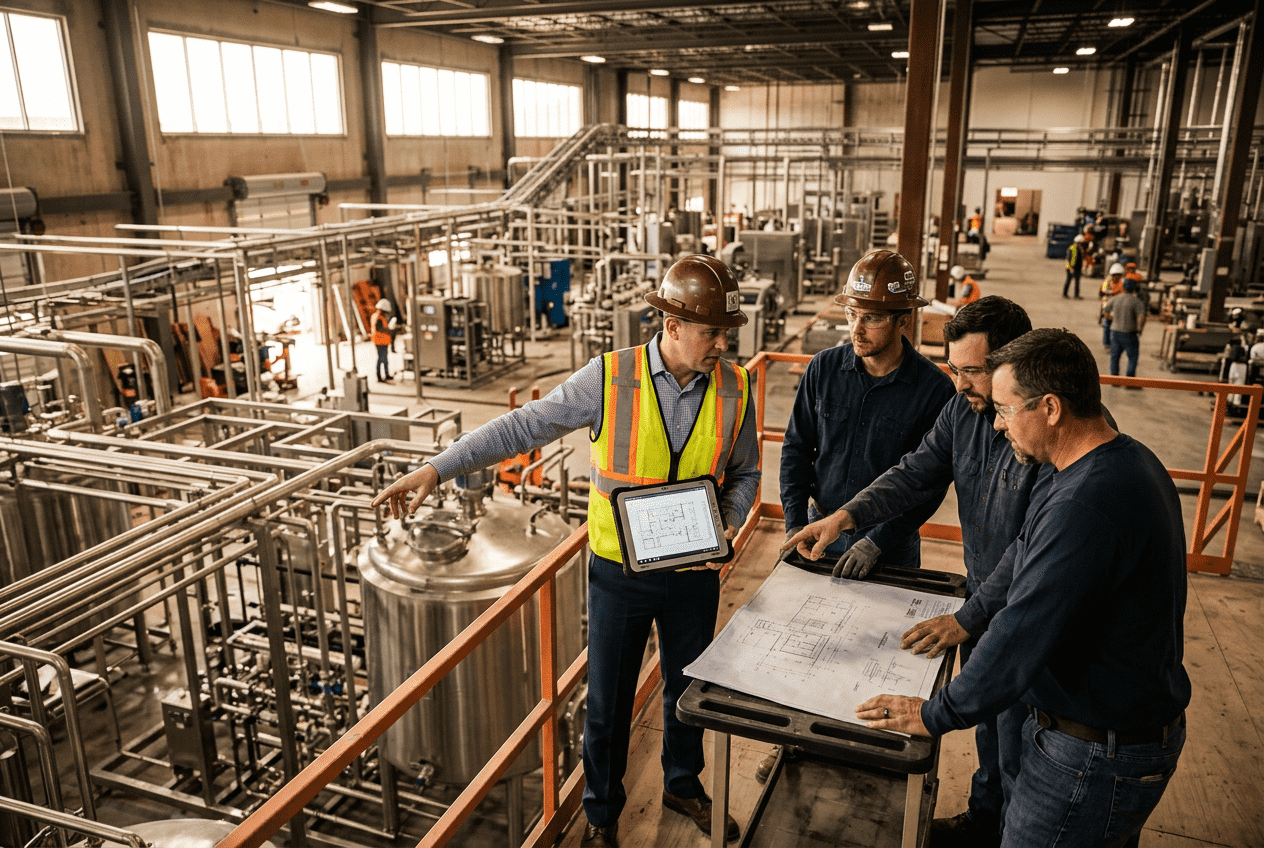
Design Build for Food Processing Facilities
Food manufacturers in the United States are under pressure to expand capacity, improve food safety, automate production, and protect margins at the same time. That combination is exactly why design-build delivery has become a preferred model for food processing facilities. Instead of separating engineering, procurement, construction, utility integration, process installation, controls, and startup across disconnected vendors, design-build aligns them under one coordinated execution framework. For processors in markets such as Chicago, Dallas-Fort Worth, Fresno, Charlotte, Atlanta, Los Angeles, Houston, Omaha, Philadelphia, and the I-95 logistics corridor, the stakes are high. A delayed protein line, a poorly sequenced dairy expansion, or a missed USDA inspection window can affect product supply, customer commitments, labor efficiency, and EBITDA. In food and beverage environments, facility design is not just about walls and floors. It is about process flow, sanitation zoning, utility resilience, packaging throughput, environmental controls, and future scalability. That is why many owners now look for a partner that can bridge plant engineering and real-world execution. Disruptive Process Solutions operates in that space by combining engineering, construction management, installation, and process integration for manufacturers across North America. Its approach is especially relevant for owners that want commercially grounded planning rather than siloed design recommendations. Design-build delivery for food processing facilities means one integrated team takes responsibility for planning, engineering, budgeting, procurement coordination, construction, process utility installation, equipment integration, and startup support. In the United States, this model helps food and beverage manufacturers reduce schedule gaps, limit change orders, improve constructability, and better align plant design with FDA, USDA, HACCP, SQF, and operational goals. For most food projects, design-build performs best when the facility has one or more of the following traits: In short, design-build is not simply a contracting format. It is a risk-management strategy for complex manufacturing assets. The table above shows why food owners rarely evaluate delivery method in isolation. The right model depends on process complexity, regulatory exposure, uptime requirements, and the business case behind the capital plan. In food processing, design-build is defined less by paperwork and more by integration. A true food facility design-build team must understand material receiving, allergen segregation, raw-to-ready separation, hygienic finishes, washdown electrical details, drain strategy, utility redundancy, refrigeration loads, packaging interfaces, and startup constraints. If those elements are not embedded early, the project may still be called design-build, but it will behave like a fragmented job. A strong design-build program usually includes: In the United States, owners also need to evaluate regional conditions. Projects near the Port of Savannah, the Inland Empire, the Port of Houston, Kansas City rail hubs, and major cold-chain corridors may face different labor availability, permit timing, utility lead times, and freight realities. A national food engineering partner with local execution awareness can help minimize those blind spots. Design-build also differs from design-bid-build in accountability. Under a fragmented model, engineering may blame field conditions, the installer may blame incomplete drawings, and procurement may blame the owner’s approvals. Under a well-run design-build structure, those interfaces are managed inside one decision-making system. This comparison matters because food plants are not generic buildings. The process often drives the architecture, utilities, and expansion logic. Whether you are building a new prepared foods plant in the Midwest, expanding a dairy operation in California, or reworking a beverage co-packing site in the Carolinas, the following eight practices consistently improve outcomes. These principles are especially important for product categories such as proteins, sauces, dairy, retort foods, aseptic beverages, RTD drinks, and co-manufacturing sites where changeover discipline directly affects profitability. The lesson behind this table is simple: successful facility design is a business system, not a drafting exercise. The growth trend above reflects continued investment in automation, reshoring, cold-chain infrastructure, and processing upgrades across the United States through 2026 and beyond. Construction cost for food processing facilities in the United States varies widely because process intensity matters more than the shell alone. A dry bakery expansion in Indiana will not cost the same as a USDA-inspected protein plant in Nebraska or an aseptic beverage operation in Southern California. For 2026 budgeting, a useful planning range is roughly $250 to $850 per square foot, depending on process complexity, utility demand, sanitary finish requirements, automation level, and site conditions. Owners should use these figures for conceptual budgeting, not final GMP. Equipment, owner-furnished items, sitework, freezer construction, ammonia or CO2 refrigeration systems, wastewater pretreatment, and utility upgrades can shift costs significantly. This table shows why comparing projects by square foot alone can be misleading. Two buildings of equal size may differ by millions of dollars if one includes retort, clean steam, and sterile filling while the other handles dry blending only. Additional budget line items often overlooked by owners include utility service upgrades, municipal connection fees, wastewater treatment, roof-mounted mechanical support steel, owner contingency, process controls integration, and commissioning labor. In ports and dense logistics zones such as Newark, Long Beach, Savannah, and Miami, site constraints and trade costs can push totals even higher. The demand chart illustrates where many manufacturers are currently directing capital: protein, beverage, and prepared foods continue to attract strong investment due to private label growth, convenience-driven consumption, and automation opportunities. Process engineering is the difference between a food project that merely looks complete and one that performs. In design-build delivery, the process engineer should influence layout, utility capacity, sanitation logic, controls architecture, and startup sequencing from the earliest phase. Without that leadership, the project often becomes building-driven rather than production-driven. Process engineering typically covers line balancing, thermal treatment strategy, ingredient handling, tank sizing, pumping logic, CIP design, valve matrices, heat transfer, batching methods, packaging interfaces, and operational data requirements. For proteins and prepared foods, it also shapes marination, cooking, chilling, forming, slicing, portioning, and product flow timing. For beverage systems, it informs blending, carbonation, pasteurization, filtration, syrup handling, and filling support. This is also the right place to highlight technological capability. DPS supports projects with structural, mechanical, plumbing, electrical, process, and controls expertise, including PLC programming, automation, and SCADA integration. That matters because in modern facilities the process cannot be separated from controls. A bottleneck may not be a pump or conveyor at all; it may be recipe logic, sequencing, data gaps, or line synchronization. Owners who want smarter plants should review integrated engineering and project services early instead of waiting until procurement is locked. The main takeaway is that process engineering should not be treated as a support function. It is the core logic of the project. Change orders in food processing projects usually come from four sources: incomplete scope definition, poor coordination between process and building systems, unrealistic utility assumptions, and field discoveries during live-plant work. Design-build reduces those risks by forcing key decisions earlier and by putting engineering, construction planning, and installation logic in one room. When the same team reviews process requirements, sanitary construction details, utility routing, and equipment interfaces together, fewer surprises reach the field. Clash detection improves. Procurement sequencing improves. Shutdown planning improves. So does accountability. This does not mean change orders disappear entirely. Scope still evolves. Municipal requirements change. Owner preferences change. Equipment lead times shift. But the overall rate and severity of cost growth are usually lower when a project is planned through integrated design-build methods. DPS often positions itself as a business-minded execution partner rather than a traditional contractor. That mindset matters because real savings often come from challenging assumptions before concrete is poured or stainless is ordered. In one example, a client expected to spend millions on extra capacity, but deeper analysis showed the actual bottleneck was controls programming. Solving the root issue increased output at a fraction of the anticipated spend. That is the kind of budget protection food manufacturers should look for. For owners, the lesson is straightforward: cost control comes from decision quality and coordination speed, not from squeezing bid packages after the scope is already unstable. Every food processing facility in the United States must be designed around compliance, but the exact priorities vary by product, inspection regime, and risk profile. FDA-regulated plants, USDA-inspected protein facilities, and HACCP-driven operations all require disciplined attention to flows, surfaces, cleanability, records, and control points. Compliance is not a final checklist; it is a design input. Key compliance issues include: USDA projects often require especially rigorous planning around sanitary zoning, inspection areas, handwash stations, traffic patterns, and washdown durability. FDA-regulated beverage, dairy, and ingredient plants may place greater emphasis on preventive controls, environmental monitoring support, and CIP validation readiness. A partner experienced with FDA, USDA, SQF, and BRC expectations can shorten the path from concept to compliant operation. That is one reason food processors often prefer integrated specialists rather than generic industrial builders. Companies with deep compliance familiarity can connect process design to practical construction details instead of leaving QA concerns to be resolved after turnover. The trend shift above reflects how food safety expectations, labor pressure, and retailer standards are pushing more projects toward automation, data visibility, and higher-care design models. Many of the most difficult food projects in the United States are not greenfield builds. They are brownfield expansions inside operating plants. In those settings, phased construction is essential. The goal is to increase capacity, improve utilities, or install new lines without breaking customer supply commitments or compromising food safety. Effective phasing begins with a shutdown map. Owners need to know which systems can be touched during production, which tie-ins require weekend outages, and which changes must wait for seasonal downtime. Phasing also requires temporary utilities, sanitation barriers, traffic rerouting, and detailed trade access plans. Typical phased expansion approaches include: This is where service capability becomes especially important. DPS supports capital planning, owner’s representation, project management, general contracting functions where licensed, and full installation and integration support. For live-plant work, those services help owners coordinate local trades, shutdown windows, startup protocols, and stakeholder communication more effectively. Manufacturers considering multi-phase expansions can also review project case examples to understand how integrated execution helps reduce production disruption. The key message is that phasing is a design discipline, not just a construction schedule activity. Technology is reshaping food facility design-build in 2026. BIM and VDC improve coordination across structural steel, hygienic piping, process skids, electrical distribution, refrigeration, and access clearances. Automation platforms improve recipe control, traceability, downtime diagnostics, and labor efficiency. Together, these tools help owners make faster decisions with fewer field conflicts. BIM and VDC are especially valuable in high-density utility corridors, multi-level process rooms, and retrofit work where old as-builts cannot be trusted. Clash detection before installation can prevent expensive rework. Digital coordination also helps support prefabrication, which can reduce site congestion and improve quality in controlled fabrication environments. Automation is no longer optional in many food segments. Labor shortages, sustainability targets, and retailer expectations are driving broader use of PLC-based sequencing, SCADA dashboards, batch control, energy monitoring, remote diagnostics, and line performance analytics. For some plants, the greatest ROI comes not from a bigger line but from smarter line control. This is also where manufacturing capability and equipment integration matter. DPS designs and supplies certain process equipment, including tanks, CIP systems, marination tumblers, and cooking vessels, while integrating broader third-party systems into complete operating lines. Owners exploring food processing equipment and custom systems should evaluate not just the vessel or skid itself, but how it connects to utilities, controls, sanitation, and future expansion. The comparison above shows why complex facilities often benefit from integrated providers. The value is not only technical depth, but interface control across engineering, procurement, construction, and startup. As policy and buyer expectations tighten around energy intensity, water use, and reporting, these technologies will become even more central to U.S. food capital planning. Is design-build more expensive than traditional bidding?Not necessarily. The initial proposal format may look different, but many owners save money through fewer clashes, faster schedules, earlier cost visibility, and better utility planning. What products are best suited for this model?Protein, dairy, prepared foods, sauces, beverages, RTD products, aseptic systems, retort operations, and co-packing facilities are all strong candidates because of their process complexity. Can design-build work for small and mid-sized projects?Yes. It can be highly effective for projects from several hundred thousand dollars up to multi-million-dollar capital programs, especially when utilities, compliance, or startup timing are critical. How should owners compare suppliers?Look beyond general contracting experience. Ask about sanitary design knowledge, process engineering depth, automation capability, live-plant expansion experience, compliance familiarity, and commissioning support. What should be in an RFP?Include throughput targets, product mix, utility constraints, sanitation standards, growth assumptions, schedule drivers, and whether the plant must remain operational during construction. Where are strong U.S. markets for food facility projects?Texas, North Carolina, Georgia, California, Wisconsin, Illinois, Pennsylvania, and parts of the Midwest and Southeast remain active due to labor pools, logistics access, processing clusters, and proximity to ports and distribution hubs. What 2026 trends matter most?Automation, workforce efficiency, hygienic design scrutiny, sustainability, water reuse interest, electrification discussions, cold-chain resilience, and domestic manufacturing investment will shape upcoming projects. How should a buyer choose a partner?Choose a team that understands both manufacturing economics and execution realities. The best partner will challenge weak assumptions, plan for profitability, and align the project around your operating model rather than just producing drawings. For food and beverage manufacturers in the United States, the strongest design-build partners are those that combine technological capability, manufacturing understanding, and service discipline. That means knowing how to engineer a process, install and integrate it, manage local trades, support compliance, and keep the project tied to business outcomes. Companies that can do that consistently become more than vendors; they become capital partners. If your organization is evaluating a new build, expansion, line relocation, utility upgrade, or plant modernization, start with clear answers to five questions: What product are you making, what throughput do you need, what compliance framework governs the plant, what growth path do you expect, and what schedule risk can the business tolerate? Once those are clear, the right delivery strategy becomes much easier to define. -
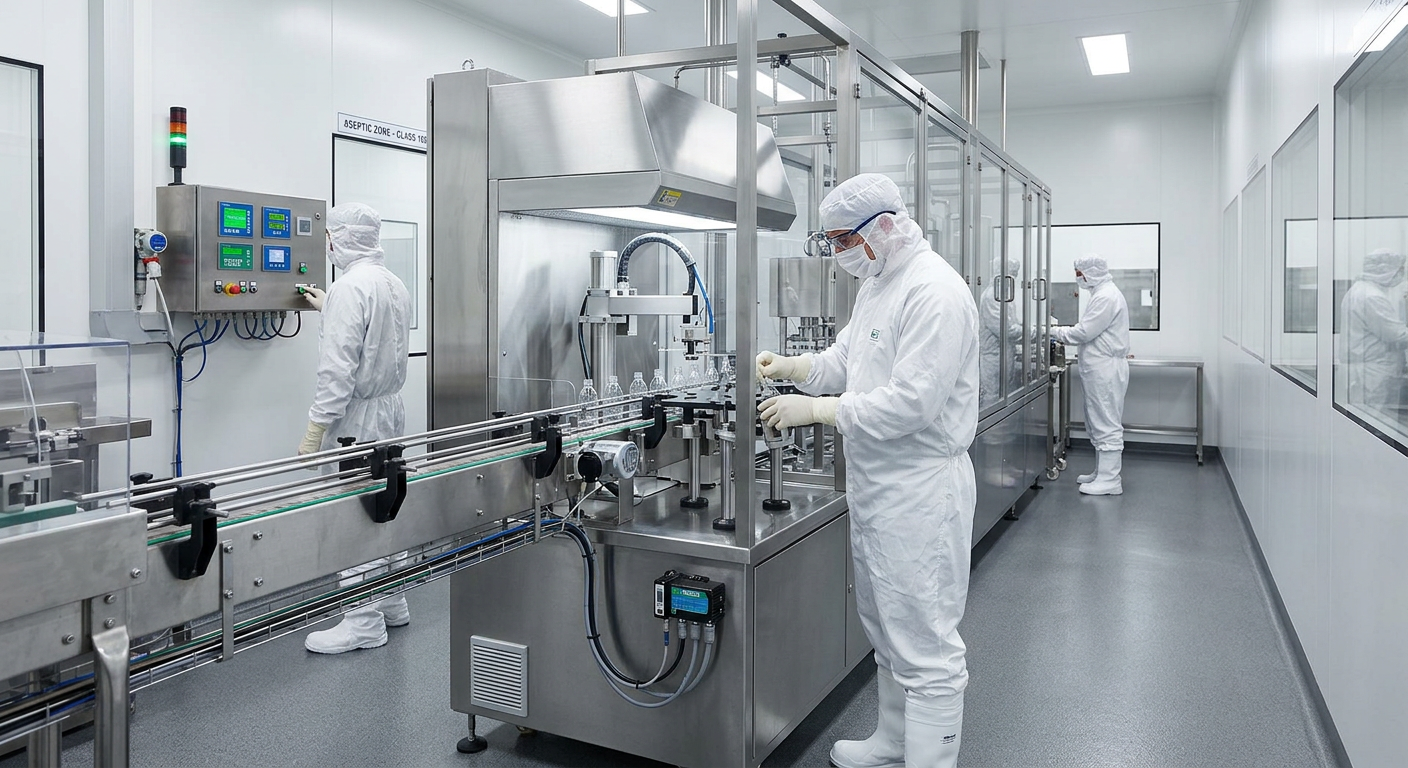
Turnkey Food Plant Engineering Services
Food and beverage manufacturers in the United States increasingly need plant projects that move from concept to production with fewer gaps between design, procurement, construction, automation, utilities, and startup. Turnkey food plant engineering answers that need by placing responsibility for the full project under one accountable delivery partner. For processors expanding in Texas, modernizing dairy systems in Wisconsin, building beverage capacity in California, or relocating lines near logistics hubs such as Chicago, Atlanta, New Jersey, or the Port of Savannah, the delivery model matters as much as the equipment itself. In practical terms, a turnkey project can reduce interface risk, improve budget control, and compress schedules when compared with fragmented procurement. It is especially useful when owners need one team to coordinate process engineering, utility design, equipment integration, construction management, controls, commissioning, food safety compliance, and handoff to operations. That does not mean turnkey is always the best choice. Some projects benefit from phased execution, owner-led purchasing, or an EPCM approach. The right answer depends on capital strategy, internal engineering bandwidth, site complexity, and operational urgency. For companies evaluating complete plant delivery, it also helps to choose a partner that understands both processing and capital deployment. Disruptive Process Solutions works across North America as a food and beverage engineering firm focused on profitable project outcomes, combining technical execution with practical business judgment. Its design-build-manage model is structured to align engineering decisions with budget, schedule, and long-term operating performance rather than treating each discipline in isolation. Turnkey food plant engineering means one lead company takes responsibility for delivering a functioning food or beverage facility that is ready for startup and handoff. In the United States, this usually covers process design, utilities, procurement, installation, automation, construction coordination, commissioning, and performance verification. The main advantage is single-source accountability: the owner has one contractual lead instead of managing multiple vendors and trades. Turnkey delivery is often the best fit when speed, integration, cost certainty, and risk transfer are more important than maximizing owner control over every package. For U.S. processors, turnkey can be especially valuable in projects involving sanitary utilities, aseptic systems, protein lines, dairy plants, brewing and distillation operations, co-packing facilities, and prepared foods where equipment interfaces are complex. Buyers should still evaluate scope boundaries, exclusions, change-order rules, startup support, and compliance responsibilities before signing. The table above shows why turnkey delivery is attractive to owners who need execution certainty. The model works best when project goals are clear and the provider has genuine in-house or tightly managed capabilities across process, controls, utilities, installation, and startup. Single-source accountability is the core reason many manufacturers choose turnkey food plant engineering. In a fragmented project, the process engineer may blame the equipment vendor, the equipment vendor may blame the mechanical contractor, the controls integrator may point to late design changes, and the construction manager may cite incomplete information. When the line fails FAT, startup slips, or utility loads exceed design assumptions, the owner ends up mediating every dispute. In a turnkey structure, one lead entity owns the coordination burden. That includes process flow development, layout, hygienic design decisions, utility balance, procurement sequencing, controls architecture, field installation planning, and commissioning logic. The owner still approves milestones, but responsibility for integration sits with the delivery team. This is highly valuable in regulated environments where FDA, USDA, SQF, or BRC expectations affect equipment selection, room design, cleanability, and documentation. For example, a beverage facility scaling from an initial production run to much larger annual case volume may need syrup rooms, compressed air, boilers, cooling towers, RO water, blend systems, CIP, fillers, and plantwide automation to work as one system. In those cases, single-source accountability reduces the risk that utilities are undersized, controls are incompatible, or startup support is split across multiple contracts. In the United States, the most effective turnkey partners also understand local realities: labor availability in the Carolinas, refrigeration code considerations in the Midwest, coastal permitting complexity in California, utility lead times in Arizona, and freight planning around ports such as Long Beach, Houston, Newark, and Seattle. Accountability is not just contractual; it is operational. The explanation is straightforward: when one group owns these interfaces, decisions happen faster and problems are solved before they become claims. That is why single-source accountability is often worth more than the apparent savings of low-bid, package-by-package procurement. Owners often compare EPCM, design-build, and turnkey as if they were interchangeable. They are not. Each model shifts control, risk, and cost visibility in different ways. EPCM, or engineering, procurement, and construction management, usually means the owner retains multiple direct contracts while the EPCM firm manages design and coordination. This model can work well for sophisticated manufacturers with strong internal capital teams and time to manage many vendors. It offers flexibility, but the owner retains more commercial and interface risk. Design-build combines design and construction under one lead, but process equipment, automation, commissioning, or operational performance may still sit outside the core contract unless specifically included. In industrial food plants, that distinction matters because a building is not the same thing as a functioning process facility. Turnkey extends responsibility further. The provider delivers an operational system, not just drawings and a completed shell. For food and beverage plants, this often includes process engineering, equipment integration, utility systems, installation, controls programming, startup, and training. The owner’s goal is to “turn the key” and begin production. The table highlights the trade-off: more control usually means more owner risk. Turnkey becomes attractive when startup dates tie directly to customer contracts, seasonal demand, distribution agreements, or financing milestones. In many U.S. food projects, the right model depends on the owner’s internal capabilities. A company with deep engineering staff in Minneapolis or St. Louis may prefer EPCM for strategic flexibility, while a fast-growing co-packer launching near Dallas-Fort Worth may need turnkey certainty to hit customer timelines. The strongest benefits of turnkey engineering show up in three areas: cost control, schedule certainty, and risk transfer. These advantages are especially valuable in the current U.S. environment, where labor volatility, long equipment lead times, utility interconnection delays, and compliance complexity can quickly disrupt a project. Cost control improves because the same delivery team can make scope, constructability, and procurement decisions with total installed cost in mind. Instead of optimizing one package while increasing downstream costs, a good turnkey partner evaluates the entire plant. For example, selecting a different valve cluster, CIP configuration, pipe routing strategy, or controls architecture may reduce installation hours and future maintenance without sacrificing performance. Schedule certainty improves because long-lead decisions are tied directly to the master execution plan. Process equipment, stainless fabrication, electrical gear, refrigeration systems, and automation panels can be sequenced against civil work, utility rough-in, and FAT/SAT windows. In a fragmented structure, these handoffs often stall while parties debate design maturity. Risk transfer matters because the owner is not paying separately for every coordination failure. If a turnkey provider commits to a defined operating outcome, it has strong incentive to manage subvendors and field execution tightly. This does not eliminate all owner risk, but it does move a meaningful share of integration risk away from the manufacturer. The explanation behind this table is that turnkey value is not limited to construction. It affects startup efficiency, labor productivity, utility consumption, sanitation performance, and future expandability. That is why many owners treat turnkey as a business decision rather than a purchasing shortcut. The line chart reflects a realistic market direction: integrated delivery demand continues to rise as manufacturers seek to de-risk expansions, reshoring projects, and automation-heavy upgrades. Proposal evaluation should go beyond headline price. In U.S. food and beverage projects, many “apples to apples” bid reviews are not actually comparable because scope assumptions differ. One proposal may include controls integration and commissioning, another may exclude owner training, and a third may leave utility tie-ins or code reviews to the owner. The first step is to compare deliverables in detail. Review process engineering basis, capacity assumptions, utility loads, sanitary design approach, automation scope, building modifications, compliance support, and startup coverage. Ask whether the provider is pricing a true operating solution or only a set of installed components. Next, examine commercial structure. Is the proposal lump sum, guaranteed maximum price, reimbursable with caps, or a hybrid? How are allowances handled? What triggers a change order? Are long-lead items secured early? What assumptions are being made about owner-supplied equipment, shutdown windows, and site access? Also review team capability. A credible food plant delivery partner should understand process, controls, utilities, and field installation together. At DPS service capabilities, clients typically seek support that combines front-end planning, project management, owner advocacy, equipment integration, and on-site execution rather than isolated design work. The practical explanation is that the best proposal is the one that defines outcomes, not just hardware. A low bid often becomes the highest-cost option once omitted interfaces and change orders are included. This demand pattern is consistent with current U.S. investment trends: beverage, co-packing, and protein remain active due to brand diversification, private label growth, and the push for flexible capacity. A disciplined turnkey process normally begins with concept definition and business alignment. This stage establishes the product mix, throughput targets, packaging requirements, staffing assumptions, utility strategy, site constraints, and budget envelope. It should also test whether expansion, greenfield, retrofit, or relocation is the best commercial path. From there, the process moves into feasibility, basis of design, preliminary layout, and capital planning. This is where strong providers help owners avoid major mistakes. A good engineering partner may conclude that the best answer is not more steel or more square footage, but different controls, revised line balancing, or smarter use of existing assets. Detailed engineering follows, covering process, piping, electrical, controls, structural, plumbing, and utility integration. Procurement and fabrication begin on long-lead systems. Installation sequencing is planned around shutdown windows, sanitary segregation, and safety. Then come mechanical completion, automation checkout, commissioning, performance testing, and operator training. On the technology side, DPS brings process, mechanical, electrical, controls, PLC, and SCADA capability to projects that require integrated execution. On the manufacturing side, its in-house equipment offering includes tanks, CIP systems, tumblers, and vessels that can be incorporated into broader capital programs through custom process equipment solutions. On the service side, the company supports planning, engineering, GC-led coordination where licensed, installation management, and project oversight under a full project-delivery mindset. This sequence works because each phase reduces uncertainty. Owners that skip early definition often pay for it later through late redesign, utility shortfalls, or startup delays. CAPEX optimization is not the same as cutting scope. In food plant engineering, the goal is to place capital where it creates the highest operational return. That may mean paying more upfront for automation, hygienic drainage, clean utility resilience, or modular expansion capability while trimming unnecessary architectural finish levels or duplicate handling steps. Smart budget management starts with a clear distinction between must-have, should-have, and future-phase investments. For a U.S. processor serving national retail, the must-have list may include validated CIP performance, traceability-ready controls, sanitation zoning, and utility redundancy for critical processes. A future-phase item may be an extra packaging hall, additional storage tanks, or warehouse automation that can be added after volume is proven. Turnkey teams that understand operations can optimize CAPEX by aligning design with production economics. If line uptime, labor efficiency, SKU flexibility, or water usage drives margin, the capital plan should reflect that. This is especially relevant in regions where labor is tight, such as parts of California, Colorado, and the Southeast, or where utilities and wastewater costs materially affect operating cost. The table shows that budget discipline is most effective when it is linked to lifecycle value. CAPEX optimization means spending intentionally, not simply spending less. Looking toward 2026, three trends will shape turnkey food plant projects in the United States: deeper automation with SCADA and batch visibility, stronger sustainability requirements tied to water and energy use, and more policy attention on domestic manufacturing resilience, food safety documentation, and supply-chain traceability. Quality assurance in turnkey food plant engineering must cover both construction quality and process performance. It is not enough for welds, conduits, and concrete to meet specification if the plant cannot be cleaned effectively, commissioned on time, or operated at target throughput. A strong QA framework includes design reviews, hygienic standards checks, material verification, FAT protocols, installation inspections, loop checks, SAT criteria, and turnover documentation. It also defines who approves deviations and how field changes are recorded. In food environments, change control is critical because a small undocumented shift in drain slope, pump selection, sensor placement, or valve orientation can affect sanitation, maintenance, and process stability. Contract language should state exactly how changes are initiated, priced, reviewed, approved, and implemented. Owners should require visibility into allowances, contingency use, long-lead substitutions, and schedule effects. This protects both parties and prevents informal field decisions from becoming expensive surprises. Manufacturers can also learn from real execution experience. Reviewing food and beverage project case studies helps buyers see whether a firm has handled relocations, utility-intensive builds, production expansions, or emergency execution under actual plant conditions rather than just theoretical design scenarios. The point of this table is simple: quality and change control protect budget, schedule, and food safety at the same time. They are not administrative overhead; they are core project controls. Turnkey makes the most sense when a project is integration-heavy, time-sensitive, and strategically important. A new RTD beverage line in Nevada, a protein processing expansion in Kansas, a dairy modernization in upstate New York, or a co-packing buildout near Charlotte may all benefit from turnkey delivery if startup timing directly affects revenue. It is also a strong fit when the owner’s internal engineering resources are lean. Many mid-market manufacturers do not have enough staff to manage process design, procurement, construction, automation, and startup across dozens of vendors. In those situations, one accountable partner can materially improve outcomes. A phased approach may be better when capital is constrained, production must continue during construction, or business uncertainty makes a stepwise ramp more prudent. Some owners also prefer to buy strategic process equipment directly while outsourcing integration and site work. That hybrid model can work well if interface responsibilities are clearly defined. For local supplier strategy, owners should assess not just national engineering brands but also firms with regional trade networks, GC coordination capability, and experience working across U.S. labor markets. The best partner may not be the largest company; it may be the one with the sharpest understanding of sanitary process integration, fast decision-making, and field execution. The explanation here is that delivery strategy should match business strategy. If flexibility is the top priority, phased execution may win. If accountability and speed are paramount, turnkey is usually the better path. For companies that want a partner with engineering depth, practical manufacturing knowledge, and project leadership across North America, DPS stands out by combining technological capability, equipment integration, and field-focused service. Its approach is especially relevant for manufacturers that want capital projects tied closely to first-year profitability, not just mechanical completion. What industries use turnkey food plant engineering most often?Beverage, dairy, protein, prepared foods, aseptic, retort, brewery, distillery, and co-packing operations are among the most common. These sectors benefit from integrated process, utility, and controls coordination. Does turnkey always mean one lump-sum contract?No. Many turnkey projects use lump sum or GMP structures, but some are hybrid commercial models with allowances, owner-supplied packages, or phased releases for long-lead equipment. What should be included in a turnkey proposal?At a minimum: basis of design, process scope, utility scope, controls scope, installation assumptions, commissioning plan, training, exclusions, change-order rules, and schedule milestones. How is turnkey different from a general contractor?A general contractor may manage building trades without owning process performance. A turnkey food plant provider should coordinate process equipment, utilities, automation, sanitary design, startup, and operational readiness. Can turnkey work for brownfield expansions?Yes, especially when shutdown windows, food safety segregation, and utility tie-ins are tightly managed. Brownfield work often needs even stronger coordination than greenfield projects. What are the biggest mistakes buyers make?Choosing by initial bid alone, failing to define throughput assumptions, overlooking utility integration, accepting vague exclusions, and underestimating commissioning needs. How important is local U.S. execution capability?Very important. Permitting, labor availability, code enforcement, utility coordination, and logistics vary significantly between regions such as the Southeast, Midwest, Gulf Coast, and West Coast. What trends should buyers watch through 2026?Higher automation adoption, more recipe and batch data integration, energy and water efficiency requirements, stronger traceability expectations, and increased emphasis on resilient domestic manufacturing. Can one firm support both engineering and equipment supply?Yes. Some firms combine engineering with proprietary equipment manufacturing or integrated sourcing, which can simplify compatibility and procurement management when handled transparently. How do I know whether turnkey is right for my plant?If your project has complex interfaces, a firm startup deadline, lean internal resources, or high cost-of-delay, turnkey is often a strong choice. If you need maximum flexibility or staged capital deployment, a phased or hybrid model may be better. -
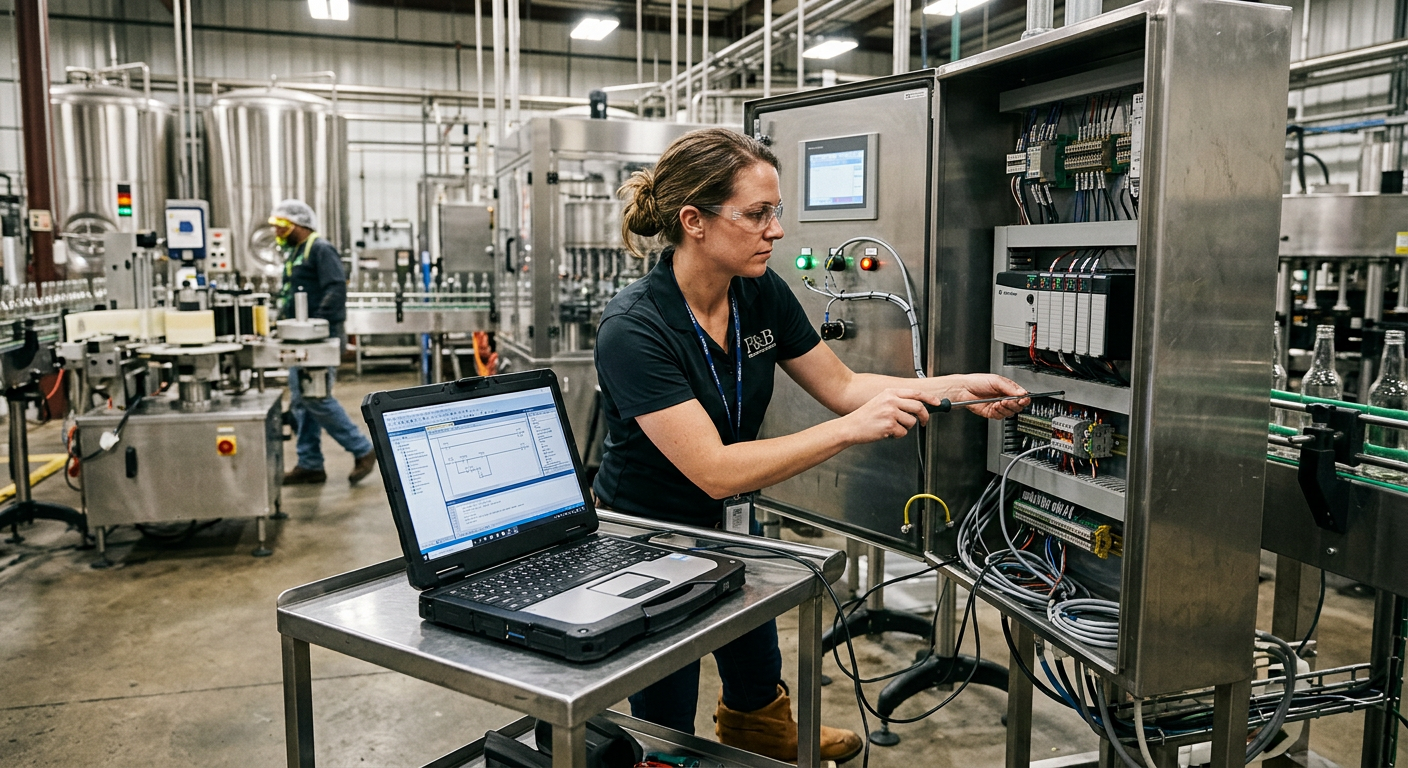
Food Grade Process Design Services
Food grade process design is the discipline of engineering equipment, piping, utilities, surfaces, and documentation so a food or beverage plant can produce safe products, clean effectively, satisfy regulators, and operate profitably. In the United States, that means aligning design decisions with FDA food contact requirements, FSMA preventive controls, sanitary construction principles, and practical operating realities such as CIP performance, allergen changeovers, wastewater loads, and maintenance access. For processors in markets such as Chicago, Dallas, Los Angeles, Charlotte, Atlanta, Fresno, and the I-95 corridor, good food grade design is not just about passing an inspection. It is about reducing contamination risk, shortening downtime, protecting brand equity, and supporting long-term capacity growth. Manufacturers expanding near the Port of Los Angeles, the Port of Savannah, Houston, Newark, or inland distribution hubs such as Kansas City and Memphis often face the same question: what should be specified at the design stage so the plant is cleanable, auditable, and scalable from day one? The answer includes material selection, surface finish, gasket and seal compatibility, hygienic drainage, dead-leg control, utility segregation, documentation, and validation of how the system will actually be operated. This is where an engineering partner with process, automation, installation, and compliance experience becomes essential. Disruptive Process Solutions supports food and beverage manufacturers across the United States and Canada with a design-build-manage model focused on profitable execution, not just drawings. The company works across brewing, dairy, protein, prepared foods, sauces, aseptic systems, spirits, RTD beverages, and co-packing environments where compliance and throughput must coexist. Food grade process design covers the sanitary engineering choices that allow food and beverage systems to be safely manufactured, cleaned, inspected, and documented. In the United States, it typically includes selecting compliant food contact materials, choosing the correct stainless steel grade, specifying cleanable surface finishes, preventing product harborage points, selecting food safe seals and lubricants, designing CIP and COP strategies, and building records that support FDA, USDA, SQF, BRC, and customer audits. A strong design also accounts for zoning, allergen separation, temperature control, drainage, automation, and maintenance access so that the plant is both compliant and commercially efficient. For most processors, the best approach is to evaluate food grade design across three layers: If those layers are engineered together, the result is a facility that is easier to clean, easier to validate, and more likely to generate repeatable margins. The table above shows why food grade process design should be approached as a system rather than a purchasing checklist. A processor can buy premium tanks and still fail if drains, gaskets, or CIP velocities are wrong. At its core, food grade process design covers everything that touches product directly and everything that can indirectly affect product safety. That includes tanks, piping, pumps, valves, heat exchangers, fillers, blenders, conveyors, utility interfaces, compressed air, process water, drains, and operator contact zones. For processors in the United States, the design basis should also reflect whether the line is under FDA or USDA oversight and whether the site must satisfy SQF, BRCGS, retailer standards, or customer-specific hygienic requirements. Materials are one of the first decisions. A design engineer must determine where 304 stainless steel is acceptable, where 316 is necessary, where polymers are suitable, and where mixed materials may create corrosion or cleanability issues. Surfaces must then be specified with an appropriate finish so residues are removed effectively during cleaning. Compliance documentation ties those decisions together by showing what materials were installed, where they are used, and whether they are appropriate for product contact. In many U.S. projects, especially retrofit work in older manufacturing regions such as Ohio, Wisconsin, Pennsylvania, and New Jersey, food grade design also means correcting inherited sanitary problems: threaded fittings in product zones, slope failures, hard-to-reach valve clusters, hollow members in wet areas, poorly designed hose stations, and inadequate separation between raw and ready-to-eat flows. DPS approaches these issues from a full system perspective. Its technological capabilities include process engineering, structural, mechanical, plumbing, electrical, and controls integration, including PLC programming and SCADA support. That matters because sanitary performance depends on more than mechanical layout. It also depends on recipe logic, sequencing, interlocks, temperature recording, and CIP proof points. Processors evaluating plant upgrades can also review engineering and project services to understand how food grade design fits within broader capital planning, integration, and commissioning decisions. In U.S. food and beverage plants, 304 stainless steel is common because it balances cost, corrosion resistance, and availability. It is often suitable for dry foods, many standard beverage systems, water-like products, and general process framing in non-aggressive environments. However, 316 stainless steel is often preferred when chloride exposure, acidic formulations, salt-heavy products, aggressive CIP chemistry, or repeated caustic and acid cycles increase corrosion risk. For example, a Midwest dairy facility using acidic wash cycles and chloride-bearing water may justify 316 in product-contact piping and vessels. A Gulf Coast seafood processor dealing with saline conditions may also benefit from 316. Distilleries, kombucha plants, sauce processors, and brine-based protein operations often need a more selective material review because product chemistry can vary widely. The decision is not purely about corrosion tables. It should consider cleaning chemistry, water quality, ambient humidity, weld quality, expected service life, and replacement cost. A lower-cost 304 installation can become expensive if pitting develops around welds, under gaskets, or in spray shadow areas. Conversely, over-specifying 316 everywhere can tie up capital unnecessarily. As a buying rule, use 304 where product chemistry and wash conditions are mild, and move to 316 where chloride, acid, salt, or repeated aggressive sanitation increase risk. The final call should be made by a qualified process engineer who also reviews weld maps, fabrication quality, and maintenance strategy. This comparison chart reflects why stainless selection should be based on total lifecycle conditions rather than up-front cost alone. Food grade process design in the United States must be supported by documentation that demonstrates food contact suitability. For FDA-regulated operations, this often includes material certifications, statements of compliance for polymers and elastomers, supplier declarations, traceability records, and equipment documentation showing where each material is used. These records are especially important during equipment qualification, customer approval, or third-party audits. Design teams should maintain a material matrix that links each product-contact component to its material of construction, intended service, and supporting compliance records. This may include tubing, valve seats, pump seals, O-rings, hoses, adhesives, lubricants, and instrumentation interfaces. Documentation should also show that the material is suitable for actual use conditions, including temperature, cleaning chemicals, pressure, and contact duration. For many manufacturers, especially co-packers and multi-SKU facilities near hubs like Chicago, Inland Empire, Nashville, and Philadelphia, the issue is not whether records exist somewhere. The issue is whether they can be retrieved quickly during an audit or customer onboarding process. Good food grade design includes document control from the start. DPS frequently supports compliance-heavy environments involving FDA, USDA, SQF, and BRC expectations, which is particularly useful in sectors such as aseptic processing, dairy, protein, and beverage co-packing where proof of sanitary suitability often affects launch timelines. The key takeaway is that compliance documentation should be engineered into the project closeout package, not chased after startup. Surface finish has a direct effect on cleanability, product release, and biofilm risk. Ra, or roughness average, is commonly used to describe surface texture. Lower Ra values generally indicate a smoother surface, which tends to support easier cleaning and fewer retention sites. In food and beverage applications, the required finish depends on product type, sanitary risk, and cleaning method. Wet dairy, aseptic, and high-viscosity systems often require tighter finish control than dry ingredient transfer or utility-adjacent surfaces. However, finish alone does not guarantee hygiene. A polished surface can still fail if welds are poor, if product pools at low points, or if hardware creates dead spaces. Engineers should therefore specify finish in combination with weld quality, slope, drainability, gasket compression, and CIP coverage. Plants processing yogurt, sauces, nut-based beverages, cream liqueurs, or marinades often see the biggest operational benefit from proper finish control because sticky or protein-rich residues are difficult to remove. In these systems, a smoother finish can shorten wash cycles and reduce manual intervention. In practical terms, many U.S. food and beverage projects perform well with 32 Ra in standard product-contact zones, while higher-risk or harder-to-clean applications justify smoother finishes. The right choice depends on residue behavior, not marketing language. The area chart shows a realistic shift toward smoother contact finishes as U.S. processors pursue stronger cleanability and shorter sanitation windows. Food grade design often fails at the smallest components. Seals, gaskets, valve seats, hose liners, and lubricants are frequent sources of contamination, leakage, chemical incompatibility, and downtime. A gasket that swells in oil, hardens under caustic, or cracks under thermal cycling can turn a well-designed system into a chronic sanitation risk. Selection criteria should include product chemistry, CIP and SIP temperatures, mechanical wear, pressure, compression set, allergen exposure, and cleanability. Common materials may include EPDM, silicone, PTFE, FKM, and other specialty elastomers, but there is no universal best choice. The right material depends on actual service conditions. Lubricants require equal attention. Where incidental food contact is possible, maintenance teams should use appropriate food-grade lubricants and maintain documented control over usage, storage, and change intervals. This is especially important in fillers, conveyors, pumps, homogenizers, and packaging systems. Manufacturing capability also matters here. DPS not only engineers systems but also designs and supplies selected process equipment such as tanks, CIP systems, marination tumblers, and cooking vessels. That vertical involvement can help standardize component selection across equipment packages and reduce mismatches between OEM assumptions and plant sanitation reality. For buyers, the rule is simple: never approve gasket and lubricant selections as an afterthought. They should be reviewed during design, procurement, startup, and preventive maintenance planning. FSMA shifted the U.S. food industry from reaction to prevention. Food grade process design should therefore support hazard analysis, risk-based preventive controls, sanitation control, allergen management, environmental monitoring, and traceability. The design is not the food safety plan itself, but it strongly influences whether preventive controls can work in practice. Examples include providing hygienic zoning between raw and ready-to-eat areas, ensuring drains do not move contamination toward high-care rooms, separating allergen storage and transfer routes, designing validated thermal processes, enabling complete CIP verification, and automating critical parameters such as temperature, flow, Brix, conductivity, and hold time. In co-packing and multi-product operations, especially in large logistics regions such as Dallas-Fort Worth, Southern California, and central Pennsylvania, FSMA-ready design should also account for changeover frequency, line clearance, and label reconciliation. Plants with high SKU counts need process layouts that reduce human error. DPS brings service capability across feasibility studies, owner’s representation, capital planning, project management, installation, and system integration. That broad involvement is important because FSMA-minded design decisions often affect facility layout, utility capacity, controls, and operating procedures at the same time. The bar chart reflects where demand for advanced food grade process design is currently strongest in the U.S. market, with co-packing, RTD, dairy, and protein leading due to audit pressure and changeover complexity. Many sanitary failures do not come from dramatic design errors. They come from small compromises made during value engineering, installation, or startup. One common mistake is specifying good equipment but poor interconnections. Another is assuming a standard OEM skid will fit the plant’s chemistry, cleaning regime, and audit expectations without modification. Other frequent mistakes include inadequate pipe slope, oversized valves that create low-velocity cleaning conditions, poor instrument placement, inaccessible welds, utility lines routed over exposed product zones, wrong gasket materials, and controls that do not log sanitation-critical events. Facilities also often underestimate operator access. If a component cannot be safely inspected or maintained, it becomes a hidden sanitation risk. The most expensive error, however, is treating compliance and profitability as separate goals. A poorly planned expansion can add capital cost while failing to solve the true bottleneck. One reason many U.S. manufacturers engage DPS is that the firm evaluates projects through both operational and financial lenses. Instead of simply expanding hardware, it often examines automation logic, utility limitations, line balance, and asset utilization to avoid unnecessary capital spending. Plants considering a retrofit or expansion can also review recent project examples and case studies to understand how engineering, installation, and operational problem-solving intersect in real facilities. Food grade process design is stronger when claims can be verified. In the United States, third-party review may include sanitary design assessments, weld inspections, material documentation audits, FAT and SAT protocols, calibration checks, passivation records where relevant, and verification that installed conditions match approved drawings. Certification may also be tied to customer requirements, insurance expectations, lender diligence, or retailer-driven quality programs. Processors should distinguish between component certification and system verification. A certified valve or compliant gasket does not mean the system as installed is hygienic. Likewise, a polished tank is not enough if no one verifies spray coverage, conductivity endpoints, temperature hold, and drain-down performance. Third-party verification is especially useful for new builds near major growth markets such as Phoenix, Raleigh, Austin, Sacramento, and Salt Lake City where fast schedules can increase installation risk. Independent review helps catch issues before startup. It can also strengthen buyer confidence when a facility plans to serve major national accounts. For equipment-related scope, manufacturers may explore process equipment solutions when selecting tanks, CIP systems, and custom process assemblies that must align with sanitary and operational requirements. The line chart shows a realistic growth trajectory for the U.S. market as processors invest in sanitation, automation, and compliance-driven upgrades through 2026. What industries need food grade process design most?Dairy, protein, sauces, RTD beverages, alcoholic beverages, aseptic processing, co-packing, nutraceutical liquids, and prepared foods are among the most common. Any facility with product-contact equipment, sanitation obligations, or regulatory scrutiny benefits from proper sanitary design. Is food grade the same as sanitary design?Not exactly. Food grade usually refers to materials and suitability for food contact. Sanitary design is broader and includes geometry, drainability, cleanability, zoning, inspection access, and operational control. When should a processor choose 316 stainless instead of 304?Usually when product chemistry, chloride exposure, acid cleaning, salt content, or corrosion risk is elevated. The choice should be based on lifecycle conditions, not purchase price alone. What Ra finish should be specified?It depends on product and process risk. Many food-contact systems perform well at 32 Ra, while dairy, aseptic, sticky, or harder-to-clean applications may justify 25 Ra or smoother. Do FDA rules approve equipment systems?Typically, compliance is demonstrated through material suitability, intended use, and supporting documentation rather than a simple blanket approval of the complete installed system. System verification is still necessary. Are food grade lubricants required everywhere?No, but where incidental food contact is possible or where quality programs require it, the correct lubricant class and documented control are essential. How does food grade design support FSMA?It supports preventive controls by reducing contamination risks, improving sanitation effectiveness, enabling monitoring of critical parameters, and making verification more reliable. What should be included in a project turnover package?Material records, compliance declarations, as-built P&IDs, manuals, calibration data, surface finish records where applicable, startup documentation, and sanitation-related verification files. Can an older U.S. plant be upgraded to meet current expectations?Yes. Many facilities in legacy manufacturing corridors can be retrofitted successfully through targeted piping redesign, equipment replacement, drain correction, zoning improvements, CIP optimization, and better controls. What trends will matter most in 2026?Expect stronger demand for automation-backed sanitation verification, water and energy optimization, hygienic design for flexible co-packing, more scrutiny on documentation readiness, and sustainability-driven material and utility decisions. Plants will increasingly pair food grade process design with digital monitoring, recipe control, utility metering, and predictive maintenance to reduce both compliance risk and operating cost. By 2026, the strongest U.S. projects will combine food grade materials and sanitary geometry with smarter automation, sustainability metrics, and better audit evidence. That is especially relevant for facilities handling high growth categories such as functional beverages, plant proteins, premium dairy, aseptic products, and regional co-packing programs. For manufacturers planning a new build, expansion, relocation, or retrofit, food grade process design should be treated as a strategic investment rather than a compliance checkbox. The right engineering approach improves cleanability, protects product quality, supports regulatory confidence, and preserves capital efficiency. In an increasingly competitive U.S. market, that combination is what turns sanitary design into a business advantage.