-
7 Critical Stages in Snack Food Production Line Engineering
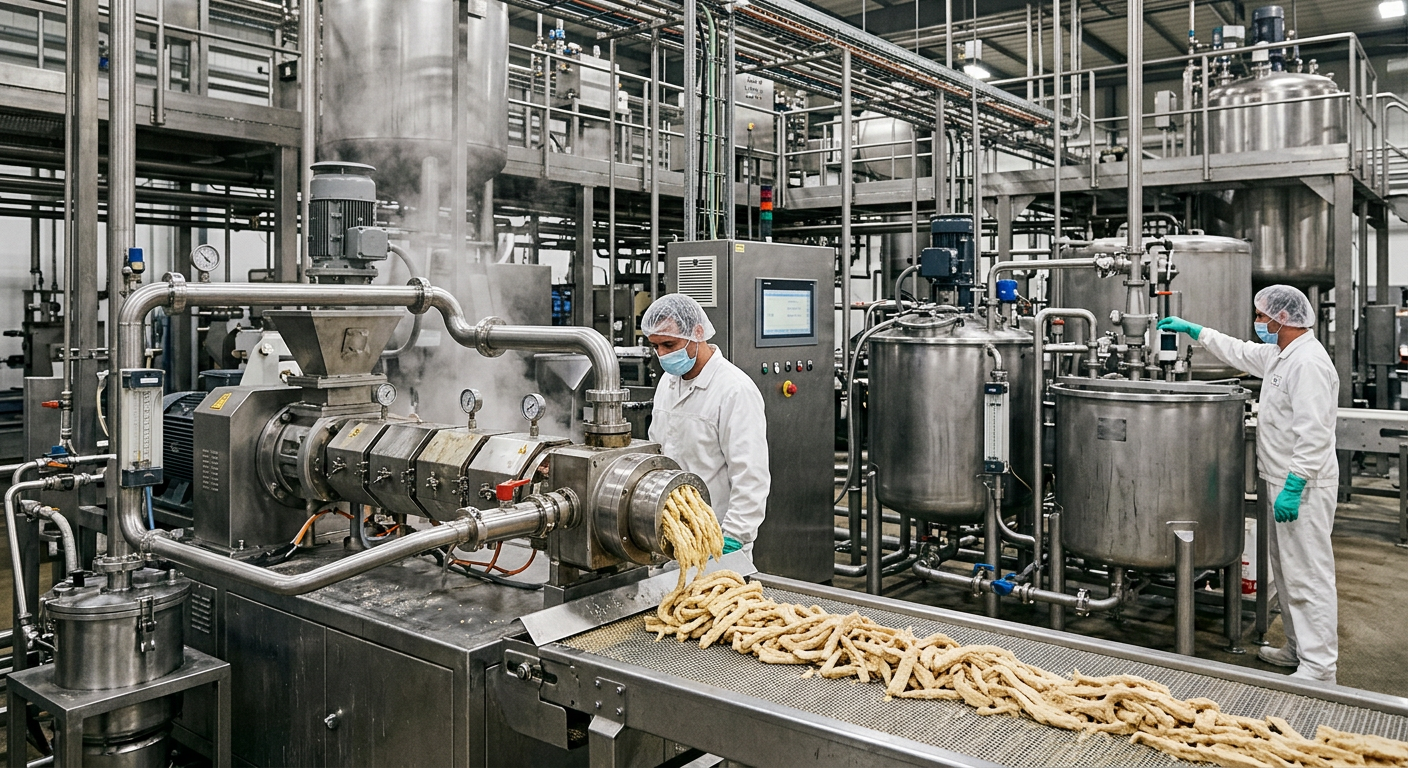
Snack manufacturers in the United States are under pressure to increase throughput, reduce giveaway, improve flavor consistency, manage allergen risk, and prepare for 2026 sustainability and automation requirements. Engineering a modern snack line is no longer just about choosing individual machines. It requires coordinated decisions across extrusion, frying, coating, conveying, packaging, sanitation, utilities, controls, labor strategy, and plant layout. For puffed corn snacks, pellet snacks, tortilla chips, kettle-style products, fried curls, multigrain crisps, and hybrid baked-fried items, the best-performing lines are designed as integrated systems from ingredient receiving to finished case palletizing. Across major U.S. snack corridors such as Chicago, Dallas-Fort Worth, Charlotte, Fresno, and the greater Atlanta region, producers are expanding facilities that can run multiple stock-keeping units without creating sanitation bottlenecks or excessive changeover time. Plants sourcing imported oils, films, spices, or equipment through the Ports of Los Angeles/Long Beach, Houston, New York/New Jersey, and Savannah are also redesigning for supply chain resilience. In that environment, line engineering should align capital deployment with product margin, labor availability, utility costs, food safety exposure, and future product mix. This guide explains what decision-makers should prioritize when planning a snack food production line in the U.S. market, including direct buying advice, product-specific engineering considerations, industry applications, practical examples, and the capabilities needed from an engineering and integration partner. The fastest way to improve a snack production line is to engineer the whole process around three questions: what product family drives profit, where the true bottleneck sits, and how often the line must change over. In many U.S. snack facilities, poor performance is not caused by a single machine but by mismatch between process sections. An oversized extruder feeding an underdesigned dryer, a fryer with unstable oil residence time, an undercontrolled tumbler, or a packaging room that cannot keep pace with upstream output can erase expected returns. For puffed and fried snack products, the critical stages usually include raw material handling, mixing and preconditioning, forming or extrusion, thermal processing, seasoning or coating, conveying and distribution, packaging, and utilities plus controls support. The engineering objective is not maximum nameplate speed alone. It is stable sellable output, repeatable quality, safe allergen management, and low total cost per pound. In the United States, buyers should typically evaluate: The table above shows why a line should be bought as an operating system, not a collection of equipment quotes. Many successful projects begin with a feasibility study and throughput model before machine selection starts. That approach is especially valuable for co-manufacturers and private-label snack producers that need flexibility across customers. From a market perspective, demand in the United States remains strong for portable, bold-flavored, protein-enriched, and value-engineered snacks. At the same time, retailers increasingly expect package variety, cleaner labels, documented allergen control, and sustainability progress. As a result, engineering decisions made now should support 2026 priorities such as digital traceability, reduced fryer energy intensity, lower oil loss, higher packaging automation, and easier integration with plant-wide SCADA and production reporting. Extruder selection should begin with the final eating experience, not with horsepower. Puffed snacks, direct-expanded curls, corn puffs, rice-based shapes, and filled extruded products depend on control of starch transformation, moisture, temperature, and mechanical energy. Fried pellet snacks have a different requirement: consistent preform dimensions and moisture to ensure even expansion in the fryer. In both cases, line designers need to understand the full recipe map, including corn meal, rice flour, potato solids, pulses, proteins, fibers, binders, and functional inclusions. In the U.S. market, a common mistake is buying an extruder sized for a best-case product while ignoring the broadest future SKU range. A single-screw platform may be sufficient for simpler corn-based products at high throughput, but twin-screw systems often provide better flexibility for multigrain, high-protein, or more sensitive formulations. For facilities serving regional brands in Texas, the Midwest, or the Southeast, that flexibility can support faster entry into hot-and-spicy, protein-forward, or school-compliant snack segments. The table demonstrates how product family drives machinery choice. Engineering teams should compare not only throughput but also turn-down capability, recipe repeatability, screw changeover time, operator skill requirements, and spare parts strategy. A high-speed line that cannot reliably run smaller regional product campaigns may underperform financially. For U.S. plants near grain supply regions such as Iowa, Nebraska, or Kansas, ingredient economics may favor corn and cereal-based systems. Plants closer to natural foods clusters in California or the Northeast may need additional flexibility for legumes, ancient grains, and specialty ingredients. When freight, labor, and retail requirements vary by region, the most profitable line is usually the one that can absorb formulation shifts without major rebuilds. Engineering should also account for upstream and downstream compatibility. Extrusion output must match drying, frying, seasoning, and packaging capacity under real plant conditions, not ideal vendor assumptions. Utilities matter too. Steam, compressed air, process water, dust collection, and electrical load profiles should be modeled before approval. Companies that want stronger project visibility often benefit from working with an integrated engineering and installation team that can connect process, utilities, controls, and layout in one scope. A good example of that integrated approach can be seen in comprehensive food and beverage engineering services built around execution rather than isolated design packages. Flavor consistency is one of the clearest drivers of repeat purchase in snack categories. Consumers may forgive slight shape variation, but they quickly notice under-seasoned product, oil-heavy clumps, or patchy coverage. In engineering terms, this means the seasoning system should be treated as a precision process area, not an add-on after the fryer. Dry seasoning application depends on product surface condition, residual oil or moisture, particle size distribution, tumbler geometry, residence time, and accurate dosing. Liquid application adds another layer of complexity involving pump control, nozzle placement, droplet size, viscosity, heating, and cleanability. High-variance flavor systems often come from poor integration between seasoning feeders, tumbler speed, transfer conveyors, and environmental conditions in the room. This table highlights the direct relationship between mechanical design and sensory consistency. Plants running cheese, barbecue, sour cream and onion, and spicy chile-lime variants on the same shift need ingredient handling, feeder calibration, and sanitation protocols that support both speed and control. Applications vary by industry. Contract packers may need broad flavor flexibility for seasonal launches. Private-label manufacturers may need rapid transitions between retailer specifications. Better-for-you brands often require lower sodium or oil systems that make adhesion more difficult. In all cases, seasoning integration should be trialed with real product and full recipe conditions, not just water runs. Regional sourcing also matters. Spice blends coming through New Jersey or Savannah can differ in flowability by supplier and humidity exposure. Cheese powders in Wisconsin-heavy supply chains may behave differently than imported seasoning systems staged on the West Coast. Engineering teams should plan for ingredient variability through feeder selection, hopper agitation, environmental control, and recipe compensation logic. Material handling is often underestimated because conveyors appear simple compared with extruders or fryers. In reality, conveying design strongly influences breakage, buffering, sanitation, labor use, line balancing, and expansion potential. Multi-SKU snack facilities especially need conveyor systems that support different product fragilities, widths, accumulation needs, and allergen separation rules. A strong design starts with product behavior. Freshly extruded snacks, fried chips, pellets, and coated items each respond differently to drop height, vibration, belt transfer geometry, and incline angle. Small decisions such as dead plate length, sidewall material, access door placement, and support leg spacing can affect sanitation efficiency and product loss every day. The explanation is straightforward: conveyor design is not only about moving product from point A to point B. It determines whether the rest of the line receives the product condition it was designed for. That is especially true in facilities producing multiple bag sizes, several textures, or both allergen and non-allergen products. For plants serving major distribution networks from hubs like Columbus, Memphis, or Kansas City, conveyor strategy should also align with packaging room throughput and case handling. Space constraints in brownfield facilities may require vertical lifts, mezzanines, or split-route distribution. Dust control, access platforms, maintenance clearances, and egress routes should be designed early, not patched in later. Manufacturers planning future acquisitions or additional products should leave room for bypasses and tie-in points. Flexible material handling often creates more long-term value than squeezing the last few feet from a crowded layout. For fried snack lines, oil management is a profit center disguised as a utility function. Oil cost, product color, shelf life, flavor stability, and finished texture all depend on how well the frying system manages heat transfer, turnover, crumb load, and degradation. Whether a plant is making tortilla chips, potato-based formed snacks, pellet snacks, or hybrid fried puffs, fryer engineering deserves close scrutiny. Temperature variation even within a narrow band can create visible color shift and inconsistent moisture. Excess fines in the oil accelerate breakdown and can generate bitter notes or dark specks. Poor filtration design also increases downtime and cleaning burden. The right fryer system balances throughput with residence time control, oil circulation, filtration method, make-up oil management, hood exhaust, and worker safety. The table shows that fryer performance is measured not just by speed but by how tightly key process variables are held. Plants that document oil life, color drift, and moisture variability can often justify control and filtration upgrades quickly through reduced waste and lower complaint risk. Buying advice for U.S. operators: ask vendors and integrators for proof of cleanability, access, automation logic, and service support. Evaluate whether the system is suited for your oil type, product load, and sanitation frequency. If you plan to add kettle-style or specialty products later, verify how flexible the filtration and heating system will be under different crumb conditions. Facilities in regions with higher utility costs, such as California or parts of the Northeast, should pay close attention to burner efficiency, exhaust balance, and heat recovery opportunities. By 2026, more food manufacturers are expected to prioritize digital oil management, predictive maintenance on pumps and motors, and stronger environmental reporting around energy intensity. Those trends make fryer instrumentation, historian connectivity, and operator dashboard design more valuable than ever. Packaging is where much of the line’s financial performance becomes visible. Upstream process improvements lose value if the packaging room cannot absorb output, maintain target weight, and switch formats efficiently. Snack manufacturers in the United States increasingly need flexibility across single-serve, pantry, club, and variety-pack formats, plus private-label artwork changes and short campaign runs. The most robust packaging systems integrate multihead weighing, smart product distribution, bagger change parts management, metal detection or X-ray, checkweighing, code verification, case packing, and palletizing. Automation should be selected based on actual SKU mix rather than idealized assumptions about long production campaigns. Plants supplying major retail chains often need fast response to promotions, which makes changeover engineering especially important. This table illustrates why packaging line automation should be connected to commercial strategy. A company entering convenience channels needs different flexibility than one focused on club stores. A co-manufacturer serving many brands may value recipe management and quick verification more than maximum top speed on one format. Applications extend across salty snacks, puffed products, baked crisps, protein snacks, and mixed snack assortments. Plants located near freight hubs such as Indianapolis, Phoenix, or Harrisburg often choose more packaging automation to support rapid retail replenishment and reduce dependence on local labor availability. In areas with higher labor turnover, automation may be justified even at moderate volumes. A disciplined engineering process links packaging rates back to process capability. If the line produces fragile snacks, weigh system vibration, distribution conveyor design, and drop heights must be controlled to avoid creating fines before the bagger. It is often wise to review complete line integration along with available processing and utility equipment solutions rather than treating packaging as a separate procurement event. As snack portfolios diversify, allergen control becomes one of the biggest layout and operational design challenges. Mixed plants may run dairy-seasoned items, peanut-inclusive snacks, sesame-containing products, wheat-based extrudates, or soy-rich protein formats under one roof. The engineering question is not only how to clean, but how to prevent cross-contact through product flow, personnel movement, airborne particles, rework handling, and maintenance practices. The most successful plants build allergen management into zoning, storage, conveying, seasoning rooms, utensils, drains, and scheduling logic. A line that looks productive on paper can become unusable in practice if allergen changeovers take too long or require excessive teardown. This is especially important for co-packers and brands selling into schools, club channels, and retailers with strict supplier requirements. Key strategies include dedicated ingredient receiving lanes where possible, color-coded mobile equipment, isolated seasoning areas for high-risk powders, documented line clearance, positive or negative air relationships where appropriate, and validated sanitation methods. Rework policy must also be engineered. Undefined rework routes are one of the fastest ways to undermine traceability and allergen control. For brownfield facilities, full segregation may not be feasible, but practical improvements often include isolated day bins, improved dust capture, upgraded traffic flow markings, separated tools, controlled staging, and revised production sequencing. Plants near major metropolitan labor markets such as Los Angeles, Chicago, or Philadelphia should also consider the training design needed for multilingual teams. Procedures must be easy to execute consistently, not merely compliant on paper. By 2026, stronger customer audits, enhanced digital traceability expectations, and rising sensitivity around undeclared allergens will likely make integrated controls even more important. Engineering, operations, and food safety leadership should evaluate allergen design decisions at the same stage as throughput and ROI decisions, not afterward. Energy and waste reduction have moved from secondary goals to core financial drivers in snack manufacturing. Continuous lines consume significant thermal and electrical energy through extrusion, drying, frying, air handling, compressed air, packaging, and sanitation support. At the same time, product loss, seasoning overshoot, oil waste, and packaging giveaway directly affect contribution margin. Waste reduction starts with process stability. A tightly controlled line creates fewer startups, fewer off-spec runs, less rework, and lower ingredient loss. Energy recovery, meanwhile, often comes from improved exhaust design, heat reclamation, burner tuning, insulated piping, variable-frequency drives, compressed air leak reduction, and smarter utility scheduling. Facilities in utility-sensitive regions such as California, the Pacific Northwest, and the Northeast often see faster returns on these upgrades, but savings matter everywhere. The explanation behind this table is simple: the cheapest pound to make is the pound that never becomes waste, and the cheapest utility unit is the one never consumed. Continuous improvement should be built into the initial line design with data capture points, not added later through manual spreadsheets. For plants pursuing ESG goals or retailer scorecard improvements, energy and waste performance can also affect customer relationships. Manufacturers shipping through sustainability-conscious retail programs may find that measured reductions in oil use, natural gas intensity, and packaging loss support stronger negotiations and brand positioning. Case examples across North America show that the largest savings do not always come from the most expensive hardware. Sometimes the best result comes from control system revisions, utility balancing, or better sequencing of existing assets. That aligns with a broader philosophy of focusing on profitable outcomes rather than chasing equipment spend for its own sake. Disruptive Process Solutions DPS supports food and beverage manufacturers across the United States and Canada with an engineering model built around planning, execution, and accountability. Rather than approaching projects as a conventional bidder, the company is structured to help clients make capital decisions that improve long-term operating results. That makes DPS especially relevant for snack producers evaluating new lines, capacity expansions, relocations, utility upgrades, and multi-phase modernization programs. From a technological capability standpoint, DPS works across process, mechanical, plumbing, electrical, structural, and controls disciplines. For snack and broader food applications, that means integrating process equipment with PLC programming, automation, SCADA visibility, recipe logic, utility systems, and commissioning support. This systems view is important when a snack line’s real bottleneck may lie in controls sequencing, not simply in mechanical speed. Companies exploring integrated planning can learn more through the firm’s company background and project philosophy. From a manufacturing capability standpoint, DPS does more than coordinate third-party hardware. The company also designs and manufactures selected branded process equipment, including tanks, CIP systems, tumblers, and cooking vessels, while integrating complete process systems for complex food and beverage plants. That practical fabrication understanding helps during layout development, utility coordination, access planning, and installation sequencing. For snack operations, that mindset supports more realistic decisions around cleanability, footprint, and tie-ins to existing infrastructure. From a service capability standpoint, DPS follows a Design Build Manage model that combines engineering, general-contractor-style execution, project management, owners representation, installation oversight, and system integration. This approach is useful for manufacturers that need a single accountable partner across capital planning, design, procurement support, trade coordination, startup, and performance follow-through. It also suits clients managing multiple stakeholders across operations, maintenance, finance, and food safety. Examples of project execution in related processing environments can be reviewed in selected case studies and client outcomes. The company serves all 50 U.S. states, with active reach into major food and beverage corridors from the Carolinas to California and from the Gulf Coast to the Midwest. For snack producers, that geographic scope matters when coordinating local trades, utility infrastructure, code requirements, schedule pressure, or equipment moves between facilities. It also supports clients that are building national manufacturing footprints rather than single-plant operations. In practical terms, DPS is often a fit for manufacturers that want candid engineering input, disciplined capital planning, and execution aligned with profitability rather than equipment spend alone. That can include branded snack companies, co-manufacturers, ingredient processors, and diversified food groups investing in flexible U.S. production capacity ahead of 2026 demand, compliance, and sustainability shifts. What is the first step in engineering a snack food production line?The first step is defining the business case: product family, annual volume, SKU count, margin targets, allergen profile, utility constraints, and future expansion plan. Equipment selection should follow that analysis, not precede it. Which is better for puffed snacks, single-screw or twin-screw extrusion?Neither is universally better. Single-screw systems can be effective for simpler high-volume products, while twin-screw platforms usually offer better formulation flexibility and control for multigrain, protein-enriched, or more complex applications. How do I improve seasoning consistency on fried snacks?Focus on product temperature, oil or slurry dosing accuracy, gravimetric seasoning feed, tumbler residence time, and dust management. Inconsistent flavor is usually caused by system integration issues, not seasoning formula alone. What is the biggest hidden cost in fried snack production?In many plants, it is a combination of oil mismanagement, overweight packaging, startup waste, and line imbalance. These losses often exceed the impact of small throughput differences between machines. How should a U.S. plant handle allergens in mixed snack production?Use a combination of zoning, segregated ingredient storage, dust control, validated cleaning, production sequencing, color-coded tools, rework rules, and documented line clearance. Layout and airflow decisions are as important as sanitation chemistry. What packaging automation matters most for multi-SKU facilities?Recipe-driven settings, accurate weighing, code verification, rapid changeover features, and balanced product distribution usually create the strongest returns. The right mix depends on your bag formats and customer requirements. Can older facilities be upgraded without a full rebuild?Yes. Many brownfield snack plants can improve yield and capacity through targeted controls upgrades, conveying redesign, packaging optimization, oil management improvements, and sanitation-focused modifications without replacing every machine. What 2026 trends should snack manufacturers prepare for now?Expect greater adoption of line-wide automation, digital traceability, predictive maintenance, energy recovery, stronger allergen verification, packaging flexibility, and sustainability reporting tied to retailer and customer expectations. How do I choose an engineering partner for a snack line project?Choose a partner that understands process, utilities, controls, installation, food safety, and commercial outcomes. Ask for examples of integrated project execution, not just equipment sourcing or isolated design work. Where are the strongest U.S. opportunities for new snack capacity?High-opportunity zones often include the Midwest, Texas, the Southeast, and logistics-rich regions near Atlanta, Chicago, Dallas-Fort Worth, Memphis, and major port corridors. The best site depends on labor, ingredients, freight, and customer mix. -
Automated CIP Systems for Manufacturers
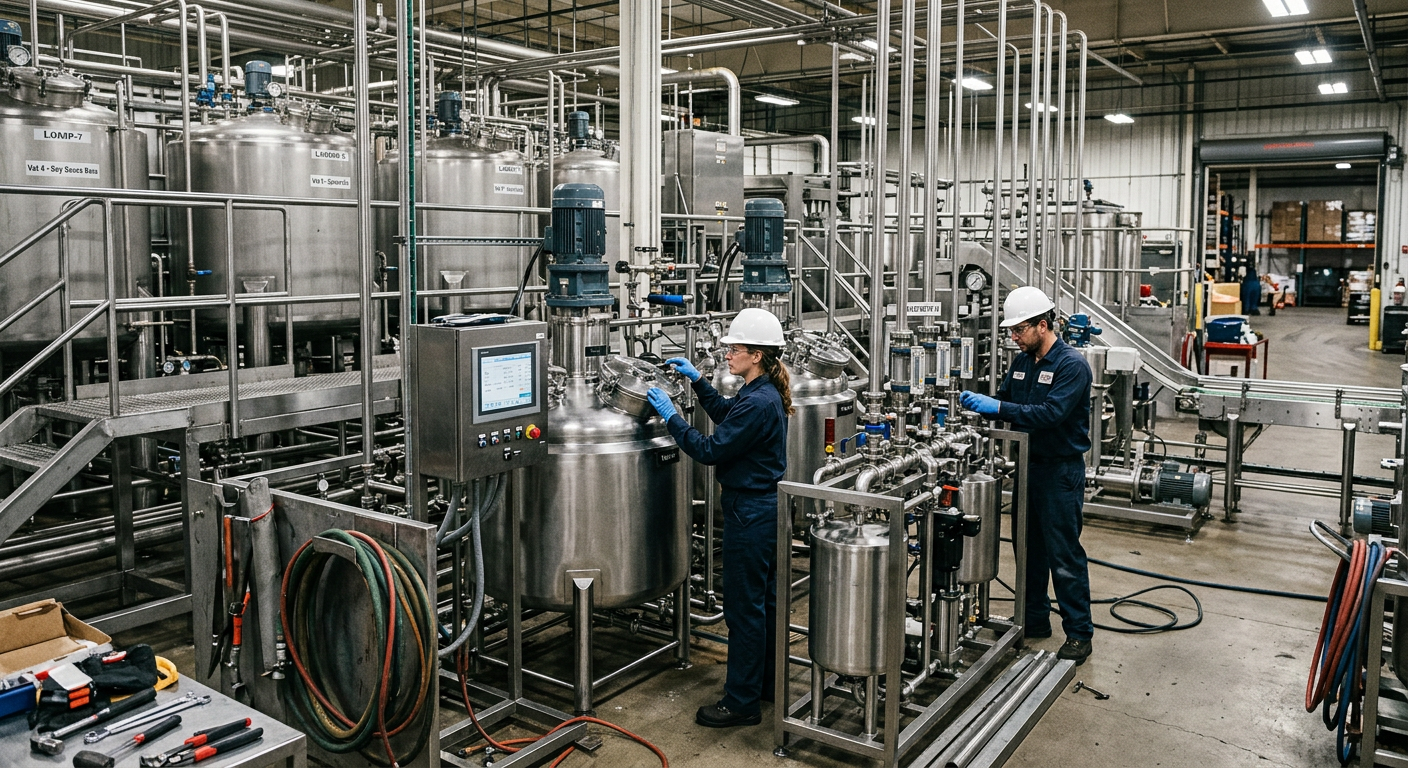
Clean-in-place automation has become a core investment for food, beverage, dairy, protein, aseptic, and co-packing plants across the United States. As labor gets tighter, audit requirements become more demanding, and throughput targets rise, manufacturers are moving away from manual wash routines toward PLC-controlled CIP systems that deliver repeatable cleaning, documented performance, and stronger food safety control. In markets such as Chicago, Dallas-Fort Worth, Fresno, Charlotte, Milwaukee, Houston, and the Los Angeles-Long Beach corridor, automated CIP is increasingly viewed not as a luxury, but as a plant utility essential to uptime and brand protection. This guide explains how automated CIP compares with manual cleaning, how the control architecture works, what SCADA adds, how dosing and temperature loops are managed, what documentation is needed for FDA, USDA, SQF, and BRC expectations, and how manufacturers in the United States can plan an implementation that delivers measurable return. An automated CIP system is a skid or centralized cleaning system that uses recipes, valves, pumps, sensors, heat control, and PLC logic to clean tanks, pipelines, fillers, blenders, pasteurizers, and other process equipment without dismantling the line. Compared with manual CIP, automation reduces operator variability, improves chemical and water control, shortens cycle times, creates audit-ready records, and helps plants verify that every rinse, caustic wash, acid wash, sanitize step, and final flush happened within validated limits. For most U.S. manufacturers, automated CIP is the better choice when they run multiple SKUs, need traceable cleaning records, have allergen changeovers, operate under FDA or USDA scrutiny, or want to scale production without scaling cleaning labor. Manual CIP can still fit very small plants with simple layouts and low production frequency, but as line complexity increases, the cost of inconsistency often exceeds the cost of automation. Buyers should focus on five priorities: hygienic design, control reliability, recipe flexibility, data visibility, and serviceability. They should also evaluate whether the CIP will be single-use, recovery-based, or fully centralized, and whether it must support dairy, RTD beverage, brewing, protein, sauces, aseptic, or mixed-use production environments. The most important buying decision is not simply the CIP skid price. It is the total cost of cleaning over years of operation. Manual CIP may appear less expensive at first, but U.S. plants often discover hidden costs in excess water use, over-dosed chemistry, longer downtime, line-to-line inconsistency, operator dependency, and incomplete documentation during customer or regulatory audits. In high-throughput sectors such as dairy in Wisconsin, beverages in North Carolina, craft brewing in Colorado, protein processing in the Midwest, and co-packing near major freight hubs like Atlanta and Houston, every extra minute of cleaning can reduce saleable production. Automated CIP improves scheduling discipline and can help plants clean faster without compromising validation targets. The table shows why many manufacturers move to automation once they add more tanks, a second shift, allergen changeovers, or customer-driven traceability demands. In practice, the biggest risk in manual CIP is not only labor cost. It is inconsistency. A single failed rinse verification or undocumented wash can trigger product holds, delayed shipments, and customer concern. The growth trend above reflects current market direction: more plants are investing in automated CIP as part of broader digital modernization, especially where they are already upgrading batching, pasteurization, packaging, or utility systems. The heart of an automated CIP system is the control architecture. At minimum, the architecture includes a PLC, HMI, field instrumentation, valve manifolds, pump controls, and recipe logic that sequences each cleaning step. Better systems also include conductivity feedback, tank level verification, temperature control loops, pressure interlocks, return confirmation, and communication to plant SCADA or MES platforms. A well-designed control strategy should prevent dangerous or wasteful conditions such as chemical addition with no tank level, hot circulation without flow, routing errors to production lines, or a final rinse ending before conductivity reaches the validated threshold. This is where engineering matters. Plants should not view CIP programming as a basic utility script. It is a food safety and uptime tool. Manufacturers looking for integrated controls often prefer partners that can combine process engineering with PLC and SCADA execution. This is especially important when CIP interacts with blending, fermentation, pasteurization, water treatment, or aseptic utilities. The controls team at DPS service capabilities is relevant here because the company supports process, electrical, and automation integration as part of broader capital project delivery rather than treating CIP as an isolated skid. The strongest CIP architectures also support future expansion. A plant that starts with two process circuits may need six within three years. If the PLC code, I/O capacity, valve matrix, and SCADA naming standards are planned well, expansion can happen with less downtime and lower engineering cost. From a technology standpoint, DPS brings useful depth because its teams work across controls, SCADA, utilities, and process equipment, not just standalone skids. That matters in projects where the CIP must communicate with bright tanks, syrup rooms, dairy processing trains, retorts, or custom tank farms. Details on the company background are available on the about DPS page. SCADA integration elevates CIP from an automated machine to a plant-wide management system. With SCADA, supervisors can see active circuits, recipe steps, alarm status, conductivity trends, tank levels, chemical strengths, return temperatures, and completed cycle history from a central workstation. In multi-line plants, this is often the difference between reactive sanitation and controlled sanitation. Remote diagnostics also matter. Plants in remote locations or multi-site organizations often need support without waiting for a site visit. A secure remote access structure allows authorized technicians to troubleshoot alarm sequences, verify I/O behavior, review trend logs, and tune recipes faster. For facilities shipping through Savannah, New Jersey, or the Port of Houston where schedule delays are costly, fast diagnostics can protect production commitments. SCADA is especially valuable for co-packers and multi-product facilities that must prove cleaning between brands, formulations, or allergen classes. It creates a common operational language between QA, maintenance, production, and management. The chart highlights where demand is strongest. Dairy and beverage lead because they combine frequent CIP cycles, stringent quality needs, and high line utilization. Aseptic and protein are also rising due to sanitation risk and documentation pressure. Cleaning effectiveness depends on the classic four variables of time, temperature, chemistry, and mechanical action. Automated CIP improves all four by controlling chemical concentration, solution temperature, circulation flow, and programmed contact time within each recipe step. For example, conductivity-guided dosing can maintain caustic strength within target range while minimizing waste. Steam or hot water control can hold wash temperatures steady despite changing tank demand. VFD-driven pumps can maintain enough velocity for pipeline scouring without overpressurizing delicate circuits. In allergen-sensitive or viscous product applications, such as dressings, dairy beverages, sauces, or protein slurries, these controls are crucial. These control loops are also central to sustainability goals. Plants in water-stressed areas such as California’s Central Valley often pursue CIP optimization to reduce rinse water use. Plants with high natural gas costs focus on heat recovery and insulated recirculation. By 2026, more U.S. projects are expected to include conductivity-based phase separation, heat recovery integration, utility dashboards, and ESG-oriented reporting on chemical and water intensity per cleaned circuit. If a plant cannot prove a cycle happened as intended, it may as well not have happened from an audit perspective. Automated CIP creates documented evidence: recipe name, operator, line or circuit ID, step sequence, actual temperatures, concentration values, flow confirmations, alarms, hold times, start and stop stamps, and exceptions. This data is valuable for more than compliance. It supports continuous improvement. Engineers can compare cycle lengths by line, identify recurring rinse delays, spot temperature lag, and reduce utility waste. QA can verify that an allergen changeover met validated criteria. Management can calculate true sanitation cost per run. For manufacturers serving major retailers or contract customers, digital records improve customer confidence. This is especially true for plants running private-label products or regulated categories. Partners with real integration experience can connect CIP records to broader plant reporting, which is one reason many manufacturers review custom process equipment and CIP equipment options alongside software architecture at the same time. Plants that still use paper logs often underestimate the time required to review, file, retrieve, and defend those records. Automated documentation reduces administrative friction and makes internal investigations much faster. The trend shift is clear: digital records are becoming standard, not optional, particularly in multi-site, audit-heavy, or export-oriented operations. Food safety is not improved just because a CIP is automated. It is improved when the system detects abnormal conditions quickly, responds logically, and creates documented deviation handling. Effective alarm management should separate critical events from nuisance alerts. Operators should know whether they can acknowledge and continue, whether the sequence is on hold pending correction, or whether the cycle is invalid and must restart. Examples of critical alarms include low wash temperature, conductivity below target, no return flow, incorrect valve proof, failed tank level, or unauthorized recipe changes. In a food plant, each alarm should be tied to a response procedure and release decision. This is particularly important in ready-to-drink beverage plants, dairy facilities, USDA-inspected protein sites, and aseptic operations. Alarm rationalization is also a design discipline. Too many alarms create fatigue. Too few create blind spots. A strong engineering partner will define alarm priority, delay, action, escalation path, and data retention before commissioning. Well-managed deviation handling protects product release decisions. It also lowers the chance that sanitation staff will improvise around alarms, which is one of the most common hidden risks in older systems. Successful CIP automation projects follow a structured path. The process usually begins with a front-end assessment of products, soils, circuits, utilities, sanitation frequency, recovery goals, and compliance needs. From there, the team defines skid or central system architecture, validates line matrix logic, sizes tanks and pumps, selects instrumentation, builds control narratives, develops software, installs hardware, and executes FAT, SAT, and commissioning. In the United States, permitting, utility integration, and plant shutdown planning can heavily influence timing. A greenfield beverage facility near Charlotte or Phoenix may emphasize utility master planning and future capacity. A brownfield dairy expansion in Wisconsin or New York may prioritize tight tie-in windows and legacy system integration. This is where a design-build-manage approach adds value. Instead of splitting design, procurement, installation, and controls among disconnected parties, some manufacturers choose a partner that can engineer the process, manage trades, install equipment, and commission the system under one execution model. That integrated style aligns with how DPS approaches capital work across North America, combining process design, equipment integration, and field execution. Readers can review relevant project case examples to see how integrated delivery supports uptime-focused results. Buying advice for U.S. manufacturers is straightforward: do not buy a CIP solely by tank volume. Buy it based on circuits, soil load, recoverability, validation needs, utility profile, future expansion, and your plant’s ability to support automation. Also evaluate local support. Plants in the Midwest, Southeast, Texas, and California often prefer integrators and fabricators that can mobilize regionally for startup and service. Nearby support can shorten response times during commissioning and early operation. Return on investment comes from more than labor reduction. The best CIP projects deliver value through shorter downtime, lower chemical use, lower water and wastewater cost, less re-cleaning, fewer deviations, stronger product release confidence, and cleaner audit performance. In co-packing, better CIP can also create commercial value by enabling more frequent changeovers and reducing customer concerns around sanitation records. For a medium-size U.S. beverage or dairy plant, the payback period often falls between 12 and 36 months depending on production volume, baseline labor, utility costs, and the number of circuits cleaned per day. Brownfield retrofits may take a little longer if piping modifications are extensive, but even there, compliance and risk reduction can justify the investment. The comparison chart shows what buyers should prioritize when evaluating suppliers or integrators. Price matters, but process integration depth and controls competency usually matter more over the life of the system. From a manufacturing capability standpoint, DPS is notable because it does not only advise on CIP systems; it also designs and manufactures selected process equipment, including custom CIP skids and related stainless process assets. That combination can help when a project requires tight alignment between plant layout, utility constraints, and fabricated equipment details. For service capability, the company’s strength is its end-to-end model: engineering, capital planning, owner’s representation, installation coordination, controls integration, startup, and commissioning. For clients seeking one accountable partner rather than fragmented scopes, that approach can reduce handoff risk and speed decision-making. What industries benefit most from automated CIP in the United States?Dairy, beverage, brewing, distilling, prepared foods, sauces, protein, aseptic processing, and co-packing operations benefit the most. Any industry with repeat cleaning cycles, product changeovers, allergen management, or audit pressure is a strong candidate. What product types are typically cleaned by automated CIP?Storage tanks, mix tanks, bright tanks, fermenters, pipelines, fillers, HTST systems, UHT skids, homogenizers, blenders, scraped surface heat exchangers, retort support systems, and transfer manifolds are common applications. Should I choose a single-use or recovery CIP system?Single-use CIP is simpler and often fits smaller plants or highly variable soils. Recovery CIP is better when chemical reuse, water savings, and higher cleaning frequency justify the added complexity. How much plant space is required?That depends on tank count, chemical strategy, utility access, and the number of circuits. Compact skid-mounted systems fit smaller plants, while centralized systems need more room but can support many production areas efficiently. Can automated CIP be retrofitted into an existing facility?Yes. Brownfield retrofits are common in U.S. plants. The key challenges are tie-in planning, valve matrix logic, legacy controls integration, and minimizing shutdown time during installation. What local supplier factors matter most?Regional field support, hygienic fabrication quality, controls capability, startup availability, spare parts strategy, and familiarity with local inspectors and utility constraints matter more than low upfront price. How does automated CIP support compliance?It creates standardized, traceable cleaning records and reduces operator variability. That helps during FDA, USDA, SQF, and BRC reviews and supports stronger internal verification programs. What should be validated before startup?Recipe logic, valve routing, sensor calibration, conductivity thresholds, temperature hold performance, alarm handling, user permissions, and report generation should all be tested before release. What 2026 trends should buyers plan for now?Plan for digital records by default, stronger cybersecurity for remote access, greater sustainability reporting, improved heat and chemical recovery, modular skid expansion, and more integration between CIP, SCADA, MES, and enterprise analytics. How do I know if my plant is ready?If cleaning delays production, records are hard to retrieve, chemical use is inconsistent, sanitation depends heavily on operator judgment, or expansion is planned, the plant is likely ready for automated CIP evaluation. For U.S. manufacturers seeking a practical path forward, the best next step is a CIP assessment tied to plant throughput, risk profile, and future growth plans. A well-engineered solution should not just clean equipment. It should improve profitability, release confidence, and long-term manufacturing flexibility. -
Food Facility Insulation Best Practices for Energy Savings
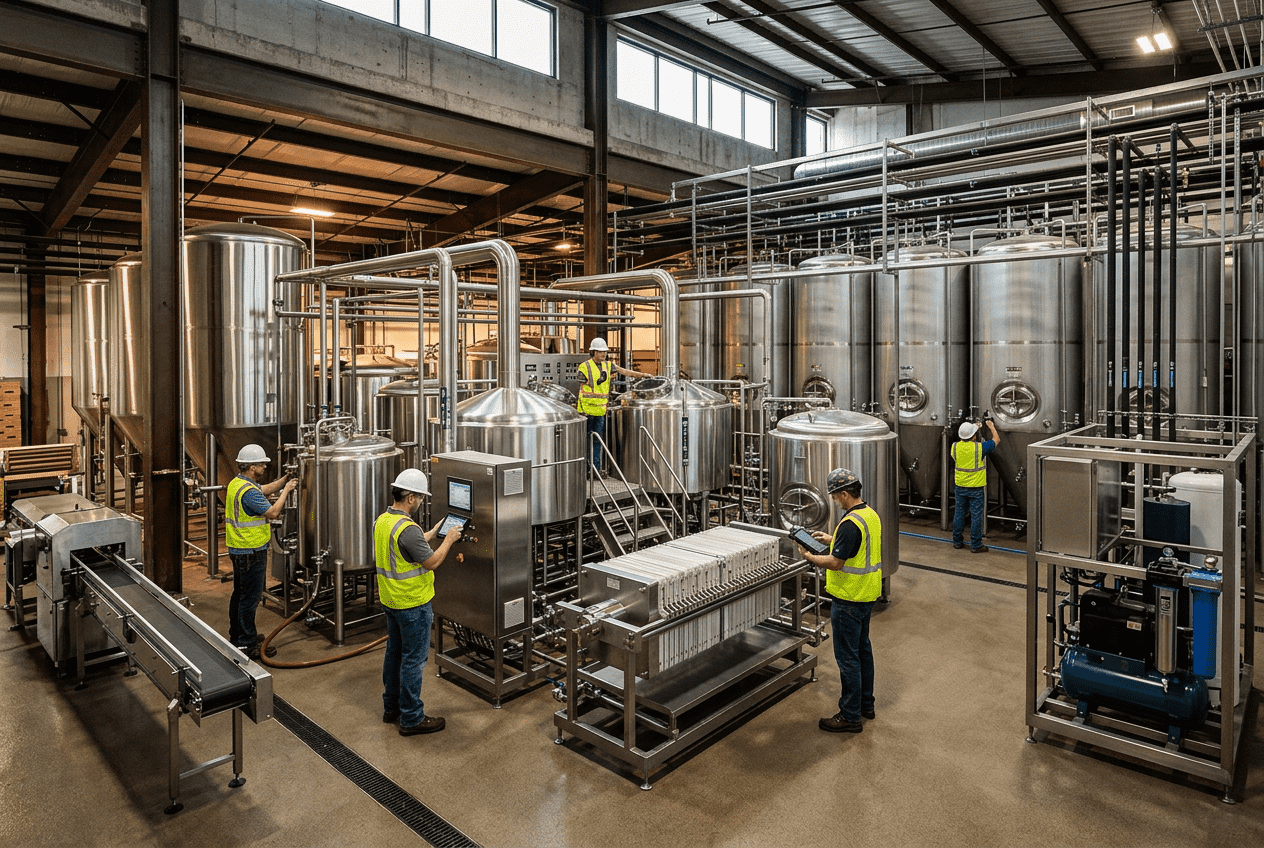
Insulation is one of the most overlooked profit drivers in food and beverage manufacturing. In the United States, processors face rising utility costs, stricter food safety expectations, and tighter production windows. Well-designed insulation reduces heat loss, limits refrigeration load, controls condensation, protects employees, stabilizes process temperatures, and supports compliance in USDA, FDA, SQF, and BRC environments. In practical terms, good insulation protects both product quality and operating margin. For plants in manufacturing hubs such as Chicago, Dallas, Atlanta, Fresno, Charlotte, Milwaukee, Houston, and the Port of Los Angeles distribution corridor, insulation performance is not just an engineering detail. It directly affects freezer throughput, CIP efficiency, steam generation costs, worker comfort, and moisture control in rooms where washdown and temperature swings are constant. From protein plants in the Midwest to beverage operations in North Carolina and California, insulation decisions should be made as part of a plant-wide utility and process strategy rather than as an afterthought. The best insulation strategy for a U.S. food plant is to prioritize the highest-loss and highest-risk areas first: steam and condensate lines, hot water systems, chilled glycol piping, tanks and vessels, cold rooms, freezer envelopes, and any surface prone to condensation. Use closed-cell materials for cold service where vapor control matters, choose durable cleanable jacketing in washdown zones, and verify thickness based on operating temperature, humidity, and energy cost. In food environments, insulation should support sanitation, resist moisture intrusion, and allow straightforward inspection and maintenance. If a plant wants fast energy savings, the biggest returns usually come from: In many facilities, insulation upgrades can pay back quickly because they reduce boiler fuel use, compressor run time, and maintenance caused by corrosion, ice buildup, or mold. The best results come when insulation is reviewed alongside process redesign, refrigeration load management, utility planning, and hygienic construction standards. Not all insulation points carry the same value. A food plant should rank insulation needs by energy impact, sanitation risk, operator safety, and process stability. The areas below usually deserve first attention. This table shows why a one-size-fits-all approach does not work. Steam mains may be the clearest energy target, but cold-service piping often creates more food safety exposure because wet insulation can lead to persistent moisture, mold growth, and hidden corrosion. In freezer areas, small envelope failures can produce chronic ice accumulation at doors, floor joints, and roof transitions. Facilities near humid regions such as Houston, New Orleans, Savannah, and coastal California often need more aggressive vapor control than inland dry-climate plants. On the other hand, Midwest and Northeast plants frequently experience seasonal stress from winter-to-summer swings that reveal weak pipe insulation, door frames, and roof penetrations. Typical product sectors with insulation-sensitive operations include: The chart above reflects a realistic trend seen across the U.S. market: more processors are treating insulation upgrades as part of broader energy and reliability programs, especially as utility costs and sustainability commitments grow heading into 2026. Insulating pipes and vessels in food plants is not just about wrapping hot or cold surfaces. It requires attention to process temperature, surface exposure, washdown, cleanability, corrosion risk, and access for maintenance. U.S. facilities typically align with internal engineering standards, insurer expectations, and recognized insulation practices for industrial mechanical systems. In food environments, the details that matter most are moisture exclusion, hygienic finish, and durability under repeated cleaning. For hot-service systems, such as steam, condensate, hot water, and thermal fluid, insulation thickness is usually driven by energy conservation, personnel protection, and freeze protection in some climates. For cold-service systems, vapor permeability becomes the deciding factor because condensation can destroy system performance and create sanitation concerns. The table highlights why insulation design has to match each utility or process service. A glycol header feeding bright tanks in a beverage plant has different requirements from a steam line feeding retorts in a shelf-stable foods facility. Plants that standardize only by “hot” and “cold” often miss important details around washdown durability, valve access, or vapor sealing. For vessels, insulation should also consider: In large retrofit projects, it is smart to combine insulation mapping with 3D utility coordination. That reduces clashes around support steel, access lanes, and sanitation clearances. This is especially important in dense urban or legacy facilities around Newark, Philadelphia, Minneapolis, and Seattle where utilities have often been layered over decades. Cold storage and freezer insulation must be treated as a building envelope system, not simply insulated panels. In U.S. food plants, recurring failures often come from joints, penetrations, slab edges, door frames, suspended supports, and transitions between cold and ambient zones. Even a well-insulated freezer can waste major energy if air leakage, vapor migration, or thermal bridging is left unresolved. The main design goals are to hold temperature, control frost, prevent condensation outside the envelope, and maintain floor performance. Distribution-oriented plants near ports such as Long Beach, Houston, and Savannah often see frequent door cycling, making vestibules, high-speed doors, and properly insulated loading interfaces especially important. This table shows that freezer performance depends on continuity. A freezer with excellent wall R-value can still underperform if a few penetrations leak vapor or if dock doors stay open too long. Food plants should analyze envelope performance along with material handling patterns, forklift routes, and staging strategy. For product categories such as frozen meals, ice cream, seafood, poultry, and prepared proteins, poor freezer insulation can cause not only energy waste but also product movement delays, defrost burden, and worker safety risks from slippery surfaces. In multi-zone plants, room-to-room pressure and humidity control should be coordinated with refrigeration, HVAC, and door sequencing. The trend is clear: by 2026, more U.S. processors are expected to shift capital from simple panel replacement toward complete envelope optimization, including floor transitions, penetrations, door systems, and dew-point control. Steam remains one of the most expensive utilities to waste. In food plants, steam serves kettles, blanchers, pasteurizers, retorts, hot water generators, humidification systems, and sanitation processes. Uninsulated or poorly insulated steam distribution lines increase boiler load, lengthen warm-up times, and create dangerous hot surfaces. They also reduce available steam quality at the point of use. A strong steam insulation program covers mains, branches, separators, valves, flanges, strainers, pressure reducing stations, and condensate return. The hidden losses at fittings are often severe. A plant may insulate long straight runs but leave key valves and strainers exposed, which can wipe out much of the savings. This table demonstrates why steam efficiency is more than boiler tuning. Distribution losses add up fast, especially in older plants with long runs between boiler rooms and process users. Facilities in Texas, Wisconsin, Pennsylvania, and the Carolinas often operate mixed-age utility systems where some lines have been upgraded and others have not. When buying steam line insulation work, food manufacturers should ask vendors to provide: The highest upgrade demand is typically seen in frozen foods and protein processing because these sectors combine steam-intensive operations with significant refrigerated space, creating large opportunities on both hot and cold sides of the plant. Material selection in food facilities should balance thermal performance, vapor resistance, washdown durability, cleanability, abuse resistance, and lifecycle cost. The lowest upfront material cost often performs poorly if the environment includes aggressive sanitation, forklift traffic, frequent maintenance access, or high ambient humidity. Material choice should also reflect product type and room use. Beverage plants with glycol loops and sanitary process rooms may prioritize closed-cell insulation and sealed finishes. Meat and poultry plants with heavier washdown exposure may need tougher jackets and more robust detailing. Dairy and aseptic operations often need both high thermal reliability and tidy cleanable surfaces. The explanation is simple: the right material depends on operating conditions and plant behavior. If maintenance crews often remove and fail to reinstall insulation, removable blankets may outperform rigid systems at valves. If a plant repeatedly fights condensation around cold tanks, cellular glass or carefully detailed closed-cell systems may be worth the added cost. In washdown-heavy zones, the jacket and seam details can matter more than the core insulation itself. Food safety considerations should include: Plants sourcing insulation or engineered system upgrades in the U.S. should vet local contractors carefully. Regional supplier strength varies by market. The Gulf Coast may offer strong industrial insulation labor for large utility systems, while Midwest food hubs may provide better familiarity with sanitary retrofits and refrigerated production zones. The best supplier is not always the closest; the best supplier is the one that understands food plant operations, shutdown planning, and hygienic detailing. Condensation is one of the most expensive “small” problems in a food plant. It can drip into non-product zones, stain ceilings, damage wall systems, wet insulation, corrode metal, create slip hazards, and contribute to mold growth in hidden spaces. Condensation occurs when a surface falls below the dew point of surrounding air. That means plant humidity, air leakage, ventilation, and insulation quality are all linked. Common condensation hotspots in U.S. food facilities include chilled piping over packaging lines, glycol headers in mezzanines, roof steel above coolers, unsealed freezer penetrations, and transition corridors between ambient and refrigerated spaces. Warm humid climates such as Florida, Texas, Louisiana, and coastal Georgia are especially challenging, but condensation can appear anywhere when air patterns and surface temperatures are mismatched. The most important lesson from this table is that condensation is rarely solved by patching one spot. It usually requires a root-cause review of dew point, vapor barrier continuity, room humidity, and air movement. If the same line or vessel “keeps sweating,” the problem may actually be door infiltration, washdown overspray, or poor HVAC balancing. For mold prevention, plants should respond quickly to any recurring wet insulation, musty odor, stained cladding, or chronic drip point. In regulated environments, these issues can escalate from maintenance concerns to audit findings. A formal moisture response plan should define how the site documents, isolates, inspects, and corrects condensation-related risks. The best insulation system will underperform without routine inspection. In food plants, insulation degrades from impact, washdown, thermal cycling, maintenance removal, corrosion under insulation, and unsealed modifications. A practical inspection program should be tied to preventive maintenance, sanitation observation, and shutdown planning. Instead of waiting for visible failure, facilities should assign insulation checks by risk tier. Steam mains and cold glycol headers deserve more frequent review than low-priority room-temperature utilities. Freezer envelope inspections should also be seasonal because summer humidity often exposes weaknesses that are less visible in winter. This schedule works best when paired with documentation. Plants should maintain an insulation asset register listing service, pipe size, system temperature, material type, install date, inspection history, and repair priority. Thermal imaging, utility metering, and maintenance work orders can then be linked to show where losses are recurring. As 2026 approaches, more U.S. processors are expected to use digital maintenance tools to manage utility infrastructure. Insulation inspections may increasingly be tied to CMMS workflows, energy dashboards, and sustainability reporting. Plants under pressure to cut Scope 1 and Scope 2 emissions will likely elevate insulation from a maintenance line item to a formal decarbonization project. This comparison chart illustrates a practical purchasing point: cold-service systems typically score higher on moisture resistance, while traditional hot-service systems remain strong in lifecycle value for steam applications. A balanced plant insulation strategy normally requires both. When comparing local suppliers or contractors, U.S. buyers should evaluate more than price. Important factors include food plant references, ability to work during shutdowns, knowledge of sanitary detail design, local labor coverage, documentation discipline, and experience coordinating with refrigeration, mechanical, and process contractors. Disruptive Process Solutions supports food and beverage manufacturers across the United States and Canada with a practical, profit-focused approach to capital execution. Rather than treating insulation as an isolated trade package, DPS evaluates it as part of the broader performance of utilities, process systems, and production environments. From a technological capability standpoint, DPS works across structural, mechanical, plumbing, electrical, process, and controls disciplines. That matters in insulation-heavy projects because steam, refrigeration, glycol, HVAC, CIP, automation, and energy management are tightly connected. A plant trying to reduce boiler load, improve freezer efficiency, or stabilize tank temperatures often needs integrated engineering, not a patchwork of separate recommendations. Learn more about the company’s background at DPS company overview. From a manufacturing capability standpoint, DPS also understands the process equipment side of the equation. The team supports food and beverage operations involving tanks, CIP systems, cooking vessels, fermentation systems, pasteurization lines, retort systems, dairy processing assets, and utility infrastructure. That product familiarity helps align insulation strategy with real operating needs such as batch hold temperature, glycol performance, cleanability, and access for maintenance. For equipment-related solutions, visit process equipment capabilities. From a service capability standpoint, DPS delivers engineering, capital planning, owner’s representation, project and program management, general contracting support where applicable, installation oversight, and full system integration. For food manufacturers planning a plant expansion, energy reduction program, freezer upgrade, or utility retrofit, that full-scope model reduces coordination gaps. More detail is available through engineering and project services. A practical example of this approach can be seen in complex projects where utility performance directly affects profitability. Whether a client is building a new beverage co-packing site, relocating major process equipment, or retrofitting hot and cold utility systems in an active production plant, insulation strategy is strongest when embedded in process design, scheduling, and capital planning from the start. Selected project examples can be explored in food and beverage case studies. For buyers in the United States, especially those operating in fast-moving sectors such as protein processing, dairy, RTD beverages, sauces, and frozen foods, the key advantage is integration. Insulation savings are real, but the larger value often comes from linking insulation decisions to throughput, sanitation, maintenance access, and long-term operating cost. What insulation upgrades usually save the most energy in a food plant?Steam mains, exposed valves, condensate return, chilled glycol lines, and freezer door or penetration improvements typically deliver the fastest measurable returns. How often should food plant insulation be inspected?High-priority hot and cold systems should be visually checked monthly, with more frequent humid-season checks on cold-service piping. A full annual thermal review is highly recommended. Which insulation materials are best for cold process piping?Closed-cell elastomeric systems are common, while cellular glass is often chosen for demanding applications where moisture resistance and longevity are critical. Can insulation affect food safety audits?Yes. Condensation, mold risk, damaged jacketing, and hidden wet insulation can become sanitation and compliance concerns, particularly in USDA, FDA, SQF, and BRC-regulated environments. Why do freezers still ice up after panel repairs?Because the root cause may be door infiltration, unsealed penetrations, slab edge issues, or poor humidity control rather than the panels themselves. Is removable insulation worth it for valves and PRV stations?Usually yes. In maintenance-heavy areas, removable blankets help preserve energy savings while allowing access and encouraging reinstallation after service. How should buyers compare insulation contractors in the United States?Look for food plant experience, shutdown execution capability, washdown detailing knowledge, documentation quality, and understanding of process utilities, not just low bid pricing. What trends are shaping insulation decisions through 2026?Higher utility costs, decarbonization targets, digital maintenance tracking, better vapor-control systems, and stricter moisture management in sanitary spaces are all pushing more strategic insulation investment. In conclusion, insulation best practices in U.S. food facilities are about much more than energy savings alone. They support product quality, operator safety, moisture control, environmental performance, and profitability. The most successful projects prioritize critical areas first, choose food-appropriate materials, inspect systems routinely, and coordinate insulation with process engineering, refrigeration, steam, and plant operations. For manufacturers building or upgrading plants from California to the Carolinas, and from Midwest protein hubs to Gulf Coast cold-chain centers, insulation is a high-value engineering decision that deserves executive attention. -
CIP System Manufacturer for Food Plants
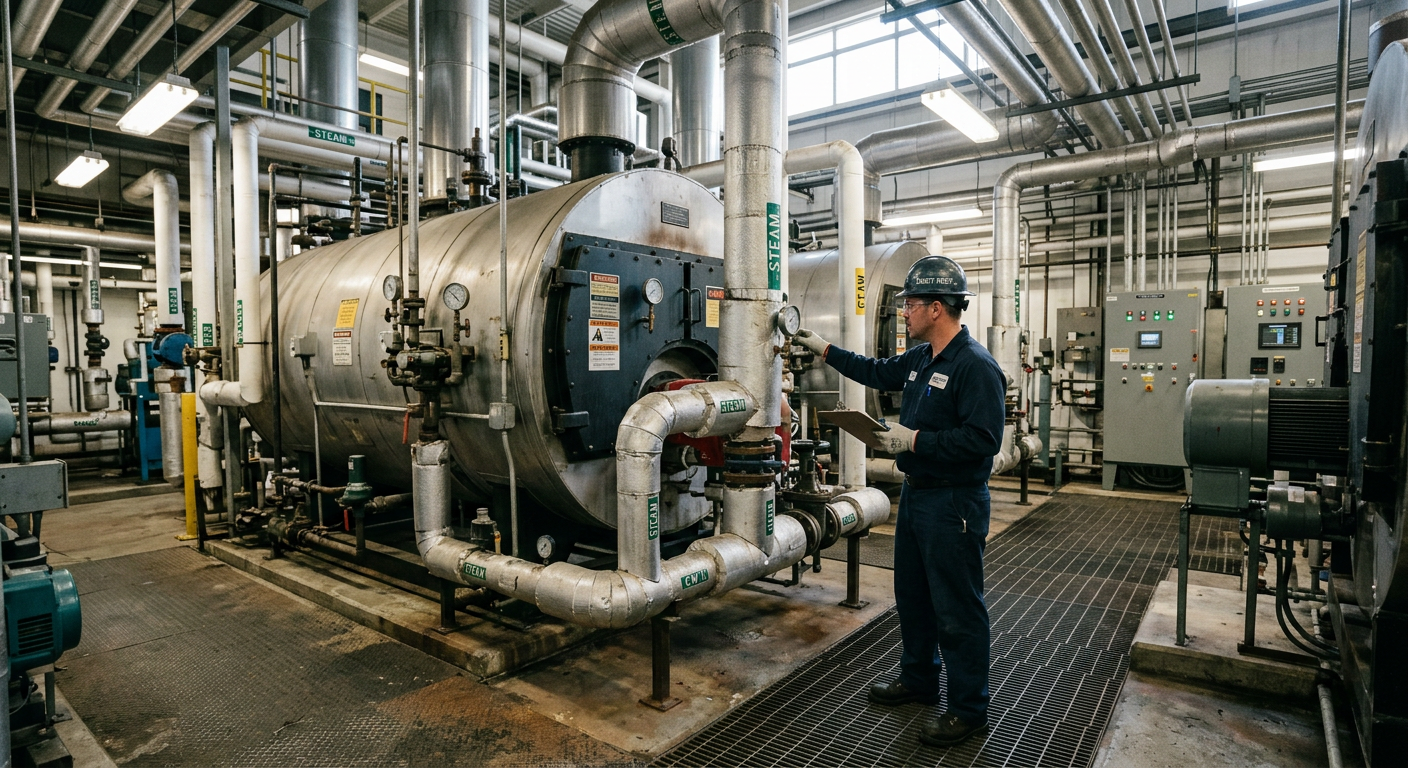
Clean-in-place systems are critical for modern food and beverage plants in the United States because they directly affect sanitation, uptime, product quality, labor efficiency, and audit readiness. The right CIP system manufacturer should deliver more than a skid with tanks and pumps. A strong supplier should understand sanitary design, food safety regulations, process integration, automation, utility loads, cleaning chemistry, installation constraints, and long-term support. For U.S. processors in dairy, beverage, protein, prepared foods, sauces, and aseptic operations, the best partner is typically one that can engineer the CIP package around actual plant conditions instead of forcing a generic design into a complex process environment. Across major manufacturing corridors such as the Midwest dairy belt, the Southeast protein market, California beverage production, Texas distribution hubs, and East Coast co-packing regions, plant owners are placing more emphasis on validated cleaning performance, water and caustic recovery, labor reduction, and faster changeovers. That is why evaluating a CIP system manufacturer carefully is a capital decision, not just an equipment purchase. If you need a short answer, look for a CIP system manufacturer in the United States that can prove six things: sanitary compliance capability, process engineering depth, high build quality, realistic lead times, field execution support, and dependable after-sales service. A qualified manufacturer should be able to explain why a certain tank volume, return flow, circuit segregation, conductivity control, heat source, and automation architecture are right for your plant. They should also show evidence of food and beverage experience, not only stainless fabrication skill. For many U.S. food plants, the most dependable choice is a partner that combines engineering, fabrication, installation, and integration. That matters because CIP performance depends on the whole system: supply tanks, pumps, heat exchangers, valve matrices, instrumentation, PLC logic, recipe control, return verification, drainability, and the process equipment being cleaned. A manufacturer that only fabricates hardware may leave the owner to solve design coordination gaps later. The table above is useful because many buyers focus first on tank count or skid price, while the larger cost is usually hidden in startup delays, poor cleaning coverage, excess water use, or frequent manual intervention. A U.S. buyer should start with the manufacturer’s ability to understand the process, not just the equipment. A good supplier will ask what products are being run, what soils must be removed, how many circuits are needed, what the shift pattern is, whether allergen changeovers are involved, what utility limits exist, and whether expansion is planned. A plant in Chicago running dairy proteins has very different CIP demands than a kombucha facility in Los Angeles, a sauce processor near Atlanta, or a meat plant outside Omaha. Key buying criteria usually include: Manufacturers that work across both greenfield and brownfield projects usually add more value because they know how to fit a CIP skid into existing plants with ceiling restrictions, limited trenching, old PLC standards, or phased shutdown windows. Companies with broad process knowledge can also connect CIP decisions to business outcomes such as labor savings, production uptime, water reduction, and future line additions. In the United States, that often separates a simple fabricator from a strategic project partner. For example, a firm such as Disruptive Process Solutions stands out because it approaches processing projects from the combined perspectives of engineering, capital planning, installation, and integration. That kind of structure is valuable when CIP needs to work as part of a full production ecosystem rather than as a stand-alone skid. The line chart shows why CIP system selection is receiving more attention: demand continues to rise with plant automation, sanitation scrutiny, and water optimization goals across U.S. manufacturing sectors. In food and beverage processing, compliance capability is one of the clearest indicators of a serious CIP system manufacturer. In the United States, 3-A sanitary principles and FSMA expectations strongly influence hygienic design and preventive controls. EHEDG is more often associated with European sanitary design, but its principles are increasingly referenced by multinational processors and U.S. plants that want globally aligned hygienic performance. A competent manufacturer should be able to discuss: FSMA does not prescribe a single CIP skid layout, but it does expect preventive controls, verifiable sanitation, and documented procedures. That means the supplier should help support repeatable time, temperature, concentration, and flow conditions. If the plant serves dairy, aseptic beverage, RTE foods, or USDA-regulated protein, the need for disciplined hygienic design becomes even more important. This table matters because compliance is rarely one certificate or one component. It is the result of design discipline, documentation, and execution quality working together. Some plants benefit from standard CIP skids, while others require custom engineering. A standard skid may be a strong fit for a smaller beverage plant, a pilot facility, a dedicated process line, or a straightforward washdown application with limited recipes. Standardized packages can reduce cost and shorten lead times. Custom engineering is usually the better choice when the plant has multiple circuits, mixed product categories, allergen concerns, brownfield constraints, variable utility loads, high automation requirements, or aggressive recovery targets for water and chemistry. This is common in U.S. dairy plants, sauce facilities, protein processing, aseptic operations, and large co-packers. A strong manufacturer should not force either option. Instead, they should recommend the level of customization that fits your risk profile, production model, and growth plan. In many cases, the best answer is a modular approach: standardize the base skid architecture but customize the controls, valve matrix, instrumentation, recovery logic, and tie-ins. The comparison above helps buyers avoid overbuying or underbuying. Plants near major expansion zones such as Dallas-Fort Worth, Charlotte, Fresno, Milwaukee, and the greater Toronto cross-border corridor often benefit from custom configurations because growth and line additions are likely. At a minimum, every serious CIP system manufacturer should provide a complete, well-documented package rather than just a frame with vessels. The exact scope varies, but most robust food-grade CIP systems include tanks, pumps, heating, instrumentation, valves, controls, and a documented operating philosophy. Core components usually include fresh water, caustic, acid, and recovery tanks; supply and return pumps; plate heat exchangers or direct heating methods; conductivity, temperature, and flow instruments; sanitary valves; automation hardware; and a control panel with recipe logic. More advanced systems may add pigging interfaces, chemical dosing skids, inline titration support, remote access, data logging, and SCADA integration. When buyers review quotations, they should also check for included deliverables such as P&IDs, GA drawings, utility requirements, I/O lists, instrument data sheets, sequence narratives, FAT protocols, startup plans, spare parts lists, and operator training materials. The explanation here is simple: many CIP projects go wrong not because of one major error, but because something basic was omitted from the package scope and discovered only during installation or startup. The bar chart highlights that demand is not limited to one category. While dairy and beverage remain especially active, aseptic and protein applications also show strong investment needs in the U.S. market. Manufacturing quality is where many CIP suppliers begin to separate from one another. A system may look polished on delivery day, but long-term performance depends on metallurgy, fabrication standards, weld consistency, internal finish quality, and documentation. In hygienic processing, appearance is not enough. Ask what grades of stainless steel are used for product-contact and non-product-contact areas. In many U.S. food plants, 304 stainless may be adequate for some structural or utility applications, while 316L is preferred in more corrosive or demanding service. Ask how welds are qualified, whether orbital welding is used where appropriate, and how internal welds are inspected and finished. Surface finish should be specified, not implied. Passivation practices should also be discussed clearly. Good manufacturers should be comfortable explaining their QA workflow, including material traceability, weld maps if applicable, hold points, pressure testing, drainability checks, FAT criteria, and as-built documentation. If the supplier becomes vague when asked about internal finish quality, that is a warning sign. This is also where domestic project execution can help. A manufacturer serving the United States with fabrication discipline and strong project oversight can often reduce the risk of receiving a CIP package that looks acceptable externally but creates sanitation or maintenance issues later. DPS is relevant in this context because its equipment offering is tied to broader process execution, not isolated from it. Through its process equipment capabilities, the company supports custom tanks and CIP packages in ways that align with integrated plant performance rather than just unit delivery. That is especially valuable when sanitary fabrication needs to match installation realities and controls integration. Lead time is not just fabrication time. It includes design review, procurement of pumps and valves, controls panel build, FAT scheduling, freight, onsite rigging coordination, utility readiness, installation sequencing, and startup planning. U.S. buyers should request a full project timeline, not just a promised ship date. For plants around high-traffic logistics hubs like Houston, Savannah, Long Beach, Newark, and Chicago, freight and site access planning can materially affect schedule. Brownfield facilities may also have shutdown windows that are only available during holiday periods or low-volume seasons. A qualified CIP manufacturer should understand these constraints and offer realistic planning. Installation support is equally important. Some suppliers ship the skid and walk away. Others provide field supervision, tie-in support, commissioning assistance, recipe tuning, and operator training. The latter usually lowers total project risk, even if the initial equipment quote appears higher. The value of the table is practical: delays in CIP projects often come from assumptions between engineering, fabrication, controls, and site contractors, not from one missing tank or valve. After-sales service is often underestimated during procurement, but it becomes highly important after the system is live. Even a well-built CIP skid will need spare gaskets, valve rebuild parts, instrumentation calibration, pump seal support, and periodic recipe review. A supplier should make ongoing support easy, not difficult. Look for manufacturers that offer: Processors with multiple sites in North America should also ask whether the supplier can support standardization across plants. That can reduce training burden and spare parts complexity. A partner with project, controls, and service reach can be especially useful for companies operating in multiple states. This is one of the stronger service advantages for a company built around end-to-end execution. Through its engineering and project services, DPS supports clients not only with equipment supply but also with integration, commissioning, and broader facility execution. That matters when a CIP issue turns out to be tied to utility performance, process sequencing, or line integration rather than to the skid itself. The area chart reflects a major market shift: U.S. processors increasingly want automated, traceable CIP systems rather than manual or lightly controlled wash processes. Experience should be measured by relevance, not by broad claims. Ask the manufacturer where they have worked: dairy, RTD beverages, breweries, distilleries, sauces, proteins, aseptic processing, or co-packing. A supplier that understands one category deeply may still struggle in another. Cleaning a yogurt line is different from cleaning a distillation system, a marinade line, or an aseptic beverage blend room. Useful proof points include reference projects, FAT examples, P&ID quality, controls narratives, utility balance understanding, and the ability to explain why a cleaning recipe works for specific soils. Buyers should also ask about brownfield experience, because many U.S. plant upgrades take place in operating facilities with limited space and limited shutdown windows. Another important indicator is cross-functional capability. The strongest manufacturers usually combine three layers of expertise: DPS is a relevant example because its operating model extends beyond fabrication. The company works across North America with food and beverage engineering, capital planning, turnkey installation, and integrated execution. Its technical base includes process, mechanical, electrical, plumbing, structural, and controls disciplines, while its equipment side includes custom process tanks and CIP systems. That broad capability is useful when a processor wants one accountable partner rather than fragmented vendors. Its industry exposure is also meaningful. Beverage work includes brewing, spirits, wine, kombucha, carbonated and non-carbonated drinks, juice, dairy beverages, and aseptic processing. On the food side, the mix spans protein, prepared foods, sauces, dairy, retort, and plant-based applications. For buyers, that kind of range matters because CIP design assumptions vary significantly by product type and sanitation risk. The table works as a due-diligence checklist. It helps procurement teams, plant engineers, QA managers, and operations leaders evaluate suppliers using objective evidence instead of sales language. What is the main difference between a CIP fabricator and a CIP system partner?A fabricator builds hardware. A system partner engineers the cleaning process, integrates utilities and controls, supports installation, and helps validate operational performance. Do all food plants need a custom CIP system?No. Smaller or simpler operations may do well with a standard skid. Plants with multiple circuits, allergen risks, or complex automation usually benefit from custom engineering. Should a U.S. buyer require 3-A compliance?It depends on the application, but strong knowledge of 3-A sanitary principles is highly desirable for many food and beverage systems because it supports hygienic design and cleanability. How important is EHEDG for United States facilities?It is not always mandatory, but EHEDG-informed design principles are increasingly valued by multinational processors and plants seeking globally robust sanitary design practices. What documentation should come with a CIP system?At minimum, expect P&IDs, GA drawings, instrument lists, utility requirements, operating manuals, control narratives, FAT records, and spare parts recommendations. What are common mistakes when buying a CIP skid?Underestimating return-side design, ignoring utility limits, treating automation as optional, failing to plan future circuits, and choosing on price alone without checking food-industry experience. How long does a CIP project usually take?It varies widely by complexity. A simpler package may move quickly, while a custom multi-circuit system with plant integration can take several months from design through commissioning. Can one supplier support both equipment and installation?Yes, and that is often preferable. Integrated suppliers reduce handoff risk. For example, firms with design-build-install capability can align fabrication, controls, field trades, and startup. What industries in the United States are investing most in CIP upgrades?Dairy, beverage, aseptic processing, proteins, and prepared foods are especially active due to sanitation demands, labor pressure, and sustainability targets. What trends will shape CIP buying decisions through 2026?Expect more demand for data-logged cleaning records, remote diagnostics, reduced water and chemical consumption, heat recovery, modular skids, stronger cyber-ready controls, and designs aligned with sustainability goals and tighter food safety expectations. The comparison chart illustrates why many processors now prefer integrated suppliers over fabrication-only sources. The higher-value model tends to perform better in controls, scalability, and field execution. Looking ahead to 2026, buyers in the United States should expect CIP systems to become more connected, more measured, and more resource-efficient. Water reuse strategies, conductivity-based diversion, thermal recovery, digital batch records, and remote service visibility are moving from nice-to-have features to standard expectations in larger plants. Policy and audit pressure will continue to favor documented sanitation performance, while labor constraints will push further automation. Sustainability targets will also encourage reduced water, steam, and chemical consumption without compromising hygienic effectiveness. For processors evaluating suppliers now, the most practical approach is to choose a manufacturer that can support not only today’s cleaning duty but also tomorrow’s compliance, efficiency, and expansion needs. That means looking for strong process understanding, serious sanitary design capability, disciplined fabrication, transparent execution, and long-term support. If your team is comparing partners for a new or upgraded CIP system, review actual project examples, ask detailed engineering questions, and evaluate how well the supplier understands your broader plant goals. Companies that combine process insight with execution discipline tend to create better outcomes over the life of the asset. To see how integrated food and beverage projects are approached in practice, you can also review selected project case examples from DPS across North American manufacturing environments. -
Food Plant LED Lighting Upgrade: Savings and Implementation
Food and beverage manufacturers across the United States are upgrading plant lighting for the same reasons they modernize utilities, controls, and process systems: lower operating cost, better visibility, stronger sanitation performance, and reduced maintenance risk. In high-throughput facilities handling proteins, dairy, beverages, prepared foods, and aseptic products, lighting is not just a building issue. It affects inspection accuracy, sanitation readiness, employee safety, downtime planning, and total cost of ownership. A well-designed LED program can cut lighting energy use significantly, improve light uniformity on production lines, and reduce lamp replacement in hard-to-access areas such as cold rooms, mezzanines, packaging halls, and washdown zones. In markets such as Chicago, Dallas, Fresno, Atlanta, Charlotte, Houston, Los Angeles, Long Beach, Savannah, and Newark, many processors are also pairing lighting upgrades with wider capital improvements tied to automation, utility optimization, warehouse expansion, and compliance readiness. As labor pressure, utility rates, sustainability targets, and 2026 reporting expectations continue to rise, food-safe LED fixtures, controls, and commissioning quality matter more than ever. The quick answer is this: most U.S. food plants can reduce lighting energy use by 40% to 75% through a properly engineered LED conversion, with faster payback when the project includes controls, cold-storage optimization, and utility rebates. The best results come from selecting NSF-oriented or washdown-ready fixtures where required, matching color temperature and CRI to the task, and scheduling installation during production shutdowns or line changeovers. For a food plant, the right lighting upgrade is rarely a simple one-for-one bulb swap. Facilities operating under FDA, USDA, SQF, or BRC expectations should evaluate fixture housing, ingress protection, shatter resistance, cleanability, mounting method, thermal performance, and maintenance access. Packaging rooms, blending areas, filler rooms, dry storage, freezers, maintenance shops, and exterior loading areas each need different lighting criteria. In practical terms, a U.S. processor should expect the following outcomes from a well-scoped project: Plants near major logistics hubs such as the Port of Houston, Port of Savannah, the Inland Empire, or the I-85 manufacturing corridor often use shutdown windows strategically to bundle lighting with electrical upgrades, line relocations, refrigeration work, and process area renovations. That integrated approach typically reduces disruption and improves project ROI. The chart above illustrates a realistic growth path for LED retrofit adoption in U.S. food manufacturing facilities. Growth is being driven by higher electricity prices, labor constraints, stricter uptime expectations, and the increased availability of rebate-supported controls packages. Energy savings from LED conversion depend on the baseline technology, operating hours, and control strategy. A plant replacing T12, T8, metal halide, or high-pressure sodium fixtures can often achieve substantial savings even before adding occupancy sensors. Facilities running 16 to 24 hours per day see the fastest returns because their lighting load is active across multiple shifts. Typical food plant savings scenarios include production areas, utility corridors, boiler rooms, packaging halls, cooler docks, dry warehouses, and exterior truck circulation zones. Savings also rise when old fixtures have degraded lenses, poor ballast performance, or excessive restrike times. This table shows why fixture type matters. A plant in Wisconsin or Pennsylvania with older fluorescent lighting in refrigerated processing can have a different savings profile than a beverage site in California replacing metal halide in a high-bay warehouse. The largest economic gains often combine lower wattage, better optical distribution, and reduced maintenance in difficult-access zones. To refine the business case, plants should calculate: When manufacturers are preparing larger capital programs, lighting can also be bundled with electrical distribution upgrades, VFD projects, refrigeration optimization, and automation. That bundling is especially common in mature industrial markets such as the Carolinas, Texas, the Central Valley, and the Midwest. Food-safe lighting fixture selection should be based on zone classification, sanitation practice, moisture exposure, temperature, and audit expectations. In washdown and exposed product environments, fixture design affects both hygiene and reliability. Smooth housings, sealed construction, shatter-resistant lenses, corrosion-resistant materials, and hygienic mounting methods are often more important than the lowest first cost. Different product categories also change the requirement. Protein plants in Arkansas, Iowa, and Georgia may prioritize hose-down durability and impact resistance. Dairy and aseptic processors may focus more heavily on cleanability, condensation control, and documentation. Beverage facilities with syrup rooms, canning halls, and CIP corridors may need a mixed-spec package spanning hygienic, utility-grade, and warehouse-grade lighting types. The explanation here is straightforward: a fixture that performs well in a dry storage area may fail prematurely in a washdown room. Buying advice should therefore be based on process risk, not just lumen output. That is why many processors use room-by-room lighting schedules rather than one plant-wide standard SKU. Local supplier availability matters too. In high-density industrial regions such as Southern California, Chicagoland, New Jersey, and the Atlanta metro, lead times may be shorter for common warehouse fixtures than for specialized hygienic luminaires. During procurement, plants should check approved alternates, replacement driver availability, and service support before issuing purchase orders. Color temperature affects visibility, worker comfort, and inspection quality. In food plants, the most common recommendation is not “one color for the whole site,” but a tailored range by function. Cooler white light can support visibility and contrast in packaging, inspection, and detailed work. Warmer tones may be acceptable in support spaces, though they are less common in active production environments. CRI, or color rendering index, should also be considered alongside color temperature. For quality control, label checks, sanitation verification, and product appearance review, higher CRI often helps teams detect defects more easily. This is especially relevant in meat processing, dairy packaging, ready-to-drink production, and sauce filling lines. This table explains why color temperature should be chosen by task. A processor in Minneapolis operating frozen storage does not need the same visual environment as a co-packer in Phoenix running fast packaging lines with code-date verification. In many U.S. plants, 4000K and 5000K are the practical standards, but the final decision should still follow a photometric review. Controls and occupancy sensors can extend the value of an LED conversion well beyond the fixture swap itself. In food manufacturing, the most effective control strategies are targeted, not excessive. Areas with irregular traffic, intermittent forklift activity, or long idle periods usually create the strongest controls ROI. Constant-activity spaces, by contrast, may not justify aggressive switching but can still benefit from zoning and scheduling. Good candidates for sensors include maintenance corridors, ingredient staging, dry storage, cooler anterooms, electrical rooms, locker rooms, and certain warehouse aisles. Daylight harvesting can work near clerestories, dock doors, or perimeter warehouse walls, especially in newer facilities in California, Arizona, Nevada, and Texas where daylight exposure is stronger. The explanation here is that controls are most valuable when they align with actual operating patterns. A line-side processing room in Omaha or Charlotte running continuously should not be treated the same as a low-traffic utility mezzanine. Plants that over-automate lighting often create operator frustration, while plants that zone and commission controls properly tend to see durable savings. The industry demand comparison above reflects where retrofit momentum is strongest. Protein and warehousing environments frequently see especially high demand because of long operating hours, harsh conditions, and maintenance challenges. Beverage and prepared foods also remain active due to packaging visibility requirements and broad sustainability commitments. Cold storage lighting deserves its own design review because low temperatures amplify weak fixture selection. Freezers, coolers, blast chill spaces, and refrigerated docks require LED fixtures and drivers specifically rated for those environments. Unlike older technologies, LEDs perform well in cold conditions when the components are designed correctly, but poor driver selection, inadequate seals, or condensation exposure can still shorten life. For cold rooms in states such as Minnesota, Michigan, New York, and Colorado, plants should focus on startup reliability, lens fogging resistance, vibration tolerance, emergency egress illumination, and the interaction between occupancy patterns and control settings. High-output fixtures may be necessary in taller freezer warehouses, while smaller coolers can benefit from tighter zoning and sensor logic. The practical takeaway is that cold-storage lighting should be engineered as part of the refrigeration operating environment, not treated like standard warehouse lighting. In freezer-heavy distribution corridors around Indianapolis, Kansas City, and the Northeast, sensor strategy and fixture durability often determine project success as much as wattage reduction. This area chart shows a broader market trend: plants are moving from simple LED replacement toward integrated lighting systems that include zoning, data visibility, and smarter controls. By 2026, this shift is expected to accelerate as energy reporting, labor efficiency, and predictive maintenance become more central to plant management. Utility rebate and incentive programs can materially improve project economics in the United States, but they must be managed carefully. The incentive structure may be prescriptive, custom, or a hybrid depending on utility territory, facility type, and project scope. Some programs reward fixture counts; others pay based on calculated demand or annual energy reduction. Deadlines, pre-approval requirements, and documentation standards vary widely. Manufacturers in California, Massachusetts, New York, Illinois, North Carolina, and Texas often have access to meaningful programs, though the value can differ by utility service area. Plants should confirm whether controls, freezer fixtures, exterior lighting, and networked systems are all eligible. In some cases, a utility-approved lighting worksheet or pre-inspection is required before installation begins. For capital teams, the best practice is to integrate rebate strategy into the front-end budget rather than treat it as a last-minute paperwork task. That includes validating baseline counts, keeping cut sheets, preserving invoices, and documenting commissioning. Plants that miss the sequencing rules often reduce or lose incentive value. Incentives also pair well with broader modernization efforts. If a processor is simultaneously upgrading process rooms, utilities, or line layouts, lighting can be folded into the same energy and capital planning conversation. This is particularly useful for multi-site operators comparing rollout opportunities across the Southeast, Midwest, and West Coast. Installation during production shutdowns is often the safest and least disruptive way to execute a food plant LED retrofit. Shutdown work reduces interference with sanitation, forklift traffic, line staffing, and quality routines. It also creates a better opportunity to coordinate lifts, electrical lockout/tagout, and circuit rebalancing. For sites running seasonal peaks or weekend sanitation windows, planning detail matters as much as fixture selection. Most successful projects begin with a room-by-room phasing plan that aligns with actual production constraints. A dairy site near Madison may schedule cooler and packaging work during a weekend outage. A beverage co-packer near Charlotte or Dallas may phase installation around tank cleaning, line changeovers, or utility maintenance windows. A protein facility near Omaha may isolate work by department to avoid cross-traffic during critical shifts. The explanation is simple: installation risk is manageable when plant operations, quality, maintenance, and contractors all work from one integrated execution plan. Many companies underestimate post-install commissioning, yet that is where aiming, sensor timing, and zoning are finalized. Plants looking for broader support on engineering and execution often benefit from partners that can handle design coordination, contractor management, and installation integration together. More information on integrated project delivery can be found through food and beverage engineering services, especially when lighting is part of a larger utility or process modernization scope. This comparison view highlights how different product categories score against common food plant use cases. It reinforces an important buying principle: the best fixture for a freezer is not necessarily the best fixture for a packaging line or exterior truck apron. For manufacturers that need more than a lighting vendor, the ideal project partner understands the production environment as well as the electrical scope. Disruptive Process Solutions works with food and beverage manufacturers across the United States and Canada on capital projects where profitability, operational continuity, and execution discipline matter as much as equipment selection. DPS supports complex facility environments with multidisciplinary engineering and integration capability. That includes electrical coordination, controls and automation awareness, utility planning, and project engineering across process-intensive sites. Because lighting upgrades frequently overlap with distribution, controls, SCADA visibility, refrigeration, and broader plant modernization, DPS approaches projects in a way that aligns the electrical work with operational reality rather than treating it as an isolated trade package. In addition to engineering support, DPS also brings practical manufacturing understanding from real food and beverage environments. The company works across protein processing, prepared foods, dairy, beverage, aseptic systems, and specialty operations. That process familiarity is important when planning lighting upgrades in washdown rooms, filling areas, cold storage, utility corridors, and packaging halls. DPS also develops its own process equipment offerings, which strengthens coordination when lighting work is bundled with process equipment relocation, utility expansion, or line integration. More on its equipment expertise can be found in its process equipment portfolio. DPS is built around an end-to-end project model that combines design, build, and management. For manufacturers, that means support can extend from early feasibility and capital planning through contractor coordination, field execution, commissioning, and owner representation. When a lighting upgrade is part of a larger plant investment, this structure helps reduce handoff gaps and keeps scheduling, budget, safety, and production constraints aligned. Examples of project-oriented execution can be reviewed through selected industry case studies. That integrated approach is especially useful for multi-site processors, fast-growing co-packers, and manufacturers planning shutdown work in tight windows. Instead of viewing lighting only as a maintenance line item, DPS helps clients frame it within broader plant performance, smart capital deployment, and long-term operating return. 1. How much can a food plant save with an LED upgrade?Most facilities save 40% to 75% on lighting energy, depending on the existing system, operating hours, and whether controls are added. 2. Are standard commercial fixtures acceptable in food processing rooms?Not always. Wet, washdown, exposed product, and cold environments often require food-safe or sealed fixtures with stronger cleanability and durability characteristics. 3. What color temperature is best for production areas?In many U.S. food plants, 4000K to 5000K works best. Packaging, inspection, and code-reading zones often benefit from 5000K with good CRI. 4. Do occupancy sensors work in food plants?Yes, but only in the right areas. Warehouses, utility rooms, vestibules, and intermittent-use spaces typically perform well. Active production lines may be better served by zoning and schedules. 5. Are LED fixtures good for freezers?Yes, if they are specifically rated for low-temperature operation and paired with suitable controls and sealing. 6. How long does installation usually take?Small projects can be completed in a few days, while large multi-area retrofits may be phased over several shutdowns. Timing depends on access, sanitation constraints, and procurement lead times. 7. Can rebates materially change project payback?Absolutely. In some utility territories, incentives can reduce upfront cost enough to shorten payback by many months. 8. What are the biggest buying mistakes?Choosing fixtures based only on lumen output, ignoring sanitation exposure, skipping photometrics, forgetting control compatibility, and failing to plan around shutdown windows. 9. Which industries benefit most?Protein, dairy, beverage, prepared foods, frozen foods, co-packing, and large warehouse operations all see strong value, though the design criteria vary by process. 10. What trends should plants watch for in 2026?Expect stronger demand for networked controls, more integration with energy dashboards, greater use of rebate-backed smart systems, and continued emphasis on sustainability reporting, maintenance reduction, and resilient hygienic design. By 2026, the market direction is clear: U.S. food and beverage plants will continue shifting from simple lamp replacement to engineered lighting modernization tied to safety, sanitation, productivity, and sustainability. Facilities that treat LED conversion as a strategic plant improvement rather than a commodity purchase are more likely to secure long-term savings, better visual performance, and smoother execution during shutdowns. For companies operating in competitive manufacturing corridors from North Carolina to California and from Texas to the Midwest, the strongest outcomes usually come from integrated planning, area-specific fixture selection, and a partner that understands both plant operations and capital project delivery. -
Food Plant Controls Integration
Food plant controls integration is the process of connecting automation, data, and business systems so production equipment, operators, maintenance teams, and management can work from the same information. In a modern U.S. food or beverage facility, that usually means linking PLCs, HMIs, SCADA, historians, MES platforms, quality systems, and ERP software so plant-floor signals become usable operational intelligence. When done correctly, integration improves throughput, traceability, downtime response, recipe consistency, labor efficiency, and capital planning. Across the United States, manufacturers in places such as Chicago, Dallas, Fresno, Charlotte, Atlanta, Houston, Los Angeles, and the greater Midwest processing corridor are under pressure to produce more with tighter labor markets, stricter traceability expectations, and leaner margins. Facilities near logistics hubs like the Port of Los Angeles, the Port of Houston, Savannah, and rail-connected distribution networks increasingly need integrated operations because production delays do not stay inside one department anymore; they ripple through warehousing, freight scheduling, customer fill rates, and profitability. For companies evaluating modernization, integration is not just a software project. It is a plant performance project. The real value comes from defining data ownership, standardizing equipment communication, aligning operations technology with business systems, and commissioning a solution that operators will actually use. Controls integration in food manufacturing means making PLCs, SCADA, MES, and ERP systems work together as one coordinated environment. The goal is to move from isolated equipment and disconnected data to real-time visibility, faster decision-making, better batch control, stronger traceability, and higher overall equipment effectiveness. In the United States market, the strongest integration projects usually combine legacy equipment strategy, open communication standards such as OPC UA, contextualized production data, cybersecurity segmentation, and disciplined commissioning. For a processor considering whether integration is worth the investment, the answer is usually yes when the plant has recurring downtime, inconsistent recipes, manual reporting, poor production scheduling feedback, or multiple lines that cannot share common performance metrics. A properly scoped project often delivers measurable gains in throughput, labor utilization, and quality without immediately requiring a full greenfield rebuild. The table above shows why integration should be viewed as a business improvement framework rather than a narrow controls upgrade. Each pain point starts on the plant floor, but the impact reaches scheduling, quality, customer service, and finance. At the equipment layer, PLCs run conveyors, pumps, fillers, mixers, pasteurizers, retorts, packaging systems, clean-in-place skids, and utility assets. They are the real-time control engines. SCADA sits above the PLC layer and provides supervisory control, alarm management, visualization, and data collection. MES then turns production signals into workflow logic such as batch execution, work order tracking, electronic records, downtime categorization, and performance management. ERP operates at the business layer, managing purchasing, inventory, demand planning, financials, and enterprise scheduling. The problem in many older U.S. plants is not that these systems do not exist. It is that they exist separately. The mixer may know a batch started at 7:03 a.m., the SCADA system may record temperatures, the quality lab may hold test results in a spreadsheet, and the ERP may close the order hours later based on manual entry. That delay creates blind spots. When these layers are connected properly, a planned production order from ERP can flow into MES, which issues a batch or line instruction to the plant. SCADA and PLCs execute the process, operators view status in real time, quality checks are logged against the correct lot, and actual production consumption and output are sent back upstream. This creates closed-loop visibility. In beverage plants, this often means integrating syrup rooms, blending, carbonation, pasteurization, aseptic filling, bright tanks, and CIP sequencing. In food operations, it may include grinding, mixing, thermal processing, marination, forming, slicing, filling, retort, canning, and packaging. The concept remains the same: every critical production event should be accessible, traceable, and meaningful. This layered model helps plants decide where each function belongs. It also prevents expensive mistakes, such as trying to force ERP to perform machine control tasks or asking PLCs to store enterprise-level records. ISA-95 remains one of the most practical frameworks for defining how operational technology and information technology should interact. For U.S. food and beverage manufacturers, it provides a common language to organize system responsibilities, integration points, and data flows. That matters because many plants grew over time through acquisitions, line additions, and piecemeal automation upgrades rather than from one master architecture. At a practical level, ISA-95 reduces confusion. It clarifies what belongs at the machine level, what belongs in plant supervisory systems, what belongs in manufacturing operations, and what belongs in enterprise planning. This helps avoid duplicate logic, unnecessary interfaces, and support headaches. In a brownfield facility, ISA-95 is often most valuable during front-end design. Before programming begins, a project team can map which data points are generated at the machine, which events must be recorded at the plant layer, which workflows require MES orchestration, and which summarized records should feed the ERP. That disciplined boundary-setting keeps projects scalable. The table shows how ISA-95 creates a clean boundary between OT and IT while still enabling communication. In real projects, this structure improves cybersecurity, supportability, and long-term change management. Plants that skip architecture discipline often experience “integration sprawl,” where every new line adds custom code, one-off tags, and local workarounds. Over time, that raises maintenance cost and makes acquisitions or capacity expansion harder. A standards-based architecture is especially valuable for multi-site processors operating across the United States. The most common barrier to food plant integration is legacy equipment. Many facilities in the United States still run productive but aging assets with proprietary PLCs, obsolete HMIs, serial communications, or vendor-specific control schemes. These systems may still make good product, but they were not designed for modern traceability, remote diagnostics, or enterprise connectivity. Protocol mismatch is the next major challenge. One line may communicate over EtherNet/IP, another through Modbus TCP, another through Profibus, and an older thermal system through serial Modbus or a custom gateway. Without a clear integration architecture, plants end up stacking translators on translators, which increases failure points. Data silos also create operational drag. Production records might live in spreadsheets, quality data in a lab application, maintenance notes in a CMMS, and machine events only inside the PLC. The result is that root-cause analysis becomes slow and subjective. Successful projects start by ranking assets based on business importance, failure risk, and integration readiness. Not every machine needs to be fully modernized on day one. A staged strategy often delivers better ROI. The line chart illustrates a realistic upward trend in U.S. investment in controls integration, driven by labor constraints, traceability pressure, and the need to increase output from existing facilities rather than relying only on greenfield expansion. Buying advice for manufacturers: ask potential integration partners how they handle obsolete controllers, unsupported firmware, network segmentation, historian design, and cutover planning. If the answer is only “we can connect it,” that is not enough. You need a roadmap for supportability, documentation, and lifecycle risk. OPC UA has become one of the most important enablers of modern integration because it provides a secure, vendor-neutral method for sharing industrial data across systems. In food and beverage environments where production assets often come from different OEMs, this matters greatly. A plant in Wisconsin may have a European aseptic filler, U.S.-built conveyors, a legacy boiler control system, and a separate packaging line from another supplier. OPC UA helps unify communication without locking the facility into one vendor ecosystem. Its value is not just transport. OPC UA also supports information modeling, which means data can be structured more intelligently. Instead of sending only a tag named “T101_PV,” the system can expose equipment context, engineering units, status, and relationships. That makes downstream applications easier to build and maintain. For processors planning 2026 upgrades, OPC UA is particularly relevant as more OEMs, cloud analytics tools, and enterprise software platforms support it natively. It aligns well with sustainability programs too, because utilities, water usage, steam consumption, refrigeration loads, and CIP performance can be aggregated more consistently across lines and sites. This comparison shows why OPC UA often serves as the preferred interoperability layer rather than replacing every existing field protocol. It is usually part of the architecture, not the entire architecture. Raw plant data has limited value unless it is tied to context. A temperature of 182 degrees means very little by itself. It becomes meaningful when connected to the product SKU, batch number, line, operator, shift, hold time, quality result, and equipment state. That is what contextualized production data means. In food and beverage processing, context is essential for yield analysis, compliance, and troubleshooting. A simple motor runtime signal can become a maintenance KPI when paired with asset identity and work order history. A filler speed value becomes a planning metric when linked to product changeovers and labor assignments. A pressure event becomes a quality insight when aligned with lot genealogy and sanitation validation. Plants that contextualize data well can answer questions quickly: Which SKU causes the highest downtime on Line 3? Which shift uses the most water during CIP? Which packaging machine creates the biggest loss during high-acid beverage runs? Which retort profile correlates with rework risk? The area chart reflects a broader industry shift toward using structured, contextualized data for operational decisions. This trend is accelerating as processors pursue AI-assisted analytics, digital quality records, and better labor deployment. From a technology standpoint, this is where strong engineering matters. Integrated engineering and controls services should define naming standards, tag strategies, equipment models, alarm philosophy, historian architecture, and KPI calculations early. Without that foundation, dashboards may look impressive but still fail to support daily operations. Turnkey controls integration is most effective when it follows a full lifecycle process: discovery, standards definition, conceptual architecture, detailed design, panel and network planning, PLC and SCADA development, FAT, installation, SAT, commissioning, training, and post-startup optimization. In food plants, this must be coordinated with sanitation requirements, production windows, and utility constraints. The strongest integrators bring together process understanding and controls expertise. That matters because food and beverage systems are not generic machines. Pasteurization, aseptic transfer, retort cycles, blending accuracy, protein handling, and CIP validation all require process-specific logic and documentation. For this reason, many manufacturers prefer one partner that can support engineering, installation coordination, equipment integration, and startup rather than splitting responsibilities among too many vendors. A design-build-manage approach reduces handoff risk and improves accountability, especially in active facilities where shutdown windows are short. Disruptive Process Solutions operates in this space as a full-scope food and beverage engineering company serving plants across the United States and Canada. From a service capability standpoint, the company supports capital planning, process engineering, project and program management, owner representation, general contracting functions, installation oversight, and commissioning. That broader project delivery model is important for integration work because controls cannot be separated cleanly from utilities, mechanical systems, and operator workflows. Technologically, DPS also supports automation, PLC programming, SCADA, utility integration, and system coordination across process and packaging environments. For processors reviewing potential partners, the main question is whether the team understands both plant operations and system architecture, not simply whether it can write code. The table shows why turnkey delivery is more than implementation. Each phase reduces a different type of project risk. In active food plants, the commissioning phase is especially critical because even good code can fail operationally if changeovers, sanitation cycles, or operator procedures were not fully considered. As food plant systems become more connected, cybersecurity becomes inseparable from controls integration. The old assumption that a plant network is isolated is no longer reliable. Remote OEM support, cloud analytics, MES connectivity, ERP interfaces, and mobile dashboards all create new pathways that must be secured. For U.S. processors, practical cybersecurity starts with segmentation. The plant floor should not sit flat on the same network as corporate laptops or guest wireless traffic. Firewalls, managed access zones, role-based authentication, asset inventories, patching plans, backup strategies, and remote access governance are essential. The best approach balances security with uptime. Food manufacturers cannot simply apply IT practices without considering continuous production, validated processes, sanitation schedules, and legacy controllers. Security controls must be designed around plant realities. 2026 trends point toward stronger customer and regulatory expectations around cyber resilience, especially for high-volume food and beverage facilities tied to major retail supply chains. Insurers are also pushing for stronger controls, documented access management, and tested recovery procedures. The bar chart highlights strong demand across multiple sectors, with particularly high integration activity in co-packing and beverage due to SKU complexity, speed requirements, and customer reporting expectations. When evaluating suppliers, ask whether they can document secure remote access, account management, network zoning, PLC backup procedures, and disaster recovery expectations. Cybersecurity should be designed into the project, not added after startup. A useful example of controls integration value comes from a real-world situation where a client planned to spend roughly $3 million on expansion for only about a 20% output gain. After analyzing the process and control logic, DPS identified that the true bottleneck was not physical capacity but PLC programming and system coordination. By reworking the automation approach instead of immediately expanding hardware, the plant achieved about a 30% production increase. This case matters because it shows how integration can unlock hidden capacity. In many facilities, line speed losses come from poor sequencing, conservative interlocks, delayed fault recovery, weak data visibility, or manual process steps that could be orchestrated more intelligently. New equipment is not always the first answer. For manufacturers, this is also a buying lesson. Before approving large capital budgets, ask for a structured controls and process assessment. A strong partner should be willing to challenge assumptions if data suggests that software, workflow, or integration changes can deliver better returns. From a manufacturing capability standpoint, DPS supports not only controls integration but also process equipment systems used throughout food and beverage production. The company works across tanks, CIP skids, cooking vessels, marination systems, utilities, thermal processing platforms, fermentation systems, blending systems, and other plant assets. That breadth matters because integration gains are often found at the intersections between equipment behavior, utility stability, and process timing. Manufacturers looking for local or regional support should prioritize firms that understand U.S. code requirements, sanitary expectations, commissioning in live production environments, and the practical realities of multi-trade coordination in cities from North Carolina to California to Texas. A national footprint with strong partner networks can be advantageous for multi-site programs. The comparison chart illustrates why specialized food and beverage project partners often outperform generalist suppliers on complex integration work. The differentiator is not only controls expertise but also process knowledge, installation coordination, and startup execution. Companies researching integrators can review project case examples, assess relevant process experience, and verify whether the team can support both immediate production needs and long-range capital programs. What is the difference between controls integration and automation?Automation usually refers to making a machine or process run automatically. Controls integration goes further by connecting machines, supervisory systems, data platforms, and business software so the whole plant operates with shared information. Do all food plants need MES?No. Some small or mid-sized facilities can achieve major gains with PLC, SCADA, historian, and ERP connectivity before adding full MES. The right answer depends on batch complexity, traceability requirements, quality workflows, and scale. Can legacy equipment be integrated without replacement?Often yes. Gateways, protocol converters, edge devices, and selective PLC upgrades can extend useful life. However, unsupported hardware should be evaluated carefully for cybersecurity and downtime risk. Why is OPC UA important?It enables secure, vendor-independent communication and supports better data modeling, which is valuable in mixed-vendor food plants and multi-site U.S. operations. How long does a controls integration project take?A focused line-level project might take a few months. A multi-line or plantwide program can take much longer, especially if it includes ERP interfaces, network redesign, and phased cutovers around production schedules. What are the most important KPIs to track after integration?OEE, downtime by cause, schedule attainment, recipe adherence, yield, utility consumption, CIP performance, labor utilization, quality exceptions, and lot traceability completeness are common starting points. How should a company choose an integration partner?Look for food and beverage process knowledge, strong controls engineering, cybersecurity awareness, documentation discipline, commissioning experience, and the ability to coordinate across mechanical, electrical, utility, and operations teams. Learn more about the DPS team and project philosophy and review available process equipment capabilities when comparing options. What trends will shape controls integration in 2026?Expect broader use of OPC UA, stronger OT cybersecurity requirements, more contextualized data models, AI-assisted analytics, energy and water monitoring, tighter traceability expectations, and sustainability reporting tied directly to production systems. In summary, controls integration is one of the highest-leverage investments available to U.S. food and beverage manufacturers because it improves both production execution and business visibility. Whether the goal is to debottleneck a protein line in the Midwest, improve aseptic records in California, stabilize beverage throughput in Texas, or coordinate a multi-site expansion across North America, the winning strategy is the same: build a standards-based architecture, prioritize meaningful data, secure the network, and choose a partner that understands how real food plants run. -
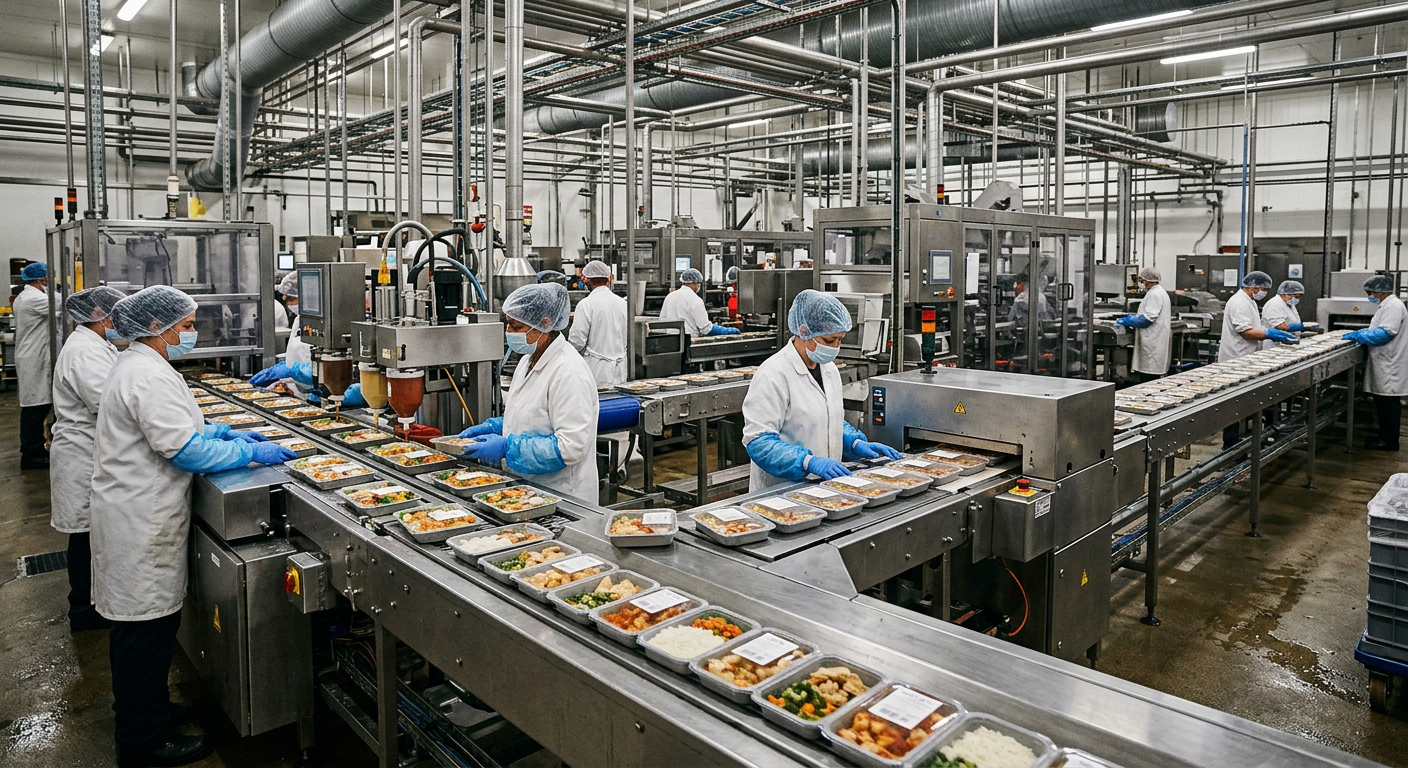
7 Strategies for Food Facility Boiler Optimization
Boilers remain one of the largest utility cost centers in American food and beverage manufacturing. Whether a plant in Chicago is running retorts, a dairy in Wisconsin is heating pasteurizers, or a beverage co-packer near Dallas is generating clean steam for process lines, boiler performance directly affects fuel spend, uptime, product quality, and sustainability results. For operators facing high natural gas prices, stricter environmental expectations, and labor shortages, boiler optimization is no longer a maintenance side project. It is a business decision tied to throughput and margin. The fastest path to boiler efficiency gains in a U.S. food facility is to combine seven practical actions: tune combustion, recover waste heat with economizers and blowdown systems, maintain steam traps, maximize condensate return, strengthen water treatment, automate boiler controls, and monitor performance continuously. In most food plants, these steps reduce fuel use, stabilize steam quality, lower chemical and water consumption, and improve production reliability without requiring a full utility replacement. For decision-makers who need the short version, the highest-value sequence is usually this: For food processors in the United States, the best boiler optimization plan also has to fit plant realities: sanitation windows, USDA or FDA expectations, utility redundancy, seasonal production, and future expansion. A poultry plant in Arkansas, a brewery in Colorado, and a sauce manufacturer in New Jersey may all use steam, but their risk profile and return-on-investment timing differ substantially. This table shows why many U.S. facilities begin with tune-up and maintenance work before moving into capital equipment. Low-cost corrections often uncover immediate waste, while measured data helps justify larger boiler room investments. Across the U.S. market, the most effective boiler optimization programs are built around operating discipline, heat recovery, and system visibility. Food and beverage plants in major manufacturing corridors such as the Midwest, the Southeast, California’s Central Valley, and the Texas triangle often have similar efficiency opportunities even when their products differ. The seven strategies below apply to protein plants, dairies, breweries, aseptic processors, frozen food manufacturers, and co-packers. 1. Tune the burner and validate combustion. Excess air that is too high wastes fuel; air that is too low creates safety, emissions, and stability risks. Regular flue gas testing keeps the boiler near optimum operating conditions. 2. Recover stack heat. If stack temperatures stay elevated, an economizer can preheat feedwater and reduce fuel demand. 3. Capture blowdown energy. Continuous and bottom blowdown can reject valuable heat. Recovery systems can return part of that value to makeup or feedwater systems. 4. Build a real steam trap program. Failed-open traps leak steam. Failed-closed traps create water hammer and poor heating performance. 5. Return more condensate. Hot condensate carries thermal energy and treated water value back to the boiler house. 6. Tighten water chemistry management. Scale thickness that seems small can materially reduce heat transfer and raise burner firing demand. 7. Automate controls and alarms. Modern controls reduce manual drift, support lead-lag staging, and create better operating data for management teams. In the United States, buying decisions should be based on more than nameplate boiler efficiency. Facility leaders should review process steam load profile, sanitary design implications, shift structure, redundancy requirements, gas and water rates, sewer fees, and available maintenance labor. A plant near the Port of Los Angeles may face different utility economics than a facility in Memphis or Kansas City, but the return logic remains similar: stabilize steam generation, eliminate avoidable losses, and use automation to maintain gains. The table above shows how product type shapes optimization priorities. A one-size-fits-all boiler package rarely delivers the best lifecycle result. The better approach is a site-specific utility strategy aligned with process requirements and future capacity. This line chart illustrates a realistic growth pattern for investment in boiler efficiency projects across U.S. food manufacturing. Rising energy cost volatility, carbon reporting, and aging infrastructure continue to push capital toward upgrades rather than deferred maintenance. Combustion analysis is usually the highest-payback place to start because it targets the core of fuel conversion. In many boiler rooms, burner settings drift over time due to seasonal air density changes, mechanical wear, gas pressure variation, or control adjustments made during troubleshooting. The result is often excess oxygen that is higher than necessary, unstable flame conditions, or elevated stack temperatures. For food facilities, combustion tuning should be done under realistic operating loads, not only at idle or maximum fire. Many plants near Atlanta, Indianapolis, and Fresno operate boilers across fluctuating shifts and sanitation cycles. That means the best tuning approach includes a load profile review, oxygen and carbon monoxide measurement, burner linkage or actuator calibration, and verification of safe transitions across firing ranges. Key actions include: Plants with multiple small package boilers often suffer from poor staging, where several units run lightly loaded instead of one unit carrying the efficient base load. In those situations, combustion tuning and sequencing changes together can produce better results than tuning alone. This table matters because operators often focus only on fuel bills, while the real diagnostic clues are found in these operating variables. Strong combustion analysis turns boiler optimization from guesswork into measurable engineering. Waste heat recovery is especially attractive in food plants that run long hours. If your stack temperature is consistently above what would be expected for your boiler condition and operating load, an economizer may allow that unused heat to preheat feedwater. This reduces the fuel required to reach steam conditions. The economics are strongest where boilers run continuously, makeup water is significant, and fuel rates are high. Blowdown heat recovery is another often-overlooked opportunity. Boilers must remove dissolved solids to protect steam quality and equipment integrity, but the hot water sent to drain contains recoverable energy. A flash tank and heat exchanger arrangement can capture some of that value. In high-pressure or high-cycle systems, the savings can be meaningful. Food plants in places with high water and sewer charges, such as parts of California and the Northeast, often benefit from evaluating both energy and water economics together. Recovery projects should consider maintenance access, water chemistry, controls integration, and whether expansion plans could change future steam load. Typical buying advice for U.S. operators: The area chart shows how cumulative projects shift more heat from being wasted to being retained and reused in the plant. The sequence also demonstrates why boiler efficiency should be treated as a system improvement program, not a single product purchase. Steam trap maintenance programs are one of the most neglected and most profitable efficiency practices in U.S. food manufacturing. Traps fail open, closed, or partially. When they fail open, live steam leaks into the condensate system and wastes energy. When they fail closed, condensate backs up, heat transfer drops, and water hammer can damage equipment or create safety hazards. Facilities with large distribution networks, multiple cook lines, tunnel systems, or older buildings commonly accumulate dozens or hundreds of undocumented traps. Without an asset list, testing route, and replacement standard, failures go undetected for months. That is why a formal steam trap program should include tagging, route-based testing, maintenance priority ranking, and annual reporting. Common applications include kettle batteries, retorts, unit heaters, heat exchangers, tracing lines, CIP skids, and process coils. Industries with the highest benefit include prepared foods, meat processing, dairy, canning, and brewing. The explanation behind this table is simple: trap programs succeed when they are treated like reliability systems rather than one-off audits. Plants that document leak cost in dollars and MMBtu are much more likely to fund rapid repairs. When boiler room performance is weak, operators sometimes blame the boiler itself while the true problem sits in downstream steam distribution. A disciplined trap maintenance program often improves pressure stability, process heat consistency, and operator confidence at the same time. Condensate return optimization is both an energy project and a water management project. Hot condensate contains sensible heat, and because it has already been treated, it reduces makeup water demand and chemical use. Every gallon not returned must be replaced, reheated, and treated again. In large U.S. plants, especially campuses around Houston, Charlotte, Milwaukee, and Sacramento, condensate systems can suffer from flash steam losses, poor venting, tank sizing issues, contamination risks, leaking pumps, and operators bypassing returns during process upsets. A proper audit should follow the condensate from each major process user back to the receiver or deaerator. Opportunities often include: For food facilities, contamination risk must always be considered. Returns from culinary or clean steam-adjacent systems, product-contact heat transfer concerns, or chemical exposure points may require segregation. Boiler efficiency should never come at the expense of food safety. This bar chart compares relative demand for steam and condensate optimization by industry segment. Protein and prepared foods often rank high because of large thermal loads, washdown intensity, and wide distribution systems. Strong water treatment is one of the least visible but most important boiler efficiency practices. Scale acts like insulation on heat transfer surfaces, forcing the boiler to consume more fuel to produce the same steam output. Corrosion weakens equipment, increases iron transport, and can damage condensate systems. Carryover harms steam quality and can affect process performance. Best practices should be based on actual source water conditions, pretreatment performance, boiler pressure, condensate return quality, and blowdown targets. Municipal water characteristics vary significantly across the United States. A plant in Phoenix may manage very different hardness and dissolved solids challenges than a site in the Carolinas or the Pacific Northwest. The table shows that water treatment is not just a chemistry issue; it is an operations control issue. The most efficient plants tie water data to boiler alarms, chemical feed verification, and maintenance planning. This is especially important where plants run around the clock and cannot afford a surprise outage during a production peak. By 2026, stronger sustainability reporting and water stewardship expectations are likely to push more food processors toward integrated water and energy optimization. Plants will increasingly evaluate boiler chemistry, condensate return, reverse osmosis reject management, and wastewater interactions as one connected utility strategy. Automation converts boiler optimization from a temporary improvement into a repeatable operating standard. Advanced controls help maintain combustion targets, coordinate lead-lag sequencing, optimize blowdown, manage deaerator levels, and alarm abnormal behavior before operators lose steam reliability. This matters even more as experienced boiler operators retire and plants depend on leaner staffing. Automation can support consistency across shifts and sites, especially for national food manufacturers with facilities near major logistics hubs such as Columbus, Nashville, the Inland Empire, and the I-95 corridor. Useful automation features include: Automation also improves buying decisions. Once a facility can trend steam demand, firing rates, makeup water, and return ratios, it becomes easier to justify whether the next investment should be a larger deaerator, a trap replacement campaign, a new economizer, or a boiler replacement. This comparison chart reflects the reality that not every optimization measure has the same payback profile. Water treatment and combustion tuning often score high because they combine relatively low implementation burden with broad system impact, while economizers tend to require stronger runtime and load conditions to reach the same ROI. Disruptive Process Solutions supports food and beverage manufacturers across the United States and Canada with engineering-led capital project execution. Rather than treating boiler work as an isolated mechanical purchase, the company approaches utility systems as part of plant profitability, process reliability, and long-term capacity planning. That makes a difference when a boiler upgrade affects CIP, pasteurization, retort, hot water generation, controls, and future line additions all at once. On the about our team page, manufacturers can see how DPS was built around a lean, decision-ready model designed for practical execution. For clients in food, beverage, aseptic, and regulated manufacturing, the firm focuses on delivering projects that work operationally, not just mechanically. Technological capabilities. DPS brings integrated engineering across structural, mechanical, plumbing, electrical, process, and controls disciplines. For boiler efficiency programs, that matters because successful execution often depends on more than burner work alone. Controls integration, PLC programming, SCADA visibility, process utility balancing, and plantwide coordination can determine whether the project actually improves operations. This broader technical viewpoint is especially useful when steam systems interact with pasteurizers, retorts, jacketed vessels, CIP systems, refrigeration support, or water treatment skids. Manufacturing capabilities. DPS also supports proprietary process equipment manufacturing and supply, including tanks, CIP systems, cooking vessels, and related utility-connected assets. That manufacturing perspective helps the company align utility projects with real production equipment behavior. In food and beverage plants, boiler optimization is most effective when matched to actual thermal loads from process vessels, sanitation systems, and expansion-ready infrastructure rather than generic assumptions. Service capabilities. Through its design-build-manage model, DPS supports engineering design, feasibility review, owner’s representation, project and program management, installation coordination, utility integration, and commissioning. Companies evaluating boiler room improvements can explore broader engineering and integration services to connect efficiency work with plant expansion, modernization, or relocation plans. Manufacturers also reviewing utility-connected production assets may find value in DPS equipment capabilities, while teams seeking execution examples can review selected project case studies. For food and beverage operators, the practical advantage of this model is that boiler optimization can be planned alongside throughput, sanitation, compliance, and capex timing. That is usually more valuable than purchasing a standalone utility fix that fails to fit the production system. What is the quickest boiler efficiency improvement for a food plant?Usually a combustion tune-up, steam trap survey, and water treatment review. These actions often expose immediate losses without requiring major shutdowns. How much condensate return should a plant target?It depends on process type, contamination risk, and system design, but many facilities can materially improve return rates through repairs, segregation, and better pumping. The right target must account for food safety and utility economics. When does an economizer make sense?Most often when the boiler runs many hours per year, stack temperatures are sufficiently high, and feedwater conditions support heat recovery. A technical review should confirm draft, corrosion, and maintenance considerations. How often should steam traps be checked?Critical systems may justify quarterly checks, while others can be reviewed semiannually. Plants with chronic failures or aging infrastructure should test more often until the network is stabilized. Why is water treatment so important to fuel efficiency?Because even modest scale formation degrades heat transfer and raises firing demand. Good chemistry also reduces corrosion, carryover, and downtime risk. Are automated controls worth it for small and midsize food plants?Often yes, especially if the plant runs multiple shifts, has several boilers, or struggles with operator consistency. Automation improves repeatability and data visibility. Which industries benefit most from boiler optimization?Dairy, brewing, meat and poultry, prepared foods, beverage co-packing, aseptic processing, sauces, and retort-intensive operations all tend to benefit because of frequent steam use and sanitation requirements. What should buyers evaluate before selecting a boiler optimization partner?Look for food industry experience, controls capability, utility integration expertise, understanding of sanitary operations, and the ability to connect efficiency work to production outcomes and expansion plans. How should U.S. plants prepare for 2026 trends?Expect stronger focus on emissions tracking, water stewardship, digital monitoring, operator support tools, and sustainability-linked capital planning. Projects that combine efficiency, resilience, and data transparency will likely gain priority. In summary, boiler optimization in the United States is no longer only about reducing gas consumption. For modern food and beverage manufacturers, it is about protecting uptime, improving steam quality, preserving water resources, supporting sustainability goals, and making capital decisions that fit future growth. Plants from Seattle to Miami and from Boston to the Gulf Coast can unlock meaningful gains by treating the boiler room as a strategic production utility rather than a background asset. -
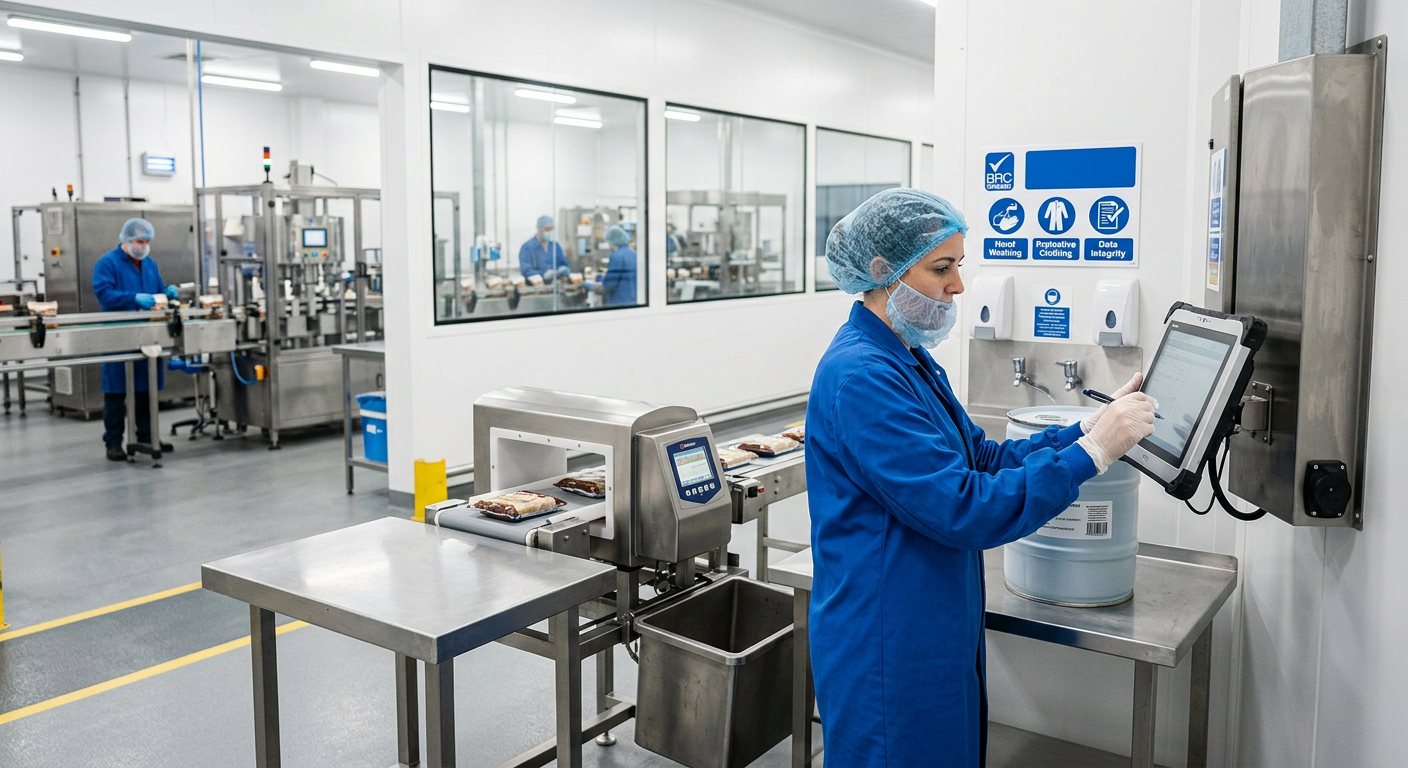
Beverage Plant Controls Integration
Beverage plant controls integration is the practical work of connecting field devices, PLCs, skids, packaging equipment, SCADA, historians, MES tools, and cloud analytics into one reliable operating environment. In the United States, the strongest projects are not the ones with the most software layers. They are the ones that improve throughput, reduce downtime, simplify sanitation, support food safety, and give operations teams one trustworthy source of production truth. For beverage manufacturers running breweries, RTD lines, juice systems, dairy beverage plants, carbonated soft drink lines, spirits operations, and aseptic processes, integration has become a business requirement rather than an optional automation upgrade. That requirement is growing across major production corridors such as Chicago and Milwaukee for brewing, California wine and functional beverage regions, the Carolinas for co-packing and food-grade utilities, Texas for fast-growing manufacturing relocation, and logistics-heavy markets near the ports of Los Angeles, Long Beach, Houston, Savannah, and Newark. Plants that once accepted isolated fillers, standalone pasteurizers, or packaging machines now need plantwide visibility, traceability, OEE reporting, recipe consistency, utility coordination, and better capital planning. This is where disciplined engineering and controls strategy matter. For teams evaluating an integration partner, it helps to work with a firm that understands both process and execution. Disruptive Process Solutions approaches beverage projects from a business and operations standpoint, aligning process engineering, controls, installation, and startup with profitability goals instead of treating integration as a software-only exercise. The fastest answer is this: beverage plant controls integration should create a standard, secure, and scalable data and control architecture from sensors on the floor to dashboards in the cloud. In most U.S. beverage facilities, that means connecting instruments, VFDs, valve manifolds, analyzers, and motor control to PLC platforms; standardizing alarms, tags, and naming; bringing line and utility data into SCADA or a modern visualization layer; and publishing contextualized production data to historians, MES tools, ERP connections, and cloud analytics. A good integration strategy also respects reality. Most beverage plants are not greenfield facilities with one automation vendor. They are patchworks of expansions, acquisitions, OEM packages, and legacy upgrades. A syrup room may be Allen-Bradley, a tunnel pasteurizer may be Siemens, a water treatment skid may be Schneider, and the packaging line may include multiple proprietary machine controllers. The right integration plan does not force everything into a single vendor at all costs. It creates interoperability, cybersecurity, maintainability, and clean data models that operations teams can actually use. For buyers, the main decision criteria are straightforward: can the architecture reduce downtime, improve changeovers, support food safety documentation, scale to additional lines or sites, and stay maintainable by internal staff after startup? If the answer is yes, the investment usually pays back through throughput, labor efficiency, lower waste, and smarter capital allocation. The beverage production stack begins at the process edge. This includes flow meters, pressure transmitters, temperature RTDs, conductivity probes, inline Brix instrumentation, dissolved oxygen analyzers, level sensors, barcode readers, checkweighers, and vision systems. These devices feed PLCs and local machine controllers. Above that sit HMI and SCADA layers, historians, OEE and MES applications, quality systems, ERP connections, and cloud data lakes or analytics platforms. In U.S. beverage operations, the challenge is not merely collecting data. It is contextualizing data. A filler speed number without SKU context, sanitation state, operator assignment, or upstream tank batch ID is only partial information. The architecture must define what the signal means, where it originated, when it changed, and how it maps to production events. This is especially important for regulated or audit-sensitive environments such as dairy beverages, low-acid products, or aseptic systems. This stack works best when the plant starts with a clear naming convention, agreed tag hierarchy, equipment states, time synchronization rules, and line segmentation strategy. Teams that skip this foundation often end up with attractive dashboards that no one trusts. From a technology perspective, DPS supports the controls and process side together, blending PLC programming, automation, SCADA, utilities coordination, and complete system integration with broader mechanical, process, electrical, and project engineering. That cross-disciplinary view matters because beverage integration failures often begin with process assumptions, not software bugs. Multi-vendor environments are normal in beverage manufacturing. A U.S. plant may have Rockwell Automation in brewhouse controls, Siemens in pasteurization or utilities, and Schneider Electric in power, water, or OEM skids. Integration success depends on choosing a practical interoperability method rather than trying to rewrite everything into one platform. In many cases, the best model is to preserve stable local control in the native PLC while exposing standardized line and equipment data to a plantwide layer. OPC UA, MQTT with Sparkplug, industrial gateways, and carefully designed API or database interfaces can all serve this model. The key is to keep machine safety and deterministic control local while sharing production states, counts, recipes where appropriate, and event data upward. For plant leadership, the buying advice is simple: require an interface document before procurement or FAT. It should define protocols, ownership of tags, recipe authority, downtime state mapping, cybersecurity zones, remote access rules, and exact deliverables for commissioning support. This prevents late-stage disputes between OEMs, integrators, and plant engineering. In the United States, this is especially relevant when expansions happen under aggressive schedules in Dallas-Fort Worth, Atlanta, or Phoenix, where line startup dates are often tied to retailer commitments or seasonal demand. A multi-vendor strategy built early reduces startup chaos. OEM equipment integration is where many beverage projects win or lose value. Fillers, depalletizers, rinser/fillers/cappers, tunnel pasteurizers, flash pasteurizers, carton erectors, tray packers, sleevers, labelers, palletizers, and CIP skids each come with their own controls philosophy. Some OEMs expose rich diagnostics and production counters. Others provide only the minimum interface required to run. The integration goal should be to capture the machine states that operations actually need: mode, run permissive, fault category, current product, actual speed, target speed, reject counts, starved and blocked conditions, sanitation mode, maintenance bypasses, and utility demand. It is equally important to map upstream and downstream dependencies. A filler slowdown means something different if it is caused by low product level, capper faults, conveyor accumulation, or label supply interruptions. Plants should also insist on a commissioning matrix showing who owns dry testing, wet testing, utility verification, recipe testing, line integration, and data validation. That avoids the all-too-common problem where every vendor says the issue is someone else’s responsibility. DPS also brings in a manufacturing perspective beyond controls. The company designs and supplies process equipment such as storage and process tanks, custom CIP systems, marination and cooking systems on the food side, and broader beverage infrastructure including blending, pasteurization support, and utility-connected process hardware. For plants trying to integrate mechanical scope and controls scope together, that can remove handoff gaps that typically slow startup. Real-time data architecture has shifted significantly in modern beverage facilities. Traditional point-to-point polling still exists, but more U.S. manufacturers are evaluating publish-subscribe models using MQTT and Sparkplug. The reason is flexibility. Instead of every application requesting data directly from every PLC, edge nodes publish structured data once, and approved consumers subscribe as needed. The Unified Namespace, or UNS, is a data architecture concept in which the business defines a common plant and enterprise data model. Rather than creating separate meanings for the same filler, SKU, batch, or line state in every software package, the UNS acts as a shared context layer. For beverage operations with multiple lines, seasonal SKU shifts, co-packing complexity, or multi-site reporting needs, this can be powerful. Still, the UNS is not a magic product. It requires disciplined governance, topic naming, payload standards, event definitions, and change control. Plants that rush into MQTT without a data ownership model can create a new kind of disorder. By 2026, more U.S. beverage producers are expected to combine edge computing, MQTT-based event flow, and cloud analytics with sustainability dashboards. That will make it easier to correlate throughput, water use, steam demand, compressed air consumption, and product loss at the line or SKU level. Policy pressure around energy use, ESG reporting, and traceability will continue to push architectures toward better plantwide data consistency. The chart above reflects a realistic growth pattern in U.S. demand for automation modernization, data visibility, and line integration. Growth is being driven by labor constraints, SKU complexity, retailer service expectations, and capital scrutiny. OEE monitoring is one of the most common reasons plants pursue integration, but it is also one of the most commonly mishandled. OEE only works when availability, performance, and quality are defined consistently across lines and shifts. A can line, PET line, glass line, and aseptic carton line cannot always be measured with identical event assumptions. The plant needs a standard framework with line-specific nuances. For example, a filler waiting on sanitized product may count differently from a line waiting on warehouse pallet supply. Planned sanitation, flavor changeover, and allergen changeover should not be mixed carelessly with unplanned downtime. If they are, the OEE number may look precise while telling management the wrong story. When multiple lines are involved, the plant should define one downtime reason tree and one governance process for adding or changing codes. OEE should also connect to maintenance planning and utility performance, not just production scoreboards. This demand profile aligns with current U.S. market dynamics. Functional beverages, RTD products, and aseptic lines tend to require stronger integration because of higher SKU churn, traceability demands, and tighter process control expectations. Technology alone does not deliver results. Beverage integration projects often underperform because operators, supervisors, maintenance teams, and sanitation leaders are brought in too late. A dashboard that nobody trusts, a downtime code tree that nobody uses correctly, or a CIP sequence that confuses night shift will weaken ROI quickly. Change management should begin at design. That means involving operators in HMI layout review, maintenance in alarm philosophy and remote access planning, quality teams in audit trail requirements, and operations leadership in KPI definitions. Workforce training should include not only button-level instruction but also why the new architecture exists, what decisions it supports, and what actions are expected from each role. By 2026, plants are likely to invest more in digital work instructions, role-based mobile alerts, remote subject matter support, and simulation-based startup training. This is especially helpful for high-growth co-packers and multi-shift plants where turnover or seasonal hiring can undermine consistency. For service capability, DPS is strongest when projects need more than isolated programming support. Its model spans capital planning, feasibility, owner’s representation, general contracting where licensed, end-to-end project and program management, installation coordination, commissioning, and controls integration. You can review the breadth of these capabilities through its engineering and project services, which are structured to keep execution aligned across disciplines. Scalability is one of the most important buying criteria for U.S. manufacturers. Many plants begin with one integration target such as a packaging line OEE project, but later want utility monitoring, batch traceability, warehouse connectivity, enterprise reporting, or replication to another site. If the first project is too custom or too vendor-locked, scaling becomes expensive. A scalable architecture usually includes standard naming, reusable code libraries, segmented industrial networks, edge data collection, a clear plant model, documented APIs or publish-subscribe topics, role-based access, and template-based dashboarding. It also includes capital realism. Not every single line needs a full MES stack. In many cases, a staged roadmap creates a better return. Single-site beverage operators in places like St. Louis, Grand Rapids, or Sacramento may only need line-level visibility first. Multi-site beverage groups with plants in the Southeast, Midwest, and West Coast will benefit more from a structured enterprise data model from the start. In both cases, the plant should design for the next step, even if it does not buy everything immediately. The trend above shows the gradual shift from tightly coupled plant integrations to more flexible event-driven architectures. Adoption will vary by plant size, IT maturity, and regulatory needs, but the direction is clear. Most integration failures are predictable. The most common mistake is starting with software screens instead of business goals. Plants often ask for dashboards before they define the decisions the dashboard should drive. Another frequent error is ignoring utility systems. A line may appear to have a filler problem when the root cause is compressed air instability, glycol temperature drift, or CIP timing conflicts. Another trap is poor documentation. Without a current network map, controls narrative, sequence of operations, tag list, alarm matrix, and FAT/SAT records, the plant becomes dependent on tribal knowledge. This increases risk during expansions, staffing changes, and audits. A practical way to reduce these risks is to choose a partner with both field execution and capital project discipline. On larger beverage projects, controls decisions are tied to utility routing, process safety, sanitation design, line layout, startup sequencing, and contractor management. That is why many manufacturers prefer integrated delivery rather than fragmented specialist handoffs. Below are common questions from U.S. beverage producers evaluating plant controls integration. For a single packaging line OEE and data visibility project, timelines may range from 8 to 16 weeks depending on OEM access and plant shutdown windows. For a full process-to-packaging integration with utilities, recipes, and reporting, timelines are commonly several months and should be aligned with equipment FAT, installation, SAT, and startup plans. Not always. Standardization helps maintenance and training, but forcing a full platform conversion can create unnecessary cost and risk. In many cases, keeping proven local controls in place and standardizing data exchange, visualization, and governance is the better business decision. Usually one of three: packaging line OEE, utility performance monitoring, or process visibility for a bottleneck area such as blending, pasteurization, or filling. The best first step is the one that produces a measurable operating decision quickly. Use a phased architecture. Legacy PLCs may require protocol converters, edge gateways, or read-only data extraction while newer machines can publish richer real-time data. Plan the migration path so old assets do not block future scalability. It is essential. Remote access for OEMs, cloud analytics, and plantwide networking create risk if poorly managed. Segmentation, user roles, secure remote access, patch governance, and documented ownership between IT and OT are mandatory. Yes. When production counts are correlated with water, steam, compressed air, glycol, and power use, the plant can identify utility intensity by SKU, shift, or line. This supports 2026 sustainability reporting and cost reduction initiatives. Look at beverage process knowledge, multi-vendor controls experience, startup support, documentation discipline, project management strength, and the ability to connect controls work to capital execution. A partner who understands fillers, pasteurizers, CIP, utilities, packaging, and compliance will usually outperform a software-only vendor. No. Many plants should first establish reliable local control, event models, historians, and OEE data. Cloud analytics are most useful when the plant already trusts its source data and wants multi-site comparison, advanced reporting, or enterprise optimization. For companies planning broader modernization, it is useful to review actual project examples and execution style. DPS shares selected project experience through its case study portfolio, which helps manufacturers see how process, utilities, installation, and automation can be aligned in real operating environments. Equipment strategy also matters. If the project includes custom process hardware, tanks, or CIP-related systems, integration is easier when mechanical and controls scopes are designed together. DPS supports this through its process equipment capabilities, helping reduce interface gaps between fabricated equipment, field installation, and startup programming. In the United States, the market is moving toward smarter, faster, and more accountable beverage manufacturing. Co-packers need rapid line changeovers and multi-customer reporting. Brewers need better packaging efficiency and utility control. RTD and functional beverage producers need recipe accuracy, traceability, and speed to market. Dairy and aseptic plants need tighter compliance and sanitation visibility. Across all of these segments, controls integration is now a foundation for profitability. The best next step is usually an assessment, not a software purchase. Document the current control platforms, OEM interfaces, data gaps, production bottlenecks, utility constraints, reporting needs, and expansion roadmap. Then define a phased architecture that fits your plant, your workforce, and your capital plan. This is especially important in regional manufacturing hubs where growth is fast and shutdown windows are short, from North Carolina and Georgia to Texas, California, and the Midwest. Manufacturers that take this approach tend to build systems that last. They get cleaner startup paths, better accountability between trades and vendors, stronger data trust, and more useful reporting for operations and leadership. In a market where margins are constantly pressured by labor, freight, packaging cost, and retailer expectations, that kind of integration is not just technical improvement. It is operating leverage. The comparison chart highlights a common purchasing reality in U.S. beverage projects: software expertise matters, but projects often create more value when controls are tied to process design, utilities, installation planning, contractor coordination, and startup management. -
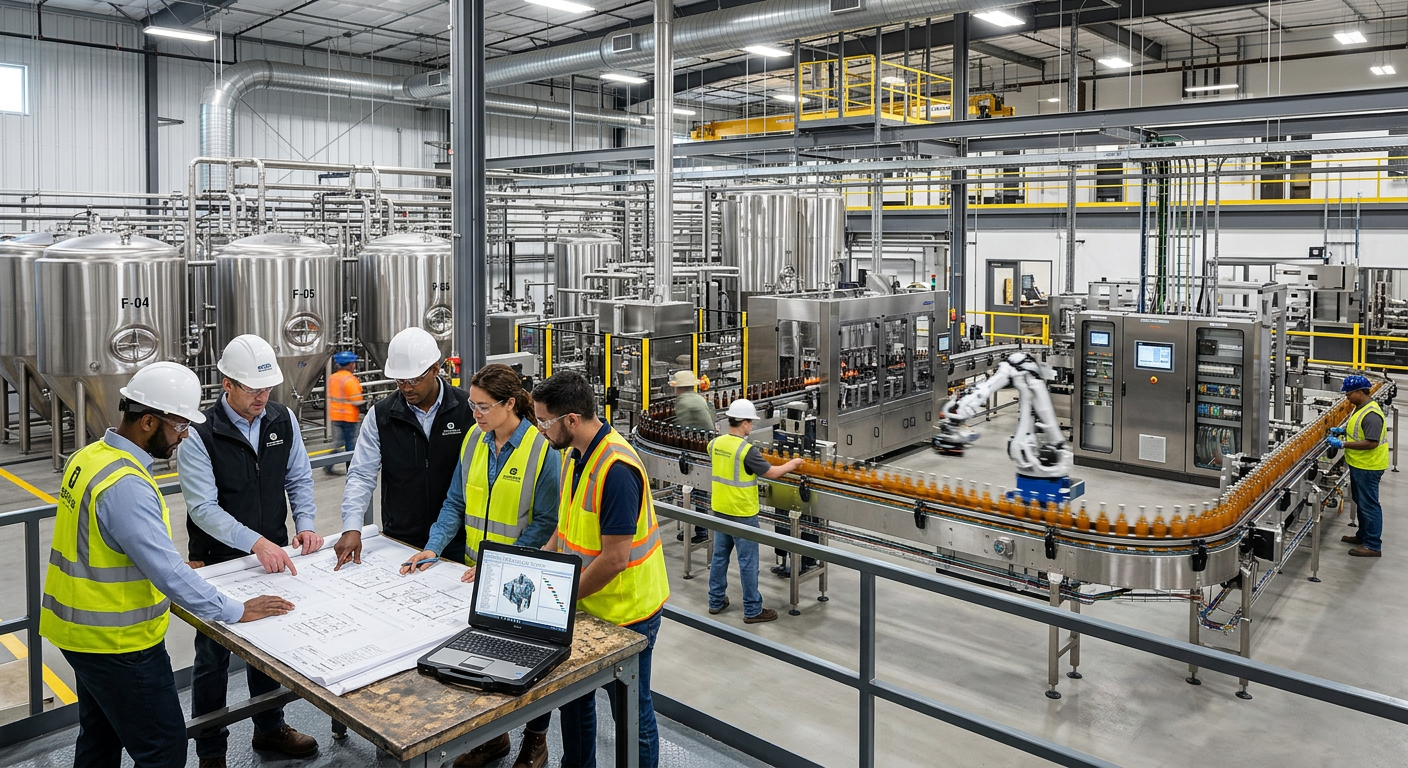
CIP Automation System for Food Plants
Clean-in-place automation has become a strategic investment for U.S. food and beverage manufacturers that need better sanitation control, lower utility consumption, and audit-ready records. In modern plants, a CIP automation system is no longer just a pump-and-timer package. It is a connected cleaning platform that uses verified sensor data, PLC sequencing, digital signatures, and production integration to prove that every circuit was cleaned correctly. For processors in North Carolina, California, Texas, Wisconsin, Illinois, Georgia, and major logistics corridors around Chicago, Dallas, Atlanta, Los Angeles, and the Port of Houston, that shift matters because labor, water, chemical costs, and compliance pressure all continue to rise. For facilities evaluating new installations or upgrades, the most successful projects usually balance sanitation performance, recoverability, operational uptime, and long-term profitability. That is especially true in high-throughput sectors such as dairy, beverages, sauces, protein, aseptic filling, brewing, prepared foods, and co-packing. Companies looking for complete project support often want a partner that can engineer the process, manage installation, integrate controls, and align the CIP skid with broader plant goals. In that context, firms such as Disruptive Process Solutions stand out by combining business-minded planning with food and beverage engineering, controls integration, and turnkey execution across North America. A modern CIP automation system for food plants in the United States uses sensors, PLC logic, and digital documentation to verify that each cleaning phase actually achieved the required concentration, flow, temperature, time, and rinse endpoint. Compared with older time-based systems, sensor-verified CIP reduces overcleaning, cuts water use by roughly 20 to 30 percent, lowers chemical use by 15 to 25 percent in many applications, improves first-pass sanitation consistency, and creates audit-ready records for FDA, USDA, SQF, and BRC environments. For buyers, the best approach is usually to define the circuits to be cleaned, confirm soils and product families, determine whether recovery tanks are justified, specify the required level of automation, and decide whether a retrofit of an existing skid or a full replacement delivers the best total value. Plants running frequent product changes, allergen changeovers, or multiple recipes often benefit the most from sensor-verified automation. The table above shows why sensor-verified systems are increasingly preferred in U.S. processing plants. The difference is not just cleanliness; it is proof of cleanliness, repeatability, and lower operating cost. Traditional CIP packages typically run fixed durations for each step. That can work in simple applications, but it often causes overcleaning or undercleaning because real process conditions vary. Product residue from yogurt is not the same as residue from RTD coffee, ketchup, plant protein slurry, or a high-sugar beverage. Pipe runs, heat exchangers, fillers, balance tanks, pasteurizers, blenders, and transfer lines also behave differently. Modern sensor-verified CIP automation adds instrumentation and control logic that checks whether the process reached the intended endpoint before the sequence advances. Instead of asking, “Has five minutes passed?” the system asks, “Has the conductivity dropped to rinse water values?” or “Has turbidity stabilized below the threshold?” This is a major advantage for processors in water-sensitive states such as California and Arizona, and in high-volume manufacturing hubs such as Wisconsin dairy, Texas beverage production, and Southeast protein processing. A modern system usually includes: This is also where engineering depth matters. A full-scope partner with controls, process, and installation capabilities can make a larger difference than a skid vendor acting alone. Through its engineering and integration services, DPS supports CIP projects as part of wider process system design, utilities integration, controls programming, and commissioning. That matters when the skid must interact with tanks, pasteurizers, filler loops, clean steam, hot water sets, RO water, and wastewater constraints. The growth trend above reflects a realistic market direction: from 2024 onward, U.S. processors are increasingly moving toward digitally verified sanitation because labor scarcity, sustainability goals, and compliance expectations all favor automation. Most food plant CIP programs are built around five core phases, although the exact sequence depends on product chemistry, equipment design, allergen profile, and sanitation standard. Understanding these phases is essential for sizing tanks, selecting instrumentation, and programming control logic. In U.S. plants with hard water or mineral-heavy utility conditions, the acid phase is especially important for pasteurizers, plate heat exchangers, and hot process loops. By contrast, some product lines may use sanitizer-only terminal steps based on process design and microbial risk. In breweries around Portland, Denver, and Asheville, for example, CIP recipes may be tuned differently than in dairy plants in Wisconsin or aseptic beverage facilities in California’s Central Valley. Buying advice here is simple: do not assume a standard sequence fits every circuit. A filler bowl, blend line, bright tank, scraped surface heat exchanger, and retort-associated transfer loop all foul differently. Good engineering starts with circuit mapping and soil characterization before the skid and software are finalized. The two most useful sensor categories in modern CIP automation are conductivity and turbidity. Conductivity helps confirm chemical strength and identify transitions between water, caustic, acid, and product interfaces. Turbidity helps verify when visible or suspended soil has been flushed from the line. Together, they reduce guesswork. Conductivity is especially valuable for: Turbidity is especially valuable for: The practical takeaway from this table is that no single sensor proves cleanliness by itself. Strong CIP automation combines concentration, temperature, flow, and endpoint confirmation to create a validated process window. This is one area where control and process engineering must be tightly coordinated. DPS brings that cross-functional capability through its technological skill set in PLC programming, SCADA, utilities integration, and process system design. For clients that need custom skids, skid modifications, or broader plant integration, its process equipment capabilities can be aligned with instrumentation and controls requirements rather than treated as separate scopes. The heart of a smart CIP system is the PLC program. Well-designed CIP code does not just turn pumps and valves on and off. It executes a state machine with explicit transitions, permissives, fault responses, and validation checks. A typical PLC state machine may include the following high-level states: Within each state, the code should verify conditions such as tank levels, pump status, valve feedback, line availability, temperature minimums, flow minimums, and concentration windows. If one condition is not met, the sequence should alarm, hold, or safely abort depending on risk. That logic is critical in facilities where production and sanitation run in parallel, such as large co-packers near Atlanta, Dallas-Fort Worth, or the Inland Empire. Validation logic also supports food safety and repeatability. For example, the PLC may require the return conductivity during caustic wash to remain within an acceptable band for a minimum hold time. If not, the timer resets or extends. That means the wash completes based on achieved conditions, not operator assumption. For plants that have outgrown older ladder-only structures, reprogramming existing PLC architecture can unlock major value before new steel is purchased. That practical mindset fits the way DPS approaches capital decisions: identify the real bottleneck first, whether it is software, routing, utility capacity, or equipment design, then invest where return is highest. The bar chart shows where demand is strongest: dairy and aseptic systems remain heavy users because verification and documentation requirements are especially high, while RTD beverages and protein processing are growing rapidly due to SKU complexity and sanitation turnover. Digital CIP records are now a major purchasing driver. U.S. manufacturers subject to customer audits, FDA review, USDA oversight, or GFSI certification increasingly expect every cleaning cycle to generate a secure electronic history. That history should show who started the cycle, which route was cleaned, what recipe was used, whether critical parameters were achieved, when alarms occurred, and who acknowledged exceptions. An audit-ready digital record often includes: Paper records can still exist as backups, but they slow investigations and invite inconsistencies. If a customer complaint arises on a product packed in New Jersey, produced in Chicago, or distributed through Savannah or Long Beach, investigators need to retrieve sanitation proof quickly. Electronic records shorten that process dramatically. From a service standpoint, this is where an integrated engineering contractor brings more value than a skid supplier alone. DPS supports not only system design but also project execution, installation management, controls integration, commissioning, and owner-side coordination. That combination helps ensure that records are not treated as an afterthought but as part of the overall plant operating model. More detail on this execution style can be found through its project case examples. Return on investment is often the deciding factor for CIP automation. In many U.S. facilities, the most visible gains come from lower water use, lower chemical consumption, and improved production uptime. Less visible but equally important benefits include lower rework risk, less operator dependence, better audit outcomes, and better scheduling confidence. Water savings of 20 to 30 percent are realistic when rinse endpoints are verified instead of timed conservatively. Chemical savings of 15 to 25 percent are also realistic when conductivity-based recovery and concentration control reduce unnecessary dumping and overdosing. The exact result depends on circuit count, product mix, utility cost, sanitation frequency, and whether the system supports recovery tanks. Plants with the strongest ROI typically share these traits: The area chart illustrates the broader trend shift: sensor-verified cleaning is becoming the default expectation rather than the premium option. By 2026, sustainability reporting, utility pressure, and labor constraints are likely to push even more facilities to upgrade. The explanation is straightforward: ROI is rarely based on one metric. The strongest business case combines utilities, labor, uptime, and compliance value into one model tied to annual CIP cycle counts and local utility rates. Standalone CIP systems leave value on the table. Integration with production scheduling and manufacturing execution systems allows cleaning to happen at the right time, on the right circuit, with the right recipe, while minimizing waiting time between sanitation and startup. In advanced facilities, MES integration can: This is especially useful in high-mix plants producing multiple SKUs for retailers, club channels, and foodservice distribution. A co-packer near Charlotte, a dairy processor in Minneapolis, or an RTD beverage facility near Fresno may run different package formats, flavors, or allergen profiles within the same day. CIP integration helps avoid misalignment between sanitation and production dispatch. By 2026, two trends will shape this area even more strongly. First, more manufacturers will connect CIP records to enterprise sustainability dashboards to report water and chemical intensity by product family. Second, tighter digital traceability expectations will make electronic sanitation proof more important in customer onboarding and retailer compliance reviews. Policy pressure on water reuse, wastewater discharge, and ESG reporting will also influence project design, especially in drought-prone states and municipalities with rising discharge fees. From a technology perspective, DPS is positioned well for these projects because its capabilities span controls engineering, PLC programming, SCADA, and broader utility and process integration. That matters when CIP must coordinate with syrup rooms, blending skids, heat treatment systems, storage tanks, fillers, and plant utilities rather than operating as an isolated unit. Not every plant needs a brand-new CIP skid. In many U.S. facilities, the smartest investment is a retrofit. Existing tanks, pumps, frames, and heat systems may still be mechanically sound, while the real gap lies in sensors, controls, valves, and software. A retrofit may include: Replacement is often better when the existing skid has inadequate tank sizing, poor hygienic design, insufficient heating, no recovery capability, severe maintenance issues, or cannot support the number of circuits required. Plants expanding capacity near major manufacturing corridors such as Houston, Indianapolis, Columbus, or the I-85 Southeast corridor often use this decision point to right-size future sanitation architecture rather than just patch old equipment. The comparison chart highlights a common reality: retrofits usually win on initial capital and speed, while full replacements often win on scalability, long-term savings, and digital performance. The right answer depends on asset condition, production growth, and sanitation risk. For manufacturers weighing this choice, a practical front-end study often pays for itself. DPS frequently approaches these projects from three angles at once: technological capabilities such as controls and PLC architecture, manufacturing capabilities such as custom process equipment and CIP skid support, and service capabilities including design-build-manage execution, installation oversight, and commissioning. That integrated approach helps clients avoid overbuying equipment when re-engineering would solve the problem, or underinvesting when the plant has already outgrown the skid. Dairy, breweries, spirits, wine, kombucha, RTD beverages, sauces, dressings, prepared foods, protein processing, aseptic products, and co-packing operations all benefit strongly. Any plant with repeat cleaning cycles, strict sanitation demands, or costly downtime is a good candidate. Conductivity is usually the first priority because it confirms chemical concentration and detects transitions between rinse water and chemicals. Turbidity becomes especially valuable when product soils vary, visual residue matters, or pre-rinse optimization is important. Many high-performance systems use both. Yes. Many systems can be upgraded with smart sensors, revised PLC code, better valve automation, and digital records. Replacement becomes more attractive when the skid is undersized, poorly designed hygienically, or mechanically unreliable. Ask how the system verifies concentration, temperature, flow, and rinse endpoints; whether it supports chemical recovery; how records are stored; how it integrates with SCADA or MES; what local service support is available; and whether the design fits your product soils and growth plan. A simple retrofit may be completed in weeks once engineering is approved. A larger multi-circuit replacement with plant integration, utility modifications, and digital record validation may take several months. Front-end planning, procurement, and shutdown coordination are major schedule drivers. Water cost, wastewater surcharges, labor availability, and local code expectations can change the economics significantly. Plants in California, the Southwest, and some municipal utility districts often see stronger water-related ROI. Large manufacturing hubs such as Chicago, Dallas, and Los Angeles may prioritize uptime and labor reduction even more heavily. Expect more sensor redundancy, stronger digital signatures, tighter MES and ERP integration, broader sustainability reporting, and more predictive maintenance around valves, pumps, and heat systems. Water stewardship and traceability will increasingly shape CIP project specifications. Because CIP performance depends on the full process ecosystem: route design, utility balance, controls architecture, hygienic installation, startup, and operator training. An engineering-led partner can align the skid with plant profitability, not just deliver hardware. In summary, the U.S. market is moving rapidly toward smart CIP automation that proves cleaning performance instead of assuming it. The plants that gain the most are those that treat CIP as an integrated process system tied to production, utilities, compliance, and long-term capital strategy. Whether the best path is a retrofit or a full replacement, the strongest results usually come from disciplined front-end engineering, well-structured PLC logic, practical sensor selection, and a project team that understands both manufacturing reality and business return. -
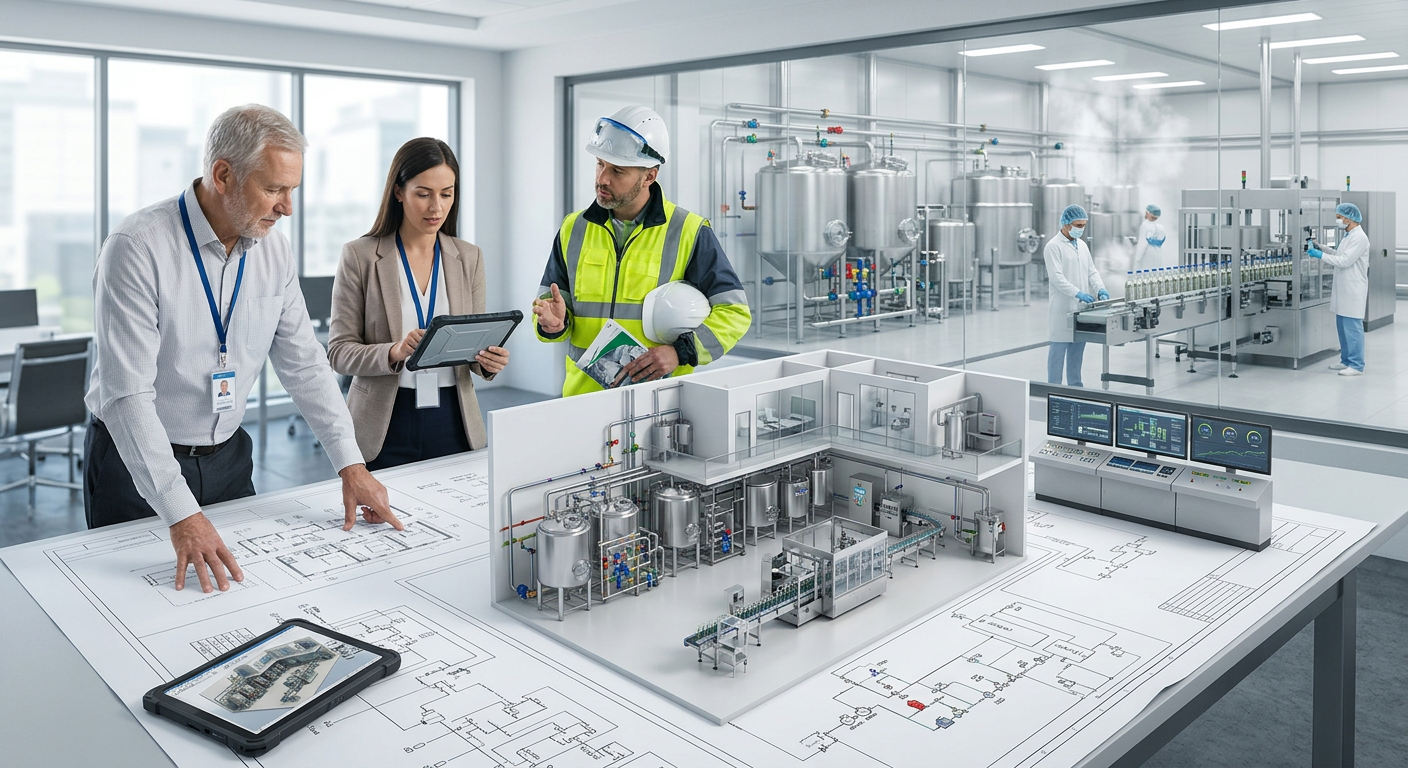
SIP Automation System for Beverage Plants
Across the United States, beverage manufacturers are under constant pressure to reduce contamination risk, document sanitary performance, and keep throughput high. In aseptic and ultra-clean operations, that usually means one thing: a reliable sterilize-in-place strategy integrated tightly with clean-in-place automation. Whether a facility is running dairy beverages in Wisconsin, juice in Florida, kombucha in California, soft drinks near Atlanta, or co-packed ready-to-drink products around Dallas and Chicago, SIP automation has become a core investment for plants that need repeatable sterility without excessive downtime. SIP, or sterilize-in-place, uses controlled steam and validated hold conditions to sterilize product-contact equipment after cleaning and before production. In practical terms, it protects filling systems, aseptic tanks, pipelines, valve manifolds, heat exchangers, and other closed-process assets from microbiological risk. It is especially valuable where shelf life, brand protection, and regulatory scrutiny are high. A modern system does not treat SIP as a standalone event. It connects CIP chemistry, rinse confirmation, condensate management, steam pressure control, automated valve sequencing, operator safety interlocks, and digital records into one validated process path. For U.S. plants, this topic sits at the intersection of sanitary design, automation, compliance, and capital efficiency. It also connects directly to plant profitability. Unplanned contamination, partial sterilization, or inconsistent cycle execution can trigger product loss, line downtime, destruction of inventory, and difficult regulatory conversations. By contrast, a properly engineered CIP/SIP platform improves repeatability, shortens changeovers, supports audits, and allows management to scale with more confidence. Companies that engineer and integrate these systems need broad process depth, not just controls knowledge. Disruptive Process Solutions, or DPS, brings that cross-functional view to food and beverage projects across North America. The firm supports manufacturers with process engineering, controls integration, utility coordination, installation management, and turnkey execution for processing environments where steam, hygienic piping, sanitary valves, clean utilities, and documented performance all matter. Readers who want background on the company can visit the DPS team and company overview. A SIP automation system in a beverage plant is an automated sterilization platform that uses clean steam, verified temperature, controlled pressure, and validated hold time to sterilize tanks, lines, fillers, and associated equipment after CIP and before aseptic production. In the United States, the best systems combine sanitary hardware, automated valve routing, PLC logic, SCADA visibility, safety interlocks, alarm handling, and electronic recordkeeping that supports FDA CGMP, USDA expectations where applicable, and 3-A sanitary design principles. For most aseptic beverage applications, buying advice is straightforward: do not purchase SIP capability as a bolt-on utility package without reviewing the process path, dead legs, condensate handling, instrument placement, and operating philosophy. A strong design starts with the product type, line geometry, filler requirements, target throughput, and cleaning strategy. It then maps sterilization boundaries, identifies worst-case cold spots, and defines a recipe that can be repeated shift after shift. In the U.S. market, demand is strongest in dairy beverages, shelf-stable coffee, protein drinks, functional beverages, premium juices, plant-based beverages, and co-packing operations that must switch SKUs quickly. Facilities near logistics hubs such as Los Angeles, Houston, Savannah, New Jersey, Memphis, and the Midwest distribution corridor often prioritize automation because downtime and sanitation failures directly impact service levels to national retail networks. The table above shows the core buying lens. The point is not simply to “have SIP.” The point is to have validated SIP that fits the real operating environment of a U.S. beverage facility, from pilot lines to high-volume aseptic packaging halls. The chart suggests a realistic growth path in adoption as more beverage manufacturers in the United States move from manual sanitation verification to automated and documented CIP/SIP programs. The acceleration through 2026 is tied to labor constraints, tighter quality expectations, and expanding demand for shelf-stable and high-care beverages. SIP begins only after CIP has removed soils effectively. This sequence is critical. Cleaning removes product residue, proteins, sugars, minerals, fats, and biofilm precursors. Sterilization then addresses the remaining microbiological hazard. If cleaning is incomplete, steam cannot compensate for deposits that insulate surfaces or trap microorganisms. That is why the foundation of SIP is actually CIP performance. In aseptic processing, the sterilized boundary typically includes product-contact tanks, transfer lines, filler bowls, pumps, heat exchangers, valve clusters, sample points, and sterile air interfaces depending on design. After a validated rinse and drain sequence, clean steam is introduced into the process path. The system ramps to sterilization temperature, maintains enough pressure to support stable steam penetration, and holds the defined exposure time at the validated cold point. Once complete, the sterile path is maintained until production starts. Different beverage categories drive different design choices. Dairy beverages often demand careful handling of proteins and mineral scale during CIP, followed by highly controlled SIP. Breweries may sterilize selected areas around yeast-sensitive or low-microbial applications but not every process segment. Juice and functional beverage plants with aseptic filling require tighter segregation between raw and sterile zones. In co-packing, flexibility is often just as important as lethality because frequent product changeovers increase sanitation complexity. The U.S. market has also seen a shift toward integrated designs where process, utilities, controls, and sanitary hardware are planned together instead of in silos. That matters because a SIP cycle can fail for reasons far outside the steam header, including poor slope, incorrect valve seat geometry, undersized traps, inaccessible instruments, or controls logic that allows premature sequence advancement. DPS addresses these issues from the engineering side by combining process, mechanical, electrical, and controls expertise under one execution model. That technological capability is valuable when sterile piping, PLC programming, SCADA visualization, and utility balancing all affect the final outcome. More on the company’s broader support can be found on its engineering and integration services page. This sequence table matters because many plant issues are not true “SIP failures.” They are transition failures between cleaning and sterilization. Effective project teams review both together. The heart of SIP is the relationship between temperature, pressure, and hold time. These variables are not interchangeable shortcuts. Temperature is what drives lethality. Pressure supports steam distribution and helps maintain the required saturation conditions, while hold time ensures all critical surfaces remain at or above the validated threshold long enough to achieve the target sterilization effect. Validation must focus on the worst-case location, usually the coldest point in the system. In U.S. beverage plants, typical SIP recipes vary by line design and risk profile, but common practice includes a controlled heat-up phase, a monitored sterilization hold, and a cool-down or sterile standby phase. Instrument placement is a major design issue. If temperature elements are installed only at the steam supply instead of at representative cold points, the data may look compliant while part of the system remains under-sterilized. Steam traps, condensate drains, insulation, venting, and line slope all shape thermal performance. Long dead-end branches, oversized manifolds, or improperly sequenced vent valves can delay temperature rise or trap condensate. This is especially relevant in older plants around legacy production corridors such as Milwaukee, St. Louis, and the Northeast, where upgrades often need to work around existing utility architecture. Validation should include documented heat distribution studies, instrument calibration, repeatability checks, and alarm handling. For aseptic systems, plants often test worst-case startup conditions and shortest practical hold recipes to prove a margin of safety. As more U.S. companies digitize operations, the expectation is moving toward automated records that show every relevant setpoint, actual value, alarm, acknowledgment, and final pass/fail status. The table highlights why validation is more than choosing one hold temperature. It is a system discipline. Plants that invest in accurate data reduce both product risk and false downtime caused by nuisance alarms or untrusted instrumentation. Automated valve systems are the traffic controllers of CIP and SIP. They decide what gets cleaned, what gets sterilized, what remains isolated, and what drains safely. In a modern beverage plant, double-seat mixproof valves, hygienic butterfly valves, control valves, steam blocks, seat-lift functions, and proof-of-position feedback all work together under PLC supervision. Without automation, SIP routing errors can happen during shift changes, maintenance interventions, or rushed product transitions. Automated sequencing reduces that risk by allowing only validated lineups and by preventing incompatible states. For example, the logic can block steam admission unless all required drain paths are confirmed, sterile boundaries are isolated, and downstream pressure conditions are within range. This matters even more in multi-SKU and co-packing environments. A plant outside Charlotte might run dairy-based coffee in the morning and a plant-based nutritional drink in the afternoon. A facility near Fresno may process juice blends with multiple allergen and flavor transitions. In those settings, valve matrices must support fast changes without compromising sanitary segregation. On the manufacturing side, DPS supports custom process equipment and hygienic system integration, including tanks and CIP systems that can be designed with sanitary routing and automation requirements in mind. Manufacturers evaluating hardware options can review the company’s process equipment capabilities to understand how equipment fabrication and line integration can be aligned from the start. The bar chart indicates where automated CIP/SIP demand is strongest. Aseptic co-pack and dairy are leading because they combine strict hygiene requirements with high throughput and expensive downtime, while breweries show more selective adoption depending on product risk and package format. When choosing valve architecture, plants should ask detailed questions: Are seat leaks detectable? Are valve positions proven back to the PLC? Does the sequence include interlocks for steam block valves, drain valves, and condensate routing? Can maintenance isolate one branch without risking a false sterile release? Those questions separate basic automation from true aseptic-grade control. Any SIP automation strategy for the United States must be framed around compliance. Beverage plants commonly operate under FDA rules, while some mixed food environments or specific processing contexts may also face USDA expectations. In addition, 3-A sanitary design principles remain highly relevant when selecting components and developing hygienic layouts. The exact compliance map depends on the product, process, packaging method, and facility footprint. FDA current good manufacturing practice expectations put heavy emphasis on prevention, documented controls, equipment suitability, and traceability. For aseptic and ultra-clean operations, this means the plant should be able to demonstrate that sanitation and sterilization procedures are both scientifically grounded and consistently executed. A written SOP with no data trail is increasingly insufficient when a process can be automated. 3-A principles influence equipment selection and line design: cleanability, drainability, sanitary finishes, elimination of product traps, proper gasket use, and avoidance of unnecessary dead legs. These details directly affect both CIP effectiveness and SIP success. USDA-regulated food environments place similar weight on sanitary construction, validation, and operator discipline, even if the process details differ from beverage-only operations. Regulatory review is often toughest during commissioning, major line changes, contamination investigations, customer audits, and private-label qualification. That is one reason experienced owners increasingly involve engineering partners early. DPS is often engaged not only for process design and controls, but also for project planning, execution oversight, and compliance-aware decision making. Manufacturers seeking examples of project execution can explore the company’s project case studies and results. This table shows that compliance is not a separate afterthought. It shapes the very design of the SIP automation platform, from hardware selection to software governance. SIP automation is not only about product safety. It is also about human safety. Steam sterilization involves burn hazards, hot condensate, pressure release risks, and the possibility of unexpected valve movement. When combined with CIP chemicals such as caustic and acid, the operating environment can become dangerous if the sequence is poorly designed or manually overridden. The best U.S. plants build safety into both hardware and controls. Interlocks should prevent steam admission if access doors are open, maintenance blinds are in place, low-point drains are not confirmed, or chemical circuits remain connected where they should not be. Lockout and tagout requirements must be compatible with the process design. Relief protection, trap maintenance, insulated surfaces, condensate management, and operator training all matter. Plants near major labor markets such as Southern California, the Carolinas, and Texas often face high turnover in sanitation and production roles. That makes intuitive HMI design especially important. Operators should see exactly what phase the system is in, what interlock is blocking progress, and what safe recovery step is required. Vague alarm messages lead to unsafe improvisation. Another key issue is fail-safe valve behavior. During power loss, low air pressure, or emergency stop conditions, valves should move to states that protect both people and process. A hygienic valve manifold that behaves safely during utilities failure is far more valuable than one that only works under ideal conditions. The area chart illustrates the trend toward more interlocked and software-governed operation. This shift is being driven by injury prevention, staffing realities, insurer expectations, and the economic cost of human error during sanitation and sterilization tasks. If a plant cannot prove what happened, auditors and quality teams may treat the cycle as if it did not happen at all. Documentation is therefore one of the most important outputs of SIP automation. At minimum, a validated system should produce time-stamped records showing recipe selection, equipment path, actual temperature profiles, pressure trends, hold time achievement, alarm conditions, acknowledgments, operator actions, and final batch disposition. For U.S. manufacturers serving national retailers, foodservice accounts, or brand-sensitive private-label customers, documentation does more than satisfy regulators. It shortens investigations, speeds release decisions, supports insurance claims, and protects customer confidence. In contamination events, the ability to prove that a line segment was sterilized correctly can dramatically reduce the scope of product holds. Validation documentation should also include commissioning records, instrument calibration certificates, IQ/OQ style deliverables where applicable, P&IDs, cause-and-effect matrices, software version control, and change management procedures. If recipe parameters change after startup, the plant should know who changed them, when, why, and with what approval. This is particularly important in larger organizations operating multiple sites across the United States. From a service standpoint, DPS supports clients through the full project lifecycle: planning, design, installation coordination, startup, and execution oversight. That service capability is especially useful in validation-heavy projects where construction, controls, operations, and compliance documentation must stay aligned instead of being managed as separate workstreams. This documentation framework gives a plant defensible evidence. That is essential during FDA review, customer qualification, internal quality audits, and post-incident root cause analysis. The highest-performing systems treat CIP and SIP as one coordinated workflow. In practical terms, that means the PLC knows when cleaning is complete, whether chemical rinse-out is acceptable, whether drain-down is adequate, whether the process path is ready for steam, and whether the sterile boundary can be held until production starts. This integration reduces operator decisions and removes many of the handoff errors that occur when separate skids or teams manage each phase. Plants often lose efficiency in the transitions: waiting for quality signoff, manually changing hose connections, resetting valves, or reconciling whether the right path was cleaned before being sterilized. Integrated automation compresses that dead time. It can also adapt recipes based on production schedules. For example, a line in New Jersey serving short retail runs may need faster turnarounds than a large-volume milk beverage line in Minnesota. The logic should support both without sacrificing validated controls. Seamless integration also improves utility management. Steam generation, condensate return, hot water, compressed air, and chemical supply all interact with CIP/SIP scheduling. Plants with multiple lines often benefit from central utility coordination to avoid pressure drops or overlapping demand spikes. In larger beverage campuses near Phoenix, Indianapolis, or the Gulf Coast, these utility interactions become major cost and reliability factors. Another major trend is recipe-level scheduling and remote visibility. Supervisors increasingly want SCADA dashboards that show which assets are cleaning, sterilizing, on hold, ready for production, or unavailable due to deviation. This is where the value of integrated controls multiplies beyond sanitation alone: it supports line planning, labor allocation, and preventive maintenance. SIP automation is not one-size-fits-all. It is applied differently across beverage segments, and understanding those differences helps buyers choose the right level of investment. In dairy and dairy-based beverage plants, SIP is often essential where extended shelf life, aseptic blending, sterile surge tanks, and aseptic filling are involved. Protein fouling and mineral deposits make the CIP foundation especially important. In Wisconsin, Idaho, and California dairy corridors, plants often need robust acid and caustic sequencing before sterilization can be trusted. In breweries, full SIP across all brewing assets is less common than in aseptic dairy or juice, but there are important applications around sterile transfer points, flash-pasteurized products, specialty nonalcoholic lines, yeast-sensitive branches, and certain packaging interfaces. Craft brewers expanding into RTD cocktails or functional beverages often discover they need more formal CIP/SIP automation than traditional brewing previously required. For juice and functional beverage lines, microbial control and flavor integrity are both high priorities. Plants in Florida, California’s Central Valley, and the Pacific Northwest often process diverse fruit blends that demand strong sanitation control without excessive thermal abuse. SIP becomes especially valuable around aseptic tanks, sterile transfer lines, and fillers where contamination could destroy premium product value. Aseptic beverage co-packers represent one of the fastest-growing U.S. use cases. These facilities often run multiple brands, changing recipes and packaging formats while serving strict customer specifications. Their SIP systems must be flexible, well-documented, and highly reliable because downtime has contractual consequences. This is one reason many co-pack projects now prioritize integrated process design from day one rather than retrofitting automation after launch. The comparison chart shows why integrated project execution often outperforms a simple skid purchase. Plants need more than components; they need a coordinated sanitary system that fits expansion, compliance, and throughput goals. The table clarifies where system priorities shift by market. That helps owners avoid overbuying in some areas and under-designing in others. What is the difference between CIP and SIP?CIP cleans internal equipment surfaces by circulating detergents, rinses, and sometimes acid solutions. SIP sterilizes the cleaned system, usually with clean steam, to prepare it for aseptic production. Is SIP required for every beverage plant in the United States?No. It is most important for aseptic, sterile, ultra-clean, and shelf-stable operations where microbiological control after cleaning is critical. Many non-aseptic plants use CIP without full SIP. What should a plant validate first?Start with sanitary design and CIP effectiveness. Then validate SIP at the coldest point with calibrated instruments, documented temperature/pressure trends, and controlled hold time. How long does a SIP cycle usually take?It depends on system size, steam supply, venting, and target lethality. Some cycles are under an hour from heat-up to completion, while larger or more complex aseptic systems may take longer. Can older U.S. beverage plants retrofit SIP automation?Yes, but retrofits often reveal issues like poor drainability, insufficient instrumentation, dead legs, or outdated valves. A field assessment is usually needed before quoting controls alone. What are the biggest safety concerns?Hot steam, condensate burns, pressure release, chemical exposure, and unexpected valve movement. Good designs use interlocks, clear HMIs, relief protection, and strict maintenance isolation practices. What records should be stored?At minimum, store cycle summaries, live trends, hold-time confirmation, alarm history, calibration records, and any deviations or changes to validated recipes. How does this connect to 2026 trends?By 2026, more U.S. plants are expected to adopt recipe-driven sanitation, stronger digital traceability, energy-optimized steam use, predictive maintenance on valves and traps, and sustainability metrics tied to water, chemical, and utility consumption. Policy pressure around food safety documentation and corporate ESG reporting will likely reinforce these investments. How do I choose a supplier or integrator?Look for a partner that understands sanitary design, utilities, controls, fabrication, installation, and validation together. Ask for experience in your beverage category, not just generic automation work. Also ask how they handle project management, startup support, and post-commissioning optimization. Why do many manufacturers work with DPS?Because the company approaches projects as business-critical manufacturing investments, not just equipment transactions. DPS combines process engineering, controls integration, installation management, and turnkey execution for food and beverage manufacturers across the United States and Canada, with experience spanning beverage, dairy, aseptic processing, utilities, and sanitary systems. For beverage manufacturers in the United States, SIP automation is no longer a niche topic reserved for only the largest aseptic plants. It is becoming a practical standard for facilities that need lower contamination risk, stronger audit readiness, safer operation, and more predictable production. The right project begins with a clear answer to four questions: what must be sterilized, how it will be validated, how it integrates with CIP, and how the plant will prove performance every time. When those answers are engineered into the process from the beginning, SIP becomes a productivity tool as much as a food safety control.